


Types of rock music have evolved dramatically since the genre’s inception in the 1940s, branching into countless distinct subgenres that each tell their own story of rebellion, creativity, and cultural evolution.
From the thunderous power chords of heavy metal to the introspective melodies of indie rock, each rock subgenre carries unique sonic signatures and emotional landscapes.
Understanding the different types of rock music opens a gateway to appreciating decades of musical innovation and cultural movements.
Today’s rock landscape offers something for every musical taste, whether you’re drawn to the aggressive intensity of punk, the artistic complexity of progressive rock, or the raw authenticity of grunge.
This comprehensive guide explores the major types of rock music that have shaped generations.
Classic Rock: The Foundation of Rock Music
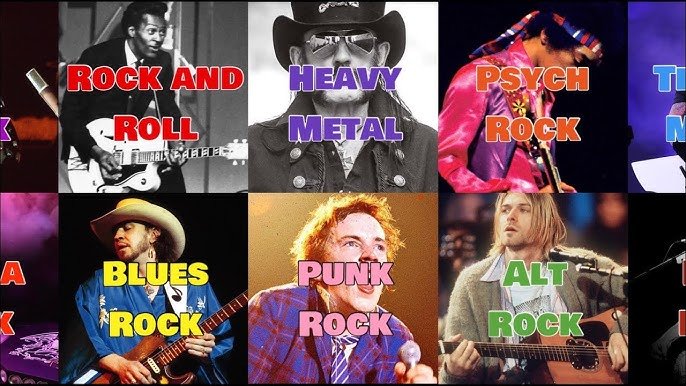
Classic rock represents the golden era of rock from the 1960s through the 1980s. This genre defined what rock music would become for future generations.
Bands like Led Zeppelin, The Rolling Stones, and AC/DC created the blueprint for rock stardom. Their music featured powerful guitar riffs, thunderous drum beats, and larger-than-life vocals.
Classic rock emphasized live performance spectacle and musical virtuosity. The genre valued technical skill while maintaining accessibility to mainstream audiences.
Hard Rock: Amplifying the Intensity
Hard rock emerged as bands pushed classic rock to heavier, more aggressive territories. This subgenre bridges the gap between traditional rock and heavy metal.
Guns N’ Roses, Van Halen, and Deep Purple exemplify hard rock’s powerful sound. The music features distorted guitars, pounding drums, and commanding vocal performances.
Hard rock maintains melody while adding significant aggression and energy. The genre appeals to listeners seeking intensity without crossing into metal’s extreme territories.
Blues Rock: Where Rock Meets Soul
Blues rock blends traditional blues structures with rock’s amplified energy and attitude. This fusion created one of rock’s most enduring and influential subgenres.
Eric Clapton, Stevie Ray Vaughan, and The Rolling Stones pioneered blues rock’s emotional depth. The music emphasizes guitar solos, emotional vocals, and blues progressions.
Blues rock maintains blues’ expressive qualities while adding rock’s power and volume. This genre remains popular among guitarists seeking technical challenges and emotional expression.
Punk Rock: Raw Energy and Rebellion
Punk rock exploded in the mid-1970s as a reaction against prog rock’s complexity and mainstream rock’s commercialization. This movement prioritized attitude over technical proficiency.
The Sex Pistols, The Clash, and Ramones defined punk’s stripped-down aesthetic. Their music featured fast tempos, short songs, and politically charged lyrics.
Punk rock democratized music by showing anyone could form a band. The DIY ethic and rebellious spirit influenced countless subsequent genres and movements.
Alternative Rock: Breaking the Mold
Alternative rock encompasses diverse styles united by their departure from mainstream rock conventions. This broad category includes everything from college radio darlings to chart-topping acts.
R.E.M., Radiohead, and Nirvana brought alternative rock to worldwide prominence. The genre values artistic integrity, experimental approaches, and authentic expression.
Alternative rock evolved from underground scenes into mainstream dominance during the 1990s. Its influence continues shaping modern rock music across multiple subgenres.
Grunge: Seattle’s Gift to Rock
Grunge emerged from Seattle in the late 1980s, combining punk’s raw energy with heavy metal’s power. This subgenre defined the early 1990s rock landscape.
Nirvana, Pearl Jam, and Soundgarden created grunge’s signature sound. The music features distorted guitars, anguished vocals, and introspective lyrics.
Grunge rejected hair metal’s glamorous image for authenticity and emotional honesty. The movement’s cultural impact extended far beyond music into fashion and attitudes.
Progressive Rock: Artistic Ambition
Progressive rock pushed rock music’s boundaries by incorporating classical music complexity and jazz improvisation. This subgenre values technical mastery and conceptual ambition.
Pink Floyd, Yes, and King Crimson created prog rock’s expansive soundscapes. Their albums feature extended compositions, complex time signatures, and sophisticated arrangements.
Progressive rock treats rock music as high art worthy of serious consideration. The genre appeals to listeners appreciating musical complexity and conceptual depth.
Indie Rock: Independent Spirit
Indie rock originally described music released on independent labels but evolved into a distinct aesthetic. This subgenre emphasizes artistic freedom and creative experimentation.
The Strokes, Arctic Monkeys, and Vampire Weekend define modern indie rock sensibilities. The music balances accessibility with artistic credibility and innovation.
Indie rock maintains underground values while often achieving commercial success. The genre’s diversity allows countless variations under its inclusive umbrella.
Psychedelic Rock: Mind-Expanding Soundscapes
Psychedelic rock emerged during the 1960s counterculture, incorporating experimental sounds and consciousness-expanding themes. This subgenre challenges conventional song structures and sonic boundaries.
The Doors, Jefferson Airplane, and Jimi Hendrix pioneered psychedelic rock’s trippy atmospheres. The music features extended instrumental passages, unusual effects, and surreal lyrics.
Psychedelic rock continues influencing modern bands seeking experimental approaches. The genre’s legacy appears in everything from shoegaze to modern progressive rock.
Folk Rock: Acoustic Meets Electric
Folk rock combines folk music’s storytelling traditions with rock’s amplified power. This fusion created thoughtful, melodic music addressing social and personal themes.
Bob Dylan, The Byrds, and Crosby, Stills & Nash defined folk rock’s sound. The music blends acoustic and electric instruments while emphasizing lyrical depth.
Folk rock bridges traditional and contemporary musical approaches. The genre appeals to listeners valuing meaningful lyrics and melodic craftsmanship.
Glam Rock: Theatrical Excess
Glam rock celebrated theatrical presentation, androgynous fashion, and musical diversity. This 1970s phenomenon challenged gender norms while creating unforgettable performances.
David Bowie, T. Rex, and Queen transformed rock into spectacular visual art. The music combines rock energy with pop hooks and theatrical presentation.
Glam rock influenced fashion, attitudes, and musical experimentation for decades. The genre’s legacy continues in artists embracing theatrical presentation and gender fluidity.
Southern Rock: Regional Pride
Southern rock emerged from the American South, blending rock with blues, country, and gospel influences. This subgenre celebrates regional identity through distinctive musical flavors.
Lynyrd Skynyrd, The Allman Brothers Band, and ZZ Top defined southern rock’s swagger. The music features extended guitar solos, blues-based riffs, and southern cultural references.
Southern rock maintains strong regional identity while achieving national popularity. The genre represents working-class American experience through authentic musical expression.
Soft Rock: Melodic Accessibility
Soft rock prioritizes melody and commercial appeal over aggressive energy. This radio-friendly subgenre dominated airwaves throughout the 1970s and beyond.
Fleetwood Mac, The Eagles, and Chicago created soft rock’s polished sound. The music emphasizes vocal harmonies, acoustic elements, and sophisticated arrangements.
Soft rock appeals to listeners seeking accessible, melodic music without harsh edges. The genre maintains rock instrumentation while embracing pop sensibilities.
Pop Rock: Mainstream Appeal
Pop rock blends rock instrumentation with pop song structures and mass appeal. This commercially successful subgenre dominates radio playlists across generations.
Bon Jovi, Maroon 5, and Coldplay exemplify pop rock’s broad accessibility. The music features catchy melodies, polished production, and radio-friendly arrangements.
Pop rock bridges rock credibility with mainstream commercial success. The genre proves rock music can achieve massive popularity without sacrificing energy.
Post-Punk: Artistic Evolution
Post-punk evolved from punk’s energy while embracing artistic experimentation and darker themes. This late 1970s movement expanded rock’s emotional and sonic possibilities.
Joy Division, Siouxsie and the Banshees, and Gang of Four pioneered post-punk innovation. The music features angular guitars, prominent bass lines, and atmospheric production.
Post-punk influenced countless subsequent genres including goth rock and alternative. The movement’s experimental spirit continues inspiring modern rock artists.
Goth Rock: Dark Romanticism
Goth rock embraces dark imagery, melancholic themes, and atmospheric soundscapes. This subgenre emerged from post-punk while developing distinct musical and cultural identity.
The Cure, Bauhaus, and Sisters of Mercy defined goth rock aesthetics. The music combines atmospheric guitars, prominent bass, and introspective vocals.
Goth rock maintains dedicated following appreciating its emotional depth and visual presentation. The genre’s influence extends beyond music into fashion and lifestyle.
Emo: Emotional Intensity
Emo rock emphasizes emotional expression through confessional lyrics and passionate delivery. This subgenre evolved from hardcore punk into mainstream phenomenon.
My Chemical Romance, Fall Out Boy, and Dashboard Confessional brought emo mainstream success. The music combines punk energy with pop melodies and vulnerable lyrics.
Emo connects with audiences seeking authentic emotional expression through music. The genre’s cultural impact extended far beyond musical boundaries.
Industrial Rock: Mechanical Aggression
Industrial rock fuses rock instrumentation with electronic elements and harsh, mechanical sounds. This experimental subgenre pushes sonic boundaries through technological integration.
Nine Inch Nails, Ministry, and KMFDM pioneered industrial rock innovation. The music features distorted guitars, aggressive electronics, and confrontational themes.
Industrial rock appeals to listeners seeking challenging, innovative sonic experiences. The genre continues evolving through technological advances and experimental approaches.
Math Rock: Complex Rhythms
Math rock emphasizes technical complexity through unusual time signatures and intricate rhythmic patterns. This cerebral subgenre appeals to musically sophisticated listeners.
Don Caballero, Battles, and American Football define math rock’s intellectual approach. The music features complex polyrhythms, angular melodies, and precise execution.
Math rock demonstrates rock music’s potential for technical sophistication. The genre influences progressive musicians seeking rhythmic innovation.
Shoegaze: Wall of Sound
Shoegaze creates dense, effects-heavy soundscapes emphasizing texture over traditional song structure. This ethereal subgenre emerged from late 1980s British underground scenes.
My Bloody Valentine, Slowdive, and Ride pioneered shoegaze’s dreamy atmospheres. The music features layers of distorted guitars, buried vocals, and hypnotic rhythms.
Shoegaze appeals to listeners appreciating atmospheric, immersive sonic experiences. The genre’s influence continues in modern dream pop and ambient rock.
Post-Rock: Instrumental Landscapes
Post-rock eschews traditional rock conventions while maintaining rock instrumentation. This cinematic subgenre builds emotional intensity through patient, layered compositions.
Explosions in the Sky, Mogwai, and Godspeed You! Black Emperor create post-rock epics. The music features crescendoing dynamics, repetitive structures, and primarily instrumental arrangements.
Post-rock demonstrates rock’s capacity for emotional storytelling without vocals. The genre appeals to listeners seeking immersive, contemplative musical experiences.
Britpop: British Invasion Redux
Britpop revived British rock’s prominence during the 1990s through catchy melodies and British cultural references. This movement celebrated working-class British identity through accessible rock music.
Oasis, Blur, and Pulp defined Britpop’s swagger and catchiness. The music combines Beatles-influenced melodies with contemporary production and British attitudes.
Britpop dominated UK charts while achieving international recognition. The movement’s cultural impact extended beyond music into British popular culture.
Garage Rock: Raw Simplicity
Garage rock emphasizes raw, unpolished energy and simple song structures. This back-to-basics approach values authenticity over technical perfection.
The White Stripes, The Strokes, and The Black Keys revived garage rock aesthetics. The music features straightforward arrangements, lo-fi production, and energetic performances.
Garage rock appeals to listeners appreciating rock’s fundamental energy and directness. The genre continues influencing bands seeking authentic, unpretentious approaches.
Ska Rock: Upbeat Fusion
Ska rock combines punk rock energy with ska’s upbeat rhythms and horn sections. This fusion creates danceable, energetic music with positive vibes.
No Doubt, Sublime, and Less Than Jake popularized ska rock’s infectious energy. The music features offbeat rhythms, brass instruments, and punk rock attitude.
Ska rock appeals to listeners seeking fun, energetic music with diverse influences. The genre’s upbeat nature contrasts with rock’s often serious demeanor.
Rockabilly: Rock and Roll’s Origins
Rockabilly represents rock and roll’s earliest form, blending country music with rhythm and blues. This foundational subgenre established rock music’s basic vocabulary.
Elvis Presley, Carl Perkins, and Eddie Cochran defined rockabilly’s swagger. The music features slap bass, twangy guitars, and energetic vocal delivery.
Rockabilly maintains dedicated revival scenes appreciating vintage rock aesthetics. The genre’s influence appears throughout rock music’s evolutionary history.
Jam Rock: Improvisational Freedom
Jam rock emphasizes extended improvisations and exploratory performances. This subgenre values spontaneity and musical conversation over strict song structures.
The Grateful Dead, Phish, and Widespread Panic pioneered jam rock culture. The music features lengthy instrumental passages, audience interaction, and unique nightly variations.
Jam rock appeals to listeners appreciating live performance and improvisational skill. The genre maintains dedicated community valuing experiential music consumption.
Surf Rock: California Sound

Surf rock captures beach culture through reverb-heavy guitars and instrumental virtuosity. This sunny subgenre originated in 1960s California coastal communities.
The Beach Boys, Dick Dale, and The Ventures defined surf rock’s distinctive sound. The music features tremolo-heavy guitars, driving rhythms, and carefree attitudes.
Surf rock represents American teenage leisure culture through infectious instrumentals. The genre’s influence continues in retro-inspired rock and instrumental music.
New Wave: Synth-Rock Fusion
New wave incorporated synthesizers and electronic elements into rock frameworks. This late 1970s movement bridged punk energy with pop accessibility.
Talking Heads, Devo, and The Cars pioneered new wave innovation. The music features synthesizers, quirky attitudes, and art school aesthetics.
New wave influenced electronic rock and alternative music for decades. The genre demonstrated rock’s capacity for technological integration and stylistic diversity.
Stoner Rock: Heavy and Hypnotic
Stoner rock emphasizes heavy, downtuned guitars and hypnotic, repetitive grooves. This subgenre creates psychedelic heaviness through slow tempos and thick tones.
Queens of the Stone Age, Kyuss, and Sleep define stoner rock’s fuzzy power. The music features massive guitar tones, desert imagery, and meditative heaviness.
Stoner rock appeals to listeners seeking heavy music with psychedelic elements. The genre maintains underground credibility while influencing mainstream rock.
Heartland Rock: American Working Class
Heartland rock celebrates working-class American experiences through straightforward rock instrumentation. This earnest subgenre addresses everyday struggles and triumphs.
Bruce Springsteen, Tom Petty, and John Mellencamp embodied heartland rock values. The music features honest lyrics, traditional rock arrangements, and populist themes.
Heartland rock connects with audiences identifying with working-class narratives. The genre maintains relevance addressing timeless American experiences.
Arena Rock: Stadium Spectacle
Arena rock optimizes music for large venue performances through anthemic choruses and crowd interaction. This commercially successful subgenre dominated 1970s and 1980s stadiums.
Journey, Foreigner, and Boston created arena rock’s massive sound. The music features sing-along choruses, keyboard-driven arrangements, and polished production.
Arena rock demonstrates rock’s capacity for mass audience connection. The genre influenced modern rock’s approach to live performance spectacle.
Rap Rock: Hip-Hop Meets Guitar
Rap rock fuses hip-hop vocals and rhythms with rock instrumentation and energy. This crossover genre emerged in the 1980s and peaked during the late 1990s.
Rage Against the Machine, Linkin Park, and Limp Bizkit defined rap rock’s aggressive sound. The music combines rapped verses, heavy guitars, and hip-hop production techniques.
Rap rock demonstrates rock’s ability to incorporate diverse influences. The genre appeals to fans appreciating both hip-hop and rock elements.
College Rock: Campus Underground
College rock describes alternative music popular on college radio stations during the 1980s. This term represents a distribution channel more than distinct musical style.
R.E.M., The Smiths, and Pixies dominated college rock playlists nationwide. The music emphasized artistic integrity over commercial appeal and mainstream acceptance.
College rock laid groundwork for alternative rock’s 1990s mainstream breakthrough. The genre represents important chapter in independent music’s evolution.
Gothic Metal: Dark and Heavy
Gothic metal combines gothic rock’s atmospheric darkness with metal’s heavy instrumentation. This fusion creates dramatic, melancholic music with theatrical presentation.
Type O Negative, Paradise Lost, and Lacuna Coil pioneered gothic metal sound. The music features heavy guitars, atmospheric keyboards, and romantic darkness.
Gothic metal appeals to listeners appreciating both metal intensity and gothic aesthetics. The genre maintains dedicated following across global underground scenes.
Power Pop: Melodic Energy
Power pop emphasizes strong melodies, crisp production, and energetic performances. This subgenre celebrates pop songcraft within rock framework.
Cheap Trick, The Raspberries, and Big Star defined power pop’s infectious hooks. The music features jangly guitars, tight harmonies, and upbeat tempos.
Power pop demonstrates rock’s capacity for pure melodic pleasure. The genre influenced countless alternative and indie rock bands.
Desert Rock: Southwestern Spirit
Desert rock captures southwestern American landscapes through heavy, hypnotic grooves. This regional subgenre emerged from California’s desert communities.
Kyuss, Eagles of Death Metal, and Fu Manchu epitomize desert rock atmosphere. The music features fuzzy guitars, dusty vibes, and psychedelic heaviness.
Desert rock appeals to listeners seeking atmospheric heavy music with regional character. The genre maintains strong connection to specific geographic origins.
Frequently Asked Questions
What is the main difference between hard rock and heavy metal?
Hard rock emphasizes blues-based riffs and maintains melodic accessibility, while heavy metal features more aggressive distortion, faster tempos, and darker themes. Hard rock serves as a bridge between classic rock and metal’s extreme intensity.
Which rock genre is best for beginners to learn?
Classic rock and punk rock are ideal for beginners due to their straightforward chord progressions and accessible song structures. These genres teach fundamental techniques while remaining engaging and achievable for new musicians.
How did grunge differ from previous rock genres?
Grunge combined punk’s raw energy with metal’s heavy sound while rejecting 1980s rock’s polished production and glamorous image. The genre emphasized authenticity, emotional vulnerability, and anti-commercial attitudes that resonated with Generation X.
What makes progressive rock unique compared to other types?
Progressive rock features complex time signatures, extended compositions, and classical music influences uncommon in other rock subgenres. The genre prioritizes musical sophistication and conceptual ambition over commercial accessibility.
Is indie rock still relevant in 2026?
Yes, indie rock remains highly relevant as it constantly evolves incorporating modern influences while maintaining independent spirit. The genre’s flexibility and diversity ensure continued cultural significance and musical innovation.
What defines alternative rock as a category?
Alternative rock encompasses any rock music diverging from mainstream conventions, making it an umbrella term for diverse styles. The category values artistic experimentation, authentic expression, and independence from commercial pressures.
How did punk rock influence modern music?
Punk rock’s DIY ethic, stripped-down aesthetic, and rebellious attitude influenced countless genres including grunge, emo, indie rock, and pop punk. The movement democratized music creation and challenged industry gatekeepers permanently.
What are the characteristics of psychedelic rock?
Psychedelic rock features experimental sounds, extended instrumental passages, unusual effects, and consciousness-expanding themes. The genre incorporates diverse influences creating surreal, immersive sonic landscapes.
Why is blues rock important to rock history?
Blues rock established rock music’s fundamental vocabulary by electrifying blues traditions, creating the foundation for hard rock and heavy metal. The genre maintains enduring popularity among guitarists and rock enthusiasts.
Which rock subgenre has the most diverse sound?
Alternative rock encompasses the most diverse sounds as it serves as an umbrella category for experimental, non-mainstream rock. The genre’s inclusivity allows infinite variations under its broad definition.
Conclusion
Types of rock music represent decades of cultural evolution, musical innovation, and artistic rebellion spanning from the 1940s to today’s diverse landscape.
Each subgenre tells unique stories through distinctive sonic signatures, from classic rock’s foundational riffs to post-rock’s atmospheric crescendos. Understanding these various types enriches music appreciation while revealing rock’s remarkable capacity for reinvention and adaptation.
The beauty of rock music lies in its endless diversity and continued evolution. Whether you’re drawn to punk’s raw energy, prog rock’s complexity, or indie rock’s artistic freedom, rock music offers something for every taste and mood.
These subgenres don’t exist in isolation but constantly influence and inspire each other, creating new hybrid forms and pushing boundaries.
As rock music continues evolving in 2026, new subgenres emerge while classic styles experience revivals and reinterpretations. The genre’s fundamental spirit—rebellion, authenticity, and powerful expression—remains constant even as sounds change.


