


Interstellar piano sheet music remains one of the most sought-after movie soundtrack arrangements for pianists worldwide, capturing the emotional depth and cosmic wonder of Hans Zimmer’s masterpiece.
Composed for Christopher Nolan’s 2014 sci-fi epic, this hauntingly beautiful score combines minimalist piano melodies with powerful organ crescendos that resonate with players of all skill levels.
Whether you’re a beginner searching for simplified arrangements or an advanced pianist ready to tackle the full suite, this comprehensive guide provides everything you need including free sheet music sources, detailed tutorials, playing techniques, and practice tips to master this cinematic treasure in 2026.
Understanding the Interstellar Main Theme
The Interstellar main theme was composed by Hans Zimmer in a unique creative process. Director Christopher Nolan gave Zimmer a one-page letter about a father-child relationship without revealing it was for a space film.
Zimmer composed the music before knowing the movie’s plot. This emotional approach resulted in music that feels deeply personal rather than typically cinematic, focusing on human connection over spectacle.
The composition is primarily written in A minor for most arrangements. Some versions transpose it to C major or other keys to accommodate different skill levels and vocal ranges.
The piece features a distinctive four-note motif that repeats throughout. This minimalist approach creates hypnotic beauty while allowing pianists to focus on dynamics and expression rather than technical complexity.
Originally scored for church organ, the theme translates beautifully to piano. The organ’s sustained tones become flowing arpeggios and broken chords that capture the piece’s ethereal quality.
The main theme typically runs 3-4 minutes in standard arrangements. Extended suite versions combining multiple tracks can reach 8-10 minutes, offering more comprehensive performance opportunities.
Time signature varies between 6/8 and 12/8 throughout different sections. This creates the flowing, space-like quality that defines the soundtrack’s cosmic atmosphere.
Where to Find Free Interstellar Piano Sheet Music
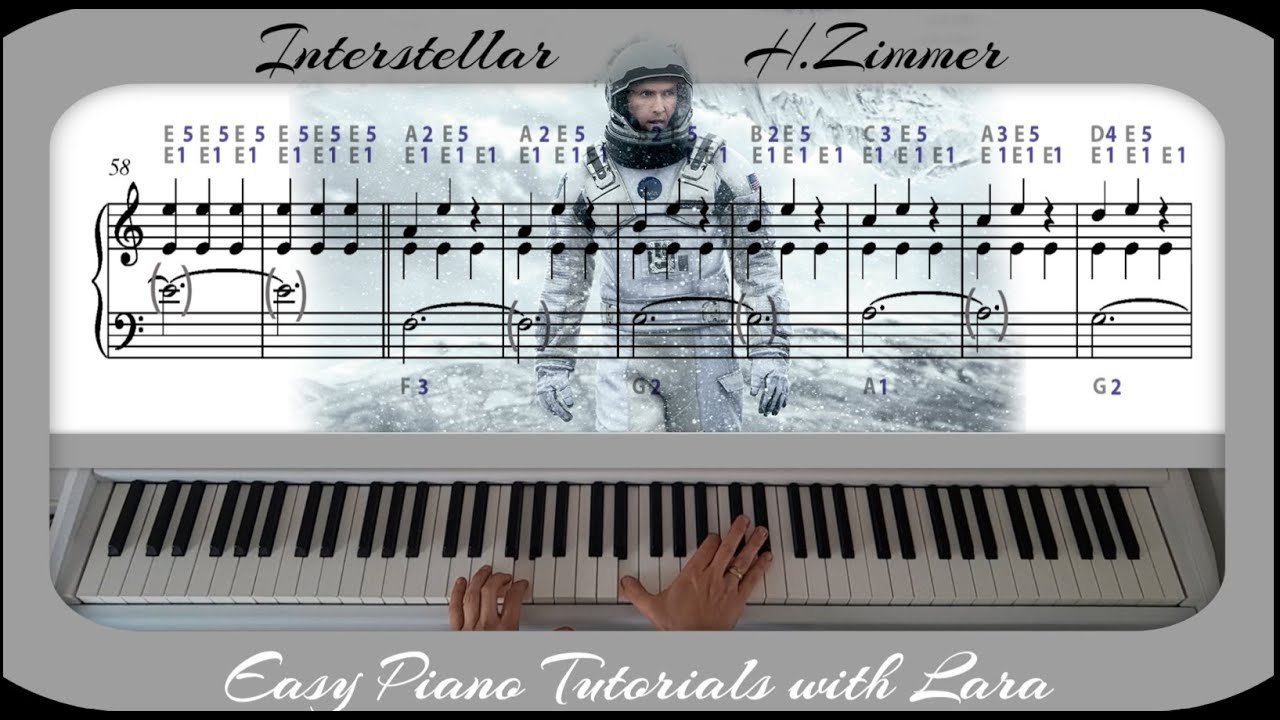
MuseScore offers the largest collection of free Interstellar arrangements. The platform hosts hundreds of user-created versions ranging from beginner to advanced difficulty levels.
Multiple arrangements by different users provide variety. You can choose between simplified versions, original difficulty transcriptions, or enhanced concert arrangements with added flourishes.
PDF and MIDI downloads are available simultaneously. The MIDI files let you hear the arrangement before attempting to play it, helping you choose the right difficulty level.
Noteflight provides another excellent free resource with digital sheet music. Their interactive format allows transposition to different keys and playback at various tempos for practice.
Virtual Piano offers letter-note versions for absolute beginners. These simplified arrangements use keyboard letters instead of traditional notation, perfect for those still learning to read music.
IMSLP (International Music Score Library Project) sometimes features arrangements. While primarily focused on classical public domain works, user contributions occasionally include popular soundtrack transcriptions.
YouTube video descriptions often contain free sheet music links. Many tutorial creators share their arrangements as PDF downloads in the video description or pinned comments.
Personal musician websites like JoyceMusic provide free arrangements. Independent arrangers often share simplified versions as promotional material for their teaching services.
Paid Professional Sheet Music Sources
Musicnotes.com offers officially licensed professional arrangements. These high-quality transcriptions include intermediate and advanced versions with accurate notation and proper licensing.
Chrissy Ricker’s intermediate arrangement on Musicnotes is particularly popular. This version balances playability with faithfulness to the original, perfect for players with 3-5 years experience.
Sheet Music Plus provides multiple difficulty levels. Their catalog includes beginner, intermediate, and advanced arrangements, often with audio previews for informed purchasing decisions.
Noviscore specializes in difficulty-graded arrangements with innovative features. Their sheet music includes note names for beginners and color-coded versions for visual learners.
The Noviscore versions span five difficulty levels. From absolute beginner (Level 1) to conservatory-level expert arrangements, ensuring every pianist finds an appropriate challenge.
Amazon sells compilation books featuring Interstellar among other soundtracks. These collections often provide better value than individual sheet purchases for soundtrack enthusiasts.
Etsy features unique educational arrangements from independent teachers. These often include video tutorials, color-coded notes, and MP3 reference tracks for comprehensive learning support.
Official Hans Zimmer sheet music books occasionally include Interstellar. These authorized publications ensure accuracy and often include composer notes and performance suggestions.
Interstellar Piano Sheet Music Difficulty Levels
Beginner arrangements (Grade 1-2) simplify the left-hand accompaniment significantly. These versions use basic chords and simpler rhythms while maintaining the recognizable melody.
The right hand in beginner versions plays mostly single notes. Occasional harmonies in thirds or sixths appear but require minimal hand stretching, making them accessible for small hands.
Intermediate arrangements (Grade 3-5) introduce more complex left-hand patterns. Broken chords and arpeggios replace simple block chords, creating fuller sound and authentic texture.
The right hand develops octaves and fuller chords at intermediate level. These versions require larger hand spans and better finger independence for simultaneous melody and harmony.
Advanced arrangements (Grade 6+) closely replicate the original recording’s complexity. Multiple voices, dense harmonies, and intricate rhythms challenge even experienced pianists.
Concert versions add improvisational elements and extended techniques. These arrangements expand on the original theme with elaborate runs, cross-hand techniques, and dramatic dynamic contrasts.
Easy piano versions with note names help absolute beginners. These educational arrangements label each note, eliminating the need for advanced sight-reading skills.
Simplified rhythms maintain the piece’s essence while reducing technical demands. Quarter notes replace complex sixteenth-note patterns, focusing on melody and expression over virtuosity.
Step-by-Step Tutorial for Main Theme
Start by familiarizing yourself with the melody by listening repeatedly. Understanding the emotional arc helps you interpret dynamics and phrasing even before touching the piano.
Learn the right-hand melody first before adding left hand. This approach builds confidence and ensures solid melodic foundation before tackling harmonic complexities.
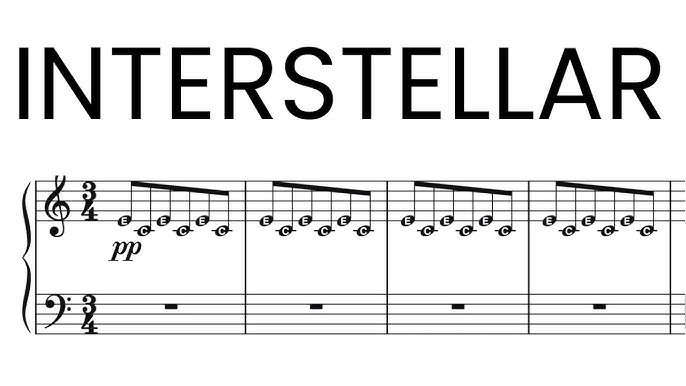
The opening phrase begins on the dominant (E in A minor). Practice this four-note pattern (E-D-C-B) until muscle memory develops and fingers find notes automatically.
Count carefully through the 6/8 or 12/8 time signature. The flowing rhythm requires understanding of compound meter to maintain proper phrasing and avoid rushing.
Practice hands separately for at least a week. This extended separate-hand practice prevents bad habits and builds independence necessary for smooth coordination.
The left hand typically plays broken chord patterns. Practice these arpeggios slowly, ensuring even tone and smooth transitions between positions.
Combine hands at half tempo initially. Rushing the learning process leads to mistakes that become difficult to correct later.
Focus on one system (two staffs) at a time. Master small sections completely before connecting them, building the piece phrase by phrase.
Mastering the Left-Hand Accompaniment
The left-hand pattern consists primarily of broken chord arpeggios. These flowing patterns create the piece’s oceanic, floating quality essential to its cosmic atmosphere.
Practice arpeggios with proper fingering from the beginning. Consistent fingering prevents confusion and enables automatic, confident playing during performance.
Common chord progressions include i-IV-V in A minor. Understanding harmonic structure helps memorization and allows improvisation if you forget the exact notes.
Hand position shifts require smooth transitions without breaks. Practice moving between positions with legato connection, avoiding gaps in the musical line.
Some arrangements include bass notes on strong beats. These anchor points provide rhythmic foundation and harmonic clarity amidst the flowing arpeggios.
Pedaling technique greatly affects the left hand’s sound. Use half-pedal or flutter pedal to create blur without mud, sustaining harmonies while maintaining clarity.
Build stamina gradually for continuous arpeggios. The repetitive nature requires endurance that develops through consistent, incremental practice sessions.
Dynamic shaping in the left hand supports right-hand expression. Avoid playing accompaniment at constant volume; let it breathe with the melody’s emotional journey.
Right-Hand Melody Techniques
The melody’s simplicity demands expressive playing to avoid monotony. Focus on subtle dynamic variations, rubato, and tonal color to create interest.
Sing the melody while practicing away from piano. This vocal approach develops musical phrasing and natural breathing points that translate to more expressive playing.
Finger legato creates smooth melodic connections. Practice overlapping fingers slightly during note transitions to eliminate gaps between pitches.
Weight transfer between fingers produces even tone. Avoid relying solely on finger strength; use arm weight and gravity for fuller, more controlled sound.
Voicing the melody above accompaniment requires balance awareness. The top note should project clearly without harsh accents or forced volume.
Octave passages need special attention for evenness. Practice octaves slowly with focus on simultaneous attack and release of both notes.
Chord voicing highlights important melodic notes. Slightly emphasize the top note of chords to ensure melody clarity amidst harmonic density.
Dynamic range from pp to ff showcases the piece’s drama. Don’t be timid; the music requires bold contrasts to convey its emotional and cosmic scope.
Understanding Musical Notation and Symbols
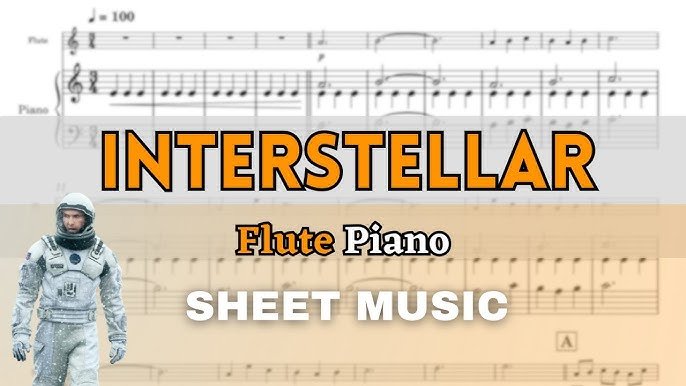
Time signatures of 6/8 or 12/8 indicate compound meter. Each beat divides into three eighth notes, creating the flowing, lilting quality.
Slurs indicate phrases to be played legato smoothly. Lift slightly at phrase endings to create natural breathing without complete separation.
Crescendo and decrescendo markings are crucial for expression. These dynamic changes transform repetitive patterns into emotionally evolving musical statements.
Accent marks emphasize particular notes within phrases. These stress points create rhythmic interest and highlight important melodic moments.
Fermatas appear occasionally for dramatic pauses. Hold these notes longer than their written value, creating suspended moments of cosmic contemplation.
Pedal markings guide sustain pedal usage. Follow these carefully to achieve the score’s intended harmonic blur and atmospheric resonance.
Tempo markings often indicate “Moderato” or similar moderate speeds. The piece shouldn’t rush; it needs space to breathe and develop emotionally.
Dynamic markings range from piano to fortissimo. These volume indications shape the piece’s emotional journey from intimate whispers to powerful climaxes.
Practice Strategies and Tips
Set realistic daily practice goals focusing on quality over quantity. Fifteen minutes of focused practice outperforms an hour of mindless repetition.
Use a metronome starting at 60% tempo. Gradually increase speed by 5 BPM increments only after achieving perfect accuracy.
Record yourself playing to identify problem areas. Listening objectively reveals issues you can’t notice while concentrating on playing.
Practice difficult passages in rhythmic variations. Playing dotted rhythms or reversed rhythms builds precision and fluency for the actual rhythm.
Hands-separately practice should continue even after combining hands. Returning to separate-hand work maintains and refines individual part clarity.
Mental practice away from the piano reinforces learning. Visualize finger movements and hear the music internally during commutes or breaks.
Take breaks every 20-30 minutes to prevent fatigue. Tired practice leads to mistakes and potential injury, especially with repetitive patterns.
Practice performance by playing through without stopping. This builds stamina and teaches you to recover from mistakes without breaking flow.
Performance Tips and Expression
Build the piece’s emotional arc from beginning to end. Start intimately quiet, gradually building through middle sections, reaching climactic moments, then settling peacefully.
Use rubato sparingly but effectively for emotional emphasis. Slight tempo flexibility at phrase peaks or resolutions adds human touch to repetitive patterns.
Create tonal color variations through touch and pedaling. Even repeated phrases can sound different through subtle changes in attack and resonance.
Eye contact with audience creates connection during performance. Look up occasionally, especially during easier sections or repeated phrases you know by memory.
Physical movement should reflect musical phrasing naturally. Allow your body to sway and breathe with the music without exaggerated theatrical gestures.
Manage performance anxiety through thorough preparation and breathing. Deep breaths before starting and during rests maintain calm and control.
Start each performance section with clear intention. Know the character and dynamic of your first note before touching the key.
End with confidence by holding the final notes fully. Resist the urge to lift hands prematurely; let the last chord resonate completely.
Common Mistakes to Avoid
Rushing through the piece destroys its contemplative character. The music needs space and time to breathe, creating atmosphere rather than displaying speed.
Playing with flat dynamics makes repetitive sections boring. Without dynamic variety, the minimalist composition loses its emotional power and becomes monotonous.
Incorrect pedaling muddies harmonic clarity. Over-pedaling blurs everything together; under-pedaling creates choppy, disconnected sound lacking atmospheric quality.
Tension in hands and arms leads to fatigue and injury. Stay relaxed, using minimal effort for maximum sound production.
Inconsistent tempo during transitions disrupts flow. Maintain steady pulse even when changing between sections or dynamic levels.
Ignoring phrase markings creates unmusical interpretation. Respect the composer’s phrasing intentions to achieve authentic expression.
Memorizing too quickly before solidifying technique causes errors. Build secure technical foundation before attempting memory work.
Skipping warm-up exercises before practice or performance risks injury. Always prepare hands and mind with scales or easier pieces first.
Cornfield Chase Piano Arrangement
“Cornfield Chase” features faster tempo and energetic character. This uplifting piece contrasts with the main theme’s contemplative nature, requiring different technical approaches.
Rapid arpeggios in the left hand demand agility and endurance. These continuous flowing patterns require significant practice to achieve evenness and stamina.
The right-hand melody features wide intervals and leaps. Accuracy in these jumps requires slow practice and visual awareness of distance.
Syncopated rhythms create forward momentum and excitement. Count carefully to place off-beat accents correctly without rushing overall tempo.
This piece suits intermediate to advanced players best. The technical demands exceed beginner capabilities, though simplified arrangements exist for ambitious students.
Building speed gradually prevents sloppy technique. Start slow enough to play perfectly, then incrementally increase tempo over weeks.
Dynamic contrasts from soft to powerful require control. The piece’s drama depends on ability to play quietly and loudly with equal command.
Pedaling creates blur while maintaining rhythmic clarity. This balance challenge requires careful listening and adjustment.
Mountains and Other Soundtrack Pieces
“Mountains” features the famous ticking clock motif throughout. This rhythmic element represents time dilation, adding urgency to already intense music.
The piece builds from sparse opening to overwhelming climax. This gradual intensification tests dynamic control and stamina across several minutes.
Complex polyrhythms challenge advanced players significantly. Different time feels occur simultaneously, requiring independence and precise rhythm.
“S.T.A.Y.” provides another popular piano-friendly track. Its intimate character and moderate difficulty make it accessible while maintaining emotional depth.
“No Time for Caution” combines intensity with delicate passages. This contrast piece showcases versatility and dramatic range.
“Day One” offers atmospheric, ambient qualities. Sparse texture makes it beginner-friendly while providing opportunity for expressive interpretation.
Suite arrangements combine multiple themes sequentially. These extended works create concert-length performances showcasing various moods from the soundtrack.
Playing the complete soundtrack as a program demonstrates ambition. This challenging project requires months of preparation but creates unforgettable performances.
Piano Technique Requirements
Hand independence develops through separate-hand practice. The left and right hands often play contrasting rhythms and articulations simultaneously.
Finger strength for sustained playing matters significantly. Repeated patterns over several minutes require muscular endurance beyond casual playing.
Pedal technique affects the piece’s atmospheric quality fundamentally. Proper pedaling creates orchestral depth while maintaining harmonic clarity.
Dynamic control from very soft to very loud expands expressive range. The piece explores full volume spectrum from whispered intimacy to cosmic grandeur.
Smooth legato technique creates flowing melodic lines. Choppy playing destroys the piece’s ethereal, floating character.
Voicing ability highlights melody within complex textures. Bringing out the top line while balancing inner voices requires sophisticated control.
Rhythmic precision maintains steady pulse throughout. Even expressive rubato must return to established tempo to avoid chaos.
Stamina for 4+ minute pieces comes from gradual conditioning. Build endurance slowly to avoid injury from sudden extended playing.
Adapting Sheet Music to Your Level
Simplify left-hand patterns by reducing note density. Replace complex arpeggios with simpler broken chords or even block chords for beginners.
Remove octaves from right-hand melody for smaller hands. Single-note melody maintains essence while accommodating physical limitations.
Slow tempo makes any piece more accessible initially. Play at comfortable speed, gradually increasing as technique improves.
Cut difficult middle sections if needed for shorter version. Focus on learning strong opening and ending first, adding complexity later.
Add fingering numbers to sheet music for guidance. Writing in optimal fingering prevents confusion and builds consistent technique.
Transpose to easier keys if original is uncomfortable. Moving from A minor to C major eliminates black keys, simplifying reading.
Create practice versions with simplified rhythms. Convert sixteenth notes to eighths temporarily while learning note patterns.
Use apps to slow down recordings without pitch change. Hearing the piece at practice tempo helps internalize correct rhythm.
Digital Tools and Apps for Learning
MuseScore app provides interactive practice with real-time feedback. The software listens through device microphone, tracking accuracy and timing.
Flowkey offers video tutorials synchronized with sheet music. The app waits for correct notes before advancing, ensuring thorough learning.
Simply Piano uses gamification to make practice engaging. Point systems and achievements motivate consistent practice, especially for younger players.
YouTube tutorials demonstrate proper technique visually. Watching professional performances reveals interpretation details invisible in sheet music alone.
Synthesia provides falling-note visualization of MIDI files. This Guitar Hero-style interface helps visual learners see note patterns clearly.
Yousician combines games with actual skill development. Real-time feedback during sight-reading exercises builds proficiency efficiently.
Piano Marvel offers comprehensive curriculum including Interstellar. Structured lessons progress systematically from basics through advanced techniques.
MIDI accompaniment tracks let you practice with orchestration. Playing along with strings and organ parts creates full soundtrack experience.
Memorization Techniques for Performance
Divide the piece into small, manageable sections. Memorize one phrase completely before moving forward, building secure foundations.
Practice sections in random order to test true memory. Playing only start-to-finish creates false confidence; random practice reveals weak spots.
Analyze harmonic structure to understand, not just memorize. Knowing chord progressions provides logical framework supporting rote memory.
Use visualization techniques to see the keys mentally. Close your eyes and picture your hands playing, reinforcing memory pathways.
Create verbal stories or associations for difficult passages. Mnemonics help recall specific note sequences in challenging sections.
Practice away from piano through mental rehearsal. Thinking through the piece engages different neural pathways, strengthening overall memory.
Perform from memory regularly during practice. Don’t wait for official performances; treat each practice session’s run-through seriously.
Develop backup strategies for memory slips during performance. Know where you can re-enter if you lose your place without starting over.
Interstellar Sheet Music for Different Instruments
Piano-vocal arrangements add the vocal line above piano part. These versions work well for accompanists supporting singers performing soundtrack songs.
Piano duet arrangements split the complexity between two players. These collaborative versions make advanced arrangements accessible to intermediate players working together.
Piano trio arrangements add violin and cello parts. Chamber ensemble versions create richer, more orchestral sound closer to original score.
Organ sheet music returns to Zimmer’s original instrumentation. These versions require organ-specific registration knowledge and pedal technique.
Simplified versions for keyboard with auto-accompaniment exist. These arrangements help absolute beginners experience the music with minimal technical skill.
Guitar tabs provide alternative for string players. While less common than piano versions, guitar arrangements capture the piece’s essence differently.
String quartet arrangements transform piano themes for ensemble. These versions showcase the music’s classical-quality composition through chamber forces.
Full orchestra scores enable ambitious community groups. These arrangements bring the complete cinematic experience to live performance settings.
Historical Context and Movie Background
Interstellar released in November 2014 to critical and commercial success. The film grossed over $677 million worldwide, becoming one of the decade’s sci-fi landmarks.
Christopher Nolan directed this epic space exploration story. His vision combined hard science with human emotion, requiring music that balanced both elements.
The film explores themes of love, sacrifice, and survival. These profound human experiences demanded music expressing intimate emotion despite cosmic scale.
Matthew McConaughey and Anne Hathaway starred in lead roles. Their performances required musical support that enhanced emotional scenes without overwhelming dialogue.
The movie addressed actual theoretical physics concepts. Kip Thorne, a Nobel Prize-winning physicist, consulted to ensure scientific accuracy in depicting black holes and relativity.
Hans Zimmer’s score won numerous awards and nominations. The soundtrack album reached #1 on classical charts worldwide, unusual for film music.
The music was performed at major venues globally after release. Concert halls featured Interstellar in programs, validating its standalone artistic merit.
The score influenced film music composition for years following. Many subsequent space films adopted similar minimalist, emotion-focused approaches to scoring.
Hans Zimmer’s Compositional Approach
Zimmer composed from emotion rather than visuals initially. This human-centered approach created music that connects universally beyond just film context.
The distinctive organ sound came from Temple Church in London. This historic venue provided unique timbral qualities impossible to replicate synthetically.
Minimalism defines the score’s aesthetic throughout. Zimmer used restraint and repetition rather than complexity, proving that less can be more.
Zimmer recorded with a 60-piece orchestra plus choir. Despite organ prominence, full orchestral colors provide depth and variety throughout the soundtrack.
No temp track was used during composition. Nolan trusted Zimmer completely, allowing pure creative freedom without reference to existing music.
The music was composed in Zimmer’s personal studio over several months. Intensive work sessions resulted in over 90 minutes of original music.
Zimmer incorporated synthesizers alongside traditional instruments. This blend of organic and electronic sounds created the score’s distinctive futuristic yet timeless quality.
The composer conducted sessions personally to ensure vision accuracy. His direct involvement in recording produced results exactly matching his creative intentions.
Advanced Arrangement and Improvisation
Add runs and fills between phrases for personal touch. Scalar passages or arpeggiated flourishes can bridge sections while maintaining musical coherence.
Experiment with different voicings of chords throughout. Inverting chords or spreading them differently creates fresh sounds in familiar progressions.
Incorporate jazz harmonies for sophisticated reharmonization. Substitute chords with extended harmonies (9ths, 11ths, 13ths) for richer tonal colors.
Create your own introduction before the main theme begins. An atmospheric prelude sets mood and showcases creativity before recognizable material.
Develop variation techniques for repeated sections. Change texture, register, or articulation in subsequent repetitions to maintain interest.
Add countermelodies in the left hand during repeats. These additional melodic lines create polyphonic interest and demonstrate compositional skill.
Use cross-hand techniques for dramatic visual and sonic effect. Crossing hands adds excitement while accessing different registers quickly.
Compose an extended coda beyond the written ending. A personalized conclusion makes performances unique and memorable.
Sheet Music Reading Skills Development
Practice sight-reading new music daily for improvement. Consistent exposure to unfamiliar notation builds fluency faster than perfecting single pieces.
Interval recognition training speeds note identification significantly. Knowing intervals visually eliminates counting lines and spaces repeatedly.
Understand key signatures to anticipate accidentals automatically. Knowing what sharps or flats belong in the key prevents reading errors.
Rhythm exercises separate from pitch learning build dual fluency. Clap or tap complex rhythms before adding pitches for comprehensive understanding.
Chord recognition helps identify harmonic patterns quickly. Seeing chords as units rather than individual notes accelerates reading speed.
Pattern recognition reveals repeated motifs throughout pieces. Noticing sequences and repetitions reduces the amount of “new” material to learn.
Read ahead while playing to anticipate what’s coming. This professional skill prevents surprises and enables smooth phrase transitions.
Progressive difficulty challenges expand capabilities gradually. Moving from easy to intermediate to advanced reading builds confidence systematically.
Community and Resources for Pianists
Online piano forums provide support and advice from fellow players. Websites like Piano World offer sections dedicated to soundtrack music discussions.
Reddit’s r/piano community shares arrangements and tips actively. Members frequently post their Interstellar performances and receive constructive feedback.
Facebook groups for film music pianists connect enthusiasts. These communities share resources, arrangements, and performance opportunities regularly.
Local piano meetups enable in-person collaboration and performance. Search Meetup.com for piano groups hosting regular gatherings.
Piano teachers specializing in contemporary music offer targeted instruction. Finding a teacher familiar with film scores accelerates learning significantly.
YouTube comment sections connect learners globally. Engaging with tutorial creators and fellow commenters builds supportive learning networks.
Discord servers for pianists provide real-time chat support. Voice channels enable virtual practice sessions and collaborative learning.
Instagram hashtags like #interstellarpiano showcase global performances. Following and engaging with these accounts provides inspiration and community.
Frequently Asked Questions
Where can I find free Interstellar piano sheet music?
MuseScore and Noteflight offer extensive free Interstellar piano arrangements in various difficulty levels. These platforms provide PDF and MIDI downloads of user-created transcriptions ranging from beginner to advanced, all available without cost or registration requirements.
What is the difficulty level of Interstellar piano music?
The main theme ranges from beginner to advanced depending on arrangement. Simplified versions suit players with 1-2 years experience, while authentic transcriptions challenge advanced players. Cornfield Chase typically requires intermediate to advanced skills due to rapid arpeggios.
What key is the Interstellar theme in?
The Interstellar main theme is typically written in A minor for piano arrangements. Some versions transpose it to C major for easier reading or other keys to accommodate different vocal ranges or instrument limitations.
How long does it take to learn Interstellar on piano?
Beginners can learn simplified versions in 2-4 weeks with daily practice. Intermediate players need 1-2 months for standard arrangements. Advanced concert versions may require 3-6 months to master completely with proper technique and expression.
Do I need large hands to play Interstellar piano music?
Not necessarily—beginner and intermediate arrangements avoid large stretches. Advanced versions include some octaves and wide chords, but alternatives exist for smaller hands. Simplified arrangements remove stretches while maintaining the piece’s essence.
Is Interstellar good for beginner pianists?
Yes, simplified arrangements make the main theme very beginner-friendly. The repetitive melody and simple structure help new players sound good quickly. However, more complex pieces like Cornfield Chase suit intermediate to advanced players better.
What piano techniques are needed for Interstellar?
Essential techniques include smooth legato playing, arpeggio patterns, pedaling for atmosphere, dynamic control from soft to loud, and stamina for sustained playing. Advanced versions require octaves, chord voicing, and hand independence.
Can I play Interstellar without sheet music?
Yes, the main theme can be learned by ear due to its repetitive, simple structure. Many tutorials teach it through pattern recognition and chord progressions. However, sheet music ensures accuracy and provides detailed dynamic and phrasing guidance.
Are there Interstellar piano tutorials on YouTube?
Numerous high-quality video tutorials exist on YouTube from channels like Pianote, HDpiano, and independent pianists. These tutorials range from slow step-by-step breakdowns for beginners to advanced performance demonstrations with technique tips.
What’s the best Interstellar piece to learn first?
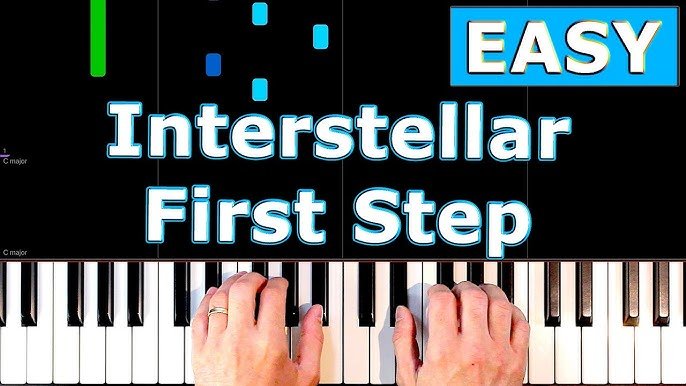
Start with the main theme’s simplified arrangement before attempting other pieces. It introduces the soundtrack’s musical language while remaining technically accessible. After mastering it, progress to “First Step” or “S.T.A.Y.” before tackling challenging pieces like “Mountains.”
Conclusion
Interstellar piano sheet music offers pianists of all levels an opportunity to perform one of the 21st century’s most emotionally powerful film scores.
Hans Zimmer’s masterful composition transcends its cinematic origins, standing as legitimate concert repertoire that challenges and inspires players worldwide. From free arrangements on MuseScore to professional licensed versions on Musicnotes, resources abound to help you learn this hauntingly beautiful music in 2026.
This comprehensive guide has explored every aspect of learning and performing Interstellar on piano—from understanding the composition’s unique backstory to mastering specific techniques for authentic interpretation.
Whether you choose the contemplative main theme, the energetic Cornfield Chase, or ambitious suite arrangements combining multiple tracks, you now possess the knowledge to approach these pieces confidently. Remember that the music’s power lies not in technical perfection but in emotional expression and dynamic storytelling.


