


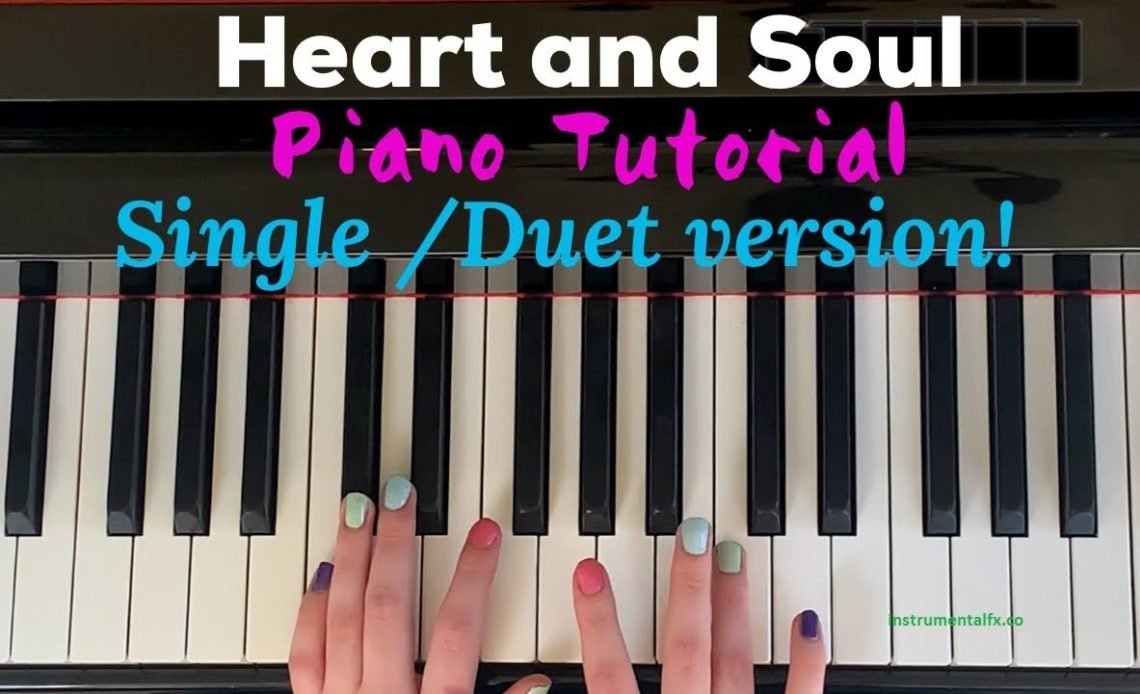
Heart and Soul piano sheet music remains the most iconic duet arrangement for pianists worldwide, transcending generations since its composition by Hoagy Carmichael in 1938.
Whether you’re searching for free PDF downloads, beginner-friendly arrangements, or advanced variations, this timeless melody continues captivating music students, teachers, and enthusiasts alike.
From elementary school music rooms to professional concert halls, the simple yet enchanting chord progression has introduced countless people to collaborative piano playing.
This comprehensive guide explores everything about Heart and Soul sheet music, including where to find quality scores, how to play both parts, different arrangement levels, historical significance, and practical tips for mastering this beloved musical treasure that brings people together through the universal language of music.
The History and Legacy of Heart and Soul

Heart and Soul was composed by Hoagy Carmichael with lyrics by Frank Loesser in 1938. The song appeared in the Paramount short film “A Song Is Born” that same year.
Originally written as a jazz standard, the melody transformed into America’s most recognizable piano duet. Its simple structure made it perfect for teaching collaborative playing.
The piece gained widespread popularity in the 1950s and 1960s. Music teachers across America adopted it as an essential teaching tool for introducing students to ensemble performance.
Today, Heart and Soul represents more than just sheet music—it’s a cultural phenomenon. Nearly everyone who’s taken piano lessons has played this iconic duet at some point.
Why Heart and Soul Remains Popular
The chord progression in Heart and Soul is incredibly satisfying to play. The I-vi-IV-V pattern creates harmonic movement that sounds complete and pleasing.
The melody is catchy and memorable. Even non-musicians can hum the tune after hearing it once, making it instantly recognizable.
As a duet, Heart and Soul brings people together musically. Playing with a partner creates joy and connection that solo playing cannot replicate.
People with minimal piano background can successfully play Heart and Soul. This accessibility makes it uniquely democratic among classical and popular piano repertoire.
Understanding the Two Parts
Heart and Soul consists of two distinct parts designed for one piano with four hands. The primo (upper) part plays the melody in the treble clef.
The secondo (lower) part provides harmonic foundation with bass notes and chord accompaniment. This part typically sits in the bass clef region.
Both parts are essential and interdependent. Neither sounds complete without the other, teaching students the importance of listening and coordinating.
The secondo part uses repeating patterns that create rhythmic foundation. The primo part floats the familiar melody over this harmonic bedrock.
Difficulty Levels and Arrangements
Heart and Soul is available in multiple difficulty levels. Beginner arrangements simplify rhythms and limit hand positions for novice players.
5-finger position versions keep both hands stationary. These arrangements work perfectly for students who haven’t learned position changes yet.
Easy piano versions add slight complexity with basic position shifts. These arrangements maintain the essential character while challenging developing pianists.
Intermediate and advanced arrangements incorporate variations and embellishments. Some versions progressively increase difficulty throughout the piece, offering built-in advancement.
Where to Find Free Heart and Soul Sheet Music
MuseScore offers numerous free Heart and Soul arrangements. Users can download PDF or MIDI files for various skill levels and instrumentation.
The platform features both duet and solo versions. Arrangements range from extremely simple to complex variations with harmonic sophistication.
8notes.com provides free classical and popular sheet music downloads. Their Heart and Soul collection includes standard arrangements suitable for students.
IMSLP (International Music Score Library Project) hosts public domain versions. Since the original was published in 1938, certain editions are now freely available.
Poppiano.org specializes in popular piano music. Their Heart and Soul collection includes multiple arrangements with preview images before downloading.
Commercial Sheet Music Options
Musicnotes.com offers 38+ different Heart and Soul arrangements. These professionally engraved scores include piano, voice, guitar, and 18 other instrumental versions.
The site provides 12 different scorings and 2 notations across 14 genres. Customers can transpose arrangements and print instantly after purchase.
J.W. Pepper carries Heart and Soul for various skill levels. Their collection includes both duet arrangements and solo piano adaptations.
Hal Leonard publishes “Heart and Soul & Other Duet Favorites.” This book contains eight beloved duets arranged for one piano, four hands at intermediate level.
Amazon offers numerous Heart and Soul collections in physical book format. These compilations often include additional classic duets alongside the title piece.
The Primo (Melody) Part
The primo part carries the recognizable melody. It typically begins in middle C range and extends upward into the treble staff.
Right hand plays the main melodic line. The tune follows a stepwise pattern that’s easy to finger and remember.
Left hand often doubles the melody an octave lower or plays simple harmony. This reinforcement creates fuller sound from the upper part.
Dynamic markings in the primo part indicate expressive phrasing. Players should observe crescendos and diminuendos to create musical shape.
The Secondo (Bass) Part
The secondo part provides rhythmic and harmonic foundation. The left hand typically plays bass notes on beats one and three.
Right hand fills in with chord tones between bass notes. This “oom-pah” pattern creates the characteristic stride feel.
The secondo pattern repeats consistently throughout most arrangements. This repetition makes it easier to memorize and perform confidently.
Some versions add walking bass lines or syncopated rhythms. These variations increase difficulty while maintaining the fundamental harmonic structure.
Teaching Heart and Soul by Rote
Heart and Soul beautifully lends itself to rote teaching. Students can learn by ear and hand placement without reading notation initially.
This approach mirrors how the piece traditionally passed from student to student. In music rooms and living rooms, kids taught each other through demonstration.
Teachers can demonstrate small sections repeatedly. Students imitate hand positions and movements before connecting musical concepts to written notes.
Rote learning builds confidence and musicality. Students experience the joy of making music before wrestling with technical reading challenges.
Reading the Sheet Music
Once students play comfortably by rote, introducing notation reinforces learning. They can now connect sounds they know with written symbols.
The primo part requires reading treble clef fluently. Students should identify notes, intervals, and melodic patterns in the score.
The secondo part demands bass clef reading skills. Understanding chord structures and bass line movement enhances performance quality.
Rhythm notation shows quarter notes, half notes, and whole notes primarily. Simpler arrangements avoid complex rhythmic patterns for accessibility.
Playing Solo Arrangements
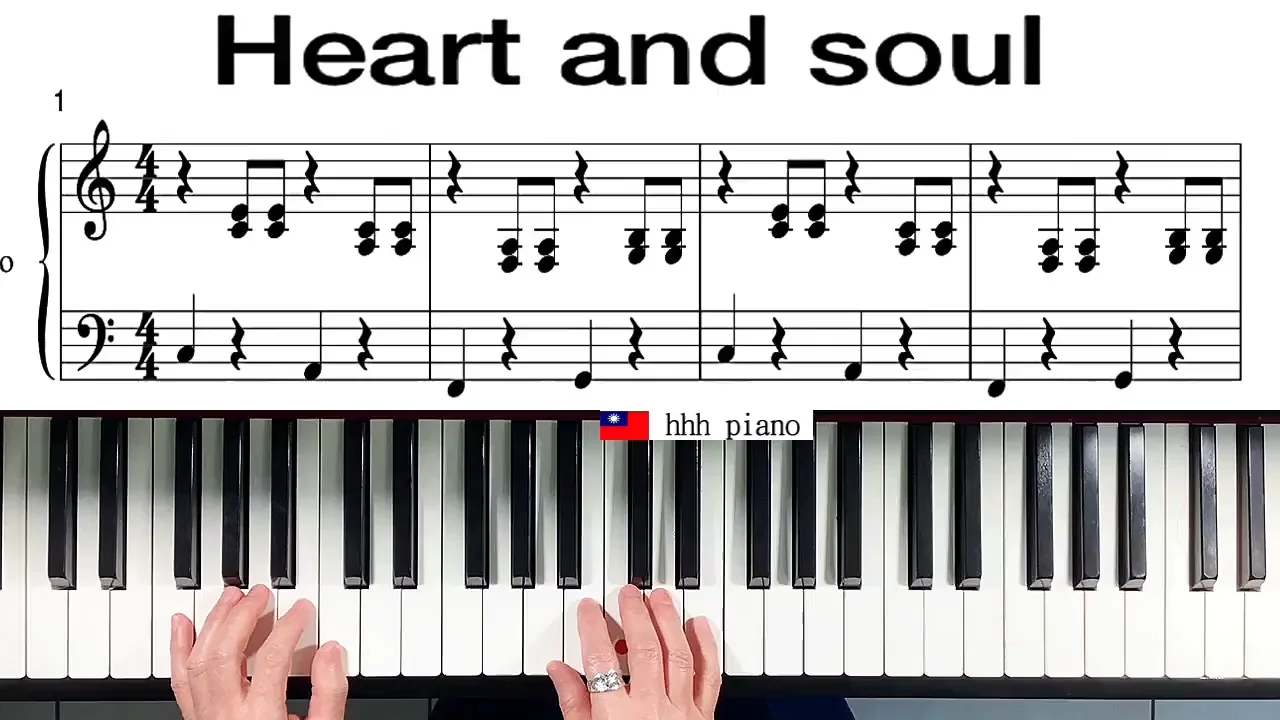
Solo versions combine both primo and secondo elements. The pianist plays melody with right hand while left hand covers bass and harmony.
This requires hand independence and coordination. The left hand bounces between bass notes and chord tones while the right maintains melody.
Solo playing is more challenging than duet performance. Without a partner, one person must execute all musical elements simultaneously.
Some pianists learn to play the entire duet alone. They bounce the left hand between bass and chord positions, creating self-accompaniment.
Duet Performance Tips
Sit close enough to your partner without crowding. Primo player typically sits slightly to the right, secondo slightly left.
Count together before beginning. Establish tempo and give a clear preparatory breath or nod to start simultaneously.
Listen actively to your partner throughout. Balance your dynamics so both parts blend without one overpowering the other.
Practice hands separately first, then combine. Each player should feel confident with their part before attempting ensemble playing.
Common Mistakes and How to Fix Them
Rushing is the most common error. Students often accelerate tempo gradually, especially in the secondo’s repetitive pattern.
Use a metronome during practice. Start slowly and increase tempo only when both parts coordinate perfectly.
Ignoring dynamics creates flat, unmusical performance. Mark crescendos, decrescendos, and accent points, then practice executing them.
Poor hand position causes unnecessary tension. Keep wrists level, fingers curved, and shoulders relaxed throughout playing.
Variations and Advanced Versions
Charles Cornell created a popular contemporary arrangement. His version incorporates jazz harmonies and rhythmic sophistication while maintaining recognizable melody.
Progressive difficulty arrangements start simple and gradually increase complexity. Each variation adds technical elements like arpeggios, octaves, or extended harmonies.
Some versions include improvisation sections. These allow performers to add personal expression within the structural framework.
Professional pianists have created virtuosic arrangements. These pieces transform the simple duet into concert-worthy display pieces.
Heart and Soul for Different Instruments
While primarily known as piano music, Heart and Soul has been arranged for other instruments. Violin, flute, clarinet, and saxophone versions exist.
Guitar arrangements adapt the piece for strumming and fingerstyle. Chord symbols allow guitarists to comp the harmony while singing melody.
Ukulele tabs make the song accessible to beginning uke players. The simple chord progression translates beautifully to this instrument.
Vocal arrangements with lyrics allow singers to perform the piece. The romantic lyrics express deep devotion and emotional connection.
Using Heart and Soul in Education
Elementary music teachers use Heart and Soul for ensemble skills. Students learn listening, cooperation, and timing through collaborative performance.
The piece introduces basic music theory concepts. Teachers can explain chord progressions, harmonic function, and phrase structure using familiar material.
Recitals often feature Heart and Soul duets. The recognizable melody ensures audience engagement and student confidence.
Group classes can rotate partners, allowing everyone to play both parts. This builds versatility and understanding of complete musical texture.
The Cultural Impact
Heart and Soul appeared in numerous films and television shows. Its instantly recognizable opening measures signal nostalgia and innocence.
The 1988 film “Big” featured the famous piano scene. Tom Hanks and Robert Loggia played Heart and Soul on a floor piano at FAO Schwarz.
This scene revitalized the song’s popularity. Floor pianos became tourist attractions, and sheet music sales increased dramatically.
The piece represents American musical culture. It embodies the democratic ideal that anyone can make beautiful music together.
Memorization Techniques
Break the piece into small, manageable sections. Master 2-4 measures at a time before connecting phrases.
Identify patterns and repetitions. The secondo part especially features recurring rhythmic and harmonic patterns.
Use mental practice away from the piano. Visualize hand positions and hear the music internally to reinforce memory.
Practice hands separately until automatic. When each hand moves independently, combining them becomes significantly easier.
Practicing with a Partner
Schedule regular practice sessions together. Consistency builds familiarity and coordination between players.
Record practice sessions and listen critically. Audio playback reveals balance issues and tempo inconsistencies you might miss while playing.
Switch parts occasionally. Understanding your partner’s challenges creates empathy and improved ensemble playing.
Set specific goals for each practice session. Work systematically through problem areas rather than playing through repeatedly.
Digital Resources and Technology
MuseScore provides interactive sheet music features. Digital scores allow tempo adjustment, transposition, and playback for practice.
YouTube tutorials demonstrate proper technique. Visual learners benefit from watching hand positions and fingering choices.
Piano learning apps include Heart and Soul in their libraries. These programs offer feedback on timing and note accuracy.
MIDI files allow computer playback of either part. Students can practice their part while the computer plays the other.
Fingering Recommendations
Proper fingering ensures smooth, efficient playing. Primo melody often uses 1-2-3-4-5 ascending pattern starting on C.
Secondo bass notes typically use finger 5 (pinky) on left hand. This allows fingers 1-2-3 to cover chord tones above.
Crossing thumb under facilitates position changes. Practice this technique slowly to develop fluidity.
Mark fingerings on your sheet music. Consistent fingering choices build muscle memory and reliability.
Dynamics and Expression
Heart and Soul benefits from thoughtful dynamics. Begin at moderate volume, allowing room for crescendos and diminuendos.
Create dynamic arch through phrases. Swell toward phrase peaks, then taper at conclusions.
Use rubato sparingly for expression. Slight tempo flexibility adds human warmth without disrupting ensemble coordination.
Balance between parts requires attention. Melody should project clearly while accompaniment provides supportive foundation.
Performance Anxiety Management
Nervousness before performing Heart and Soul is normal. Even this simple piece can feel daunting before an audience.
Practice performance situations. Play for family members or record yourself to simulate performance pressure.
Focus on communication with your partner. Eye contact and breathing together reduce isolation and anxiety.
Remember that mistakes happen. If you stumble, continue playing rather than stopping—audiences are remarkably forgiving.
Heart and Soul for Adult Learners

Adult beginners love Heart and Soul. The familiar melody provides motivation and achievable goals.
Learning this piece builds confidence. Successfully performing a recognizable duet demonstrates real musical accomplishment.
Adults can teach Heart and Soul to children or grandchildren. Sharing music across generations creates meaningful connections.
The piece offers entry into piano playing. From this foundation, adults can explore broader piano repertoire.
Creating Your Own Arrangement
Once comfortable with standard versions, try creating variations. Change rhythms, add embellishments, or alter harmonies.
Jazz-influenced versions substitute complex chords. Try using major 7ths, dominant 9ths, or diminished chords for color.
Transpose to different keys for practice. Playing in G, F, or D major develops technical facility.
Compose additional variations. Extend the piece with new sections while maintaining the original’s character.
The Therapeutic Value of Heart and Soul
Music therapy programs incorporate Heart and Soul. The cooperative nature promotes social connection and communication.
Playing together releases endorphins. The shared musical experience creates joy and reduces stress.
Dementia patients often remember how to play Heart and Soul. The deeply ingrained muscle memory persists despite cognitive decline.
The piece facilitates intergenerational bonding. Grandparents teaching grandchildren create lasting memories through music.
Competition and Festival Use
Some piano competitions prohibit overdone pieces like Heart and Soul. Check regulations before programming it for adjudicated events.
However, festivals celebrating piano duets welcome this classic. The piece demonstrates fundamental ensemble skills judges value.
Performance quality matters more than repertoire choice. A beautifully executed Heart and Soul impresses more than a poorly played difficult piece.
Consider pairing it with contrasting selections. Programming variety showcases versatility while including this beloved favorite.
Beyond the Basics: Advanced Concepts
Advanced pianists explore harmonic analysis. Understanding the I-vi-IV-V progression deepens musical comprehension.
Study different historical performance practices. Compare 1940s jazz interpretations with contemporary classical approaches.
Analyze melodic construction and phrase structure. Identify motivic development and thematic relationships.
Consider compositional techniques. Explore how Carmichael crafted such an enduring melody from simple materials.
Related Duet Repertoire
Students who enjoy Heart and Soul should explore similar duets. “Chopsticks” offers another accessible ensemble piece.
“Music Box Dancer” provides slightly more complexity. The piece maintains accessibility while introducing new technical challenges.
Classical duet literature includes Mozart and Schubert compositions. These expand repertoire while building sophisticated musicianship.
Contemporary duets by Brian Balmages or Kevin Olson offer modern alternatives. These pieces appeal to students seeking current musical language.
Copyright and Public Domain Status
The original Heart and Soul composition entered public domain. Works published before 1928 are freely available in the United States.
However, specific arrangements may carry copyright protection. Modern editions with unique editorial content remain protected.
Always verify copyright status before reproducing sheet music. Respect intellectual property even when the underlying composition is public domain.
Free sheet music sites like MuseScore allow legal sharing. User-created arrangements operate under Creative Commons licensing.
Recording Your Performance
Recording captures progress and achievement. Video documentation shows technical development over time.
Audio recordings reveal musical details difficult to hear while playing. Listen critically to balance, tempo, and phrasing.
Share recordings with friends and family. Social media platforms make sharing musical accomplishments easy and rewarding.
Professional recording requires attention to microphone placement. Position recording devices to capture both piano parts equally.
Adapting for Different Pianos
Heart and Soul works on acoustic, digital, and keyboard instruments. Each instrument type offers unique characteristics.
Acoustic pianos provide rich, resonant tone. The dynamic range allows expressive nuance unavailable on basic keyboards.
Digital pianos offer consistent touch response. Volume control helps during practice without disturbing others.
Small keyboards with fewer than 88 keys may require adaptation. Ensure the arrangement fits within available range.
Community and Social Media
Online communities celebrate Heart and Soul. Facebook groups and Reddit threads discuss arrangements, techniques, and memories.
YouTube channels feature countless performances. From children to professionals, everyone shares their interpretations.
TikTok videos showcase creative variations. Short-form content makes the piece accessible to new generations.
Instagram features sheet music screenshots and practice videos. Visual platforms inspire and educate aspiring pianists.
Sheet Music Organization
Organize your Heart and Soul collection by difficulty level. Create folders for beginner, intermediate, and advanced arrangements.
Use clear labeling systems. Mark each score with tempo markings and personal practice notes.
Maintain both digital and physical copies. Redundant storage protects against loss.
Create a practice journal. Track which arrangements you’ve mastered and which need additional work.
The Future of Heart and Soul
This timeless duet will continue teaching future generations. Its fundamental appeal transcends musical trends and cultural shifts.
New arrangements will emerge as musicians reinterpret the classic. Each generation adds fresh perspectives while honoring the original.
Technology will provide innovative ways to learn and perform. Virtual reality might enable remote duet performances across distances.
The piece remains a cultural touchstone. Heart and Soul will introduce countless children to collaborative music-making for decades to come.
Frequently Asked Questions
Where can I find free Heart and Soul piano sheet music?
MuseScore, 8notes.com, and IMSLP offer free Heart and Soul arrangements in PDF format. These platforms provide various difficulty levels from beginner to advanced for download.
What is the difficulty level of Heart and Soul?
Heart and Soul ranges from very easy (5-finger position) to intermediate difficulty. Beginner versions are accessible for students with just a few months of lessons.
Can Heart and Soul be played solo or only as a duet?
Both solo and duet versions exist. Duet arrangements are traditional, but solo versions combine melody and accompaniment for one player to perform independently.
Who composed Heart and Soul?
Hoagy Carmichael composed the music in 1938 with lyrics by Frank Loesser. The song originally appeared in the Paramount short film “A Song Is Born.”
What are the two parts of Heart and Soul called?
The upper part (melody) is called “primo” and the lower part (accompaniment) is called “secondo.” Both parts are essential for the complete duet.
Is Heart and Soul good for beginner piano students?
Yes, Heart and Soul is excellent for beginners. Its simple patterns, repetitive structure, and immediate gratification make it ideal for introducing collaborative playing.
How long does it take to learn Heart and Soul?
Most students can learn basic versions in 1-2 weeks with regular practice. More complex arrangements may require several weeks or months to master.
What key is Heart and Soul originally in?
The standard version is in C major, making it accessible for beginners. Arrangements exist in other keys for different skill levels and preferences.
Can Heart and Soul be played on a 61-key keyboard?
Yes, most arrangements fit comfortably on 61 keys. The piece doesn’t require the full 88-key range of standard pianos.
Are there advanced variations of Heart and Soul?
Yes, numerous advanced arrangements exist featuring jazz harmonies, complex rhythms, and virtuosic variations. Charles Cornell’s contemporary version is particularly popular among advanced players.
Conclusion
Heart and Soul piano sheet music represents far more than notes on a page—it embodies the universal joy of making music together.
From its humble beginnings as a 1938 Hoagy Carmichael composition to its current status as the world’s most recognized piano duet, this timeless piece continues introducing millions to collaborative performance.
Whether you’re downloading free beginner arrangements from MuseScore, purchasing professional editions from Musicnotes, or teaching the piece by rote to eager students, Heart and Soul remains accessible yet profoundly meaningful.
The beauty of this duet lies in its simplicity and democratic spirit. Five-year-olds and seventy-year-olds can sit side-by-side at the piano, creating harmonious music despite vastly different life experiences.
The I-vi-IV-V chord progression teaches fundamental music theory while the memorable melody ensures immediate success. As digital resources expand access to quality sheet music, new generations discover why Heart and Soul has survived nearly ninety years of changing musical tastes.


