



Final duet piano sheet music has become one of the most sought-after pieces for pianists worldwide.
This emotional composition from the OMORI video game, created by Pedro Silva and the OMOCAT Music Team, captures hearts with its melancholic melody and touching chord progressions.
Whether you’re a beginner just starting your piano journey or an intermediate player looking to expand your repertoire, mastering this piece will enhance your musical abilities and emotional expression at the keyboard.
Understanding Final Duet – The Basics
Final Duet is classified as an easy to intermediate piano piece. The song is typically played in C Major, making it accessible for pianists of various skill levels.
The piece features a 2:12 runtime when performed at the recommended tempo. The emotional depth of this composition comes from its simple yet powerful harmonic structure.
The melody alternates between contemplative passages and more expressive sections. This creates a dynamic listening experience that resonates with audiences across different age groups and musical backgrounds.
Chord Progressions in Final Duet
The chord progressions in Final Duet follow a melancholic pattern. The piece primarily uses diatonic chords within the C Major key signature.
Common chord sequences include C Major, A minor, F Major, and G Major. These foundational chords create the emotional backbone of the composition.
Advanced players can add seventh chords for additional color. Sus2 and sus4 variations can also enhance the emotional impact of specific passages.
Key Signature and Time Signature
Final Duet is written in C Major, containing no sharps or flats. This makes reading the sheet music straightforward for beginners.
The piece uses 4/4 time signature throughout most sections. This common time signature provides a steady rhythmic foundation for the melodic content.
Some arrangements may feature tempo changes or rubato sections. These expressive elements allow pianists to add personal interpretation to their performances.
Notes and Melody Structure
The right-hand melody contains flowing eighth-note patterns. These melodic phrases create the recognizable theme that defines Final Duet.
The left-hand accompaniment features arpeggiated patterns and block chords. This combination provides harmonic support while maintaining rhythmic interest.
The piece spans approximately two octaves in range. Middle C serves as a frequent anchor point for hand position transitions.
Difficulty Level Analysis
Final Duet is rated as difficulty level 4 (Easy) on most platforms. Beginners with 6-12 months of practice can approach this piece successfully.
The technical demands include basic finger independence and hand coordination. Smooth legato playing is essential for capturing the piece’s emotional quality.
Intermediate players will find opportunities for musical expression. Dynamic control and pedaling technique become important interpretive elements.
Sheet Music Formats Available
Digital sheet music is available in PDF format from multiple sources. These downloadable versions often include fingering suggestions and performance notes.
Interactive sheet music apps offer playback features. Apps like Musicnotes and Flat.io provide synchronized highlighting of notes during playback.
Some platforms offer transposable versions. This allows pianists to practice in different keys or adjust to their comfortable vocal range if singing along.
Free vs. Paid Sheet Music Options
Free sheet music can be found on platforms like MuseScore and Flat.io. Community members share their arrangements and transcriptions without cost.
Paid versions often include professional arrangements and editing. Publishers like Musicnotes and Sheet Music Boss offer high-quality, accurately transcribed editions.
SIGNATURE ARTIST arrangements provide unique interpretations. These specialized versions feature arrangements by popular YouTube pianists and educators.
Learning Final Duet – Step by Step
Begin by familiarizing yourself with the melody through listening. Multiple performances are available on YouTube and Spotify for reference.
Practice hands separately before combining them. The right hand should flow smoothly while the left hand maintains steady accompaniment patterns.
Start at a slower tempo than the final performance speed. Gradually increase tempo as muscle memory develops and accuracy improves.
Right Hand Technique Tips
Focus on finger legato for smooth melodic lines. Each note should connect seamlessly to create a singing quality.
Practice dynamic shading within phrases. The melody should ebb and flow naturally, following the emotional contours of the piece.
Use appropriate fingering patterns to minimize hand movement. Consistent fingering choices improve reliability and reduce physical tension.
Left Hand Accompaniment Patterns
The left hand primarily plays arpeggiated chord patterns. These broken chords create movement while supporting the melody harmonically.
Maintain even rhythm in the accompaniment figures. The left hand provides the metrical foundation that anchors the entire performance.
Practice left-hand patterns in isolation first. This builds confidence and allows focus on proper hand position and finger technique.
Pedaling Techniques for Final Duet
Use the sustain pedal to connect harmonies smoothly. Change pedal with each new chord to avoid muddiness in the sound.
Employ half-pedaling for subtle dynamic effects. This technique allows partial damper engagement for nuanced tonal control.
Practice pedaling separately from note execution initially. Once comfortable, coordinate pedal changes with chord progressions naturally.
Common Mistakes to Avoid
Rushing through emotional passages diminishes musical impact. Take time to let notes breathe and phrases develop naturally.
Neglecting dynamic contrast creates monotonous performances. Pay attention to forte and piano markings throughout the score.
Playing with excessive tension causes fatigue and injury. Maintain relaxed shoulders, wrists, and fingers during practice and performance.
Tempo Recommendations
The recommended performance tempo is approximately 72-80 BPM. This moderate pace allows emotional expression without dragging.
Beginners should practice at 50-60 BPM initially. Slower tempos facilitate accuracy and proper technique development.
Expressive players may employ tempo rubato in key sections. Slight tempo fluctuations can enhance emotional delivery when used tastefully.
Arranging Tips for Different Skill Levels
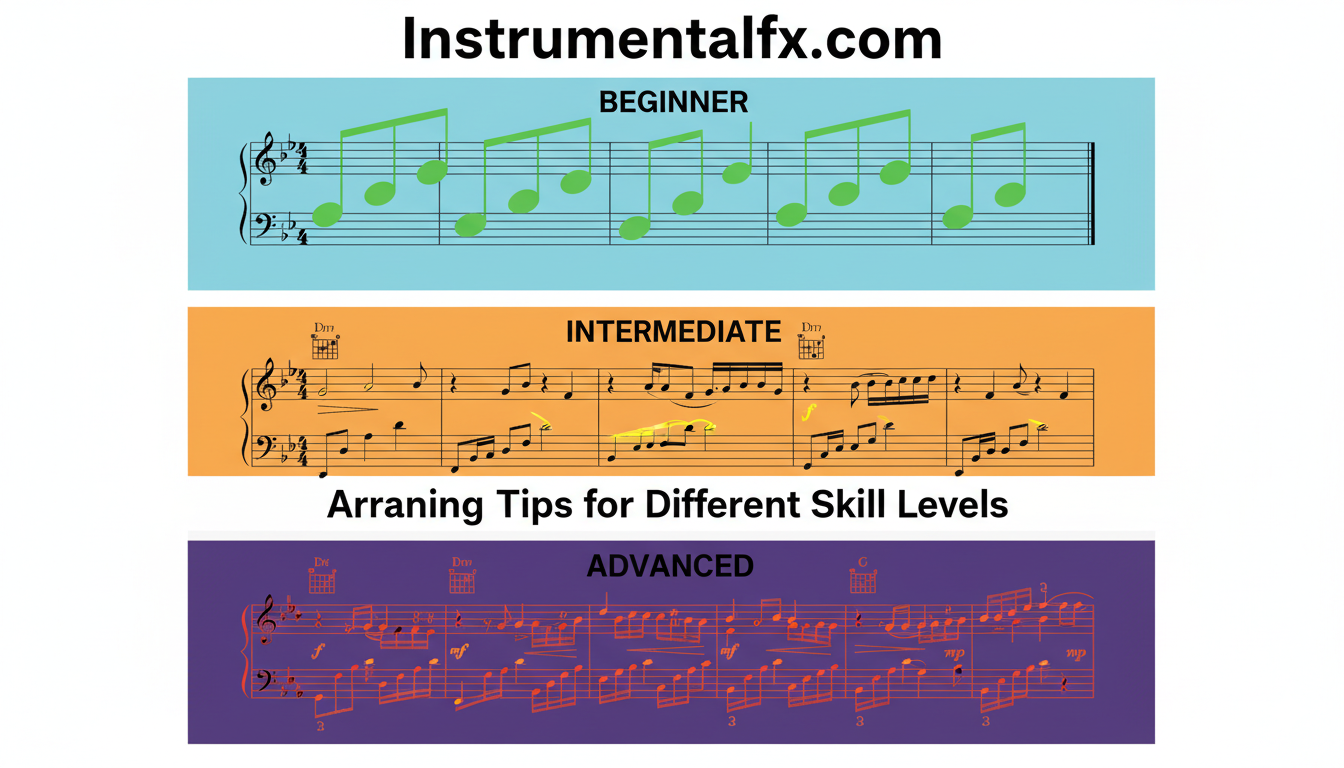
Beginner arrangements simplify left-hand patterns to block chords. This reduces technical demands while maintaining harmonic structure.
Intermediate versions include fuller voicings and embellishments. Additional melodic flourishes and harmonic complexity create richer textures.
Advanced arrangements may incorporate reharmonization techniques. Jazz-influenced chord substitutions can add sophisticated colors to the piece.
Performance and Expression
Capture the melancholic character through tone quality. Use the weight of your arms to produce a warm, singing tone.
Shape phrases with natural musical breathing. Think of the melody as a sung line, with logical places for musical “breaths.”
Connect with the emotional narrative of the piece. Understanding the context from OMORI helps inform interpretive choices.
Practice Strategies for Mastery
Divide the piece into manageable sections for practice. Master each section independently before linking them together.
Use a metronome for rhythmic accuracy during practice. Gradually increase tempo while maintaining precision and musicality.
Record yourself playing to identify improvement areas. Self-evaluation reveals technical and musical aspects needing attention.
Transposition Options
Transposing to D Major adds brightness to the sound. This key shift raises the pitch by a whole step.
A minor provides a darker, more introspective quality. The relative minor relationship maintains familiar finger patterns.
G Major offers a middle ground in tonal color. This common piano key balances accessibility with tonal warmth.
Digital Learning Resources
YouTube tutorials provide visual learning support. Channels like PHianonize and Sheet Music Boss offer detailed demonstrations.
Piano learning apps like La Touche Musicale offer interactive lessons. These platforms provide immediate feedback on timing and accuracy.
Online piano communities offer support and motivation. Forums and social media groups connect learners with similar musical interests.
Memorization Techniques
Learn the harmonic structure first. Understanding chord progressions provides a mental framework for memorization.
Practice small sections until they become automatic. Gradually chain these sections together to build complete memory.
Visualize hand positions away from the piano. Mental practice reinforces muscle memory and spatial awareness.
Historical Context of the Piece
Final Duet appears in OMORI during pivotal narrative moments. The game’s emotional storyline amplifies the piece’s impact.
Composer Pedro Silva created music that defines the game’s atmosphere. His work has influenced modern video game music composition.
The piece has inspired numerous arrangements and covers. Musicians across platforms have created their interpretations of this beloved work.
Recording Your Performance
Choose appropriate recording equipment for quality capture. Even smartphones can produce acceptable recordings with proper placement.
Position the microphone to capture balanced sound. Aim for equal representation of both bass and treble registers.
Edit recordings minimally to preserve authentic performance. Light touch-ups can enhance final product without losing genuine expression.
Performing for an Audience
Practice performing from beginning to end without stops. This builds stamina and confidence for live performance situations.
Manage performance anxiety through proper preparation. Thorough practice reduces uncertainty and builds self-assurance.
Focus on communicating the music’s emotional message. Connecting with the audience creates meaningful musical experiences.
Comparing Different Arrangements
Sheet Music Boss offers technically impressive versions. These arrangements often include additional flourishes and harmonies.
PHianonize provides beginner-friendly transcriptions. Simplified versions maintain musical integrity while reducing technical barriers.
MuseScore community arrangements vary in quality and difficulty. These user-generated versions offer diverse interpretive approaches.
Video Game Music in Piano Repertoire
OMORI’s soundtrack has gained recognition in piano communities. Video game music offers accessible entry points for developing pianists.
Final Duet exemplifies the emotional potential of game music. This piece demonstrates that gaming soundtracks deserve serious musical consideration.
Other popular video game piano pieces include similar characteristics. Emotional accessibility combined with technical achievability defines this genre.
Building Your Piano Repertoire
Include Final Duet alongside classical and contemporary pieces. A diverse repertoire develops well-rounded musical abilities.
Select pieces that challenge different technical aspects. Variety in musical styles strengthens overall pianistic development.
Return to favorite pieces periodically for refinement. Revisiting previously learned music reveals growth and new interpretive possibilities.
Sheet Music Reading Skills
Develop sight-reading ability through regular practice. Daily sight-reading exercises improve overall music literacy.
Understand chord symbols and lead sheet notation. These skills expand musical versatility and improvisation capabilities.
Learn to recognize common patterns and fingering sequences. Pattern recognition accelerates the learning process for new music.
Advanced Interpretation Ideas
Experiment with different pedaling approaches. Varied pedaling techniques create distinct sonic environments.
Add subtle harmonic embellishments in repeated sections. Tasteful additions prevent monotony without overwhelming the original melody.
Explore dynamic extremes for dramatic effect. Greater dynamic range increases emotional impact and listener engagement.
Community and Social Learning
Join online piano communities for feedback and support. Platforms like Reddit’s r/piano offer valuable learning resources.
Participate in virtual recitals and challenges. These events provide performance opportunities and community connection.
Share your progress to inspire and encourage others. Documentation of musical journey benefits both player and audience.
Equipment Recommendations
Acoustic pianos provide superior touch sensitivity and tone. Grand or upright pianos offer authentic playing experiences.
Digital pianos offer practical advantages for home practice. Weighted keys and quality sound samples replicate acoustic feel.
Keyboard apps and MIDI controllers support budget-conscious learners. While limited, these tools enable basic practice and learning.
Music Theory Elements in Final Duet
Analyze the harmonic progressions to deepen understanding. Theory knowledge enhances musical interpretation and memorization.
Identify the piece’s formal structure and phrasing. Recognizing sections aids in creating coherent performances.
Study voice leading in the accompaniment patterns. Understanding how chords connect improves harmonic awareness.
Troubleshooting Common Challenges
Address finger fatigue through proper technique adjustment. Relaxed playing prevents injury and improves endurance.
Solve coordination difficulties with isolated practice. Hands-separate practice clarifies individual part responsibilities.
Overcome memory slips by strengthening conceptual understanding. Knowing “why” notes occur reduces reliance on rote memory alone.
Creating Your Own Arrangement
Start with the basic melody and chord structure. Build upon foundational elements with personal creative additions.
Add bass lines or countermelodies for interest. Additional voices enrich the harmonic texture.
Experiment with rhythm variations and embellishments. Personal touches make arrangements uniquely expressive.
Mobile Apps for Learning
Musicnotes app provides comprehensive digital sheet music access. Interactive features include transposition and tempo adjustment.
Simply Piano offers guided learning with immediate feedback. Gamification elements maintain engagement and motivation.
Perfect Piano enables practice on mobile devices. Portable practice options fit busy schedules and travel situations.
Classical vs. Contemporary Techniques
Final Duet benefits from classical technique fundamentals. Proper hand position and finger curvature apply universally.
Contemporary pedaling approaches create modern sound aesthetics. Experimentation with pedal techniques yields fresh interpretations.
Blend both approaches for optimal results. Drawing from diverse traditions enriches overall musical expression.
Copyright and Legal Considerations
Respect copyright laws when using sheet music. Purchase legitimate copies to support composers and arrangers.
Understand fair use limitations for educational purposes. Personal study differs from public performance or distribution.
Support music creators through proper licensing. Ethical practices sustain the broader music community.
Expanding Beyond Final Duet
Explore other OMORI soundtrack pieces. The game offers additional beautiful piano compositions worth learning.
Investigate similar video game music repertoire. Games like Undertale and Celeste feature excellent piano works.
Branch into film and anime soundtracks gradually. These genres provide natural progression from game music.
Final Performance Tips
Warm up thoroughly before performing. Physical and mental preparation optimizes performance readiness.
Visualize successful performance beforehand. Mental rehearsal activates the same neural pathways as physical practice.
Embrace imperfection and focus on musical communication. Authenticity resonates more than technical perfection alone.
Frequently Asked Questions
What key is Final Duet piano sheet music written in?
Final Duet is written in C Major, which contains no sharps or flats. This makes it accessible for beginner to intermediate pianists who are developing their sight-reading skills.
How difficult is Final Duet for piano?
Final Duet is rated as difficulty level 4 (Easy) on most platforms. Beginners with 6-12 months of consistent practice can successfully learn this piece with proper guidance and patience.
Where can I find free Final Duet sheet music?
Free sheet music is available on MuseScore.com, Flat.io, and Noteflight. These platforms offer community-shared arrangements that you can download and print for personal use.
What tempo should I play Final Duet?
The recommended performance tempo is 72-80 BPM (beats per minute). Beginners should start at 50-60 BPM and gradually increase speed as accuracy and confidence improve.
Can I transpose Final Duet to other keys?
Yes, Final Duet can be transposed to keys like D Major for brightness, A minor for darker tones, or G Major for balance. Many digital sheet music platforms offer transposition features.
Who composed Final Duet?
Final Duet was composed by Pedro Silva for the OMORI video game soundtrack. The piece was created in collaboration with the OMOCAT Music Team.
How long does Final Duet take to learn?
Most intermediate players can learn Final Duet in 2-4 weeks with consistent daily practice. Beginners may need 4-8 weeks depending on prior experience and practice frequency.
What are the main chords used in Final Duet?
The main chords include C Major, A minor, F Major, and G Major. These diatonic chords create the melancholic harmonic foundation that characterizes the piece.
Are there different arrangements of Final Duet available?
Yes, multiple arrangements exist ranging from simplified beginner versions to advanced interpretations. Popular arrangers include PHianonize, Sheet Music Boss, and various MuseScore community members.
Do I need pedal to play Final Duet?
While not strictly required, using the sustain pedal greatly enhances the piece’s emotional expression. Proper pedaling connects harmonies smoothly and creates the characteristic flowing sound.
Conclusion
Final duet piano sheet music offers pianists of all levels an opportunity to explore emotionally rich repertoire. This beautiful composition from OMORI combines accessible technical demands with profound musical expression, making it ideal for developing both mechanical skills and artistic interpretation.
Whether you’re drawn to the piece through gaming nostalgia or pure musical appreciation, learning Final Duet provides valuable experience in melody shaping, harmonic understanding, and expressive playing.
The journey of mastering this piece extends beyond simply playing the correct notes at the proper tempo. Through dedicated practice and thoughtful interpretation, pianists develop deeper connections with music that transcends technical execution.
The skills gained—including chord voicing, pedaling technique, dynamic control, and emotional communication—transfer to countless other musical works and enhance overall musicianship.


