


Why is the roof of my mouth itchy? This is one of the most searched questions about oral health, and for good reason. That nagging, tickling sensation on your palate can appear out of nowhere.
It can hit while you are eating, sleeping, or simply going about your day. The cause could be as simple as a seasonal allergy or as serious as a fungal infection.
What Is the Roof of the Mouth Called?
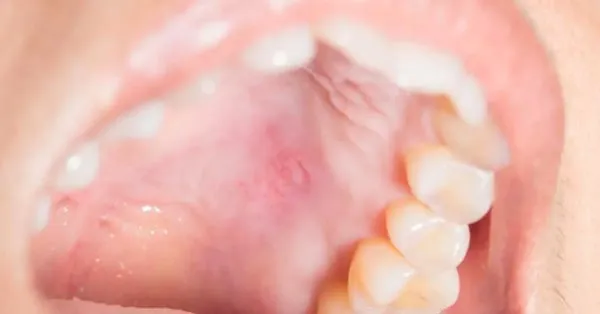
The roof of your mouth is medically called the palate. It has two parts.
The hard palate is the bony front section. The soft palate is the flexible tissue at the back.
Both areas contain sensitive mucous membranes that can react to allergens, infections, irritants, and dryness.
Why Is the Roof of My Mouth Itchy? The Main Causes
There are more than ten confirmed causes of an itchy palate. Some are mild and go away on their own. Others need medical treatment.
Here is a clear overview before we go deeper:
| Cause | How Common | Needs Doctor? |
|---|---|---|
| Oral Allergy Syndrome (OAS) | Very Common | Sometimes |
| Seasonal Allergies | Very Common | Sometimes |
| Food Allergies | Common | Often |
| Oral Thrush (Fungal Infection) | Common | Yes |
| Dry Mouth (Xerostomia) | Common | Sometimes |
| Cold or Flu Virus | Common | Rarely |
| Cold Sores (Herpes Simplex) | Moderate | Sometimes |
| Sinus Infection | Moderate | Sometimes |
| Dental Issues / Poor-Fitting Dentures | Moderate | Yes |
| Chemical Irritants | Less Common | Rarely |
| Acid Reflux (LPR) | Less Common | Yes |
| Hormonal Changes | Less Common | Rarely |
| Cancer Medications | Rare | Always |
Oral Allergy Syndrome: The Most Common Culprit
If you notice your palate itching right after eating raw fruits, vegetables, or nuts, you are likely dealing with oral allergy syndrome (OAS). It is also called pollen-food allergy syndrome (PFAS).
OAS happens because your immune system confuses food proteins with pollen. Your body reacts as if you just inhaled pollen, causing immediate mouth itching.
Symptoms usually start within a few minutes of eating and clear up on their own within 30 minutes.
Common OAS trigger foods by pollen type:
| Pollen Allergy | Foods That Trigger OAS |
|---|---|
| Birch pollen | Apple, almond, carrot, celery, cherry, hazelnut, peach, pear, plum |
| Ragweed pollen | Banana, cucumber, melon, sunflower seeds, zucchini |
| Grass pollen | Celery, melon, orange, peach, tomato |
| Mugwort pollen | Carrot, celery, fennel, parsley |
Up to 70% of people with pollen allergies also experience OAS. Cooking the trigger foods usually eliminates the reaction because heat breaks down the proteins.
Seasonal and Environmental Allergies
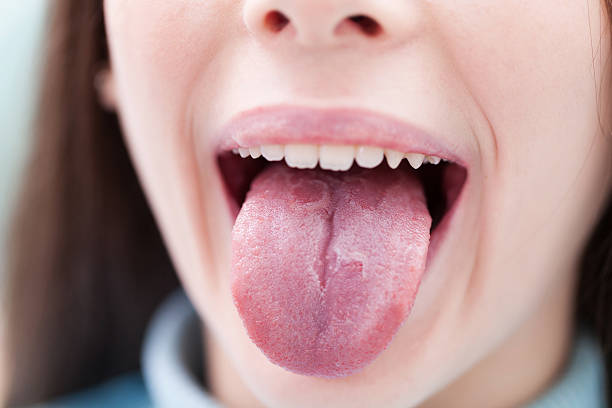
Hay fever (allergic rhinitis) is another top reason why the roof of your mouth feels itchy. Pollen, dust mites, mold, and pet dander all trigger this response.
The allergic reaction causes inflammation in the mucous membranes of your nose, throat, and mouth. This leads to that familiar itchy, tingly feeling on your palate.
Symptoms are often worse in spring and fall when pollen counts are highest. You may also notice sneezing, a runny nose, watery eyes, and an itchy throat at the same time.
Food Allergies vs. Oral Allergy Syndrome
Many people confuse food allergies with OAS. They are different conditions.
OAS causes symptoms only in the mouth and throat. It starts fast and goes away quickly. It is driven by pollen cross-reactivity.
True food allergies can involve multiple body systems. They can cause hives, stomach pain, vomiting, and in severe cases, anaphylaxis. Common food allergens include peanuts, tree nuts, shellfish, eggs, milk, and wheat.
If your itchy palate comes with swelling of the lips, tongue, or throat, difficulty breathing, or hives on your skin, treat it as a potential anaphylactic emergency and call for help immediately.
Oral Thrush: A Fungal Infection You Should Not Ignore
Oral thrush is a yeast infection caused by the overgrowth of Candida albicans inside the mouth. It can affect the tongue, inner cheeks, and the roof of the mouth.
Signs of oral thrush include a white or yellow cottage-cheese-like coating, soreness, a burning sensation, and persistent itching on the palate.
It is more common in people who:
- Have a weakened immune system (HIV, diabetes, cancer)
- Are on antibiotics or corticosteroid inhalers
- Wear dentures
- Have recently undergone cancer treatment
Oral thrush does not go away on its own. You need antifungal medication from a doctor, such as nystatin or fluconazole.
Dry Mouth (Xerostomia) and Itchy Palate
Saliva is essential. It moistens and protects the sensitive tissues lining your mouth. When your body does not produce enough saliva, the palate becomes dry, irritated, and itchy.
Common causes of dry mouth include:
- Certain medications (antihistamines, antidepressants, blood pressure drugs)
- Mouth breathing, especially at night
- Dehydration
- Diabetes
- Sjögren’s syndrome (an autoimmune condition)
Staying well hydrated and using a saliva substitute or dry-mouth rinse can help significantly. If dry mouth is caused by a medication, talk to your doctor about alternatives.
Cold, Flu, and Viral Infections
The common cold, flu, and even COVID-19 can make the roof of your mouth feel itchy or scratchy. Viruses inflame the mucous membranes of the nose, mouth, and throat.
This is usually a temporary symptom. As your immune system fights off the virus, the itching fades on its own.
You may also notice a sore throat, nasal congestion, and a general feeling of being unwell at the same time.
Cold Sores and the Herpes Simplex Virus
Cold sores are caused by the herpes simplex virus type 1 (HSV-1). One of the very first warning signs of a cold sore outbreak is a tingling or itching sensation — and this can occur on the roof of the mouth, not just the lips.
The itching often appears 1 to 2 days before any visible blisters develop. If you notice recurring episodes of palate itching followed by sores, HSV-1 may be the cause.
Antiviral medications like acyclovir or valacyclovir can shorten outbreaks and reduce severity.
Sinus Infections and Pressure on the Palate
Your sinuses sit directly above the roof of your mouth. When they become inflamed due to a sinus infection or sinusitis, pressure builds up and can cause itching and discomfort on the palate.
Watch for additional symptoms like a stuffy or runny nose, facial pressure or pain, headache, and post-nasal drip.
A saline nasal rinse or decongestant can provide relief. A doctor may prescribe antibiotics if a bacterial sinus infection is confirmed.
Dental Problems and Poorly Fitting Dentures
Issues with your teeth, gums, or dental appliances can cause the roof of your mouth to itch. Poorly fitting dentures rub against palate tissue and cause chronic irritation.
Gum disease (periodontitis) creates inflammation that can spread to the palate. Recent dental procedures may also cause temporary sensitivity and itching while tissues heal.
If you wear dentures, clean them daily and remove them at night. Gum disease needs professional treatment including scaling, deep cleaning, or antibiotics.
Chemical Irritants and Dietary Triggers
Certain foods and oral care products can directly irritate the sensitive palate tissue. Common offenders include:
- Spicy or acidic foods (hot sauce, citrus, vinegar)
- Very hot beverages or food that cause a burn
- Alcohol-based mouthwashes
- Toothpastes containing sodium lauryl sulfate (SLS)
- Tobacco products
The itching from these causes is usually short-lived. Switching to a gentler toothpaste or mouthwash often solves the problem quickly.
Acid Reflux (LPR) and the Itchy Palate
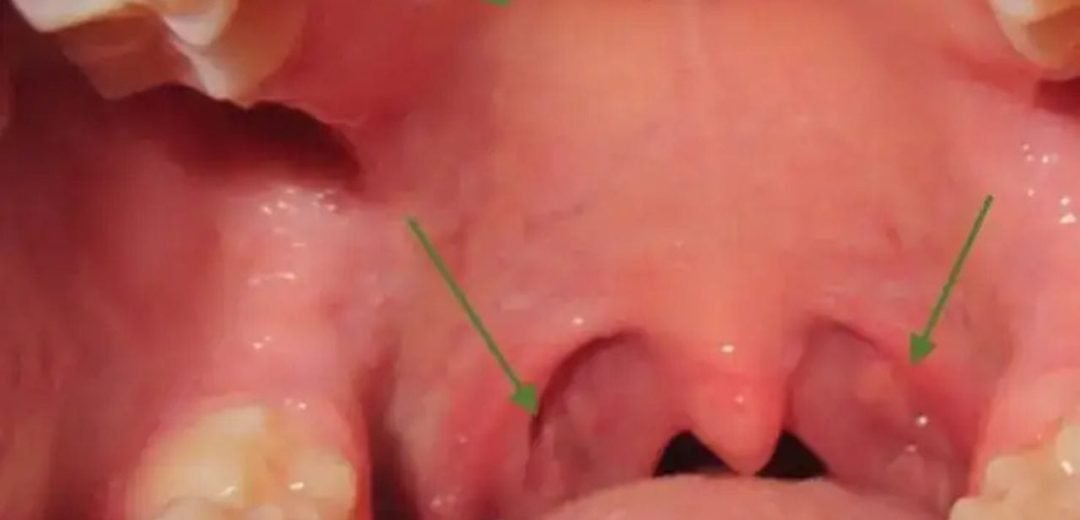
Laryngopharyngeal reflux (LPR), sometimes called silent reflux, happens when stomach acid travels up into the throat and mouth. This can cause a chronic burning or itching sensation on the soft palate.
Unlike typical acid reflux, LPR does not always cause heartburn. You may instead notice a persistent sore throat, hoarseness, or a feeling of something stuck in your throat.
Treatment involves dietary changes, antacids, and in some cases prescription acid reducers like proton pump inhibitors (PPIs).
Hormonal Changes
Hormonal fluctuations during pregnancy, menstruation, or menopause can alter the oral environment. Changes in estrogen and progesterone levels may reduce saliva production and cause dryness, irritation, or itching in the mouth.
These symptoms are usually temporary and resolve once hormones stabilize. Staying hydrated and maintaining excellent oral hygiene helps manage them.
Medications That Can Cause Mouth Itching
Some medications list mouth itching as a known side effect. These include:
- Certain cancer treatment drugs (Afinitor, Gilotrif, Nexavar)
- ACE inhibitors used for blood pressure
- Some antibiotics
- Chemotherapy drugs that cause oral mucositis
Always tell your doctor or pharmacist if you develop mouth itching after starting a new medication. It could be a drug allergy or a manageable side effect.
Warning Signs: When the Itching Is Serious
Most of the time, an itchy palate is minor and temporary. But certain signs tell you to act fast.
Seek emergency care immediately if you have:
- Swelling of the lips, tongue, or throat
- Difficulty breathing or swallowing
- Hives or a skin rash spreading rapidly
- Dizziness, lightheadedness, or fainting
- A racing heartbeat
These symptoms may signal anaphylaxis, a life-threatening allergic reaction. Use an epinephrine auto-injector (EpiPen) if you have one and call emergency services right away.
See a doctor within a few days if you notice:
- White or yellow patches inside your mouth (possible oral thrush)
- Recurring sores or blisters on the palate
- Itching that lasts more than 7 to 10 days
- Pain while eating or swallowing
- Visible swelling on the roof of the mouth
- Fever alongside mouth symptoms
Symptoms Often Seen Together With an Itchy Palate
Your body gives clues about the root cause based on what else appears alongside the itching.
| Accompanying Symptom | Likely Cause |
|---|---|
| Runny nose, sneezing | Seasonal allergy or cold |
| White patches in mouth | Oral thrush |
| Blisters or sores | Cold sores (HSV-1) |
| Swollen lips or tongue | Food allergy or anaphylaxis |
| Facial pain, headache | Sinus infection |
| Burning after meals | Acid reflux (LPR) |
| Dry mouth, thirst | Xerostomia or dehydration |
| Bumps on the palate | Infection, allergy, or burns |
Home Remedies for an Itchy Roof of the Mouth
For mild cases, these remedies can bring quick relief:
- Saltwater rinse — Mix half a teaspoon of salt in a glass of warm water. Swish it around your mouth for 30 seconds and spit. This kills bacteria, reduces inflammation, and soothes irritated tissue.
- Cold water or ice — Sipping cold water or letting ice melt slowly in your mouth numbs the area and reduces inflammation. Avoid chewing ice as it can damage teeth.
- Honey — A spoonful of raw honey coats the palate and provides temporary relief. Stir it into warm (not hot) tea for added comfort.
- Herbal teas — Chamomile and ginger teas have anti-inflammatory properties that soothe the oral mucosa. Drink them warm, not scalding hot.
- Stay hydrated — Drink water consistently throughout the day to prevent dryness and keep mucous membranes moist.
- Avoid known triggers — Cut out spicy foods, alcohol-based mouthwash, and any food you suspect is causing the reaction until symptoms settle.
Medical Treatments for an Itchy Palate
When home remedies are not enough, a doctor or dentist can prescribe targeted treatment.
| Treatment | Used For |
|---|---|
| Antihistamines (Benadryl, Zyrtec, Claritin) | Allergies, OAS, hay fever |
| Antifungal medication (Nystatin, Fluconazole) | Oral thrush |
| Antiviral medication (Acyclovir, Valacyclovir) | Cold sores (HSV-1) |
| Nasal corticosteroids or saline spray | Sinus infections, hay fever |
| Epinephrine (EpiPen) | Severe allergic reaction / anaphylaxis |
| Proton pump inhibitors (PPIs) | Acid reflux (LPR) |
| Antibiotics | Bacterial sinus or oral infection |
| Allergy immunotherapy (SLIT or SCIT) | Long-term allergy control |
How to Prevent an Itchy Roof of the Mouth
Prevention depends on the cause, but these habits help across the board:
- Keep up with daily brushing and flossing, and clean your tongue too
- Use a soft-bristled toothbrush and SLS-free toothpaste
- Rinse your mouth after using corticosteroid inhalers
- Stay well hydrated throughout the day
- Avoid foods you know trigger a reaction
- Remove and clean dentures every night
- Manage seasonal allergies proactively with antihistamines before peak season
- Avoid smoking and tobacco products
Itchy Roof of Mouth in Children vs. Adults
Children can develop an itchy palate from allergies, infections, or burns just like adults. However, oral allergy syndrome is rare in very young children and is more common in older children, teens, and adults.
If a child complains of mouth itching after eating a specific food, monitor them closely for any signs of a more serious reaction like swelling or breathing difficulty.
Adults with weakened immune systems, those on certain medications, or those going through hormonal changes are at higher risk for causes like oral thrush and dry mouth.
Itchy Palate at Night: Why It Gets Worse
Many people notice the itching worsens at night. There are a few reasons for this.
Saliva production naturally decreases when you sleep, making your mouth drier. Mouth breathing during sleep also dries out the palate tissue significantly.
Acid reflux is another common nighttime trigger. Lying down makes it easier for stomach acid to travel upward into the throat and mouth.
If nighttime itching is a consistent problem, try sleeping with a humidifier in the room, staying well hydrated before bed, and elevating your head slightly to reduce reflux.
Itchy Roof of the Mouth and Ears Together
If your palate and ears both feel itchy at the same time, seasonal allergies or OAS are the most likely cause. The ear, nose, and throat (ENT) system is all connected through the Eustachian tube.
Pollen, dust mites, and other airborne allergens can trigger simultaneous itching in the ears and mouth. Managing the underlying allergy with antihistamines usually relieves both symptoms.
Frequently Asked Questions (FAQs)
Why does the roof of my mouth itch after eating fruit?
This is most likely oral allergy syndrome (OAS). Raw fruit proteins resemble pollen and trigger a localized allergic response in your mouth.
Can seasonal allergies cause an itchy palate?
Yes. Pollen, dust mites, and mold can inflame the mucous membranes in your nose and mouth, causing itching on the palate.
Is an itchy roof of the mouth a sign of COVID-19?
COVID-19 can cause oral symptoms including palate itching and a scratchy throat. It is one of several possible viral causes, not a definitive sign.
What does oral thrush feel like on the roof of the mouth?
Oral thrush causes a persistent itching or burning sensation along with visible white or yellow patches and a cottony feeling in the mouth.
Can stress cause the roof of my mouth to itch?
Yes. Stress and anxiety can increase nerve sensitivity in the mouth, creating tingling or itching sensations even without a physical trigger.
How do I stop the roof of my mouth from itching fast?
Rinse with warm saltwater, sip cold water, or let ice melt on the area. Taking an OTC antihistamine can also help if allergies are the cause.
When should I go to the ER for an itchy mouth?
Go immediately if you experience swelling of the tongue or throat, difficulty breathing, hives, dizziness, or a rapidly worsening allergic reaction.
Can acid reflux make the roof of my mouth itch?
Yes. Silent reflux (LPR) allows stomach acid to reach the throat and soft palate, causing chronic irritation and an itchy or burning sensation.
Why does the roof of my mouth itch at night?
Saliva production drops during sleep, drying out the palate. Mouth breathing and nighttime acid reflux also commonly worsen the itch after dark.
Can my toothpaste cause palate itching?
Yes. Toothpastes containing sodium lauryl sulfate (SLS) can irritate sensitive oral tissue. Switching to an SLS-free toothpaste often resolves the issue.
Conclusion
Why is the roof of my mouth itchy? As this guide shows, the answer is rarely straightforward. The most common causes include oral allergy syndrome, seasonal allergies, oral thrush, dry mouth, viral infections, and dental problems.
Most mild cases respond well to simple home remedies like saltwater rinses, staying hydrated, and antihistamines. Knowing the warning signs is just as important as knowing the causes. Swelling, breathing difficulty, or persistent white patches in the mouth are signals that you need professional care right away.
If your itching lasts more than seven to ten days, comes back repeatedly, or is paired with any alarming symptoms, do not wait. See a doctor or dentist for a proper diagnosis and a treatment plan tailored to your situation. Your mouth health reflects your overall health, and relief is closer than you think.


