



Why is my tongue swollen and sore on the sides is one of the most common oral health questions people search for, and for good reason — it is uncomfortable, disruptive, and often confusing.
The sides of the tongue are particularly vulnerable to irritation, injury, and infection because they press against the teeth and dental appliances constantly.
In most cases, a swollen and sore tongue on the sides is caused by something straightforward like dehydration, a vitamin deficiency, or a canker sore. But sometimes it signals an infection, an allergic reaction, or a condition that needs professional evaluation.
What Does It Mean When Your Tongue Is Swollen and Sore on the Sides?
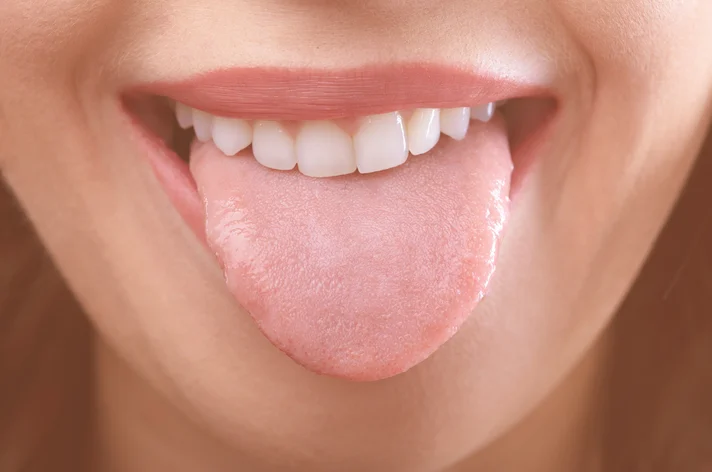
A tongue that is swollen and sore along the sides tells you that the tissue is inflamed. Inflammation is the body’s response to irritation, injury, infection, or an immune reaction.
The sides of the tongue — known as the lateral edges — are the most common location for soreness and swelling. This is because they make constant contact with the teeth, fillings, braces, and dentures throughout the day and even during sleep.
When swelling occurs specifically on the sides, it can press the tongue harder against the teeth, creating a cycle of irritation that makes the condition worse without treatment. Understanding the root cause is the first step to relief.
Common Causes of a Swollen and Sore Tongue on the Sides
| Cause | Who It Most Affects | Key Signs |
|---|---|---|
| Canker sores (aphthous ulcers) | Anyone, especially under stress | White or yellow ulcer with red border |
| Accidental biting or injury | Everyone | Swollen spot, immediate soreness |
| Dental irritation (braces, fillings) | Orthodontic patients | Continuous rubbing soreness |
| Vitamin deficiency (B12, iron, folate) | Poor diet, vegans, elderly | Smooth red tongue, fatigue |
| Oral thrush (Candida) | Immunocompromised, antibiotic users | White patches, burning |
| Herpes simplex virus | Anyone exposed to HSV | Blisters, clusters of sores |
| Allergic reaction | People with food or product allergies | Sudden swelling, itching |
| Glossitis | Multiple causes | Smooth, red, swollen tongue |
| Scalloped tongue | Dehydration, sleep apnea, thyroid | Indented ridges on the sides |
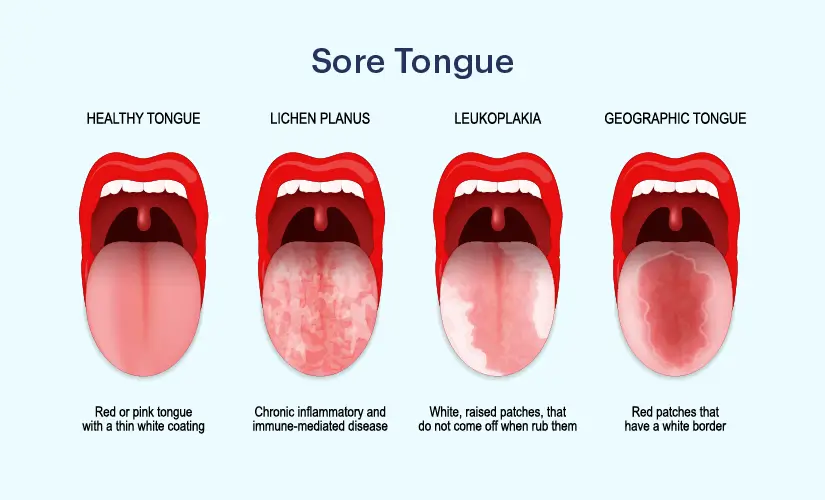
| Lichen planus | Adults, autoimmune tendencies | White lacy patches |
| Geographic tongue | Benign, anyone | Map-like patches, shifting pattern |
| Oral cancer | Smokers, drinkers, HPV | Persistent sore over 2 weeks |
Canker Sores (Aphthous Ulcers)
Canker sores are one of the most common reasons why the tongue feels swollen and sore on the sides. These small, round ulcers appear as white or yellow lesions with a red border.
The exact cause is not fully understood, but triggers include stress, hormonal changes, acidic or spicy foods, and minor injuries. They are not contagious and typically heal on their own within 7 to 14 days.
Frequent or very large canker sores may need professional evaluation. They can be managed at home with saltwater rinses, topical numbing gels, and by avoiding irritating foods.
Accidental Biting and Physical Injury
Accidentally biting the side of your tongue while eating or talking is one of the most straightforward causes of soreness and swelling. The bitten area can swell significantly and form a painful sore.
Hot food and drinks are another common culprit. A burn on the side of the tongue creates immediate soreness and swelling that can last several days as the tissue heals.
Sharp edges from broken teeth, chipped crowns, or rough dental fillings can also cut into the tongue repeatedly. If a physical object in the mouth is causing the problem, the irritation will continue until the source is addressed.
Dental Appliances and Orthodontic Devices
Braces, retainers, dentures, and poorly fitted dental appliances constantly press and rub against the sides of the tongue. This mechanical irritation leads to soreness that builds gradually over time.
A new appliance is the most common trigger — the tongue needs time to adapt, and in the meantime the rubbing creates soreness and minor swelling along the lateral edges. Even a new filling with a rough edge can cause this.
If soreness from a dental appliance does not improve within a week or two, or if it gets progressively worse, your dentist should check the fit of the appliance. A simple adjustment can eliminate the irritation entirely.
Vitamin Deficiencies — B12, Iron, Folate, and More
Deficiencies in key nutrients are a major and often overlooked cause of tongue swelling and soreness. The tongue is a metabolically active tissue that relies on adequate nutrition to maintain its surface and structure.
Vitamin B12, folate, iron, riboflavin (B2), niacin (B3), and pyridoxine (B6) deficiencies all cause tongue inflammation known as glossitis. The tongue typically becomes red, smooth, and sore when these nutrients are lacking.
| Nutrient | Effect on Tongue | At-Risk Groups |
|---|---|---|
| Vitamin B12 | Smooth shiny tongue, burning sensation, loss of papillae | Vegans, elderly, people with pernicious anemia |
| Iron | Red, swollen tongue, fatigue alongside | Women (heavy periods), vegetarians |
| Folate (B9) | Tongue inflammation, loss of taste buds | Pregnant women, alcohol users |
| Riboflavin (B2) | Sore, magenta-colored tongue | Poor diet, alcoholism |
| Niacin (B3) | Tongue swelling, bright red tongue | Pellagra, poor nutrition |
| Vitamin E | Partial loss of papillae, burning pain | 84% of Americans get inadequate amounts |
Iron deficiency anemia is particularly common and can cause a persistently sore, red, and swollen tongue. The tongue may also appear unusually smooth because inflammation causes the tiny projections (papillae) to flatten or disappear.
Oral Thrush (Candida Fungal Infection)
Oral thrush is a fungal infection caused by Candida albicans — a yeast naturally present in the mouth that overgrows under certain conditions. It causes white patches and significant soreness on the tongue, including the sides.
It is more common in people who take antibiotics (which disrupt the natural bacterial balance), use corticosteroid inhalers, have diabetes, wear dentures, or have a weakened immune system. Babies and older adults are also at higher risk.
Treatment requires antifungal medication prescribed by a doctor or dentist. The white patches and soreness typically resolve within one to two weeks of treatment.
Herpes Simplex Virus (HSV)
The herpes simplex virus causes clusters of small, painful blisters that can appear on the sides of the tongue. HSV-1 is the strain most commonly associated with oral herpes, though HSV-2 can also affect the mouth.
These blisters are contagious. The fluid inside them contains live virus, and contact during an outbreak can transmit the infection to others. A person can carry HSV for life and experience recurring flare-ups triggered by stress, illness, or sun exposure.
There is no cure for HSV, but antiviral medications like acyclovir can shorten the duration of an outbreak and reduce the frequency of recurrences. Over-the-counter pain relief helps manage discomfort during healing.
Allergic Reactions
An allergic reaction can cause the tongue to swell rapidly and feel sore on the sides or across the entire surface. Food allergies — particularly to nuts, shellfish, or certain fruits — are common triggers.
Oral Allergy Syndrome is a condition where proteins in certain raw fruits and vegetables cross-react with pollen allergens, causing itching and mild swelling in the mouth. Symptoms typically appear within minutes of eating the trigger food.
Reactions to toothpaste ingredients (particularly sodium lauryl sulfate), mouthwash, denture creams, or oral medications can also irritate and inflame tongue tissue. Switching products is often all that is needed to resolve the issue.
Severe allergic reactions (anaphylaxis) cause rapid, extreme tongue swelling that can block the airway. This is a medical emergency. Call emergency services immediately if tongue swelling is severe and progressing rapidly.
Glossitis — Tongue Inflammation
Glossitis is the medical term for inflammation of the tongue. It is not a disease itself but a symptom of an underlying cause — infection, allergy, nutritional deficiency, or chronic irritation.
Signs of glossitis include a swollen tongue, a smooth or shiny surface (because inflamed papillae flatten out), redness or unusual color changes, soreness or tenderness, and difficulty chewing, swallowing, or speaking.
There are different types of glossitis. Acute glossitis comes on suddenly, often from an allergic reaction. Chronic glossitis develops over time and is usually tied to an ongoing condition. Atrophic glossitis involves loss of papillae and is most commonly caused by vitamin or mineral deficiencies.
Scalloped Tongue
A scalloped tongue — also called a crenated tongue — has wavy or rippled indentations along the sides where the tongue presses against the teeth. This often accompanies swelling because an enlarged tongue naturally pushes against the teeth.
Common causes of scalloped tongue include dehydration (which causes the tongue to swell), sleep apnea (which leads to fluid buildup in tongue tissue), teeth grinding or jaw clenching, thyroid disease (especially hypothyroidism), vitamin deficiencies, and TMJ disorders.
A scalloped tongue is not dangerous on its own, but it is a signal that something in the body needs attention. Treating the underlying cause — whether it is dehydration, a thyroid condition, or sleep apnea — usually reduces the scalloping over time.
Lichen Planus
Oral lichen planus is a chronic autoimmune condition that commonly affects the sides of the tongue. It appears as white lacy patches or sometimes as red inflamed areas that can be painful and slow to resolve.
The exact cause is not fully understood, but contributing factors include genetics, mouth injuries, and viral infections such as hepatitis C. The condition can flare and remit over years.
Treatment usually involves corticosteroid medications to reduce inflammation and manage flare-ups. Severe cases may require a combination of medications, topical treatments, or UV light therapy. Regular dental monitoring is important because oral lichen planus can very rarely progress to more serious changes.
Geographic Tongue
Geographic tongue is a harmless condition where smooth, map-like patches appear on the tongue surface. The patches shift in location over time, which gives the condition its name (also called migratory glossitis).
The sides of the tongue can be affected alongside the top surface. In some cases, geographic tongue causes a burning or sore sensation, particularly when eating acidic, spicy, or hot foods.
The cause is not fully understood, but stress, hormonal changes, and certain nutritional deficiencies may play a role. No specific treatment is needed, but avoiding trigger foods reduces discomfort during flare-ups.
Oral Cancer
Oral cancer on the tongue is less common than the other causes listed here, but it is the most serious. It most often affects the sides of the tongue, which is why persistent side soreness and swelling should always be checked.
Oral cancer typically appears as a lump, red or white patch, thickened area, or persistent sore on the tongue that does not heal within two weeks. Other warning signs include difficulty swallowing, a numb feeling in the mouth, and unexplained weight loss.
Risk factors include tobacco use (smoking or chewing), heavy alcohol consumption, and HPV infection. Early detection dramatically improves outcomes. If you have a sore on the side of your tongue that has not healed in two weeks, see a dentist or doctor for evaluation.
Symptoms That Accompany a Swollen and Sore Tongue on the Sides

Depending on the cause, a swollen and sore tongue on the sides can come with a variety of additional symptoms:
| Symptom | Likely Cause |
|---|---|
| White patches | Oral thrush, lichen planus, leukoplakia |
| Red or yellow ulcers | Canker sores |
| Blisters or clusters | Herpes simplex virus |
| Smooth, shiny surface | Glossitis, vitamin deficiency |
| Scalloped ridges on edges | Scalloped tongue (swelling, sleep apnea) |
| Map-like patches | Geographic tongue |
| Burning sensation | B12 deficiency, burning mouth syndrome |
| Difficulty swallowing | Severe glossitis, allergic reaction |
| Fever | Infection |
| Foul taste | Bacterial infection, dental abscess |
| Bad breath | Oral thrush, bacterial infection |
| Persistent sore over 2 weeks | Requires medical evaluation |
When to See a Doctor or Dentist
Most cases of a swollen and sore tongue on the sides resolve on their own within 7 to 14 days. However, some situations require prompt professional attention.
See a doctor or dentist if the soreness and swelling last longer than 10 to 14 days without improvement. Also seek care if the swelling makes it difficult to breathe, speak, chew, or swallow — these are signs that the swelling is significant enough to need intervention.
Go to the emergency room immediately if tongue swelling is severe, rapidly progressing, or is accompanied by difficulty breathing. This could indicate a serious allergic reaction or angioedema, both of which are medical emergencies.
Other red flags that need professional evaluation include a persistent lump or hard area on the tongue, white or red patches that do not go away, pain spreading to the ear or jaw, numbness in the tongue, and unexplained weight loss alongside oral symptoms.
Home Remedies for a Swollen and Sore Tongue on the Sides
If the cause is minor — a canker sore, a bitten area, or mild irritation — these home remedies can provide effective relief while the tongue heals.
Saltwater rinse: Dissolve half a teaspoon of salt in one cup of warm water and rinse gently for 30 seconds. Repeat two to three times a day. Salt reduces inflammation and helps prevent bacterial infection in the sore area.
Baking soda rinse: Mix half a teaspoon of baking soda in one cup of warm water. This helps neutralize acids in the mouth and can reduce the burning sensation associated with canker sores and minor irritation.
Cold compress or ice: Sucking on ice chips or applying a cold, damp cloth to the tongue reduces swelling and numbs the sore area. This works well for bites, burns, and canker sores.
Avoid irritating foods: Spicy, acidic, salty, and crunchy foods all make tongue soreness worse and slow healing. Soft, cool foods like yogurt, smoothies, mashed potatoes, oatmeal, and eggs are gentler on inflamed tissue.
Over-the-counter topical gels: Products containing benzocaine or lidocaine can be applied directly to the sore area to numb it temporarily. These are available without a prescription at most pharmacies.
Stay hydrated: Dehydration causes the tongue to swell and can worsen existing soreness. Drinking adequate water throughout the day helps reduce tongue swelling and keeps the oral tissues moist and healthy.
Vitamin supplementation: If a deficiency is suspected — especially B12, iron, or folate — starting a supplement or increasing foods rich in these nutrients can begin to resolve tongue soreness within a few weeks.
Good oral hygiene: Brush gently with a soft-bristle toothbrush twice daily and floss once daily. Avoid alcohol-based mouthwashes, which can dry out and further irritate already inflamed tongue tissue.
Medical Treatments for Tongue Swelling and Soreness

When home remedies are not enough, a doctor or dentist can provide targeted treatment based on the underlying cause.
Antibiotics are prescribed for bacterial infections causing tongue swelling. They target the specific bacteria responsible and usually bring rapid improvement.
Antifungal medication treats oral thrush. This may be a gel applied inside the mouth, a liquid rinse, or oral tablets depending on the severity of the infection.
Antiviral medication such as acyclovir reduces the duration and severity of HSV outbreaks that cause tongue blisters and soreness.
Corticosteroid ointments or oral steroids reduce inflammation in cases of glossitis, lichen planus, or severe allergic reactions. These are particularly effective when the tongue swelling is immune-related.
Vitamin and mineral supplements correct deficiencies of B12, iron, folate, or other nutrients. B12 deficiency in particular may require intramuscular injections if the gut cannot absorb it properly.
Dental adjustments fix the underlying cause when braces, dentures, retainers, or a rough filling are irritating the tongue. Smoothing sharp edges or refitting an appliance eliminates the mechanical source of irritation.
Antihistamines or epinephrine are used for allergic reactions. Mild reactions may respond to an antihistamine, while severe reactions require emergency epinephrine treatment.
How to Prevent a Swollen and Sore Tongue on the Sides
Prevention is largely about maintaining good oral hygiene, eating a balanced diet, staying hydrated, and avoiding known irritants.
Brush your teeth at least twice a day with a soft-bristle toothbrush and fluoride toothpaste. Clean your tongue when you brush. Floss daily to remove bacteria and food debris from between the teeth.
Eat a diet rich in B vitamins, iron, and folate. Include leafy greens, eggs, lean meats, legumes, fortified cereals, and dairy products. If your diet is restricted, consider a daily multivitamin.
Stay well hydrated by drinking at least 6 to 8 glasses of water per day. Dehydration causes tongue swelling and increases the risk of infection. Limit caffeine and alcohol, which are dehydrating.
Avoid tobacco products entirely. Smoking and chewing tobacco both irritate and dry out the mouth’s delicate tissues. Tobacco use is also the leading risk factor for oral cancer.
Schedule regular dental checkups at least twice a year. Your dentist can catch early signs of infection, vitamin deficiency, precancerous changes, and dental appliance issues before they become serious problems.
Manage stress through regular exercise, sleep, and relaxation techniques. Stress is a well-established trigger for canker sores and can suppress the immune system, making infections and oral inflammation more likely.
Frequently Asked Questions (FAQs)
Why is my tongue swollen and sore on the sides?
The most common causes are canker sores, physical injury from biting or dental appliances, vitamin deficiencies, oral infections, or allergic reactions. Most cases resolve within 1 to 2 weeks with proper care.
How long does a swollen and sore tongue on the sides take to heal?
Minor soreness and swelling from canker sores, bites, or irritation typically heals within 7 to 14 days. If it lasts longer than two weeks or keeps recurring, see a doctor or dentist for evaluation.
Can a vitamin deficiency cause the sides of my tongue to swell and hurt?
Yes. Deficiencies in vitamin B12, iron, folate, riboflavin, and niacin all cause tongue inflammation called glossitis. The tongue often becomes red, smooth, and sore when these nutrients are low.
What does it mean when my tongue has scalloped ridges on the sides?
Scalloped ridges mean the tongue is swollen and pressing against the teeth. Common causes include dehydration, sleep apnea, thyroid disease, vitamin deficiencies, and teeth grinding. Treating the cause reduces the scalloping.
Can stress cause tongue swelling and soreness on the sides?
Yes. Stress weakens the immune system and is a known trigger for canker sores — one of the most common causes of soreness on the sides of the tongue. Managing stress can reduce the frequency of flare-ups.
Is a swollen tongue on the sides dangerous?
In most cases it is not dangerous. However, if swelling is severe, rapidly worsening, or makes it hard to breathe or swallow, seek emergency medical care immediately. Rapid tongue swelling can block the airway.
Can oral thrush make my tongue swollen and sore on the sides?
Yes. Oral thrush (Candida yeast infection) causes white patches, burning, and soreness on the tongue, including the sides. It is treated with antifungal medication and is more common after antibiotic use.
When should I see a doctor about a sore and swollen tongue?
See a doctor if the swelling lasts more than 10 to 14 days, if there is a sore that will not heal after two weeks, if you have difficulty swallowing or breathing, or if you notice white or red patches that persist.
Can I treat a swollen and sore tongue on the sides at home?
Yes, for minor causes. Saltwater rinses, baking soda rinses, ice, topical numbing gels, staying hydrated, and avoiding spicy or acidic foods are all effective home remedies. Vitamin supplements help if a deficiency is the cause.
What foods should I avoid when my tongue is swollen and sore on the sides?
Avoid spicy, acidic, salty, and crunchy foods. These irritate inflamed tissue and slow healing. Stick to soft, cool foods like yogurt, smoothies, oatmeal, mashed potatoes, soft bread, and well-cooked vegetables until healed.
Conclusion
Why is my tongue swollen and sore on the sides is a question with many possible answers — most of them manageable and temporary.
From canker sores and accidental bites to vitamin deficiencies, oral infections, and allergic reactions, the causes range widely in severity and treatment.
The good news is that the majority of cases resolve within one to two weeks with simple home care, good hydration, a balanced diet, and proper oral hygiene.
However, when tongue swelling is severe, persistent beyond two weeks, or accompanied by warning signs like white or red patches, difficulty swallowing, or a lump that does not go away, professional evaluation is essential.
Your tongue is one of the most informative indicators of your overall health — paying close attention to changes in how it looks and feels is always worth the effort. If in doubt, see your dentist or doctor sooner rather than later.


