


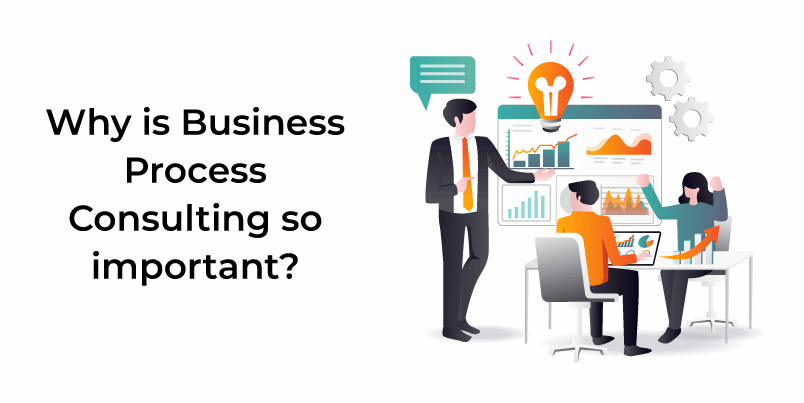
Why business consulting is important roarbiznes is one of the most searched questions by entrepreneurs and business owners trying to grow in today’s competitive landscape.
In 2026, running a business without expert guidance is like navigating a new city without a map. Markets shift fast, competition is intense, and internal teams often lack the specialized skills to solve complex challenges alone.
Business consulting gives you the outside perspective, structured methods, and proven frameworks needed to make smarter decisions, reduce risk, and grow faster.
What Is Business Consulting?
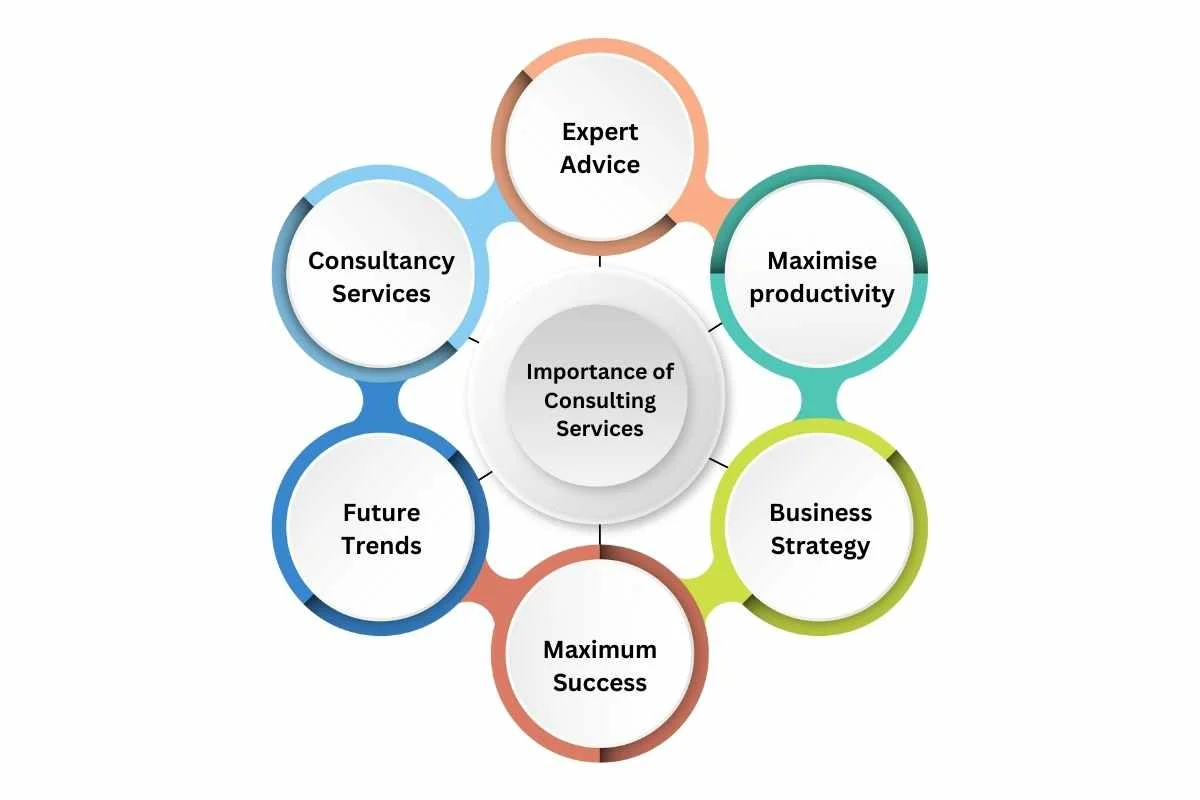
Business consulting is a professional service where experienced advisors help organizations assess their current situation, define the right next steps, and support action. The goal is not advice for its own sake — the goal is better performance, cleaner decisions, and faster progress.
A business consultant works with owners, executives, and management teams to analyze what is happening inside the business. They identify what is working, what is broken, and what the highest-priority moves are.
Consultants bring structured methods, external benchmarks, and experience from across multiple organizations and industries. That combination of outside perspective plus deep expertise is exactly why business consulting is important for businesses at every stage of growth.
Why Business Consulting Is Important Roarbiznes — The Core Argument
At Roarbiznes, the core argument for consulting is simple. When you are inside a business every day, you develop blind spots. Your past decisions create biases. Your team has their own agendas. And daily operations leave almost no room for strategic thinking.
An external consultant cuts through that noise. They spot the patterns you cannot see because you are too close to them. They bring specialized knowledge you do not have time to build yourself. And they hold you accountable in a way that internal teams rarely can.
This is why business consulting is important roarbiznes emphasizes so consistently. The data tells a story that gut feelings miss. Structured external support closes the gap between what you know you should do and what actually gets done.
Key Benefits of Business Consulting in 2026
| Benefit | What It Delivers |
|---|---|
| Outside Perspective | Eliminates blind spots and internal bias |
| Specialized Expertise | Access to skills unavailable in-house |
| Faster Decision-Making | Structured frameworks speed up analysis |
| Operational Efficiency | Process improvements reduce waste and cost |
| Strategic Clarity | Clear priorities and measurable roadmaps |
| Risk Reduction | Identifies threats before they become crises |
| Revenue Growth | Pricing, sales, and market strategy improvements |
| Change Management | Guidance through restructuring and transformation |
| Technology Adoption | AI, automation, and digital transformation support |
| Accountability | KPIs and review structures that drive follow-through |
Outside Perspective and Elimination of Blind Spots
The most immediate value a consultant brings is an unbiased view of your business. Internal teams see the organization from inside the machine. They are too close to daily operations to spot structural problems.
A consultant comes in with no preconceived loyalty to past decisions. They evaluate processes, team dynamics, and market positioning objectively. What looks like normal to your team may look like an obvious inefficiency to an outsider.
This is one of the primary reasons why business consulting is important. Fresh eyes reveal problems that internal reviews consistently miss — and those uncovered problems are often the ones costing the most money.
Access to Specialized Skills You Do Not Have In-House
No small or medium-sized business can maintain deep expertise in every function. You might have strong sales but weak financial planning. You might have a great product but poor operational systems. You might need AI integration skills that do not exist in your current team.
Business consultants bring exactly the skills that are missing. Whether it is ERP implementation, advanced analytics, change management, or cybersecurity — you can engage the expertise you need without hiring full-time staff.
This on-demand expertise model is increasingly popular. By 2026, fractional roles like part-time CFOs, CMOs, and COOs have become standard practice for small and mid-sized businesses. It delivers executive-level thinking at a fraction of the cost.
Strategic Planning and Goal Clarity
Many businesses run without a clear, measurable strategy. Leaders debate priorities endlessly. Teams pull in different directions. Energy gets wasted on activities that do not move the needle.
A business consultant helps you define what you are actually trying to accomplish — not in five years, not eventually, but right now. They help you build a vision that makes sense, set goals you can measure, and create a roadmap that your team can execute.
Research shows that only 2% of leaders feel confident in achieving 80 to 100% of their strategic objectives. That gap between ambition and execution is exactly where consulting creates the most value.
Operational Efficiency and Process Improvement
Operational inefficiency is one of the biggest hidden costs in any business. Poor workflows, redundant tasks, unclear responsibilities, and broken communication channels drain time and money every single day.
Consultants analyze existing workflows, identify bottlenecks, and recommend targeted improvements. They may introduce automation tools, redesign processes, or establish standard operating procedures that bring structure to chaotic operations.
Studies show that eliminating just one hour of unnecessary manual tasks per team member per day can save up to $84,000 per year for a mid-sized team. That is the kind of concrete, measurable return that makes consulting an investment rather than an expense.
Revenue Growth and Pricing Strategy

Revenue growth in 2026 is not only about selling more. It is about picking the right markets, pricing with precision, removing friction from the sales process, and helping commercial teams act with focus.
A business consultant reviews your pricing architecture, discounting habits, sales conversion rates, and customer retention metrics. Small improvements in any of these areas can translate into meaningful annual revenue gains.
Consultants also help identify untapped revenue streams. Current customers are often an underused source of growth. Better account planning, cross-selling, and upselling within existing relationships frequently delivers faster ROI than chasing new customers.
Risk Identification and Management
Every business faces risk — market shifts, regulatory changes, technology disruptions, supply chain vulnerabilities, and competitive threats. The difference between businesses that survive these risks and those that do not is often early identification.
Business consultants systematically assess exposure across multiple risk categories. They help you build contingency plans, diversify supply chains, improve governance processes, and establish early-warning systems before a small risk becomes a major crisis.
This is especially important for businesses expanding into new markets or undergoing significant structural change. External advisors have seen what can go wrong across dozens of similar situations and know where to look first.
Change Management and Implementation Support
This is where most strategies die. The planning session ends, everyone feels motivated, and then daily operations take over. That strategy document sits in a folder gathering digital dust. The gap between planning and execution kills more businesses than bad ideas ever will.
Business consultants do not just hand you a plan. They help you build the systems that make implementation possible. That means real project management, clear KPIs that people actually track, and accountability structures that work without micromanagement.
Change management support ensures that new strategies, structures, and systems actually take hold inside the organization. Without this support, even the best-designed plans fail because people default back to old habits.
Digital Transformation and Technology Adoption
The business landscape in 2026 is increasingly digital. Companies that prioritize digital transformation sharpen their competitive edge through data-driven decision-making, improved productivity, and better customer service.
A skilled consultant with experience in digital transformation helps you assess your current technology stack, identify gaps, and introduce solutions that align with your actual business goals. They prevent the most common mistake — buying technology for its own sake without tying it to business outcomes.
In one Deloitte survey, 51% of executive leaders said they invested in digital technologies to drive change, but only 32% attributed meaningful enterprise value to those projects. The missing link is almost always strategic alignment — which is exactly what a consultant provides.
AI Integration and Data-Driven Decision Making
AI is no longer a buzzword. In 2026, businesses use AI to support lead scoring, forecasting, customer segmentation, content operations, supply chain optimization, and service triage. The question is no longer whether to adopt AI but how to do it well.
Many business owners attempt AI adoption in isolation — pilot projects that never connect to broader business objectives. Consultants help connect AI tools to specific use cases that generate measurable revenue or efficiency gains rather than isolated experiments.
Data is another underused asset in most businesses. Revenue teams often sit on enormous amounts of customer data but still make slow decisions because nobody has structured it for action. Consulting teams turn raw numbers into clear decisions that improve pace and resource allocation.
Financial Performance and Cost Optimization
A business consultant brings fresh eyes to your cost structure. They identify overhead that has crept up silently over time, vendor contracts that could be renegotiated, and resource allocation decisions that made sense two years ago but no longer do.
Research on consulting impact found that businesses that engaged expert consultants experienced productivity growth of 3.6% over five years even when spending only around 3% of payroll on advisory engagements. That productivity lift also came alongside wage growth of 2.7% — showing that efficiency and employee wellbeing are not mutually exclusive.
Financial planning, budget modeling, and scenario analysis are also core areas where consultants deliver value. Leaders make better capital allocation decisions when they have clean financial visibility backed by expert interpretation.
Types of Business Consulting Services
| Consulting Type | Focus Area |
|---|---|
| Strategy Consulting | Market positioning, growth planning, competitive strategy |
| Operations Consulting | Process improvement, workflow design, efficiency |
| Financial Consulting | Budgeting, forecasting, cost reduction, financial modeling |
| Technology Consulting | Digital transformation, ERP, AI adoption, cybersecurity |
| HR and Organizational Consulting | Talent, culture, leadership development |
| Marketing and Sales Consulting | Pricing, channel strategy, sales process improvement |
| Risk and Compliance Consulting | Regulatory compliance, governance, risk assessment |
| Change Management Consulting | Transformation programs, restructuring, adoption |
Each type serves a different need. Many engagements combine two or more types, particularly when a business is going through growth, transformation, or a major strategic shift.
When Does Your Business Need a Consultant?
Not every challenge requires external support. But there are clear moments when business consulting is important and often the most cost-effective decision you can make.
You need a consultant when you face a major strategic decision with incomplete data or conflicting internal views. When you need to deliver a large change program on a tight timeline. When your organization has tried to fix an issue multiple times without lasting results.
You also need a consultant when you lack specific skills — integration planning, advanced analytics, change management, digital transformation — that you cannot practically build in-house in time to make a difference.
| Situation | Why Consulting Helps |
|---|---|
| Major strategic decision | Brings structured analysis and neutral perspective |
| Entering a new market | Provides market research, risk assessment, entry strategy |
| Rapid growth phase | Builds systems and processes to support scale |
| Operational breakdown | Diagnoses root cause, designs lasting fixes |
| Digital transformation | Aligns technology with business outcomes |
| Preparing for acquisition or merger | Financial modeling, due diligence, integration planning |
| Post-merger integration | Organizational alignment, culture blending, system unification |
| Leadership transition | Continuity planning, team restructuring, vision alignment |
How Business Consulting Drives ROI
The return on investment from consulting is both tangible and intangible. Tangible ROI includes more revenue, lower costs, and higher margins. Intangible ROI includes better decision-making, stronger teams, reduced stress, and greater strategic clarity.
ROI is typically calculated as: ROI = (Net Profit from Consulting / Cost of Consulting) x 100
For example, if a consulting engagement costs $30,000 and results in $150,000 in annual savings and revenue gains, the ROI is 400%. That kind of return is not unusual for well-structured consulting engagements with clear objectives.
Industry data consistently shows that a large share of small businesses that engage consultants report improved performance within twelve months. The key driver of positive ROI is setting clear, measurable objectives before the engagement begins — not vague goals like “improve efficiency” but specific targets like “reduce order processing time by 30% within six months.”
Business Consulting Trends Shaping 2026
AI-Powered Consulting
Consultants now use AI-driven analytics to identify patterns, model scenarios, and generate insights faster than traditional methods. Clients arrive with their own data and internal analysis — consultants add value by framing choices, challenging assumptions, and designing practical execution plans.
Specialized Advisory Services
Demand for generalist consulting is declining. By 2026, clients want consultants with deep expertise in specific industries — healthcare technology, digital banking, cybersecurity, manufacturing automation, and climate strategy. Roarbiznes connects businesses with specialized advisory services that match their specific industry context.
Fractional Executive Consulting
Small and mid-sized businesses increasingly use fractional roles. A part-time CFO, CMO, or COO delivers executive-level thinking at a fraction of the full-time cost. This model gives growing businesses access to senior expertise precisely when they need it, without long-term hiring commitments.
Outcome-Based Pricing
Consulting is gradually moving from pure time-and-materials billing toward fee structures that link part of the compensation to outcomes. This requires clear metrics and shared risk — but it also means consultants have stronger incentive to deliver measurable results rather than just billable hours.
Sustainability and ESG Consulting
As global regulations evolve, more businesses need guidance on measuring carbon footprints, restructuring supply chains, and building ESG-compliant operating models. Sustainability consulting is merging with strategy and operations consulting in 2026, making it a standard component of business advisory work.
How to Choose the Right Business Consultant
Choosing the right consultant is as important as deciding to hire one. The wrong fit wastes money and leadership time. The right fit accelerates growth and builds internal capability that outlasts the engagement.
Start by evaluating relevant experience. Ask for specific examples of work in your industry or with businesses of similar size and stage. General success stories are not enough — you want measurable outcomes, including cases where things did not go as planned.
Assess their methodology. A strong consultant defines problems clearly, shows a sound work method, names the specific deliverables you will receive, and explains how progress will be tracked. Vague language and no measurement plan are red flags.
Ask who will actually do the work. In large consulting firms, senior partners sell the engagement but junior staff execute it. Confirm the lead consultant who will be on your project and whether their experience matches your needs.
Finally, assess cultural fit. Consulting works best as a partnership, not a transaction. The consultant needs to understand your vision, work respectfully with your team, and communicate in a way that fits your organization’s culture and decision-making style.
What Roarbiznes Offers Through Business Consulting
Roarbiznes is dedicated to helping businesses of all sizes reach their full potential through personalized consulting services and customized solutions. The focus is on real problems and real results — not theory, not hype, not generic frameworks applied without regard for context.
The Roarbiznes approach covers the full consulting lifecycle — from diagnosis and strategy through execution support and accountability. That means you do not just get a plan. You get a partner who helps implement it and tracks whether it is working.
For businesses facing operational challenges, market uncertainty, digital transformation pressure, or rapid growth, Roarbiznes provides the outside expertise and structured support needed to move from where you are to where you want to be.
Measuring the Success of a Consulting Engagement
Measuring results starts before the engagement begins. Define specific, measurable objectives. Agree on the KPIs that will be tracked. Establish baseline data so you can compare before and after clearly.
Common metrics used to measure consulting success include revenue growth, operating margin improvement, cost reduction percentages, employee productivity, customer acquisition rate, churn reduction, and time-to-market for new products or processes.
Intangible outcomes matter too. Better leadership alignment, clearer team communication, reduced organizational confusion, and stronger strategic direction all contribute to long-term performance even if they do not show up immediately in financial reports.
Review progress regularly throughout the engagement — not just at the end. This allows adjustments before a strategy goes off-track and confirms that the consulting investment is delivering value at every stage, not just on paper at the conclusion.
Frequently Asked Questions (FAQs)
What does a business consultant actually do?
A business consultant analyzes your operations, identifies challenges, and recommends strategies for improvement. They provide expertise, structured frameworks, and accountability to help you make better decisions and achieve measurable growth.
Is business consulting worth the investment for small businesses?
Yes. Effective consulting improves decision-making, operational efficiency, and long-term profitability. Industry data shows most small businesses see positive ROI from consulting within twelve months, often through cost savings and revenue improvements.
How long does a typical consulting engagement last?
Engagement duration depends on scope. A focused diagnostic project may last four to eight weeks. A full strategy and implementation program can run three to twelve months. Fractional executive roles may be ongoing for years.
What is the difference between a business consultant and a business coach?
A consultant diagnoses problems and recommends specific solutions, often with hands-on implementation support. A coach focuses on developing the leader’s thinking and skills over time. Many engagements blend both approaches depending on what the business needs.
How do I know if my business needs a consultant right now?
You likely need a consultant if you have tried to solve the same problem multiple times without lasting results, if you face a major decision with incomplete information, or if you need specialized skills your team does not have internally.
How much does business consulting cost?
Costs vary widely based on scope, consultant experience, and engagement model. Project-based engagements range from a few thousand dollars for short diagnostics to six figures for full transformation programs. Fractional roles typically cost a fraction of a full-time executive salary.
How do I measure the ROI of a consulting engagement?
Use the formula: ROI = (Net Profit from Consulting / Cost of Consulting) x 100. Track specific metrics agreed before the engagement — revenue, cost savings, productivity, and customer metrics — and compare against your pre-engagement baseline.
Can consulting help a business that is not in trouble?
Absolutely. Many of the best consulting engagements happen when a business is growing well but wants to scale faster, enter new markets, adopt new technology, or prepare for a major transaction. Consulting is a growth accelerator, not just a rescue service.
What makes roarbiznes different as a consulting resource?
Roarbiznes focuses on practical, real-world solutions rather than generic advice. The approach is grounded in understanding each business’s unique context, delivering specific and actionable strategies, and staying accountable through the implementation phase — not just the planning phase.
What should I prepare before engaging a business consultant?
Document your current situation clearly — revenue, cost structure, team size, key challenges, and strategic goals. Know what you want to achieve and by when. The more specific your starting point, the faster a consultant can add value and the more useful the engagement will be.
Conclusion
Why business consulting is important roarbiznes comes down to one fundamental truth: no business grows to its full potential from the inside alone. Blind spots, skill gaps, operational inefficiencies, and the daily grind of running a company all create ceilings that external expertise is uniquely positioned to break through.
In 2026, the stakes are higher than ever — digital transformation, AI adoption, shifting markets, and intensifying competition require more than intuition and hard work. They require structured thinking, specialized knowledge, and the discipline to turn strategy into execution.
Whether you are a startup finding your footing or an established business preparing for the next phase of growth, the right consulting partnership can be the difference between struggling alone and building with confidence. Roarbiznes is here to make that difference real, practical, and measurable.


