



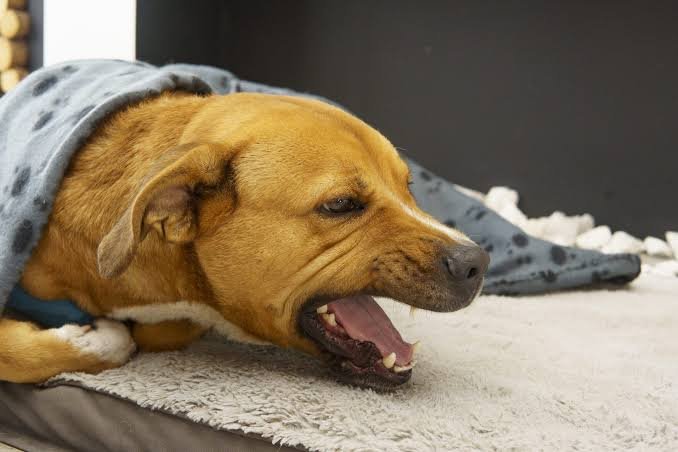
Why is my dog hacking is a question most pet parents ask the moment they hear that rough, gagging sound coming from their dog’s throat.
Hacking often sounds like a dog is trying to clear something stuck in their throat, and it can range from a harmless, occasional throat clear to a sign of a more serious respiratory or heart condition.
Common causes include kennel cough, tracheal irritation, allergies, foreign objects, and in older dogs, heart disease. Understanding the difference between mild and serious hacking helps you know when home care is enough and when a vet visit is necessary.
What Does Dog Hacking Actually Sound Like

Hacking in dogs is usually described as a dry, rough sound, similar to a person clearing their throat or trying to dislodge something stuck inside.
It is different from a wet cough, which sounds like fluid or phlegm is involved, and different from a honking cough, which sounds more like a goose call.
Recognizing the specific sound your dog makes can help your veterinarian narrow down the likely cause more quickly during an examination.
Common Causes At A Glance
Before going into detail, here is a quick table summarizing the most frequent reasons dogs develop a hacking cough.
| Cause | Typical Dog Type Affected |
|---|---|
| Kennel Cough | Dogs in boarding, parks, training classes |
| Tracheal Collapse | Small and toy breeds, older dogs |
| Reverse Sneezing | Small and flat-faced breeds |
| Foreign Object In Throat | Any breed, especially curious eaters |
| Allergies | Any breed, seasonal patterns |
| Heart Disease | Senior dogs, small breeds prone to murmurs |
| Chronic Bronchitis | Middle-aged and older dogs |
Each cause has a slightly different pattern, which is why paying attention to timing and triggers matters.
Kennel Cough
Kennel cough, medically known as canine infectious respiratory disease complex, is one of the most common reasons dogs develop a sudden hacking cough.
It is highly contagious and often picked up at boarding facilities, dog parks, or training classes where dogs are in close contact with each other.
Most dogs recover within one to two weeks, though vets may prescribe antibiotics or cough suppressants for more severe or prolonged cases.
Tracheal Collapse
Tracheal collapse happens when the rings of cartilage supporting the windpipe weaken over time, causing it to partially cave in during breathing or excitement.
This condition is especially common in small and toy breeds like Yorkshire Terriers, Pomeranians, and toy Poodles, particularly as they get older.
While there is no permanent cure, medications, weight management, and lifestyle adjustments can significantly improve a dog’s comfort and reduce hacking episodes.
Reverse Sneezing
Reverse sneezing is often mistaken for hacking or choking, though it is technically a different reflex involving rapid, snorting inhalations through the nose.
It usually happens in short clusters and is triggered by irritation in the nasal passages, such as dust, excitement, or sudden temperature changes.
Occasional reverse sneezing is generally harmless, though frequent episodes are worth mentioning to your veterinarian during a routine visit.
Foreign Objects Stuck In The Throat
Dogs are naturally curious and sometimes swallow or inhale small objects like grass, sticks, or bits of toys, which can become lodged in the throat.
This often causes sudden, intense hacking as the dog tries to dislodge the object, sometimes accompanied by pawing at the mouth or visible distress.
This situation can become an emergency quickly, especially if breathing becomes difficult, and typically requires immediate veterinary attention.
Allergies
Just like humans, dogs can develop allergic reactions to pollen, dust, mold, or certain foods, which can lead to airway inflammation and hacking.
Allergy-related hacking often follows a seasonal pattern or worsens after exposure to a specific environment, such as freshly cut grass or a dusty room.
Identifying and reducing exposure to the trigger, alongside vet-recommended treatment, is usually the most effective way to manage allergy-related coughing.
Heart Disease
In older dogs, especially smaller breeds, a persistent hacking or coughing sound can sometimes be linked to underlying heart conditions like an enlarged heart or valve disease.
This type of cough often worsens at night or after physical activity and may be accompanied by fatigue, reduced appetite, or labored breathing.
Because heart-related coughing can indicate a more serious issue, prompt veterinary evaluation is strongly recommended rather than waiting to see if it improves.
Chronic Bronchitis
Chronic bronchitis occurs when a dog’s airways remain inflamed over a long period, without a clearly identifiable infectious cause, often leading to a persistent dry, hacking cough.
This condition is more common in middle-aged and senior dogs and tends to worsen with exercise, excitement, or exposure to smoke and strong odors.
While there is no outright cure, long-term management through medication and lifestyle changes can help control symptoms and improve quality of life.
Hacking Versus Coughing Versus Gagging
Pet owners often use hacking, coughing, and gagging interchangeably, but these terms can describe slightly different sounds and underlying issues.
| Sound Type | Common Description |
|---|---|
| Hacking | Dry, rough, throat-clearing sound |
| Coughing | Forceful expulsion of air, sometimes wet |
| Gagging | Retching motion, sometimes with no sound produced |
| Honking | Deep, goose-like sound, linked to tracheal issues |
Describing the exact sound to your veterinarian, or recording a short video, can significantly help with an accurate diagnosis.
Accompanying Symptoms To Watch For
Hacking alone is often less concerning than hacking combined with other symptoms, which can indicate a more serious underlying condition.
Watch for signs like lethargy, loss of appetite, nasal discharge, fever, or difficulty breathing appearing alongside the hacking episodes.
If any of these accompanying symptoms are present, a veterinary visit should not be delayed, even if the hacking itself seems mild.
When Hacking Is An Emergency

Certain situations involving hacking should be treated as urgent and require immediate veterinary care rather than a wait-and-see approach.
These include sudden onset of hacking with visible distress, blue or pale gums, collapse, or signs that a foreign object may be blocking the airway.
Trust your instincts as a pet owner. If something feels seriously wrong, it is always safer to seek emergency veterinary care right away.
How Veterinarians Diagnose The Cause Of Hacking
Diagnosing the cause of hacking typically starts with a detailed history, including when it started, how often it happens, and what seems to trigger it.
Veterinarians may also perform a physical examination, listen to the heart and lungs, and recommend chest X-rays or bloodwork depending on initial findings.
In some cases, more advanced tests like an endoscopy or ultrasound may be needed to fully understand what is causing persistent or severe hacking.
Treatment Options Overview
Treatment for hacking depends entirely on the underlying cause identified by your veterinarian, so there is no single universal solution.
Antibiotics For Infections
If a bacterial infection like Bordetella is involved, antibiotics are commonly prescribed to help clear the infection and reduce associated hacking symptoms.
Cough Suppressants
For mild kennel cough cases, vets may prescribe cough suppressants to reduce throat irritation and help the dog rest more comfortably while healing.
Medications For Tracheal Collapse
Dogs with tracheal collapse may receive medications to reduce inflammation and coughing, alongside lifestyle changes like weight management and harness use.
Allergy Management
Allergy-related hacking is often managed through antihistamines, dietary adjustments, or reducing exposure to identified environmental triggers.
Heart Medication
For heart-related coughing, veterinarians may prescribe specific heart medications aimed at improving cardiac function and reducing fluid buildup in the lungs.
Surgery For Severe Cases
In rare, severe cases involving foreign objects or advanced tracheal collapse, surgical intervention may be necessary to resolve the underlying issue.
Home Care Tips For Mild Hacking
For mild, occasional hacking with no other symptoms, a few simple home adjustments can make a noticeable difference in comfort.
Using a harness instead of a collar reduces pressure on the throat and trachea, especially during walks or when a dog pulls on the leash.
Keeping indoor air clean, avoiding smoke or strong sprays, and using a humidifier during dry seasons can also help reduce throat irritation.
What Not To Do When Your Dog Is Hacking
Human cough medicines are not safe for dogs and should never be given without direct veterinary guidance, since many contain toxic ingredients for pets.
Avoid waiting too long to seek veterinary care, especially if hacking persists for more than a few days or seems to be getting worse.
Never ignore accompanying symptoms like fatigue or appetite loss simply because the dog seems otherwise playful between hacking episodes.
Breeds Most Prone To Hacking
Certain breeds are genetically predisposed to conditions that commonly cause hacking, which is useful information for prospective and current owners alike.
| Breed Type | Common Related Condition |
|---|---|
| Yorkshire Terrier | Tracheal Collapse |
| Pomeranian | Tracheal Collapse |
| Pug and Bulldog | Reverse Sneezing, Airway Sensitivity |
| Toy Poodle | Tracheal Collapse |
| Senior Small Breeds | Heart-Related Coughing |
Knowing your dog’s breed tendencies can help you stay alert to early warning signs before symptoms become severe.
Acute Versus Chronic Hacking

Understanding whether hacking is a short-term issue or a long-term pattern helps set realistic expectations for treatment and management.
Acute hacking, such as from kennel cough, typically resolves within one to two weeks with minimal or no lasting effects on the dog.
Chronic conditions like bronchitis, tracheal collapse, or heart disease may cause hacking that comes and goes over months or years, requiring ongoing management rather than a single cure.
Tracking Your Dog’s Hacking Episodes
Keeping a simple log of when hacking occurs, how long it lasts, and what seems to trigger it can be extremely helpful for diagnosis.
Note details like time of day, activity level before the episode, and any recent environmental changes, such as new bedding or a boarding stay.
Sharing this log with your veterinarian at follow-up visits makes it easier to fine-tune an ongoing treatment plan if needed.
Prevention Tips For Reducing Hacking Episodes
While not all causes of hacking are preventable, several habits can reduce the risk of common triggers affecting your dog.
Keeping vaccinations current, especially for Bordetella, helps reduce the risk of kennel cough, particularly for dogs that frequently interact with other dogs.
Maintaining a healthy weight, using a harness during walks, and minimizing exposure to smoke or strong chemical sprays also supports long-term airway health.
Age-Related Patterns In Dog Hacking
A dog’s age often plays a significant role in determining the most likely cause behind a hacking episode, making it a useful starting point for owners.
| Age Group | Likely Causes |
|---|---|
| Puppies | Kennel Cough, Foreign Objects |
| Adult Dogs | Allergies, Kennel Cough, Bronchitis |
| Senior Dogs | Heart Disease, Tracheal Collapse, Chronic Bronchitis |
Understanding these general patterns can help owners have more informed conversations with their veterinarian during an appointment.
Environmental Triggers That Worsen Hacking
Certain environmental factors can make hacking episodes more frequent or intense, even when the underlying condition itself remains unchanged.
Cold, dry air during winter months often irritates sensitive airways, while high humidity or dusty environments can trigger episodes in dogs prone to allergies or bronchitis.
Household irritants like scented candles, cleaning sprays, or cigarette smoke can also aggravate a dog’s throat and airway, worsening hacking over time.
The Role Of Weight In Dog Hacking
Excess weight puts additional pressure on a dog’s airway and heart, which can worsen both tracheal collapse and heart-related hacking symptoms.
Overweight dogs, particularly smaller breeds already prone to tracheal issues, often experience more frequent and intense hacking episodes compared to dogs at a healthy weight.
Working with your veterinarian on a safe, gradual weight management plan can meaningfully reduce the frequency and severity of hacking in these cases.
Stress And Excitement As Triggers
Many dogs hack more frequently during moments of high excitement or stress, such as when greeting visitors, during car rides, or right before walks.
This happens because excitement often leads to faster breathing and increased pressure on an already sensitive trachea, particularly in predisposed breeds.
Helping your dog stay calm during these moments, through training or gradual desensitization, can sometimes reduce the frequency of stress-triggered hacking episodes.
Understanding Vet Visits For Hacking
A typical veterinary visit for hacking usually begins with a detailed conversation about onset, frequency, and any recent changes in environment or routine.
The physical exam often includes listening closely to the heart and lungs, checking the throat, and gently palpating the trachea to check for sensitivity or collapse.
Depending on findings, your vet may recommend starting with conservative treatment and monitoring, or move directly to diagnostic imaging if symptoms suggest a more serious cause.
Recovery Timelines For Common Causes
Recovery time varies significantly depending on the underlying cause, which is important for setting realistic expectations as a pet owner.
| Condition | Typical Recovery Timeline |
|---|---|
| Kennel Cough | 1-2 Weeks |
| Mild Allergies | Days to Weeks, with management |
| Tracheal Collapse | Ongoing Management, No Full Cure |
| Chronic Bronchitis | Ongoing Management, No Full Cure |
| Heart-Related Hacking | Ongoing Management With Medication |
Many dogs with manageable chronic conditions like tracheal collapse or bronchitis can still live comfortable, active lives with proper long-term care.
Common Mistakes Pet Owners Make
Waiting too long to seek care is one of the most common mistakes, especially when hacking is dismissed as just a passing cold.
Giving human medications without veterinary approval is another frequent error that can cause more harm than the original hacking itself.
Ignoring accompanying symptoms like fatigue or appetite loss, assuming they are unrelated, can also delay diagnosis of a more serious underlying cause.
Key Takeaways Before The FAQs
Dog hacking can range from a harmless, occasional throat clear to a sign of a more serious respiratory or heart condition needing prompt care.
Paying attention to accompanying symptoms, frequency, and specific sound patterns helps determine whether home monitoring or an urgent vet visit is the right next step.
Working closely with your veterinarian, along with simple home adjustments, generally leads to better long-term management of both acute and chronic hacking issues.
Talking To Your Veterinarian Effectively
Sharing specific details, rather than general descriptions, helps your veterinarian reach an accurate diagnosis more quickly during your appointment.
Mention when the hacking started, how often it happens, whether it worsens with activity, and any recent changes like new food, bedding, or boarding stays.
Bringing a short video recording of an actual hacking episode can also be extremely helpful, since dogs often stop coughing once they arrive at the clinic.
Frequently Asked Questions (FAQs)
Why does my dog keep hacking like something is stuck?
This often points to throat irritation, kennel cough, or a mild respiratory infection. Persistent hacking should be checked by a vet.
Is dog hacking always serious?
No, mild occasional hacking can be harmless, but persistent or worsening hacking alongside other symptoms should be evaluated promptly.
Can kennel cough go away on its own?
Yes, mild kennel cough often resolves within one to two weeks with rest, though some dogs need antibiotics for full recovery.
Why does my small dog hack more than large dogs?
Small and toy breeds are more prone to tracheal collapse, which commonly causes a dry, recurring hacking cough as they age.
Can allergies cause my dog to hack?
Yes, environmental allergies can inflame the airways, leading to a hacking cough that often follows seasonal patterns.
Should I give my dog human cough medicine?
No, human cough medications can be toxic to dogs. Always consult your veterinarian before giving any medication.
When should I take my dog to the emergency vet for hacking?
Seek emergency care if hacking is sudden, severe, paired with pale gums, collapse, or signs of airway blockage.
Can heart disease cause hacking in dogs?
Yes, especially in older dogs, persistent hacking can sometimes indicate an underlying heart condition needing veterinary evaluation.
Does exercise make dog hacking worse?
For conditions like tracheal collapse or chronic bronchitis, exercise and excitement often worsen hacking episodes noticeably.
How is the cause of dog hacking diagnosed?
Vets typically use physical exams, X-rays, and bloodwork, sometimes alongside more advanced imaging, to identify the exact cause.
A Final Note On Patience And Monitoring
Some causes of hacking resolve quickly, while others require ongoing patience and consistent monitoring over weeks or months to manage properly.
Staying observant, keeping a simple log, and maintaining regular veterinary checkups together create the most reliable path toward understanding and managing your dog’s hacking long term, giving both you and your dog a better chance at a comfortable, healthy routine going forward.
One Last Reminder For Pet Owners
Trusting your instincts as a pet owner matters just as much as following veterinary advice, since you know your dog’s normal behavior better than anyone else.
If something feels off, even without a clear textbook symptom match, it is always worth a quick call or visit to your veterinarian for peace of mind.
Conclusion
Dog hacking can feel alarming, especially the first time you hear that dry, rough sound coming from your pet, but in many cases it points to a manageable issue like kennel cough, mild throat irritation, or reverse sneezing.
In other cases, particularly involving small breeds, senior dogs, or symptoms paired with fatigue and appetite loss, hacking can signal something more serious like tracheal collapse or heart disease.
Paying close attention to frequency, triggers, and accompanying symptoms is the most reliable way to decide whether home monitoring is enough or whether a veterinary visit is needed right away.
Simple steps like using a harness, keeping vaccinations current, and avoiding smoke exposure can also help reduce future episodes. When in doubt, reaching out to your veterinarian early remains the safest and most effective way to protect your dog’s long-term health and comfort.


