


Why has groundwater use increased over time is a common question in earth science and environmental studies, especially as freshwater demand continues to rise worldwide. Groundwater use has grown steadily since preindustrial times due to population growth, urbanization, agricultural expansion, and pollution of surface water sources.
As rivers, lakes, and springs became less reliable or more contaminated, people increasingly turned to underground aquifers to meet drinking, farming, and industrial needs. Advances in drilling and pumping technology also made it easier to access deeper water sources than ever before.
What is Groundwater and Why Does It Matter?
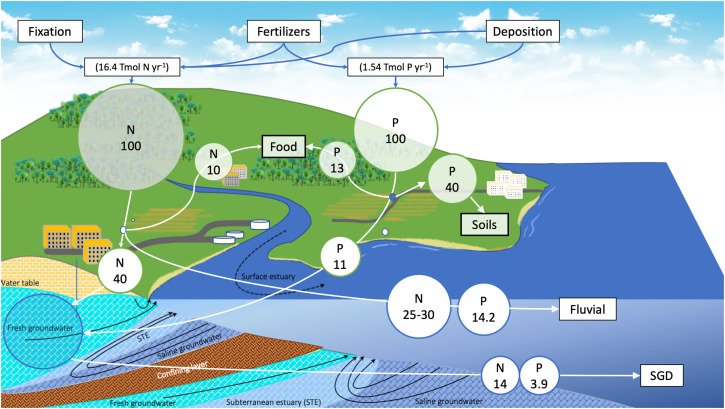
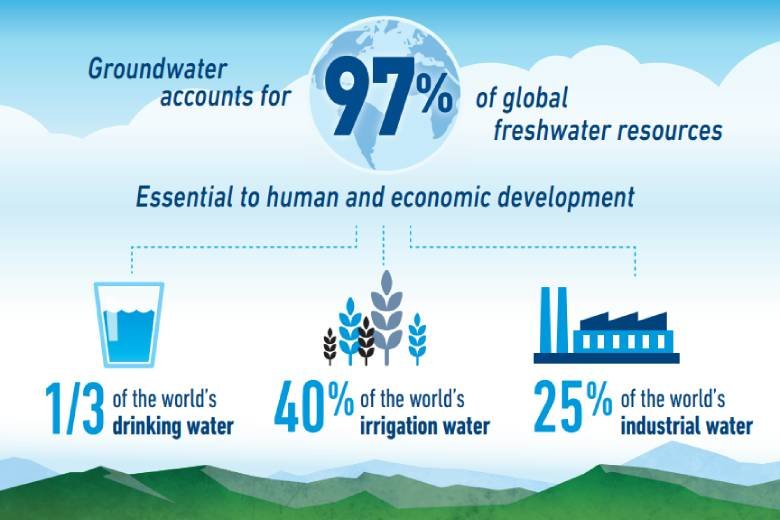
Groundwater is freshwater stored beneath the Earth’s surface in soil pores and rock formations known as aquifers.
It represents one of the largest sources of freshwater on the planet and supports drinking water, agriculture, and industrial needs.
Over 1.5 billion people worldwide depend on groundwater as their primary source of drinking water, making it a critical global resource.
Groundwater Use in Preindustrial Times
In preindustrial times, groundwater was used, but far less widely than it is today, since most communities settled near surface water sources.
Rivers, lakes, and springs were the primary water sources for early human settlements due to easier access and simpler extraction methods.
Groundwater extraction during this period was limited by the lack of technology needed to dig deep wells or pump water efficiently.
The Shift Toward Groundwater in Industrial Times
With the rise of industrialization, populations grew rapidly and concentrated in urban centers, increasing overall demand for freshwater resources.
Urban areas often lacked direct access to sufficient surface water, pushing communities to rely more heavily on underground aquifers.
Improved drilling technology during the industrial era made it possible to access groundwater at depths that were previously unreachable.
Main Reasons Groundwater Use Has Increased
Here is a table summarizing the primary factors that have driven the long-term rise in groundwater use across the world.
| Reason | Explanation |
|---|---|
| Population Growth | More people require more freshwater for daily needs |
| Urbanization | Cities often lack sufficient surface water access |
| Agricultural Irrigation | Farming requires large volumes of consistent water supply |
| Surface Water Pollution | Contaminated rivers and lakes are unsafe for use |
| Industrial Demand | Factories and manufacturing require steady water sources |
| Climate Change | Changing rainfall patterns reduce surface water reliability |
| Technological Advances | Modern drilling and pumps allow deeper water access |
| Drought Conditions | Reduced rainfall pushes reliance toward underground sources |
Population Growth and Rising Water Demand
Population growth is widely considered the single most significant factor behind the long-term rise in groundwater use globally.
As the number of people on the planet increases, so does the overall demand for drinking water, sanitation, and food production.
More people directly translates into greater freshwater consumption across households, agriculture, and industrial operations worldwide.
Urbanization and Groundwater Dependence
Urbanization has concentrated large populations into areas that often lack direct access to adequate surface water supplies.
Cities frequently have higher freshwater demand than nearby rivers or lakes can sustainably provide, especially during dry seasons.
This gap between demand and surface water availability has pushed many urban areas to rely more heavily on groundwater extraction.
Agricultural Irrigation and Groundwater Use
Agriculture remains one of the largest consumers of groundwater, particularly in regions where rainfall is inconsistent or insufficient.
Irrigation systems depend on a steady and reliable water supply, which groundwater can often provide more consistently than seasonal surface sources.
Countries with large agricultural sectors, such as India and the United States, report some of the highest groundwater withdrawal rates globally.
Surface Water Pollution and Contamination
Pollution of rivers, lakes, and springs has made many surface water sources unsafe or unreliable for drinking and agricultural use.
Industrial runoff, agricultural chemicals, and untreated wastewater have all contributed to declining surface water quality over recent decades.
As surface water becomes less viable, communities increasingly turn to groundwater as a cleaner and more dependable alternative source.
Industrial and Manufacturing Demand
Industrial operations require large and consistent volumes of water for manufacturing, cooling, processing, and other operational needs.
As industrial activity has expanded globally, so has the demand placed on groundwater resources to support these operations.
Many factories are located in areas where groundwater extraction is more cost-effective or reliable than sourcing water from surface systems.
Climate Change and Changing Rainfall Patterns
Climate change has altered rainfall patterns in many regions, making surface water availability less predictable throughout the year.
Warmer temperatures also increase evaporation rates, further reducing the amount of usable surface water in rivers and reservoirs.
These shifts have made groundwater an increasingly important backup source during periods of drought or reduced precipitation.
Technological Advances in Water Extraction
Advances in drilling technology have made it significantly easier and more affordable to access deep groundwater reserves.
Modern pumps and well-drilling equipment allow extraction from aquifers that would have been inaccessible using earlier methods.
This technological progress has directly contributed to the steady increase in groundwater withdrawal rates seen since the industrial era.
Drought and Reduced Surface Water Availability
During periods of drought, surface water sources like rivers and lakes often experience significant reductions in volume and reliability.
Communities facing water shortages frequently turn to groundwater as a more stable alternative during these dry periods.
This pattern has become increasingly common as droughts grow more frequent and severe in various regions worldwide.
Global Freshwater Use Trends
Global freshwater use has increased approximately six-fold since 1900, largely driven by population growth and resource-intensive consumption patterns.
Freshwater use accelerated sharply from the 1950s onward, though growth appears to have plateaued somewhat since the early 2000s.
Countries like India, China, and the United States currently report the largest total freshwater withdrawals in the world.
What is Groundwater Overdraft
Groundwater overdraft occurs when the rate of water extraction from an aquifer exceeds the rate at which it naturally replenishes.
This imbalance can continue for a period without immediate visible effects, but eventually leads to declining water levels within the aquifer.
Over time, overdraft can result in unproductive or completely dried-up wells in the affected region.
Consequences of Excessive Groundwater Use
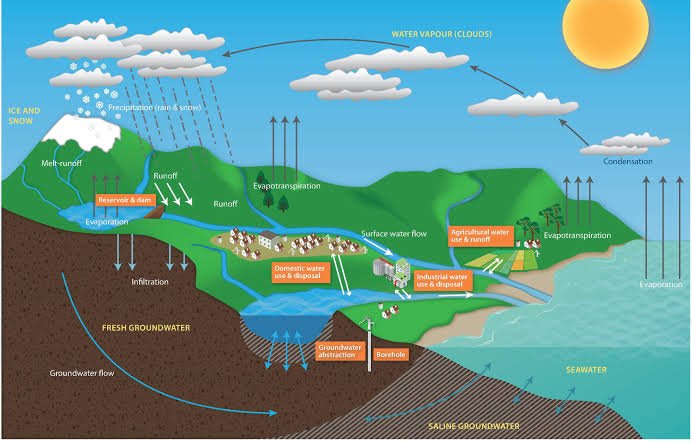
Excessive groundwater extraction can lead to land subsidence, where the ground surface gradually sinks due to reduced underground water pressure.
It can also cause saltwater intrusion in coastal areas, where declining freshwater levels allow seawater to contaminate aquifers.
Long-term overdraft threatens future water security, particularly in agricultural regions that depend heavily on consistent groundwater access.
How Groundwater is Naturally Replenished
Groundwater is primarily replenished through precipitation, which gradually infiltrates the soil and recharges underground aquifers over time.
Recharge rates vary depending on soil type, land use, and the depth and structure of the aquifer involved.
Rapid recharge often follows significant rainfall events, particularly during spring seasons when precipitation levels are typically higher.
Regional Differences in Groundwater Use
Groundwater dependence varies significantly across regions, with some countries relying on it far more heavily than others.
Areas with limited surface water access or unreliable rainfall patterns tend to show the highest levels of groundwater extraction.
Regions with strong agricultural sectors also tend to report disproportionately high groundwater withdrawal rates compared to more urbanized economies.
Managing and Conserving Groundwater Resources
Sustainable groundwater management involves balancing extraction rates with natural recharge rates to prevent long-term depletion of aquifers.
Water conservation practices, such as efficient irrigation techniques, can significantly reduce unnecessary groundwater consumption in agricultural settings.
Government regulations and monitoring programs also play an important role in tracking groundwater levels and preventing overuse in vulnerable regions.
The Future of Groundwater Use
As global population continues to grow, groundwater is expected to remain a critical resource for meeting future freshwater demand.
Improved monitoring technology and data collection are helping researchers better understand aquifer health and long-term sustainability.
Balancing continued groundwater use with conservation efforts will be essential to ensuring this resource remains available for future generations.
Frequently Asked Questions (FAQs)
1. Why has groundwater use increased over time?
It has increased mainly due to population growth, urbanization, agriculture, and pollution of surface water sources.
2. What is the main reason groundwater use has risen?
Population growth is considered the most significant driver of increased groundwater demand worldwide.
3. How did groundwater use in industrial times differ from preindustrial times?
Industrial times saw a major increase in groundwater use due to urbanization and improved drilling technology.
4. What is groundwater overdraft?
It occurs when water is extracted faster than the aquifer can naturally replenish itself.
5. How does agriculture affect groundwater use?
Irrigation requires large, consistent water supplies, making agriculture one of the biggest groundwater consumers.
6. Does pollution affect groundwater use?
Yes, polluted rivers and lakes push communities to rely more on groundwater instead.
7. How is groundwater replenished?
It is mainly replenished through precipitation that infiltrates the soil over time.
8. Which countries use the most groundwater?
India, China, and the United States report the highest levels of freshwater withdrawal.
9. Can excessive groundwater use cause environmental problems?
Yes, it can cause land subsidence and saltwater intrusion in coastal regions.
10. How can groundwater use be made more sustainable?
Efficient irrigation, conservation practices, and regulation can help balance extraction and recharge rates.
Conclusion
Why has groundwater use increased over time comes down to a combination of population growth, urbanization, agricultural demand, and declining surface water quality. As industrialization advanced, better drilling and pumping technology made it easier to access deep aquifers, further accelerating this shift.
Climate change and more frequent droughts have added additional pressure, pushing many regions to depend even more heavily on underground water sources. While groundwater remains an essential resource supporting over a billion people worldwide, excessive extraction carries real risks, including overdraft, land subsidence, and long-term aquifer depletion.
Sustainable management practices, including efficient irrigation and stronger monitoring systems, will be key to protecting this resource going forward. Understanding these historical trends helps explain current water challenges and highlights why responsible groundwater use matters for future generations.


