


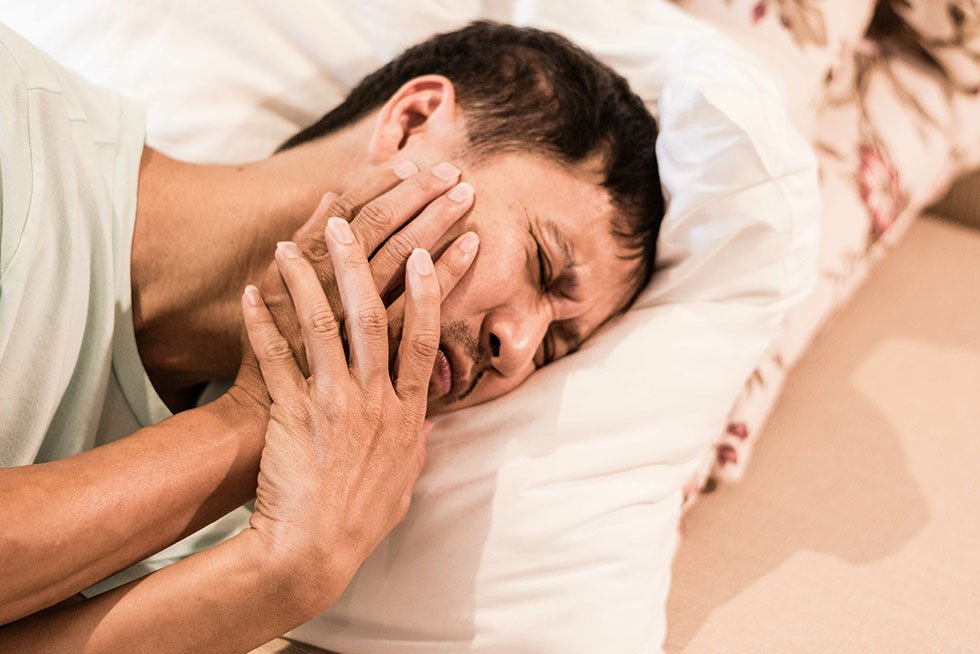
Why does my jaw keep locking is a question many people ask the moment their mouth gets stuck mid-yawn or won’t close after a big bite. That sudden, stuck feeling in your jaw can be alarming, especially when it keeps happening.
In most cases, jaw locking is linked to the temporomandibular joint (TMJ), the small hinge that connects your lower jaw to your skull. It can lock open, lock closed, or simply feel tight and stiff during chewing or talking. The good news is that jaw locking is rarely dangerous and is usually treatable with simple, conservative care.
What Does It Mean When Your Jaw Locks?
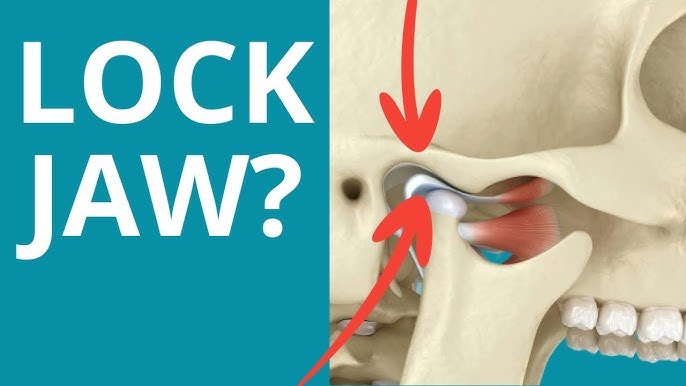
Jaw locking happens when the temporomandibular joint stops moving smoothly through its normal range. The joint either gets stuck wide open or stuck nearly closed.
This is different from simple clicking or popping, which is noisy but usually painless. Locking means the jaw physically resists movement for a few seconds, minutes, or longer.
Open Lock vs Closed Lock
An open lock happens when the jaw gets stuck wide open and cannot close. This often occurs after a wide yawn, a big bite, or a long dental visit.
A closed lock happens when the jaw cannot open beyond a certain point. This is usually linked to a displaced disc inside the joint blocking smooth movement.
| Type of Lock | What Happens | Common Trigger |
|---|---|---|
| Open Lock | Mouth stuck wide open | Yawning, wide bite, dental work |
| Closed Lock | Mouth cannot open fully | Disc displacement, muscle guarding |
| Intermittent Catching | Jaw hesitates before moving | Early-stage joint irritation |
Main Causes of Jaw Locking
Jaw locking rarely has just one cause. It usually develops from a mix of joint, muscle, and lifestyle factors building up over time.
TMJ Disorder (TMD)
TMD is the most common reason behind jaw locking. It affects the joint itself, the surrounding muscles, or both at once.
People with TMD often notice pain near the ear, clicking sounds, and a jaw that feels tired by the end of the day.
Disc Displacement
Inside the TMJ sits a small cartilage disc that cushions movement between the jawbone and skull. When this disc slips out of its normal position, it can physically block the joint.
This is one of the leading mechanical causes of a closed lock, especially when the jaw catches before opening fully.
Teeth Grinding and Clenching (Bruxism)
Grinding or clenching your teeth, especially overnight, puts constant pressure on the jaw joint. Many people do this without realizing it until they wake up with a sore, tight jaw.
Over time, bruxism fatigues the jaw muscles so much that they struggle to function properly the next day.
Stress and Muscle Tension
Stress often shows up physically in the jaw before you even notice it mentally. Many people clench their teeth while concentrating, driving, or feeling anxious.
This constant low-level tension keeps the jaw muscles from ever fully relaxing, which raises the risk of locking.
Jaw Injury or Trauma
A fall, sports injury, or car accident can damage the structures around the TMJ. Even a minor blow to the face can cause swelling or slight misalignment.
This kind of trauma can interfere with normal jaw movement for weeks or months afterward.
Arthritis in the Jaw Joint
Just like knees or hips, the TMJ can develop osteoarthritis over time. The cartilage protecting the joint wears down, leading to stiffness and restricted movement.
Inflammatory conditions such as rheumatoid arthritis can also affect the TMJ and cause swelling.
Overuse From Chewing Habits
Frequent gum chewing, ice chewing, or eating very tough foods places repeated strain on the joint. Nail biting falls into this same category of overuse habits.
These small daily habits add up and gradually wear on a joint that was never designed for constant overuse.
Wide Mouth Opening
Big yawns, singing, shouting, or long dental procedures can stretch the jaw beyond its comfortable range. This sudden overextension can trigger a vulnerable disc to slip.
People who are naturally more flexible in their joints are often more prone to this type of open lock.
Common Symptoms That Come With Jaw Locking

Jaw locking rarely shows up alone. It is usually accompanied by other warning signs that point toward TMJ dysfunction.
Pain Near the Jaw or Ear
Pain is one of the most common companions of jaw locking. It can show up directly in the joint or radiate toward the ear and temple.
This pain often gets worse during chewing, talking, or wide yawning.
Clicking or Popping Sounds
A clicking or popping sound during jaw movement often signals a problem with the joint or disc. It does not always mean a lock is imminent, but it is worth monitoring.
If clicking suddenly changes into catching or reduced opening, that is a signal to get evaluated sooner.
Limited Mouth Opening
A healthy adult can typically open their mouth between 40mm and 55mm. When jaw locking is present, that range often shrinks noticeably.
A shrinking opening over time is one of the clearest signs that the joint, not just the muscles, is involved.
Headaches and Facial Tightness
Because the muscles around the TMJ connect to the head and neck, jaw problems frequently trigger tension headaches. Facial tightness, especially around the temples, is also common.
Treating the underlying jaw issue often improves these secondary headache symptoms as well.
When Jaw Locking Becomes a Concern
Most jaw locking episodes are uncomfortable but not dangerous. Still, certain patterns deserve prompt professional attention.
Warning Signs to Watch For
Seek evaluation if clicking suddenly turns into catching, if your jaw opening keeps getting smaller, or if pain is severe and constant. A jaw that stays locked for more than a few minutes also needs prompt care.
Persistent swelling, fever, or locking after a recent injury are signs that should not be ignored.
Who Is Most Likely to Experience Jaw Locking
Jaw locking does not affect everyone equally. Certain groups face a noticeably higher risk based on biology, habits, and lifestyle factors.
Women Between 20 and 60
TMJ disorders, including jaw locking, are significantly more common in women between the ages of 20 and 60. Hormonal factors and joint flexibility differences are thought to play a role.
This age group often juggles high stress levels, which compounds the muscular side of jaw locking.
People With Hypermobile Joints
Individuals with naturally flexible joints, including those with conditions like Ehlers-Danlos Syndrome, are more prone to open lock episodes. Their joints can slide further than average before stabilizing again.
This group should be especially cautious about wide mouth opening during yawning or dental visits.
Office Workers and Screen-Heavy Professions
Long hours at a desk encourage forward head posture, which indirectly strains the jaw and neck. Many people in screen-heavy jobs also clench unconsciously while concentrating.
Building in regular posture resets can meaningfully lower this risk over time.
People on Certain Medications
Some medications prescribed for attention disorders, including stimulant-based treatments, have been linked to increased jaw muscle tension in certain patients. If jaw symptoms began shortly after starting a new medication, it is worth mentioning to your prescriber.
This connection is often overlooked because the medication and the jaw symptom seem unrelated at first glance.
The Anatomy Behind Jaw Locking
Understanding the basic anatomy of the jaw helps explain why locking happens in the first place and why treatment needs to address more than just pain.
The Role of the TMJ
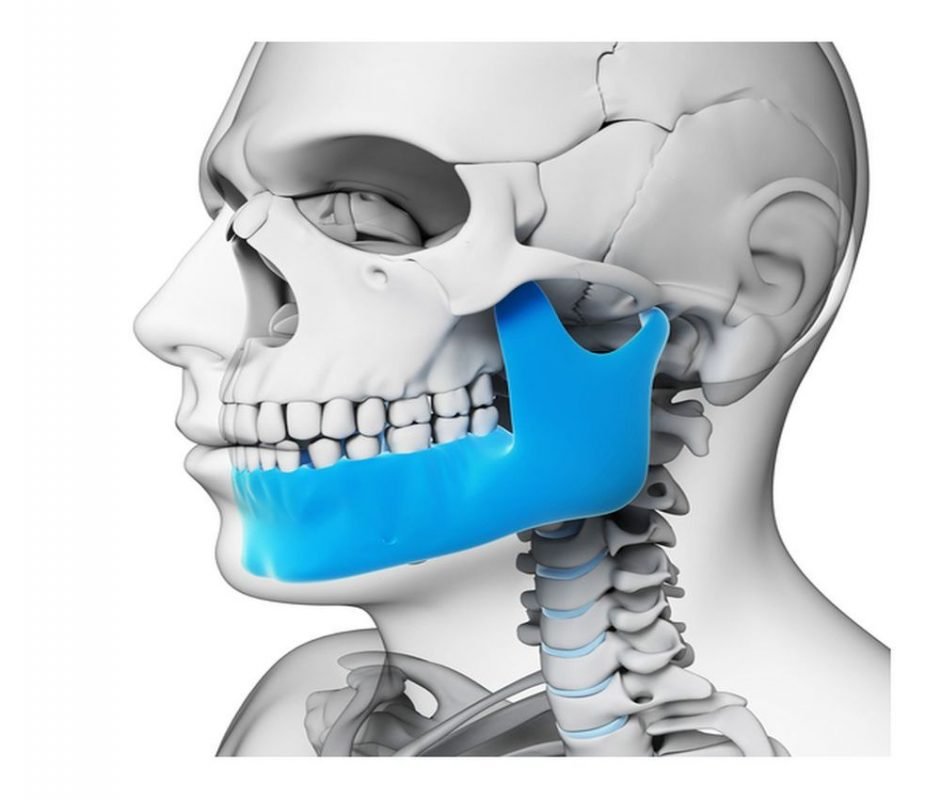
The temporomandibular joint acts like a sliding hinge rather than a simple pivot. This dual motion of rotating and sliding is what allows wide mouth opening, but it also makes the joint more prone to mechanical problems.
You have one TMJ on each side of your face, and they are designed to move in sync with each other.
The Cartilage Disc
A small cartilage disc sits between the jawbone and skull, cushioning every movement. When this disc is healthy, the joint glides smoothly without sound or resistance.
Once the disc shifts even slightly out of position, the joint can catch, click, or lock depending on how far it has moved.
Supporting Muscles and Ligaments
Several muscles work together to open, close, and shift the jaw side to side. When one muscle group overworks or guards against pain, it throws off the balance of the entire system.
Ligaments help stabilize the joint, but chronic strain can gradually loosen this support over time.
How Jaw Locking Affects Daily Life
Jaw locking is not just a physical issue. It often spills into daily routines, eating habits, and even emotional wellbeing.
Eating and Nutrition Challenges
Simple foods like sandwiches, apples, or steak can become difficult or painful to eat. Many people unconsciously shift toward softer, less nutritious foods to avoid triggering their jaw.
Over time, this can affect overall nutrition if not addressed with proper treatment.
Speaking and Social Situations
A jaw that locks or feels restricted can make extended conversations tiring or even embarrassing. Some people report feeling self-conscious speaking in professional or social settings.
This emotional impact is a real and valid part of living with jaw locking, not just a side note.
Sleep Disruption
Nighttime grinding and clenching often disturb sleep quality, even if the person does not fully wake up. Waking with a sore jaw or headache is a common early morning symptom.
Poor sleep, in turn, increases stress and muscle tension, creating a frustrating cycle.
How Jaw Locking Is Diagnosed
A dentist or TMJ specialist usually starts with a physical exam, checking your range of motion, joint sounds, and muscle tenderness. They will also ask about your stress levels, sleep habits, and any history of teeth grinding.
In more complex cases, imaging such as an MRI or CT scan may be used to get a clear look at the disc and joint structure. This helps confirm whether the cause is mostly muscular or structural.
Treatment Options for a Locking Jaw
Treatment depends on the underlying cause, but most cases respond well to conservative, non-surgical care first.
Home Care and Self-Management
Resting the jaw with a soft diet reduces strain while the joint calms down. Applying heat or ice can ease both pain and muscle tension.
Avoiding wide yawning, gum chewing, and hard foods during a flare-up gives the joint time to recover.
Over-the-Counter Pain Relief
OTC NSAIDs such as ibuprofen can reduce pain and inflammation during a locking episode. These are generally used short-term alongside other care, not as a long-term fix.
Always follow dosing guidance and check with a professional if symptoms persist beyond a week or two.
Night Guards and Splints
A custom night guard, fitted by a dentist, prevents teeth from grinding together while you sleep. This protects both the teeth and the jaw joint from constant nighttime pressure.
Custom versions tend to fit better and last longer than over-the-counter alternatives.
Jaw Exercises and Stretches
Gentle, guided jaw exercises can improve range of motion and reduce muscle guarding over time. Simple stretches done consistently often outperform aggressive, one-time stretching.
A clinician can teach safe movements that gradually retrain the jaw without triggering further locking.
Stress Reduction Techniques
Since stress is a major driver of clenching, techniques like deep breathing, mindfulness, and posture correction can meaningfully reduce jaw tension. Addressing stress often improves jaw symptoms faster than treating the jaw alone.
Small daily breaks to consciously relax the jaw can interrupt the clenching habit before it builds up.
Physical Therapy
Physical therapy targets the muscles, posture, and neck tension that often feed into jaw locking. A therapist may use manual techniques alongside guided exercises.
This approach treats the jaw as part of a larger system rather than an isolated joint.
Botox for Severe Muscle Tension
In select cases, Botox injections into the jaw muscles can relax chronic overactivity from clenching. This can reduce pain and visible muscle bulk caused by years of grinding.
This option is typically reserved for cases where other conservative treatments have not provided enough relief.
When Surgery Is Considered
Surgery for TMJ problems is uncommon and generally reserved for severe structural damage. Most people improve significantly without ever needing a surgical procedure.
Surgical options are usually discussed only after conservative treatments have been tried without lasting success.
Self-Care vs Professional Care: Knowing the Difference
Many people wonder whether their jaw locking can be managed entirely at home or whether it requires professional treatment. The answer usually depends on frequency and severity.
When Self-Care Is Usually Enough
Occasional, mild locking that resolves within seconds and is not accompanied by severe pain often responds well to home care. A soft diet, gentle stretching, and stress management are reasonable first steps.
If symptoms improve within one to two weeks of consistent self-care, you are likely on the right track.
When Professional Care Becomes Necessary
If locking becomes more frequent, lasts longer, or starts limiting your mouth opening, it is time to involve a dentist or TMJ specialist. Pain that disrupts sleep or daily eating also crosses the threshold for professional evaluation.
A specialist can confirm whether the issue is primarily muscular, structural, or a combination of both before recommending next steps.
| Situation | Recommended Action |
|---|---|
| Occasional mild locking, no pain | Home care: soft diet, heat, gentle stretching |
| Frequent locking, moderate pain | Dental or TMJ specialist evaluation |
| Severe pain, jaw stuck for minutes | Prompt professional assessment |
| Locking after injury or trauma | Same-week evaluation recommended |
Myths About Jaw Locking You Should Stop Believing
Misinformation around jaw locking can delay proper treatment or cause unnecessary worry. Clearing up a few common myths helps set realistic expectations.
Myth: Jaw Locking Always Means Surgery
Surgery is actually one of the least common treatments for jaw locking. Most people recover fully using conservative, non-surgical approaches like exercises, splints, and stress management.
Myth: Cracking Your Jaw Yourself Will Fix It
Forcing or cracking the jaw on your own can worsen disc displacement or muscle strain. Gentle, guided movement is always safer than self-manipulation.
Myth: Only Older Adults Get TMJ Problems
While arthritis-related jaw locking is more common with age, TMJ disorders frequently affect younger adults, especially women between 20 and 60. Stress and bruxism do not discriminate by age.
Preventing Jaw Locking From Coming Back
Prevention focuses on protecting the joint from repeated strain and managing the habits that load it unnecessarily.
Daily Habits That Help
Wear a sports guard during contact sports to protect against trauma. Avoid unnecessary wide mouth opening and limit gum chewing or ice chewing.
Eating foods rich in magnesium and calcium can support healthy muscle function around the jaw.
Posture and Lifestyle Adjustments
Improving overall body posture, especially during long hours at a desk, reduces strain that travels up into the neck and jaw. Taking short screen breaks also helps prevent unconscious clenching.
Consistency matters more than intensity. Small daily adjustments tend to outperform occasional aggressive fixes.
Frequently Asked Questions (FAQs)
Why does my jaw keep locking when I open my mouth?
This usually happens when the TMJ disc shifts out of place or the surrounding muscles tighten excessively. Stress, grinding, and wide yawning are common triggers.
Is jaw locking the same as lockjaw from tetanus?
No, true tetanus lockjaw is a rare bacterial infection. Most modern jaw locking is related to TMJ disorders, not infection.
Why is my jaw locking on only one side?
One-sided locking often points to muscle strain, misalignment, or joint inflammation affecting that specific side. Uneven bite pressure can also be a factor.
Can stress really cause my jaw to lock?
Yes, stress frequently leads to unconscious clenching and grinding. Over time this muscle tension can contribute directly to jaw locking.
How long does a locked jaw usually last?
Mild episodes may resolve in minutes with gentle movement. Persistent or severe locking should be evaluated by a professional rather than waiting it out.
Should I try to force my jaw open if it locks?
No, forcing the movement can worsen joint or disc damage. Gentle relaxation and professional guidance are safer than forcing it.
What home remedies help with jaw locking?
Heat or ice, a soft diet, gentle jaw exercises, and stress reduction are commonly recommended first steps. These often ease mild symptoms within days.
When should I see a doctor or dentist for jaw locking?
See a professional if locking is frequent, painful, lasts several minutes, or your mouth opening keeps shrinking. Sudden severe locking also warrants prompt evaluation.
Can a night guard actually stop jaw locking?
A custom night guard can reduce nighttime grinding pressure, which often lowers locking frequency. It works best alongside other lifestyle changes.
Does jaw locking mean I need surgery?
Not usually. Most cases improve with conservative care like rest, exercises, and stress management, and surgery is reserved for severe, unresponsive cases.
Conclusion
Jaw locking can feel frightening the first time it happens, but in most cases it is a manageable, treatable condition rather than an emergency. The underlying causes range from TMJ disorders and disc displacement to stress-driven clenching, grinding, and everyday habits like gum chewing or wide yawning.
Recognizing the early signs, such as clicking that turns into catching or a shrinking mouth opening, allows for earlier and more effective treatment. Conservative options like heat, soft diets, night guards, guided jaw exercises, and stress reduction resolve the vast majority of cases without surgery.
If your jaw keeps locking despite home care, a proper evaluation from a dentist or TMJ specialist can pinpoint the exact cause and guide you toward lasting relief and normal jaw function again.


