


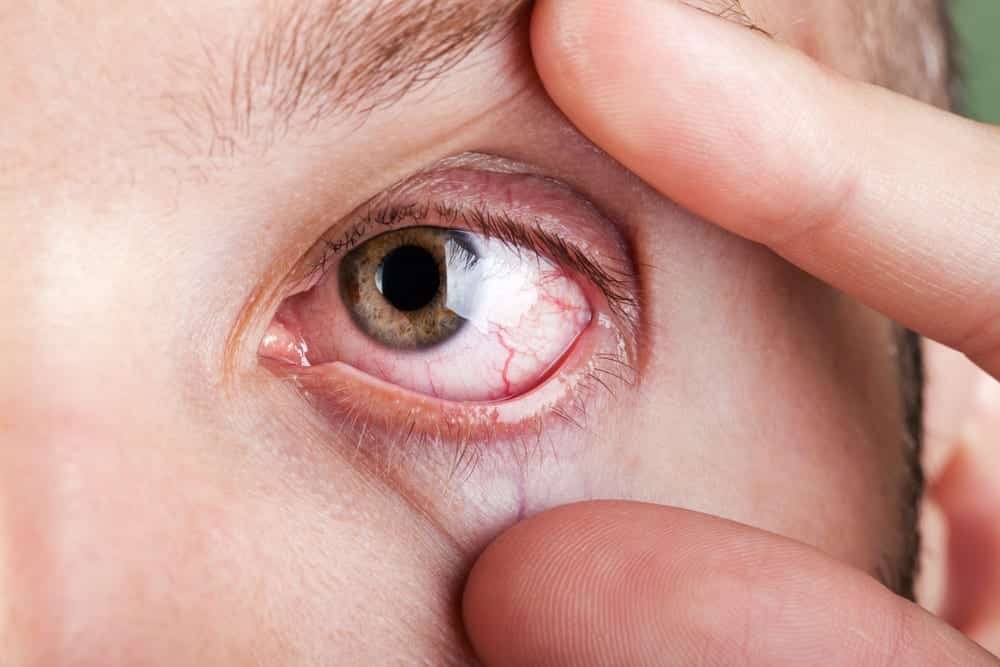
Why does my eyeball hurt is one of the most common questions people ask when sudden eye discomfort strikes without warning. Eyeball pain can feel sharp, dull, throbbing, or burning, and it can affect one eye or both.
In most cases, the pain comes from something simple like dryness, strain, or a small irritant. But sometimes it signals an infection, injury, or a more serious condition that needs medical attention.
Common Causes of Eyeball Pain
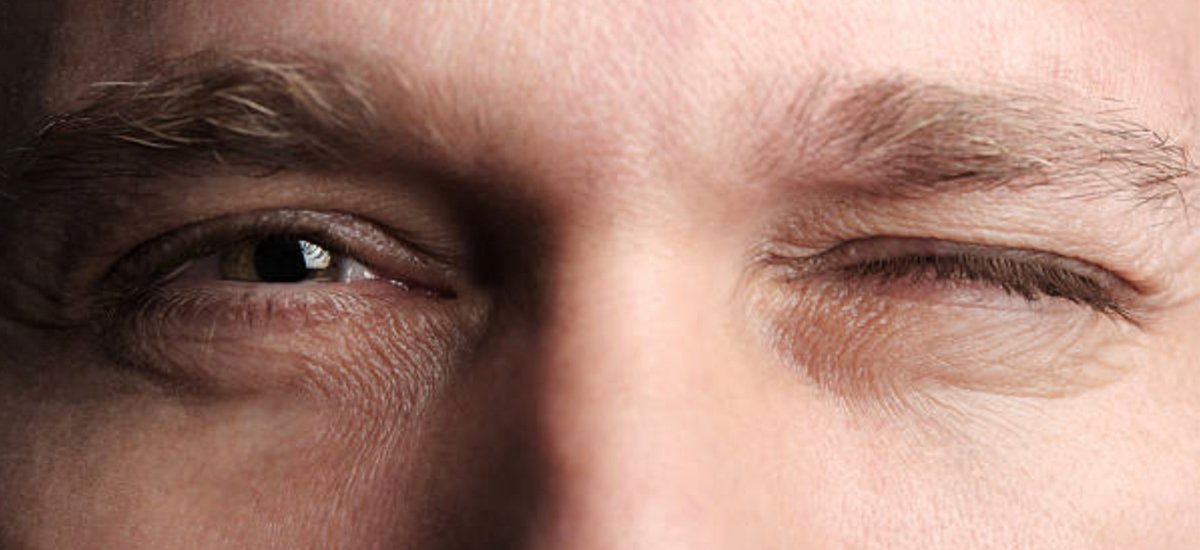
Eyeball pain rarely happens without a reason. Your eye is made of several sensitive parts, and irritation in any one of them can cause discomfort.
Below are the most frequent causes optometrists report when patients ask why their eyeball hurts.
Dry Eye Syndrome
When your eyes don’t produce enough tears, the surface becomes irritated. This often feels gritty, burning, or sandy, especially after screen time.
Eye Strain (Digital Eye Strain)
Hours of screen use without breaks can overwork your eye muscles. This leads to aching, tension, and a dull pain around or behind the eyeball.
Corneal Abrasion
A scratch on the clear front surface of your eye can cause sudden, sharp pain. It often feels like something is still stuck inside the eye.
Foreign Body in the Eye
Dust, eyelashes, or small debris trapped under the eyelid can rub against the eyeball every time you blink, causing sharp discomfort.
Conjunctivitis (Pink Eye)
This infection inflames the outer layer of the eye. It causes redness, discharge, and a burning or itching pain that worsens with light exposure.
Stye or Chalazion
A blocked oil gland on the eyelid can form a tender, swollen bump. The surrounding eyeball area often feels sore to the touch.
Sinus Pressure
Sinus infections can build pressure behind or below the eyes. This pain mimics eyeball pain even though the eye itself isn’t damaged.
Glaucoma
Increased pressure inside the eye can cause aching pain, blurred vision, and halos around lights. This condition needs urgent care.
Optic Neuritis
Inflammation of the optic nerve can cause deep eye pain that worsens with movement, along with reduced vision in the affected eye.
Contact Lens Problems
Wearing lenses too long, using dirty lenses, or wearing an ill-fitting pair can scratch or infect the eye surface.
Types of Eye Pain You Might Feel
Not all eyeball pain feels the same, and the type of pain often points toward the cause.
The table below breaks down common pain descriptions and what they may indicate.
| Type of Pain | How It Feels | Possible Cause |
|---|---|---|
| Sharp or stabbing | Sudden, intense, localized | Corneal abrasion, foreign body |
| Burning | Hot, stinging sensation | Dry eye, allergies, conjunctivitis |
| Throbbing | Pulsing, rhythmic ache | Sinusitis, migraine, increased pressure |
| Dull ache | Constant, low-level discomfort | Eye strain, fatigue |
| Gritty or sandy | Feels like sand under the lid | Dry eye, foreign body |
| Pressure | Pushing sensation from inside | Glaucoma, sinus infection |
Symptoms That Often Come With Eyeball Pain
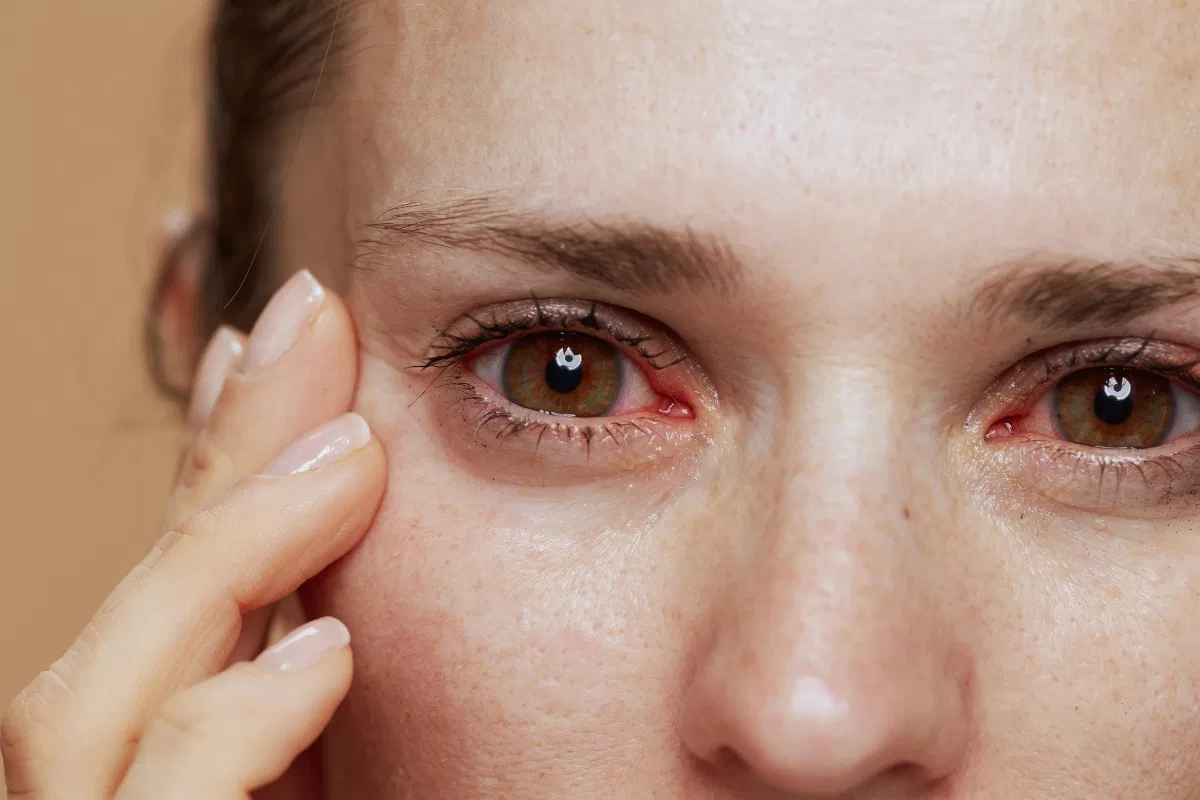
Eye pain rarely shows up alone. Paying attention to accompanying symptoms helps narrow down the cause.
Common symptoms include redness, swelling, light sensitivity, and excessive tearing around the affected eye.
Some people also notice blurry vision, a gritty feeling, or discharge that crusts the eyelids shut overnight.
Headache, nausea, or vomiting alongside eye pain can point toward more serious issues like glaucoma or migraine.
If your vision changes suddenly along with the pain, this combination should never be ignored.
When Eyeball Pain Is an Emergency
Most eye pain is mild and temporary, but certain warning signs mean you should seek emergency care right away.
Sudden vision loss, severe pain after an injury, or a visible foreign object stuck in the eye are all urgent situations.
Bulging eyes, an inability to move your eye normally, or pain combined with intense headache also require immediate attention.
If you experience any of these symptoms, go to an emergency room or call an eye doctor immediately rather than waiting.
How Eye Doctors Diagnose the Cause
An eye doctor typically starts by asking detailed questions about your symptoms, medical history, and when the pain began.
They will ask where exactly the pain is located, how it feels, and whether anything makes it better or worse.
A complete eye exam follows, often using a microscope called a slit lamp to look closely at every part of your eye.
In some cases, your doctor may use special drops to dilate your pupils for a deeper look at the back of the eye.
Additional tests, like measuring eye pressure, may be done if glaucoma or optic nerve problems are suspected.
Treatment Options for Eyeball Pain
Treatment depends entirely on the underlying cause, so an accurate diagnosis always comes first.
For Dry Eyes
Artificial tears, prescription eye drops, or a humidifier at home can restore moisture and reduce irritation.
For Infections
Bacterial infections usually need antibiotic drops or ointments, while viral infections often just need time and supportive care.
For Corneal Abrasions
Doctors typically prescribe antibiotic drops to prevent infection while the scratch heals naturally over a few days.
For Foreign Bodies
A doctor can safely remove trapped debris using sterile tools, followed by drops to soothe the irritated surface.
For Glaucoma
Pressure-lowering eye drops, oral medication, or laser treatment may be used to protect the optic nerve from damage.
For Styes
Most styes resolve with warm compresses, though stubborn cases may need antibiotic ointment or a small in-office procedure.
For Eye Strain
Following the 20-20-20 rule, adjusting screen brightness, and using blue-light filters can significantly reduce strain-related pain.
Home Remedies to Ease Mild Eye Pain
For minor irritation, several simple remedies can bring quick relief while you monitor your symptoms.
Rinse your eye gently with clean water or saline solution to flush out dust or debris.
Apply a cool, damp cloth over closed eyes for ten minutes to reduce swelling and soothe burning sensations.
Use preservative-free artificial tears throughout the day if dryness seems to be the main trigger.
Avoid rubbing your eyes, since this can worsen irritation or introduce bacteria into an already sensitive area.
Take regular breaks from screens, blink often, and ensure your workspace has adequate, glare-free lighting.
How to Prevent Eyeball Pain
Prevention is often easier than treatment, and a few daily habits can protect your eyes long term.
Replace contact lenses on schedule and never sleep in lenses that aren’t approved for overnight wear.
Wash your hands before touching your eyes to avoid transferring bacteria or viruses that cause infections.
Wear protective eyewear during sports, yard work, or any activity with a risk of flying debris.
Schedule routine eye exams so conditions like glaucoma can be caught early, before symptoms even appear.
Stay hydrated and take regular screen breaks to reduce the risk of dry eye and digital eye strain.
Quick Reference: Causes vs Recommended Action
| Cause | Typical Action |
|---|---|
| Dry eye | Use artificial tears, reduce screen time |
| Eye strain | Follow 20-20-20 rule, adjust lighting |
| Corneal abrasion | See a doctor for antibiotic drops |
| Foreign body | Rinse with saline, seek removal if stuck |
| Conjunctivitis | Antibiotic or antiviral treatment as needed |
| Stye | Warm compress, monitor for worsening |
| Glaucoma | Urgent eye doctor visit, pressure-lowering treatment |
| Sinus pressure | Treat underlying sinus infection |
Frequently Asked Questions (FAQs)
Why does my eyeball hurt when I blink?
Blinking pain usually comes from dry eyes, a stye, or pink eye. Glaucoma or optic neuritis can also cause it in rare cases.
Why does my eyeball hurt when I touch it?
Touch sensitivity often points to a corneal abrasion, foreign body, or infection irritating the eye’s surface.
Why does my eyeball hurt behind the eye?
Pain behind the eye is commonly linked to sinus pressure, migraines, or eye strain from prolonged screen use.
Can stress cause eyeball pain?
Yes, stress can tighten muscles around the eyes and trigger tension headaches that feel like eyeball pain.
Is eyeball pain a sign of something serious?
Usually not, but sudden vision loss, severe pain, or injury alongside the pain should be treated as urgent.
How long does eye pain from strain usually last?
Strain-related pain typically eases within a few hours after resting your eyes or stepping away from screens.
Should I see a doctor for eyeball pain?
See a doctor if pain is severe, persistent beyond 48 hours, or paired with vision changes or discharge.
Can allergies cause my eyeball to hurt?
Yes, allergies trigger histamine release, leading to itching, redness, and a burning ache around the eyes.
What home remedy works fastest for eye pain?
A cool compress combined with preservative-free artificial tears often gives the quickest relief for mild irritation.
Can wearing contact lenses too long cause eyeball pain?
Yes, overworn or dirty lenses reduce oxygen flow to the cornea and can cause pain, redness, and infection risk.
Conclusion
Eyeball pain can stem from something as minor as dryness or screen fatigue, or something more serious like an infection, injury, or glaucoma. Paying attention to how the pain feels, where it’s located, and what symptoms accompany it makes a real difference in finding the right relief.
Simple cases often respond well to rest, artificial tears, or a warm or cool compress at home. However, sudden vision changes, intense pain, or pain following an injury should never be ignored, since these can signal urgent conditions requiring immediate care.
If your eyeball pain doesn’t improve within a couple of days, or it keeps coming back, schedule a visit with an eye doctor. Early diagnosis protects your vision and gets you back to comfortable, pain-free eyes as quickly as possible.


