


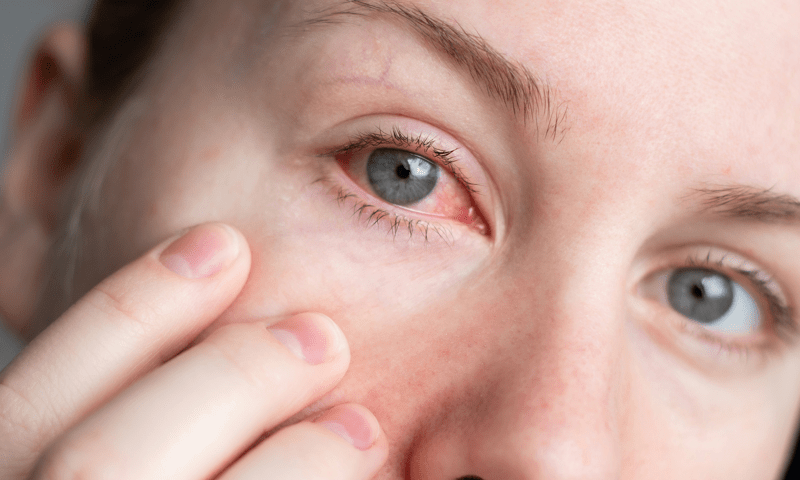
Why do my eyes burn when I cry Is one of the most common eye-related questions people search online.
That stinging, burning sensation after a good cry is uncomfortable and often alarming.
The truth is, it happens to almost everyone at some point. In most cases, it comes down to the chemical makeup of your tears, an underlying eye condition, or environmental factors.
What Are Tears Actually Made Of?
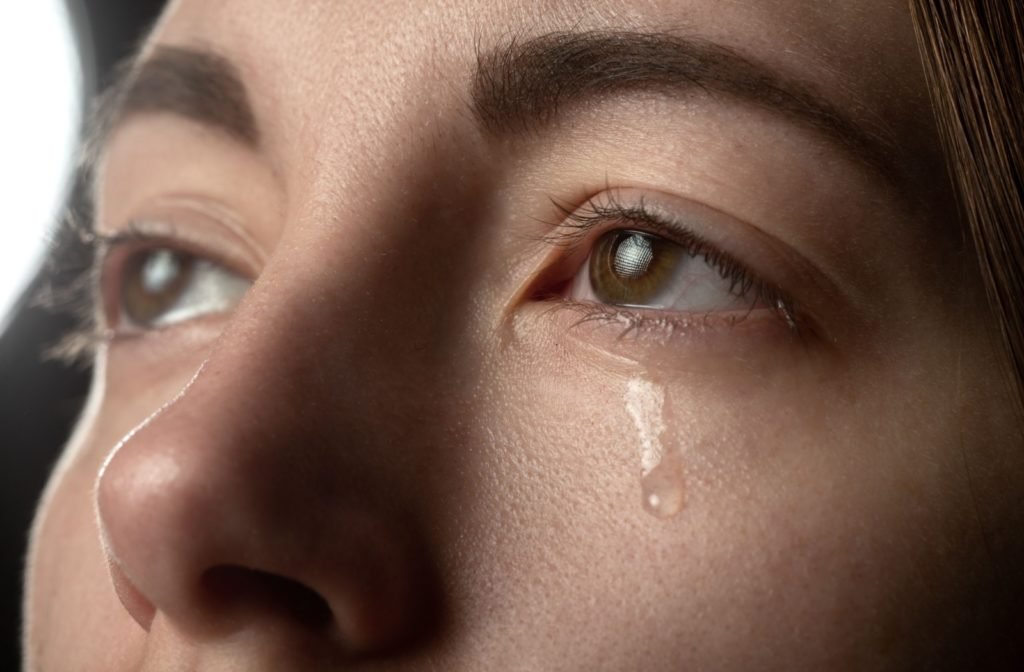
Most people think tears are just salty water. They are actually a highly complex, three-layered structure produced by several glands around your eye.
Each layer of the tear film has a very specific job. When even one layer is out of balance, irritation and burning can follow.
The Three Layers of Your Tear Film
| Layer | Produced By | Function |
|---|---|---|
| Oily (Lipid) Layer | Meibomian glands | Prevents tears from evaporating too quickly |
| Watery (Aqueous) Layer | Lacrimal glands | Hydrates the eye, washes away debris |
| Mucus (Mucin) Layer | Goblet cells | Helps the tear film spread evenly across the cornea |
If the oily layer is thin or missing, tears evaporate faster and leave your eyes dry and irritated. If the watery layer is insufficient, your eyes cannot flush away debris properly.
The Three Types of Tears Your Body Produces
Not all tears are the same. Your body makes three distinct types of tears, and each has a different chemical composition.
Basal Tears
These are your everyday, baseline tears. They are always present on the surface of your eye, keeping it lubricated, nourished, and protected from dust and germs. You never “feel” them because they work silently in the background.
Reflex Tears
Reflex tears are produced when your eyes encounter an irritant, like smoke, dust, onion fumes, or a foreign object. They flush out the threat and contain higher concentrations of antibodies and enzymes. Because of this stronger chemical formula, reflex tears can cause a brief burning or stinging sensation as they go to work.
Emotional Tears
Emotional tears are triggered by feelings, whether sadness, joy, frustration, or pain. They contain a different mix of proteins, hormones, and stress-related chemicals compared to basal tears. This unique chemical profile, combined with the large volume your eyes produce when you cry, is a primary reason why your eyes burn when you cry.
Research has found that emotional tears can contain higher levels of stress hormones like prolactin and adrenocorticotropic hormone (ACTH). When these tears flood the surface of your eye in large amounts, they can temporarily disrupt the tear film balance and cause irritation.
Why Do My Eyes Burn When I Cry? The Main Reasons
There is rarely one single reason. In most cases, burning eyes when crying is caused by a combination of factors working together.
Different Chemical Composition of Emotional Tears
Emotional tears are chemically different from basal tears. They contain elevated levels of stress hormones and proteins that your eye’s surface is not used to in such high concentrations. When large volumes of these tears flood the eye at once, the surface reacts with a burning or stinging sensation.
This is one of the most doctor-cited reasons for the burning feeling specifically when crying emotionally, rather than from an irritant.
Salt Content and Tear Concentration
All tears contain sodium and electrolytes. However, when you are dehydrated or when emotional tears are produced in rapid, large quantities, the salt concentration can increase. A higher-than-normal salt level on the surface of the eye causes stinging, similar to how salt stings an open cut.
If you notice you burn more when crying on days you have not drunk enough water, dehydration may be a contributing factor.
Disruption of the Tear Film
Your tear film is a finely balanced system. When you cry heavily, the sudden surge of watery tears can wash away or dilute the oily and mucus layers. Without the protective oily layer, the cornea becomes more exposed and sensitive. This temporary disruption of your tear film is a very common cause of burning during and after crying.
Environmental Irritants Getting Washed In
When you cry, tears flow down your face and pick up whatever is on your skin. Makeup, skincare products, sunscreen, sweat, and other cosmetics can all get washed into your eyes along with your tears. These substances are not designed for eye contact and cause significant irritation and burning upon entry.
This is especially common if you wear eye makeup or apply face creams near the eye area.
Sweating While Crying
If you cry after exercise or during a heated emotional moment, sweat may mix with your tears. Sweat is more concentrated in salt than tears and can cause a noticeably sharper sting. The combination of emotional tears and sweat running into the eyes is a frequent trigger for burning.
Underlying Eye Conditions That Make Burning Worse
Occasional mild burning when crying is usually normal. However, if the burning is frequent, severe, or long-lasting, an underlying eye condition is likely involved.
Dry Eye Syndrome
Dry eye syndrome is one of the most common causes of burning eyes when crying. When your eyes do not produce enough tears, or when the tears they do produce are poor quality, the eye surface becomes compromised. Even a small disruption from crying can cause significant irritation.
Here is the paradox of dry eye: it can actually trigger excessive tear production as your eyes try to compensate for dryness. But because those reflex tears lack the necessary oils and mucins, they are unstable and evaporate quickly, making the burning worse rather than better.
| Dry Eye Symptom | Description |
|---|---|
| Burning or stinging | Especially when crying or in dry environments |
| Watery eyes | Overcompensation tears that lack quality |
| Scratchy or gritty feeling | Like sand in the eye |
| Blurred vision | Temporary, often clears with blinking |
| Redness | Especially toward the end of the day |
Dry eye is more common in older adults, people who spend long hours on screens, contact lens wearers, and women going through hormonal changes.
Blepharitis
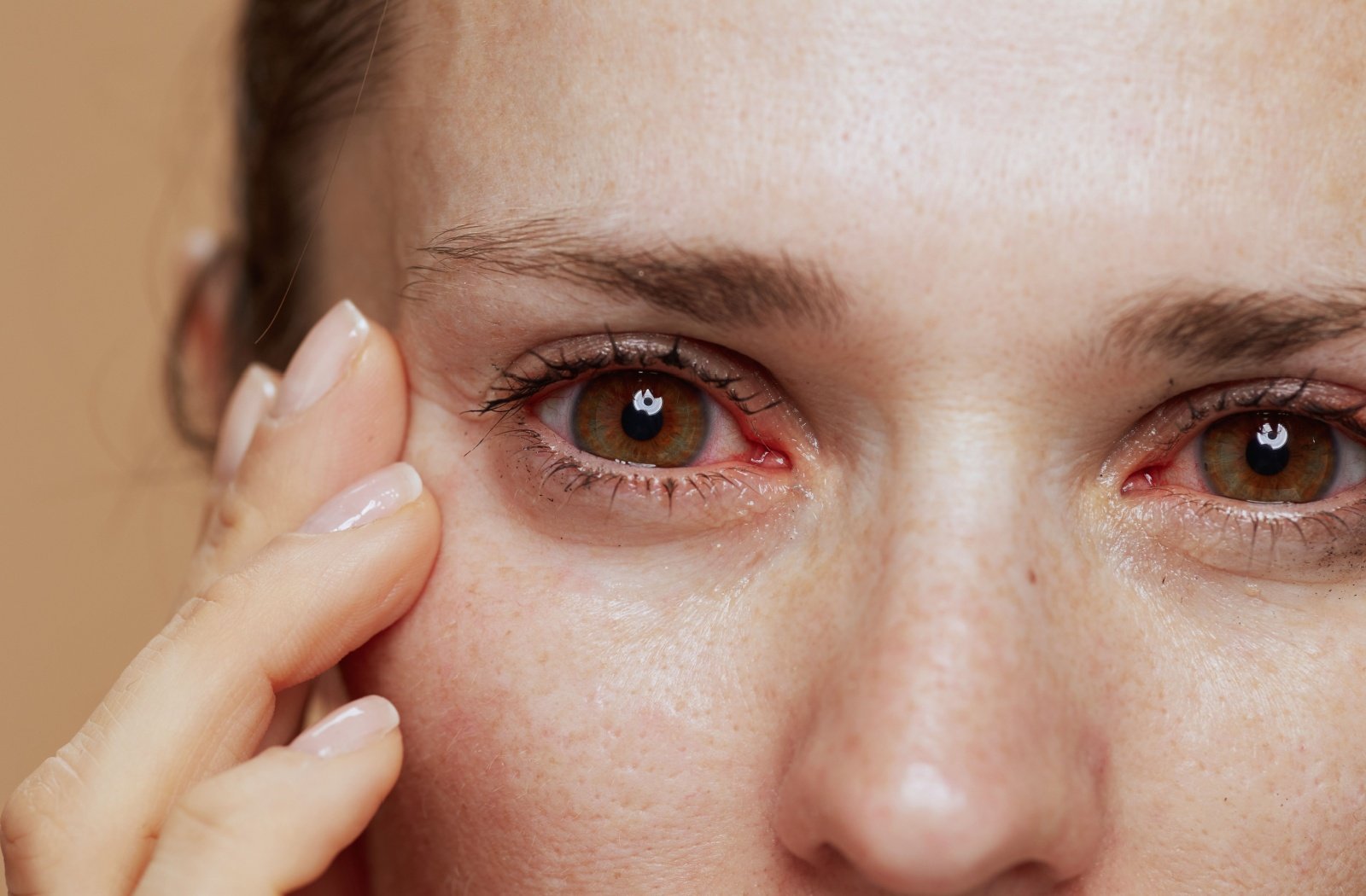
Blepharitis is inflammation of the eyelids, usually caused by bacterial buildup, blocked oil glands, or skin conditions like rosacea. When the meibomian glands in your eyelids become blocked, they cannot produce the oily layer of your tear film properly.
Without enough oil, your tear film evaporates rapidly, leaving the cornea exposed. Crying makes this worse because it temporarily washes away the remaining protective film. People with blepharitis often report that their eyes feel sore all the time, and crying intensifies the burning significantly.
Common signs of blepharitis include crusty or flaky eyelid margins, red eyelid edges, and a persistent gritty or burning sensation.
Eye Allergies (Allergic Conjunctivitis)
Seasonal and environmental allergies are a very common trigger for burning eyes during crying. When allergens like pollen, pet dander, dust mites, or mold spores enter the eye, the immune system releases histamines in response. Histamines cause inflammation, redness, itching, and irritation.
When you cry, emotional tears mix with allergen particles that are already on the surface of your eye or eyelashes. This can amplify the allergic reaction. Rubbing your eyes while crying, which most people do instinctively, makes the situation significantly worse by spreading allergens further across the eye surface.
Clues that allergies are behind your burning include seasonal timing, sneezing, a runny nose, and itching that accompanies the burn.
Conjunctivitis (Pink Eye)
Bacterial or viral conjunctivitis causes inflammation of the conjunctiva, the clear membrane covering the white of your eye. Infections cause the eye surface to become raw, red, and extremely sensitive. Crying on top of an already-inflamed eye surface causes a sharp burning sensation.
Bacterial conjunctivitis can also produce pus or discharge, which mixes with tears when you cry and adds to the irritation.
Meibomian Gland Dysfunction (MGD)
Meibomian gland dysfunction is a condition where the oil-secreting glands along your eyelid margins become clogged or do not function properly. It is closely related to blepharitis and is considered one of the leading causes of dry eye. When these glands do not work well, every tear you produce, including emotional ones, lacks the oily layer needed to stay stable on your eye’s surface.
When Is Burning Eyes When Crying Something to Worry About?
Mild, temporary burning that resolves within a few minutes of crying is almost always normal. Your eyes recover quickly once tear production stabilizes.
You should see an eye doctor if you notice any of the following.
Warning Signs to Watch For
| Warning Sign | What It May Indicate |
|---|---|
| Burning that does not go away after crying | Dry eye, blepharitis, or MGD |
| Severe pain, not just burning | Corneal abrasion or infection |
| Vision changes after crying | Requires immediate evaluation |
| Discharge or crusting around the eye | Possible conjunctivitis |
| Burning every single time you cry | Underlying chronic condition |
| Burning in only one eye | Foreign body, unilateral infection |
How to Soothe Burning Eyes After Crying
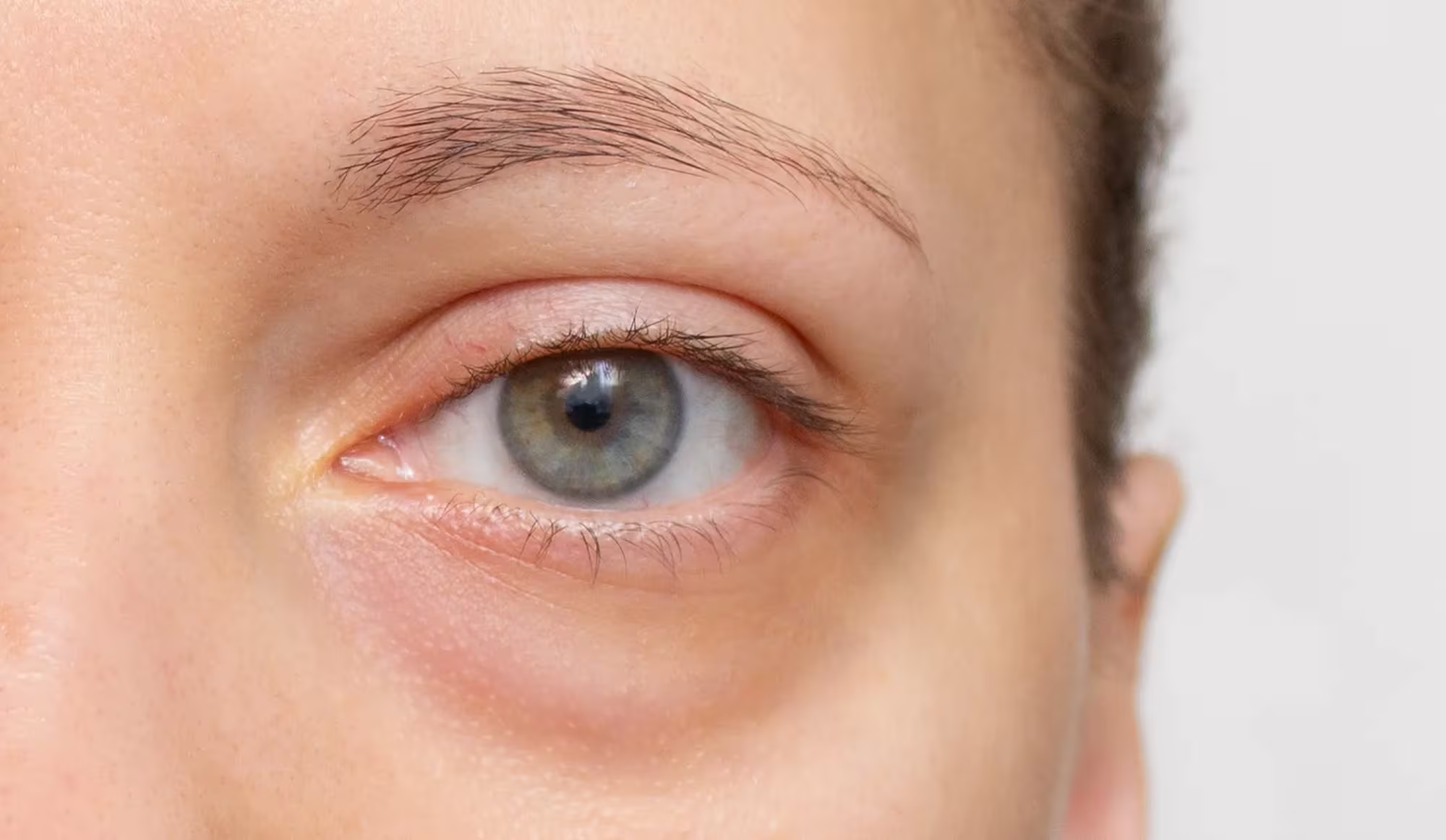
Most cases of burning after crying can be managed at home with simple remedies. These steps work best when applied quickly after the burning begins.
Warm Compress
A warm compress applied over closed eyes for five to ten minutes helps unblock meibomian glands and restore the oily layer of your tear film. Use a clean cloth soaked in warm (not hot) water, or a reusable heat mask designed for eyes.
Warmth promotes the flow of meibum, the oil your glands produce, which helps stabilize the tear film and reduce burning faster.
Cool Compress
A cool or cold compress is better suited for allergy-related burning. It reduces inflammation and provides immediate soothing relief by calming the histamine response in the eye tissue.
Store a clean cloth in the refrigerator, or use a gel eye mask kept cool. Apply for five to ten minutes over closed eyes.
Artificial Tears (Lubricating Eye Drops)
Over-the-counter artificial tears are one of the most effective and widely recommended tools for burning eyes. They supplement your natural tear film, restore balance to the tear layers, and immediately rinse away any irritants or chemical imbalances on the eye surface.
Choose preservative-free artificial tears if you use them more than four times a day, as preservatives can cause their own irritation over time.
Eyelid Hygiene
If blepharitis or MGD is contributing to your burning, cleaning your eyelids regularly makes a significant difference. Use a warm, damp cloth or commercially available eyelid scrub wipes to gently clean along the lash line and remove crusts, oil buildup, and bacterial debris.
This practice is most effective when done daily as a preventive measure, not just when symptoms flare.
Staying Hydrated
Dehydration concentrates your tears and increases their salt content, making them more likely to sting. Drinking adequate water throughout the day helps your body produce balanced, well-hydrated tears with a normal salt concentration.
Aim for at least eight glasses of water per day, and more if you are in a dry climate or physically active.
Antihistamine Eye Drops
If allergies are the main driver of your burning, over-the-counter antihistamine eye drops can reduce histamine-driven inflammation and itching. These are available without a prescription and provide relatively fast relief.
Note that oral antihistamine tablets can actually worsen dry eye symptoms in some people by reducing overall tear production. If you already have dry eye, consult your doctor before starting oral antihistamines.
Dietary and Lifestyle Factors That Support Tear Health
What you eat and how you live has a direct effect on the quality of your tears. Improving tear quality reduces the likelihood of burning when you cry.
Omega-3 Fatty Acids
Foods rich in omega-3s, like fatty fish, flaxseeds, chia seeds, and walnuts, help support the oily layer of your tear film. Several clinical studies have shown that omega-3 supplementation can improve tear film stability and reduce dry eye symptoms over time.
Vitamins C and E
These antioxidant vitamins help protect eye tissue from oxidative stress. Foods like citrus fruits, leafy greens, nuts, and seeds are excellent sources. A well-rounded, nutrient-dense diet supports overall eye health and tear gland function.
Screen Time and Blinking
Prolonged screen use reduces your blink rate significantly, which allows the tear film to evaporate between blinks. Making a conscious effort to blink fully and taking regular breaks from screens (the 20-20-20 rule: every 20 minutes, look at something 20 feet away for 20 seconds) helps maintain a healthy tear film and reduces baseline irritation that worsens when you cry.
Avoiding Smoke and Dry Environments
Smoke is one of the most potent environmental triggers for eye irritation. Even secondhand smoke exposure causes the eye surface to become inflamed and sensitive. Dry air, whether from air conditioning, heating systems, or low-humidity climates, accelerates tear film evaporation. Using a humidifier at home and wearing wraparound sunglasses outdoors helps protect your eyes from these environmental factors.
What Your Eye Doctor Can Do
If home remedies do not provide sufficient relief, an eye doctor can offer targeted treatments based on the underlying cause.
For dry eye, options include prescription eye drops like cyclosporine, punctal plugs that slow tear drainage, and in-office treatments like intense pulsed light therapy (IPL) or LipiFlow for meibomian gland dysfunction.
For allergies, a doctor may recommend prescription-strength antihistamine drops or allergen immunotherapy if symptoms are severe.
For blepharitis, in-office lid debridement and prescription antibiotic ointments can address bacterial buildup that home hygiene cannot fully resolve.
Getting an eye exam is the only way to confirm exactly what is causing your burning and to rule out any conditions that require medical treatment.
Frequently Asked Questions (FAQs)
Is it normal for eyes to burn when crying?
Yes, mild burning during or after crying is completely normal and happens to most people. It is usually caused by the unique chemical makeup of emotional tears or by environmental irritants being washed into the eye.
Why do my eyes burn more when I cry hard?
Crying hard produces a much larger volume of emotional tears. This flood of tears disrupts the tear film balance and delivers more stress hormones and proteins to your eye surface at once, intensifying the burning sensation.
Can dehydration cause eyes to burn when crying?
Yes. When you are dehydrated, your tears become more concentrated with salt. This higher salt content makes them more likely to sting when they contact the sensitive surface of your eye.
Why do my eyes still burn after I stop crying?
After crying stops, the tear film can take several minutes to restabilize. Residual irritants, disrupted oil layers, or an underlying condition like dry eye can keep the burning going for some time after the tears stop.
Does wearing makeup make the burning worse?
Yes. Eye makeup, mascara, foundation, and skincare products can be washed into the eyes by tears. These substances are not formulated for direct eye contact and can cause significant burning and irritation.
Can allergies make eyes burn more when crying?
Absolutely. If you have eye allergies, crying washes allergens further across the eye surface and can intensify the histamine response, making burning, redness, and itching noticeably worse.
What is the fastest way to stop eyes burning after crying?
Applying a cool compress to closed eyes and using preservative-free artificial tear drops gives the fastest relief in most cases. This helps stabilize the tear film and reduce surface inflammation quickly.
Should I see a doctor if my eyes always burn when I cry?
Yes. If burning occurs every time you cry, is severe, or is accompanied by other symptoms like redness, discharge, or blurred vision, you should see an eye doctor to rule out dry eye, blepharitis, MGD, or infection.
Can dry eye syndrome make eyes burn more after crying?
Yes. Dry eye disrupts the tear film even before you cry. When emotional tears arrive, they evaporate quickly due to the lack of oils, and the already-compromised cornea reacts with intensified burning.
Are there foods that help reduce eye burning when crying?
Yes. A diet rich in omega-3 fatty acids (from oily fish, flaxseeds, and walnuts), vitamin C, vitamin E, and zinc supports healthy tear film production and can reduce the frequency and severity of burning over time.
Conclusion
Why do my eyes burn when I cry comes down to a few core reasons: the unique chemical composition of emotional tears, disruption of your tear film layers, environmental irritants, and underlying conditions like dry eye or blepharitis.
Occasional mild burning is a normal part of crying and usually resolves on its own within minutes.
When burning is frequent, severe, or accompanied by other symptoms, it is a signal from your body that your eye health needs closer attention.
Simple steps like using artificial tears, applying a warm compress, staying hydrated, and cleaning your eyelids regularly can make a significant difference for most people.
A diet rich in omega-3s and antioxidant vitamins also supports long-term tear quality.
If home care is not enough, an eye doctor can identify the exact cause and provide targeted treatments that deliver lasting relief.
Your eyes work hard every day, and they deserve the right support to stay healthy and comfortable.


