



Hearing that grating sound coming from your child’s room at night can be startling the first time you notice it. It’s a common experience for many parents, and it usually isn’t a reason to panic.
If you’ve been wondering why do kids grind their teeth, you’re dealing with something called bruxism, a surprisingly common habit in childhood.
Why Do Kids Grind Their Teeth?
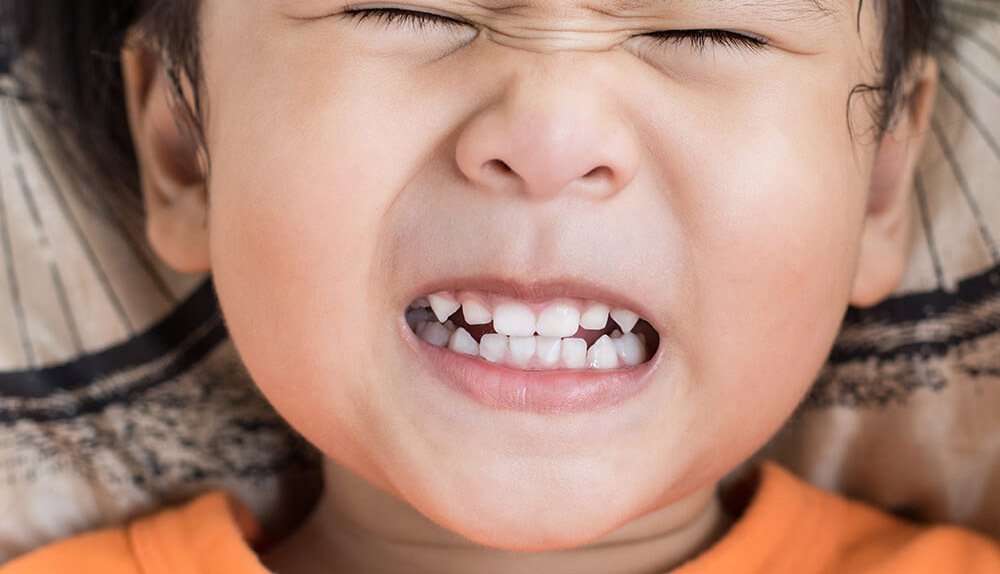
Kids grind their teeth mainly due to teething, stress, or misaligned teeth. Bruxism is very common in childhood and most kids outgrow it naturally, often by the time their baby teeth fall out.
What Bruxism Is
Bruxism is the medical term for grinding or clenching the teeth, either consciously or unconsciously. In children, it most often happens during sleep, though it can occur during the day too.
Studies estimate that a significant share of children experience bruxism at some point, and it can start as early as infancy when teeth first come in.
Common Reasons Kids Grind Their Teeth
Teething
For infants and toddlers, teeth grinding is often a response to teething discomfort. The back-and-forth motion can help relieve the pressure and soreness of new teeth coming in.
This type of grinding usually settles down once the teething phase passes.
Stress and Anxiety
Stress is one of the most commonly cited triggers for bruxism in children. Worries about school, friendships, or changes at home can show up physically as nighttime grinding.
Even everyday sources of stress, like an argument with a sibling, can be enough to trigger it.
Misaligned Teeth or Bite
When a child’s teeth don’t fit together properly, grinding can sometimes be the body’s way of adjusting. An improper bite puts extra pressure on certain areas, which may lead to grinding as a response.
A dentist can evaluate whether alignment is playing a role.
Sleep-Related Factors
Bruxism often happens during deep sleep stages, sometimes linked to normal sleep transitions. In some cases, sleep disorders like sleep apnea are associated with more frequent grinding.
If snoring or breathing pauses are also present, it’s worth mentioning to a pediatrician.
Illness or Congestion
Blocked sinuses, ear infections, or general illness can sometimes trigger or worsen teeth grinding in young children. The discomfort from these issues may express itself through jaw movement during sleep.
This type of grinding often improves once the underlying illness resolves.
Certain Medical Conditions
Bruxism is more commonly seen in children with conditions like hyperactivity disorders, cerebral palsy, or developmental disabilities, including autism. In some of these cases, grinding may serve as a form of sensory stimulation.
This connection doesn’t mean grinding always indicates one of these conditions, but it’s a pattern worth being aware of.
Medication Side Effects
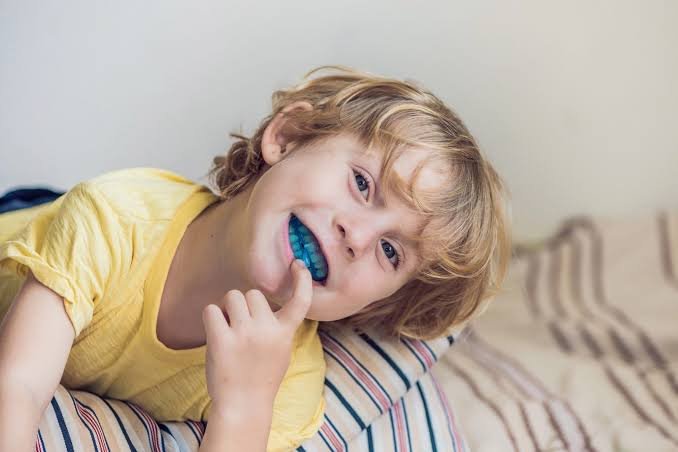
Certain medications have been associated with increased teeth grinding in some children. If grinding started after a new prescription, this timing is worth discussing with your child’s doctor.
Habit or Sensation-Seeking
Some children grind their teeth simply because they enjoy the sound or sensation it creates. This is more of a behavioral habit than a response to discomfort or stress.
This type of grinding often fades naturally as children get older.
How Common Is Bruxism in Children
| Age Group | Prevalence Pattern |
|---|---|
| Infancy to age 5 | Very common, often tied to teething |
| Ages 5-6 | Peak years for noticeable grinding |
| After age 6 | Frequency often begins to decline |
| Permanent teeth stage | Many children naturally outgrow it |
Signs Your Child May Be Grinding Their Teeth
- A grating or grinding sound heard at night
- Complaints of a sore jaw, especially in the morning
- Headaches upon waking
- Increased tooth sensitivity to hot or cold
- Visible wear, flattening, or chipping on the teeth
Since many children aren’t aware they grind their teeth, a sibling, parent, or dentist is often the first to notice.
When to See a Dentist
Occasional, mild grinding usually isn’t a cause for concern. Certain signs suggest it’s time for a dental evaluation.
- Visible wear, chipping, or flattening of the teeth
- Frequent complaints of jaw or facial pain
- Regular morning headaches
- Grinding that continues well past age 6
- Signs of disrupted sleep, like snoring or breathing pauses
A dentist can check for enamel wear and recommend a night guard if the grinding is causing damage.
How to Help a Child Who Grinds Their Teeth

Address Underlying Stress
If stress seems to be a factor, talk with your child about what might be bothering them. Helping them work through worries during the day can reduce nighttime grinding.
Build a Calming Bedtime Routine
A relaxing routine before bed, like a warm bath, quiet reading, or soft music, can help ease tension. This is especially helpful when anxiety appears to be contributing to the grinding.
Schedule a Dental Checkup
A dentist can assess whether the teeth or jaw show signs of grinding-related wear. They can also determine if a custom night guard is appropriate.
Monitor for Illness-Related Triggers
If grinding seems to worsen during a cold or ear infection, treating the underlying illness may help reduce the behavior. This pattern is common in younger children.
Be Patient With the Timeline
Since most children outgrow bruxism naturally, patience is often part of the process. Consistent monitoring, rather than intervention, is appropriate for many mild cases.
Mistakes to Avoid
- Assuming all grinding requires immediate treatment
- Ignoring persistent jaw pain or visible tooth wear
- Overlooking stress as a potential underlying cause
- Skipping regular dental checkups where wear can be monitored
- Dismissing grinding that continues well beyond the typical age range
Key Takeaways
- Bruxism is common in children and often linked to teething, stress, or misaligned teeth.
- Most kids naturally outgrow teeth grinding, often around the time they lose their baby teeth.
- Visible tooth wear, jaw pain, or headaches are signs worth mentioning to a dentist.
- A calming bedtime routine can help when stress is a contributing factor.
- Regular dental checkups help catch any grinding-related damage early.

Also Read:
- From Hair Care Idea To Business: How Bo International Supports Startup Brands
- Portable Space Heaters vs Fan Heaters: Pros and Cons
- How Care Patterns Help During Steps to Report Suspected Nursing Home Abuse
- How Insurance Responses Can Affect a Houston, TX Auto Accident Claim
- Download Gayatri Mantra Best Ringtone Mp3/M4R
- Grand Theft Auto: San Andreas – Theme Song Download
- Download Mission Impossible – Original Theme Song
- Randy Orton – Voices WWE Theme Song Download
- 430+ Trendy Roblox Username Ideas for Boys & Girls
- 1000+ Trendy Instagram Usernames Ideas for Girls
- Letflix Review – Features, How It Works and Safe to Use?
- The Investigation Steps a Premises Liability Lawyer May Take After an Injury
- Does Being a Loan Guarantor Affect Your CIBIL Score
- Do You Need Legal Help After a Truck Accident? Here’s What to Know
- Employee Rights and Legal Remedies in Whistleblower Retaliation Cases
- Lorde – Liability (Instrumental)
- The LOX – Ignorant (Instrumental)
- Dae Dae – Spend It (Instrumental)
- Mac Miller – Diablo (Instrumental)
- How Peptides Are Changing the Science of Bodybuilding Research
- How Cashless Health Insurance Is Transforming Patient Experience
- Why Is My Tongue Itchy? Common Causes & Treatments
- Why Are MRIs So Expensive? The Real Cost Explained
- Why Does My Gum Hurt When I Touch It? Causes & Relief
- Why Do My Feet Burn at Night? 9 Possible Causes
Frequently Asked Questions (FAQs)
At what age do kids usually stop grinding their teeth?
Most children outgrow teeth grinding by the time they lose their baby teeth, often around age 6. Some may continue a bit longer, but frequency generally declines with age.
Is teeth grinding in toddlers normal?
Yes, it’s very common in toddlers, especially during teething. Most cases resolve on their own without lasting effects.
Can stress really cause a child to grind their teeth?
Yes, stress and anxiety are among the most commonly cited triggers for childhood bruxism. Helping your child manage daily stress can sometimes reduce the grinding.
Does teeth grinding damage a child’s teeth?
It can, especially with prolonged or frequent grinding, leading to worn enamel or increased sensitivity. A dentist can check for this during regular checkups.
Should I wake my child up if I hear them grinding their teeth?
No, waking them isn’t necessary or recommended. It’s better to monitor the pattern and discuss it with a dentist if it seems frequent or severe.
Can misaligned teeth cause a child to grind at night?
Yes, an improper bite or misaligned teeth can contribute to bruxism. A dentist can evaluate whether this is a factor for your child.
Is teeth grinding linked to ADHD or developmental conditions?
Yes, bruxism is more commonly seen in children with hyperactivity disorders or certain developmental conditions. This doesn’t mean grinding always indicates one of these conditions.
Can a cold or ear infection cause teeth grinding?
Yes, illness and congestion can sometimes trigger or worsen grinding in young children. It often improves once the illness clears up.
Do night guards work for kids who grind their teeth?
Yes, a dentist-fitted night guard can protect the teeth from further wear caused by grinding. It’s typically recommended when there’s visible damage or discomfort.
Why does my child grind their teeth during the day too?
Daytime grinding is often linked to stress, concentration, or habit rather than sleep-related causes. Observing when it happens can help identify the trigger.
Can teething cause a baby to grind their teeth?
Yes, teething discomfort is a very common reason infants grind their teeth. This usually settles down once the teething phase passes.
Is it bad if my child grinds their teeth every night?
Not necessarily, since many children grind occasionally without lasting harm. Frequent, forceful grinding with visible wear is what warrants closer attention.
Can teeth grinding cause headaches in children?
Yes, jaw tension from grinding can lead to headaches, especially noticeable in the morning. This is one of the more common symptoms parents report.
Does teeth grinding mean my child is anxious?
Not always, since grinding can stem from teething, alignment, or habit rather than anxiety alone. If other signs of stress are present, it’s worth having a conversation with your child.
Can medication cause a child to grind their teeth?
Yes, certain medications have been linked to increased teeth grinding in some children. If this timing lines up, mention it to your child’s doctor.
How do I know if my child’s teeth grinding needs treatment?
Visible tooth wear, ongoing jaw pain, or frequent headaches are signs treatment may be needed. A dental checkup can confirm whether intervention is necessary.
Is bruxism more common in children with autism?
Yes, teeth grinding has been noted more frequently in children with autism, sometimes linked to sensory-seeking behavior. A pediatric dentist can offer guidance specific to your child’s needs.
Can teeth grinding affect a child’s jaw development?
In cases of prolonged, forceful grinding, it can contribute to jaw discomfort or muscle tension over time. Regular dental monitoring helps catch this early.
Will my child need braces because of teeth grinding?
Not necessarily, since grinding and alignment issues are separate concerns, though they can sometimes be related. A dentist can evaluate whether alignment treatment is needed independently.
Should I be worried if my child suddenly starts grinding their teeth?
A sudden onset can be linked to stress, illness, or a new medication, so it’s worth observing for a pattern. If it persists or comes with other symptoms, a dental or medical evaluation can help identify the cause.
Conclusion
Teeth grinding is a common part of childhood, often tied to teething, stress, or how a child’s teeth are developing. In most cases, it resolves naturally without lasting effects on their smile.
Keep an eye out for signs like visible tooth wear, jaw pain, or frequent headaches, since these are worth discussing with a dentist. With a little patience and the right support, most kids grow out of this habit completely.


