


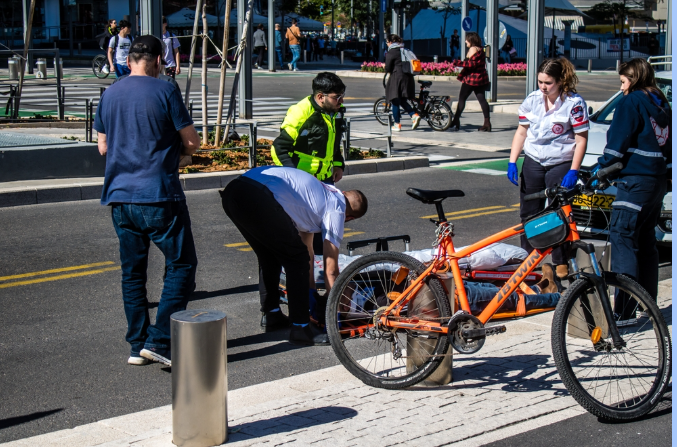
Every bicycle ride begins with a simple goal, but the road can change everything without warning.
Cycling gives people freedom, exercise, and an easy way to travel, yet every road comes with risks that are often overlooked. A single mistake by a driver, poor road conditions, or faulty equipment can quickly turn an ordinary ride into a serious accident. Learning about the types of bicycle accident cases helps riders understand how these incidents happen and why every case deserves careful attention. The more familiar you are with common accident situations, the easier it becomes to recognize the facts that may matter after a collision.
Let us take a closer look at the cases riders encounter most often.
Collisions With Motor Vehicles
Collisions between bicycles and motor vehicles are among the most common bicycle accident cases. These accidents often happen because a driver fails to notice a cyclist or does not give enough space while passing. Intersections are another frequent location because drivers may fail to yield before turning or crossing a cyclist’s path.
The outcome depends on many factors, including vehicle speed, traffic conditions, and the point of impact. Evidence such as police reports, traffic camera footage, and witness statements often helps explain how the collision occurred and what actions were taken before the accident.
Dooring Accidents
Dooring accidents happen when someone inside a parked vehicle opens a door directly into the path of an approaching cyclist. Since bicycles travel close to parked cars, riders sometimes have very little time to avoid the obstacle.
These accidents can cause cyclists to fall onto the road or move into nearby traffic while trying to avoid the open door. Busy streets with roadside parking create more opportunities for this type of collision. Looking at where the vehicle was parked and how the accident happened often becomes an important part of reviewing the case.
Hit and Run Bicycle Accidents
A hit-and-run bicycle accident occurs when a driver leaves the scene without stopping after a collision. These cases can become more difficult because identifying the responsible driver may take additional investigation.
Police reports, nearby security cameras, traffic cameras, and witness statements often become valuable sources of information. Even small details such as vehicle color, damage, or the direction the vehicle traveled may help investigators gather more information about what happened.
Bicycle Accidents Caused by Poor Road Conditions
Not every bicycle accident is caused by another driver. Damaged roads, large potholes, loose gravel, broken pavement, missing signs, or road debris may also contribute to serious crashes.
Cyclists depend on smooth and predictable road surfaces to ride safely. Even a small hazard may cause someone to lose control, especially at higher speeds or in areas with heavy traffic. Photographs of the road, maintenance records, and weather conditions may all become important pieces of information during the review of these accidents.
Bicycle Defect Accidents
Sometimes the bicycle itself contributes to an accident because of equipment problems. Faulty brakes, damaged tires, broken handlebars, or manufacturing defects may prevent a rider from controlling the bicycle safely.
Reviewing the damaged bicycle, maintenance history, and product information often helps determine whether an equipment failure played a role. Since bicycles contain many moving parts, careful inspections may provide valuable information about how the accident happened.
Bicycle Accidents Involving Pedestrians
Cyclists and pedestrians often share sidewalks, crosswalks, parks, and recreational paths. Although these spaces are designed for public use, accidents may still happen because of limited visibility, sudden movements, or crowded conditions.
These cases usually require a careful review of the location, traffic signs, and the actions of everyone involved. Witness statements and available video footage may help explain how the collision occurred and whether environmental conditions contributed to the incident.
What Can Strengthen a Bicycle Accident Claim?
While every case is different, keeping accurate records after an accident can help preserve important information. Helpful steps include:
- Seek medical attention as soon as possible.
- Report the accident to the appropriate authorities.
- Take photographs of the accident scene and damaged bicycle.
- Keep medical records, repair estimates, and related expenses.
- Collect contact information from witnesses if possible.
- Save any damaged equipment until the claim is resolved.
Organized records often make it easier to explain what happened and support the available evidence throughout the claims process.
Why Every Bicycle Accident Case Should Be Evaluated Individually
No two bicycle accidents happen in the same way. Road conditions, weather, traffic, available evidence, injury severity, and the actions of everyone involved all influence how a case is reviewed. Even accidents that appear similar may have completely different facts once investigators examine the details.
Understanding the types of bicycle accident cases is a helpful starting point, but every claim deserves careful evaluation based on its own circumstances. Looking closely at the evidence, available records, and the events leading to the accident helps create a clearer picture of what happened and supports a more informed approach throughout the legal process.

