


Swan Lake violin sheet music represents one of classical music’s most sought-after resources for violinists worldwide. Pyotr Ilyich Tchaikovsky’s masterpiece, composed in 1875-1876, offers violinists breathtaking melodies ranging from the hauntingly beautiful Scene Theme to the dramatic Final Scene.
Whether you’re a beginner tackling your first position shifts or an advanced player preparing for orchestra auditions, Swan Lake provides essential repertoire that develops technique, musicality, and emotional expression.
This comprehensive guide explores every aspect of obtaining, understanding, and mastering Swan Lake violin sheet music across all skill levels in 2026.
Understanding Swan Lake Op. 20
Tchaikovsky’s Masterpiece
Swan Lake, officially catalogued as Op. 20, premiered on March 4, 1877, at the Bolshoi Theatre in Moscow. Despite initial lukewarm reception, it became one of ballet’s most performed works.
Tchaikovsky drew inspiration from Russian and German folk tales about swan maidens. The story centers on Prince Siegfried, Princess Odette cursed to be a swan, and the evil sorcerer Rothbart.
The ballet contains 29 musical numbers across four acts. Each section offers unique violin passages, from delicate solos to powerful orchestral tutti moments.
Musical Structure and Movements
The most popular violin excerpts come from specific movements. The Scene Theme (Act II, No. 10) features the iconic oboe melody that violins often perform.
The Waltz (Act I, No. 2) showcases Tchaikovsky’s gift for dance rhythms. Violinists must master its lilting 3/4 meter and elegant phrasing.
The Final Scene contains some of the most emotionally charged violin writing. This movement appears frequently in intermediate and advanced arrangements.
The Hungarian Dance (Czardas) from Act III demands technical virtuosity. Advanced violinists use this excerpt for auditions and competitions.
Historical Significance
Swan Lake revolutionized ballet music by giving it symphonic depth. Previously, ballet scores were considered mere dance accompaniment.
Tchaikovsky elevated the violin’s role within ballet orchestration. The instrument carries melodic responsibility throughout the score.
Modern orchestras worldwide perform Swan Lake regularly. Violinists in professional orchestras must know these excerpts for audition purposes.
Skill Levels and Arrangements
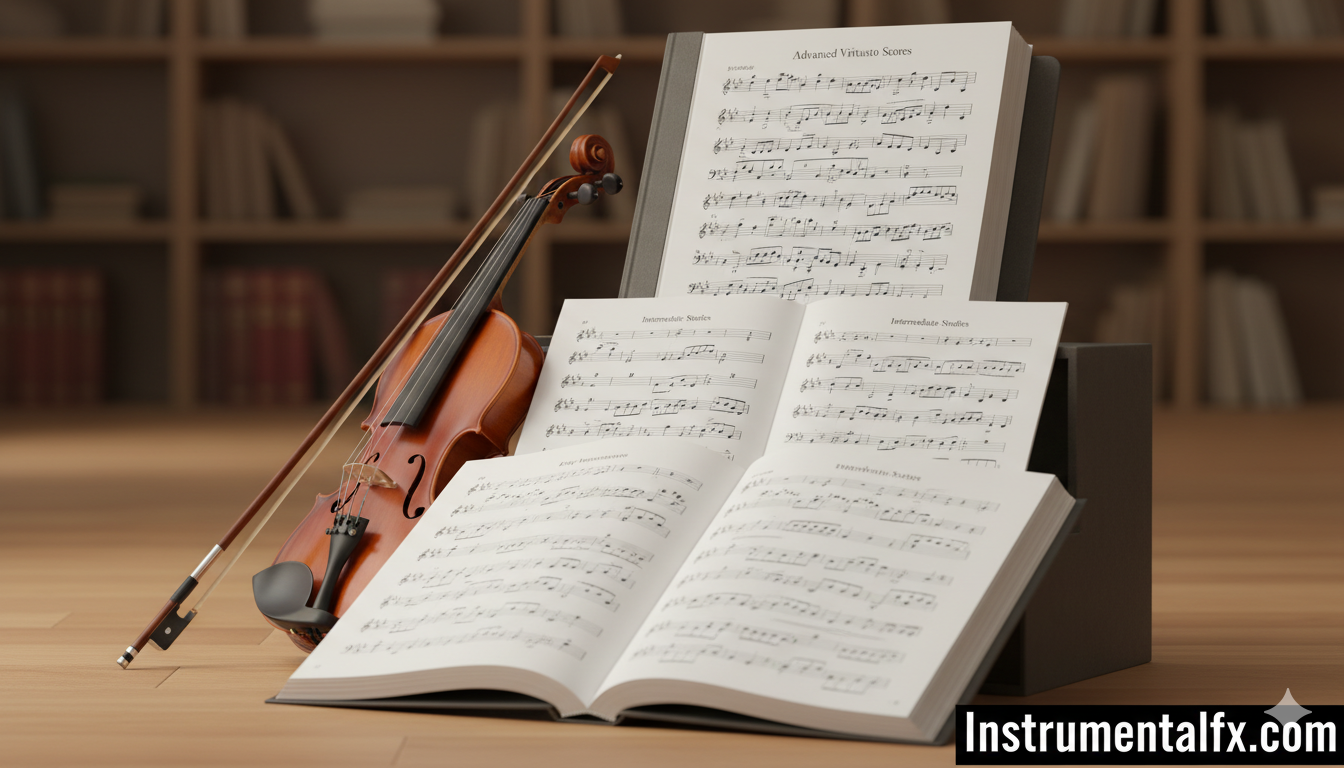
Beginner Swan Lake Violin Sheet Music
Beginner arrangements typically transpose the music to easier keys. E minor arrangements keep violinists in first position, avoiding complex shifts.
Simplified versions remove ornaments, trills, and rapid passage work. These arrangements focus on melody and basic bowing techniques.
Beginner scores often include fingering suggestions and bowing marks. These annotations help students learn proper technique from the start.
The Scene Theme works wonderfully for beginners. Its slow tempo and stepwise motion make it accessible while remaining musically satisfying.
Intermediate Level Arrangements
Intermediate Swan Lake sheet music introduces third position shifting. Students develop position-changing skills while playing recognizable melodies.
These arrangements include more ornaments and dynamics. Intermediate players learn expressive techniques like vibrato and varied bow pressure.
Tremolo bowing appears in intermediate versions. This technique, essential for Swan Lake’s dramatic moments, requires focused practice.
The Waltz movement suits intermediate violinists perfectly. Its moderate tempo and clear phrasing teach musicality and rhythm.
Advanced and Professional Scores
Advanced arrangements feature the original orchestral violin parts. These include challenging passages, complex rhythms, and extended techniques.
Professional scores contain concertmaster solos from the ballet. These excerpts appear regularly in orchestra auditions worldwide.
The Final Scene solo requires advanced technique. Players must demonstrate control, expressiveness, and technical mastery simultaneously.
Suite No. 4 contains multiple challenging excerpts. Advanced violinists study these passages for technical development and audition preparation.
Where to Find Swan Lake Violin Sheet Music
Free Sheet Music Resources
MuseScore offers numerous Swan Lake arrangements for free download. Users can access PDF and MIDI files arranged at various difficulty levels.
8notes.com provides free violin sheet music with MIDI playback. Their Swan Lake Theme arrangement includes helpful practice tools.
IMSLP (International Music Score Library Project) hosts public domain scores. The original orchestral parts are available for free download.
Free-Scores.com features arrangements by contemporary musicians. These modern interpretations offer fresh approaches to classic melodies.
Paid Sheet Music Platforms
Sheet Music Plus carries professional arrangements by established publishers. Their catalog includes beginner through advanced versions with pianist accompaniment.
Alfred Music publishes high-quality educational arrangements. Their Swan Lake editions feature detailed pedagogical notes and practice suggestions.
TomPlay offers interactive sheet music with orchestral backing tracks. Violinists can practice along with professional recordings at adjustable tempos.
Musicnotes.com provides instantly downloadable PDFs. Their Swan Lake collection includes various arrangements for solo violin and violin with piano.
Subscription Services
MuseScore Pro offers unlimited downloads for monthly subscribers. Premium members access high-quality PDFs and advanced practice tools.
MakeMusic Cloud provides interactive sheet music with practice features. Subscribers can access Swan Lake scores with built-in metronomes and accompaniments.
Virtual Sheet Music offers a subscription library. Members get unlimited access to classical violin repertoire including complete Swan Lake arrangements.
Physical Music Books
Hal Leonard publishes comprehensive ballet collections. Their Tchaikovsky volumes include multiple Swan Lake movements in one book.
Dover Publications offers affordable classical music editions. These budget-friendly books provide excellent value for students building libraries.
Peters Edition publishes scholarly urtext editions. Advanced players and professionals prefer these authentic versions for serious study.
Popular Swan Lake Movements for Violin
Scene Theme (Act II, No. 10)
The Scene Theme represents Swan Lake’s most recognizable melody. This hauntingly beautiful passage appears in countless films, commercials, and figure skating programs.
Originally written for oboe, violin arrangements capture the melody’s ethereal quality. Violinists must develop smooth bow changes to maintain the flowing character.
This movement teaches legato bowing and phrase shaping. Students learn to create long musical lines despite needing multiple bow strokes.
The Scene Theme exists in arrangements from beginner to professional level. Every violinist should learn at least one version during their training.
Waltz (Act I, No. 2)
The Swan Lake Waltz demonstrates Tchaikovsky’s mastery of dance forms. Its elegant 3/4 rhythm requires precise timing and graceful execution.
Violin parts contain both melodic and accompaniment figures. Players develop versatility by switching between these contrasting roles.
This movement teaches rhythmic accuracy and style. Understanding waltz phrasing improves performance of all dance-style music.
The Waltz appears frequently in recital programs. Its audience familiarity makes it an excellent choice for student performances.
Final Scene
The Final Scene contains Swan Lake’s most dramatic music. As the protagonists face death, the music builds to an overwhelming emotional climax.
Violin writing in this section is intensely expressive. Players must convey despair, love, and tragedy through their instrument.
Technical demands include wide dynamic range and sustained intensity. Advanced players develop emotional communication alongside technical skills.
This excerpt appears on professional orchestra audition lists. Mastering it demonstrates both technical ability and artistic maturity.
White Swan Pas de Deux
This romantic duet showcases violin’s lyrical capabilities. The sweeping melodies require beautiful tone production and expressive phrasing.
The passage features challenging string crossings. Violinists develop coordination between left and right hands.
Vibrato use is essential for proper interpretation. Players learn to vary vibrato speed and width for maximum expressiveness.
This movement appears in wedding ceremonies and romantic events. Its universal appeal makes it valuable repertoire for performing violinists.
Black Swan Pas de Deux
The Black Swan music contrasts sharply with the White Swan. Its sinister character requires darker tone color and aggressive articulation.
Technical passages include rapid scales and arpeggios. Advanced players use this excerpt to develop finger dexterity.
The music teaches character differentiation. Understanding how to portray evil versus good through sound enhances artistic range.
This dramatic excerpt engages audiences effectively. Its theatrical nature makes it popular for concert performances.
Technical Challenges in Swan Lake
Position Work and Shifting
Most beginner arrangements stay in first position exclusively. This allows students to focus on bowing and rhythm without shifting concerns.
Intermediate versions introduce third position shifts. The Scene Theme’s melody works perfectly for learning basic position changes.
Advanced scores require shifting throughout the fingerboard. Players develop smooth, inaudible shifts between positions.
Practicing shifts slowly with a metronome builds accuracy. Gradually increasing speed ensures shifts remain clean at performance tempos.
Bowing Techniques
Legato bowing dominates Swan Lake violin parts. Students must create seamless bow changes that maintain melodic flow.
Tremolo appears in dramatic sections. This rapid bow stroke requires arm flexibility and controlled muscle tension.
Spiccato and staccato articulations add rhythmic variety. The Waltz movements particularly benefit from light, bouncy bow strokes.
Long, sustained tones test bow control. Players learn to use full bow length while maintaining consistent tone quality.
Vibrato Application
Swan Lake’s romantic melodies demand expressive vibrato. Beginners may start with simple versions before adding this technique.
Vibrato should vary according to musical context. Tender moments require gentle, narrow vibrato while climaxes need wider, faster oscillation.
Practicing vibrato separately from repertoire builds technique. Exercises focusing on wrist flexibility improve vibrato quality.
Listening to professional recordings demonstrates appropriate vibrato use. Students can model their approach after accomplished performers.
Dynamic Control
Tchaikovsky wrote detailed dynamic markings throughout Swan Lake. Following these markings reveals the music’s emotional journey.
The score ranges from pianissimo to fortissimo. Developing this wide dynamic range requires careful bow speed and pressure adjustment.
Crescendos and diminuendos shape phrases naturally. Students learn that dynamics aren’t static but constantly changing.
Recording practice sessions helps assess dynamic control. Playback reveals whether intended expression translates audibly.
Intonation in Romantic Style
Romantic-era music like Swan Lake benefits from expressive intonation. Sensitive notes can be adjusted slightly for maximum emotional impact.
Leading tones pull toward resolution slightly higher. This subtle adjustment, when tasteful, enhances harmonic tension.
Practicing with a tuner builds base intonation accuracy. Once fundamentals are solid, expressive adjustments become appropriate.
Playing with accompaniment develops harmonic listening. Matching pitch with piano or orchestra teaches contextual intonation.
Practice Strategies for Swan Lake
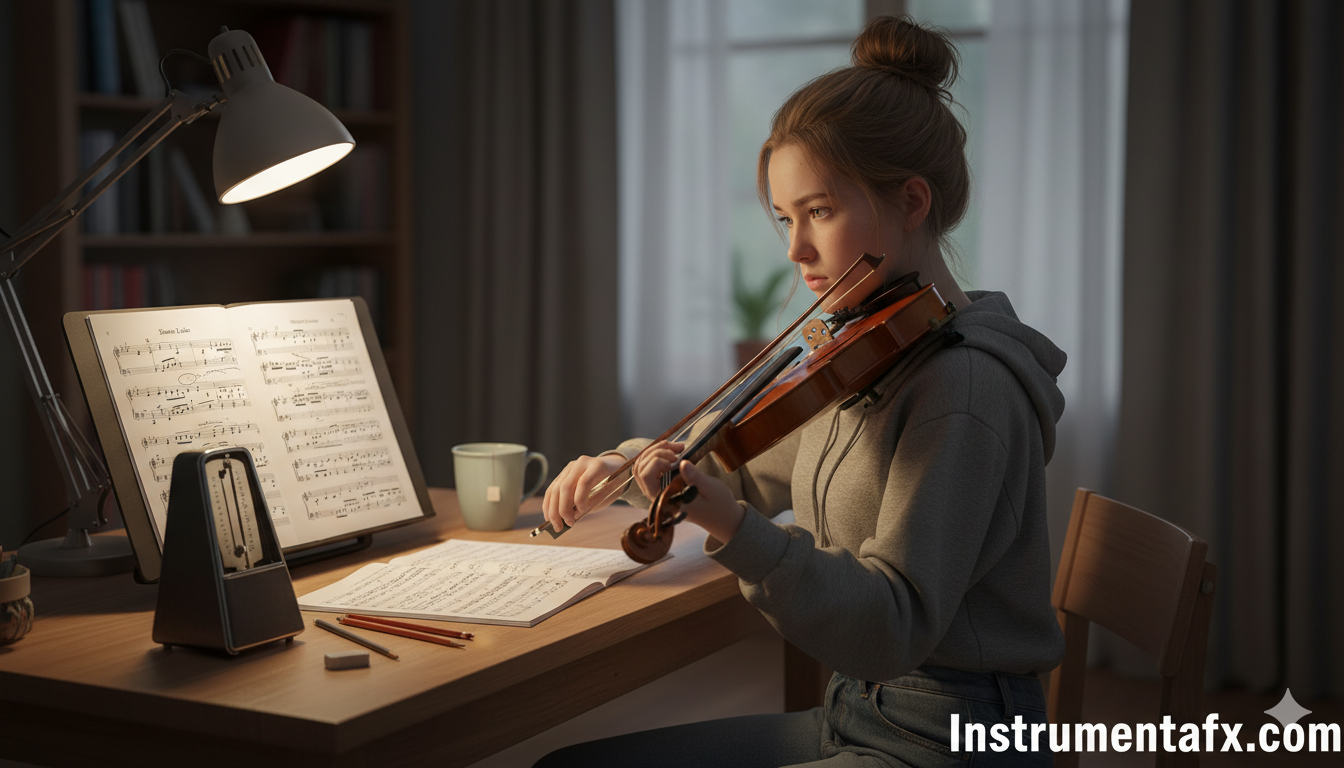
Breaking Down Passages
Divide long movements into smaller sections. Mastering four-bar phrases builds toward complete movement performance.
Identify technically challenging spots for isolated practice. Difficult passages often require triple the repetitions of easier sections.
Use the “loop method” for problem areas. Repeat troublesome measures 10-20 times daily until muscle memory develops.
Gradually expand practiced sections. Once two phrases work individually, combine them to build continuity.
Tempo Building
Start at 50-60% of target tempo. This slow practice embeds correct movements before adding speed pressure.
Use a metronome religiously during practice. Consistent pulse prevents rushing or dragging that develops without awareness.
Increase tempo in small increments. Adding 4-8 BPM per practice session prevents overwhelming technique.
Record performances at various tempos. Listening objectively reveals which speeds maintain quality and which expose issues.
Using Play-Along Tracks
Many sheet music sources include accompaniment tracks. Playing with these recordings simulates performance conditions.
TomPlay and similar platforms offer adjustable-tempo backing tracks. Students can practice with orchestra at their current speed level.
Piano accompaniments help develop ensemble skills. Learning to listen while playing prepares violinists for collaborative music-making.
Recording yourself with backing tracks documents progress. Comparing recordings over time shows improvement and identifies remaining challenges.
Memory Work Techniques
Memorizing Swan Lake movements deepens musical understanding. Start memorization from the beginning of technical mastery.
Mental practice away from the instrument reinforces memory. Visualizing finger patterns and hearing music internally strengthens retention.
Play from memory in small sections before combining. Master individual phrases thoroughly before attempting complete movements.
Perform from memory for family or friends. Gentle performance pressure tests memory security.
Sheet Music Formats Explained
PDF Downloads
PDF format offers universal compatibility across devices. Files display identically regardless of platform or device.
Digital PDFs are instantly accessible after purchase. No shipping wait means immediate practice session preparation.
PDFs can be annotated digitally. Tablet users mark fingerings and notes directly on screen.
File quality varies between sources. Professional publishers offer crisper, more readable scores than amateur scans.
Interactive Sheet Music
Interactive scores include built-in playback features. Notes highlight during playback, helping students follow along.
Tempo adjustment allows personalized practice speeds. Slowing difficult passages aids learning without separate audio editing.
Some interactive scores include fingering and bowing suggestions. These annotations appear and disappear as needed.
Platforms like MuseScore and TomPlay lead interactive technology. Their apps transform practicing into multimedia experiences.
MIDI Files
MIDI files contain performance data rather than audio. This allows customization of instrument sounds and tempos.
Software like MuseScore can import MIDI files. Users then edit notation, transpose keys, or adjust arrangements.
MIDI playback helps audiate parts. Hearing how music should sound aids learning process.
Creating personal MIDI files requires music notation software. Advanced students can make custom practice versions.
Physical vs. Digital Sheet Music
Physical sheet music never needs charging or updates. It works perfectly in any environment without technology concerns.
Digital scores save trees and storage space. Entire music libraries fit on single tablets or phones.
Page turns challenge physical score reading. Digital scores can display multiple pages simultaneously.
Cost considerations favor digital formats. Individual PDFs cost less than physical books from publishers.
Accompaniment Options
Piano Reduction Scores
Most Swan Lake violin arrangements include piano parts. These reductions condense orchestral accompaniment for one pianist.
Piano accompaniment transforms solo practice into chamber music. Playing with others develops timing and listening skills.
Many arrangements are sold as violin-piano duets. Both parts come together in one publication.
Finding pianists requires networking through teachers and music schools. Accompaniment sessions should be scheduled regularly.
Orchestral Backing Tracks
Professional recordings provide full orchestral accompaniment. Violinists experience playing with complete ballet orchestra.
Backing tracks are available through TomPlay and similar services. These platforms offer Swan Lake with adjustable features.
Playing with orchestra develops different skills than piano accompaniment. Large ensemble listening teaches blending within sections.
Recording yourself with orchestra creates performance-quality audio. These recordings work well for auditions or portfolios.
Play-Along Apps
Apps like Musicnotes and MuseScore offer integrated play-along features. Sheet music and audio synchronize automatically.
Speed adjustment helps beginners keep pace. Starting slower builds confidence before attempting full tempo.
Loop functions repeat sections for intensive practice. Difficult passages can be mastered through targeted repetition.
These apps often include metronomes and tuners. All-in-one practice tools streamline session preparation.
Solo Performance Considerations
Some arrangements work beautifully unaccompanied. The Scene Theme, in particular, stands alone effectively.
Solo performance tests intonation and rhythm independently. Without accompaniment, accuracy depends entirely on the violinist.
Rubato interpretation offers more freedom in solo contexts. Without accompanist constraints, players can be more expressive.
Solo arrangements appear in exam syllabi. Grade examinations often include unaccompanied repertoire requirements.
Swan Lake in Music Education
Exam Board Syllabi
ABRSM (Associated Board of the Royal Schools of Music) includes Swan Lake arrangements. These appear at various grade levels with appropriate difficulty.
Trinity College London also features Tchaikovsky ballet excerpts. Students can choose Swan Lake for examination repertoire.
Suzuki Method books include simplified Swan Lake themes. Young violinists encounter this music early in training.
State music competitions often include Swan Lake categories. The music’s popularity makes it common competition repertoire.
Teaching Progression
Teachers introduce Swan Lake after students master basic techniques. The Scene Theme works well for early intermediate students.
The music teaches phrasing concepts effectively. Long melodic lines require planning bow distribution and breath points.
Stylistic interpretation develops through Swan Lake study. Understanding Romantic-era performance practice enhances overall musicianship.
The familiar melodies motivate students. Recognizing music they’ve heard keeps practice engaging and purposeful.
Student Recital Favorites
Swan Lake movements appear frequently on recital programs. Audiences recognize and appreciate these classic melodies.
The Waltz makes an excellent lighter repertoire choice. Its dance character provides programming variety.
Combining multiple Swan Lake excerpts creates mini-suites. Students can perform several short movements as one set.
Costume considerations enhance ballet music performances. Flowing dresses or formal attire complement the music’s elegance.
Orchestra Preparation
School orchestras frequently program Swan Lake suites. Students gain ensemble experience with masterwork repertoire.
Youth orchestra members encounter authentic ballet scoring. These experiences preview professional orchestra literature.
Section rehearsals focus on violin-specific challenges. First and second violins learn their distinct roles.
Orchestra performances teach collaborative music-making. Individual practice serves the ensemble’s collective goal.
Professional Applications
Audition Excerpts
Major orchestras include Swan Lake on audition lists. The Scene Theme and Final Scene appear most frequently.
Audition committees expect polished, expressive performances. Technical perfection alone doesn’t suffice; musicality matters equally.
Practicing excerpts with metronome marking precision is essential. Orchestra conductors expect specific tempos and characters.
Mock auditions with teacher feedback prepare candidates. Performance pressure simulation builds confidence and resilience.
Recording Considerations
Studio recordings demand flawless technique. Multiple takes allow selection of the best performances.
Microphone placement affects tone quality significantly. Working with audio engineers optimizes recorded sound.
Home recording equipment has improved dramatically. Quality recordings are possible without professional studio access.
Edited recordings showcase technical and musical abilities. These serve as portfolio pieces for applications and promotions.
Performance Venues
Swan Lake works effectively in various performance contexts. From intimate recitals to large concert halls, the music adapts.
Ballet accompaniment requires precise orchestra synchronization. Musicians watch conductor while staying with dancers.
Chamber music settings suit violin-piano arrangements. These versions work perfectly in salon-style concerts.
Outdoor performances present unique challenges. Wind affects tuning and page turning requires special considerations.
Collaborative Opportunities
Ballet companies need live orchestras regularly. Violinists find employment playing for dance productions.
Crossover projects blend classical and contemporary styles. Swan Lake themes appear in modern arrangements and adaptations.
Film and television use Swan Lake music frequently. Session musicians record this music for soundtracks.
Wedding performances often request Swan Lake excerpts. The romantic music suits ceremony and reception settings.
Historical Arrangements and Editions
Early 20th Century Versions
Early violin arrangements simplified Tchaikovsky’s score significantly. Publishers created versions accessible to amateur players.
These historical editions lack modern pedagogical features. Fingerings and bowings reflected older teaching methods.
Collector value makes some vintage editions valuable. Music antiquarians seek first editions and rare printings.
Studying historical editions reveals performance practice evolution. Modern interpretation differs markedly from period approaches.
Modern Scholarly Editions
Urtext editions present Tchaikovsky’s original intentions. These scholarly publications remove later editorial additions.
Bärenreiter and Breitkopf publish authoritative versions. Professional musicians and serious students prefer these editions.
Critical commentaries explain editorial decisions. Footnotes document source materials and variant readings.
These editions serve academic and performance purposes. Research and authentic interpretation both benefit.
Contemporary Arrangements
Modern arrangers create fresh Swan Lake interpretations. These range from jazz versions to electronic music adaptations.
Pop crossover artists incorporate Swan Lake themes. These arrangements introduce classical music to new audiences.
Educational publishers continue creating progressive arrangements. Each generation of students receives updated teaching editions.
Film and television arrangements adapt music for specific scenes. These versions sometimes inspire concert performances.
Digital Tools for Practice
Notation Software
Programs like MuseScore and Finale display sheet music beautifully. These applications also allow editing and customization.
Transposing keys becomes simple with software. Students can create versions matching their current abilities.
Notation software produces professional-quality printouts. Home printing rivals commercial sheet music aesthetics.
Many programs include playback functions. Hearing computer-generated performances aids learning process.
Practice Apps
Metronome apps offer sophisticated tempo control. Features include gradual speed increases and complex rhythmic patterns.
Tuner apps provide instant pitch feedback. Real-time intonation monitoring improves accuracy efficiently.
Slow-downer applications adjust audio without pitch changes. Students can match professional recordings at comfortable tempos.
Recording apps document practice progress. Comparing recordings over time motivates continued improvement.
Video Resources
YouTube hosts countless Swan Lake violin tutorials. These free lessons demonstrate techniques and interpretation.
Masterclass videos feature renowned violinists. Watching professionals reveals advanced approaches to familiar music.
Performance videos provide interpretation models. Students can compare different artists’ approaches.
Slow-motion videos break down difficult techniques. Visual learning complements traditional text instruction.
Online Communities
Forums like ViolinBoard.com connect violinists globally. Members discuss technique, repertoire, and sheet music sources.
Reddit’s r/violinist community shares resources and advice. Beginners and professionals interact in supportive environment.
Facebook groups focus on specific repertoire. Swan Lake enthusiasts can exchange tips and arrangements.
Discord servers offer real-time practice support. Musicians practice “together” while geographically distant.
Copyright and Legal Considerations
Public Domain Works
Swan Lake entered public domain decades ago. Tchaikovsky’s original composition isn’t copyright-protected in most countries.
Free distribution of public domain scores is legal. Sites like IMSLP operate within copyright law.
However, specific arrangements may have copyright. Modern publishers copyright their edited versions and arrangements.
Checking publication dates determines copyright status. Works published before 1928 are typically public domain in the US.
Licensed Arrangements
Commercial publishers hold copyright on their editions. Purchasing these scores grants performance rights generally.
Photocopying copyrighted music is illegal without permission. Educational institutions should purchase appropriate copies.
Digital sharing of purchased scores violates copyright. Each performer needs their own legally obtained copy.
Performing copyrighted arrangements publicly may require licensing. ASCAP and BMI handle performance rights for many works.
Creative Commons Licenses
Some contemporary arrangers use Creative Commons licensing. These allow sharing under specific conditions.
MuseScore community scores often use CC licenses. Users should check individual score licensing terms.
Attribution requirements vary by license type. Some allow free use with credit; others restrict commercial use.
Understanding license terms prevents legal issues. Reading fine print protects both users and creators.
Cultural Impact of Swan Lake
Ballet’s Most Famous Score
Swan Lake represents ballet music’s pinnacle. Its melodies define the artform for general audiences.
The score elevated ballet music to symphonic status. Tchaikovsky proved dance music could achieve artistic heights.
Every major ballet company performs Swan Lake regularly. The work remains essential to classical dance repertoire.
Violinists connect with this cultural legacy through study. Learning Swan Lake joins musicians to performance tradition.
Popular Culture Appearances
Film soundtracks frequently sample Swan Lake music. From horror films to romantic comedies, the music appears everywhere.
Television shows reference Swan Lake regularly. The music signals elegance, romance, or sometimes parody.
Figure skaters perform to Swan Lake constantly. Olympic medalists have used this music for championship programs.
Commercials use the music for luxury product marketing. The sophisticated associations enhance brand messaging.
Educational Value
Music appreciation courses use Swan Lake as teaching tool. The accessible melodies introduce classical music concepts.
The ballet tells a story musically. Students learn how music conveys narrative and emotion.
Orchestration study benefits from analyzing Tchaikovsky’s scoring. His instrumental writing teaches effective orchestration.
Cultural literacy includes knowing Swan Lake. Educated individuals recognize this cornerstone of Western art music.
Frequently Asked Questions
Where can I find free Swan Lake violin sheet music?
MuseScore, 8notes.com, and IMSLP offer free Swan Lake violin arrangements for download. These platforms provide PDF and MIDI files at various difficulty levels from beginner to advanced.
What is the best Swan Lake movement for beginner violinists?
The Scene Theme (Act II, No. 10) works best for beginners when arranged in first position. Its slow tempo and stepwise melody allow students to focus on bowing and tone production.
Do I need piano accompaniment for Swan Lake violin music?
While piano accompaniment enhances the music, many Swan Lake arrangements work as solo violin pieces. Beginners often practice solo before adding accompaniment for recitals or exams.
What grade level is Swan Lake violin sheet music?
Swan Lake arrangements span all grades. Simplified versions suit Grade 2-3 students, while intermediate arrangements fit Grades 4-6, and original orchestral parts challenge Grade 8+ and professional players.
How long does it take to learn Swan Lake on violin?
Beginners typically need 2-3 months for simplified versions, intermediate players require 1-2 months, and advanced violinists can prepare professional excerpts in 3-4 weeks with focused practice.
Can I use Swan Lake for violin auditions?
Yes, Swan Lake excerpts appear frequently on orchestra audition lists. The Scene Theme and Final Scene are particularly common for professional symphony orchestra positions worldwide.
What are the technical challenges in Swan Lake violin music?
Main challenges include smooth position shifting, tremolo bowing, sustained legato phrases, wide dynamic range, expressive vibrato, and maintaining intonation during emotional passages.
Are there Swan Lake violin duets available?
Yes, publishers offer Swan Lake arranged for two violins. These duet arrangements allow students to perform together, developing ensemble skills while learning familiar melodies.
Which Swan Lake recording should I listen to for reference?
Excellent recordings include those by the Mariinsky Orchestra, Royal Concertgebouw, and Berlin Philharmonic. These performances demonstrate professional interpretation standards.
Can I perform Swan Lake commercially without licensing?
Tchaikovsky’s original work is public domain, but specific arrangements may be copyrighted. Public performances may require ASCAP/BMI licensing depending on venue and arrangement used.
Conclusion
Swan Lake violin sheet music offers violinists at every level access to one of classical music’s greatest treasures. From beginner arrangements that introduce first-time position shifting to advanced orchestral excerpts that challenge professional musicians, Tchaikovsky’s masterpiece provides essential repertoire for technical and musical development.
Whether downloaded free from MuseScore, purchased through professional publishers like Alfred Music and Sheet Music Plus, or accessed via interactive platforms like TomPlay, finding quality Swan Lake scores has never been easier in 2026.
The enduring appeal of Swan Lake lies in its perfect marriage of memorable melodies, sophisticated harmonies, and profound emotional depth.
Violinists who master these excerpts develop essential skills including legato bowing, expressive vibrato, dynamic control, and stylistic interpretation.


