


Find Live Music Near Me Today & Tonight Events 2026
Live music near me today is your gateway to discovering unforgettable performances happening right in your neighborhood.
Whether you’re searching for intimate jazz sessions, energetic rock concerts, acoustic sets, or local band performances, finding live music events tonight has never been easier.
From bustling bars and cozy cafes to outdoor amphitheaters and legendary music venues, your city is alive with talented artists ready to entertain.
This comprehensive guide will help you explore concert options, understand what’s happening in your area, and make the most of your evening entertainment plans in 2026.
Quick Facts: Live Music Events Today
| Category | Details |
|---|---|
| Best Platforms | Bandsintown, Songkick, Yelp, Eventbrite, JamBase |
| Average Ticket Price | $10 – $50 (free entry at many bars) |
| Peak Hours | 7:00 PM – 11:00 PM |
| Popular Genres | Rock, Jazz, Country, Hip-Hop, Blues, Acoustic |
| Best Days | Thursday – Saturday |
| Venue Types | Bars, Clubs, Amphitheaters, Cafes, Restaurants |
| Age Restrictions | 18+ or 21+ (varies by venue) |
| Booking Advance | Same-day to 2 weeks ahead |
Understanding Live Music Events in Your Area

Finding live music near you today doesn’t have to be complicated. The local music scene is thriving in cities across America, with venues hosting daily performances ranging from open mic nights to professional touring acts.
Local bars and restaurants frequently feature live bands during weekends and special occasions. These intimate settings offer close-up experiences with musicians and create memorable evenings without breaking the bank.
Music venues dedicate their spaces entirely to performances, providing superior acoustics and professional staging. From small clubs holding 100 people to amphitheaters accommodating thousands, these locations prioritize the auditory experience.
Top Platforms to Find Live Music Tonight
Bandsintown: Your Concert Discovery Hub
Bandsintown connects over 95 million music fans with 645,000 artists across 45,000 venues worldwide. The platform offers personalized recommendations based on your listening habits and location preferences.
Users can track favorite artists, receive notifications about upcoming shows, and purchase tickets directly through the app. The interface displays today’s events, this week’s lineup, and monthly calendars for comprehensive planning.
The mobile app syncs with Spotify and Apple Music to suggest concerts featuring artists in your playlists. This integration makes discovering new shows effortless and tailored to your musical tastes.
Songkick: Never Miss a Show
Songkick specializes in concert alerts and tour date tracking for music enthusiasts. The platform monitors thousands of venues and updates listings in real-time as artists announce performances.
The service allows you to create watchlists of favorite bands and venues, ensuring you receive immediate notifications when tickets become available. Songkick’s algorithm learns your preferences over time for increasingly accurate suggestions.
Concert-goers appreciate the calendar integration feature that adds show dates directly to Google Calendar or iPhone calendars. This functionality helps prevent double-booking and keeps your entertainment schedule organized.
Yelp: Local Venue Reviews and Tonight’s Events
Yelp provides detailed reviews of bars, clubs, and venues hosting live music in your neighborhood. The platform’s “Live Music Tonight” filter shows immediate results for same-day entertainment options.
User reviews offer insights into venue atmosphere, drink prices, parking availability, and overall experience quality. Photos uploaded by patrons give preview glimpses of what to expect before visiting.
The “Open Now” feature combined with live music filters narrows searches to venues currently accepting guests. Real-time updates reflect any last-minute cancellations or schedule changes.
Eventbrite: Ticketed Events and Festivals
Eventbrite serves as a comprehensive ticketing platform for concerts, festivals, and special music events. The service caters to both major productions and independent local shows.
Event organizers use Eventbrite to manage ticket sales, capacity limits, and attendee communications. Buyers benefit from secure transactions, digital tickets, and easy refund processes when necessary.
The platform’s discovery features highlight trending events in your area and suggest similar performances based on browsing history. Filters for date, genre, and price range streamline the search process.
JamBase: Festival and Tour Date Specialist
JamBase focuses on music festivals, jam bands, and touring artists traveling through your region. The platform maintains extensive databases of setlists, venue information, and artist tour schedules.
Festival-goers particularly value JamBase’s multi-day event coverage and camping information for outdoor music gatherings. The site includes weather updates, lineup changes, and community forums for connecting with fellow fans.
Tour date tracking shows complete routing for favorite artists, allowing fans to plan trips or catch multiple shows. Historical data helps predict future tour patterns and likely stops in your city.
Types of Venues Hosting Live Music Today
Bars and Pubs: Casual Evening Entertainment
Neighborhood bars and Irish pubs frequently host live music without cover charges to attract customers. These venues create relaxed atmospheres perfect for casual outings with friends or date nights.
Musicians performing at bars typically play two to three hour sets covering popular songs across multiple genres. The intimate settings allow for audience interaction and special song requests.
Many establishments offer food menus alongside their bar selections, turning music nights into complete dining experiences. Happy hour specials often coincide with early performance start times around 6:00 PM.
Music Clubs: Dedicated Performance Spaces
Music clubs prioritize sound quality and stage production for optimal performance experiences. These venues invest in professional audio equipment, lighting systems, and acoustical treatments.
Club capacities range from cozy 50-person rooms to mid-sized halls accommodating 500+ attendees. Ticket prices vary based on artist popularity, typically ranging from $15 to $40 for local and regional acts.
Dedicated music spaces often feature multiple performance areas or stages hosting different acts simultaneously. This setup provides variety and options if one show doesn’t meet expectations.
Outdoor Venues: Amphitheaters and Beer Gardens
Amphitheaters and outdoor music spaces offer unique experiences combining fresh air with live entertainment. These venues operate seasonally, with peak activity during spring and summer months.
Natural acoustics in well-designed amphitheaters enhance musical quality while maintaining comfortable sound levels. Lawn seating options provide budget-friendly alternatives to reserved sections near the stage.
Beer gardens and outdoor patios attached to restaurants create casual environments for enjoying music alongside meals and drinks. Weather permitting, these spaces host regular performances throughout warmer seasons.
Restaurants with Live Entertainment
Upscale restaurants incorporate live music as ambiance enhancement during dinner service. Jazz trios, classical musicians, and acoustic duos provide sophisticated soundtracks for fine dining experiences.
Sunday brunch venues frequently feature live performers creating lively atmospheres for weekend gatherings. Mimosa specials and special menus complement the entertainment offerings.
Dinner and a show packages bundle meal reservations with guaranteed seating near performance areas. These combined offerings simplify planning for special occasions and celebrations.
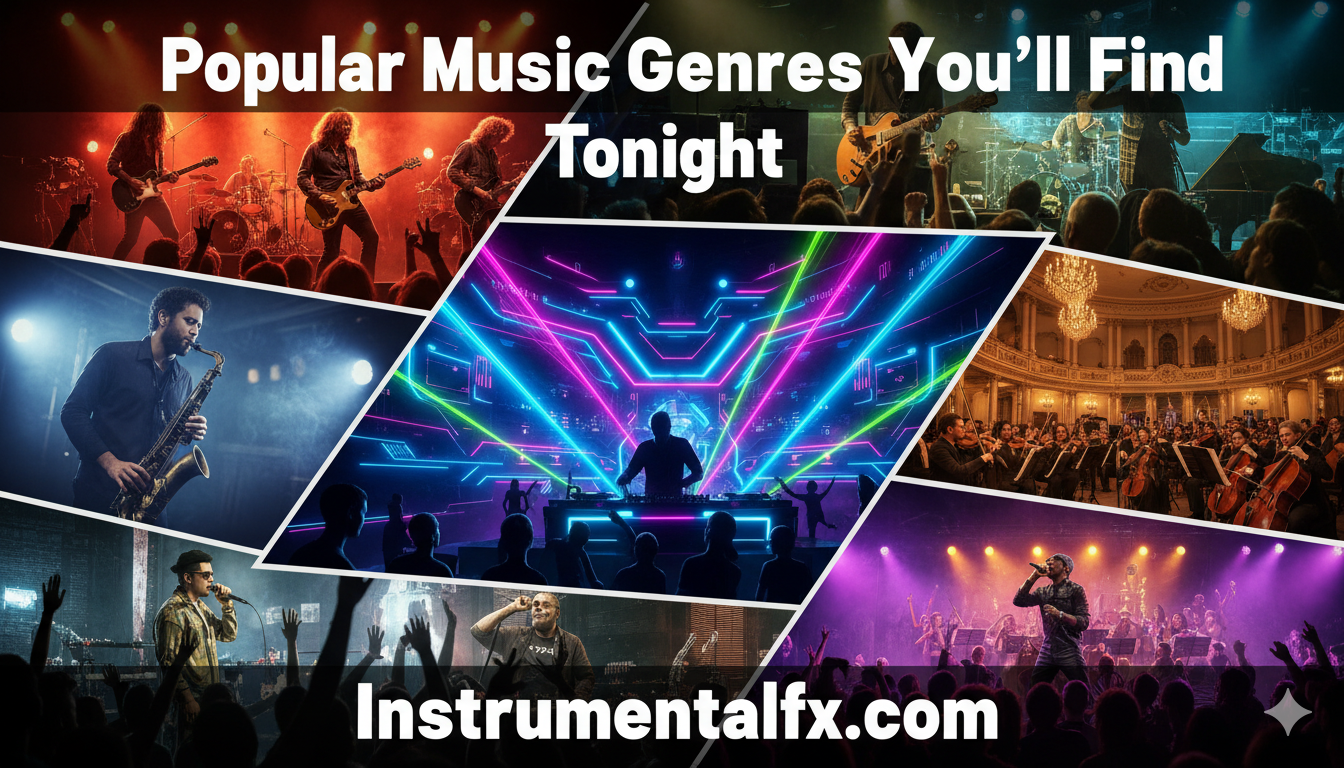
Popular Music Genres You’ll Find Tonight
Rock and Alternative Music
Rock venues showcase everything from classic cover bands to original indie rock groups. Local scenes in major cities support thriving communities of rock musicians performing regularly.
Alternative and indie rock nights attract younger crowds seeking edgier sounds and underground bands. These shows often feature multiple opening acts before headlining performances.
Classic rock tribute bands draw nostalgic audiences with faithful recreations of legendary artists’ greatest hits. These performances satisfy fans unable to see original acts during their prime.
Jazz and Blues Performances
Jazz clubs maintain traditions of sophisticated evening entertainment with talented musicians improvising and interpreting standards. These venues typically require reservations during peak weekend hours.
Blues bars bring energy with electric guitar-driven performances and soulful vocals. Monday and Tuesday “blues nights” have become traditions in many cities supporting local blues communities.
Dixieland and swing jazz performances appeal to dancers and vintage music enthusiasts. Some venues offer dance lessons before shows to encourage audience participation.
Country and Folk Music
Country music venues range from honky-tonk bars to upscale listening rooms featuring singer-songwriters. Texas and Nashville particularly excel in country music offerings, though quality acts perform nationwide.
Folk music nights emphasize acoustic instruments and lyrical storytelling. Coffeehouses and small venues provide intimate settings perfect for folk’s contemplative nature.
Bluegrass jam sessions welcome musician participation, creating community-oriented events rather than traditional performer-audience dynamics. Open stages allow experienced players to sit in with house bands.
Hip-Hop and R&B Shows
Hip-hop venues host everything from open mic freestyles to established artist performances. These events often include DJ sets before and after live performances.
R&B showcases feature smooth vocalists and live bands recreating classic soul sounds. Thursday through Saturday night slots typically fill with R&B programming in urban venues.
Neo-soul and contemporary R&B attract diverse audiences appreciating modern interpretations of classic genres. These performances blend traditional elements with current production styles.
Electronic and DJ Sets
Electronic music venues and nightclubs feature DJ-led events alongside occasional live electronic music performances. These shows emphasize dance and late-night energy lasting past midnight.
Live electronic acts incorporate synthesizers, drum machines, and laptops into performance setups. Audiovisual elements enhance experiences beyond pure musical components.
House music and techno nights develop devoted followings with regular weekly or monthly events. Resident DJs build communities around specific sounds and vibes.
How to Find Free Live Music Events
Bar and Restaurant Promotions
Many establishments host free live music to attract customers without charging cover fees. Revenue comes from increased food and drink sales during performances.
Happy hour overlaps with early performance times create opportunities to enjoy music while taking advantage of drink specials. Arrive early to secure good seating during popular shows.
Local bar and restaurant association websites often list weekly live music calendars. These centralized resources simplify finding multiple options without checking individual venue sites.
Community Events and Festivals
City-sponsored summer concert series bring professional entertainment to public parks and squares. Families and music lovers gather with blankets and picnic supplies for outdoor enjoyment.
Cultural festivals celebrating heritage and traditions incorporate traditional music performances. These events provide free admission and showcase diverse musical styles representing various communities.
Street festivals and block parties feature stages with rotating local bands throughout the day. Food vendors, craft booths, and children’s activities complement musical programming.
Open Mic and Jam Sessions
Open mic nights welcome amateur and semi-professional performers sharing stage time. Audiences enjoy diverse talent showcases while discovering emerging artists before they gain recognition.
Jam sessions in jazz clubs and blues bars operate with house bands inviting capable musicians to perform. These organic musical gatherings create spontaneous and unrepeatable moments.
Comedy clubs occasionally host music open mics distinct from standup comedy nights. Multi-talented performers appreciate venues supporting various entertainment forms.
Best Days for Live Music Near You
Thursday: Unofficial Weekend Start
Thursday nights begin weekend entertainment cycles in most cities. Venues book quality acts knowing audiences start celebrating early.
College towns particularly excel with Thursday programming catering to students finishing weekly classes. Drink specials and extended happy hours supplement music offerings.
Industry professionals and service workers with non-traditional weekends appreciate Thursday options when Monday-Friday workers avoid crowded weekend venues.
Friday and Saturday: Peak Performance Nights
Weekend prime time brings headlining acts, higher ticket prices, and packed houses. Advance reservations become essential for popular shows and limited-capacity venues.
Multiple shows per night occur in music-heavy neighborhoods with audiences bar-hopping between performances. Cover charges increase compared to weeknight rates.
Late-night shows starting after 10:00 PM cater to night owls and after-dinner crowds. Some venues schedule two separate performances accommodating different schedules.
Sunday: Jazz Brunch and Acoustic Sessions
Sunday afternoon music transforms brunch into special occasions combining food, drinks, and live entertainment. Jazz and acoustic music complement daytime dining atmospheres.
Evening Sunday shows provide alternative weekend options for those avoiding Friday-Saturday crowds. Smaller audiences create intimate concert experiences with artists.
Open stages and songwriter circles allow deeper engagement with music in relaxed Sunday settings. Artists share stories behind songs between performances.
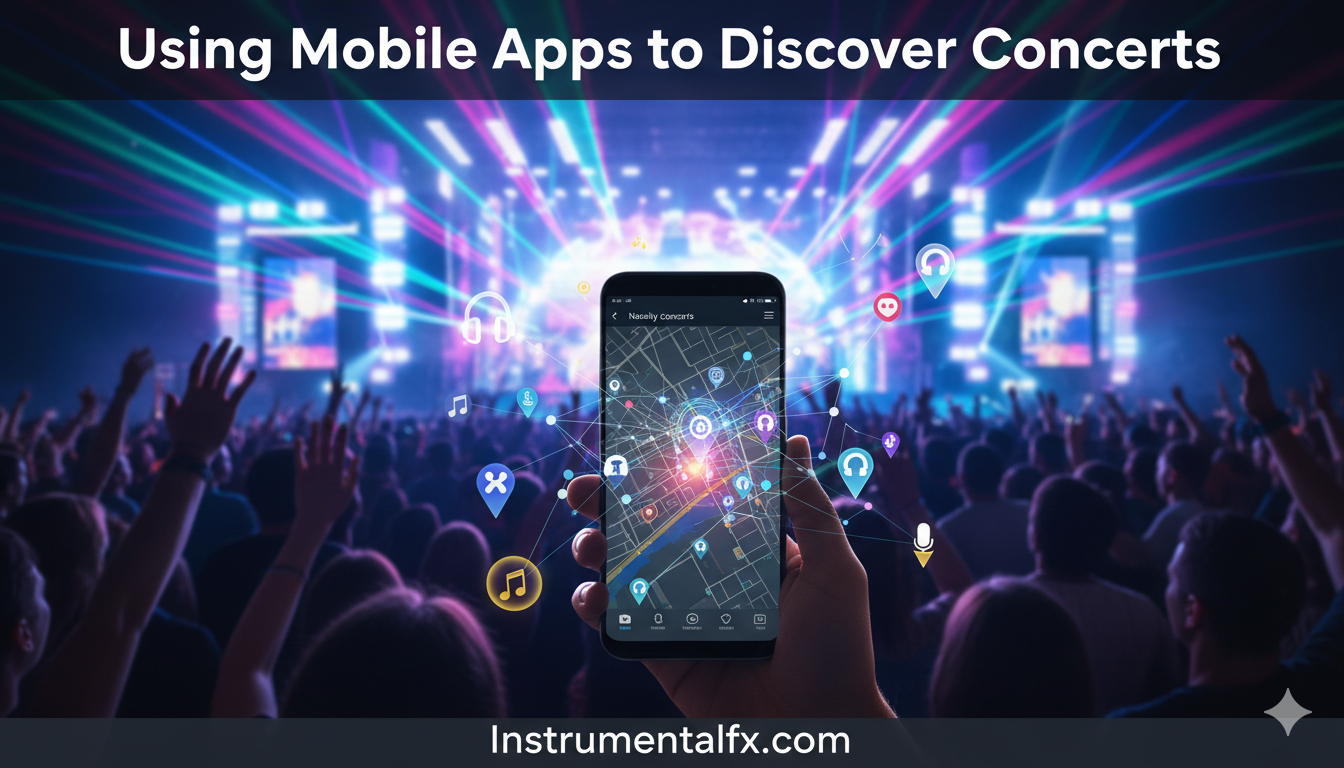
Using Mobile Apps to Discover Concerts
Location-Based Services
Smartphone GPS functionality enables apps to display nearby venues and current performances within walking distance. Real-time updates reflect schedule changes and last-minute additions.
Push notifications alert users when favorite artists announce shows in their area. Customizable distance settings accommodate both neighborhood walks and longer drives.
Interactive maps show venue locations relative to current position with navigation options. Users can compare multiple simultaneous options before deciding where to go.
Personalized Recommendations
Music streaming service integrations analyze listening habits to suggest relevant live shows. Algorithms identify touring artists matching user preferences performing locally.
Social connections within apps highlight shows friends plan to attend. Shared experiences become easy to coordinate through integrated messaging features.
Past attendance history influences future suggestions as systems learn individual tastes. Rating shows after attending improves recommendation accuracy over time.
Ticket Purchase Integration
In-app ticket purchasing eliminates redirects to external websites. Secure payment processing and digital ticket storage streamline the entire transaction.
Price comparison tools show ticket costs across multiple vendors for the same event. Users identify best deals without manually checking numerous sites.
Waitlist features notify users when sold-out shows release additional tickets. Refund and ticket transfer options provide flexibility for changing plans.
Planning Your Live Music Evening
Checking Show Times and Doors
Performance start times differ from venue door opening times. Arriving early secures preferred seating or standing positions near the stage.
Multiple-act bills require understanding set times for specific performers. Headliners typically perform last, with opening acts starting when doors open.
Venue websites and ticket confirmations provide detailed timing information. Calling ahead clarifies any questions about schedule specifics.
Understanding Dress Codes
Casual venues allow comfortable attire like jeans and t-shirts. Music clubs and bars rarely enforce formal dress codes unless hosting special events.
Upscale establishments featuring dinner and live music may request business casual or semi-formal attire. Checking venue policies prevents awkward situations at doors.
Outdoor summer concerts suggest weather-appropriate clothing including sun protection. Layers accommodate temperature changes between day and evening performances.
Considering Transportation Options
Rideshare services simplify transportation to venues where parking is limited or expensive. Designated driver arrangements ensure safe travel when consuming alcohol.
Public transportation routes often connect to popular entertainment districts. Late-night service schedules should be verified before depending on buses or trains.
Walking distances between multiple venues in music districts allow easy show-hopping. Downtown areas typically concentrate nightlife within navigable ranges.
Supporting Local Music Communities
Buying Merchandise and Tipping
Musicians supplement performance fees through merchandise sales at shows. Purchasing CDs, vinyl, t-shirts, and stickers directly supports artists financially.
Tip jars near stages collect audience appreciation for free performances. Contributions ensure musicians continue playing regular shows at accessible venues.
Following artists on social media and streaming platforms increases their visibility and potential earnings. Engagement through comments and shares builds supportive communities.
Attending Regularly and Bringing Friends
Consistent attendance sustains local music scenes and venues. Regular patrons become familiar faces contributing to welcoming atmospheres.
Bringing friends introduces more people to local music while expanding social groups. Word-of-mouth recommendations remain powerful promotional tools for artists.
Volunteering at music festivals and community events strengthens connections within local scenes. Helpers often receive free admission and behind-the-scenes access.
Leaving Reviews and Recommendations
Online reviews on Yelp, Google, and Facebook help venues attract new customers. Detailed, positive feedback highlighting specific strengths guides others toward quality experiences.
Social media posts tagging venues and artists increase their online presence. Tagged photos and enthusiastic captions serve as authentic advertisements.
Constructive criticism shared privately with venue management improves future experiences. Professional feedback helps businesses grow without damaging public reputations.
Safety Tips for Attending Live Music Events
Travel Safely and Stay Aware
Arrange reliable transportation before consuming alcohol at venues. Rideshare apps, designated drivers, or public transit ensure safe journeys home.
Keep personal belongings secure in crowded venues. Crossbody bags and zippered pockets protect valuables from pickpockets.
Stay aware of surroundings and exit locations. Familiarizing yourself with venue layouts aids quick departures if necessary.
Protect Your Hearing
Prolonged exposure to loud music damages hearing permanently. Carrying musician’s earplugs reduces volume without distorting sound quality.
Position yourself away from speakers if music feels uncomfortably loud. Most venues have quieter areas maintaining atmosphere while protecting ears.
Take periodic breaks outside during extended shows. Brief respites in quiet spaces help prevent temporary hearing threshold shifts.
Know Your Limits
Pace alcohol consumption throughout evenings to maintain control and enjoyment. Alternating alcoholic drinks with water prevents overindulgence and dehydration.
Eat substantial meals before or during shows. Food absorption slows alcohol effects and maintains energy levels for standing or dancing.
Trust instincts about personal comfort levels in crowded or unfamiliar situations. Leaving early is always acceptable if feeling uncomfortable.
Music Festivals and Special Events in 2026
Summer Festival Season
Outdoor music festivals dominate June through September calendars across the country. Multi-day events feature dozens of artists across multiple stages.
Major festivals sell tickets months in advance with lineups announced in winter. Early bird pricing offers significant savings compared to last-minute purchases.
Camping options at festival grounds create immersive experiences and eliminate daily transportation. Amenities vary from basic tent camping to glamping packages.
Holiday and Themed Events
Holiday concerts celebrate seasonal traditions with special performances and decorations. Christmas shows, Halloween parties, and New Year’s Eve countdowns create memorable experiences.
Tribute band festivals gather multiple cover acts celebrating specific artists or eras. These events attract fans nostalgia for particular musical periods.
Genre-specific festivals cater to devoted communities like jazz enthusiasts, blues lovers, or country music fans. Specialized programming develops deeper connections with target audiences.
Local Music Weeks and Showcases
Many cities host annual local music weeks showcasing homegrown talent. These celebrations support regional artists while promoting cultural tourism.
Music conference tie-ins combine industry networking with public performances. Emerging artists gain exposure while attendees enjoy discovering new talent.
Battle of the bands competitions engage communities through voting and judging processes. Winners receive prizes including studio time, equipment, or performance opportunities.
Exploring Different Neighborhood Music Scenes
Downtown Entertainment Districts
Urban cores concentrate nightlife venues within walkable distances. Music lovers bar-hop between performances sampling various acts in single evenings.
Converted warehouses and historic buildings house unique music venues with distinctive characters. Architectural features enhance atmospheres and provide talking points.
Late-night food options surrounding entertainment districts support extended evenings. Diners and food trucks cater to post-concert crowds seeking meals.
Suburban and Neighborhood Venues
Residential area venues offer convenient local options avoiding downtown crowds and parking challenges. Family-friendly establishments welcome younger audiences earlier in evenings.
Breweries and wineries in suburban locations host live music on patios and tasting rooms. Relaxed settings emphasize conversation alongside entertainment.
Community centers and libraries sometimes sponsor free concert series introducing live music to neighborhoods. These accessible programs support cultural enrichment initiatives.
College Town Music Culture
University communities support vibrant music scenes with young audiences and student performers. Academic year schedules influence programming with peaks during semesters.
Affordable cover charges cater to student budgets while maintaining venue sustainability. Drink specials and student discounts further reduce entertainment costs.
Campus venues provide professional-quality spaces for student organizations and visiting artists. University funding supplements ticket revenues enabling diverse programming.
Understanding Venue Capacities and Atmospheres
Intimate Clubs (50-200 People)
Small venues create personal connections between performers and audiences. Artists interact directly with crowds, sometimes performing unplugged or taking requests.
Sound quality in intimate spaces emphasizes musical details often lost in larger venues. Acoustic performances particularly shine in these settings.
Limited capacity necessitates advance ticket purchases for popular acts. Sell-outs occur quickly, sometimes within hours of announcements.
Mid-Sized Venues (200-1000 People)
Mid-sized spaces balance intimacy with professional production capabilities. Lighting systems, quality sound, and raised stages enhance performances.
Standing room general admission areas allow dancing and movement. Reserved seating sections accommodate those preferring seated enjoyment.
Multiple bars reduce wait times during intermissions and between acts. Improved logistics enhance overall experience quality.
Large Venues and Amphitheaters (1000+ People)
Major venues host touring national acts and popular regional favorites. Production values include elaborate staging, video screens, and special effects.
Tiered seating and floor sections offer various price points and experience types. Premium packages include VIP access, meet-and-greets, and exclusive amenities.
Parking infrastructure and nearby public transit accommodate large crowds. Venue staff and security maintain safety and order throughout events.
Making the Most of Your Concert Experience
Arriving at the Right Time
Door times typically occur one to two hours before headliners perform. Early arrival secures optimal positioning and allows browsing merchandise.
Opening acts deserve attention as potential future favorites. Discovering artists before they gain fame creates special connections with their music.
Late arrivals miss context-setting earlier performances and face crowded entry processes. Punctuality maximizes value from ticket purchases.
Engaging with Performances
Active listening and presence enhance enjoyment beyond passive attendance. Minimizing phone use allows full immersion in musical moments.
Dancing, clapping, and appropriate audience participation energize performers. Artists feed off crowd enthusiasm, creating positive feedback loops.
Recording short clips preserves memories without excessive filming disrupting experiences. Balance documentation with living in moments.
Networking and Making Connections
Live music events naturally facilitate meeting people with shared interests. Conversation starters about bands or venues come easily in these settings.
Regular attendance at specific venues develops familiarity with staff and fellow patrons. Becoming part of communities enriches experiences beyond music alone.
Connecting with musicians after shows through genuine compliments and interest builds relationships. Artists appreciate authentic fan interactions.
Budget-Friendly Live Music Options
Finding Free Shows
Free outdoor concerts in parks and public spaces provide quality entertainment without costs. Bring blankets, snacks, and friends for complete experiences.
Bar shows without cover charges offer live music alongside regular drink purchases. Economical evenings emerge from combined entertainment and socializing.
Grand opening events and promotional shows sometimes feature free admission. Following venue social media accounts reveals these opportunities.
Taking Advantage of Promotions
Ladies’ night discounts reduce or eliminate cover charges for female patrons. Various demographic-specific promotions occur throughout weeks.
Student and military discounts apply at participating venues. Carrying identification enables access to reduced pricing.
Early bird specials reward advance ticket purchases with lower prices. Planning ahead saves money while ensuring attendance.
Group Discounts and Packages
Group ticket sales offer per-person savings when purchasing multiple admissions. Organizing friends into larger parties reduces individual costs.
Season passes for regular concert series spread costs across multiple shows. Committed fans benefit from bulk purchasing advantages.
Membership programs at music venues provide discounted or free admission. Annual fees quickly pay for themselves through savings.
Frequently Asked Questions
How do I find live music near me tonight?
Use apps like Bandsintown, Songkick, or Yelp with location services enabled to see real-time listings of performances happening today. These platforms filter by date, genre, and distance to show immediate options in your area with venue details and start times.
What’s the best app for discovering local concerts?
Bandsintown leads with 95 million users and personalized recommendations based on your music preferences. The app integrates with Spotify and Apple Music to suggest artists you already follow who are performing nearby, making concert discovery effortless.
Are most live music venues 21+ only?
Age requirements vary by venue type and local laws. Bars serving alcohol typically require 21+ admission, while dedicated music venues and restaurants often allow 18+ or all ages. Check individual venue policies before planning your visit.
How much do live music tickets typically cost?
Local bar shows often have no cover charge or $5-15 entry fees. Small venue concerts range $15-40, mid-sized shows cost $30-75, and major arena acts run $50-200+. Festival passes span $50-400 depending on duration and lineup.
Do I need to buy tickets in advance?
Popular shows and limited-capacity venues sell out quickly, requiring advance purchases. Casual bar performances and larger venues with general admission often accept walk-ins. Buying ahead guarantees entry and sometimes offers lower prices.
What should I wear to a live music event?
Casual attire works for most venues including jeans, comfortable shoes, and weather-appropriate clothing. Upscale restaurants with live music may request business casual dress. Outdoor concerts require sun protection and layers for temperature changes.
Can I bring my phone and take videos?
Most venues allow phones, but excessive filming disrupts others’ experiences and artists’ performances. Take brief clips for memories while staying present in the moment. Some artists prohibit recording, so respect posted policies and announcements.
How early should I arrive at the venue?
Arrive 30-60 minutes before listed show times to secure good positioning, check coats, and browse merchandise. Headliners typically perform 1-2 hours after doors open, with opening acts filling earlier time slots.
Are there free live music options?
Yes, many bars host free shows to attract customers, city parks offer summer concert series, and festivals feature complimentary stages. Community events and open mic nights provide no-cost entertainment supporting local artists and venues.
How can I support local musicians?
Attend shows regularly, purchase merchandise directly from artists, tip during free performances, and share their music on social media. Leaving positive reviews for venues and bringing friends expands audiences and sustains local music communities.
Conclusion
Finding live music near me today opens doors to incredible entertainment experiences happening right in your community.
Whether you’re exploring intimate jazz clubs, energetic rock venues, or outdoor amphitheaters, the perfect performance awaits discovery through modern apps and local venue calendars.
The thriving music scene in 2026 offers something for every taste, from free bar shows to ticketed concerts featuring touring artists.
By using platforms like Bandsintown, Songkick, and Yelp, you can easily locate tonight’s best performances and plan unforgettable evenings. Remember to support local musicians by attending regularly, purchasing merchandise, and spreading the word about great shows.
The combination of accessible technology, diverse venue options, and passionate artists ensures that live music tonight will create memories lasting far beyond the final encore.
Start exploring your local music scene today and become part of the vibrant community celebrating live performances in your area.


