



Devil Went Down to Georgia violin sheet music has become one of the most sought-after pieces for intermediate and beginner violinists worldwide.
The iconic 1979 Charlie Daniels Band hit features lightning-fast fiddle work that challenges even experienced players. However, simplified beginner arrangements now make this legendary song accessible to students at all levels.
Whether you’re learning the opening riff, Johnny’s solo, or the complete arrangement, proper sheet music and structured practice techniques will help you master this country-rock masterpiece in 2026.
Understanding “The Devil Went Down to Georgia”
“The Devil Went Down to Georgia” was released by the Charlie Daniels Band in 1979. The song tells the story of a young fiddler named Johnny who accepts a musical challenge from the Devil himself.
The narrative follows Johnny accepting a bet where his soul is wagered against a golden fiddle. The Devil plays first with a band of demons, followed by Johnny’s incredible solo performance.
The song became a massive crossover hit, reaching #3 on the Billboard Hot 100. It won a Grammy Award for Best Country Vocal Performance by a Duo or Group in 1980.
Charlie Daniels wrote the song alongside band members John Crain, William DiGregorio, Fred Edwards, Charlie Hayward, and James Marshall. The collaborative effort created one of country music’s most enduring classics.
The fiddle part represents one of the most technically demanding pieces in country and bluegrass music. It combines elements of rock, country, funk, and even heavy metal into one electrifying performance.
The song was featured in the 1980 film “Urban Cowboy,” which further boosted its popularity. This exposure introduced the piece to audiences beyond traditional country music listeners.
Why This Song Remains Popular Among Violinists

The Devil Went Down to Georgia showcases the violin’s versatility and power. It demonstrates that the violin isn’t limited to classical music but excels in contemporary genres.
The piece challenges violinists to develop speed, accuracy, and showmanship simultaneously. Mastering it represents a significant milestone in any fiddler’s development.
The storytelling aspect makes practicing more engaging than typical etudes. Students connect emotionally with Johnny’s triumph over the Devil, adding motivation to their practice sessions.
Learning this song improves technical skills including shifting, string crossing, and rapid bow changes. These techniques transfer directly to other advanced repertoire.
The piece’s popularity ensures audiences recognize and appreciate it immediately. Performance opportunities abound at recitals, competitions, and casual gatherings.
Modern platforms like YouTube and TikTok have revitalized interest in the song. Young violinists share their performances, creating viral moments and inspiring others to learn it.
Key Signature and Scale Requirements
The Devil Went Down to Georgia is written in D minor (D Aeolian mode). This key signature contains one flat: B-flat.
D minor scale practice is essential before attempting this piece. The scale appears throughout the melody and forms the foundation of Johnny’s solo.
Additionally, familiarity with F Major scale helps significantly. F Major contains the same notes as D minor but starts on F rather than D.
The D Aeolian mode specifically refers to the natural minor scale starting on D. Understanding modes helps violinists grasp the song’s tonal structure better.
Practice the D minor scale in multiple octaves using proper fingering. Start slowly with a metronome, gradually increasing tempo as muscle memory develops.
Scale practice should include both separate bows and slurred patterns. This variety prepares you for the different bow techniques required throughout the piece.
Use a drone note on D or F while practicing scales. This helps develop intonation and creates the modal sound characteristic of the song.
Technical Challenges for Beginner Violinists
The original arrangement features extremely fast tempos that intimidate beginners. However, simplified versions reduce the speed requirement while maintaining the song’s character.
Shifting to third and fifth positions appears frequently throughout Johnny’s solo. Beginners must learn smooth position changes to avoid awkward jumps and maintain tone quality.
String crossing at high speeds challenges bow control and accuracy. The piece requires rapid movements between strings without sacrificing clean articulation.
The opening riff contains syncopated rhythms that confuse beginners unfamiliar with country music. Understanding rhythmic patterns requires slow, methodical practice with a metronome.
Double stops (playing two strings simultaneously) appear in certain arrangements. This technique demands precise finger placement and even bow pressure across both strings.
Maintaining consistent bow speed and pressure during rapid passages proves difficult. Beginners often rush or produce scratchy sounds when attempting faster sections.
Beginner-Friendly Arrangements Available
Violinspiration offers a popular beginner arrangement specifically designed for adult learners. This version simplifies the technical demands while preserving the melody’s essence.
The Violinspiration arrangement stays in first position throughout most of the piece. This accessibility allows beginners to focus on rhythm and bow technique rather than shifting.
MuseScore features multiple free arrangements created by community members. These range from simplified beginner versions to advanced transcriptions matching the original recording.
Hal Leonard publishes an official violin part with piano accompaniment. This professional edition provides accurate notation but may be too challenging for absolute beginners.
MusicNotes sells digital downloads with transposition options and playback features. Their interactive technology helps students practice with adjustable tempo backing tracks.
Red Desert Violin offers comprehensive learning kits with both “Straight Up” and “Fancified” versions. The straight version captures the radio hit, while the fancified version combines multiple fiddle parts.
Southwest Strings sells physical sheet music in traditional print format. Their edition includes 4 pages of violin notation suitable for intermediate players.
Free vs. Paid Sheet Music Options
MuseScore provides free, community-created arrangements of varying quality and accuracy. Users can download PDF and MIDI files without cost after creating a free account.
Free arrangements often lack professional editing and may contain errors. Beginners might learn incorrect notes or rhythms without realizing the mistakes.
Paid editions from publishers like Hal Leonard ensure accuracy and professional notation. These versions cost between $5-15 but guarantee correct transcription from the original recording.
Paid options frequently include piano accompaniment or backing tracks. This added value helps students practice with proper harmonic context rather than playing alone.
Copyright considerations make completely free legal sheet music rare for popular songs. Most legitimate free versions are simplified arrangements or educational transcriptions.
Subscription services like Musicnotes Pro offer monthly plans with discounts. For students learning multiple songs, subscriptions provide better value than individual purchases.
Some violin teachers create custom arrangements for their students. These personalized versions address specific technical levels but aren’t publicly available.
How to Read the Sheet Music Notation
The piece uses standard treble clef notation throughout. Violinists should be comfortable reading ledger lines above and below the staff.
Dynamic markings indicate volume changes from quiet (piano) to loud (forte). Pay attention to these markings to capture the song’s dramatic narrative.
Articulation marks like staccato dots, accents, and slurs guide bow technique. These symbols communicate how to attack and release each note precisely.
Position indicators or fingering numbers sometimes appear above notes. These suggestions help navigate shifts and find optimal fingerings for difficult passages.
Repeat signs and first/second endings organize the song’s structure. Understanding these symbols prevents confusion about which sections to repeat.
Tempo markings like “Allegro” or specific metronome numbers indicate speed. Beginners should ignore these initially, practicing much slower until notes are secure.
Grace notes appear as small notes before main notes. These quick ornamental notes add fiddle-style flavor but can be omitted by beginners initially.
Proper Practice Techniques for Beginners
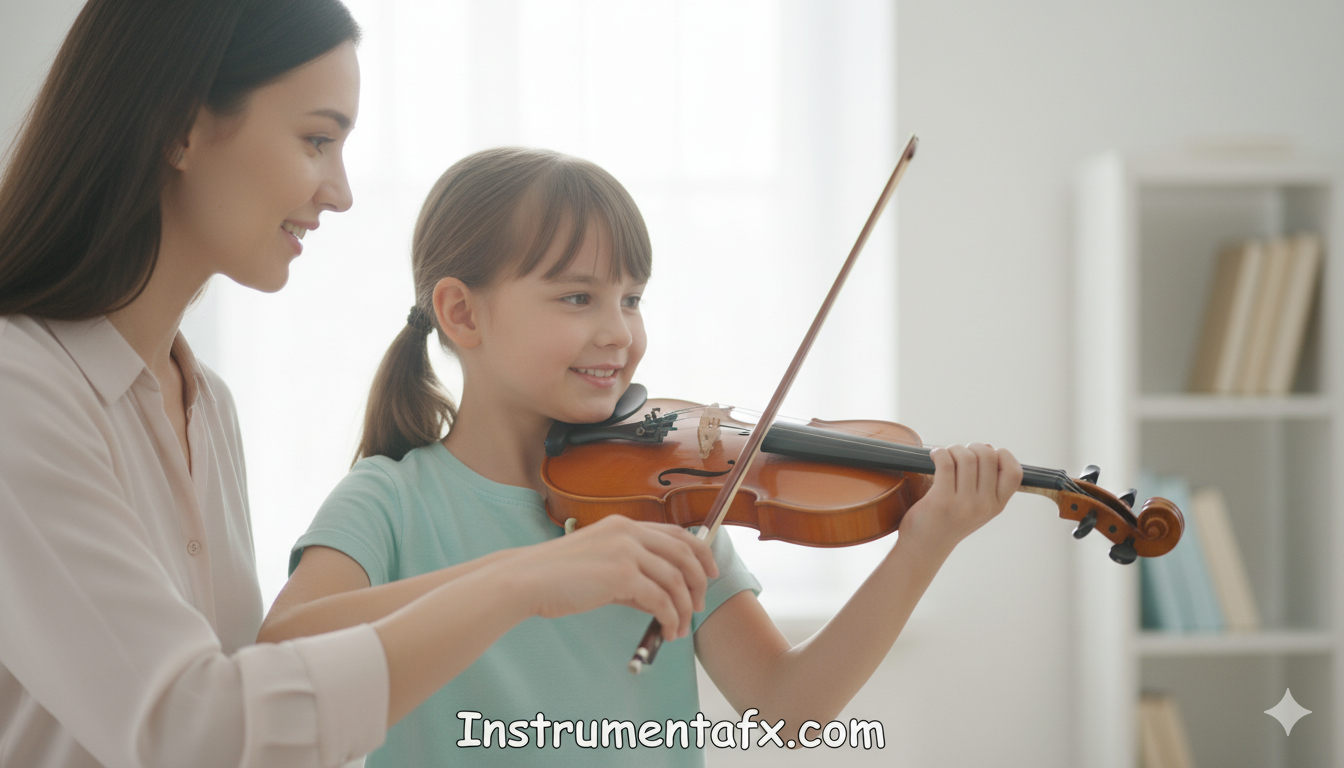
Start by listening to the original Charlie Daniels Band recording repeatedly. Familiarize yourself with the melody, rhythm, and overall feel before attempting to play.
Practice scales and arpeggios in D minor daily before working on the piece. This warm-up prepares your fingers and bow arm for the specific technical demands.
Break the piece into small sections of 2-4 measures each. Master one section completely before moving to the next rather than playing through sloppily.
Use a metronome set at extremely slow tempos initially (40-60 BPM). Perfect accuracy and tone at slow speeds transfers to faster playing better than rushing.
Practice difficult measures in isolation using repetition. Play challenging bars 10-20 times consecutively until they feel comfortable and automatic.
Record yourself playing and listen critically. Recordings reveal intonation issues, rhythm problems, and tone quality concerns you might miss while playing.
Gradually increase tempo by 5-10 BPM increments only after achieving consistency. Rushing faster speeds before readiness leads to sloppy technique and bad habits.
Mastering the Opening Riff
The opening riff establishes the song’s energy and character immediately. It features repeated eighth notes with specific rhythmic accents that create the driving groove.
This riff primarily uses open strings (D and A) combined with first finger notes. The simplicity allows beginners to focus on rhythm rather than left-hand technique.
Bow direction matters significantly for maintaining the rhythmic pulse. Practice down-bow on strong beats and up-bow on weak beats to feel the natural flow.
The syncopated accents fall on unexpected beats, creating tension and excitement. Use more bow pressure and speed on accented notes to make them pop.
Practice the opening riff with a metronome set at half tempo. Gradually increase speed while maintaining evenness and rhythmic precision throughout.
Listen carefully to how Charlie Daniels attacks each note. The aggressive, percussive quality comes from quick bow speed and decisive string contact.
Once comfortable, add the characteristic “fiddle shuffle” feeling. This subtle swing rhythm gives the music its country flavor rather than sounding classical.
Learning Johnny’s Solo Section
Johnny’s solo represents the piece’s technical and musical climax. This section showcases virtuosic fiddle playing that tells the story of Johnny defeating the Devil.
The solo contains rapid scale runs, arpeggios, and string crossings. Beginners should learn simplified versions that capture the essence without the extreme difficulty.
Position shifting appears frequently throughout this section. Practice shifting exercises separately before attempting them within the solo’s context.
The solo builds intensity through increasing pitch and volume. Start quieter and lower, gradually getting louder and higher to mirror Johnny’s confidence growing.
Certain phrases repeat with variations, making memorization easier. Identify these patterns to reduce the amount of new material you need to learn.
Fingering consistency is crucial for developing muscle memory. Choose fingerings that work for you and use them identically every repetition.
Break the solo into smaller phrases separated by natural breathing points. Learn each phrase individually, then chain them together like building blocks.
Understanding Position Shifts
First position keeps the first finger on or near the note one whole step above each open string. This basic position allows playing without moving the hand up the fingerboard.
Third position moves the hand up so the first finger reaches the note previously played by the third finger. This extends the range upward without jumping to a new string.
Fifth position continues this pattern further up the fingerboard. This high position is necessary for certain notes in Johnny’s solo.
Smooth shifting requires coordinating the arm, wrist, and fingers as one unit. Avoid reaching with just the fingers, which creates tension and injury risk.
Practice shifting slowly using guide fingers. Let the first finger slide along the string to the new position, providing a reference point for accurate placement.
Use your ears more than your eyes when shifting. Listen for the target note and trust your muscle memory rather than watching your hand constantly.
Vibrato can help disguise small intonation errors when landing from shifts. However, fix consistently sharp or flat arrivals rather than relying on vibrato as a crutch.
Bow Technique Essentials
Détaché bowing (separate bow strokes) dominates this piece. Each note receives its own distinct bow stroke either up or down.
Maintain consistent bow speed across all note values. Longer notes use more bow length with the same speed as shorter notes using less bow.
The contact point (distance from the bridge) affects tone quality significantly. Play closer to the bridge for intense, bright sounds and farther away for softer tones.
Bow pressure, speed, and contact point must balance precisely. Too much pressure creates scratchy sounds while too little produces weak, airy tones.
String crossings require precise bow levels parallel to the bridge. Tilting the bow creates unwanted string noise and inconsistent sound quality.
Accents need explosive bow speed rather than just more pressure. Quick acceleration through the note creates the percussive effect characteristic of fiddle music.
Practice open strings using perfect bow technique before adding left-hand notes. Solid bow control is more important than speed when learning this piece.
Common Mistakes to Avoid
Rushing tempo is the most common beginner mistake. Slow, accurate practice produces faster results than sloppy attempts at full speed.
Poor intonation undermines even perfectly executed rhythm and bowing. Use a tuner or drone notes to develop accurate pitch memory.
Tense shoulders and arms restrict fluid motion and cause injury. Regularly check for tension and consciously relax unnecessary muscle engagement.
Ignoring dynamics creates monotonous performances lacking emotional impact. Follow all dynamic markings to tell the story effectively through music.
Inconsistent bow distribution leads to running out of bow mid-phrase. Plan bow allocation for entire phrases rather than thinking note-by-note.
Sacrificing tone quality for speed produces poor musical results. Beautiful tone at slower tempos impresses audiences more than fast, scratchy playing.
Skipping the basics of scales and fundamental technique causes frustration. Build a strong technical foundation before tackling advanced repertoire.
Using Technology to Enhance Practice

YouTube offers countless tutorials from professional violinists and teachers. Search for lesson videos specifically addressing this piece’s challenges.
Slow-down apps like Amazing Slow Downer preserve pitch while reducing tempo. Practice along with recordings at comfortable speeds before attempting full tempo.
Digital Audio Workstations (DAWs) let you create custom backing tracks. Record yourself playing one part, then practice another part on top.
Tuner apps provide instant feedback on intonation accuracy. Use them during practice but develop your ear rather than depending on them constantly.
Metronome apps offer various sounds, subdivisions, and visual feedback. Find settings that help you internalize rhythm better than traditional clicking sounds.
Recording apps document progress over weeks and months. Comparing recordings reveals improvement that daily practice makes hard to notice.
Music notation software like MuseScore allows editing sheet music to your needs. Simplify difficult passages, add fingerings, or transpose to easier keys.
Building Speed Gradually
Start at a tempo where you can play perfectly without any mistakes. This might be surprisingly slow, perhaps 50-60% of the final tempo.
Practice at this comfortable tempo for several days or weeks. Perfect accuracy at slow speeds builds the muscle memory needed for faster playing.
Increase tempo by small increments, typically 5-10 beats per minute. Test the new tempo several times before accepting it as your new baseline.
If mistakes appear at a new tempo, immediately return to the previous speed. Practicing mistakes reinforces bad habits that become difficult to correct.
Use rhythmic variations to develop technical security. Practice passages in different rhythms (dotted, triplets, etc.) to strengthen challenging finger patterns.
Speed bursts help bridge gaps between comfortable and target tempos. Play short sections at target tempo, then immediately return to comfortable speed.
Physical limitations sometimes require patience over days, weeks, or months. Tendons, muscles, and neural pathways need time to adapt to new demands.
Performance Tips and Stage Presence
Memorize the piece completely before performing publicly. Reading from sheet music reduces stage presence and limits expression.
Practice performing for friends or family before formal concerts. These informal performances help identify nervousness triggers and practice managing them.
Visualize successful performance during practice sessions. Mental rehearsal activates similar neural pathways as physical practice, building confidence.
Develop a pre-performance ritual that calms nerves and focuses attention. This might include specific warm-ups, breathing exercises, or mental preparation techniques.
Make eye contact with audience members while performing. This connection engages listeners and transforms you from note-player to storyteller.
Embody the character of Johnny defeating the Devil through your playing. Confident body language and facial expressions enhance the narrative impact.
Recovery plans for mistakes prevent one error from derailing entire performances. Know where to re-enter if you lose your place.
Connecting with the Song’s Story
The lyrics describe the Devil traveling Georgia seeking souls to steal. He encounters Johnny practicing his fiddle with exceptional skill.
The Devil challenges Johnny to a fiddle contest with Johnny’s soul as stakes. If Johnny wins, he receives a golden fiddle worth considerable money.
The Devil plays first, accompanied by a demonic band. His playing is described as evil and fire-filled, creating dramatic tension.
Johnny responds with a performance showcasing his exceptional skill and righteousness. His music represents good triumphing over evil through dedication and talent.
Understanding this narrative adds emotional depth to your performance. You’re not just playing notes; you’re portraying Johnny’s confidence and determination.
The piece celebrates individual excellence and standing up to intimidation. These universal themes resonate across cultures and time periods.
Your interpretation should convey Johnny’s personality and journey. Timid playing contradicts the story; confidence and boldness serve the narrative better.
Adaptations and Variations
Some arrangements include the Devil’s section where playing should sound deliberately chaotic. This provides contrast to Johnny’s controlled, skillful playing.
Improvisation opportunities exist within the framework of the melody. Advanced players add personal flourishes while maintaining recognizable themes.
Bluegrass and country musicians often extend Johnny’s solo significantly. These variations showcase individual virtuosity within the song’s structure.
Different instruments sometimes play this piece including mandolin, guitar, and banjo. Each instrument brings unique character while preserving the essential melody.
Modern covers by artists like Nickel Creek and Steve Ouimette offer alternative interpretations. Studying these versions expands your understanding of the piece’s possibilities.
Some arrangements transpose the piece to different keys for ensemble playing. This accommodates different instruments’ comfortable ranges while maintaining the song.
Creative performers add contemporary elements like beatboxing or electronic effects. These innovations keep the classic song fresh for new generations.
Historical Context and Cultural Impact
The song’s release in 1979 coincided with the “Urban Cowboy” movement in American culture. This trend brought country music to mainstream pop audiences.
Charlie Daniels became synonymous with virtuosic fiddle playing through this song. It defined his career and introduced countless people to country fiddle music.
The piece influenced a generation of young musicians to pick up the violin/fiddle. Music schools reported increased interest in string instruments following its release.
It bridged gaps between rock, country, and southern rock genres. The crossover appeal demonstrated that excellent musicianship transcends genre boundaries.
The song won the Grammy Award and CMA Single of the Year. These accolades validated country music’s artistic merit to broader audiences.
Cover versions by rock and metal bands expanded its reach further. Artists from diverse genres recognized the piece’s universal appeal and technical challenge.
The song remains a staple at bluegrass festivals and fiddle competitions. Performing it competently serves as a benchmark of a fiddler’s skill level.
Learning Resources Beyond Sheet Music
Fiddlehed.com offers comprehensive video lessons breaking down both sections. Their multi-tempo play-alongs help students practice with professional backing tracks.
Red Desert Violin provides extensive learning kits with multiple difficulty levels. Their courses include detailed technique instruction beyond just playing notes.
Violinspiration specializes in adult beginner arrangements with supportive instruction. Their approach acknowledges the unique challenges adult learners face.
YouTube channels like Alison Sparrow and Fiddlerman offer free tutorials. These resources make quality instruction accessible regardless of economic circumstances.
Local violin teachers can provide personalized guidance and corrections. Nothing replaces real-time feedback from an experienced instructor watching your technique.
Online communities like Reddit’s r/violinist offer support and encouragement. Fellow learners share tips, answer questions, and celebrate progress together.
Books like “Fiddle For Dummies” and “The Fiddle Handbook” provide theoretical context. Understanding fiddle traditions enriches your interpretation of the piece.
Preparing for Different Performance Contexts
Solo recitals require complete memorization and strong stage presence. Without accompaniment, any mistakes stand out prominently.
Ensemble performances with piano or backing tracks allow some support. The accompaniment fills harmonic space, reducing pressure on the soloist.
Informal settings like campfires or parties permit more relaxed performances. These environments forgive mistakes and encourage spontaneous interpretation.
Competitions demand technical precision and stylistic authenticity. Judges evaluate both accuracy and understanding of the country/bluegrass idiom.
Recording sessions require multiple perfect takes without performance energy. Studio work emphasizes technical accuracy over stage presence.
Online performances for social media balance technical quality with entertainment value. Shorter attention spans favor dynamic, visually interesting presentations.
Different contexts require different preparation approaches. Identify your performance goal and tailor practice methods accordingly.
Physical Conditioning for Demanding Pieces
Finger independence exercises strengthen left-hand agility and accuracy. Practice trills, finger patterns, and chromatic scales to build dexterity.
Bow arm endurance develops through sustained open string practice. Gradually extend practice session lengths to build stamina for longer pieces.
Posture alignment prevents injury during extended practice sessions. Regular body awareness checks ensure shoulders, neck, and back remain relaxed.
Stretching before and after practice maintains flexibility and reduces injury risk. Focus on wrists, fingers, shoulders, and neck.
Breaks every 20-30 minutes prevent overuse injuries and maintain focus. Physical and mental fatigue both compromise technique and learning efficiency.
Cross-training activities like yoga or swimming improve overall physical conditioning. General fitness supports the specific demands of violin playing.
Adequate rest allows muscles and neural pathways to consolidate learning. Sleep is when your brain processes and retains new motor skills.
Troubleshooting Specific Difficult Sections
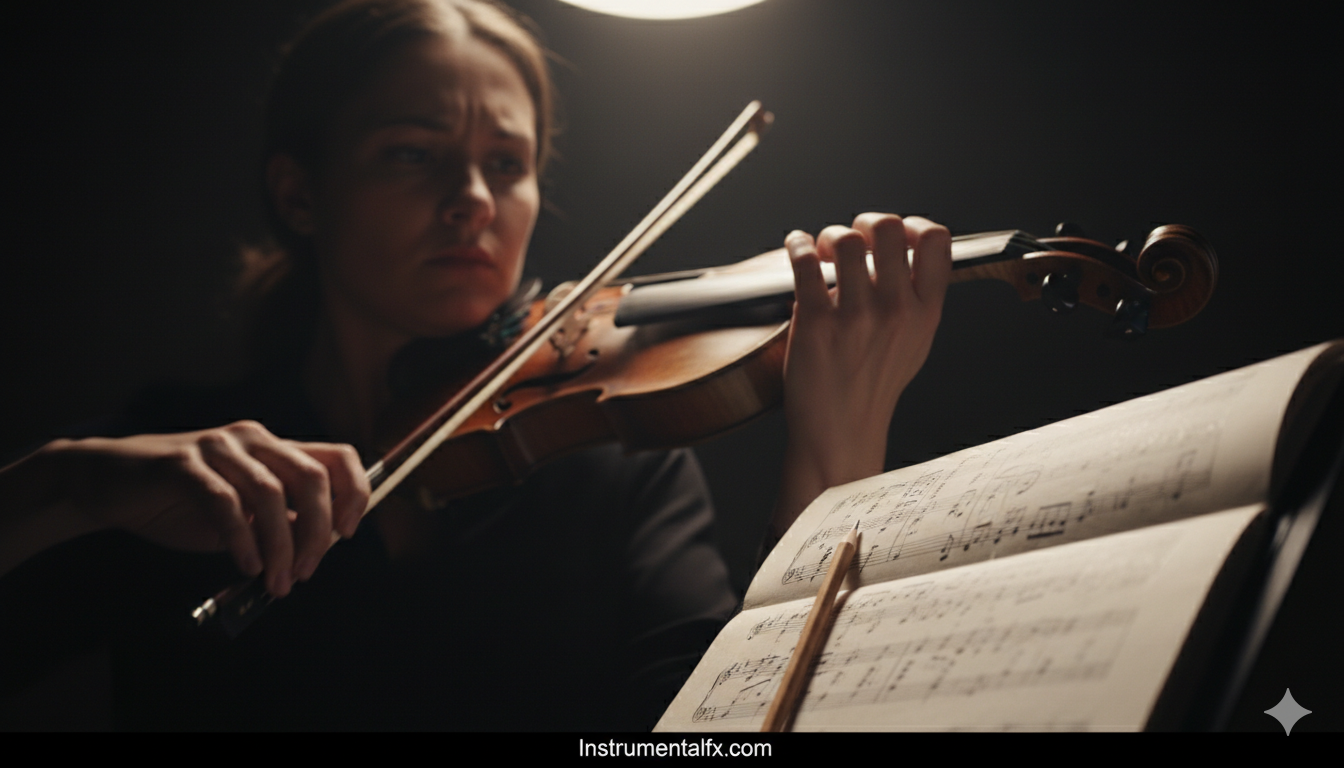
The rapid descending scale passage in Johnny’s solo challenges many players. Practice this slowly with a metronome, emphasizing evenness over speed.
String crossing patterns that jump across multiple strings require bow level control. Isolate these measures and practice only the bow arm movement first.
High position passages producing squeaky sounds indicate tension or incorrect contact point. Relax the left hand and experiment with bow placement.
Rhythmic sections that sound rushed need metronome work with subdivisions. Feel every sixteenth note internally to maintain rhythmic accuracy.
Passages where intonation drifts sharp or flat need slow practice with drones. Use open strings or a tuner app to provide pitch references.
Sections where you consistently run out of bow need bow distribution planning. Mark bow allocation in your sheet music to manage bow more consciously.
Physical discomfort in any body part signals technical problems requiring addressing. Never push through pain; modify technique or take breaks to prevent injury.
Musical Expression and Interpretation
Dynamics create dramatic arc and maintain listener interest throughout. Start quieter to allow building intensity toward climactic moments.
Tempo fluctuations (rubato) can enhance emotional expression in transitional passages. Slight flexibility makes the music feel more human and less mechanical.
Articulation variety distinguishes melodic phrases from technical passages. Use smoother bow strokes for lyrical moments and sharper attacks for rhythmic sections.
Vibrato adds warmth and expression to sustained notes. However, use it judiciously rather than constantly to maintain clarity in rapid passages.
Phrasing mirrors natural speech patterns with breathing points and inflections. Think of the violin as singing the melody rather than playing notes robotically.
Personal interpretation makes your performance unique and memorable. Study multiple recordings, then develop your own interpretative choices.
Emotional connection to the story enhances authentic expression. Imagine the scene vividly while playing to communicate genuine feeling through your instrument.
Frequently Asked Questions
What is the difficulty level of Devil Went Down to Georgia violin sheet music?
The original version is advanced level, requiring solid technique in positions, rapid bow work, and high-speed passages. Beginner arrangements simplify these elements while preserving the melody’s character.
Where can I download free Devil Went Down to Georgia violin sheet music?
MuseScore offers free community-created arrangements after creating a free account. However, professional accuracy and legal certainty come from paid editions from publishers like Hal Leonard and MusicNotes.
What key is The Devil Went Down to Georgia in for violin?
The song is written in D minor (D Aeolian mode) with one flat (B♭). Practice D minor and F Major scales before attempting the piece for best preparation.
Do I need to know how to shift positions to play this song?
Beginner arrangements stay in first position, making shifts unnecessary. Intermediate and advanced versions require shifting to third and fifth positions for Johnny’s solo section.
How long does it take to learn Devil Went Down to Georgia on violin?
Beginners typically need 2-4 months for simplified versions with consistent daily practice. Intermediate players might learn it in 4-8 weeks, while advanced players could master it in 2-4 weeks.
What tempo should beginners practice at?
Start at 40-60 BPM regardless of the final tempo marking. Perfect accuracy at slow speeds builds technique better than rushing. Gradually increase by 5-10 BPM increments as proficiency develops.
Is there sheet music with piano accompaniment available?
Yes, Hal Leonard publishes an official edition with piano accompaniment. MusicNotes also offers versions with piano support, and some include playback features for practice.
What bow technique is used in this piece?
Primarily détaché (separate bow strokes) with accents for rhythmic emphasis. Some passages use slurs, and advanced versions may include spiccato or ricochet for special effects.
Can beginners really learn this song?
Absolutely! Simplified arrangements make the essential melody accessible to motivated beginners who’ve mastered basic bow technique and first position. Start with beginner versions before progressing to advanced arrangements.
What’s the difference between fiddle and violin sheet music?
Technically identical instruments, but fiddle music often includes improvisational sections marked “ad lib” and emphasizes rhythmic drive. Violin sheet music might be more precisely notated with classical technique expectations.
Conclusion
Devil Went Down to Georgia violin sheet music offers violinists at all levels an opportunity to master one of America’s most iconic musical narratives.
From simplified beginner arrangements in first position to advanced transcriptions matching Charlie Daniels’ virtuosic original, multiple versions accommodate different skill levels.
The song’s enduring popularity ensures that learning it provides both technical development and guaranteed audience appreciation.
Success requires patient, methodical practice focusing on scales in D minor, proper bow technique, and gradual tempo increases. Modern resources including YouTube tutorials, slow-down applications, and interactive sheet music from platforms like MuseScore and MusicNotes make learning more accessible than ever.
Whether performing at recitals, competitions, or casual gatherings, mastering this piece demonstrates both technical proficiency and connection to American musical heritage.


