


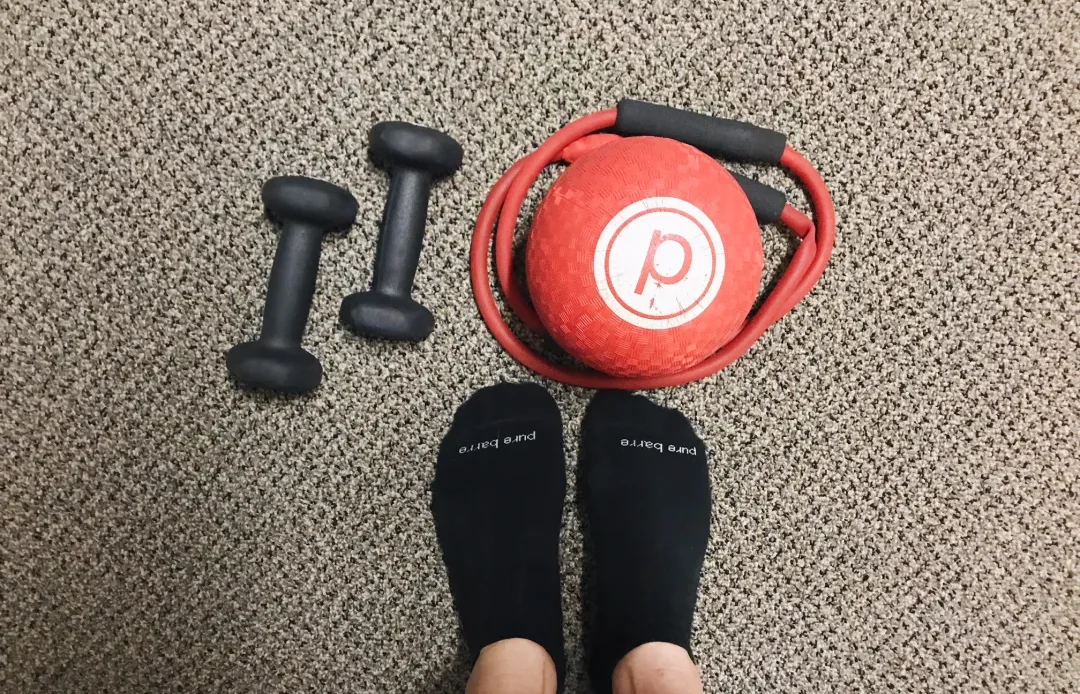
Why Pure Barre doesn’t work for so many people is a question fitness enthusiasts are finally asking out loud.
Pure Barre is marketed as the “fastest, most effective” workout that transforms your body in just 10 classes.
But for thousands of women, the results never come — or they fade fast.
What Is Pure Barre and Why Did It Get So Popular?
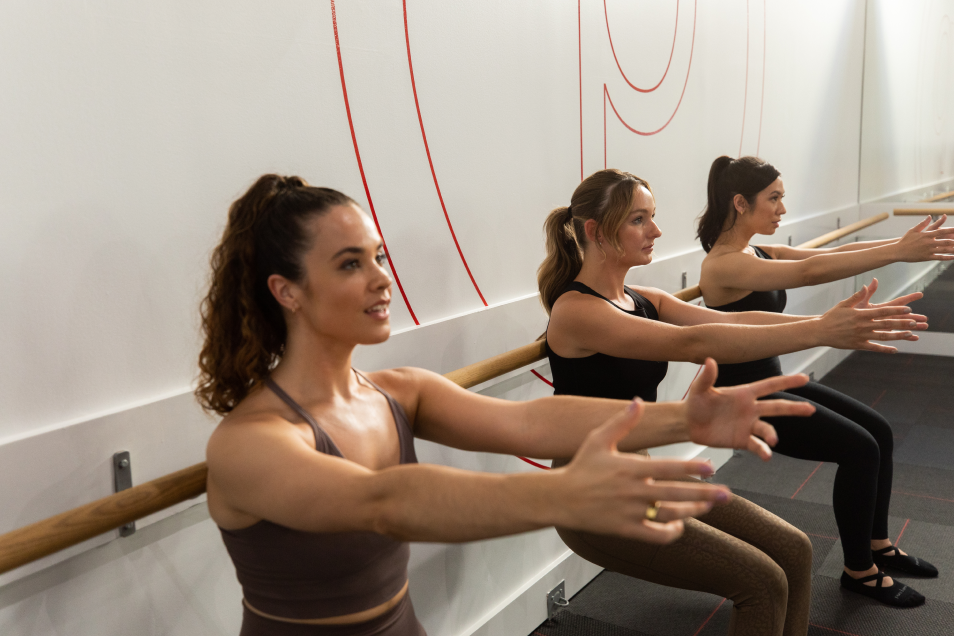
Pure Barre launched in 2001 and grew into the largest barre brand in the world with hundreds of studios across North America. It combines elements of ballet, Pilates, and strength training using a ballet barre, light weights, and small isometric movements.
The appeal was clear — low-impact, joint-friendly, and designed to tone the areas women care about most: seat, thighs, core, and arms. Studios promised long lean muscles, a lifted seat, and a changed body in 55 minutes.
The marketing worked. Pure Barre attracted a loyal following and still draws tens of thousands of participants to its annual challenges.
The Core Problem: What the Science Actually Says
Here is where the honest truth starts. Pure Barre is not bad — but it has real, documented limitations that the brand rarely talks about.
The workout relies heavily on isometric contractions — muscles tensing without changing length. Isometric training is genuinely effective for building muscular endurance. But it is not the most efficient method for fat loss, cardiovascular health, or building meaningful strength over time.
The ACSM (American College of Sports Medicine) recommends resistance training using progressive overload — gradually increasing weight, reps, or intensity over time. Pure Barre’s traditional format does not build this progressively in a meaningful way for most participants.
Why Pure Barre Doesn’t Work: The 8 Real Reasons
Reason 1 — Your Body Adapts and Progress Stops
The human body is a master of adaptation. When you repeat the same small movements week after week, your muscles and nervous system learn the pattern and stop being challenged.
This is why regulars at Pure Barre glide through class with barely any sweat while beginners shake all over the floor. The nervous system has simply gotten efficient. Once that happens, the workout stops producing meaningful results.
Exercise science confirms this. Muscle hypertrophy and strength gains occur rapidly in beginners but plateau once the body adapts to a given stimulus. Pure Barre’s format — with light 1–2 lb weights and tempo-driven repetition — rarely provides enough new stress to keep adaptation going.
Reason 2 — No Real Progressive Overload
Progressive overload is the foundation of any effective strength training program. You must give the body a reason to grow stronger over time.
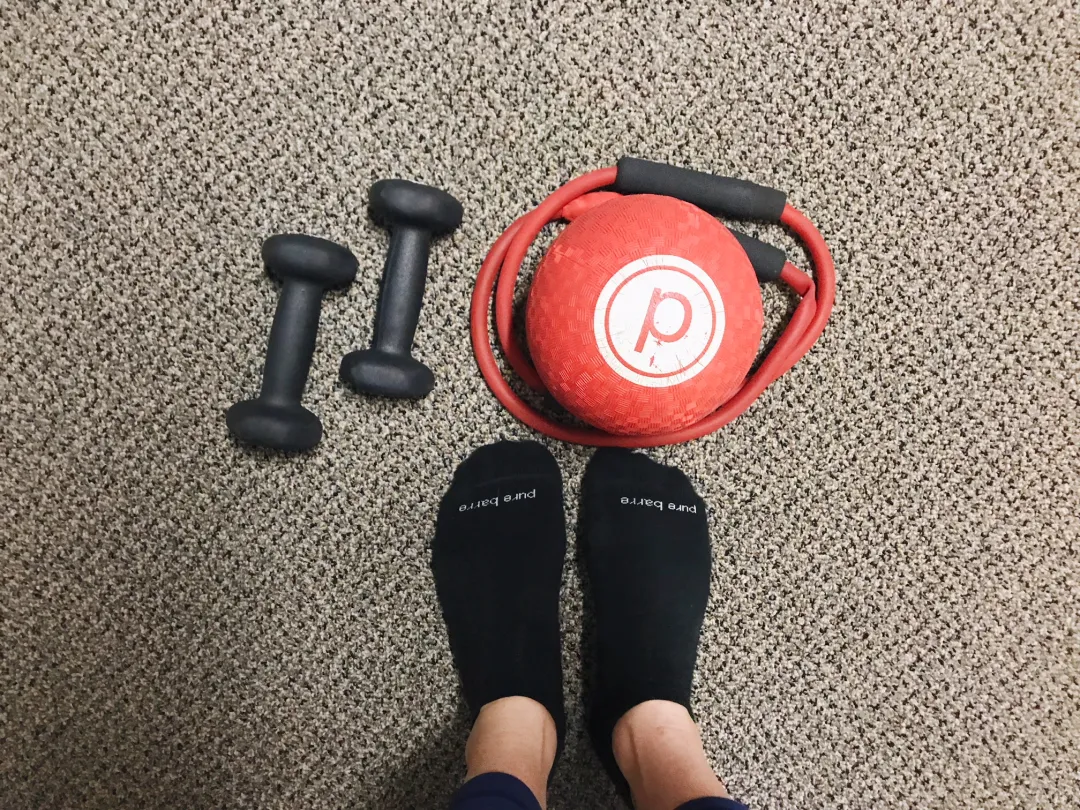
Traditional Pure Barre classes use weights as light as 1 lb, which is not enough resistance to drive hypertrophy for anyone who has been training for more than a few weeks. The body becomes conditioned to that load very quickly.
Compare this to a proper resistance training program where load, volume, and intensity are adjusted every few weeks. The contrast in long-term results is significant.
Pure Barre did introduce the “Define” class format with heavier weights specifically to address this gap. But the original Classic format still dominates attendance.
Reason 3 — Insufficient Cardio for Fat Loss
One of the biggest reasons people try Pure Barre is to lose weight. But Pure Barre is not a high-cardio workout — and that matters for fat loss.
A typical 60-minute barre class burns approximately 250 to 500 calories. This is comparable to a brisk walk or moderate cycling. For someone doing Pure Barre as their only form of exercise and not managing their diet, the calorie deficit needed for weight loss is very hard to achieve.
Research is clear that fat loss requires either a calorie deficit from diet, high-intensity exercise that burns significant calories, or both. Pure Barre alone — without dietary changes — is unlikely to produce significant fat loss for most people.
The cardiovascular system also needs to be challenged consistently above moderate intensity for meaningful heart health improvements. Pure Barre’s heart rate stays in the moderate zone, which is not enough for many people’s cardiovascular goals.
Reason 4 — Repetitive Movements Create Muscle Imbalances
Pure Barre classes are structured the same way every time: warmup, arms, thighs, seat, core, cooldown. While the individual exercises vary slightly, the movement patterns stay largely the same.
This creates a major limitation. Barre classes can lack compound movements like squats and lunges that use multiple muscle groups simultaneously and transfer to real-life strength. Functional strength — the kind that helps you carry groceries, climb stairs, or avoid injury — comes from multi-joint, multi-plane movement.
When you train in the same narrow range of motion repeatedly, you can actually create muscular imbalances. Tight hip flexors, overworked glute medius, and undertrained posterior chain muscles are common complaints from long-term barre practitioners.
Reason 5 — The Low Intensity Is Not Enough for Everyone
For a complete beginner or someone recovering from injury, Pure Barre is excellent. It is joint-friendly, safe, and genuinely challenging at first.
But for anyone with a moderate or advanced fitness background — someone who lifts weights, runs, or does HIIT — Pure Barre simply does not provide enough intensity to create meaningful adaptation.
Fitness improvements require progressive challenge. If the workout feels manageable, it is probably not stressing the body enough to produce change. Many experienced exercisers who try Pure Barre report that while the burn is real, the overall intensity is too low to match results from their previous training.
Reason 6 — Small Weights Limit Muscle Growth
The “long lean muscle” promise is one of Pure Barre’s most famous marketing claims. But there is a problem: muscle shape is largely determined by genetics, not by the weight you use or the type of movement you perform.
Using very light weights (1–3 lbs) for high repetitions builds muscular endurance, not significant hypertrophy. To meaningfully change the size, shape, or density of a muscle, you need to work with challenging loads — loads that are difficult to lift by the final few reps.
For women who want visible muscle definition, light barre weights alone will not get them there. A combination of heavier resistance training and reduced body fat percentage is what creates visible muscle tone. Pure Barre without dietary support cannot produce that outcome for most people.
Reason 7 — Diet Is Ignored Entirely
Pure Barre, like most boutique fitness studios, focuses entirely on the workout and says very little about nutrition. But no workout can outperform a poor diet.
For weight loss, body composition change, or significant physical transformation, nutrition accounts for a much larger percentage of results than exercise alone. Research consistently shows that diet is the primary driver of fat loss — exercise accelerates and supports it but cannot replace it.
If someone is attending Pure Barre three times a week but eating at a calorie surplus, they will not lose weight. They may gain muscle endurance and improve posture, but the body composition change they expect will not happen.
Reason 8 — Incorrect Form Goes Unaddressed Over Time
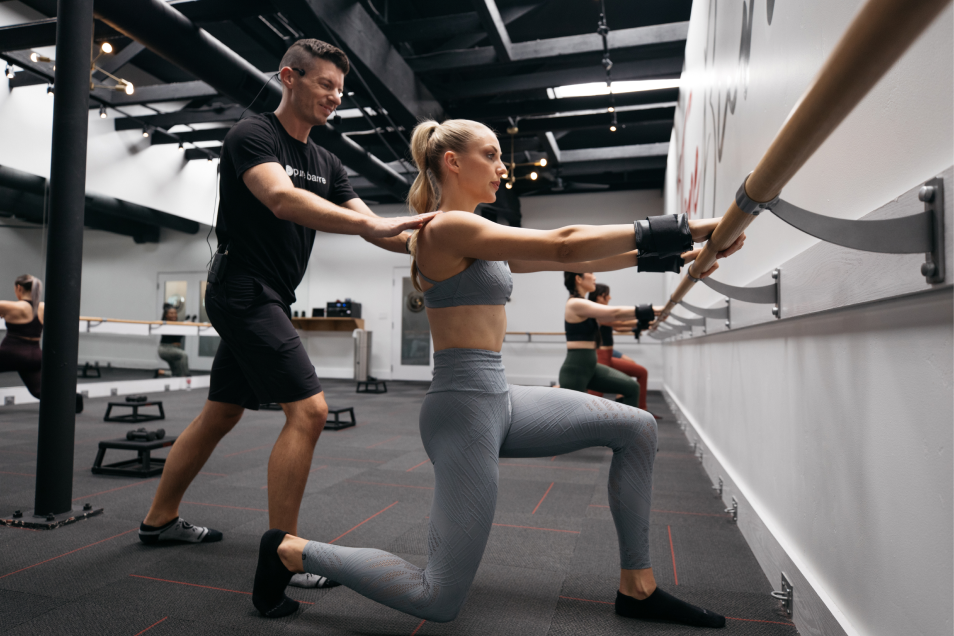
Pure Barre classes are group settings with one instructor watching a room of sometimes 20+ participants. Form corrections happen, but they cannot be comprehensive for every person in every session.
Over time, participants develop compensatory movement patterns — using the wrong muscles, gripping the barre too hard, or rounding the lower back during seat work. These habits reduce the effectiveness of each exercise and increase the risk of injury.
Bad form in barre can lead to lower-back pain, hip stress, and knee strain — especially in exercises that involve external leg rotation or extended holds on the balls of the feet.
Comparing Pure Barre to Other Workout Formats
| Workout | Calorie Burn (60 min) | Progressive Overload | Cardio Impact | Best For |
|---|---|---|---|---|
| Pure Barre Classic | 250–400 cal | Low | Low–Moderate | Toning, beginners |
| Pure Barre Define | 300–450 cal | Moderate | Low–Moderate | Strength building |
| HIIT Training | 400–600 cal | High | High | Fat loss, conditioning |
| Heavy Lifting | 300–500 cal | Very High | Low | Muscle building |
| Running (moderate) | 400–600 cal | Moderate | High | Cardio, fat loss |
| Yoga | 150–300 cal | Low | Low | Flexibility, stress |
Who Pure Barre Actually Works For
It would be dishonest to say Pure Barre does not work at all. It genuinely delivers results for a specific type of person.
Pure Barre works well for complete beginners with little fitness history who will experience rapid initial adaptation. It is excellent for people recovering from joint injuries who need low-impact movement. It also works for those seeking improved posture, flexibility, and body awareness — areas where barre consistently delivers.
For pregnant women, older adults, or those with chronic pain, Pure Barre is one of the safest and most accessible workout formats available.
The key word is supplementation. Pure Barre works best when it is one tool in a broader fitness toolkit — not the only workout someone does.
Pure Barre Results Timeline: What to Realistically Expect
| Timeframe | Realistic Results | What Actually Changes |
|---|---|---|
| 1–4 weeks | Better muscle awareness, initial soreness | Neuromuscular learning, posture |
| 1–2 months (3x/week) | Improved endurance in class, minor toning | Muscular endurance, balance |
| 3–6 months (consistent) | Visible muscle definition if diet supports it | Lean mass, flexibility, core strength |
| 6+ months | Plateau unless format is varied | Results stall without diet + variety |
What to Do Instead of (or Alongside) Pure Barre
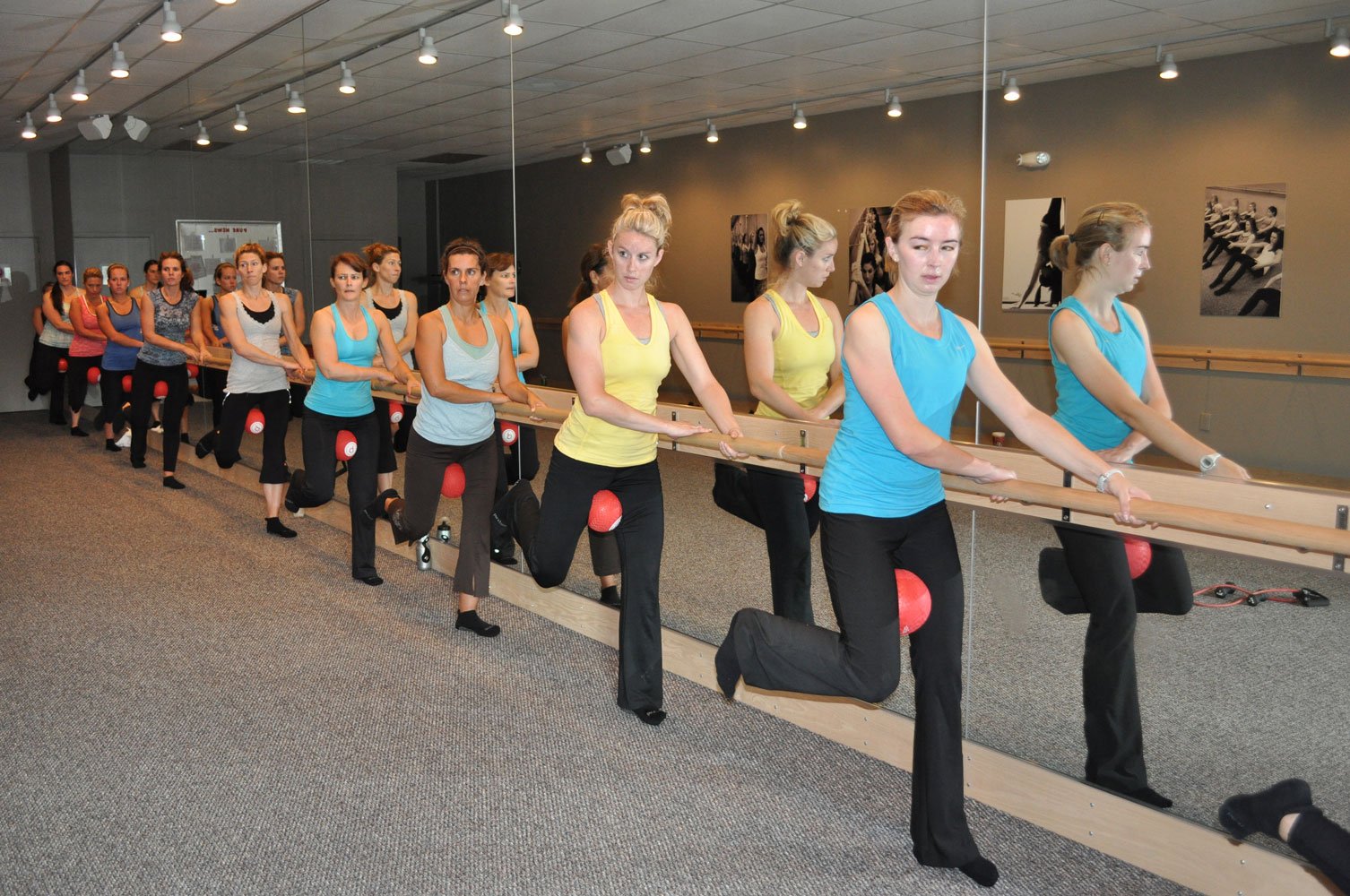
If Pure Barre is not working for you, the solution is not necessarily to quit. It is to fill the gaps.
Add 2 days of heavier resistance training per week. Compound movements like deadlifts, squats, and rows will build the functional strength that barre cannot. This combination — barre for endurance and mobility, weights for strength — is genuinely effective.
Incorporate cardio. Walking on an incline, cycling, or zone-2 running 3 times per week creates the calorie deficit and cardiovascular stimulus that Pure Barre misses.
Fix the diet. This is the non-negotiable piece. A protein-rich diet with a moderate calorie deficit will produce more visible results in 8 weeks than 6 months of Pure Barre alone.
Try Pure Barre Define or Empower. These newer formats address some of the original Classic format’s limitations by adding heavier weights and HIIT intervals. If you love Pure Barre, these classes are worth exploring.
Common Myths About Pure Barre Debunked
Myth: Pure Barre creates “long lean muscles.” Reality: Muscle shape is genetic. No workout changes the length of a muscle. Barre can improve tone and reduce visible bulk from fat, but it does not physically lengthen muscle tissue.
Myth: You’ll see results in just 10 classes. Reality: 10 classes will teach you the movements and create initial soreness. Real visible change requires consistent attendance over 2–3 months combined with dietary support.
Myth: Pure Barre is enough on its own. Reality: Research and practitioner experience both show that barre alone — without dietary changes or supplemental training — is insufficient for significant body composition change.
Myth: More classes = more results. Reality: Once the body adapts, more repetitions of the same workout produce diminishing returns. Variety and progressive challenge matter more than frequency alone.
The Cost Problem Nobody Talks About
Pure Barre is expensive. Monthly unlimited memberships can run $150–$225+ depending on location. For many people, this financial investment creates psychological pressure to feel like it is working even when results have stalled.
This is worth naming directly. If Pure Barre is not producing the results you want and you have been consistent for 3+ months, it may be time to reassess — not because barre is bad, but because your goals may require a different approach.
Signs Pure Barre Is Not Working for You
Watch for these signals that your workout is no longer providing the stimulus your body needs.
You cruise through class without much effort or shaking. The same exercises that burned intensely in month one now feel manageable. You have not seen any change in body composition despite regular attendance. Your strength has not improved outside of the barre context. You feel bored or unchallenged by the format.
If two or more of these apply, your body has adapted. That is not a failure — it is biology. It means it is time to evolve your routine.
What the Research Says About Barre Limitations
Exercise scientists at institutions like Auburn University have studied barre formats. The consistent finding is that barre works best for muscular endurance and body awareness, but falls short on progressive overload — the key driver of lasting strength and body composition change.
Research from IDEA Health and Fitness notes that barre’s isometric-heavy format can create risks when done with poor form: lower back strain, hip joint stress, and dizziness from breath-holding during long isometric holds. These are real concerns that go largely unaddressed in group class environments.
The ACE (American Council on Exercise) notes that barre’s high-rep, low-load format has support in exercise science literature for muscular endurance goals — but explicitly not for maximal strength or significant hypertrophy.
Is Pure Barre Worth the Money in 2026?
The honest answer depends entirely on your goals.
If your goal is improved posture, flexibility, low-impact movement, stress relief, and a welcoming fitness community — yes, Pure Barre is worth it. These are real outcomes it reliably delivers.
If your goal is significant fat loss, meaningful strength gains, or body composition change — Pure Barre alone is not worth the premium price. You will need to pair it with heavier training and dietary changes to see those outcomes.
In 2026, with so many fitness options available at lower price points — including quality online programs, strength-focused boutique studios, and at-home barre classes — the value proposition of Pure Barre depends on what you specifically need from a fitness experience.
Frequently Asked Questions (FAQs)
Why doesn’t Pure Barre work for weight loss?
Pure Barre burns only 250–400 calories per class and does not create the calorie deficit needed for fat loss on its own. Without dietary changes, weight loss is unlikely regardless of class frequency.
How long does Pure Barre take to work?
Initial muscular changes like better endurance and posture show up within 2–4 weeks. Visible body composition change typically takes 2–3 months of consistent attendance paired with proper nutrition.
Is Pure Barre enough exercise on its own?
For beginners or those with limited mobility, yes. For most adults seeking weight loss or significant strength gains, Pure Barre needs to be supplemented with cardio and heavier resistance training.
Why did I stop seeing results from Pure Barre?
Your body adapted to the workout. Once muscles learn a movement pattern and the load no longer challenges them, progress stalls. You need to increase intensity or vary your training stimulus.
Does Pure Barre actually tone muscles?
Yes, it builds muscular endurance and improves the appearance of tone — particularly in the seat, thighs, and core — especially in beginners. But visible toning also requires a low enough body fat percentage to see the muscle underneath.
Is Pure Barre good for building strength?
Not significantly. The 1–3 lb weights used in Classic classes are too light to drive meaningful strength gains. The Define format with heavier weights is a better option for strength-focused goals.
Why do Pure Barre regulars look so fit?
Consistency, community, and diet. Long-term Pure Barre attendees who look fit are typically also managing their nutrition carefully and may be doing other forms of exercise alongside barre.
Can Pure Barre cause injury?
Yes, if form is poor. Lower-back pain, hip stress, and knee strain are documented risks — particularly from prolonged isometric holds with misaligned posture or improper external rotation of the legs.
How many times a week should I do Pure Barre?
Three times per week is the commonly recommended frequency for noticeable results. Attending more frequently without dietary support or supplemental training is unlikely to dramatically accelerate outcomes.
Is Pure Barre better than going to the gym?
It depends on your goal. Pure Barre is better for low-impact toning, flexibility, and community. The gym is better for fat loss, strength building, and progressive overload. Combining both is the most effective approach for most people.
Conclusion
Why Pure Barre doesn’t work for everyone comes down to one fundamental mismatch: the expectations placed on it exceed what any single low-impact workout format can actually deliver.
Pure Barre is a genuinely well-designed workout for what it is — a low-impact, muscle endurance, flexibility-focused class built around isometric movement.
It is not a magical body transformation machine, and it was never truly designed to be one.
The real problem is marketing. When a studio promises you will see results in 10 classes and describes their format as the fastest and most effective way to change your body, they set participants up for disappointment.
Real fitness results come from progressive challenge, adequate nutrition, and variety over time — none of which Pure Barre alone provides.
If Pure Barre is part of a broader fitness routine with heavier strength training, cardiovascular exercise, and solid nutrition, it can be a fantastic complement.
If it is your only workout and you are wondering why the scale is not moving, now you know why. Adjust your expectations, fill the gaps, and your results will follow.


