


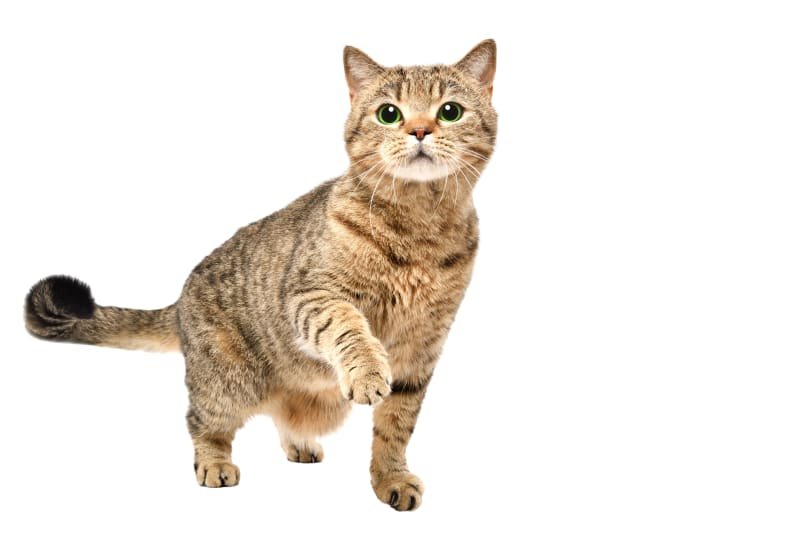
Why is my cat limping — this is one of the most alarming things a pet owner can notice, and it deserves your immediate attention.
A limp is almost always a sign of pain, even when your cat seems fine on the surface. Cats are instinctive pain hiders, a survival trait left over from the wild.
That means by the time you notice a visible limp, something real is going on.
What Does It Mean When a Cat Limps?

Limping, also called lameness, means your cat is not putting normal weight on one or more legs during movement. It can range from a subtle favor to a complete refusal to use a leg.
Any degree of limping signals discomfort. Cats cannot limp without experiencing some level of pain — that’s a fact worth remembering every time you think “they seem okay.”
The limp can affect any leg, but back leg limping tends to be more noticeable because the hind legs carry more weight during walking and jumping.
Is Cat Limping Always Serious?
Not every limp is an emergency. Some resolve within 24 hours with rest alone. Others are life-threatening and need same-day vet care.
The key is reading the full picture — the leg involved, how suddenly it started, and what other symptoms are present alongside the limp.
Common Causes of Limping in Cats
| Cause | Leg Affected | Urgency Level |
|---|---|---|
| Paw foreign object (thorn, glass) | Any | Low – check at home |
| Sprain or strain | Any | Low to moderate |
| Overgrown or broken nail | Any | Low |
| Abscess from bite wound | Any | Moderate – vet visit needed |
| Fracture or dislocation | Any | High – vet same day |
| Arthritis | Usually back | Moderate – ongoing care |
| Saddle thrombus (blood clot) | Both back legs | Emergency – go now |
| Nerve damage | Any | High – vet same day |
| Bone tumor | Any | High – vet evaluation |
| Vaccine reaction | Injection site leg | Low – usually resolves |
Paw Injuries — The Most Common Culprit
A paw injury is often the first place to look. Cats step on thorns, broken glass, and sharp debris regularly — especially outdoor cats.
Check between the toes and across the pad for any embedded object, cut, redness, or swelling. A torn or broken claw is also a surprisingly common cause of limping that many owners miss.
What to Do for a Paw Injury at Home
Gently remove small foreign objects like thorns using tweezers. Clean the area with mild antibacterial soap and soak the paw briefly in warm salt water.
Apply a small amount of antibiotic ointment and monitor closely. If there is bleeding that won’t stop, or the wound looks deep, contact your vet.
Sprains and Strains in Cats
Cats are acrobatic, but even the most graceful jumper can land wrong. Overstretching a muscle, tendon, or ligament causes sprains and strains that lead to limping.
These injuries often appear suddenly after a jump or a play session. The cat may limp but still put some weight on the leg, and there may be mild swelling.
Signs of a Sprain vs. a Break
| Symptom | Sprain | Fracture |
|---|---|---|
| Weight bearing | Partial | None or very little |
| Swelling | Mild | Moderate to severe |
| Leg shape | Normal | May look deformed or hang oddly |
| Pain on touch | Mild to moderate | Severe |
| Onset | After activity | After trauma or fall |
A mild sprain may improve with 24–48 hours of rest and restricted movement. A fracture will not, and attempting to assess it at home can cause more harm.
Fractures and Dislocations
A fall from height, a road accident, or a fight can cause broken bones or dislocated joints. Fractures are serious and require same-day veterinary care.
Signs include the leg hanging at an unusual angle, severe swelling, inability to bear any weight, and obvious pain when you approach or touch the area.
Do not try to splint a broken leg at home. Wrap your cat loosely in a towel to keep them calm during transport and get to the vet immediately.
Cat Bite Abscesses — A Hidden but Painful Cause
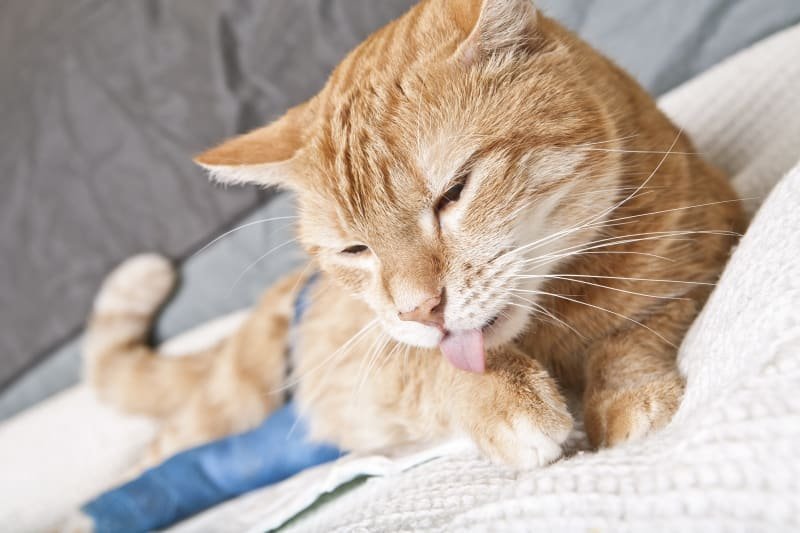
Outdoor cats fight. Cat mouths carry heavy bacterial loads, and a single bite can inject bacteria deep under the skin. This leads to an abscess — a painful pocket of pus under the surface.
Abscesses often appear 2–5 days after a bite wound. The leg or nearby area will be swollen, warm, and tender. Your cat may have a fever, seem lethargic, or stop grooming.
How Abscesses Are Treated
Your vet will lance and drain the abscess, then prescribe antibiotics and pain medication. Do not try to drain an abscess at home — this can push the infection deeper.
If the abscess has already burst, you can gently clean the area with boiled, cooled salt water and book a vet visit the same day.
Arthritis — The Slow, Silent Cause
Arthritis is the most common chronic cause of limping in cats, especially older ones. It develops gradually as cartilage in the joints breaks down over time.
Many cat owners miss early arthritis because it looks like “slowing down with age.” By the time a visible limp appears, the arthritis is often already quite advanced.
Signs of Arthritis in Cats
- Reluctance to jump onto furniture or into the litter box
- Reduced grooming, especially around the back end
- Sleeping more than usual
- Stiff movement when waking up
- Favoring one leg, particularly after rest
Arthritis Management Options
| Treatment | Purpose |
|---|---|
| NSAIDs (vet prescribed) | Pain and inflammation control |
| Joint supplements (glucosamine, omega-3) | Long-term joint support |
| Weight management | Reduces pressure on joints |
| Laser therapy | Reduces inflammation, promotes healing |
| Environmental changes | Lower litter box sides, ramps, soft bedding |
There is no cure for feline arthritis, but it is highly manageable with the right combination of medication, supplements, and home adjustments.
Ingrown or Overgrown Nails
Indoor cats, especially older ones, often develop overgrown nails that curve and dig into the paw pad. This is surprisingly painful and causes a noticeable limp.
Check the nails on the limping leg. If they are curved, thickened, or pressing into the skin, trim them carefully or ask your vet to do it. This is one of the easiest causes to fix at home.
Nerve Damage and Neurological Causes
Trauma, a slipped disc, or a spinal injury can damage the nerves that control leg function. A cat with nerve damage may drag a leg, have a wobbly gait, or limp on a leg that appears externally normal.
Nerve-related limping often looks different — the leg may knuckle under, or your cat may seem confused about where the leg is. A vet visit and likely imaging (X-ray or MRI) are needed.
Saddle Thrombus — The Limping Emergency You Must Know
A saddle thrombus (aortic thromboembolism) is a blood clot that blocks the aorta where it branches to supply the back legs. It causes sudden, severe back leg paralysis or weakness and is a true emergency.
This condition is linked to underlying heart disease, most commonly hypertrophic cardiomyopathy. Tragically, many cats show no heart disease signs before the clot strikes.
Emergency Signs of Saddle Thrombus
- Sudden inability to use one or both back legs
- Cold, pale, or bluish paw pads
- Crying or vocalizing from pain
- Rapid or labored breathing
- Complete collapse
If you see these signs, do not wait. Go to an emergency vet immediately. Every minute matters with saddle thrombus.
Bone Tumors and Cancer
Bone cancer (osteosarcoma) and soft tissue tumors can cause limping that worsens over weeks. There is usually swelling at the site, progressive pain, and no obvious injury history.
This cause is less common than injury or arthritis, but it is important to consider in cats whose limping does not improve with rest and has no clear cause. X-rays and blood work are needed for diagnosis.
Vaccine Reactions
Some cats develop temporary limping in the leg where a vaccine was given. This is a mild, short-term reaction caused by local inflammation at the injection site.
It usually resolves within 24–48 hours without treatment. However, if the limping continues past two days, or there is a lump forming at the site, contact your vet.
Limping in the Front Leg vs. Back Leg
The location of the limp gives important diagnostic clues. Front leg and back leg limps often have different causes.
Front Leg Limping
Front leg limps are commonly caused by paw injuries, bite abscesses, sprains from landing, broken nails, or shoulder injuries from high falls. The front legs absorb impact during jumps, making them more prone to soft tissue injuries.
Back Leg Limping
Back leg limps are more often linked to arthritis, hip dysplasia, saddle thrombus, or nerve issues. The back legs also show effects of diabetes-related neuropathy, which causes a dropped hock stance.
Old Cat Limping — Special Considerations
Senior cats (10 years and older) are more likely to limp from arthritis, cancer, or degenerative nerve issues rather than acute injury. Their pain threshold communication is also less clear.
If your senior cat starts limping, do not assume it is just old age. Get a vet evaluation — effective pain management can dramatically improve their quality and comfort of life.
Kitten Limping — What to Watch For
Kittens can limp from falls, rough play, or infections. They are also more vulnerable to fractures because their bones are still developing.
A limping kitten that is not bearing weight at all, is crying, or has visible swelling should be seen same day. Do not wait 48 hours with a very young cat.
How to Check Your Cat’s Leg at Home
Before calling the vet, a careful home check can give you useful information — but only attempt this if your cat is calm and allows handling.
Start at the paw and work upward. Look for foreign objects, cuts, swelling, heat, or redness between the toes and on the pads. Move up to the lower leg, knee, upper leg, and hip, gently pressing along the bone and feeling for any reaction.
Stop immediately if your cat shows signs of pain — hissing, swatting, or pulling the leg away sharply. A cat in significant pain may bite even if they have never done so before.
When to Go to the Vet Immediately
Do not wait for a scheduled appointment if you see any of these:
- Complete inability to bear weight on the leg
- Visible bone, severe deformity, or the leg hanging at an odd angle
- Cold, pale, or blue paw pads (possible saddle thrombus)
- Crying, vocalizing, or extreme distress
- Swelling that appeared rapidly
- Limping plus vomiting, loss of appetite, or fever
- Any head trauma or road accident involving the limping leg
When It’s Okay to Monitor at Home for 24 Hours
If the limp is mild, your cat is still putting some weight on the leg, there is no visible wound or swelling, and your cat is eating, drinking, and behaving relatively normally — you can monitor for up to 24 hours.
Restrict activity, keep them indoors, and check the paw again after a few hours. If there is no improvement within 24 hours, call your vet.
First Aid Steps for a Limping Cat
Step 1 — Keep Your Cat Calm
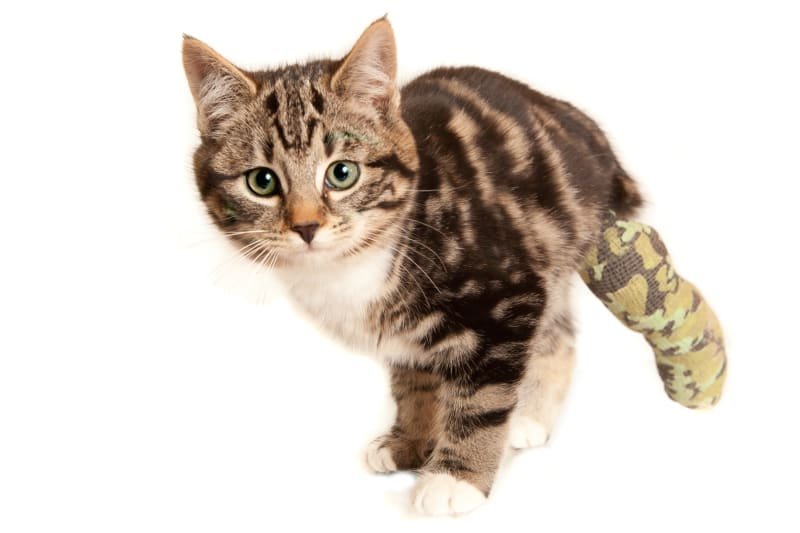
A panicked cat in pain is more likely to hurt themselves or you. Place them in a quiet room, speak softly, and avoid sudden movements.
Step 2 — Gently Examine the Paw
With one hand supporting the body, use the other hand to gently inspect the paw and lower leg. Never force an examination if your cat is resisting strongly.
Step 3 — Remove Simple Foreign Objects
If you can see and safely reach a thorn or small splinter, remove it with tweezers. Clean the area with antiseptic soap and warm water.
Step 4 — Restrict Movement
Keep your cat confined to a small room or carrier to prevent running, jumping, or climbing. This is critical while you decide on next steps.
Step 5 — Contact Your Vet
Even if the limp seems minor, a phone call to your vet is always a good idea. They can advise whether the situation needs same-day attention or can wait.
Diagnosing a Limping Cat at the Vet
Your vet will begin with a physical examination and ask you about when the limp started, which leg is affected, whether there was a known injury, and whether any other symptoms are present.
Common diagnostic tools include:
| Test | What It Checks |
|---|---|
| Physical exam | Pain location, swelling, range of motion |
| X-rays | Fractures, arthritis, bone tumors |
| Blood tests | Infection, inflammation, organ function |
| Joint fluid analysis | Septic arthritis, immune conditions |
| Ultrasound | Soft tissue, heart disease (saddle thrombus) |
| MRI or CT scan | Nerve and spinal issues |
Treatment Options for Cat Limping
Treatment depends entirely on the underlying cause. Below is a summary of common approaches:
| Cause | Treatment |
|---|---|
| Foreign object | Removal, cleaning, antibiotics if infected |
| Sprain/strain | Rest, pain medication, restricted activity |
| Fracture | Surgery, splinting, or casting |
| Abscess | Lancing, drainage, antibiotics |
| Arthritis | Pain meds, supplements, lifestyle changes |
| Saddle thrombus | Emergency hospitalization, blood thinners |
| Bone tumor | Surgery, chemotherapy, palliative care |
| Nerve damage | Depends on cause; may include steroids or surgery |
Preventing Limping in Cats
Not all causes of limping can be prevented, but there is a lot you can do to reduce risk:
Keep your cat’s nails trimmed regularly to avoid overgrown claw injuries. Maintain a healthy body weight to reduce stress on joints and delay arthritis onset.
Keep outdoor cats up to date on vaccines and check them daily for wounds or bites. Provide ramps, low-sided litter boxes, and soft bedding for senior cats to protect aging joints.
Schedule annual (or twice-yearly for seniors) vet check-ups so problems are caught early, before a subtle limp becomes a serious condition.
Cat Limping and Pain: Understanding Feline Pain Hiding
Cats evolved to hide pain as a survival mechanism. In the wild, showing weakness attracts predators. This instinct is still fully active in domestic cats.
This means your cat’s limp is almost always worse than it appears. They may be eating and purring and still be in significant pain. Never use surface behavior alone to decide whether a limping cat needs care.
Frequently Asked Questions (FAQs)
Why is my cat limping all of a sudden?
Sudden limping is most often caused by a paw injury, sprain, abscess from a bite, or fracture. If your cat suddenly cannot use both back legs, it may be a saddle thrombus — go to an emergency vet immediately.
My cat is limping but seems fine — should I worry?
Yes. Cats hide pain instinctively. A cat that is limping is experiencing discomfort even if they are eating and purring normally. Monitor closely and see a vet if the limp lasts more than 24 hours.
Can a cat’s limp go away on its own?
Mild sprains and minor paw injuries can improve with 24–48 hours of rest. However, fractures, abscesses, arthritis, and nerve problems will not resolve without veterinary treatment.
When should I take my limping cat to the emergency vet?
Go immediately if your cat cannot bear any weight, the paw pads are cold or blue, the leg looks deformed, your cat is crying in pain, or both back legs are suddenly affected.
How can I tell if my cat has a sprain or a broken leg?
A sprain usually allows partial weight-bearing, with mild swelling. A broken leg involves no weight-bearing, significant swelling, and sometimes a visible deformity. A vet X-ray is the only way to confirm.
Can arthritis cause a cat to limp?
Yes. Arthritis is one of the most common causes of limping in older cats. It develops slowly and may first appear as reluctance to jump before progressing to a noticeable limp.
Is it safe to give my cat pain medication from home?
Never give human pain medications — ibuprofen, acetaminophen, and aspirin are toxic to cats. Only use vet-prescribed feline pain medication to manage a limping cat’s discomfort.
What does a cat bite abscess look like on the leg?
An abscess appears as a warm, swollen lump under the skin, often with a scab or small wound nearby. It may burst and release pus. Always see a vet — abscesses require antibiotics and proper drainage.
Why is my old cat suddenly limping?
Senior cats most commonly limp from advanced arthritis, degenerative joint disease, nerve issues, or less commonly bone cancer. A vet exam with X-rays is strongly recommended for any new limp in an older cat.
Can a limping cat still eat and drink normally?
Yes, many limping cats continue eating and drinking. However, loss of appetite alongside a limp is a red flag that the underlying problem may be more serious, and you should contact your vet promptly.
Conclusion
Why is my cat limping — now you have a thorough, practical answer to that question. Limping in cats is never truly normal.
It always signals some level of pain, whether it is a simple thorn in the paw or a serious medical condition like a saddle thrombus or bone tumor.
The most important thing you can do as a cat owner is observe closely, act quickly, and never dismiss a limp as “probably nothing.”
Start with a calm home examination, restrict your cat’s activity, and contact your vet if the limp does not improve within 24 hours — or immediately if emergency signs are present.
Early intervention nearly always leads to better outcomes, whether the cause is minor or serious.
Your cat cannot tell you where it hurts. But a limp is the clearest message they have. Listen to it.


