


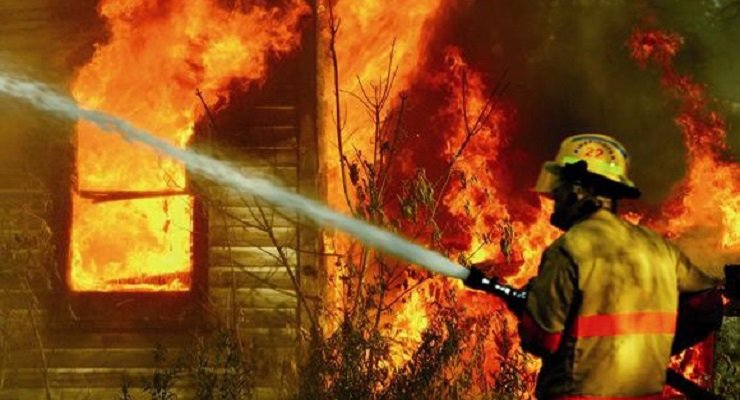
Understanding the risks and hazards associated with fires Important is one of the most critical life safety skills you can develop.
Fires ignite in seconds, spread within minutes, and cause irreversible damage before help arrives.
Every year, thousands of lives are lost and billions of dollars in property are destroyed — most of it preventable.
Whether you are a homeowner, a business owner, or an employee, knowing what puts you at risk and why it matters is the foundation of true fire safety preparedness in 2026.
Fire Risk vs. Fire Hazard: Know the Difference
Most people use “fire risk” and “fire hazard” as if they mean the same thing. They do not.
A fire hazard is any material, condition, or behavior that increases the likelihood of a fire starting or spreading. Think faulty wiring, overloaded outlets, stored flammable chemicals, or an unattended stove.
A fire risk is the probability that a fire hazard will actually cause a fire — combined with the severity of harm it could cause, including deaths, injuries, and property loss.
Put simply: no hazard, no risk. Understanding both is step one of any serious fire safety plan.
The Fire Triangle: What Every Fire Needs
Every fire needs three things to burn: fuel, heat, and oxygen. This is called the fire triangle.
Remove any one of these three elements and the fire cannot start or will be extinguished. This is the scientific basis behind every fire suppression method — from fire extinguishers to sprinkler systems to smothering a grease fire with a lid.
Understanding this science helps people take smarter action both in prevention and during an emergency.
Why Is Understanding the Risks and Hazards Associated With Fires Important?
Here is a detailed breakdown of every major reason this knowledge matters.
1. It Prevents Fires Before They Start
The most powerful benefit of fire safety awareness is prevention. Most fires are entirely preventable when people recognize hazards early.
When someone knows that overloaded outlets, unattended cooking, or improperly stored chemicals are fire hazards, they act differently. They unplug unused devices, stay near the stove, and store flammables away from heat sources.
According to the NFPA, a fire department in the U.S. responds to an emergency every 23 seconds. A large proportion of those calls could have been avoided with basic fire risk knowledge.
2. It Saves Lives During an Emergency
Understanding fire behavior directly saves lives when a fire does break out. In a real fire emergency, seconds are everything.
A room can go from a small flame to a fully engulfed space in under 30 seconds. Ceiling temperatures can exceed 1,200°F (650°C). Most fire deaths are caused by smoke inhalation, not flames.
Knowing to crawl low under smoke, check doors for heat before opening, and identify the nearest exit route — these are learned behaviors that replace deadly panic with purposeful action.
3. It Protects Property and Reduces Financial Loss
Fires cause an estimated $15 to $18 billion in property damage every year in the United States alone. For individual families and businesses, a single fire event can be financially catastrophic.
Proper fire safety practices — working smoke detectors, maintained suppression systems, safe storage of flammable materials — reduce both the likelihood of fire and the scale of damage if one starts.
For businesses, the damage extends far beyond physical assets. Lost data, halted operations, legal exposure, and reputational damage can threaten a company’s entire future.
Common Fire Hazard Types at a Glance
| Fire Hazard Type | Common Examples | Risk Level |
|---|---|---|
| Electrical | Faulty wiring, overloaded circuits | Very High |
| Cooking | Unattended stoves, grease buildup | High |
| Flammable Materials | Chemicals, solvents, fuels | Very High |
| Heating Equipment | Space heaters, furnaces | Medium-High |
| Smoking Materials | Cigarettes, matches | Medium |
| Arson / Human Error | Negligence, intentional fires | High |
| Lithium-ion Batteries | EVs, e-bikes, electronics | Growing (2026) |
4. It Supports Workplace Fire Safety
The workplace is one of the most fire-prone environments people face daily. Electrical equipment, industrial chemicals, storage areas, and manufacturing processes all create significant hazards.
OSHA requires employers to maintain workplaces free from recognized hazards likely to cause death or serious harm. Fire-related hazards are among the most commonly cited OSHA violations.
Fatal fire-related workplace injuries happen every two hours in the United States. Nonfatal injuries occur every 36 minutes. Understanding fire risks is not optional for any employer.
5. It Enables Effective Fire Risk Assessments

A fire risk assessment identifies ignition sources, fuel sources, and oxygen pathways. It evaluates who is at risk, what protective measures exist, and what additional actions are needed.
Without genuine fire risk knowledge, assessments become checkbox exercises rather than life-saving tools. NFPA 551 and OSHA standards provide structured frameworks — but the people doing the work must actually understand what they are looking for.
In 2026, significant updates to NFPA 855 now require Hazard Mitigation Analysis (HMA) as the default standard for energy storage system installations, reflecting evolving fire risks from new technologies.
6. It Teaches People to Respond Correctly
People who understand fire behavior make better decisions during an emergency. They ask themselves the right questions at the right moment.
Is this door hot? (If yes, do not open it — fire is on the other side.) What type of fire extinguisher is needed? Is it safe to fight this fire or should I evacuate immediately?
These responses are not instinct — they are training. And that training is only meaningful when it is grounded in real understanding of fire risks and hazards.
7. It Supports Legal and Regulatory Compliance
In virtually every country, fire safety compliance is a legal obligation. Employers, landlords, and facility managers all carry legal responsibility for fire safety.
Understanding fire hazards is the prerequisite for meeting those obligations — from installing smoke detectors and sprinkler systems to maintaining clear emergency exits and unobstructed evacuation routes.
Failure to comply results in fines, forced closures, and in cases of fire-related deaths or injuries, potential criminal liability. This is not just a moral responsibility — it is a legal one.
8. It Promotes Training and Drills That Actually Work
Organizations that understand fire risks build genuine cultures of safety. That culture shows up in regular fire drills, effective training sessions, visible signage, and tested emergency action plans.
Fire drills may feel routine. But people who practice evacuation routes under calm conditions are far more likely to use those routes correctly under the stress of a real emergency.
Training without genuine understanding is just motion. Training anchored in real fire risk knowledge saves lives.
Fire Classes: Why Knowing the Type Matters
Not all fires are the same. Using the wrong extinguisher on the wrong class of fire can make things dramatically worse.
| Fire Class | Fuel Type | Extinguisher Type |
|---|---|---|
| Class A | Wood, paper, cloth | Water, dry chemical |
| Class B | Flammable liquids, gases | CO₂, dry chemical, foam |
| Class C | Electrical fires | CO₂, dry powder (never water) |
| Class D | Combustible metals | Dry powder (specialist) |
| Class K | Cooking oils, grease | Wet chemical |
Using a water extinguisher on a Class C electrical fire can cause electrocution. Using water on a Class B grease fire spreads the burning liquid. Knowing fire classes is potentially life-saving knowledge — not academic trivia.
9. It Builds Community Resilience
Fire risk awareness is not just individual. When entire communities understand fire hazards — residents, local businesses, fire departments, and municipal planners — they become collectively stronger.
Community-level fire resilience means faster emergency response, better-designed evacuation routes, stronger mutual aid between neighbors, and faster recovery after fire incidents. It all begins with understanding risks and hazards at every level.
10. It Addresses Evolving Hazards in 2026
Fire hazards are not static. They evolve as technology and climate change.
Lithium-ion battery fires from electric vehicles, e-bikes, and consumer electronics are among the fastest-growing fire hazard categories in 2026. These fires burn extremely hot, are difficult to extinguish with conventional methods, and can reignite hours after appearing to be out.
Wildfire risk continues to expand globally due to climate change, creating new risk profiles for communities that historically had low fire exposure. Understanding these new hazards is essential for modern fire safety planning.
Where Are the Most Common Fire Hazards Hiding?
Most fire hazards are not dramatic or obvious. They hide in plain sight.
In the kitchen: Cooking is the leading cause of home fires, accounting for nearly half of all residential fire incidents. Grease buildup, unattended stoves, and misused appliances are the primary culprits.
In electrical systems: Faulty wiring, overloaded outlets, damaged cords, and aging electrical panels are responsible for thousands of fires annually. In 2023 alone, 7,400 non-residential building fires were caused by electrical malfunctions, resulting in $354.4 million in losses (NFPA).
In storage areas: Improper storage of flammable liquids, combustible materials, and chemicals close to heat sources or ignition points creates silent, serious hazards that often go unnoticed until it is too late.
In heating equipment: Space heaters, furnaces, and boilers that are poorly maintained or placed too close to combustible materials are a significant residential and commercial fire risk.
Fire Safety Measures That Make a Real Difference
| Safety Measure | Purpose | Recommended Action |
|---|---|---|
| Smoke Detectors | Early warning of fire | Test monthly, replace batteries yearly |
| Fire Extinguishers | First response suppression | Inspect monthly, train all occupants |
| Sprinkler Systems | Automatic suppression | Annual professional inspection |
| Emergency Exit Signs | Guide evacuation | Keep lit and unobstructed at all times |
| Fire Drills | Behavioral preparedness | Conduct at least twice per year |
| Fire Risk Assessment | Hazard identification | Annual review or after changes |
| Electrical Inspections | Prevent ignition at source | Schedule regular professional inspection |
The Role of Fire Safety Education
Education is the multiplier behind every other fire safety measure. A smoke detector that no one responds to is useless. A fire extinguisher that no one knows how to operate does not save lives.
Fire safety education bridges that gap. It ensures that people know how to act on every tool and system in place around them. Organizations like the NFPA run annual programs including Fire Prevention Week (October 9–15 each year) specifically to keep fire safety education visible and accessible.
At the individual level, knowing the basics — how to call emergency services, how to operate a fire extinguisher using the PASS technique (Pull, Aim, Squeeze, Sweep), how to design a home escape plan — puts real power in people’s hands.
Vulnerable Populations and Fire Risk
Some groups face disproportionately higher fire risk and require additional protective consideration.
Children are at higher risk because they may not respond quickly to alarms, may hide during a fire, or may not understand evacuation procedures. Teaching children fire safety early — including stop, drop, and roll — reduces this risk.
Elderly individuals face greater physical difficulty evacuating quickly and may have reduced sensory awareness. Special attention to their fire safety needs in residential and care settings is essential.
Individuals with disabilities require tailored evacuation plans. OSHA and ADA guidelines both address this. No fire emergency plan is complete if it does not account for mobility-impaired or sensory-impaired individuals.
Industrial and construction workers face especially high-risk environments. Young male workers in particular have been identified as disproportionately at risk due to inexperience, inadequate training, and lower compliance with safety guidelines.
Building a Fire Safety Culture
Individual knowledge matters. But organizational and community culture is what sustains fire safety over time.
A true fire safety culture includes visible leadership commitment to safety, regular training and drills that are taken seriously, open reporting of fire hazards without fear of blame, and continuous improvement based on near-misses and incident reviews.
Businesses that build genuine fire safety cultures report fewer incidents, lower insurance premiums, higher employee confidence, and stronger regulatory compliance records. The investment in fire safety culture pays measurable returns.
OSHA and NFPA: The Standards Behind Fire Safety
Two organizations set the primary framework for fire safety in the United States.
OSHA (Occupational Safety and Health Administration) regulates fire safety in the workplace under standards 29 CFR 1910 (general industry) and 29 CFR 1926 (construction). These standards cover emergency action plans, fire prevention plans, exit routes, fire suppression systems, and hazardous materials storage.
NFPA (National Fire Protection Association) produces over 300 codes and standards used globally, including NFPA 1 (Fire Code), NFPA 13 (Sprinkler Systems), NFPA 72 (Fire Alarm and Signaling Code), and NFPA 551 (Fire Risk Assessments). These are regularly updated — including significant 2026 revisions reflecting lithium-ion battery hazards and energy storage systems.
Understanding these standards is essential for anyone responsible for fire safety compliance in a professional or commercial setting.
Environmental and Economic Impact of Fires
The impact of fires extends well beyond direct casualties and property damage.
Environmental damage from wildfires alone destroys millions of acres of forest annually, releases massive quantities of carbon dioxide into the atmosphere, disrupts ecosystems, and contaminates water supplies with ash and debris.
Economic impact includes not only the direct costs of fire suppression and property replacement but also lost productivity, increased insurance premiums across affected regions, healthcare costs for burn and inhalation injuries, and long-term displacement of affected communities.
Understanding fire risks at a societal level encourages policy decisions, land management practices, and infrastructure investments that reduce these broader costs.
Frequently Asked Questions (FAQs)
What is the difference between a fire hazard and a fire risk?
A fire hazard is any condition or material that could cause a fire to start or spread. A fire risk is the probability that the hazard will actually result in a fire, combined with the potential severity of harm.
Why is fire safety training important in the workplace?
Workplace fire safety training ensures employees can recognize hazards, respond correctly during emergencies, and use fire suppression equipment properly, reducing injuries and regulatory violations.
What are the most common causes of workplace fires?
The leading causes include electrical malfunctions, cooking equipment, improper storage of flammable materials, heating equipment, and hot work like welding or soldering.
How often should fire risk assessments be conducted?
Fire risk assessments should be reviewed at least annually or whenever significant changes occur in the building, occupancy, processes, or stored materials.
What does PASS stand for in fire extinguisher use?
PASS stands for Pull the pin, Aim at the base of the fire, Squeeze the handle, and Sweep side to side. This is the standard technique for operating a portable fire extinguisher.
How do lithium-ion battery fires differ from ordinary fires?
Lithium-ion fires burn at extremely high temperatures, are difficult to extinguish with standard methods, produce toxic gases, and can reignite hours after appearing to be out — requiring extended monitoring.
What is a fire risk assessment?
A fire risk assessment is a structured evaluation of a building or workplace to identify ignition sources, fuel sources, and oxygen pathways, determine who is at risk, and implement appropriate fire safety measures.
Why are cooking fires the leading cause of home fires?
Unattended cooking, grease buildup, and misuse of kitchen appliances create ideal conditions for rapid ignition. Cooking accounts for nearly half of all residential fires in the United States.
What role does smoke play in fire fatalities?
Smoke inhalation is the leading cause of fire-related deaths, not the flames themselves. Toxic gases produced by burning materials incapacitate victims quickly, preventing escape.
Who is most at risk in a fire emergency?
Children, elderly individuals, people with disabilities, and inexperienced industrial workers face the highest fire risk and require targeted fire safety planning and support.
Conclusion
Understanding the risks and hazards associated with fires is not optional — it is one of the most fundamental responsibilities we carry as individuals, employers, and community members. Fire does not wait for preparation.
It strikes without warning and escalates without mercy. But it is also one of the most preventable and manageable threats we face when people are equipped with the right knowledge.
From identifying everyday hazards in the home to complying with OSHA and NFPA standards in the workplace, from teaching children fire safety basics to planning community-wide evacuation routes — every act of fire risk awareness reduces the probability of tragedy.
In 2026, with evolving threats from lithium-ion batteries, changing wildfire patterns, and updated regulatory requirements, staying informed is more important than ever.
The cost of understanding fire risks is education and attention.
The cost of not understanding them is measured in lives, livelihoods, and loss that no amount of money or effort can fully undo.


