


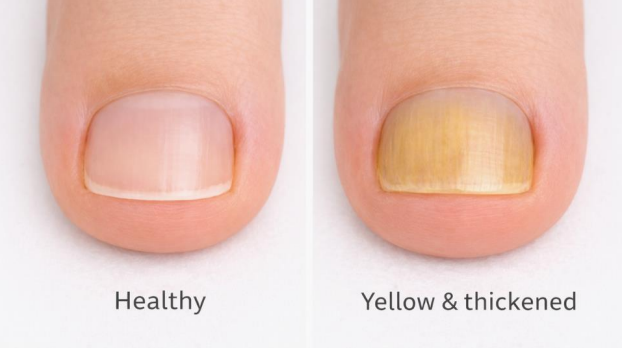
Why is my toenail yellow is a question millions of people ask every year, and the answer is not always as simple as a cosmetic stain.
Yellow toenails can signal anything from a harmless nail polish stain to a stubborn fungal infection or even an underlying health condition.
Knowing the exact cause is the first step toward finding the right fix.
What Does a Healthy Toenail Look Like?
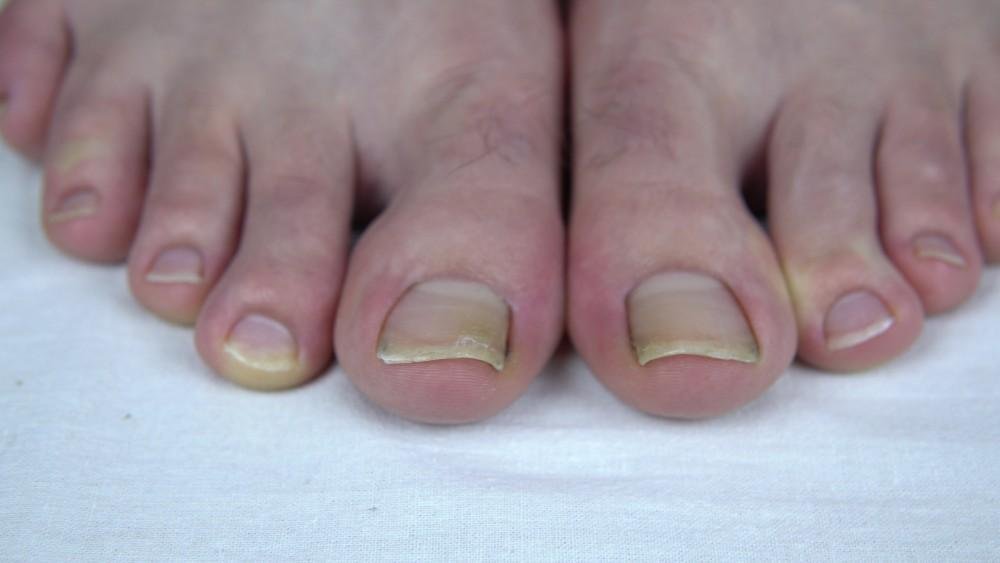
A healthy toenail is smooth, slightly pink or clear, and firmly attached to the nail bed. It should have no ridges, no discoloration, and no unusual thickness. Any shift away from this baseline, especially a yellow hue, is worth paying attention to.
Normal nails grow roughly 1 to 1.5 millimetres per month. That slow growth rate means problems can linger for months if not treated promptly.
Why Is My Toenail Yellow? The Most Common Causes
There are several distinct reasons your toenail may have turned yellow. Some are harmless; others need medical attention.
Toenail Fungal Infection (Onychomycosis)
Fungal infection is the single most common cause of yellow toenails. The condition is called onychomycosis, and it affects roughly one in ten people. The most frequent culprit is a group of fungi called dermatophytes, though yeasts and molds can also infect the nail.
Fungi thrive in warm, damp environments, which is exactly what the inside of a shoe provides. The infection typically starts at the tip of the nail and spreads inward, turning the nail yellow, brown, or white over time.
| Stage | Appearance | Symptoms |
|---|---|---|
| Early | Faint yellow or white spot at tip | None or mild |
| Moderate | Yellowing spreads, nail thickens | Mild odor, brittleness |
| Advanced | Full discoloration, crumbling nail | Pain, nail detachment |
Nail Polish Staining
Dark and bright nail polishes, especially reds, oranges, and dark purples, can leave behind pigment that stains the nail plate. This is purely cosmetic and completely harmless. The yellow tint fades as the nail grows out, usually within a few weeks of removing the polish.
Skipping a clear base coat before applying dark polish is the most common reason staining occurs.
Natural Aging
As you get older, nails naturally become thicker, grow more slowly, and change in color. This age-related yellowing is not caused by infection or disease. It is simply a result of reduced blood flow and changes in nail cell production over time.
Brittle nails and a slightly yellow tint in adults over 50 are very common and do not always signal a problem.
Yellow Nail Syndrome (YNS)
Yellow nail syndrome is a rare but serious condition. It is characterized by thick, slow-growing nails that curve and turn distinctly yellow or greenish-yellow. Unlike simple staining or fungal infections, YNS is linked to lymphedema (fluid buildup and swelling in the legs) and respiratory conditions such as chronic coughs and pleural effusions.
Most reported cases occur in adults over 50. Only around 100 confirmed cases have been documented in medical literature, making it extremely rare.
Diabetes
Diabetes can cause yellow toenails through two separate pathways. First, high blood sugar breaks down collagen in nail tissue, changing its color and structure. Second, diabetes weakens the immune system, making fungal infections far more likely to develop and persist.
People with diabetes should treat any toenail discoloration as a priority, since infections can progress to ulcers and more serious foot complications if left untreated.
Nail Psoriasis
Psoriasis is an autoimmune condition that affects the skin, but it also impacts nails in about 50% of people who have it. Nail psoriasis can cause yellow-brown discoloration, pitting, nail thickening, and separation of the nail from the nail bed (onycholysis).
It is sometimes confused with a fungal infection, which is why professional diagnosis matters.
Trauma and Physical Injury
Repeated pressure or a single blunt impact to the toe can damage the nail bed and cause discoloration. Runners, athletes, and people wearing tight shoes are especially prone to this. The big toenail is the most commonly affected, since it absorbs the most impact during walking and exercise.
The discoloration typically fades as the nail grows out, provided no infection develops in the damaged area.
Thyroid Disease
Both hypothyroidism and hyperthyroidism can change nail appearance. Hyperthyroidism is associated with nail separation and yellowing of the nail plate. Hypothyroidism can cause brittle, slow-growing nails that may take on a yellowish hue.
Treating the underlying thyroid condition usually resolves the nail changes over time.
Other Contributing Causes
| Cause | Key Detail |
|---|---|
| Poor circulation | Reduces oxygen delivery to nail tissue |
| Respiratory conditions | Linked to yellow nail syndrome |
| Certain medications | Some chemotherapy and antimalarial drugs affect nails |
| Self-tanner staining | Chemicals in self-tanners stain nails temporarily |
| Athlete’s foot spreading | Tinea pedis can migrate to the nail bed |
How to Tell If Your Yellow Toenail Is Fungal
Not every yellow toenail is caused by fungus, but fungus is by far the most likely culprit. Here are the specific signs that point toward a fungal infection rather than another cause.
Signs That Point to Fungus
The nail becomes thicker than normal and may crumble or break at the edges. You may notice a slight odor coming from the nail. The discoloration usually starts at the tip or side of the nail and spreads inward. In advanced cases, the nail may lift away from the nail bed entirely.
If only one nail is affected and you recently removed dark polish, staining is more likely. If multiple nails are affected and the nail is visibly thickened, fungus is the more probable cause.
Signs That Suggest Another Cause
If all your nails have changed color gradually over many years, aging is likely the explanation. If you have swelling in your lower legs alongside nail changes, yellow nail syndrome should be evaluated. If you have psoriasis plaques on your skin and nail pitting, nail psoriasis is a strong possibility.
Easy Fixes: How to Treat Yellow Toenails at Home
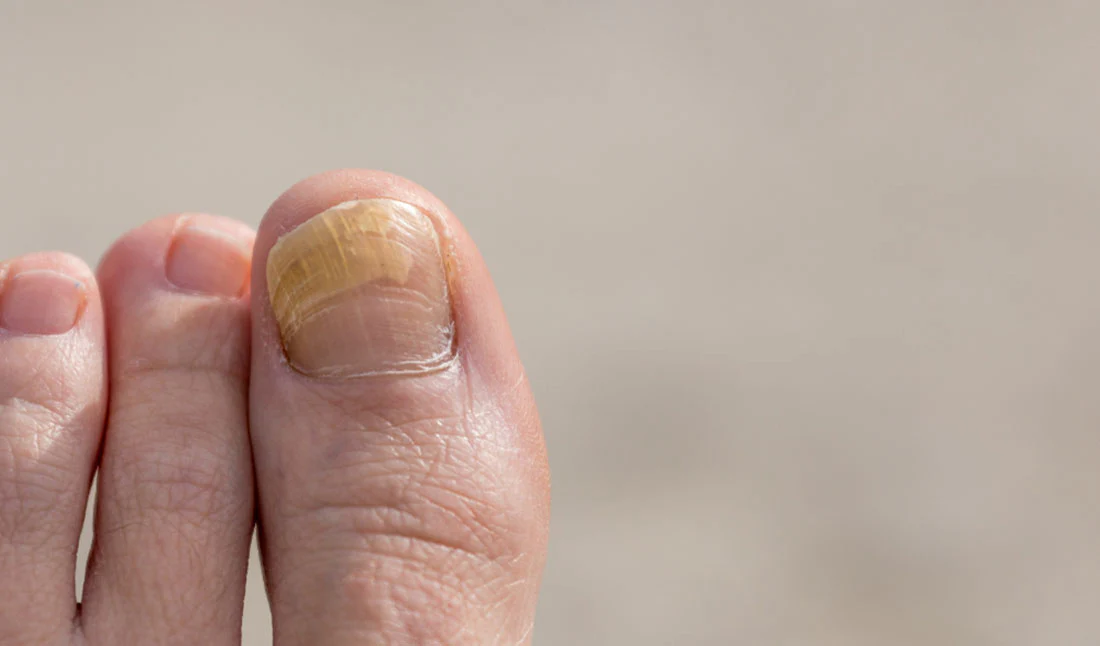
Many mild cases of yellow toenails, especially those caused by nail polish staining or early-stage fungus, can be managed effectively at home.
OTC Antifungal Treatments
Over-the-counter antifungal creams, gels, and nail lacquers contain active ingredients such as clotrimazole, terbinafine, and tolnaftate. These work by inhibiting fungal growth in the nail plate.
For best results, file down the surface of the nail lightly before applying any topical treatment. This removes the outer keratin layer and allows the medication to reach deeper layers where the fungus lives.
Tea Tree Oil
Tea tree oil has well-documented antifungal and antiseptic properties. Apply it directly to the affected nail twice daily using a cotton swab. Some small studies have found it to be as effective as clotrimazole for mild infections, though larger high-quality research is still limited.
Vicks VapoRub
Vicks VapoRub contains camphor, eucalyptus oil, and menthol, all of which have antifungal properties. A 2022 review found it helped improve toenail fungus in many cases. It is an affordable, widely available option worth trying for mild infections.
Apply a small amount to the affected nail nightly and cover with a sock if possible.
Baking Soda Soak
Baking soda has demonstrated antifungal effects in lab studies, preventing fungal growth in nearly 79% of tested specimens. Create a paste of baking soda and water, apply it to the nail, and let it sit for at least 10 minutes before rinsing. Repeating this daily can help slow fungal growth.
Apple Cider Vinegar Soak
Apple cider vinegar creates an acidic environment that fungi cannot thrive in. Mix one part vinegar with four parts warm water and soak your feet for 15 to 20 minutes daily. It also helps reduce the yellowing caused by nail polish staining.
Oregano Oil
Oregano oil contains thymol, a compound with strong antifungal properties. A 2019 study found that a topical treatment using oregano oil improved toenail fungus and overall nail appearance with no significant side effects. Dilute it with a carrier oil before applying to avoid skin irritation.
Coconut Oil
Coconut oil is a natural antifungal agent. Applying a small amount of melted coconut oil to the affected nail and letting it absorb can help fight mild infections. It is gentle, widely available, and safe for daily use.
Prescription Treatments for Stubborn Yellow Toenails
When home remedies do not produce results within 8 to 12 weeks, or when the infection is moderate to severe, prescription treatments are significantly more effective.
Oral Antifungal Pills
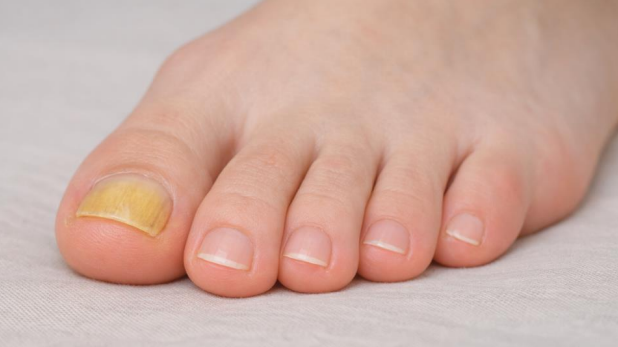
Oral antifungals such as terbinafine (Lamisil) and fluconazole (Diflucan) are the most effective treatment for toenail fungus. Terbinafine is typically taken once daily for 12 weeks. Cure rates with oral medication are substantially higher than topical options alone.
Because oral antifungals can affect liver function, your doctor will likely order liver function tests before and during treatment.
Prescription Nail Lacquers
Ciclopirox (Penlac) is a prescription-strength medicated nail polish applied daily to the infected nail. It is less effective than oral medication but useful for mild to moderate cases or for patients who cannot take oral antifungals.
Laser Therapy
Laser treatment uses targeted heat to destroy fungal cells beneath the nail without damaging surrounding tissue. It can temporarily improve nail appearance but has a lower cure rate than oral antifungals. It may be offered as a complementary treatment alongside medication.
Nail Removal
In severe cases where the infection does not respond to other treatments, partial or complete removal of the infected nail may be necessary. A healthy nail can then regrow from the nail bed.
Comparison: Home Remedies vs. OTC vs. Prescription
| Treatment | Effectiveness | Time to Results | Best For |
|---|---|---|---|
| Tea tree oil | Moderate | 3–6 months | Mild early infection |
| Vicks VapoRub | Moderate | 3–6 months | Mild infection |
| OTC antifungal cream | Moderate | 3–6 months | Mild to moderate |
| Prescription nail lacquer | Good | 6–12 months | Mild to moderate |
| Oral antifungals | Very high | 3–4 months | Moderate to severe |
| Laser therapy | Moderate | Varies | Adjunct treatment |
When to See a Doctor About Yellow Toenails
Most mild cases of yellow toenails can be managed at home, but certain signs indicate that you need professional evaluation.
See a Doctor If You Notice These Signs
The nail has become very thick, crumbling, or separated from the nail bed. You are experiencing pain when walking or wearing shoes. Multiple nails are affected and home treatment has not worked after 8 to 12 weeks. You have diabetes, poor circulation, or a weakened immune system. You notice swelling in your lower legs alongside nail changes.
People with diabetes should not attempt to self-treat toenail infections. Fungal infections in diabetic patients can escalate into serious complications, including foot ulcers and cellulitis.
How to Prevent Yellow Toenails
Prevention is always easier than treatment, especially for fungal infections that can take 12 to 18 months to fully resolve.
Daily Hygiene Habits
Keep your toenails trimmed straight across, not rounded, to reduce the risk of damage and ingrown nails. Clean and dry your feet thoroughly after bathing, paying attention to the spaces between toes where moisture collects.
Wash your feet daily with soap and water, and change socks regularly.
Footwear Tips
Always wear properly fitting shoes that give your toes enough room to move without pressure. Tight shoes damage the nail bed and create the warm, moist conditions that fungi love.
Wear flip-flops or shower shoes in public pools, locker rooms, and communal showers. Walking barefoot in these areas is one of the most common ways people pick up nail fungus.
Nail Care Best Practices
Use clean, sanitized nail clippers and never share them with others. Apply a clear base coat before using dark nail polish to prevent pigment staining. Give your nails regular breaks from polish to let them breathe.
If you visit a nail salon, confirm that all tools and water basins are properly sanitized between clients.
Managing Underlying Conditions
If you have diabetes, monitor your feet daily and schedule regular checkups with a podiatrist. If you have a thyroid condition, staying on top of treatment will help prevent nail changes from developing or worsening.
People with poor circulation should wear compression socks if recommended by their doctor and avoid prolonged standing in damp footwear.
Yellow Toenails and Diabetes: What You Need to Know
Diabetes deserves its own section because the connection to yellow toenails is significant and often underestimated. High blood sugar levels cause a process called glycation, where sugar molecules bind to collagen in the nail, causing it to stiffen and discolor. This gives nails a yellowish tint even in the absence of infection.
On top of that, high blood sugar creates an ideal environment for fungal overgrowth, and reduced blood flow means infections heal more slowly and are more likely to cause serious complications.
If you are diabetic and notice any nail color change, seek a podiatrist’s evaluation rather than attempting home treatment first.
Yellow Toenails in Specific Populations
Yellow Toenails in Athletes
Runners and athletes experience more nail trauma due to repetitive impact. The big toenail is especially vulnerable. Microtrauma to the nail bed from tight running shoes creates entry points for fungi and causes direct discoloration from bruising.
Wearing properly fitted athletic shoes and moisture-wicking socks significantly reduces infection risk.
Yellow Toenails in Older Adults
Age-related yellowing is very common in adults over 60 and is usually harmless. However, older adults are also more susceptible to fungal infections because of reduced immunity and slower nail growth. Any yellowing in older adults should be monitored for associated thickening or brittleness.
Yellow Toenails in Children
Yellow toenails are uncommon in children and should always be evaluated by a doctor. Fungal infections can occur in children but are less frequent. Yellow nail syndrome rarely occurs in children but has been documented.
Quick Reference: Cause and Fix at a Glance
| Cause | Key Sign | Fix |
|---|---|---|
| Fungal infection | Thick, crumbly, spreads to other nails | OTC antifungal, prescription if severe |
| Nail polish staining | Smooth nail, no thickness | Stop polish, base coat next time |
| Aging | Slow change, all nails | Cosmetic care, moisturize |
| Diabetes | Other foot symptoms present | See a podiatrist |
| Nail psoriasis | Pitting, skin plaques | Dermatologist treatment |
| Trauma/injury | One nail, recent injury | Allow nail to grow out |
| Yellow nail syndrome | Swollen legs, cough | Doctor evaluation |
Frequently Asked Questions (FAQs)
Q1. Why is my toenail yellow but not thick?
A thin yellow toenail without thickening is usually caused by nail polish staining or early-stage fungal infection. Remove all polish and monitor the nail over the next few weeks to see if the color fades.
Q2. Can yellow toenails go away on their own?
If caused by nail polish staining or minor irritation, yellow toenails can fade as the nail grows out. Fungal infections will not resolve on their own and typically worsen without treatment.
Q3. Is a yellow toenail contagious?
If the cause is a fungal infection, yes. Toenail fungus can spread to other toes, to other people through shared clippers or towels, and to the skin causing athlete’s foot.
Q4. How long does it take to cure yellow toenails from fungus?
Even with the most effective prescription oral antifungals, the nail must fully grow out before it looks normal. This typically takes 12 to 18 months from the start of successful treatment.
Q5. Can I use nail polish on yellow toenails?
It is best to avoid nail polish during treatment, especially dark shades. Polish traps moisture and makes it harder for topical treatments to penetrate the nail. A breathable antifungal nail polish is the best option if coverage is needed.
Q6. Does vinegar really work for yellow toenails?
Apple cider vinegar soaks can slow fungal growth due to their acidic pH, but clinical evidence is limited. They work best as a complementary measure alongside proven antifungal treatments.
Q7. Why is only one toenail yellow?
A single yellow toenail is often caused by localized trauma, early-stage fungal infection, or nail polish staining. If only the big toenail is affected, repeated pressure from footwear is a common explanation.
Q8. Can diet affect toenail color?
Nutritional deficiencies, particularly in zinc, vitamin E, and biotin, can affect nail health and appearance. A balanced diet supports stronger, healthier nail growth, though diet alone rarely causes yellow discoloration.
Q9. What is the fastest way to fix yellow toenails?
Prescription oral antifungals such as terbinafine provide the fastest and most reliable results for fungal cases. For staining, stopping polish use and soaking nails in diluted vinegar speeds up the process.
Q10. When should I see a podiatrist for yellow toenails?
See a podiatrist if home treatment has not worked after 8 to 12 weeks, if you have diabetes or poor circulation, if the nail is causing pain, or if multiple nails are affected and worsening.
Conclusion
Why is my toenail yellow is one of those questions that seems simple on the surface but can point to a range of very different underlying causes.
The most common culprit by far is onychomycosis, the fungal infection that affects roughly one in ten people and thrives in the warm, moist environment inside your shoes.
Beyond fungus, nail polish staining, natural aging, diabetes, psoriasis, trauma, and rare conditions like yellow nail syndrome can all turn nails yellow in their own distinct way.
The good news is that most causes are very treatable once correctly identified. Mild cases respond well to consistent home care using tea tree oil, Vicks VapoRub, baking soda soaks, or OTC antifungal products.
Stubborn or severe infections require prescription oral antifungals, which carry high cure rates when used properly.
Preventing recurrence comes down to good foot hygiene, proper footwear, and staying on top of any underlying health conditions.
If you have any doubt about the cause or if symptoms are worsening, always consult a dermatologist or podiatrist for a proper diagnosis.


