



Why does my tooth filling hurt after months — this is one of the most common questions patients ask their dentist long after a routine
procedure. A dental filling is meant to stop pain, not create it.
But delayed discomfort is real, and it has specific causes that can be identified and treated.
If your filled tooth is aching, throbbing, or sensitive weeks or even months after the procedure, something is signaling a problem.
What Is a Dental Filling and Why Does Pain Return?
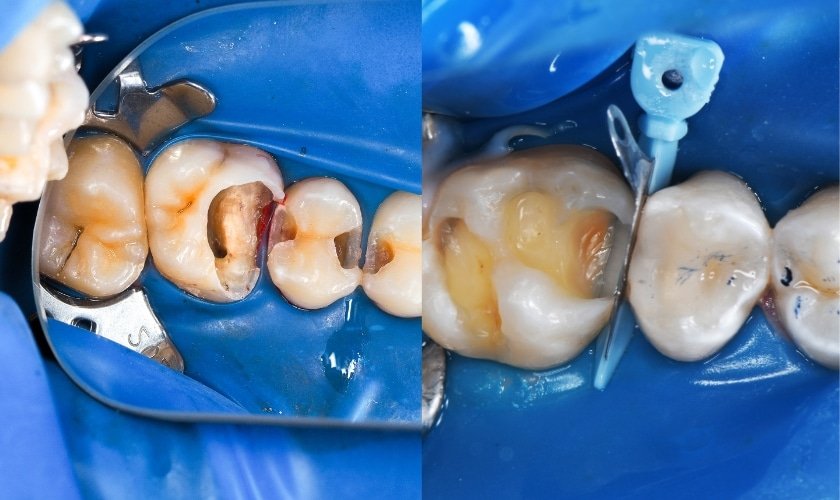
A dental filling repairs a tooth damaged by decay. The dentist removes the decayed tissue and fills the space with composite resin, amalgam, or another material to restore the tooth’s shape and function.
Most patients expect mild soreness for a few days after the procedure. That is completely normal. But if pain returns or never fully went away, the tooth is telling you something important.
The filled tooth is surrounded by living tissue, nerves, and blood vessels. Any change in that environment — even months later — can trigger discomfort.
How Long Should a Tooth Hurt After a Filling?
General post-filling sensitivity lasts up to one to two weeks. Composite (white) fillings can sometimes cause sensitivity for slightly longer than amalgam fillings.
| Filling Type | Normal Sensitivity Duration |
|---|---|
| Composite Resin (White) | 2 to 4 weeks |
| Amalgam (Silver) | 1 to 2 weeks |
| Deep Filling (Near Nerve) | Up to 6 to 8 weeks |
Pain that persists beyond this range — or that worsens over time — is not part of normal healing and needs professional evaluation.
Top Reasons Why Your Tooth Filling Hurts After Months
1. Nerve Irritation or Inflammation (Pulpitis)
When a cavity is deep, the drilling and cleaning process can irritate the tooth’s pulp — the soft inner tissue containing nerves and blood vessels. This irritation is called pulpitis.
Reversible pulpitis heals on its own over weeks. Irreversible pulpitis does not heal and causes lingering, worsening pain that often requires a root canal.
Symptoms include pain triggered by hot or cold that lasts more than 30 seconds, spontaneous aching at night, and throbbing that radiates to the jaw or ear.
2. High Filling or Bite Misalignment
If the filling was placed even slightly too high, every bite puts extra pressure on that tooth. This is called a “high bite” or occlusal interference.
Over time, this pressure inflames the ligaments and tissues around the tooth root. Months later, you may feel soreness when chewing, jaw fatigue, or a bruised sensation in the tooth.
This is one of the most fixable causes. Your dentist can smooth down the filling surface in a single short appointment. Many patients feel immediate relief.
3. Cracked or Failed Filling
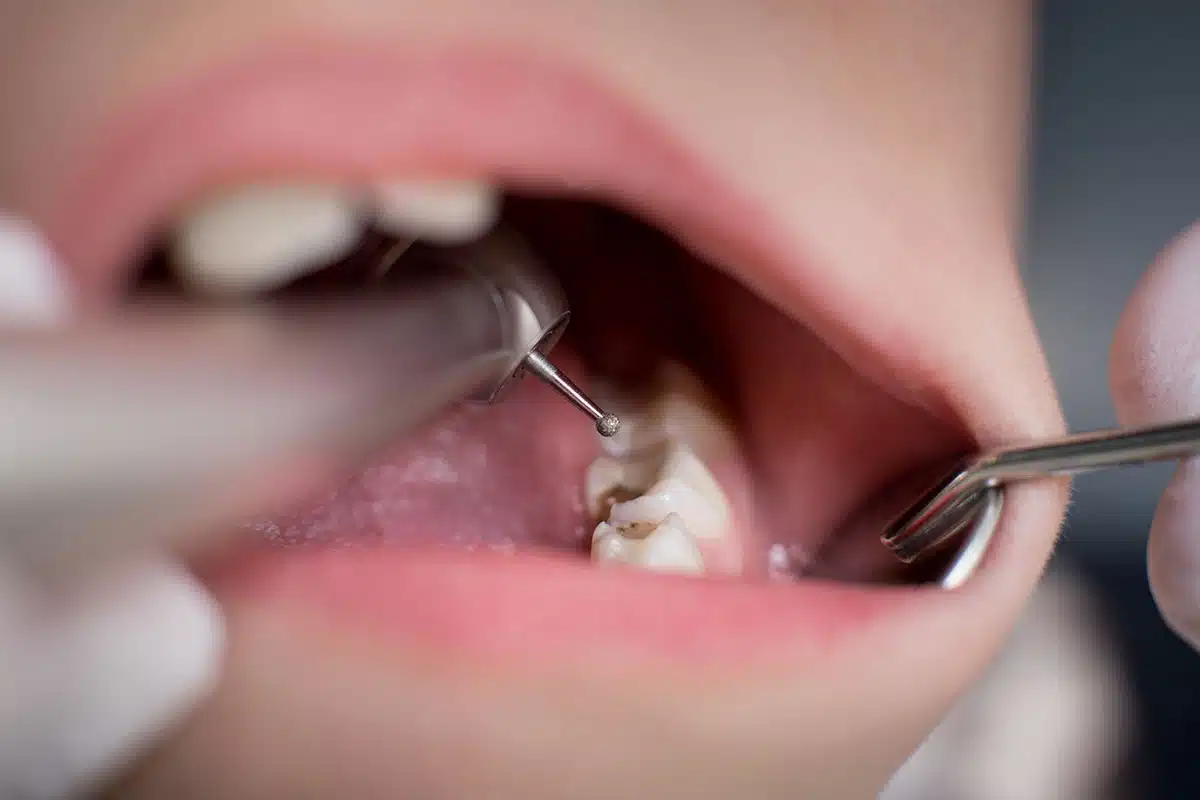
Fillings do not last forever. Composite resin typically lasts 7 to 10 years, and amalgam can last longer — but both can crack, chip, or lose their bond to the tooth.
A cracked or leaking filling allows bacteria and food particles to seep under the restoration. This leads to new decay beneath the filling, which produces pain that can appear months or even years after the original procedure.
You may notice sharp pain when biting down, sudden temperature sensitivity, or a visible crack or chip in the filling material.
4. Secondary Decay Under the Filling
Bacteria can survive or re-enter around the margins of a filling if the seal is compromised. New decay develops silently beneath the restoration, spreading closer to the nerve without obvious warning signs on the surface.
By the time pain appears, the decay may have progressed significantly. Your dentist will use X-rays to identify this. Treatment may involve replacing the filling or, in advanced cases, a root canal.
5. Tooth Crack or Fracture
A hairline crack in the tooth structure itself — not just the filling — is a common cause of mysterious pain months after a dental procedure. Cracks can form during the original drilling, from biting hard foods, or from grinding teeth at night.
Cracked tooth syndrome causes sharp, inconsistent pain when chewing in certain directions. It is often difficult to diagnose because cracks may not appear on standard X-rays.
Your dentist may use a bite stick or dye test to locate the crack. Treatment depends on the crack’s depth and can range from a new crown to extraction in severe cases.
6. Bruxism (Teeth Grinding and Clenching)
Bruxism is the habit of grinding or clenching teeth, often during sleep. It puts enormous pressure on fillings, crowns, and natural teeth alike.
If you grind your teeth, a filling that was fine at placement may start to fail months later due to constant mechanical stress. Symptoms include worn-down teeth, morning jaw soreness, headaches, and pain in multiple teeth simultaneously.
A custom night guard protects your fillings and natural teeth from this damage. It is one of the most important protective steps for patients with bruxism.
7. Allergic Reaction to Filling Material
This is rare but possible. Some patients develop sensitivity or mild allergic reactions to metals in amalgam fillings or chemical components in composite resins.
Signs include unexplained swelling in the gum tissue around the tooth, a metallic taste that does not go away, or soreness that is not linked to temperature or pressure.
Replacing the filling material with a biocompatible alternative typically resolves the issue. Always inform your dentist of known allergies before treatment.
8. Referred Pain From Adjacent Teeth
Sometimes the pain you feel in a filled tooth is actually coming from a neighboring tooth or the jaw joint. This is called referred pain.
A cracked tooth next door, gum disease, or temporomandibular joint (TMJ) dysfunction can all mimic filling pain. Your dentist will examine the surrounding teeth and tissues to rule out these causes.
Warning Signs That Mean You Need to See a Dentist Now
Not all tooth pain is a reason to panic. But some symptoms require prompt professional attention.
| Warning Sign | What It May Indicate |
|---|---|
| Throbbing pain that wakes you at night | Irreversible pulpitis or abscess |
| Pain radiating to jaw, ear, or temple | Nerve involvement or TMJ issue |
| Visible swelling in gum or face | Infection or abscess forming |
| Fever with tooth pain | Spreading dental infection |
| Pain when lying down that worsens | Active inflammation or abscess |
| Severe pain when biting | Cracked tooth or failed filling |
| Pus or bad taste in the mouth | Abscess or bacterial infection |
If you experience any of these, do not wait. Call your dentist the same day or visit an emergency dental clinic.
Reversible vs Irreversible Pulpitis: The Key Difference
Understanding the type of pulpitis helps predict the treatment needed.
Reversible pulpitis causes brief, sharp pain triggered by cold, sweet, or pressure. The pain disappears within seconds of removing the trigger. The nerve is irritated but alive and capable of healing.
Irreversible pulpitis causes lingering pain that continues for 30 seconds or more after the trigger is removed. The pain may be spontaneous, appear at night, or radiate to the jaw and ear. The nerve is damaged beyond natural recovery and requires root canal therapy.
The line between reversible and irreversible pulpitis is not always clear at first. A dentist evaluates this using clinical tests, cold testing, and X-rays.
What Happens If You Ignore Filling Pain for Too Long?
Dental pain that is ignored rarely resolves on its own. In most cases, the underlying problem progresses.
Untreated pulpitis can develop into pulp necrosis — the death of the nerve tissue. A dead nerve does not always cause obvious pain, which can trick patients into thinking the problem resolved itself.
But the bacteria do not stop. An infection can form at the root tip, creating a periapical abscess. This can spread to surrounding bone and tissue, becoming a serious health risk.
Early treatment almost always means simpler, less expensive procedures. Delayed treatment often means root canals, extractions, and dental implants.
Treatment Options for Filling Pain After Months
Bite Adjustment
If a high filling is the cause, your dentist will use articulating paper to identify the high spot and gently reduce it with a polishing tool. This takes just a few minutes and often gives immediate relief.
Filling Replacement
If the filling is cracked, leaking, or has secondary decay beneath it, your dentist will remove the old filling, clean out any new decay, and place a fresh restoration.
Depending on the extent of decay, the new restoration may be a composite filling, an inlay, an onlay, or a dental crown.
Root Canal Therapy
When the nerve is irreversibly damaged or infected, root canal therapy removes the inflamed pulp tissue, cleans and shapes the root canals, and seals them to prevent re-infection.
Root canals have an undeserved reputation. Modern techniques and anesthesia make the procedure comfortable, and it saves the natural tooth from extraction.
Crown Placement
After a root canal, or when a tooth has extensive damage, a dental crown covers and protects the entire tooth structure. A crown distributes bite forces evenly and prevents future cracking.
Night Guard for Bruxism
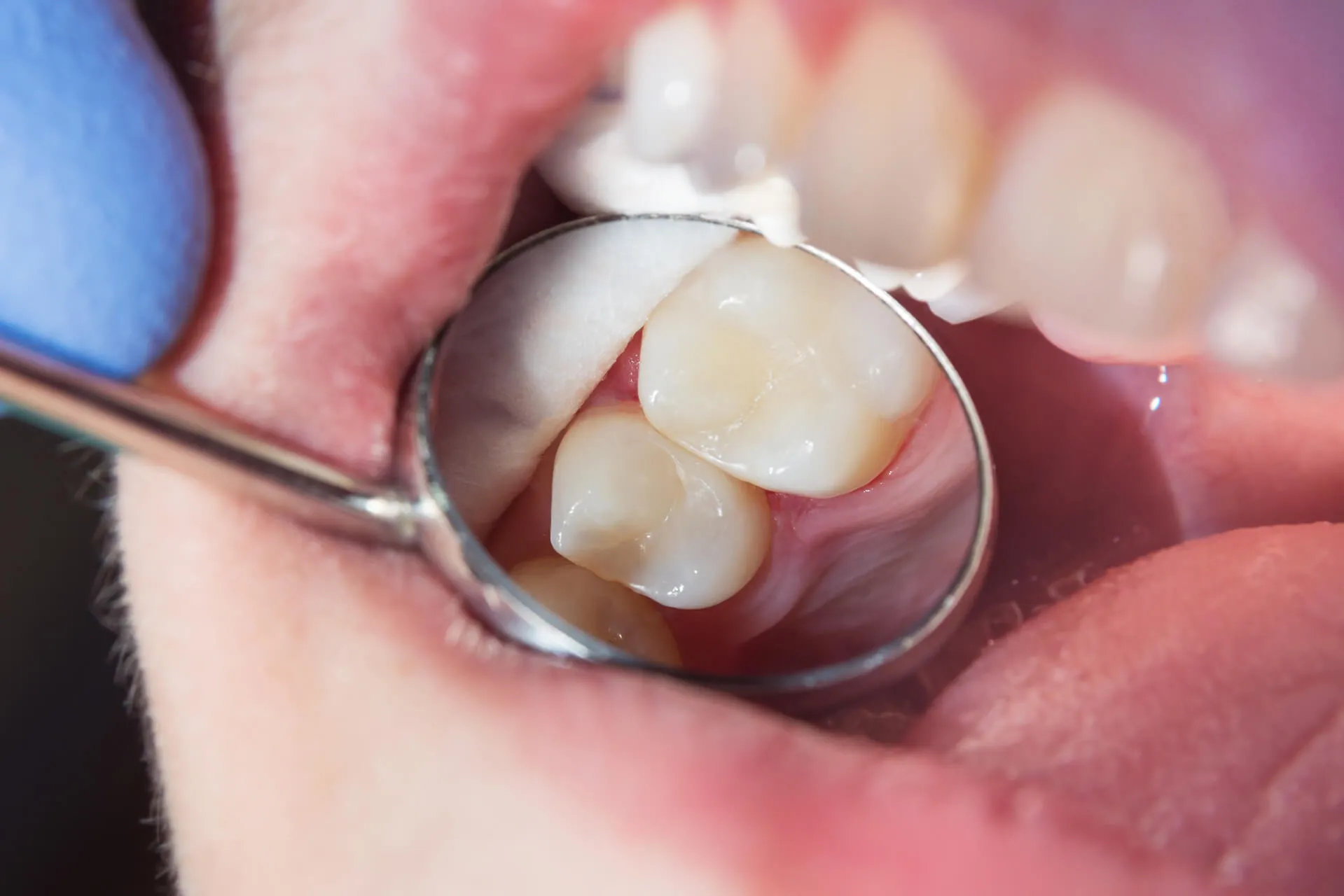
A custom-fitted night guard is made from impressions of your teeth. Worn during sleep, it absorbs grinding forces and protects both natural enamel and dental restorations from further damage.
Antibiotic Therapy
If a bacterial infection is confirmed, your dentist may prescribe antibiotics alongside other treatments. Antibiotics alone do not resolve dental infections — the source of the infection must also be treated.
How to Manage Tooth Filling Pain at Home While You Wait
These steps help reduce discomfort temporarily but are not substitutes for dental care.
Use over-the-counter ibuprofen (Advil) or acetaminophen (Tylenol) as directed on the label. Ibuprofen also reduces inflammation and is often preferred for dental pain.
Rinse gently with warm salt water two to three times per day. This soothes irritated tissues and helps keep the area clean without aggravating the nerve.
Switch to a toothpaste designed for sensitive teeth. Products containing potassium nitrate or stannous fluoride calm nerve responses over time with regular use.
Chew on the opposite side of your mouth to reduce pressure on the painful tooth. Avoid very hot, very cold, sweet, or acidic foods until you see your dentist.
Apply a cold compress to the outside of your cheek for 15 minutes at a time if swelling is present. Do not apply heat to a swollen dental area — heat can worsen infection.
Types of Dental Filling Materials and Their Pain Risk
| Filling Material | Sensitivity Risk | Lifespan | Notes |
|---|---|---|---|
| Composite Resin | Moderate | 7 to 10 years | Bonds directly to tooth; more shrinkage on curing |
| Amalgam (Silver) | Low after initial period | 10 to 15+ years | Contains mercury alloy; not used in all countries |
| Glass Ionomer | Low | 5 to 7 years | Releases fluoride; used near gum line |
| Ceramic (Porcelain) | Low | 10 to 15 years | Tooth-colored; resistant to staining |
| Gold | Very low | 15 to 20+ years | Expensive; requires multiple appointments |
Composite resin fillings have slightly higher short-term sensitivity because the curing process causes polymerization shrinkage — a tiny contraction that can stress the surrounding tooth structure.
The Role of Filling Depth in Long-Term Pain
The closer a filling is to the dental pulp, the more likely it is to cause prolonged sensitivity. Deep fillings sit just millimeters away from nerve endings.
Your dentist may place a base or liner — a protective layer of calcium hydroxide or glass ionomer — beneath deep fillings to insulate the nerve. This reduces the risk of post-operative sensitivity.
Even with a liner, very deep fillings carry a higher risk of nerve irritation that may not show up for weeks or months after the procedure. This is not necessarily a failure of the treatment — it reflects the biology of a tooth under stress.
How to Prevent Filling Pain in the Future
Prevention begins before the dental chair. Keeping decay away reduces the need for deep fillings in the first place.
Brush twice daily with a fluoride toothpaste. Floss every day to remove plaque from between teeth where cavities commonly start. Limit sugary and acidic foods and drinks that erode enamel.
Attend regular dental checkups every six months. Early cavities caught at this stage require small, shallow fillings with minimal sensitivity risk.
Wear a night guard if you grind your teeth. Discuss your grinding habit with your dentist so they can monitor filling wear at each visit.
Inform your dentist of any new sensitivity between visits. A filling caught early at a high bite or early crack is far easier and cheaper to fix than one left untreated for months.
Avoid using your teeth as tools — opening packages, cracking nuts, or biting fingernails all create the micro-stresses that can lead to cracked tooth syndrome and failing restorations.
LSI and Related Concepts Covered in This Article
This article addresses all major related topics patients search when dealing with this issue:
- Tooth sensitive after filling months later
- Filled tooth hurts when biting down
- Dental filling pain after a year
- Composite filling pain months later
- Tooth pain after filling — normal or not
- How long should a filling hurt
- Deep filling causing tooth pain
- Signs you need a root canal after a filling
- Cracked filling symptoms
- Pulpitis after dental filling
- Secondary decay under filling
- Tooth filling pressure pain when chewing
- Nerve pain after tooth filling
- Filling pain relief at home
- When to see a dentist for filling pain
Frequently Asked Questions (FAQs)
Why does my tooth filling hurt months after it was placed?
Delayed filling pain is usually caused by bite misalignment, nerve irritation, a cracked filling, or secondary decay forming beneath the restoration. A dentist can identify the exact cause with an exam and X-ray.
Is it normal for a filling to hurt 6 months later?
No, this is not normal. Sensitivity should fully resolve within 2 to 6 weeks. Pain at 6 months indicates an underlying problem that requires professional evaluation.
Can a tooth filling cause nerve damage months later?
Yes, especially if the filling was deep and close to the pulp. The nerve can become progressively inflamed over time, leading to irreversible pulpitis that requires root canal treatment.
What does it mean when a filled tooth hurts when you bite down?
Pain when biting usually means the filling is too high and misaligned with your bite, or there is a crack in the tooth. Both are treatable — your dentist can adjust or replace the filling.
Can I have a cavity under an existing filling?
Yes, secondary decay can develop beneath a filling if the seal breaks down or bacteria penetrate the margins. This is diagnosed with X-rays and treated by replacing the filling.
How do I know if my filling pain needs a root canal?
Signs you may need a root canal include throbbing pain at night, pain that lingers 30+ seconds after hot or cold exposure, spontaneous pain without a trigger, and pain radiating to the jaw or ear.
Can a cracked tooth cause filling pain months later?
Absolutely. Cracked tooth syndrome causes sharp, unpredictable pain when chewing and can develop at any time. Cracks are sometimes invisible on X-rays and require special diagnostic tests to detect.
What can I take for tooth filling pain at home?
Ibuprofen or acetaminophen (taken as directed) reduce mild filling pain. Warm salt water rinses and desensitizing toothpaste also help. These are temporary measures — see your dentist if pain persists.
Can bruxism cause my filling to hurt months later?
Yes. Teeth grinding places extreme stress on dental restorations. A filling that was placed correctly can begin to fail months later due to bruxism. A night guard is the most effective preventive solution.
When should I call my dentist about filling pain?
Call your dentist if the pain lasts more than two weeks, worsens over time, wakes you at night, spreads to the jaw or ear, or is accompanied by swelling, fever, or a bad taste in the mouth.
Conclusion
Why does my tooth filling hurt after months — if this is still your question after reading this far, the answer is clear: your tooth needs to be examined by a dentist. Delayed filling pain is never something to brush off or manage indefinitely with painkillers.
It is a message from your body that something needs attention.
The most common causes are a high bite, nerve irritation, a cracked or leaking filling, secondary decay, or bruxism.
Each of these is diagnosable and treatable. Many cases are resolved with a simple bite adjustment or a filling replacement.
Others require root canal therapy to save the tooth.
The earlier you act, the simpler and less costly the treatment.
A small problem addressed at two months almost never becomes a dental emergency. A problem ignored for a year often does.
Book your appointment, describe your symptoms clearly, and give your dentist the opportunity to get you out of pain for good. Your smile — and your overall health — are worth it.


