

Why is tacrolimus ointment so expensive is a question every patient asks the moment they hand their prescription to a pharmacist and see the price.
A single 30-gram tube of generic tacrolimus 0.1% ointment carries an average retail price of around $302 in the United States in 2026, and the brand-name version, Protopic, can cost even more.
For a medication that many people with eczema and atopic dermatitis need on a long-term or recurring basis, that cost is more than inconvenient — it becomes a genuine barrier to treatment.
What Is Tacrolimus Ointment and What Is It Used For
Tacrolimus ointment is a topical prescription medication classified as a calcineurin inhibitor. It works by blocking calcineurin, a protein that activates the immune system response responsible for the inflammation seen in eczema and atopic dermatitis.
Unlike topical corticosteroids, tacrolimus does not cause skin thinning. This makes it a preferred option for long-term use and for sensitive areas like the face, eyelids, and neck where steroid creams are not safe to apply repeatedly.
The FDA approved tacrolimus ointment in 2000 under the brand name Protopic, manufactured by Astellas Pharma. It is approved for moderate-to-severe atopic dermatitis in adults and children aged 2 years and older who do not have a compromised immune system. It is available in two strengths: 0.03% for children and mild cases, and 0.1% for adults with more severe disease.
Current Tacrolimus Ointment Prices in 2026
Understanding the full price picture requires looking at what patients pay at different access points.
| Product | Strength | Size | Avg. Retail Price (US, 2026) |
|---|---|---|---|
| Generic tacrolimus ointment | 0.03% | 30g | ~$150 – $200 |
| Generic tacrolimus ointment | 0.1% | 30g | ~$275 – $302 |
| Protopic (brand) | 0.03% | 30g | ~$274 – $350 |
| Protopic (brand) | 0.1% | 30g | ~$274 – $497 |
| With GoodRx coupon (generic) | 0.1% | 30g | as low as $53 |
| With SingleCare coupon | 0.1% | 30g | as low as $39.63 |
| International pharmacy (Canada) | 0.1% | 30g | ~$50 – $80 |
Even the generic version, which should theoretically be cheaper, remains expensive. That gap between what generics should cost and what they actually cost is one of the most frustrating aspects of tacrolimus pricing, and it has a specific explanation.
Factor 1: Complex Manufacturing From a Rare Soil Bacteria
Tacrolimus is not a simple synthetic compound that can be made cheaply in a laboratory. It is a macrolide lactone originally derived from the bacteria Streptomyces tsukubaensis, first isolated from a soil sample near Tsukuba, Japan.
The chemical structure of tacrolimus is extraordinarily complex, with the molecular formula C44H69NO12 and a molecular weight of 822. Producing it requires multiple stages of fermentation, synthesis, purification, and testing. Specialized equipment, highly controlled environments, and skilled pharmaceutical chemists are required at every stage.
Even manufacturing generic tacrolimus demands this same complexity. The raw active pharmaceutical ingredient (API) is expensive to produce and subject to strict purity requirements. This is a primary reason why generic tacrolimus ointment costs far more than most generic medications despite patent expiry.
Factor 2: The FDA Black Box Warning Restricts Market Demand
In 2005, the FDA issued a black box warning for tacrolimus ointment (Protopic) and the related drug pimecrolimus (Elidel). The warning noted that rare cases of malignancy had been observed in patients using these drugs, and that long-term safety data at the time was insufficient to rule out a cancer risk.
A black box warning is the FDA’s strongest safety alert. It restricts how a drug can be marketed, limits which patients doctors feel comfortable prescribing it to, and significantly reduces the pool of eligible users.
Smaller patient volume means smaller manufacturing scale. Smaller manufacturing scale means fixed production costs spread across fewer units. Fewer units at the same fixed cost means a higher price per tube. The black box warning directly suppresses market size and keeps per-unit costs elevated.
It is worth noting that dermatology experts and patient advocates have argued for years that the warning overstates the risk for topical use, since systemic absorption from skin application is minimal. Calls to revise or remove the warning have been made in the medical literature as recently as 2024.
Factor 3: Research and Development Costs Baked Into Pricing
Bringing tacrolimus ointment to market required years of research, animal studies, clinical trials across multiple phases, and regulatory submission fees. These costs run into hundreds of millions of dollars for a new molecular entity.
Pharmaceutical companies set prices partly to recoup R&D investment. Even after patent expiry, the original cost of development is baked into market pricing norms that competitors often follow rather than aggressively undercut. The US pharmaceutical pricing system has no mechanism forcing companies to cost-price medications against their actual production expense.
The lack of price regulation in the US market means manufacturers have broad discretion in setting prices, and market competition alone does not always drive prices to production cost levels, particularly for specialty medications.
Factor 4: FDA Regulatory Compliance and Quality Control Overhead
Every batch of tacrolimus ointment must meet stringent FDA Good Manufacturing Practice (GMP) standards. This includes documented testing for potency, purity, sterility, stability, and consistency across production runs.
Regulatory compliance for a specialty immunosuppressant topical is substantially more demanding than for a simple antibiotic cream. Compliance infrastructure — validated equipment, trained personnel, audits, documentation systems — adds significant overhead that is reflected in the final product price.
Generic manufacturers entering the tacrolimus ointment market must also complete an Abbreviated New Drug Application (ANDA) with the FDA, demonstrating bioequivalence. Filing fees, testing costs, and compliance requirements create barriers to entry that limit competition and keep prices higher than in markets with simpler approval processes.
Factor 5: Limited Generic Competition in the Ointment Market
While generic tacrolimus capsules (used for transplant immunosuppression) have multiple manufacturers competing vigorously, the ointment market has fewer generic competitors. The combination of complex manufacturing requirements, the FDA black box warning suppressing market demand, and relatively low overall prescription volume discourages large generic manufacturers from entering aggressively.
When only a handful of manufacturers compete for a market, price competition is weak. The limited ointment generic landscape means prices remain elevated compared to what full generic competition would produce.
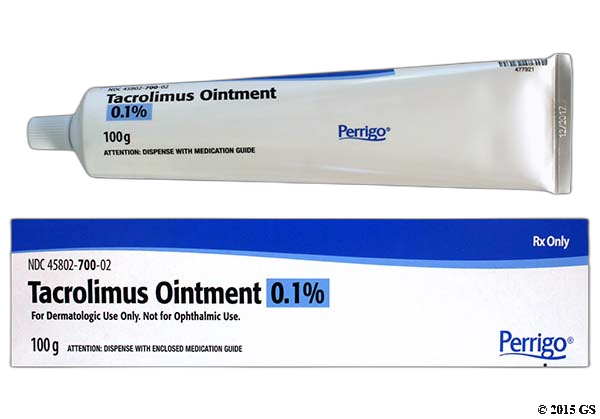
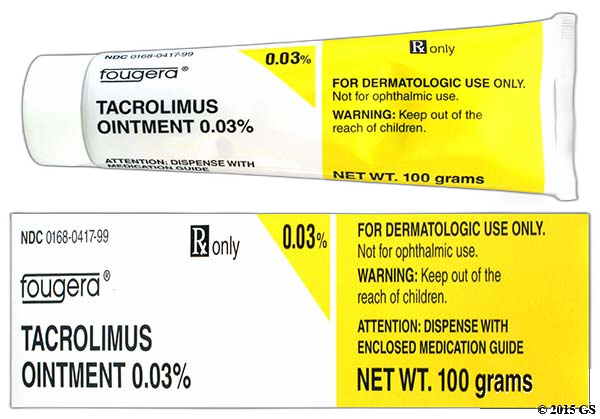
Ireland-based Perrigo and US-based Fougera Pharmaceuticals (a division of Sandoz) are among the known manufacturers of generic tacrolimus ointment in the US market, but the number of active market participants remains small.
Factor 6: Specialty Drug Classification Adds Supply Chain Cost
Tacrolimus ointment is classified as a specialty medication in the US pharmaceutical supply chain. Specialty drugs face different distribution requirements, storage conditions, and dispensing protocols than standard medications.
This classification means tacrolimus ointment often passes through specialty pharmacy networks rather than standard retail channels. Specialty pharmacies add dispensing fees, handling costs, and administrative layers that increase the final patient price.
Insurance formulary placement for specialty drugs is also typically less favorable. Many plans place tacrolimus ointment on higher cost-sharing tiers, meaning patients face higher copays than for standard generic medications even when coverage technically exists.
Factor 7: Insurance Coverage Gaps and Formulary Restrictions
A significant portion of tacrolimus ointment’s effective cost burden comes not from its list price but from insurance coverage gaps. Many commercial insurance plans do not cover tacrolimus ointment, cover it only on high-tier formularies, or require prior authorization before dispensing.
Prior authorization requires the prescribing dermatologist to submit documentation proving the patient has tried and failed other treatments, typically topical corticosteroids. This process delays access and creates administrative friction that many patients simply give up on.
Medicare Part D plans vary significantly in how they handle tacrolimus ointment. Some plans exclude it entirely. As of 2026, Medicare Part D has a $2,100 annual out-of-pocket cap, which provides some protection for high-cost medications but does not eliminate the problem for patients who need multiple tubes per year.
Factor 8: The April 2025 30g Packet Discontinuation
In April 2025, the 30mg packet size of tacrolimus ointment was discontinued. The only remaining standard package size became the 60g tube.
This supply change had direct pricing consequences. Patients who previously could manage costs with a smaller tube were forced to purchase a larger quantity regardless of their actual usage needs. While the per-milligram price did not necessarily change, the effective out-of-pocket cost per purchase increased for patients who previously relied on the smaller size.
Supply chain disruptions and packaging changes in pharmaceutical markets routinely affect patient costs in ways that are not reflected in list price changes. The 2025 discontinuation is a recent example directly impacting tacrolimus ointment access.
Factor 9: US Pharmaceutical System
Most developed countries, government health authorities negotiate or regulate pharmaceutical prices.The United Kingdom, the National Institute for Health and Care Excellence (NICE) evaluates cost-effectiveness. Canada, the Patented Medicine Prices Review Board (PMPRB) limits prices on patented drugs. In Germany, the government negotiates rebates after drugs enter the market.
The United States has no equivalent federal system. Medicare is legally prohibited from directly negotiating prescription drug prices for most drugs, though the Inflation Reduction Act of 2022 created limited negotiation authority for a small list of high-cost drugs. Tacrolimus ointment is not on that list.
This structural difference explains why Protopic sells for more than $300 per tube in the US and approximately $50 internationally. The same product, the same manufacturer, two very different prices determined entirely by the regulatory environment.
| Country / Region | Approx. Price for Tacrolimus 0.1% 30g |
|---|---|
| United States (retail) | $275 – $497 |
| Canada (accredited pharmacy) | ~$50 – $80 |
| United Kingdom (NHS) | Nominal patient contribution |
| European Union (average) | $30 – $70 |
| Australia | $30 – $60 |
Pharmacy benefit managers in particular play a significant pricing role. PBMs negotiate rebates from manufacturers on behalf of insurance plans, but critics argue these rebates do not always flow to patients at the point of sale. The opaque nature of PBM contracts means that list prices remain high even when negotiated net prices are substantially lower.
Retail pharmacies add dispensing fees on top of the drug acquisition cost. These fees vary by pharmacy and are not always transparent to patients until the prescription is filled. Comparison shopping between pharmacies using discount coupon tools frequently reveals price differences of $50 or more for the same product.
The most common expectation when a drug goes off-patent is that generic competition will dramatically reduce price. For most medications this holds true. For tacrolimus ointment, the price reduction has been much more modest than patients expect.
The reasons overlap significantly with the factors above. Complex fermentation-based manufacturing keeps production costs high for all manufacturers. Limited generic competition limits price pressure. The specialty drug classification adds supply chain costs. The FDA black box warning limits market size. And US pricing norms allow manufacturers to price specialty generics at levels far above their production cost.
Generic tacrolimus ointment still costs $150 to $300 at US retail pharmacies without discounts. This is not a failure of the generic system per se. It is a reflection of the fact that not all generics are created equal in terms of manufacturing difficulty, regulatory burden, and market size.
Use GoodRx or SingleCare Coupons
Free prescription discount cards from GoodRx, SingleCare, and WellRx can reduce tacrolimus ointment prices by 80 to 89 percent off the retail price. GoodRx coupons bring the price of generic tacrolimus 0.1% ointment to as low as $53 at major pharmacies. SingleCare has reported prices as low as $39.63 for the same product. These coupons work without insurance and can be used at CVS, Walgreens, Walmart, Kroger, and most other major pharmacy chains.
Compare Prices Between Pharmacies
Prices for the same prescription with the same coupon vary significantly between pharmacy locations. Independent pharmacies sometimes offer better coupon pricing than chain pharmacies. Always run your dosage and quantity through at least two or three discount platforms before filling your prescription.
Order From an Accredited International Pharmacy
Patients who order from licensed Canadian or other international pharmacies verified by PharmacyChecker.com can access tacrolimus ointment at approximately 80 percent below US retail prices. Protopic sells for around $50 abroad compared to more than $300 in the US. Personal importation laws vary by state and country, so checking applicable regulations before ordering is important.
Apply for Patient Assistance Programs
Astellas Pharma, the maker of brand-name Protopic, runs the Astellas Cares patient assistance program. Eligible uninsured or low-income patients can receive Protopic at no cost. NeedyMeds.org maintains a comprehensive database of patient assistance programs for tacrolimus and hundreds of other medications. RxAssist is another free resource to identify manufacturer assistance programs.
Request a 90-Day Supply
Many pharmacies and mail-order pharmacy services offer a lower per-unit cost for a 90-day supply compared to monthly refills. If tacrolimus ointment is part of a long-term management plan for chronic atopic dermatitis, a 90-day fill can reduce both cost and administrative effort.
Explore Medicare Extra Help
For Medicare beneficiaries with limited income, the Medicare Extra Help (Low-Income Subsidy) program can significantly reduce Part D prescription costs for tacrolimus. Eligible patients pay no more than $4.50 for generic drugs or $11.20 for brand-name drugs per prescription, which is substantially below standard cost-sharing for specialty medications.
Talk to Your Dermatologist About Alternatives
If cost is a barrier to consistent tacrolimus use, your dermatologist may be able to prescribe pimecrolimus (Elidel), the other calcineurin inhibitor approved for atopic dermatitis. Pimecrolimus has an average retail price of around $207 with a GoodRx coupon bringing it to approximately $70 — still significant, but lower than tacrolimus for some patients. Topical corticosteroids remain available at much lower cost for body areas where long-term steroid use is less of a concern.
Tacrolimus Ointment vs. Alternatives: Cost Comparison
| Medication | Type | Avg. Retail Price | With Coupon |
|---|---|---|---|
| Tacrolimus 0.1% ointment (generic) | Calcineurin inhibitor | ~$302/30g | ~$40–$53 |
| Protopic 0.1% (brand) | Calcineurin inhibitor | ~$274–$497/30g | ~$53+ |
| Pimecrolimus (generic Elidel) | Calcineurin inhibitor | ~$207/tube | ~$70 |
| Crisaborole (Eucrisa, brand only) | PDE4 inhibitor | ~$782/60g | ~$709 |
| Triamcinolone (generic steroid) | Corticosteroid | ~$10–$25/tube | Under $10 |
| Hydrocortisone 1% (OTC) | Corticosteroid | ~$5–$15/tube | N/A |
Topical corticosteroids remain the cheapest option but carry risks of skin atrophy and systemic absorption with prolonged use. Tacrolimus, despite its high retail price, offers a clinically distinct benefit profile that justifies its use in appropriate patients — the challenge is making that use financially accessible.
Will Tacrolimus Ointment Get Cheaper?
The price trajectory for tacrolimus ointment depends on several factors that are currently in motion.
Additional generic manufacturers entering the market would increase competition and reduce prices. The more manufacturers who invest in the complex manufacturing infrastructure, the lower prices will trend over time. However, there is no guarantee this happens on any particular timeline.
Regulatory pressure and state-level drug pricing transparency laws are increasing scrutiny on pharmaceutical pricing in the US. Some states have passed laws requiring pharmacies to disclose list prices and dispense at coupon prices when they are lower than copays. These changes help patients access lower prices but do not reduce the underlying list price.
International reference pricing — a policy under which the US would pay no more than a reference price tied to prices in other developed countries — has been proposed repeatedly in Congress but has not been implemented for tacrolimus ointment. If such a policy were implemented, US prices could fall dramatically.
For now, patients who need tacrolimus ointment are best served by actively using discount tools, comparing pharmacies, and exploring assistance programs rather than waiting for systemic pricing changes.
The Real Cost of Untreated Atopic Dermatitis
It is worth putting tacrolimus ointment pricing in a broader healthcare cost context. Moderate-to-severe atopic dermatitis that goes untreated or undertreated leads to chronic sleep disruption, secondary skin infections, increased primary care visits, reduced quality of life, and in children, failure to thrive.
The cost of managing those complications exceeds the cost of appropriate topical treatment by a wide margin. Healthcare economists consistently find that access barriers to effective dermatological treatments create downstream costs that fall on patients, families, and the broader healthcare system.
When tacrolimus ointment pricing forces patients to ration their medication, use it inconsistently, or abandon it entirely, the true price of that high sticker is paid in ongoing disease burden, not avoided by a refusal to fill the prescription.
Summary of Key Price Factors
| Price Factor | Impact on Cost |
|---|---|
| Complex fermentation-based manufacturing | High base production cost |
| FDA black box warning | Reduced market size, fewer competitors |
| R&D cost recovery | Built into manufacturer pricing |
| FDA GMP compliance overhead | Adds per-unit cost |
| Limited generic ointment competition | Weak price competition |
| Specialty drug classification | Higher supply chain costs |
| Insurance gaps and prior authorization | Higher effective patient cost |
| April 2025 30g discontinuation | Higher per-purchase cost |
| No US drug price regulation | No ceiling on manufacturer pricing |
| Wholesaler and PBM markups | Adds to final pharmacy price |
Frequently Asked Questions (FAQs)
Why is tacrolimus ointment so expensive when it is generic?
Generic tacrolimus still requires complex fermentation-based manufacturing from a rare soil bacteria, faces limited market competition, and carries specialty drug classification costs — all of which prevent the steep price drops seen with simpler generics.
What is the cheapest way to get tacrolimus ointment in 2026?
Using a GoodRx or SingleCare coupon at a major pharmacy can reduce the price to as low as $39 to $53. Accredited international Canadian pharmacies offer it for approximately $50 without a coupon.
Is Protopic (brand) cheaper than generic tacrolimus ointment?
No. Brand-name Protopic typically costs the same or more than generic tacrolimus. Always ask for the generic unless your dermatologist specifies otherwise, and use a discount coupon regardless.
Does insurance cover tacrolimus ointment?
Coverage varies significantly. Many plans require prior authorization or place it on a high-cost formulary tier. Some plans exclude it entirely. Always verify your specific plan’s formulary and copay tier before filling.
Why did tacrolimus ointment get more expensive in 2025?
In April 2025, the 30g tube size was discontinued. Patients previously managing costs with a smaller tube were forced to purchase the 60g size only, increasing the per-purchase out-of-pocket cost even when per-gram prices held steady.
Is tacrolimus ointment cheaper outside the United States?
Yes, substantially. In Canada and most of Europe and Australia, the same product costs $30 to $80 compared to $275 to $497 at US retail prices, reflecting the absence of drug price regulation in the US system.
Can I get tacrolimus ointment for free?
Possibly. Astellas Cares provides Protopic at no cost to eligible low-income uninsured patients. NeedyMeds.org and RxAssist.org list additional patient assistance programs. Medicare Extra Help reduces costs to as low as $4.50 per prescription for qualifying enrollees.
Is pimecrolimus cheaper than tacrolimus ointment?
Pimecrolimus (generic Elidel) has a lower average retail price of around $207 and a coupon price of around $70, making it cheaper for many patients. Both are calcineurin inhibitors for atopic dermatitis, but your dermatologist should confirm which is appropriate for your condition.
What is the FDA black box warning on tacrolimus ointment?
The FDA issued a black box warning in 2005 noting a potential risk of malignancy based on limited long-term safety data. Dermatologists widely consider the risk overstated for topical use given minimal systemic absorption, but the warning remains on labeling.
How long does one tube of tacrolimus ointment last?
A 30g tube typically lasts between one and three months depending on the extent of skin affected and frequency of use. A standard initial treatment course of six weeks generally requires one tube for limited disease areas.
Conclusion
Why is tacrolimus ointment so expensive comes down to a combination of factors that compound one another.
The FDA black box warning limits market size and discourages aggressive generic competition.
The US pharmaceutical system has no price regulation mechanism comparable to other developed countries, allowing prices to remain $200 to $400 higher per tube than in Canada, Europe, or Australia.
Insurance gaps, specialty drug classification, PBM markups, and the 2025 30g discontinuation add further pressure on patients.
The silver lining is that coupon tools like GoodRx and SingleCare, patient assistance programs, international pharmacies, and 90-day supply options can dramatically reduce what patients actually pay.
Always compare prices before filling, explore every assistance program available, and talk to your dermatologist about whether a lower-cost alternative is appropriate for your specific case.


