


Why is my dog drooling all of a sudden is one of the most urgent questions dog owners type into search engines — and for good reason. Some causes are completely harmless.
Others are genuine medical emergencies that can turn fatal within hours. Drooling in dogs, medically called ptyalism, happens when saliva production increases or a dog cannot swallow saliva normally.
Understanding what changed and when gives you the information you need to act fast or stay calm.
What Is Normal Dog Drooling?
All dogs produce saliva. It aids chewing, helps form food into swallowable boluses, and contains enzymes that begin digestion before food even reaches the stomach.
Saliva is about 98 percent water but also carries antibacterial compounds, electrolytes, and amylase — an enzyme that begins breaking down starches.
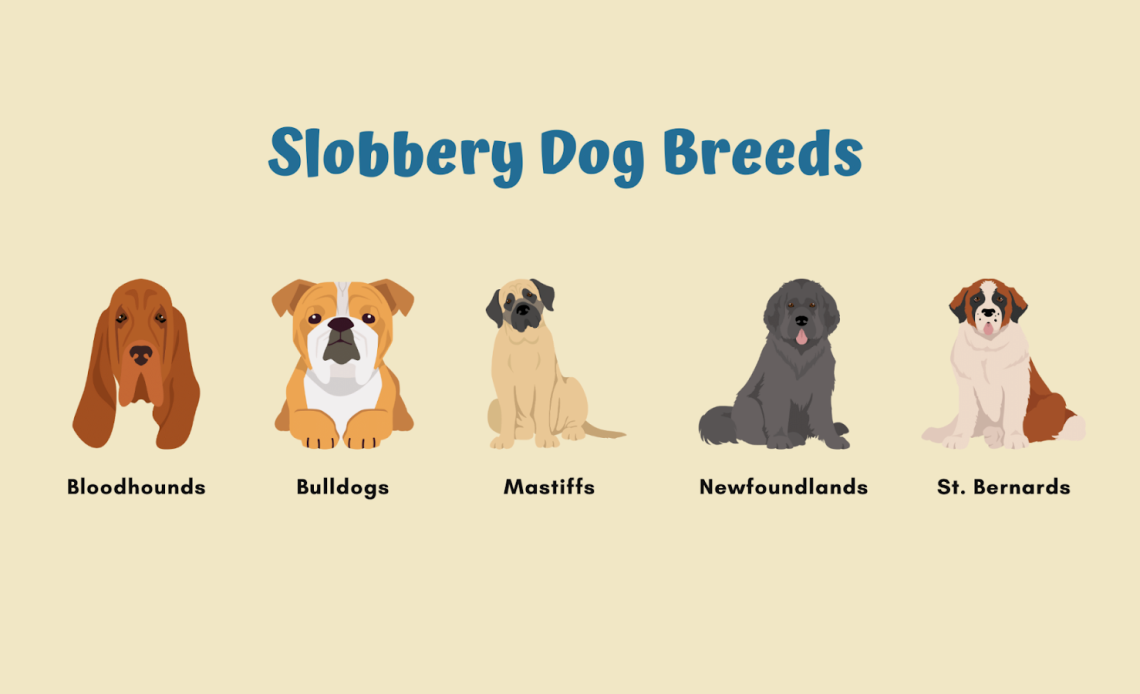
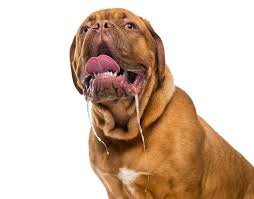
What counts as “normal” drooling varies significantly by breed, individual dog, and context. A Bloodhound drooling after a meal is unremarkable. A Shih Tzu suddenly drooling with no food in sight is worth investigating immediately.
What Is Excessive or Sudden Drooling?
Excessive drooling — called hypersalivation or ptyalism — occurs when a dog produces more saliva than their mouth can contain, or when they cannot swallow properly.
Sudden drooling means a dog that does not normally drool begins doing so, or a dog that drools a normal amount begins drooling noticeably more.
This change from baseline is what matters most. You know your dog. A deviation from their normal drooling pattern is the signal to pay attention, not the absolute volume of saliva.
How Dog Salivary Glands Work
Dogs have four pairs of major salivary glands: parotid, mandibular, sublingual, and zygomatic. These glands respond to smell, taste, the anticipation of food, and signals from the nervous system.
When any of these glands overproduce saliva, or when the dog’s ability to swallow is compromised, excess saliva escapes the mouth as drool.
The medical term sialadenosis refers to swelling of these salivary glands — a condition that can itself cause sudden drooling and may require veterinary assessment.
Cause 1 — Dental Disease and Oral Problems
Dental issues are one of the most common causes of sudden excessive drooling in dogs. By age three, over 80 percent of dogs show some signs of dental disease.
Tartar buildup, gingivitis, periodontitis, abscessed teeth, and broken teeth all cause pain and inflammation in the mouth. This triggers increased saliva production as the body responds to oral injury.
A foreign object — a splinter from a stick, a bone fragment, a piece of toy — lodged in the gums or between teeth is another extremely common cause of sudden drooling that comes on without warning.
Signs of Oral Problems Behind Sudden Drooling
Pull your dog’s lip gently back toward their ear and look at the gum line. Red, swollen, or receding gums, brown-yellow tartar coating the teeth, or visible chips and fractures are all signs of dental trouble.
Bad breath combined with sudden drooling strongly points to an oral infection or abscess. This combination should always be evaluated by a vet.
Regular dental checkups and daily or every-other-day tooth brushing are the most effective preventive measures you can take.
| Oral Cause | Key Symptom Alongside Drooling |
|---|---|
| Tartar and gingivitis | Bad breath, red gum line |
| Abscessed tooth | Swelling near jaw, pawing at face |
| Broken or fractured tooth | Visible damage, reluctance to chew |
| Foreign object stuck in mouth | Pawing at mouth, head shaking |
| Oral tumor or growth | Visible lump, asymmetry in mouth |
| Tongue or lip injury | Visible wound, bleeding |
Cause 2 — Nausea and Gastrointestinal Upset
Nausea is one of the most reliable triggers for sudden drooling in dogs. When a dog feels queasy, the salivary glands go into overdrive — the same way yours do right before you vomit.
Gastrointestinal issues that cause nausea include gastritis, inflammatory bowel disease, pancreatitis, intestinal obstruction from a swallowed object, gastric ulceration, and esophagitis.
If your dog suddenly starts drooling and also shows lip-licking, repeated swallowing, a hunched posture, or loss of appetite, nausea is likely involved and the underlying cause needs to be identified.
When Nausea-Driven Drooling Becomes an Emergency
Bloat — or gastric dilatation-volvulus (GDV) — is a life-threatening emergency in which the stomach fills with gas and twists on itself. It causes sudden, intense nausea and extreme drooling.
GDV occurs most often in large, deep-chested breeds like Great Danes, German Shepherds, and Standard Poodles. It can kill within hours without surgical intervention.
Signs alongside drooling that suggest GDV include an obviously distended or hard abdomen, unproductive retching with nothing coming up, extreme restlessness, and pale or white gums. Go to an emergency vet immediately.
Cause 3 — Toxin or Poison Ingestion
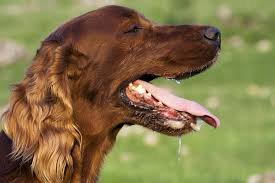
Sudden, extreme drooling is one of the first and most consistent signs of toxin ingestion in dogs. The mouth and salivary glands react almost immediately when a toxic substance is encountered.
Toxic plants — including sago palm, azaleas, rhododendron, oleander, foxglove, and lily of the valley — can trigger rapid and severe drooling within minutes of ingestion.
Household chemicals, certain human medications, xylitol (found in sugar-free gum and products), chocolate, onions, grapes, raisins, and pesticides are also major drooling triggers when ingested.
Common Toxins That Cause Sudden Drooling in Dogs
| Toxin | Additional Symptoms |
|---|---|
| Sago Palm | Vomiting, liver failure signs, jaundice |
| Xylitol | Weakness, seizures, low blood sugar |
| Organophosphate pesticides | Muscle tremors, constricted pupils, seizures |
| Household cleaning products | Pawing at mouth, burns on lips/tongue |
| Toads (Bufo marinus) | Foaming, disorientation, collapse |
| Snail bait (metaldehyde) | Muscle tremors, hyperthermia, seizures |
| Chocolate | Vomiting, rapid heart rate, restlessness |
If you suspect poison ingestion, do not wait to see if symptoms improve. Call ASPCA Animal Poison Control (888-426-4435) or your emergency vet immediately. Time matters enormously.
Cause 4 — Heatstroke and Hyperthermia
Dogs cool themselves primarily through panting rather than sweating. When their body temperature rises beyond safe limits, the body produces massive amounts of saliva in an attempt to increase evaporative cooling.
Heatstroke is a veterinary emergency. A dog’s normal body temperature is between 101 and 102.5 degrees Fahrenheit. Temperatures above 104°F are dangerous. Above 106°F, organ damage begins rapidly.
Sudden, thick, excessive drooling in hot weather or after exercise — combined with rapid panting, bright red gums, glazed eyes, and weakness or collapse — is a heatstroke emergency.
What to Do if You Suspect Heatstroke
Move your dog to a cool, shaded area immediately. Apply cool (not ice cold) water to their body — particularly the paw pads, armpits, and groin area.
Do not use ice water or ice packs, as these can constrict blood vessels and trap heat in the body core. Use a fan to increase air circulation.
Get to a vet immediately — heatstroke causes rapid progression to neurological damage, kidney failure, and death if not treated aggressively.
Cause 5 — Motion Sickness and Car Travel
Many dogs experience motion sickness during car rides, boat travel, or any moving vehicle. The inner ear sends conflicting signals to the brain, triggering nausea and the associated drooling response.
Dogs that are new to car travel or that only travel in vehicles infrequently are most susceptible. Puppies tend to experience motion sickness more than adult dogs because their inner ear structures are still developing.
Signs of motion sickness alongside drooling include yawning, whining, inactivity, lip licking, and vomiting. If your dog only drools in the car, motion sickness is almost certainly the cause.
Managing Motion Sickness in Dogs
Limit food two to three hours before travel. Keep the car cool and well-ventilated. Allow your dog to face forward if possible, using a travel harness or carrier that limits their view of passing scenery.
For severe cases, your vet can prescribe anti-nausea medications like maropitant (Cerenia), which is specifically approved for motion sickness in dogs and works very effectively.
Gradual desensitization — starting with sitting in a stationary car, then short trips, then longer ones — helps dogs that have developed anxiety around car travel.
Cause 6 — Anxiety and Stress
Psychological stress activates the autonomic nervous system, which directly stimulates saliva production. Sudden drooling in a dog that is panting, pacing, whining, hiding, or trembling is likely stress-driven.
Common stressors include thunderstorms, fireworks, vet visits, grooming appointments, the introduction of new pets or people, separation anxiety, or any sudden change in the home environment.
Some dogs drool specifically in the waiting room at the vet’s office — a conditioned anxious response to a place they associate with unpleasant experiences.
Recognizing Stress Drooling Versus Medical Drooling
Stress drooling typically begins predictably — when the stressful stimulus appears — and resolves once the stressor is removed. The dog otherwise appears physically normal.
Medical drooling is more unpredictable, may worsen over time, and is often accompanied by other physical symptoms — changes in appetite, lethargy, vomiting, or signs of pain.
If your dog drools primarily in specific stress-triggering situations and is otherwise well, behavioral management and anxiety support are the appropriate response.
Cause 7 — Upper Respiratory Infections
Infections of the nose, throat, or sinuses can cause inflammation and discomfort that leads to excessive saliva production and drooling.
Dogs that live with other pets or in shelter environments have a higher risk of respiratory infections — including kennel cough (infectious tracheobronchitis) — which can cause coughing, nasal discharge, and drooling.
Pharyngitis (throat inflammation) and tonsillitis in dogs cause throat pain that makes swallowing difficult, leading to saliva pooling in the mouth and drooling.
Signs That Drooling Is Linked to a Respiratory Infection
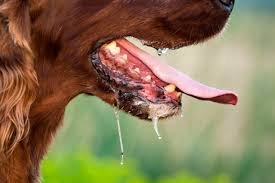
Look for accompanying signs: coughing, sneezing, nasal discharge (clear or colored), reduced appetite due to throat pain, and mild fever.
Most respiratory infections are treatable with antibiotics or supportive care. Left untreated, they can worsen and potentially progress to pneumonia.
Keep your dog away from other dogs during any suspected respiratory infection and contact your vet for proper diagnosis and treatment.
Cause 8 — Neurological Disorders and Seizures
The nervous system controls salivary gland function. Any neurological disruption — brain injury, stroke, tumor, or seizure activity — can trigger sudden, abnormal drooling.
During a seizure, dogs often produce large amounts of saliva. Drooling may occur before, during, and after a seizure episode. Pre-seizure drooling (the aura phase) sometimes looks like inexplicable sudden hypersalivation before convulsions begin.
Facial nerve paralysis — similar to Bell’s palsy in humans — disrupts the nerves controlling the muscles of the face and jaw, leaving dogs unable to fully control saliva, leading to persistent one-sided or bilateral drooling.
Other Neurological Signs to Watch Alongside Drooling
Head tilting, circling in one direction, loss of balance, stumbling, sudden changes in behavior, confusion, or eye movements that look abnormal (nystagmus) alongside drooling all point to a neurological cause.
These symptoms require urgent veterinary evaluation. Neurological conditions can progress quickly and some require imaging — MRI or CT scan — for diagnosis.
Do not delay if you see these signs together. Call your vet or an emergency animal hospital immediately.
Cause 9 — Kidney Disease and Metabolic Conditions
As kidney disease progresses, toxins that the kidneys should filter accumulate in the bloodstream. This buildup — called uremia — causes severe nausea, oral ulcers, and sudden increases in drooling.
Uremia also produces a characteristic ammonia-like smell on the dog’s breath. If your dog is suddenly drooling more and their breath smells unusually strong or chemical, kidney disease is a real possibility.
Liver disease, diabetes mellitus, and Addison’s disease can also cause nausea, metabolic imbalance, and subsequent sudden drooling as secondary symptoms.
Age-Related Drooling Changes in Dogs
Older dogs are at significantly higher risk for kidney disease, liver disease, and oral cancer — all of which can cause sudden increased drooling.
If your senior dog suddenly starts drooling more without an obvious environmental trigger, a senior wellness bloodwork panel is a highly recommended first step.
Blood and urine tests can reveal kidney and liver function, blood sugar levels, and other metabolic markers that explain otherwise mysterious symptom changes in aging dogs.
Cause 10 — Oral and Throat Tumors
Tumors in the mouth, throat, or salivary glands can cause sudden changes in drooling by disrupting normal swallowing, pressing on salivary gland ducts, or triggering inflammation and pain.
Oral tumors are among the most common cancers in dogs. Signs include visible growths or asymmetry in the mouth, bad breath, bleeding from the mouth, difficulty eating, and sudden drooling.
Salivary gland tumors — though less common — cause swelling near the jaw and neck area alongside sudden and often persistent hypersalivation.
Salivary Gland Conditions That Cause Sudden Drooling
Sialadenosis is non-inflammatory salivary gland enlargement — most commonly seen in small breeds between three and eight years old. It causes intermittent retching, gulping, grass eating, and drooling.
Sialocele (salivary mucocele) is a pocket of leaked saliva that accumulates under the tongue or in the neck area. It presents as a soft, fluid-filled swelling and can cause drooling if it obstructs normal saliva flow.
Both conditions require veterinary diagnosis. Treatment ranges from supportive care to surgical intervention depending on severity.
Cause 11 — Medication Side Effects
Certain medications have salivation as a known side effect. If your dog started drooling shortly after beginning a new medication, the drug may be the cause.
Medications that can increase salivation in dogs include some antiparasitic treatments, certain antibiotics, some cardiac medications, and opioid-based pain relievers.
Bitter-tasting oral medications — including some tablets that dogs partially spit out and then lick — can trigger a temporary drooling response due to taste aversion, not a medical problem.
What to Do About Medication-Related Drooling
If drooling begins within hours of giving a medication and your dog is otherwise behaving normally, call your vet to describe the reaction.
Do not stop a prescribed medication without guidance. Your vet can advise whether to continue, change the dose, switch to a different formulation, or use a pill pocket to mask the taste.
If the drooling is severe or accompanied by other concerning symptoms, treat it as a possible drug reaction and contact your vet or emergency clinic immediately.
Cause 12 — Toad or Snake Encounters
In many regions, encounters with toxic toads — particularly the Cane Toad (Bufo marinus) or the Colorado River Toad (Bufo alvarius) — are a seasonal cause of sudden, severe drooling.
These toads secrete bufotoxin from glands on their skin. When a dog mouths or licks a toxic toad, the toxin is absorbed through the oral mucosa almost instantly, causing extreme hypersalivation, foaming at the mouth, disorientation, and potentially cardiac arrest.
Snake bites to the face or mouth can also cause sudden dramatic drooling as the local tissue reacts to venom.
Emergency Response for Toad or Snake Exposure
For toad exposure, rinse the dog’s mouth thoroughly with clean water for five to ten minutes, wiping the gums and tongue gently with a damp cloth. Do not let the dog swallow the rinse water.
Get to a vet immediately afterward. Even if the drooling appears to lessen, systemic effects can develop rapidly.
For suspected snake bites, keep the dog as calm and still as possible and go straight to an emergency vet. Do not attempt to suck out venom or apply tourniquets.
Cause 13 — Rabies
While rare in vaccinated populations, rabies causes characteristic hypersalivation due to throat paralysis that prevents swallowing. The classic image of a foaming, drooling dog is associated with rabies infection.
Rabies should be considered in any unvaccinated dog that shows sudden severe drooling alongside behavioral changes — unprovoked aggression, disorientation, sensitivity to light, and extreme vocalization.
Any animal bite from a wild animal, particularly bats, raccoons, foxes, or skunks, should prompt an immediate vet visit and discussion about rabies exposure protocol.
The best protection is simple: keep your dog’s rabies vaccination fully up to date. It is highly effective and legally required in most jurisdictions.
When Is Sudden Drooling a Medical Emergency?
Certain combinations of symptoms with sudden drooling require you to skip the wait-and-see approach entirely and go straight to an emergency vet.
Act immediately if drooling is accompanied by collapse or extreme weakness, pale or white gums, an obviously swollen or hard abdomen, continuous unproductive retching, loss of consciousness, seizures, suspected poison ingestion, or exposure to a toxic toad or snake.
These scenarios represent conditions where delay measurably worsens outcomes and where minutes genuinely matter.
Quick Reference — Drooling Severity Guide
| Drooling Pattern | Likely Urgency | Recommended Action |
|---|---|---|
| Drooling only around food or treats | Normal | None needed |
| Drooling only in the car | Non-urgent | Motion sickness management |
| Drooling only during storms or stress | Non-urgent | Anxiety support, vet consult |
| Sudden drooling with bad breath | Moderate — schedule vet visit | Dental exam within days |
| Sudden drooling with vomiting | Moderate to urgent | Vet visit same day |
| Sudden drooling with lethargy | Urgent | Same-day vet visit |
| Sudden drooling after possible poisoning | Emergency | Emergency vet now |
| Sudden drooling with pale gums | Emergency | Emergency vet now |
| Sudden drooling with swollen abdomen | Emergency | Emergency vet now |
| Sudden drooling with seizures | Emergency | Emergency vet now |
What to Tell Your Vet About Sudden Drooling
Your vet will ask specific questions. Preparing your answers in advance speeds diagnosis and improves outcomes.
Be ready to describe when the drooling started, whether it appeared suddenly or gradually increased, what your dog had access to in the hours before onset, any recent changes in medication, food, or environment, and whether any other symptoms are present alongside the drooling.
Bringing a video of the drooling episode on your phone is extremely helpful — especially for intermittent drooling that may not be present at the appointment.
Tests Your Vet May Run
A full oral examination under sedation may be needed for a thorough dental assessment. Blood chemistry and urinalysis panels check for metabolic and organ-related causes.
Imaging — X-rays, ultrasound, or advanced imaging like CT and MRI — may be recommended if internal obstruction, tumor, or neurological cause is suspected.
Throat and nasal swabs help identify respiratory infections. Saliva cytology can assess cells in the drool for signs of infection or cancer.
Drooling Breeds Versus Sudden Drooling
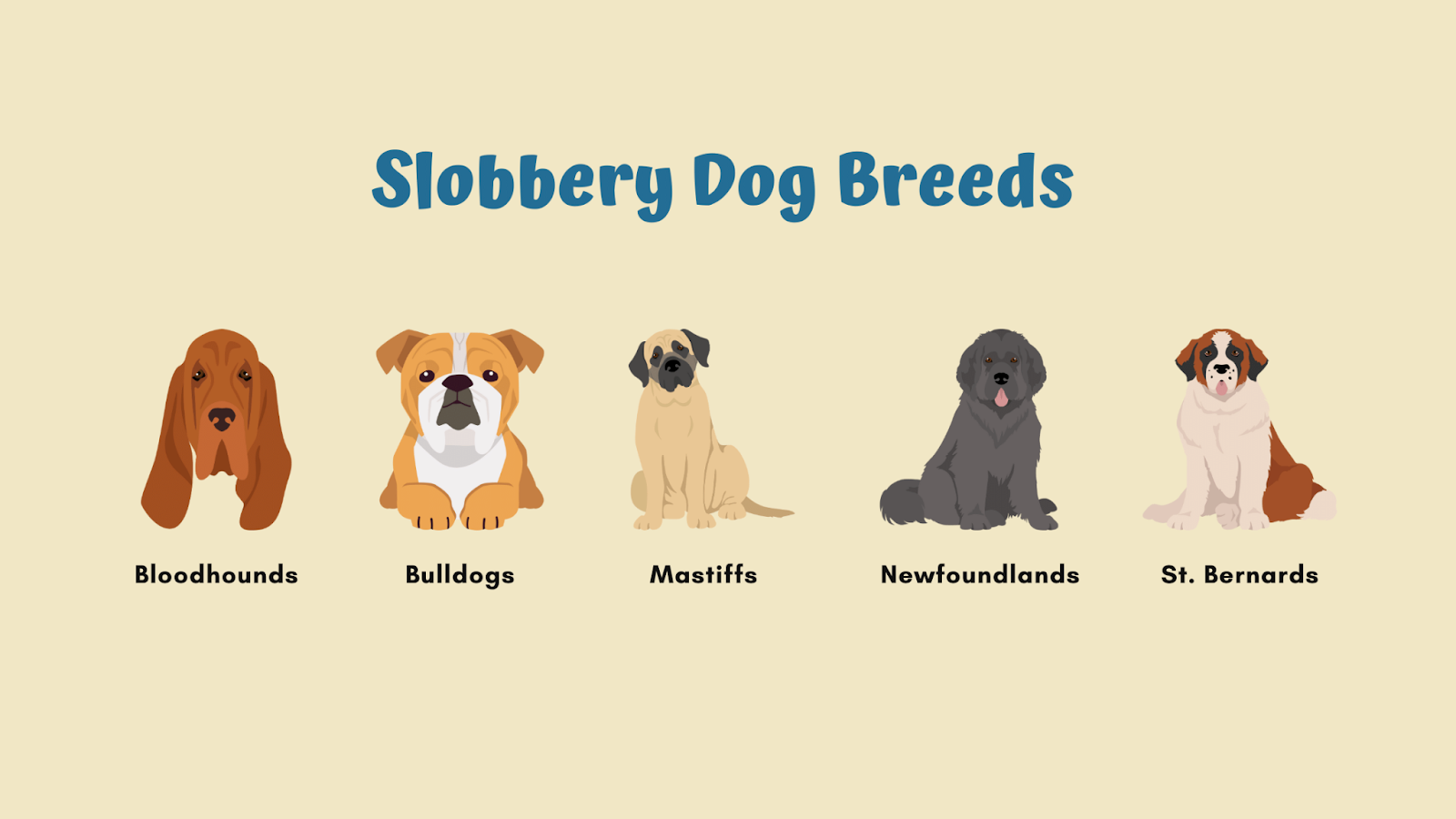
Certain breeds are anatomically predisposed to drooling due to their loose, pendulous lips and jowls. These include Bloodhounds, Saint Bernards, Mastiffs, Newfoundlands, Basset Hounds, and Great Danes.
In these breeds, a baseline level of drooling is completely normal and not medically concerning. Owners of these breeds should focus on changes from their dog’s personal normal — not on absolute drool volume.
Even in heavy-drooling breeds, sudden dramatic increases, changes in drool consistency (thicker, foamy, or bloody), or drooling combined with any other symptom still warrants evaluation.
| Breed | Drool Level | Watch For |
|---|---|---|
| Bloodhound | Very high (normal) | Changes in consistency or volume |
| Saint Bernard | Very high (normal) | Any sudden extreme increase |
| Mastiff | High (normal) | Combined symptoms |
| Labrador Retriever | Low-moderate | Any significant sudden change |
| German Shepherd | Low | Sudden onset — investigate promptly |
| Chihuahua | Very low | Even minor drooling warrants attention |
| French Bulldog | Moderate (due to anatomy) | Respiratory sounds alongside drooling |
How to Manage Drooling While Awaiting a Vet Appointment
If your dog’s drooling is non-emergency and you are waiting for a scheduled vet appointment, you can manage the symptom while monitoring for worsening signs.
Keep a clean, damp cloth nearby to wipe your dog’s muzzle and prevent skin irritation from constant saliva contact. Prolonged wet skin contact can cause a rash or skin fold dermatitis in some dogs.
Do not give human antihistamines, antacids, or anti-nausea medications without consulting your vet first — dosing errors are easy and some human medications are toxic to dogs.
Keeping Your Dog Comfortable at Home
Ensure fresh water is always available — drooling dogs can become dehydrated more quickly than non-drooling ones.
Keep your dog in a cool, calm environment. Reduce exposure to known stressors while the cause is being investigated.
Avoid giving chews, sticks, bones, or toys until oral causes have been ruled out — these can worsen dental injuries or drive a foreign object deeper into the gum tissue.
Preventing Sudden Drooling — Long-Term Strategies
Many causes of sudden drooling are preventable with consistent care and attention.
Annual dental cleanings under anesthesia and regular at-home tooth brushing are the most impactful things you can do to prevent dental-disease-related drooling.
Keeping your yard and home environment free of toxic plants, securing chemicals and medications in locked cabinets, and keeping your dog on a leash in areas where toxic toads or snakes may be present dramatically reduces toxin-exposure risk.
Staying current on vaccinations — especially rabies — and scheduling annual or biannual wellness exams for early detection of metabolic and organ conditions completes a comprehensive prevention approach.
Frequently Asked Questions (FAQs)
Why is my dog drooling all of a sudden with no obvious reason?
Sudden drooling without an obvious trigger most often points to nausea, a foreign object in the mouth, early dental disease, or a toxin exposure. A same-day or next-day vet visit is recommended if it does not resolve within an hour.
Is sudden excessive drooling in dogs an emergency?
It can be. Drooling combined with pale gums, a swollen abdomen, seizures, collapse, or known poison exposure is always an emergency requiring immediate veterinary care.
Why is my old dog suddenly drooling a lot?
Senior dogs drooling suddenly should be evaluated promptly for kidney disease, oral tumors, liver disease, or neurological changes — all of which are more common in aging dogs and can present with sudden hypersalivation.
Can anxiety cause sudden drooling in dogs?
Yes. Stress and anxiety activate the autonomic nervous system, directly stimulating salivary glands. If the drooling appears during specific stressful events and resolves afterward, anxiety is the likely cause.
Why is my dog drooling and shaking at the same time?
Drooling combined with shaking or trembling is a serious symptom combination pointing to toxin ingestion, severe pain, a neurological event, or heatstroke. This combination warrants emergency vet attention.
What does it mean when a dog drools thick or foamy saliva?
Thick or foamy saliva differs from normal clear drool and often indicates toad toxin exposure, severe nausea, poisoning, or in rare cases rabies. Seek emergency veterinary care if the saliva looks abnormal.
Can dental problems cause sudden drooling in dogs?
Absolutely. Abscessed teeth, a foreign object lodged in the gums, or a fractured tooth can cause sudden onset of drooling, often with bad breath and pawing at the face. A dental exam will identify the cause.
Why does my dog drool only in the car?
Car-only drooling almost always indicates motion sickness. The inner ear sends conflicting signals during travel, triggering nausea and the associated salivation response. Your vet can prescribe anti-nausea medication.
Can bloat cause sudden drooling in dogs?
Yes, and this is a life-threatening emergency. Gastric dilatation-volvulus (GDV) causes intense nausea, extreme drooling, unproductive retching, and a visibly distended abdomen. Get to an emergency vet immediately.
How do I stop my dog from drooling excessively?
Treating the underlying cause is the only effective solution. Address dental disease, manage anxiety, prevent toxin access, use anti-nausea medication for motion sickness, and keep vaccinations current. Never mask drooling without identifying its cause.
Conclusion
Why is my dog drooling all of a sudden is never a question to brush aside. In many cases the cause is benign — food anticipation, mild nausea, a car ride, or a brief stress response.
But sudden drooling can also be the first visible sign of dental disease, toxin ingestion, heatstroke, kidney failure, bloat, or a neurological event — conditions where acting fast makes the difference between a full recovery and a tragedy.
The key is learning your dog’s normal baseline and taking deviations seriously. Combine what you observe — the timing, consistency of drool, accompanying symptoms, and recent exposures — and share that information with your vet.
When in doubt, always call your vet. An unnecessary check-up costs far less than a missed diagnosis, and your dog cannot tell you what is wrong in words — but their body is always communicating. Pay attention.


