



Why is my sewer bill so high — this is one of the most common questions homeowners ask when a shocking utility bill lands in the mailbox.
Your sewer bill is directly tied to how much water your household uses, and even small hidden leaks or habit changes can send that number climbing fast.
In 2026, rising municipal rates, aging plumbing, and water-hungry appliances are making the problem worse for millions of households.
The good news is that most causes are fixable.
How Sewer Bills Are Calculated
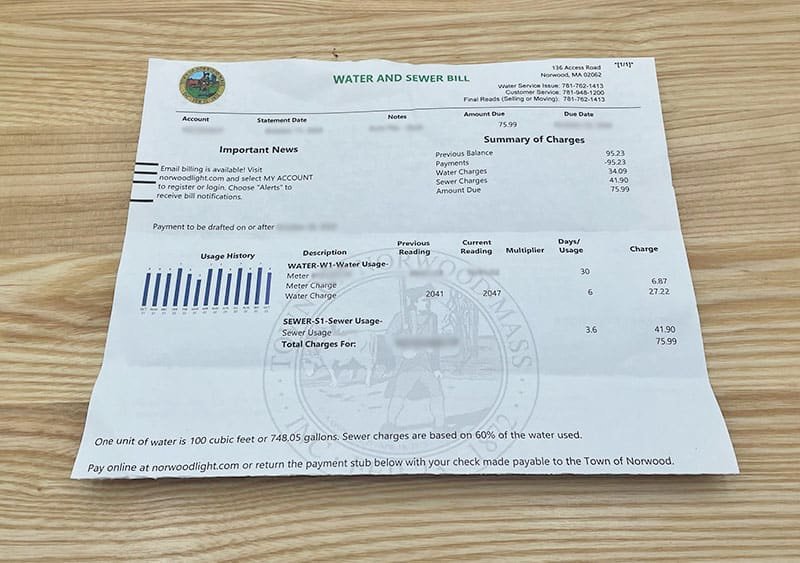
Before you can fix the problem, you need to understand how your sewer bill actually works. Most people assume it is a separate measurement from their water usage — but it is not.
Your sewer charge is based on the total amount of water that flows into your home. The logic is simple: water comes in, gets used, and flows back out through the sewer system. Utilities measure what comes in and bill you for what they assume goes out.
Charges are typically measured in MCF (one thousand cubic feet), which equals approximately 7,480 gallons of water. Some municipalities use a flat-rate billing system, while others charge based on metered usage.
Flat Rate vs. Usage-Based Sewer Billing
| Billing Type | How It Works | Impact on Your Bill |
|---|---|---|
| Flat Rate | Fixed monthly charge regardless of usage | Stable but no savings possible from cutting use |
| Usage-Based | Bill rises and falls with water consumption | Leaks and high usage directly increase your bill |
| Winter Average | Bill set using winter months as a baseline | Outdoor summer use may or may not count |
| Tiered Rate | Higher usage = higher rate per gallon | Heavy users pay significantly more per unit |
Understanding which billing method your utility uses is the first step to knowing why your sewer bill is high and what you can realistically do to reduce it.
Top Reasons Why Your Sewer Bill Is So High
Hidden Toilet Leaks
A leaking toilet is the single most common reason a sewer bill is unexpectedly high. The problem is that toilet leaks are almost completely silent and invisible from the outside.
The most common culprit is a faulty flapper valve inside the toilet tank. When the flapper does not seal properly, water continuously trickles from the tank into the bowl — and straight down the drain — without you ever noticing.
A toilet leaking at just a quarter gallon per minute can add up to $350 extra on a single three-month billing cycle. Multiply that by multiple toilets and the damage is enormous.
The Fix: Drop a few food coloring tablets into your toilet tank. If color appears in the bowl without flushing, the flapper is leaking. Replace the flapper — it costs under $15 at any hardware store and takes about ten minutes to install.
Dripping Faucets and Showerheads
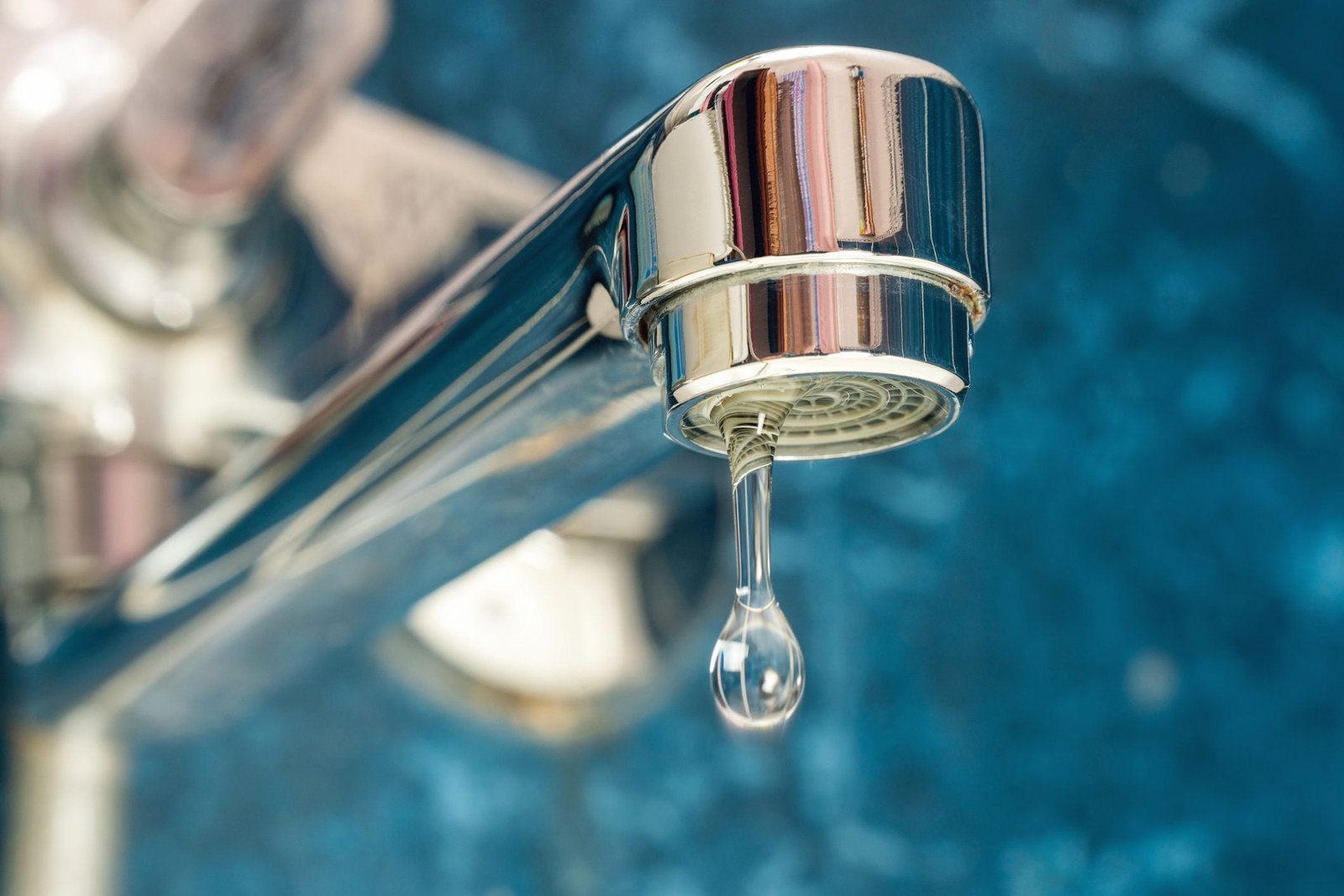
A dripping faucet feels harmless but it is a steady, constant drain on your water usage — and therefore your sewer bill. Even one faucet dripping at one drip per second wastes over 3,000 gallons of water per year.
Showerheads with worn-out seals drip between uses and also flow at a high rate during showers. Older showerheads can use up to 2.5 gallons per minute or more, while modern low-flow models use as little as 1.5 gallons per minute.
The fix is simple and inexpensive. Most leaky faucets need nothing more than a replacement rubber washer inside the handle. Replacing a showerhead entirely with a WaterSense-certified model costs between $20 and $60 and pays for itself within months.
Increased Household Water Usage
This one is obvious but easily overlooked. More people in the house equals more water usage and a higher sewer bill — it is a direct relationship.
Guests staying for a week, kids returning home from college, or even just a hot summer prompting extra showers and laundry loads can spike your usage significantly. A typical shower uses about 2 gallons per minute, so an extra two people showering daily adds up quickly.
Track your usage by comparing this month’s bill to the same month last year. If the numbers jump during school breaks, holidays, or guest visits, the reason is simple occupancy — not a plumbing problem.
Running the Dishwasher and Washing Machine Inefficiently
Running appliances with partial loads is one of the most wasteful — and most common — habits that drives a sewer bill higher. Both dishwashers and washing machines use a fixed amount of water per cycle regardless of how full they are.
A standard washing machine uses 15 to 45 gallons per load. Running it half-full means you are paying for full-load water usage twice as often as necessary. The same applies to dishwashers, which use 3 to 15 gallons per cycle depending on the model.
The Fix: Only run full loads. Select eco or energy-saver settings when available. If your appliances are more than 10 years old, upgrading to Energy Star-certified models can reduce water usage by 30 to 50 percent per cycle.
Old and Inefficient Appliances
Older washing machines, dishwashers, and water heaters were simply not built with water conservation in mind. A top-loading washing machine made before 2005 can use up to 45 gallons per cycle — a modern front-loader uses as little as 13 gallons for the same load.
Water heaters with slow heating elements cause people to let water run longer waiting for hot water to arrive — wasting both water and sewer charges in the process.
Upgrading appliances is a larger investment but the long-term savings on water and sewer bills, combined with available rebates in many municipalities, make it worth calculating.
Underground Pipe Leaks and Sewer Line Problems
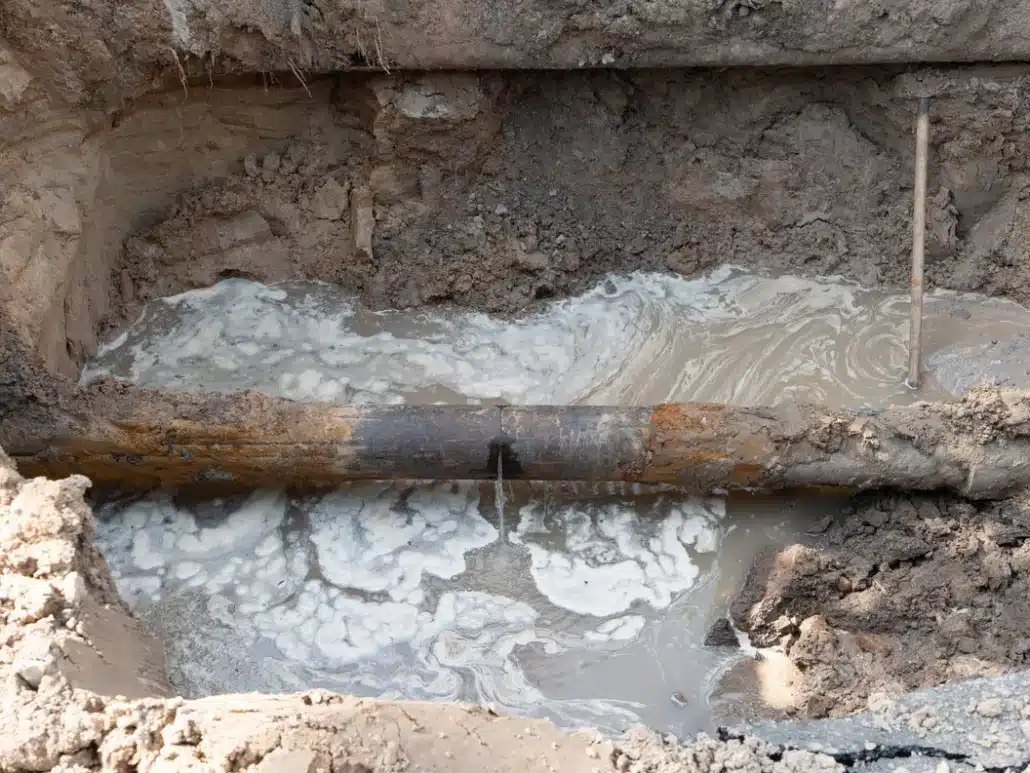
Not all leaks are inside your house. Underground pipe leaks are among the most expensive and damaging causes of a high sewer bill because they are completely invisible until significant damage has occurred.
Sewer lines can develop cracks, leaks, or blockages over time. Tree roots are a major culprit — they actively seek out moisture and can infiltrate pipe joints and cracks, blocking flow and causing water to back up or escape into the surrounding soil.
Warning signs of underground leaks include:
- Wet or unusually green patches in your yard with no obvious explanation
- Cracks appearing in your home’s foundation
- Slow drains throughout multiple fixtures simultaneously
- A persistent sewage smell in your yard or basement
If you suspect an underground leak, call a licensed plumber immediately. A camera inspection of your sewer line will identify the problem quickly and clearly.
Long Showers and High-Flow Showerheads
Showers account for nearly 17 percent of total indoor water use in the average American household. A ten-minute shower with a standard showerhead uses about 20 gallons of water — that entire amount flows into the sewer system and is counted on your bill.
If multiple household members are taking long showers daily, this single habit can account for hundreds of extra gallons of wastewater per month. Cutting the average shower from ten minutes to five minutes essentially halves your shower-related sewer charges.
Combine shorter showers with a low-flow showerhead rated at 1.5 gallons per minute and the savings compound significantly over a billing cycle.
Municipal Rate Increases
Sometimes your water usage is exactly the same as it always was — but your sewer bill is still higher. In this case the answer is a rate increase from your local municipality.
Sewer rates are adjusted periodically to cover infrastructure repairs, expansion projects, treatment facility upgrades, and federal compliance requirements. These increases are announced by local water authorities but often go unnoticed until the bill arrives.
In some cities the sewer charge is calculated as a percentage of the water rate. In New York City, for example, the sewer rate is set at 159 percent of the water rate — meaning every increase in water rates automatically inflates the sewer bill even further.
What to do: Check your municipal water authority’s website for rate change announcements. If rates have recently increased, contact the utility to understand the reason and ask about assistance programs or payment plans available to residents.
Faulty or Inaccurate Water Meter
Your sewer bill is calculated from your water meter reading. If that meter is malfunctioning or measuring incorrectly, you can end up paying for water you never actually used.
Water meters can develop faults from age, sediment buildup, or mechanical wear. A meter running fast will show higher water consumption than you actually had — and your sewer bill will reflect that inflated number directly.
How to check: Turn off every water source in your home — all faucets, appliances, and irrigation systems. Look at your water meter. If the dial or digital display is still moving, you either have a leak somewhere or the meter itself is faulty.
The meter shows movement with everything off and you cannot identify a leak, contact your utility provider immediately to request a meter inspection. If the meter is confirmed faulty, you may be eligible for a billing adjustment.
Seasonal Water Usage Spikes
Summer is the peak season for high water usage and therefore high sewer bills. Outdoor activities like filling a swimming pool, running sprinkler systems, washing cars, and watering gardens all involve significant water use.
Here is the important nuance: water used outdoors typically does not enter the sewer system. Lawn water soaks into the ground. Pool water evaporates. Yet if your billing is usage-based, your utility is still calculating your sewer charge based on total water intake — including outdoor water that never touches a drain.
Some municipalities allow homeowners to install a separate irrigation meter that tracks outdoor water use independently, excluding it from sewer charge calculations. This single upgrade can dramatically reduce summer sewer bills in areas that allow it.
Guests and Extra Household Members
Having guests stay — even for just a week — can noticeably affect your sewer bill for that entire billing period. More bodies in the house means more toilet flushes, more showers, more dishwashing, and more laundry.
Hosting a family gathering over a long weekend, accommodating relatives during the holidays, or having college students return home for the summer all spike water and sewer usage in predictable ways.
This is not a problem requiring a fix — it is a pattern to be aware of. If your bill spikes once a year during the same period, you have your answer. Budget accordingly or implement water-saving rules for large gatherings.
Outdoor Irrigation and Lawn Watering
A standard lawn sprinkler system can use 12 to 15 gallons per minute while running. If your irrigation system is set to run every morning for 30 minutes on multiple zones, you can easily be pumping hundreds of gallons of water daily — all of which counts toward your metered usage.
Irrigation systems with faulty timers, broken heads, or stuck valves can run far longer than intended — sometimes for hours without anyone noticing. A broken sprinkler head pointing straight up and spraying water continuously can waste thousands of gallons before being spotted.
The Fix: Install a smart irrigation controller that automatically adjusts watering schedules based on weather data. Fix or replace broken sprinkler heads immediately. Consider a drip irrigation system for garden beds, which uses up to 50 percent less water than traditional sprinklers.
Easy Fixes to Lower Your Sewer Bill Right Now
Fix One: Check Every Toilet for Leaks
This is the fastest, cheapest, and most effective first step. Do the food coloring dye test in every toilet in your home today. Identifying and replacing a faulty flapper eliminates one of the most common and costly causes of a high sewer bill immediately.
Replace toilet flappers every one to two years as standard maintenance even if you have not noticed a leak. They degrade over time and slow leaks develop gradually before becoming obvious.
Fix Two: Install Low-Flow Fixtures
Replacing old showerheads, faucet aerators, and toilets with WaterSense-certified, low-flow models is one of the highest-return investments you can make as a homeowner.
Low-flow showerheads reduce water consumption by 20 to 40 percent. Faucet aerators cost as little as $5 and reduce kitchen and bathroom sink flow without any noticeable change to water pressure. Dual-flush toilets give you the option of a low-volume flush for liquid waste.
Fix Three: Upgrade Old Appliances
If your washing machine or dishwasher is more than ten years old, upgrading to an Energy Star-certified model will reduce water usage significantly. Many local utilities and state programs offer rebates of $50 to $200 for upgrading to water-efficient appliances — check your utility’s website before purchasing.
Fix Four: Run Full Loads Only
Stop running the dishwasher or washing machine with partial loads. This one behavioral change alone can cut appliance-related water usage by 30 to 40 percent. It costs nothing and delivers immediate results on the next billing cycle.
Fix Five: Shorten Showers
Cutting the average household shower from ten minutes to five minutes halves your shower-related water use. Installing a simple shower timer or using a phone timer makes this easy to stick to, especially with children and teenagers in the house.
Fix Six: Request a Meter Inspection
If your bill has jumped significantly and you cannot identify a leak or usage change, call your utility and request a meter inspection. This is a free service in most areas. A faulty meter catching high may have been overbilling you for months — and in many cases utilities will issue billing adjustments once a faulty meter is confirmed.
Fix Seven: Ask About Billing Adjustments
Many municipalities offer one-time billing adjustments for verified leaks or emergency situations. If a major leak — such as a burst pipe or failed toilet flapper — caused an unusual spike in one billing period, contact your utility and explain the situation with documentation of the repair. Many utilities will reduce or credit a portion of the excess charge.
Fix Eight: Install a Separate Irrigation Meter
If your outdoor water use is substantial, a dedicated irrigation meter tracks outdoor usage separately so it is not added to your sewer charges. This is approved in many municipalities and can generate significant savings for households with large gardens, lawns, or swimming pools.
Fix Nine: Monitor Your Water Meter Regularly
Make it a habit to read your water meter once a month and compare it to previous months. Unusual spikes — especially in months when your household size and habits have not changed — are early warning signs of a developing leak or meter issue.
Many modern water utilities offer online portals or apps that track daily water usage. Signing up for these alerts is free and gives you real-time visibility into your consumption patterns before the bill arrives.
Fix Ten: Schedule a Plumbing Inspection
Once a year, have a licensed plumber inspect your entire system — including sewer lines, water heater, toilets, faucets, and outdoor irrigation connections. A professional can identify problems you cannot see, such as early-stage pipe corrosion, root intrusion in sewer lines, and slow leaks behind walls.
Annual inspections are far cheaper than the cost of water waste from undetected leaks over 12 months.
Average Sewer Bill Costs in the US (2026)
| City / State | Average Monthly Sewer Bill | Billing Method |
|---|---|---|
| New York City, NY | $80–$120 | Usage-based (159% of water rate) |
| Phoenix, AZ | $30–$55 | Usage-based |
| Chicago, IL | $40–$70 | Usage-based |
| Dallas, TX | $25–$50 | Usage-based |
| Seattle, WA | $50–$90 | Usage-based |
| Los Angeles, CA | $35–$65 | Usage-based |
| National Average | $40–$75 | Varies by municipality |
If your bill is consistently above these ranges and your household size is average, a hidden leak or billing error is very likely involved.
Water-Wasting Habits That Raise Your Sewer Bill
| Habit | Water Wasted | Annual Sewer Cost Impact |
|---|---|---|
| Running toilet (small leak) | 20–30 gallons/day | +$100–$350/billing cycle |
| Dripping faucet | 3,000 gallons/year | +$20–$50/year |
| 10-min daily shower | ~7,300 gallons/year extra vs 5-min | +$30–$60/year |
| Half-load washing machine | Doubles wash water per item | +$40–$80/year |
| Outdoor sprinkler overrun | 100s of gallons/day | +$50–$200 in summer |
| Running tap while brushing teeth | 8 gallons/day | +$20–$40/year |
When to Call a Plumber

Not every cause of a high sewer bill is something a homeowner can fix alone. Call a licensed plumber immediately if you experience any of the following situations.
Call a plumber when:
- Your water meter continues running with all sources turned off and no obvious leak is visible
- You notice wet spots, soft ground, or unusually green patches in your yard
- Multiple drains in your home are slow simultaneously
- You can smell sewage near your yard, basement, or floor drains
- Your water bill and sewer bill spike suddenly without any change in household habits
- You have not had a plumbing inspection in more than two years
Underground sewer line damage, tree root intrusion, and pipe corrosion all require professional diagnosis and repair. Delaying these repairs causes the problem to worsen — and your bill to keep climbing.
Frequently Asked Questions (FAQs)
Q1. Why is my sewer bill higher than my water bill?
In many cities sewer rates are calculated as a percentage of the water rate, sometimes exceeding 150 percent of the water charge. This means your sewer charge can legally and legitimately be higher than what you pay for the actual water.
Q2. Can a leaky toilet really make my sewer bill that high?
Yes — absolutely. A toilet leaking at just a quarter gallon per minute can add up to $350 in a single three-month billing cycle. It is the single most common hidden cause of a high sewer bill.
Q3. Why is my sewer bill high even though I have not changed anything?
Your municipality may have raised sewer rates. Rate increases happen regularly to cover infrastructure and treatment facility costs and often go unnoticed until the bill arrives. Check your utility’s website for recent rate change announcements.
Q4. Does outdoor water use affect my sewer bill?
Yes, if your billing is usage-based. Your utility measures all water entering your home and assumes it exits via the sewer. Installing a separate irrigation meter can exclude outdoor water use from sewer charge calculations.
Q5. How do I know if my water meter is faulty?
Turn off all water sources in your home and watch your meter. If the dial is still moving, either a leak exists somewhere or the meter itself is faulty. Contact your utility to request a free meter inspection.
Q6. Can I get a sewer bill adjusted after a major leak?
Many utilities offer one-time billing adjustments for verified leaks or emergency situations. Contact your utility with documentation of the leak and the repair and ask about the adjustment or credit process.
Q7. How much can low-flow fixtures actually save?
Low-flow showerheads can reduce shower water use by 20 to 40 percent. Combined with low-flow faucet aerators and a dual-flush toilet, a household can realistically cut total water usage — and sewer charges — by 15 to 30 percent annually.
Q8. Why does my sewer bill spike every summer?
Usage-based billing counts all of this toward your sewer charge even if outdoor water never enters the drain.
Q9. Does tree root intrusion really affect sewer bills?
Yes. Tree roots actively grow into sewer pipe joints seeking moisture. They cause blockages and cracks that force water to escape before reaching the municipal sewer, inflating usage readings and causing system backup that requires expensive repair.
Q10. What is the fastest fix for a high sewer bill?
Fix toilet leaks first — it is the cheapest and fastest repair with the biggest impact. The dye test takes two minutes, a replacement flapper costs under $15, and the fix can cut dozens of gallons of daily water waste immediately.
Conclusion
Why is my sewer bill so high is a question with a very fixable answer in most cases.
Whether the culprit is a silent toilet leak, old inefficient appliances, a faulty water meter, rising municipal rates, or simply more people taking longer showers — every cause on this list has a solution.
Start with the easiest wins: do the toilet dye test today, swap out old showerheads and faucet aerators, and make sure you are only running full loads in your dishwasher and washing machine.
For anything involving underground pipes, unusual meter readings, or sudden unexplained spikes, bring in a licensed plumber.
The cost of a single inspection is almost always less than the ongoing cost of wasted water.
Small changes made consistently will bring your sewer bill back to a manageable level — and keep it there all year long.


