


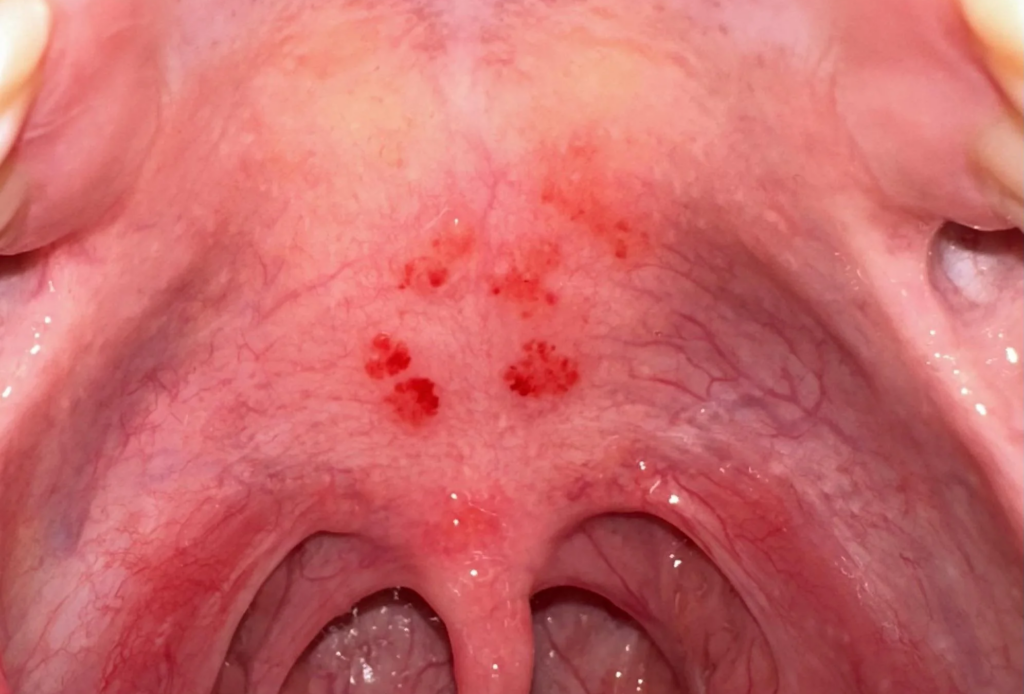
Why does the roof of my mouth itch is one of the most searched oral health questions in 2026, and the answer is not always as simple as it seems.
That uncomfortable tingling or scratchy sensation on your palate can appear suddenly after eating a meal, breathing in pollen, or even during a cold.
It can be mild and brief, or persistent and painful. Understanding what causes the roof of your mouth to itch helps you find the right relief faster.
What Is the Roof of the Mouth Called?
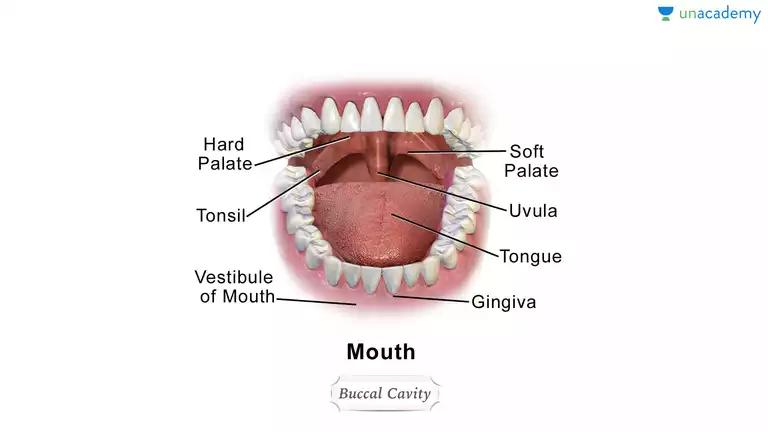
The roof of the mouth is medically called the palate. It is divided into two parts: the hard palate at the front and the soft palate at the back.
The palate is lined with sensitive mucous membranes that react quickly to allergens, irritants, infections, and dryness. This sensitivity is exactly why itching in this area is so common.
Why Does the Roof of My Mouth Itch? Overview of Causes
The roof of your mouth can itch for several reasons, ranging from harmless food reactions to infections that need medical attention. The most frequent causes include allergies, oral allergy syndrome, dry mouth, infections, sinus issues, and dental problems.
Knowing the exact cause matters because the treatment for an allergic reaction is very different from the treatment for a fungal infection or acid reflux.
Quick Reference: Common Causes at a Glance
| Cause | Main Trigger | Typical Duration |
|---|---|---|
| Oral Allergy Syndrome (OAS) | Raw fruits, vegetables, nuts | Minutes, resolves quickly |
| Seasonal Allergies | Pollen, dust, pet dander | Days to weeks |
| Food Allergies | Peanuts, shellfish, eggs, dairy | Minutes to hours |
| Dry Mouth | Dehydration, medications | Ongoing until resolved |
| Oral Thrush | Yeast overgrowth (Candida) | Days to weeks |
| Common Cold or Flu | Viral infection | 5 to 10 days |
| Acid Reflux (LPR) | Stomach acid rising | Chronic, worsens after meals |
| Sinus Congestion | Inflammation above palate | During sinus episode |
| Dental Irritation | Poor-fitting dentures, gum disease | Until dental issue is treated |
| Burns or Trauma | Hot food or drinks, sharp foods | Days |
| Oral Herpes (HSV-1) | Herpes simplex virus | 1 to 2 weeks per outbreak |
| Medication Side Effects | Certain antibiotics, ACE inhibitors | While on medication |
Oral Allergy Syndrome: The Most Common Reason
Oral allergy syndrome (OAS) is the leading reason why the roof of your mouth itches after eating. It is also called pollen-food allergy syndrome or pollen-food syndrome.
OAS happens when your immune system confuses proteins found in raw fruits, vegetables, and nuts with pollen proteins it is already allergic to. The result is an itchy mouth, tingling lips, and a scratchy throat that usually starts within minutes of eating.
What Foods Cause Oral Allergy Syndrome?
The foods that trigger OAS depend on which pollen you are allergic to. Birch pollen allergy commonly cross-reacts with apples, almonds, carrots, celery, cherries, hazelnuts, kiwi, peaches, pears, and plums. Grass pollen allergy can react with celery, melons, oranges, peaches, and tomatoes. Ragweed pollen allergy is linked to bananas, cucumbers, melons, sunflower seeds, and zucchini.
Cooking or peeling these foods usually destroys the triggering proteins, so many people can eat cooked versions without any itching at all.
OAS Symptoms to Watch For
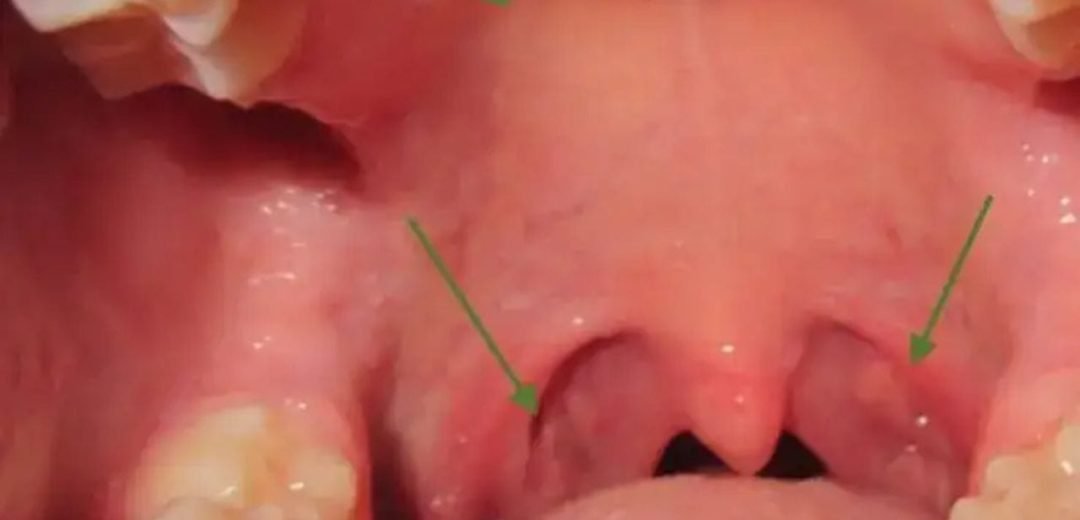
Symptoms start very quickly, often within two to five minutes of eating. You will typically notice itching or tingling on the roof of your mouth, lips, tongue, or throat.
Mild swelling of the lips or tongue is also common. Symptoms are usually mild and resolve on their own within 20 to 30 minutes.
Severe reactions including difficulty breathing or anaphylaxis are rare with OAS but require immediate emergency care when they occur.
Seasonal and Environmental Allergies
Seasonal allergies are another major reason why the roof of your mouth itches. When pollen, dust mites, mold spores, or pet dander are inhaled, your immune system releases histamine.
Histamine causes inflammation and itching in the mucous membranes of your nose, throat, eyes, and the roof of your mouth. The itching is usually accompanied by sneezing, a runny nose, watery eyes, and nasal congestion.
How Seasonal Allergies Cause Mouth Itching
Breathing through your mouth during allergy season directly exposes your palate to airborne allergens. The sensitive tissue reacts with itching and mild swelling.
People with hay fever are especially prone to this. The itching often intensifies during peak pollen seasons in spring and fall.
Food Allergies vs. Oral Allergy Syndrome
It is important to distinguish between a true food allergy and oral allergy syndrome because the severity and management are quite different.
| Feature | Oral Allergy Syndrome | True Food Allergy |
|---|---|---|
| Onset | Within 2 to 5 minutes | Within minutes to 2 hours |
| Symptoms | Mouth itching, tingling, mild swelling | Hives, vomiting, difficulty breathing |
| Severity | Usually mild | Can be severe or life-threatening |
| Trigger | Raw forms of food | Cooked or raw forms both trigger |
| Cooking effect | Cooking eliminates reaction | Cooking does not always help |
| Common triggers | Fruits, vegetables, tree nuts | Peanuts, shellfish, eggs, dairy, wheat |
| Treatment | Avoid raw trigger foods | Antihistamines, EpiPen for severe reactions |
A true food allergy can cause hives, facial swelling, vomiting, stomach cramps, and difficulty breathing. If you experience any of these symptoms, seek medical attention right away.
Dry Mouth and Itchy Palate
Dry mouth, medically known as xerostomia, occurs when your salivary glands do not produce enough saliva. Without adequate moisture, the mucous membranes of your palate become irritated and itchy.
Common causes of dry mouth include dehydration, breathing through your mouth, certain medications such as antihistamines and antidepressants, and underlying conditions like diabetes or Sjögren’s syndrome.
Signs That Dry Mouth Is Causing Your Itch
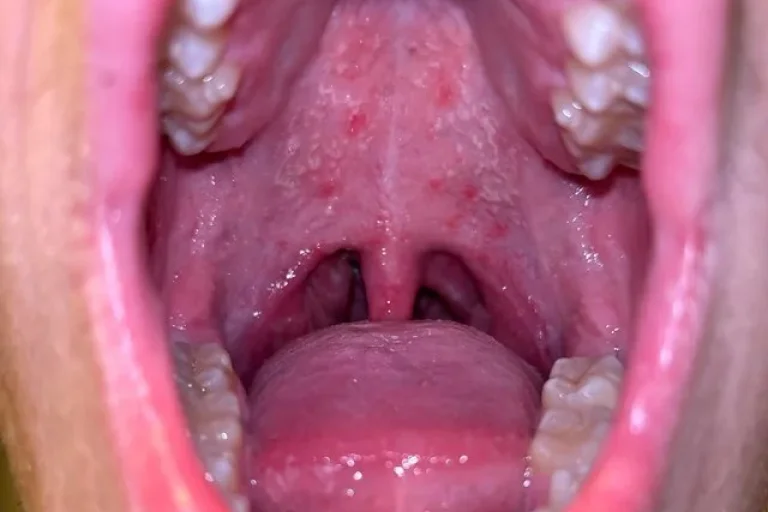
Along with an itchy roof of the mouth, dry mouth typically causes a sticky or parched feeling inside the mouth. You may also notice difficulty swallowing, bad breath, and a rough or dry tongue.
Sipping water frequently throughout the day and chewing sugar-free gum to stimulate saliva production are two of the easiest first steps to take.
Oral Thrush (Fungal Infection)
Oral thrush is a yeast infection inside the mouth caused by an overgrowth of Candida fungus. It is one of the less obvious but very real causes of an itchy roof of the mouth.
Thrush is more common in babies, elderly adults, people who wear dentures, and those with weakened immune systems. People who use inhaled corticosteroids for asthma are also at increased risk.
Symptoms of Oral Thrush
Oral thrush typically presents with creamy white or yellowish patches inside the mouth, on the tongue, and on the palate. The patches may be slightly raised and can be painful when scraped.
The area underneath the patches is often red and sore. An itchy or burning sensation on the roof of the mouth is a hallmark symptom.
How Oral Thrush Is Treated
Antifungal medications prescribed by a doctor are the standard treatment for oral thrush. Nystatin oral rinse or fluconazole tablets are commonly used.
Practicing good oral hygiene, replacing old toothbrushes, and rinsing your mouth after using steroid inhalers all help prevent recurrence.
The Common Cold and Upper Respiratory Infections
During a cold or flu, the roof of your mouth can become itchy due to two separate mechanisms. First, postnasal drip sends mucus from your sinuses down the back of your throat and across the palate, irritating the tissue.
Second, viral inflammation spreads into the oral cavity, making the soft tissues of the mouth more sensitive and reactive. The itching typically comes alongside a sore throat, stuffy nose, and general fatigue.
The itching caused by a cold usually resolves on its own as the illness clears, typically within five to ten days.
Acid Reflux and Laryngopharyngeal Reflux (LPR)
Acid reflux happens when stomach acid travels upward into the esophagus. In some people, the acid reaches the throat and even the mouth, a condition called laryngopharyngeal reflux or silent reflux.
When stomach acid repeatedly contacts the sensitive tissues of your palate, it causes chronic irritation that can feel like itching, burning, or rawness on the roof of your mouth.
Signs That Reflux Is Causing the Itch
LPR-related mouth itching tends to be persistent and chronic rather than sudden. It typically worsens after meals, when lying down, or in the morning right after waking up.
Other signs include a frequent sour taste in the mouth, a lump-in-throat sensation, chronic throat clearing, and mild hoarseness.
Dietary changes, avoiding late meals, raising the head of your bed, and antacid medications are the primary ways to manage reflux-related mouth itching.
Sinus Congestion and Pressure
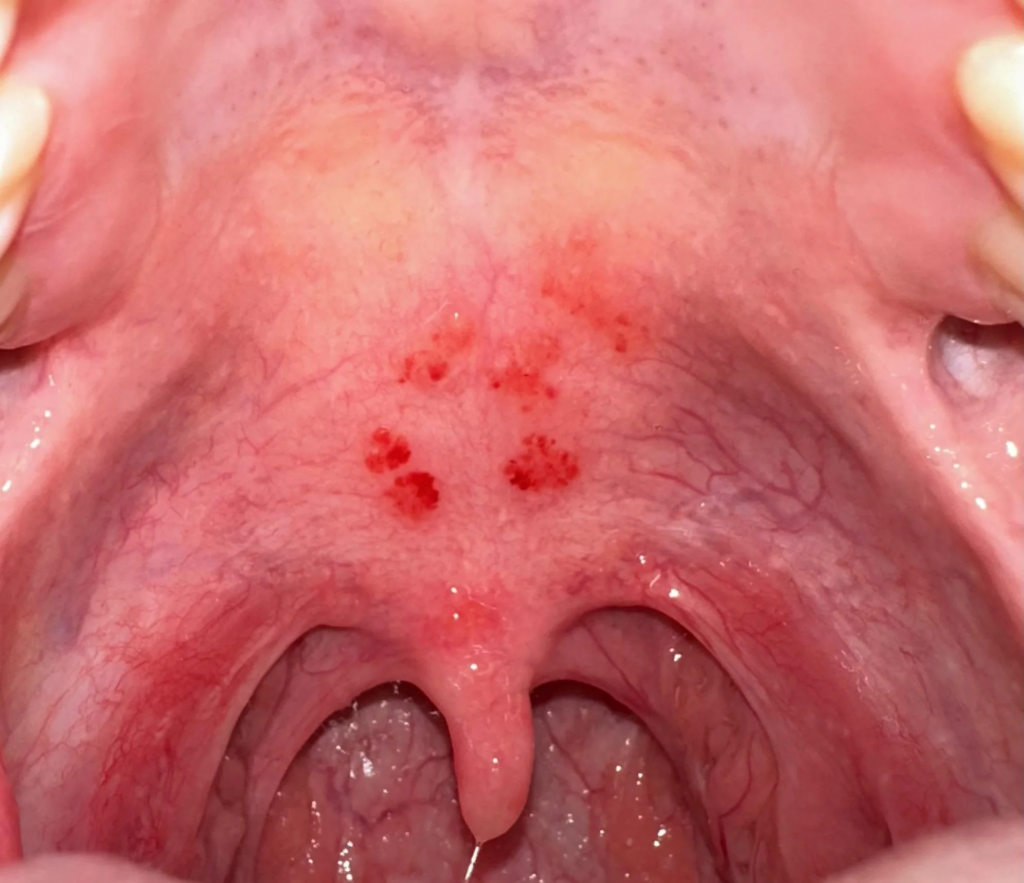
Your sinuses sit in close proximity to the roof of your mouth. When the sinuses become inflamed and congested from allergies, a cold, or sinusitis, the pressure they create can transfer directly to the palate.
This pressure causes a dull, itchy, or achy sensation on the roof of your mouth. You may also notice pain behind your cheekbones and above your nose.
Treating the underlying sinus issue with saline rinses, decongestants, or antihistamines usually relieves the palate discomfort as well.
Burns and Physical Trauma
Eating or drinking something that is too hot is a very common and straightforward cause of an itchy, irritated roof of the mouth. Hot pizza, soup, coffee, or tea can burn the delicate tissue of the palate, causing temporary inflammation and itching.
This is sometimes called pizza palate in everyday language. The burned tissue heals on its own within a few days.
Sharp foods like tortilla chips, crackers, or hard candy can also physically scratch the palate, leading to minor cuts and an itchy sensation as the tissue heals.
Dental Problems and Poor-Fitting Dentures
Issues with your teeth and gums can also be the answer to why does the roof of my mouth itch. Poorly fitting dentures rub continuously against the palate, causing chronic friction and irritation.
Gum disease causes inflammation that can spread upward toward the palate. Recent dental procedures such as fillings, extractions, or cleanings can also temporarily make the roof of your mouth sensitive and itchy.
If you notice the itching began or worsened after dental work or after getting new dentures, schedule a follow-up visit with your dentist.
Medication Side Effects
Several commonly used medications can cause dryness or allergic reactions inside the mouth. ACE inhibitors used for blood pressure are well-known to cause itching and irritation in the throat and mouth.
Antibiotics can disrupt the natural balance of bacteria and yeast in the mouth, leading to oral thrush and the itching that comes with it. Antihistamines and diuretics often cause dry mouth, which then produces the itchy palate sensation as a secondary effect.
Always review medication side effects with your pharmacist or doctor if you suspect a drug is contributing to your symptoms.
Oral Herpes (HSV-1)
Herpes simplex virus type 1 (HSV-1) primarily affects the mouth area and can cause outbreaks that include itching, tingling, and the development of small sores on the roof of the mouth, lips, and tongue.
Before a cold sore or blister appears, many people experience a prodromal phase of itching or tingling in the affected area. This itching on the palate can be one of the first signs of an upcoming outbreak.
Antiviral medications such as acyclovir prescribed by a doctor can shorten the duration and frequency of HSV-1 outbreaks.
Symptoms That Accompany an Itchy Roof of the Mouth
Understanding what other symptoms are present alongside your itchy palate helps narrow down the cause quickly.
| Accompanying Symptom | Likely Cause |
|---|---|
| Sneezing, runny nose, watery eyes | Seasonal allergies |
| Tingling lips, swelling after eating | Oral allergy syndrome or food allergy |
| White patches in mouth | Oral thrush |
| Sore throat, fever, fatigue | Cold or flu |
| Sour taste, worse after meals | Acid reflux or LPR |
| Pain behind cheeks or forehead | Sinus congestion or sinusitis |
| Blisters or sores on palate | Oral herpes (HSV-1) |
| Sticky, parched mouth feeling | Dry mouth |
| Symptoms after new medication | Drug side effect |
| Started after dental work | Dental irritation |
Home Remedies for an Itchy Roof of the Mouth
Several simple home remedies can provide fast, effective relief for mild itching on the palate.
Cold Water and Ice
Sipping cold water or sucking on ice chips numbs the irritated palate tissue and reduces the urge to scratch. Cold therapy works quickly and is safe for all causes of itching.
This is especially helpful for itching caused by minor burns, OAS reactions, and dry mouth.
Saltwater Rinse
A warm saltwater rinse is one of the most effective natural remedies for mouth irritation. Mix half a teaspoon of salt in a glass of warm water, swish for 30 seconds, and spit it out.
Saltwater reduces inflammation, kills minor bacteria, and soothes irritated tissue. Repeat two to three times per day for best results.
Staying Hydrated
Drinking adequate water throughout the day keeps the mucous membranes of your palate moist and healthy. Dehydration is a surprisingly common hidden cause of oral itching.
Aim for at least eight glasses of water daily and increase your intake during hot weather or physical activity.
Honey
Raw honey has natural anti-inflammatory and antimicrobial properties. Taking a tablespoon of honey can soothe an irritated palate and reduce inflammation.
Honey should not be given to children under one year of age. For everyone else, it is a safe and effective natural remedy.
Avoiding Trigger Foods
If your itchy roof of the mouth consistently appears after eating specific foods, eliminating those foods from your diet is the most direct solution.
Keep a food diary for one to two weeks to track which foods precede the itching. This helps you identify your personal triggers clearly and share useful information with your doctor or allergist.
Medical Treatments for Itchy Roof of the Mouth
When home remedies are not enough, several over-the-counter and prescription treatments are available.
Antihistamines
Oral antihistamines such as loratadine (Claritin), cetirizine (Zyrtec), and fexofenadine (Allegra) block the histamine response that causes allergy-related itching. They are effective for OAS, seasonal allergies, and mild food allergy reactions.
Diphenhydramine (Benadryl) is faster-acting but causes drowsiness. Always consult your doctor or pharmacist before starting any antihistamine, especially if you take other medications.
Antifungal Medications
If oral thrush is causing your itchy palate, your doctor will prescribe antifungal medication. Nystatin oral suspension is used as a rinse-and-swallow treatment. Fluconazole tablets are prescribed for more persistent or severe cases.
Do not self-treat suspected oral thrush without a proper diagnosis, as other conditions can look similar.
Nasal Corticosteroid Sprays
For people whose itchy palate is driven by seasonal allergies and sinus inflammation, nasal corticosteroid sprays like fluticasone (Flonase) or mometasone (Nasonex) reduce nasal inflammation and indirectly relieve palate irritation.
These sprays are available over the counter and work best when used consistently throughout allergy season rather than only when symptoms flare.
Immunotherapy (Allergy Shots)
For people with severe or persistent allergies causing chronic itchy mouth, an allergist may recommend immunotherapy. Allergy shots gradually desensitize your immune system to specific allergens over a period of months to years.
Sublingual immunotherapy, where drops or tablets are placed under the tongue, is an alternative option that can sometimes improve both pollen allergy and oral allergy syndrome symptoms.
EpiPen for Severe Reactions
If you have a history of severe allergic reactions or anaphylaxis, your doctor will prescribe an epinephrine auto-injector (EpiPen). This is the first-line emergency treatment for life-threatening allergic reactions.
Carry your EpiPen at all times if it has been prescribed, and ensure that people around you know how to use it.
When to See a Doctor
Most cases of an itchy roof of the mouth are harmless and resolve on their own. However, certain signs indicate you should seek medical care promptly.
You should see a doctor if the itching is severe, persistent, or getting worse over time. Seek immediate medical attention if you experience difficulty breathing, significant swelling of the tongue or throat, widespread hives, dizziness, or a racing heart after eating. These are signs of anaphylaxis and require emergency treatment.
Also see a doctor if you notice white patches in your mouth, recurring blisters or sores, or if the itching appears linked to a medication you recently started.
Foods That Commonly Cause an Itchy Roof of the Mouth
| Food Category | Common Triggers | Associated Pollen |
|---|---|---|
| Tree fruits | Apple, pear, peach, cherry, plum | Birch pollen |
| Tree nuts | Almond, hazelnut, walnut | Birch pollen |
| Root vegetables | Carrot, celery, parsnip | Birch pollen |
| Tropical fruits | Banana, kiwi, mango | Latex, ragweed |
| Melons | Watermelon, cantaloupe, honeydew | Ragweed, grass pollen |
| Citrus fruits | Oranges, limes, grapefruit | Grass pollen |
| Common allergens | Peanuts, shellfish, eggs, dairy, wheat | Not pollen-related |
Cooking or peeling fruits and vegetables usually eliminates the OAS reaction because heat breaks down the cross-reactive proteins. True food allergens like peanuts and shellfish remain dangerous in all forms.
How to Prevent an Itchy Roof of the Mouth
Prevention depends heavily on the underlying cause, but several strategies work broadly across multiple causes.
Staying well hydrated keeps oral tissues moist and resistant to irritation. Avoiding known food triggers prevents repeat OAS and food allergy reactions.
Managing your seasonal allergy symptoms proactively with antihistamines before peak pollen season reduces oral itching significantly. Maintaining good oral hygiene prevents fungal overgrowth and gum disease.
Avoiding very hot foods and drinks protects your palate from burns. Eating slowly and being aware of sharp or scratchy foods reduces physical trauma to the palate tissue.
Frequently Asked Questions (FAQs)
Why does the roof of my mouth itch after eating fruit?
Itching after eating raw fruit is almost always caused by oral allergy syndrome (OAS). Your immune system confuses fruit proteins with pollen proteins, triggering an itchy reaction that usually resolves within 20 to 30 minutes on its own.
Why does the roof of my mouth itch during allergy season?
During allergy season, airborne pollen triggers histamine release in your immune system, causing itching and inflammation in the mucous membranes of your nose, throat, and palate. Antihistamines taken before exposure are the most effective way to manage this.
Can dry mouth cause the roof of the mouth to itch?
Yes, dry mouth is a very common cause of an itchy palate. Without enough saliva to keep the tissue moist, the mucous membranes become irritated and itchy. Drinking more water and chewing sugar-fre e gum typically provides relief.
Is an itchy roof of the mouth a sign of something serious?
Most of the time, an itchy palate is harmless and caused by mild allergies or OAS. However, if itching is accompanied by swelling, difficulty breathing, hives, or persistent white patches in the mouth, you should see a doctor promptly.
Why does the roof of my mouth itch at night?
Nighttime itching of the palate is often linked to dry mouth caused by mouth breathing during sleep, acid reflux that worsens when lying down, or allergens in your bedroom such as dust mites or pet dander. Staying hydrated and managing reflux can help.
How do I stop the roof of my mouth from itching fast?
Drinking cold water, sucking on ice chips, or rinsing with warm saltwater provides fast relief. An over-the-counter antihistamine like cetirizine works well if the cause is allergies. Avoiding the trigger food is the most effective immediate action if OAS is the cause.
What is oral allergy syndrome?
Oral allergy syndrome is an allergic reaction where proteins in raw fruits, vegetables, and nuts cross-react with pollen proteins your immune system already recognizes. It causes itching, tingling, and mild swelling of the mouth and throat, typically within minutes of eating the trigger food.
Can medications cause an itchy roof of the mouth?
Yes, certain medications including ACE inhibitors, antibiotics, and antihistamines can cause mouth dryness or irritation that leads to palate itching. If you recently started a new medication and the itching began shortly after, discuss it with your prescribing doctor.
Why does the roof of my mouth itch when I have a cold?
During a cold, postnasal drip drains mucus across the palate, irritating the tissue and causing itching. Viral inflammation also sensitizes the oral mucous membranes. The itching typically resolves as the cold improves over five to ten days.
Should I see an allergist for an itchy roof of the mouth?
If your itchy palate is frequent, worsening, or triggered by multiple foods and environments, seeing an allergist is a smart step. An allergist can perform skin prick tests and blood tests to identify your specific triggers and recommend a management plan including possible immunotherapy.
Conclusion
Why does the roof of my mouth itch is a question with many possible answers, and getting the right one depends on paying attention to your symptoms, timing, and triggers.
In most cases, the culprit is oral allergy syndrome, seasonal allergies, dry mouth, or a minor infection, all of which are manageable with the right approach.
Simple home remedies like cold water, saltwater rinses, and staying hydrated offer quick relief for mild cases. Over-the-counter antihistamines handle allergy-driven itching effectively for most people.
However, if your symptoms are severe, persistent, or accompanied by swelling, breathing difficulty, or visible patches in your mouth, do not wait.
See a doctor or allergist to get a proper diagnosis and a personalized treatment plan that keeps your palate comfortable and healthy in 2026.


