



Why is my mucus yellow? This is one of the most common health questions people search online, and the answer matters.
Yellow mucus is usually a signal that your immune system is actively working to fight off an infection, irritant, or allergen. It does not always mean something serious, but it should never be ignored.
What Is Mucus and Why Does It Change Color?
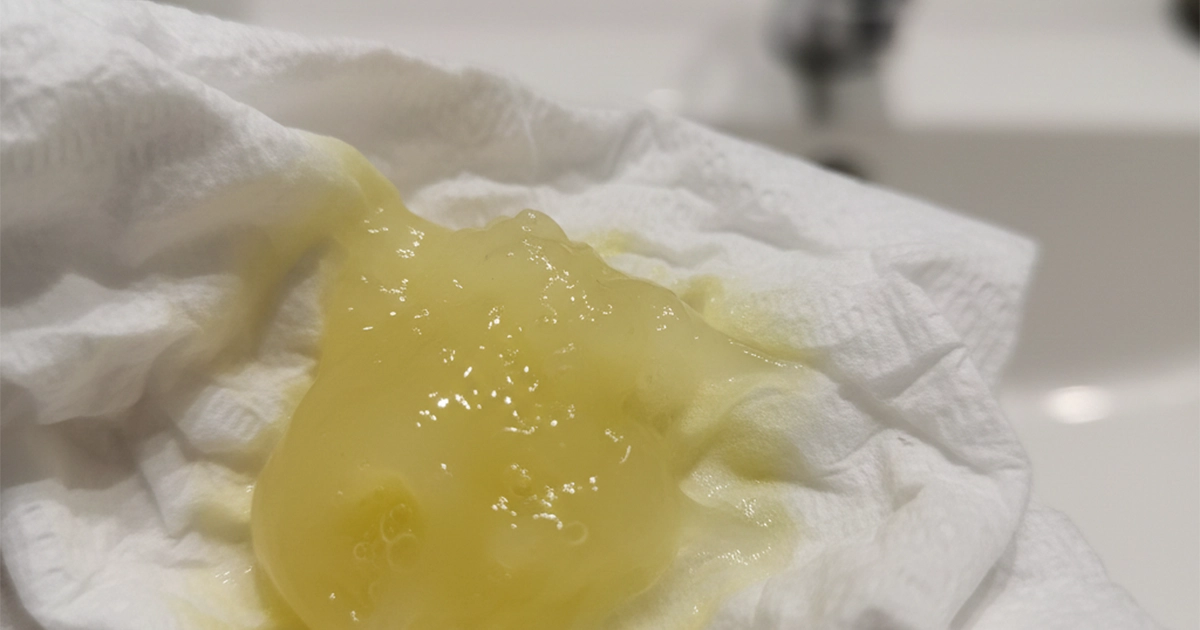
Mucus is a thin, watery substance produced by the membranes lining your nose, sinuses, throat, and lungs. Its main job is to trap dust, bacteria, viruses, and other particles before they reach your airways.
Healthy mucus is usually clear and thin. When something irritates or infects your body, mucus production increases and its color changes — from clear to white, yellow, green, or even brown.
The color shift happens because your immune system sends white blood cells to fight the invader. As these cells do their job and die off, they release enzymes that tint your mucus yellow or green.
Why Is My Mucus Yellow? The Science Behind It
Yellow mucus gets its color from dead white blood cells called neutrophils. When your body detects an infection, it floods the area with these cells to fight the threat.
As the neutrophils die after battling bacteria or viruses, they release a yellow-pigmented enzyme called myeloperoxidase. This enzyme gives mucus its characteristic yellow or yellowish-green color.
A study on rhinovirus infections found that roughly 50% of adults developed colored nasal discharge — yellow or green — purely from immune cell activity, even without a bacterial infection present.
Top Causes of Yellow Mucus
Understanding the cause is the first step toward the right treatment. Here are the most common reasons your mucus turns yellow.
Common Cold (Viral Upper Respiratory Infection)
The common cold is the number one cause of yellow mucus. In the early stages, mucus is usually clear and watery. As the immune system ramps up, it typically turns yellow within 2 to 3 days.
Symptoms resolve on their own within 7 to 10 days in most cases. Antibiotics do not help viral infections.
Sinus Infection (Sinusitis)
Sinusitis happens when your sinus cavities become inflamed and blocked. Trapped mucus creates the perfect environment for bacteria to multiply, turning it thick and yellow or green.
Symptoms include facial pressure, headache, congestion, and post-nasal drip. Bacterial sinusitis lasting more than 10 days may need antibiotic treatment.
Seasonal Allergies and Allergic Rhinitis
Allergies do not directly cause yellow mucus, but they create conditions for it. Inflammation from allergens like pollen, pet dander, or dust mites can weaken nasal defenses.
This makes secondary bacterial or viral infections more likely. When those occur, yellow mucus often follows, along with sneezing, watery eyes, and itching.
Flu (Influenza)
The flu triggers a strong immune response that produces thick, yellow mucus quickly. Unlike a cold, flu symptoms come on suddenly and include high fever, body aches, and fatigue.
Yellow nasal discharge during flu is common and expected. It does not necessarily indicate a bacterial complication.
Bacterial Respiratory Infection
Bacteria like Streptococcus or Haemophilus influenzae can infect the nasal passages and sinuses directly. These infections tend to produce dark yellow or greenish-yellow mucus.
A PubMed study found that over 80% of patients with dark yellow or greenish sputum had bacterial presence, compared to only 6% in lighter-colored mucus. This makes color an important — though not definitive — clue.
Chronic Sinusitis
Chronic sinusitis is diagnosed when sinus inflammation lasts 12 weeks or longer. Patients experience ongoing yellow or green mucus, fatigue, congestion, and reduced sense of smell.
This condition requires medical management and may involve nasal corticosteroids, saline rinses, or even surgery in severe cases.
Bronchitis
Bronchitis inflames the bronchial tubes in the lungs. The body produces yellow phlegm as it tries to clear bacteria or irritants from the airways.
Coughing up yellow mucus from the chest — especially with wheezing or shortness of breath — may indicate bronchitis and warrants a doctor visit.
Environmental Irritants
Exposure to cigarette smoke, dust, pollution, or chemical fumes can trigger an inflammatory response in the nasal passages. This produces yellow mucus even without an infection.
Smokers often notice yellow or brown-tinged mucus as a result of ongoing airway inflammation. Reducing exposure to irritants usually helps.
Nasal Polyps or Structural Blockages
Nasal polyps are soft, painless growths in the nasal passages. A deviated septum can also obstruct normal mucus drainage.
Both conditions cause mucus to stagnate and thicken. This pooled mucus can turn yellow as bacteria begin to grow in the blocked area.
COVID-19
COVID-19 can cause yellow mucus as part of its respiratory symptoms. The infection triggers a strong immune reaction in the nasal passages and sinuses.
Some patients report persistent yellow nasal discharge even weeks after the initial infection, especially those experiencing long COVID symptoms.
Yellow Mucus From Nose vs. Yellow Mucus From Throat: What’s the Difference?
| Location | What It Means | Common Cause |
|---|---|---|
| Yellow mucus from nose | Nasal or sinus infection, cold | Sinusitis, cold, flu |
| Yellow mucus from throat | Post-nasal drip, lower airway issue | Bronchitis, GERD, allergies |
| Yellow phlegm when coughing | Lung or bronchial involvement | Bronchitis, pneumonia |
| Yellow mucus in the morning only | Overnight mucus concentration | Mild sinus congestion, dehydration |
Yellow mucus from the throat is often caused by post-nasal drip — mucus draining from the sinuses down the back of the throat. This can cause a sore throat, cough, or the constant need to clear your throat.
Yellow phlegm coughed up from the chest is more concerning and may suggest bronchitis or pneumonia, especially if it is accompanied by fever or shortness of breath.
What Does the Shade of Yellow Tell You?
Not all yellow mucus is the same. The shade can offer additional clues about your condition.
Light Yellow or Pale Yellow Mucus
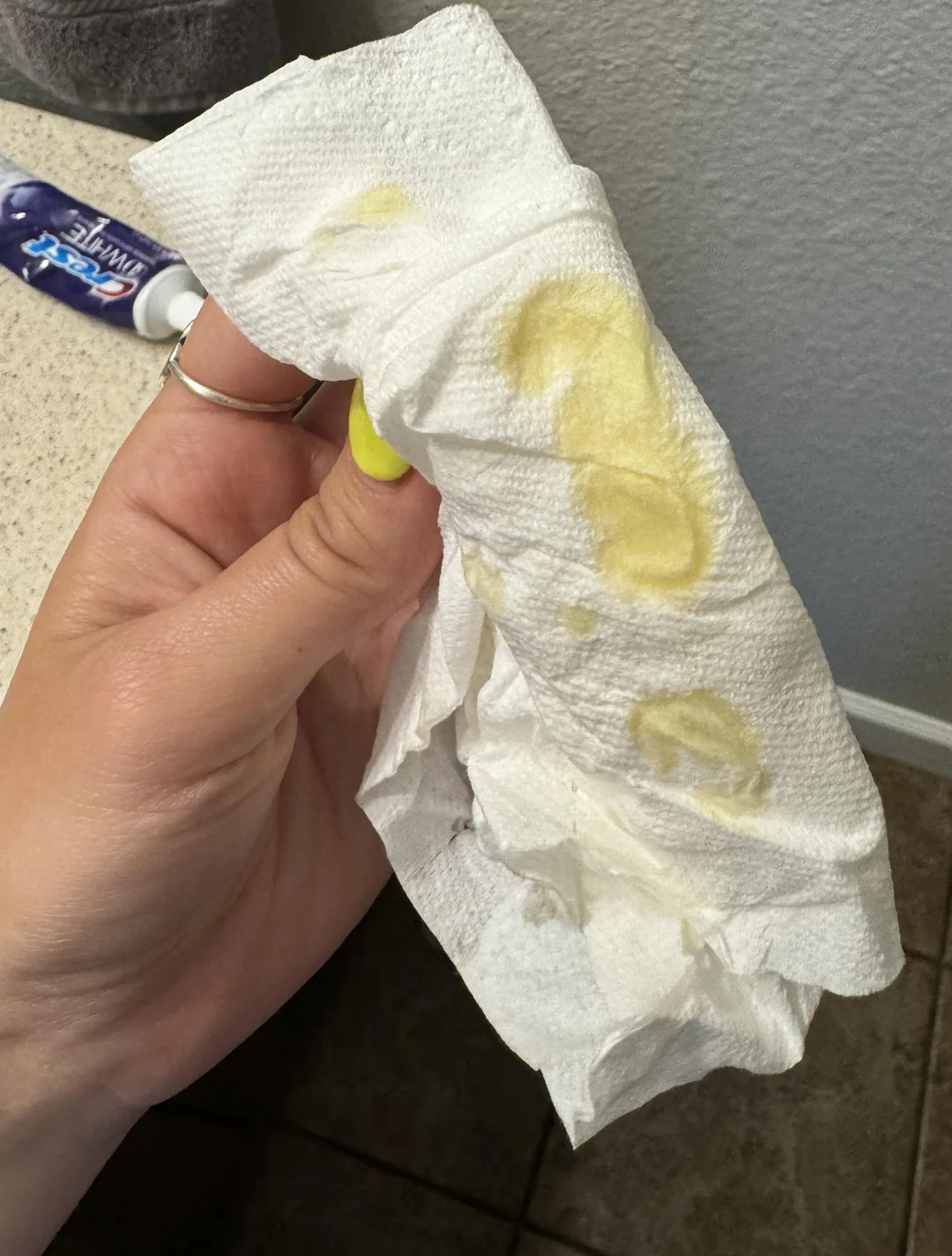
Pale yellow mucus typically signals the early stages of an immune response. Your body has started fighting off a viral infection like the common cold.
This is usually not cause for alarm and often resolves within a week with proper rest and hydration.
Bright or Dark Yellow Mucus
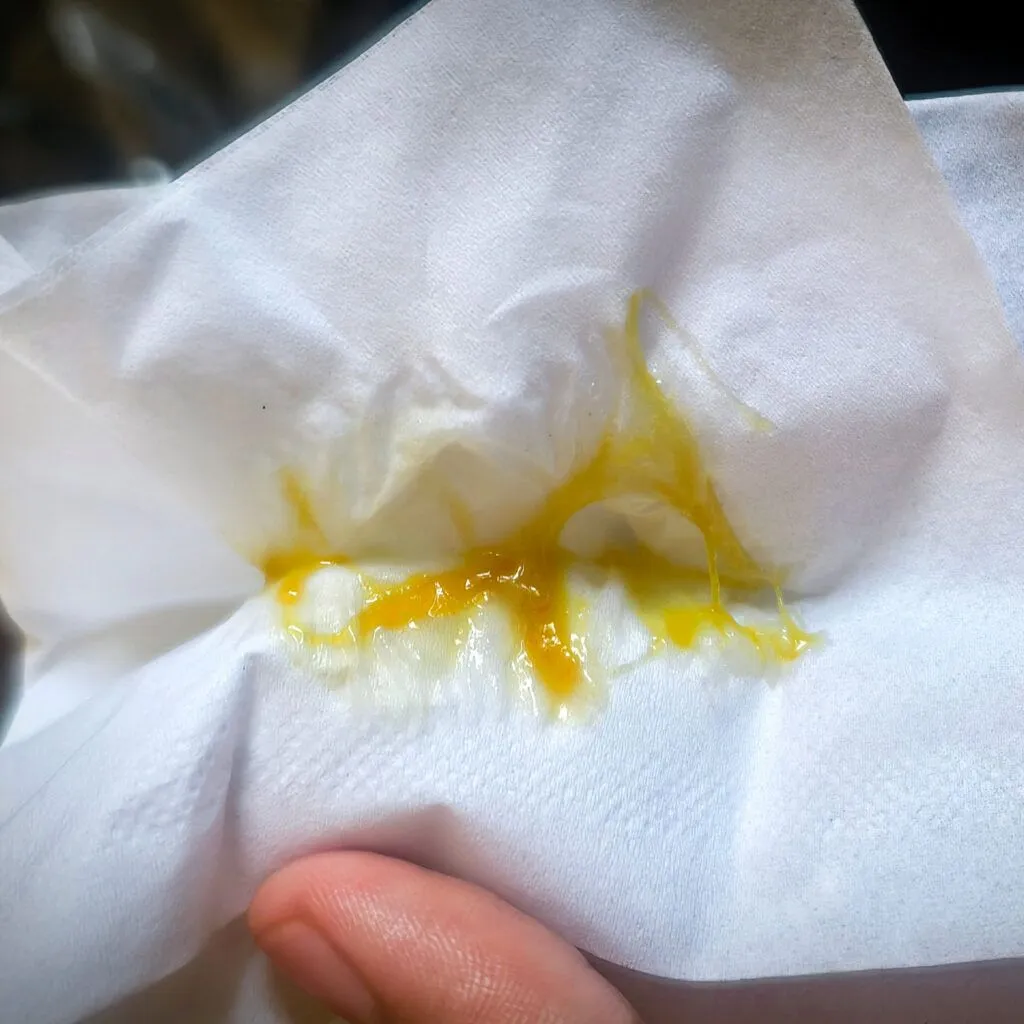
Bright yellow or deep yellow mucus suggests a more active immune response. This may indicate the infection is progressing or that a bacterial infection has developed.
If this color persists beyond 10 days or worsens, you should consult a healthcare provider.
Yellow-Green Mucus
Yellow-green or greenish-yellow mucus often indicates a more serious or longer-lasting infection. The green color comes from iron-containing enzymes released by a large number of white blood cells.
This shade is more commonly associated with bacterial sinus infections. However, viruses can also produce it.
Mucus Color Chart: Quick Reference
| Mucus Color | Likely Cause | Action Needed |
|---|---|---|
| Clear | Normal, allergies, early cold | Monitor symptoms |
| White / Cloudy | Congestion, mild cold | Rest and hydrate |
| Yellow | Viral or early bacterial infection | Monitor; see doctor if 10+ days |
| Dark Yellow / Yellow-Green | Bacterial infection likely | Consider seeing a doctor |
| Green | Active or prolonged infection | See a doctor |
| Brown / Orange | Old blood, smoke, dirt | Evaluate exposure; see doctor |
| Red / Pink | Fresh blood in mucus | See a doctor |
| Black | Fungal infection, heavy smoke | See a doctor immediately |
Yellow Mucus Symptoms to Watch For
Yellow mucus on its own may not require treatment, but certain accompanying symptoms do warrant medical attention.
Symptoms That May Indicate a Mild Issue
- Mild nasal congestion
- Slight headache
- Low-grade fever under 101°F
- Yellow mucus lasting 3 to 7 days
- General tiredness or fatigue
These symptoms usually resolve on their own within 7 to 10 days.
Warning Signs That Need a Doctor
- Yellow mucus lasting more than 10 days without improvement
- Fever above 102°F (38.9°C)
- Severe facial pain or pressure
- Vision changes alongside yellow mucus
- Shortness of breath or chest tightness
- Yellow phlegm with blood traces
- Symptoms worsening after initial improvement
If you experience any of these, visit a healthcare provider promptly. Do not self-diagnose based on mucus color alone.
How to Get Rid of Yellow Mucus: Treatment Options
Home Remedies for Yellow Mucus
Stay Hydrated Drinking plenty of water, herbal teas, and warm broths keeps mucus thin and easier to expel. Aim for at least 8 glasses of water per day.
Use a Saline Nasal Rinse A saline spray or neti pot rinses out thick yellow mucus from the nasal passages. It removes irritants and reduces congestion naturally.
Inhale Steam Steam from a hot shower, bowl of warm water, or humidifier helps loosen thick yellow mucus. Adding eucalyptus oil can further open the airways.
Elevate Your Head While Sleeping Sleeping with an extra pillow reduces post-nasal drip and prevents mucus from pooling in your sinuses overnight.
Warm Compress on the Face Placing a warm, damp towel over your nose and cheeks relieves facial pressure caused by sinus congestion and thick yellow mucus.
Honey and Warm Water Honey has natural antimicrobial properties. Mixed in warm water or herbal tea, it soothes the throat and helps reduce yellow mucus from the throat area.
Avoid Alcohol and Caffeine Both dehydrate the body, which thickens mucus further. Reducing intake supports natural mucus clearance.
Over-the-Counter Medications
| Medication Type | Purpose | Example |
|---|---|---|
| Decongestants | Reduce nasal swelling, thin mucus | Pseudoephedrine, oxymetazoline |
| Expectorants | Thin and loosen mucus | Guaifenesin (Mucinex) |
| Antihistamines | Reduce allergy-related mucus | Loratadine, cetirizine |
| Nasal Corticosteroid Sprays | Reduce inflammation | Fluticasone (Flonase) |
| Nasal Saline Sprays | Flush out mucus and irritants | Simply Saline, NeilMed |
When Antibiotics Are Needed
Antibiotics treat bacterial infections only. They do not work against viruses, which cause most cases of yellow mucus.
A doctor may prescribe antibiotics if your symptoms last more than 10 days, your fever is high, or you have clear signs of bacterial sinusitis or pneumonia. Never request antibiotics for a simple cold or viral infection.
Yellow Mucus in Special Situations
Yellow Mucus in Children
Children are especially prone to colds and ear infections that cause yellow mucus. Their immune systems are still developing, making them more susceptible.
See a pediatrician if yellow mucus in a child lasts more than 10 to 14 days, is accompanied by fever, or if ear pain develops alongside the nasal symptoms.
Yellow Mucus During Pregnancy
Hormonal changes during pregnancy increase blood flow to nasal membranes, which can cause swollen passages and excess mucus. This is called pregnancy rhinitis.
Yellow mucus during pregnancy may simply be due to increased congestion. However, since some medications are not safe during pregnancy, always consult a doctor before treating.
Yellow Mucus and COVID-19
COVID-19 causes significant respiratory inflammation. Yellow nasal discharge is a common symptom during active infection and can persist during recovery.
If yellow mucus appears alongside loss of taste or smell, fever, or shortness of breath, testing for COVID-19 is recommended.
Yellow Mucus in the Morning
Waking up with thick yellow mucus is common. Overnight, you breathe less frequently and move around less, allowing mucus to concentrate and thicken in your sinuses.
This does not always mean an infection. If it clears up quickly after waking and does not worsen, it may just be mild dehydration or mild sinus irritation.
How to Prevent Yellow Mucus
Prevention is always better than treatment. These habits reduce your risk of developing yellow mucus.
Wash Hands Frequently Most respiratory infections spread through hand contact. Regular handwashing with soap and water for at least 20 seconds dramatically cuts infection risk.
Stay Vaccinated Annual flu shots and COVID-19 vaccines reduce the risk of infections that cause yellow mucus. Ask your doctor about other relevant vaccines.
Keep Indoor Air Moist Dry air dries out nasal membranes and makes them more susceptible to infection. A humidifier helps maintain optimal indoor humidity between 40 and 60 percent.
Manage Allergies Proactively If you have seasonal allergies, start antihistamines or nasal sprays before allergy season begins. This reduces the inflammation that makes yellow mucus more likely.
Avoid Smoking and Secondhand Smoke Smoke directly irritates and inflames the airway lining. This leads to ongoing yellow or brownish mucus and increases vulnerability to respiratory infections.
Eat an Immune-Boosting Diet Foods rich in vitamin C, zinc, and antioxidants — like citrus fruits, berries, garlic, and ginger — support immune function and help the body fight infections faster.
Yellow Mucus vs. Green Mucus: Key Differences
A common question is whether yellow mucus or green mucus is worse. Here is a clear comparison.
| Factor | Yellow Mucus | Green Mucus |
|---|---|---|
| Color cause | Fewer dead white blood cells | More dead white blood cells + iron enzymes |
| Stage of illness | Early to mid-stage infection | Mid to late-stage or more severe |
| Bacterial infection likelihood | Possible but not definitive | More likely in prolonged cases |
| When to see doctor | After 10 days | After 7 to 10 days |
| Antibiotics needed | Usually not | Sometimes, if bacterial |
Green mucus forms when the concentration of dead neutrophils and iron-containing myeloperoxidase becomes very high. It often indicates the infection has been present longer or is more intense.
However, neither yellow nor green mucus alone is enough to diagnose a bacterial infection. A doctor evaluates additional symptoms and may order tests before prescribing antibiotics.
Yellow Mucus After a Cold: Are You Healing?
Many people wonder if yellow mucus means they are getting better or getting worse. The answer depends on timing and progression.
In the first 1 to 2 days of a cold, mucus is usually clear. Around day 3 to 5, it turns yellow as your immune system ramps up. By day 7 to 10, it should begin to clear back to white or clear as recovery continues.
If your yellow mucus appears after a brief improvement, it could signal a secondary bacterial infection. This pattern — feeling better then suddenly worse — is a key sign to see a doctor.
Yellow Mucus and Post-Nasal Drip

Post-nasal drip occurs when excess mucus drains down the back of the throat instead of out through the nose. When that mucus is yellow, it can cause a persistent cough, sore throat, bad breath, and the constant urge to clear the throat.
Yellow mucus post-nasal drip is especially noticeable at night when lying down. Elevating the head, using a saline rinse, and staying hydrated all help manage this condition effectively.
Diet and Lifestyle Tips for Faster Recovery
The right lifestyle habits speed up recovery when yellow mucus appears.
Spicy Foods Capsaicin in spicy foods temporarily thins mucus and opens nasal passages. Hot peppers, chili, and horseradish can offer quick, short-term relief.
Chicken Soup Classic for a reason — hot chicken soup provides hydration, warmth, and anti-inflammatory compounds that help clear yellow mucus faster.
Ginger Tea Ginger has natural anti-inflammatory and antimicrobial properties. Regular ginger tea during a cold can help reduce mucus production and ease congestion.
Rest Your immune system works hardest when you sleep. Getting 7 to 9 hours of sleep per night accelerates recovery and reduces the duration of yellow mucus episodes.
Frequently Asked Questions (FAQs)
Is yellow mucus always a sign of infection?
No. Yellow mucus can also result from allergies, environmental irritants, or dehydration. However, if it lasts more than 10 days, a doctor visit is recommended.
Does yellow mucus mean I need antibiotics?
Not always. Most yellow mucus is caused by viral infections, and antibiotics do not treat viruses. A doctor will determine if antibiotics are necessary.
How long does yellow mucus last with a cold?
Yellow mucus from a cold typically lasts 3 to 7 days. If it continues beyond 10 days or worsens, it may signal a secondary bacterial infection.
Can allergies cause yellow mucus?
Yes. Allergies cause nasal inflammation that can lead to secondary infections, which then produce yellow mucus. Antihistamines and allergy management help.
Is thick yellow mucus worse than thin yellow mucus?
Thick yellow mucus usually indicates a more advanced immune response or greater concentration of immune cells. It is more commonly seen in bacterial infections.
What does yellow mucus from the throat mean?
Yellow mucus from the throat is usually caused by post-nasal drip, where sinus mucus drains down the back of the throat. It can also indicate bronchitis.
Can dehydration cause yellow mucus?
Yes. Dehydration thickens mucus and can make it appear darker or yellower than normal. Drinking more water is one of the simplest remedies.
When should I see a doctor for yellow mucus?
See a doctor if yellow mucus lasts more than 10 days, is accompanied by high fever, facial pain, or if symptoms suddenly worsen after improvement.
Can COVID-19 cause yellow mucus?
Yes. COVID-19 triggers significant nasal and sinus inflammation. Yellow nasal discharge is a reported symptom during both active infection and recovery.
Is yellow mucus in the morning normal?
Yes, it can be. Overnight mucus concentration and mild dehydration often cause thicker, more yellow mucus in the morning. It usually clears up quickly.
Conclusion
Yellow mucus is your body sending a signal.
It means your immune system is working — white blood cells are fighting off something, whether it is a cold, a sinus infection, an allergen, or another irritant.
In most cases, yellow mucus is not dangerous and resolves within 7 to 10 days with proper rest, hydration, and basic home care.
However, yellow mucus that persists beyond 10 days, comes with a high fever, causes significant facial pain, or worsens over time needs medical attention.
Never self-diagnose based on mucus color alone. A healthcare provider can properly assess your symptoms, run any needed tests, and recommend the right treatment — whether that is simple supportive care or a targeted antibiotic course.
Take care of your body, stay hydrated, and act early when symptoms signal something more.


