


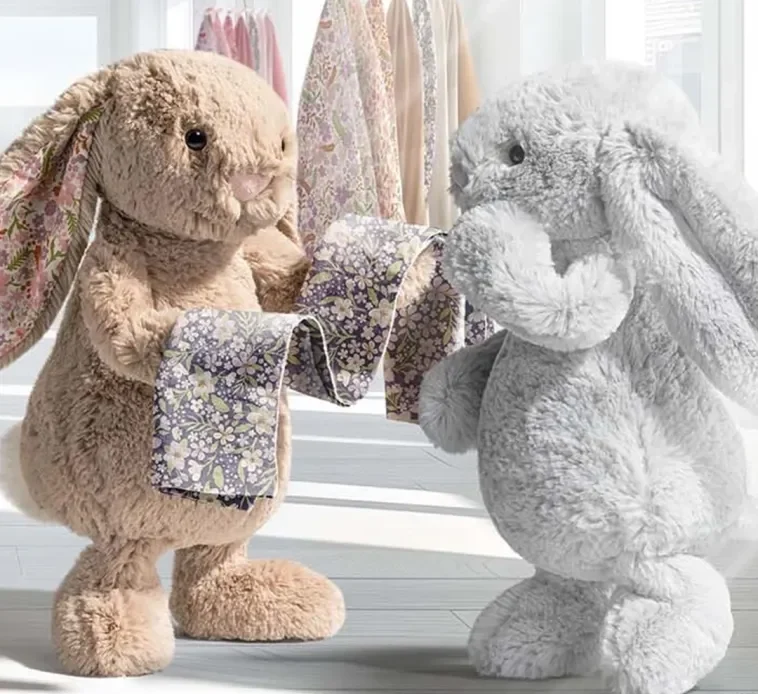
Why are Jellycats so expensive is a question nearly every shopper asks the moment they pick one up and check the price tag.
These ultra-soft plush toys from London have gone from niche gift shop finds to a full-blown global obsession. Prices range from $12 for a tiny keychain to over $100 for larger or retired editions.
But behind every price tag is a real story about materials, ethics, design, and emotional value.
The Brand Behind the Price Tag
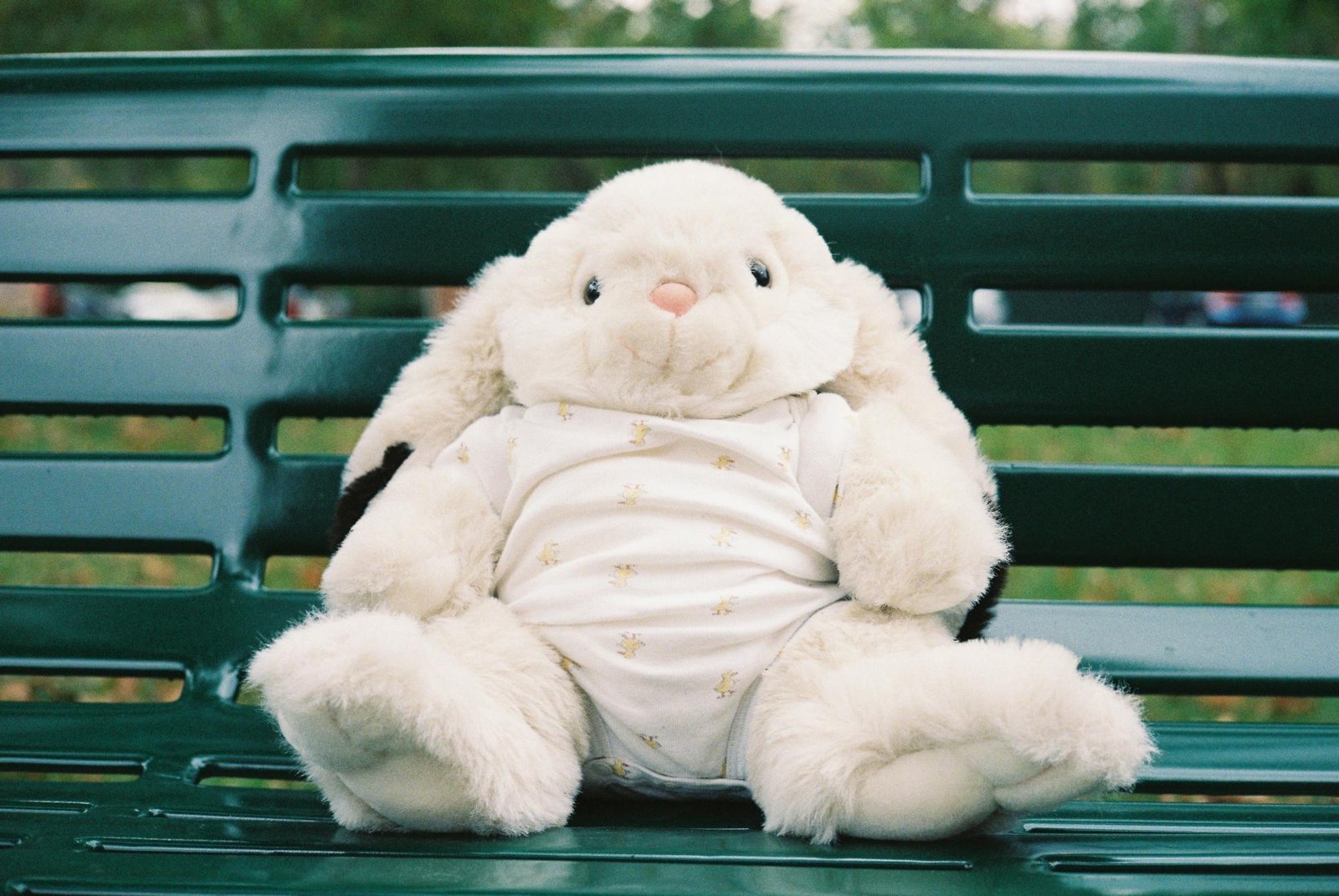
Jellycat was founded in London in 1999. What started as a small range of soft bunnies has grown into one of the most recognized plush toy brands in the world.
Today the brand sells in over 100 countries. Their range now includes classic animals, food-themed “Amuseables,” seasonal collections, and quirky limited editions.
All designs are created by in-house textile artists based in London. Manufacturing takes place primarily in China, Indonesia, Vietnam, and Cambodia under strict ethical guidelines.
Jellycat Price Breakdown by Size (2026)
| Size Category | Typical Retail Price (USD) | Examples |
|---|---|---|
| Tiny / Keychain | $12 – $25 | Bag charms, mini bunnies |
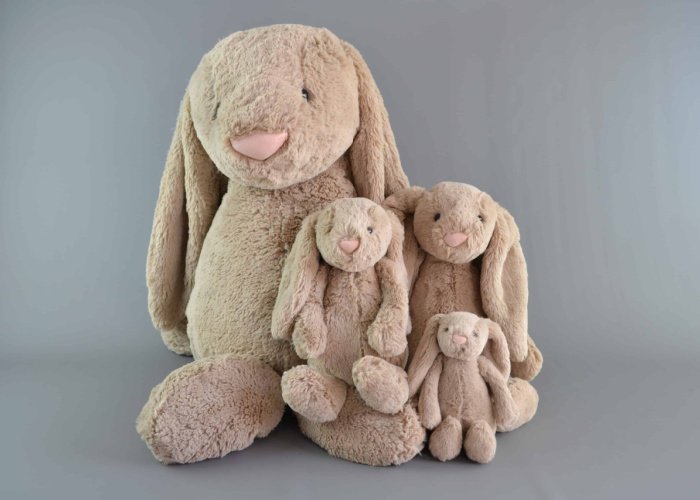
| Small | $20 – $35 | Small Bashful Bunny |
| Medium | $35 – $55 | Medium plush animals |
| Large | $55 – $85 | Large stuffed toys |
| Huge / Oversized | $85 – $150+ | Jumbo editions |
| Retired / Limited | $100 – $1,000+ | Secondary market resale |
Prices vary by retailer, region, and availability. Retired designs regularly sell for multiples of their original retail price on eBay and Mercari.
Premium Materials Drive Up the Cost
The most obvious reason Jellycats are expensive is the fabric. They use ultra-soft velvets, plush furs, and silky-smooth textiles that are far above what you find in mass-market stuffed animals.
The stuffing inside is high-grade polyester fiber. It is chosen specifically to hold its shape and maintain softness through years of washing and squeezing.
All materials are non-toxic and hypoallergenic. This matters because Jellycat products are tested for babies and young children, which requires meeting strict international safety standards.
Craftsmanship and Hand-Finishing
Each Jellycat is not just sewn on a production line and shipped out. Skilled workers hand-finish every toy, placing eyes, embroidering noses, and checking stitching quality before it leaves the factory.
This level of attention is what makes a Jellycat feel different from a budget stuffed animal. The face expressions, the fur direction, the tiny details — all of it is done with intention.
Hand-finishing is expensive. It adds labor time, requires skill, and cannot be fully automated. That cost goes directly into the retail price.
Ethical Manufacturing and Fair Wages
One of the most important and least talked-about reasons Jellycats cost more is ethical manufacturing. Most cheap stuffed animals are made through heavily exploitative labor practices. That is how they stay cheap.
Jellycat introduced its Responsible Sourcing Code of Practice (JCRSCOP) in 2018. It sets strict labor standards across every part of the supply chain, from raw material sourcing to final production.
Factory conditions are reviewed yearly. Reviews include worker interviews, pay audits, and site inspections. Workers receive fair wages and operate in safe, verified environments. That ethical cost is built into every price tag you see.
Safety Testing That Goes Beyond Industry Standards
Jellycat does not just meet the minimum safety requirements. They frequently exceed them.
Every product undergoes rigorous safety testing before it reaches stores. This includes checking for choking hazards, ensuring secure eye attachments, testing flame resistance, and verifying that all dyes are non-toxic.
For a brand that markets heavily to parents buying for babies and toddlers, this level of safety compliance is non-negotiable. And running that level of testing adds real cost to every unit produced.
Limited Editions and Scarcity Strategy
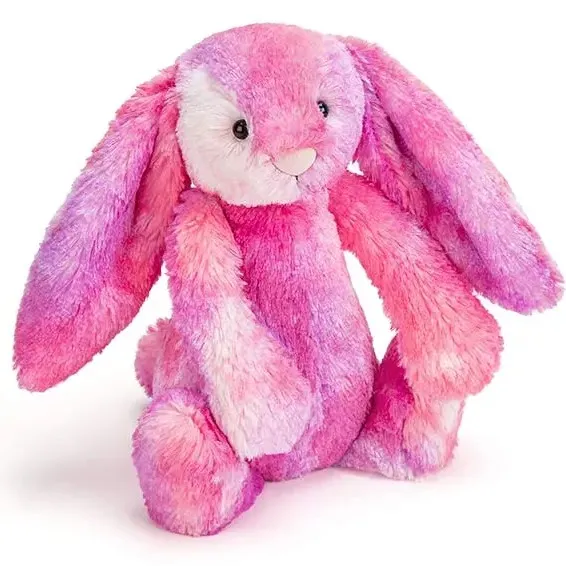
Jellycat deliberately controls how many of each design they make. When a product is retired, it is gone permanently. There are no second print runs.
This creates genuine scarcity. Collectors who miss a release often pay double or triple the original price on resale platforms. That fear of missing out also pushes demand during the original release window.
Seasonal collections for Halloween, Christmas, Valentine’s Day, and Easter appear for a short window and then disappear. The limited window creates urgency, which supports premium pricing.
The Collector Market and Resale Value
Jellycat has become the new Beanie Babies for Gen Z and Gen Alpha. Entire communities online are dedicated to tracking releases, trading retired pieces, and hunting for exclusives.
Some store-exclusive designs, like the Selfridges fish and chips collection, are only available at specific retailers. This makes them even more desirable and harder to find at retail price.
Retired and exclusive Jellycats regularly appear on eBay and Vinted at prices that far exceed their original retail value. One small plush croissant listed at £32 had 67 people who favorited it. That secondary market demand reinforces the premium pricing at retail.
Emotional Value and the Psychology of Attachment
Jellycat toys are not just products. They become comfort objects. Children sleep with them every night for years. Adults collect them for stress relief, home decor, and as gifts for major life events.
The brand understands the psychology of attachment deeply. A well-designed plush becomes a sleep companion, a milestone gift for a new baby, or an emotional anchor during difficult times. That utility goes far beyond what any material cost analysis can capture.
This emotional resonance is a real driver of perceived value. When someone loves their Jellycat so much they would never replace it, the price becomes irrelevant.
Brand Reputation and the London Design Premium
Jellycat is a London-based design house. Their creative team develops original characters with personalities, quirks, and stories built in. The “Bashful Bunny,” the “Ricky Rain Frog,” the “Amuseable Avocado” — these are not generic designs. They are intentional characters.
Designing in London, hiring textile artists, running an in-house creative studio, and protecting original intellectual property all cost money. That premium design origin is part of what separates Jellycat from cheap imitations.
The brand has also built strong global recognition over 25 years. That brand equity allows premium pricing the same way it does for any luxury goods company.
Global Demand and Supply Pressure
Jellycat operates in over 100 countries. Flagship products routinely sell out within hours of restocking. That scale of global demand on a limited supply naturally supports higher prices.
When more people want something than there is available, the price goes up. Jellycat has mastered the balance between producing enough to stay profitable and limiting supply enough to maintain desirability.
Popular designs go viral on TikTok and Instagram regularly. A single viral post can empty global stock in 24 hours. This social media amplification adds demand pressure that a traditional toy company simply does not face.
Social Media and the Viral Factor
TikTok has played a massive role in Jellycat’s price justification. Videos explaining the brand’s ethical sourcing, rare designs, and collector culture have racked up millions of views.
When consumers see transparent content about fair wages and responsible manufacturing, they connect the price to a reason. That narrative shifts the conversation from “this is too expensive” to “this is worth it.”
Influencers, gift guides, and unboxing content keep Jellycat constantly in front of new audiences. Each viral moment creates a new wave of demand that sustains premium pricing.
Are Jellycats Worth the Price?
This is the question everyone actually wants answered. The honest answer is: it depends on what you value.
If you want a soft toy that lasts for years, survives hundreds of washes, holds its shape, and passes strict safety standards, Jellycat delivers all of that. Many parents report their child has used the same Jellycat bunny every night for six or seven years. At that point, the cost per use is fractions of a cent.
If you are buying a keychain for $25 and questioning whether a small plush clip justifies that price, that is a fair concern. The smaller items feel the least justified at their price points.
For gift-giving, collector culture, and comfort objects, Jellycat consistently gets five-star reviews for quality and durability. The price is real, but so is the product.
How Jellycat Compares to Competitors
| Brand | Average Price Range | Safety Certifications | Ethical Sourcing | Collector Market |
|---|---|---|---|---|
| Jellycat | $20 – $100+ | Yes (exceeds standards) | Yes (JCRSCOP 2018) | Strong |
| Build-A-Bear | $25 – $70 | Yes | Moderate | Moderate |
| Steiff | $30 – $200+ | Yes | Yes | Very Strong |
| Generic/Amazon | $5 – $20 | Basic | Unknown | None |
| GUND | $15 – $50 | Yes | Yes | Weak |
Jellycat sits in a clear mid-to-premium tier. Steiff is the only major brand that beats it on price with a stronger collector market. Generic alternatives cost less but offer none of the quality guarantees or ethical sourcing.
What Makes Jellycat Different From Cheaper Alternatives
Cheaper plush toys from generic brands or Amazon can look similar at a glance. But they feel different immediately and often fall apart after a few months of regular use.
The difference is in the fabric density, the stitching quality, and the stuffing. Budget toys use thinner fabric, cheaper thread, and low-grade stuffing that flattens quickly. Jellycat uses materials engineered to maintain their feel over years of use.
The safety testing gap is also significant. Generic plush toys may pass minimum requirements, but Jellycat goes beyond. For parents buying for babies, that difference matters enormously.
Tips for Getting Jellycat at a Better Price
You do not always have to pay full retail price. Here are some practical ways to save money without compromising on authenticity.
Buy during seasonal sales. Many authorized retailers discount Jellycat during Black Friday, Boxing Day, and end-of-season clearance events.
Check Vinted, eBay, and Facebook Marketplace for gently used pieces. Many Jellycats are sold in near-perfect condition after children outgrow them.
Sign up for retailer newsletters. Some authorized Jellycat stockists send exclusive discount codes to email subscribers before public sales.
Avoid unofficial third-party sellers on Amazon. Fake Jellycats are common and you will not get the quality or safety assurances the brand promises.
The Sustainability Side of the Price
Jellycat has been actively moving toward more sustainable packaging. Since 2018, they have transitioned from plastic bags and plastic tags to boxes and string-based packaging.
They are also working toward reducing waste in their supply chain. While full sustainability is a work in progress, the direction is clear and the brand communicates it transparently.
For environmentally conscious buyers, knowing that the brand is actively reducing its plastic footprint adds another layer of value to the premium they charge.
Why the Price Is Only Going Up
Jellycat prices have increased incrementally over the past few years. Inflation, rising labor costs, increased demand for ethical manufacturing, and growing global logistics costs all contribute.
The collector market also pushes perceived value upward. When people see retired Jellycats selling for $300 on eBay, the current retail price of $40 suddenly looks like a bargain.
Expect prices to continue rising modestly through 2026 and beyond. If you are considering a purchase, buying sooner rather than later is the smarter financial decision for anyone who collects.
Final Thoughts on Value
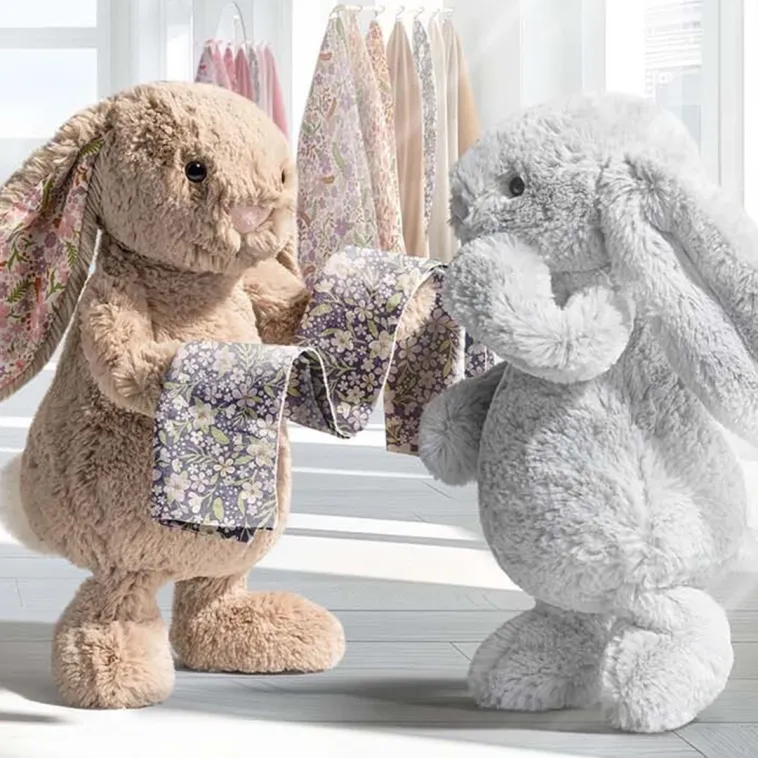
Jellycat toys occupy a unique space in the market. They are premium enough to be collectible, soft enough to be true comfort objects, and ethical enough to align with modern consumer values.
The price is not arbitrary. It reflects 25 years of brand building, genuine craft, ethical labor practices, premium materials, and a global collector community that sustains demand.
Whether you are a parent buying a first bunny for a newborn, a teen adding to a shelf collection, or an adult gifting something meaningful, Jellycat delivers on its promise. The cost is real. So is the quality.
Frequently Asked Questions (FAQs)
Why are Jellycats so much more expensive than other stuffed animals?
Jellycat uses premium fabrics, hand-finishes each toy, pays fair wages in certified factories, and runs rigorous safety testing. All of those costs add up and are reflected in the retail price.
Are Jellycats made in China?
Some Jellycat toys are manufactured in China, as well as Indonesia, Vietnam, and Cambodia. All factories operate under Jellycat’s Responsible Sourcing Code of Practice with verified ethical labor standards.
Do Jellycats hold their value over time?
Yes, especially retired and limited-edition designs. Some discontinued Jellycats sell on resale platforms like eBay for hundreds or even thousands of dollars above original retail price.
Are Jellycats safe for babies?
Yes. Jellycat uses non-toxic, hypoallergenic materials and meets or exceeds international toy safety standards. Their products are widely recommended for babies and toddlers.
Why do Jellycat designs get retired?
Jellycat deliberately retires designs to maintain exclusivity and freshness in their catalog. Once a design is retired, it is gone permanently, which increases collector demand and resale value.
Is there a way to buy Jellycats cheaper?
Yes. Look for authorized retailers during seasonal sales, check Vinted or eBay for used pieces, and sign up for retailer newsletters for discount codes. Avoid unofficial Amazon sellers to ensure product authenticity.
What is the most expensive Jellycat ever sold?
Retired and highly sought-after designs have sold on the secondary market for over $1,000. Prices vary widely depending on rarity, condition, and collector demand at the time of sale.
Are Jellycats ethically made?
Yes. Since 2018, Jellycat has enforced its Responsible Sourcing Code of Practice (JCRSCOP), which sets strict labor and safety standards across its entire supply chain including yearly factory audits.
How long do Jellycats last?
With normal use and occasional gentle washing, Jellycat toys last for many years. Numerous parents report their children used the same Jellycat daily for five to seven years without significant wear.
Why are small Jellycats like keychains still so expensive?
Even the smallest Jellycats use the same premium materials, ethical manufacturing process, and safety testing as larger ones. The price reflects the brand standards applied consistently across all products, not just the size of the item.
Conclusion
Why are Jellycats so expensive comes down to a combination of factors that are easy to understand once you look past the surface.
Premium ultra-soft materials, skilled hand-finishing, ethical labor practices, rigorous safety testing, limited-edition scarcity, and 25 years of brand trust all contribute to the final price tag.
These are not mass-produced throwaway toys.
They are designed in London, crafted with care, and built to last for years of daily use.
The emotional connection people form with their Jellycats adds a layer of value no spreadsheet can fully measure.
For parents, collectors, and gift-givers who prioritize quality and ethics, Jellycat consistently delivers.
The price is higher than a generic stuffed animal, but so is everything it offers in return.
In 2026, with resale values rising and new designs selling out fast, Jellycat remains one of the most justified premium purchases in the plush toy market.


