


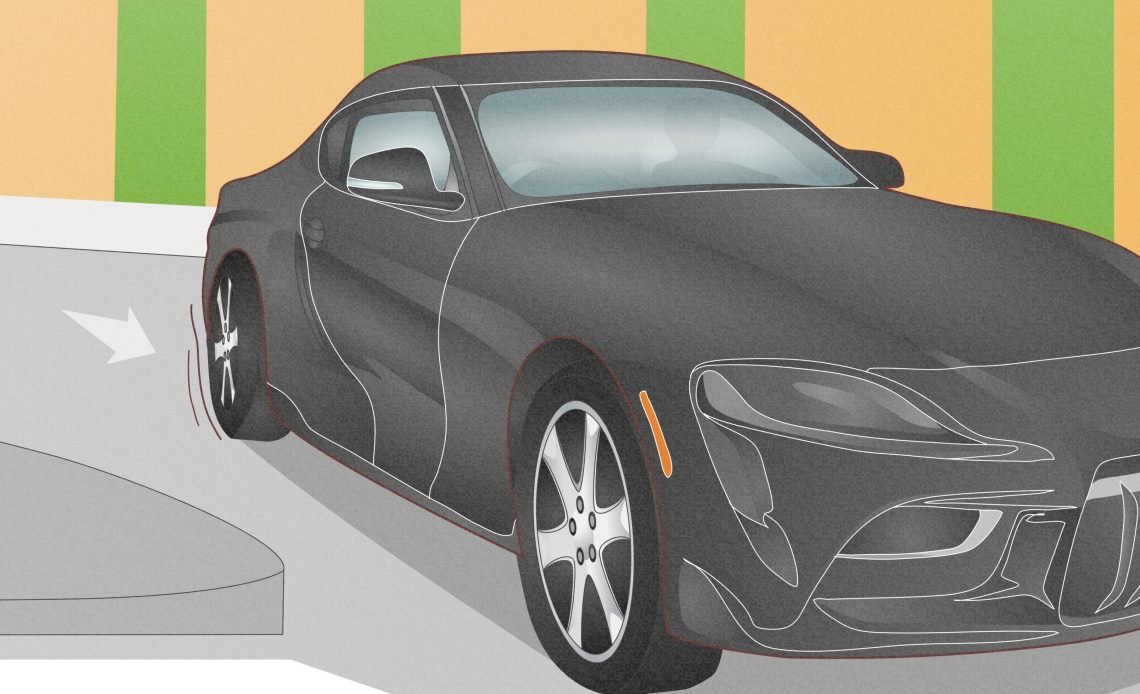
Why does my car shake when I accelerate is one of the most searched car problems in 2026, and for good reason.
That uncomfortable vibration through your steering wheel or seat is your vehicle sending a clear warning signal. It can start small and quietly turn into a major safety risk if ignored.
The causes range from a simple tire imbalance to serious drivetrain damage.
What Does It Mean When Your Car Shakes During Acceleration?

When you press the gas pedal, your engine, drivetrain, tires, and suspension all work together under increased load. Any weak link in this chain can produce vibration or shaking.
Shaking during acceleration is different from shaking at idle or when braking. The problem gets worse when the system is under stress, meaning something is failing under load.
Understanding exactly when and where the shaking happens is the fastest way to narrow down the cause.
The Core Diagnostic Question You Must Ask First
Before checking any part, answer this one question: does the shaking happen only when you press the gas, or does it happen at the same speed whether you accelerate or coast?
This single question separates two completely different categories of problems.
| Shaking Behavior | Most Likely Cause |
|---|---|
| Only when pressing the gas, stops when you lift off | CV joint, motor mount, driveshaft, or stuck brake caliper |
| Same speed whether pressing gas or coasting | Unbalanced tires, bent wheel, worn wheel bearing, warped rotor |
| Only under hard acceleration | Worn inner CV joint |
| Shaking at low speed from a stop | Engine mount, spark plugs, or axle issue |
| Shaking at high speed (60+ mph) | Tire balance, bent rim, or driveshaft |
This diagnostic split saves you time and money before you talk to any mechanic.
Top 10 Reasons Why Your Car Shakes When You Accelerate
1. Unbalanced or Damaged Tires
Tires are the most common cause of car shaking during acceleration. When tires are unbalanced, weight is unevenly distributed around the wheel and creates a wobble that gets worse as speed increases.
A bent wheel, uneven tread wear, or a tire that is out of balance can make the steering wheel shimmy when you accelerate. Even seasonal tire changes and recent pothole impacts can trigger this.
Tire age also matters. Hardened rubber reduces stability, especially at highway speeds.
Fix: Visit a tire shop for a balance and rotation. It is the cheapest first step and costs between $20 to $80.
2. Worn CV Joints
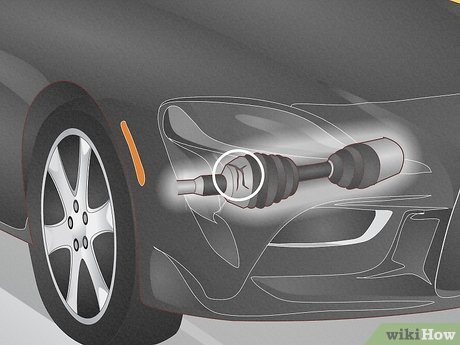
CV (Constant Velocity) joints transfer torque from the transmission to the wheels on front-wheel-drive vehicles. When the inner CV joint is damaged or begins to fail, you will notice your car vibrating under hard acceleration.
As it gets worse, minor vibrations turn into violent shaking when under load. Damaged CV joints usually occur because of a tear in the joint boot, which allows water and dirt inside, destroying the grease and causing metal-on-metal failure.
A bad CV joint may also produce a clicking noise when you turn at low speeds.
Fix: Replace the CV axle shaft. Cost ranges from $250 to $600 per side depending on your vehicle.
3. Broken or Worn Motor Mounts
Motor mounts are rubber and metal brackets that secure your engine to the vehicle frame. They absorb the engine’s natural vibrations so you do not feel them inside the cabin.
When motor mounts wear out, crack, or break, the engine moves more than it should under acceleration. This creates a noticeable shake often felt through the floorboard or steering wheel.
One broken mount can cause others to wear out faster due to the extra stress placed on the remaining ones.
Fix: Have a mechanic inspect all motor mounts. Replacement typically costs $200 to $600 and makes an immediate difference in ride quality.
4. Engine Misfire (Spark Plugs, Ignition Coils, Fuel Injectors)
An engine misfire happens when one or more cylinders fail to fire properly. This disrupts the engine’s rhythm and causes a jerking or shuddering sensation, especially when accelerating from a stop.
Common causes include old spark plugs, failing ignition coils, and clogged fuel injectors. When one cylinder is not firing properly, the imbalance becomes more noticeable under acceleration.
You might also notice the check engine light turning on, rough idling, reduced fuel economy, or the car feeling slow when you try to speed up.
Fix: Replace spark plugs (every 30,000 to 100,000 miles depending on plug type), clean or replace fuel injectors, and test ignition coils. Spark plug replacement is one of the most affordable fixes at $50 to $200.
5. Driveshaft or U-Joint Problems
The driveshaft transfers power from the transmission to the rear wheels on rear-wheel-drive and all-wheel-drive vehicles. A bent or unbalanced driveshaft can cause the entire vehicle to shake during acceleration.
Universal joints (U-joints) connect the driveshaft to the axle. When they wear out or seize, vibration increases with speed. A failing U-joint can also cause a clunking noise when you shift from park to drive.
In severe cases, a failed driveshaft can fall from the vehicle entirely, which is extremely dangerous.
Fix: Inspect U-joints and the driveshaft for damage, dents, or missing balance weights. Replacement costs vary from $300 to $1,000 depending on the vehicle type.
6. Bent Axle
A bent axle can cause significant shaking when you accelerate. This typically happens after hitting a curb, a large rock, or being involved in a minor accident.
Even a slight bend in the axle creates an imbalance that gets worse under the load of acceleration. You may feel the vibration through the floorboard, especially during uphill driving.
Unlike tire imbalance, which tends to create a steady wobble, a bent axle produces a more aggressive shake that increases with throttle input.
Fix: Axle replacement is typically necessary as bends cannot be reliably straightened. Cost ranges from $300 to $800 per axle.
7. Loose Lug Nuts or Wheel Bearing Failure
Loose lug nuts on your wheels can cause your car to wobble when you speed up. This is a safety emergency. If lug nuts are not tightened to the correct torque specification, the wheel can separate from the car while driving.
Wheel bearing failure is a separate but related issue. A worn wheel bearing creates a humming or grinding noise that changes pitch when you steer. It also allows the wheel to move slightly, causing vibration during acceleration.
Fix: Use a torque wrench to check lug nut tightness after any tire service. Wheel bearing replacement costs $200 to $500 per wheel.
8. Stuck Brake Caliper
A stuck or seized brake caliper creates constant friction on one wheel even when you are not pressing the brake pedal. This drag causes shaking that is often felt most intensely between 40 and 55 mph.
The affected wheel will run significantly hotter than the others. You may also notice a burning smell, pulling to one side, or reduced fuel economy due to the constant drag.
This needs same-day attention because it affects both handling and braking performance.
Fix: A mechanic will inspect and rebuild or replace the caliper. Cost is typically $150 to $400 per caliper.
9. Worn Suspension Components
Worn suspension parts can also contribute to shaking, especially at highway speeds. Ball joints, control arm bushings, and shocks help keep your wheels stable and aligned.
When they wear out, the vehicle feels unsettled as speed increases. This is often paired with uneven tire wear, reduced steering precision, and a loose or wandering feeling at the wheel.
Suspension problems can worsen CV joint and wheel bearing wear over time because the added movement transfers stress to connected components.
Fix: Annual suspension inspections can catch worn parts early. Repair costs vary widely from $150 for a bushing to $800 for control arm and ball joint replacement.
10. Transmission Problems
Internal transmission problems are less common than the causes listed above, but they can cause shaking during acceleration. A slipping or rough-shifting transmission will produce a jerking or shuddering sensation as gears change under load.
Low or dirty transmission fluid is often the first sign. Contaminated fluid loses its ability to lubricate and cool internal parts, leading to rough shifting and vibration.
Full transmission rebuild or replacement is the most expensive repair on this list, ranging from $1,000 to $4,000 or more.
Fix: Start by checking transmission fluid level and condition. A fluid change or flush may resolve early-stage issues before they become major failures.
How to Diagnose Car Shaking at Home (Step-by-Step)
You do not need special tools to narrow down the cause. Follow these steps in order.
Step 1: Check tire pressure and condition Look for uneven wear, cracks, or bulges. Inflate to the manufacturer spec found on the door jamb sticker.
Step 2: Do the gas-off test At the speed where shaking occurs, lift your foot off the gas while maintaining the same speed. If the shaking stops, the cause is drivetrain (CV joint, motor mounts). If it continues, the cause is rotational (tires, wheel, wheel bearing).
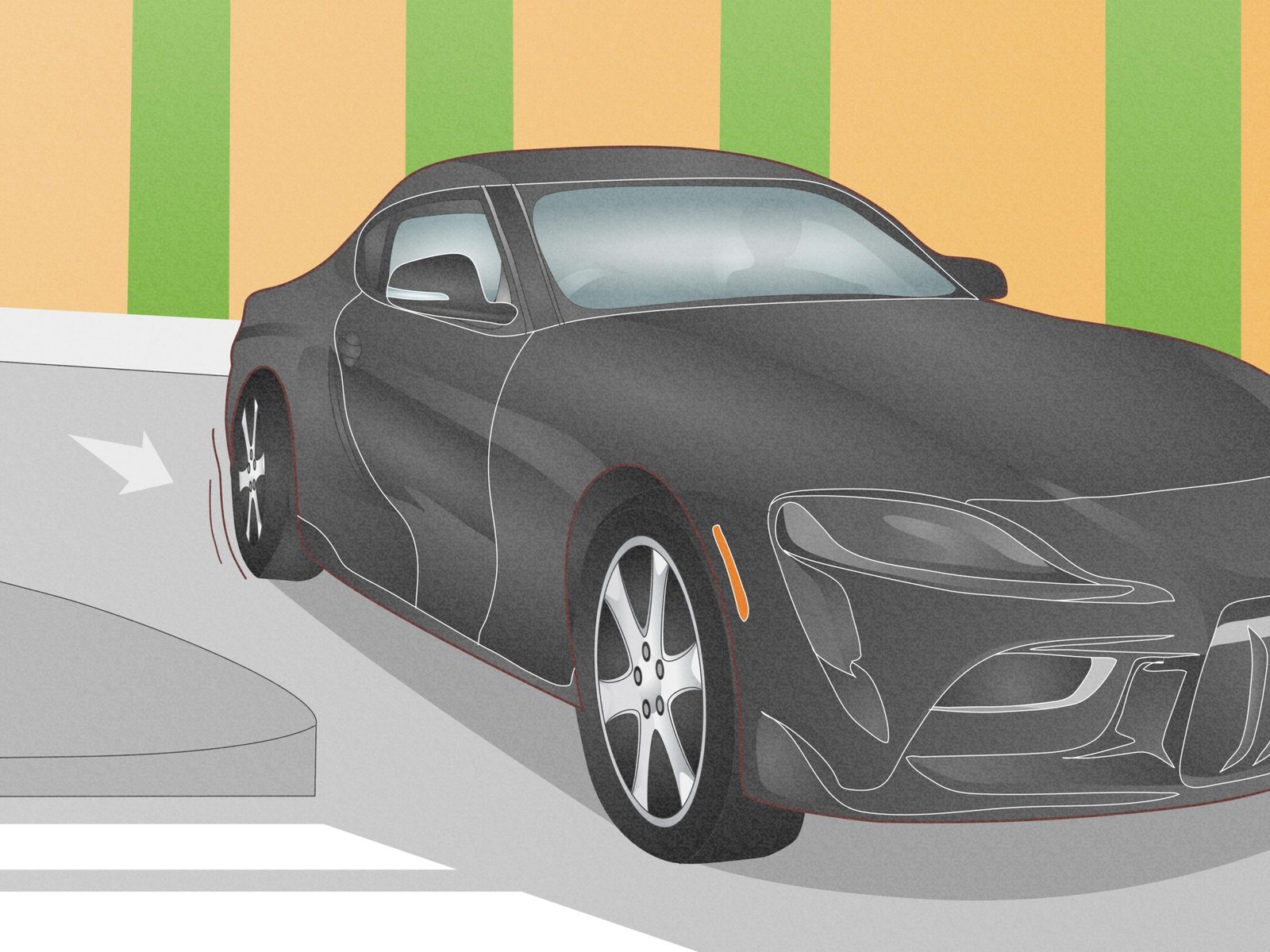
Step 3: Check for CV joint clicking In an empty parking lot, turn the wheel all the way to one lock and drive forward slowly in a tight circle. A clicking noise points to a failing outer CV joint on that side.
Step 4: Look for grease on the inside of your tires A dark greasy residue near the wheel well means a CV boot has torn. The joint itself may not be far behind.
Step 5: Check engine warning lights A check engine light combined with shaking almost always means a misfire. A scanner tool (available at auto parts stores for free) will pull the specific fault code.
Step 6: Feel where the vibration comes from Vibration in the steering wheel usually means a front-end problem. Vibration through the seat or floor often points to a rear axle, driveshaft, or rear tires.
Shaking at Different Speeds: What It Means
| Speed Range | What It Suggests |
|---|---|
| 0 to 30 mph from a stop | Engine mount, CV joint, or misfire |
| 30 to 50 mph | Unbalanced tires, CV joint, or brake caliper |
| 60 mph and above | Tire balance, bent rim, driveshaft, or wheel bearing |
| All speeds under acceleration | Motor mount or misfire |
| Specific speed and then disappears | Tire resonance frequency, usually tire imbalance |
Repair Cost Comparison Table
| Problem | DIY Possible? | Estimated Repair Cost |
|---|---|---|
| Tire balancing | No (needs equipment) | $20 to $80 |
| Spark plug replacement | Yes | $50 to $200 |
| Wheel alignment | No | $80 to $150 |
| Motor mount replacement | Difficult | $200 to $600 |
| Wheel bearing replacement | Difficult | $200 to $500 per wheel |
| Brake caliper replacement | Moderate | $150 to $400 per caliper |
| CV axle replacement | Moderate | $250 to $600 per side |
| Driveshaft / U-joint repair | No | $300 to $1,000 |
| Bent axle replacement | No | $300 to $800 |
| Transmission service/rebuild | No | $1,000 to $4,000+ |
Is It Safe to Drive When Your Car Shakes?
This depends on the cause and severity.
A minor tire imbalance is annoying but usually not immediately dangerous at lower speeds. However, worn CV joints, broken motor mounts, or a bent axle can deteriorate rapidly and cause loss of vehicle control.
If the shaking is severe, suddenly worse, or accompanied by unusual noises like clunking, grinding, or popping, pull over safely and have the vehicle inspected before driving further.
Do not ignore shaking that gets progressively worse over days or weeks. What starts as a minor vibration often ends as a roadside breakdown or a much more expensive repair.
How to Prevent Car Shaking During Acceleration
Prevention is far more cost-effective than repair. Here is what every driver should do regularly.
Rotate and balance tires every 5,000 to 7,000 miles. This extends tire life and prevents uneven wear that leads to vibration.
Replace spark plugs on schedule. Depending on the plug type, this is every 30,000 miles for copper plugs or up to 100,000 miles for iridium plugs.
Check engine mounts and suspension components during every oil change. Early detection of cracks or soft rubber prevents secondary damage.
Check transmission fluid every 30,000 to 60,000 miles. Fresh fluid prevents rough shifting and heat buildup.
Inspect CV joint boots during tire rotations. A torn boot caught early can sometimes be fixed with just a boot replacement instead of a full CV axle.
Avoid potholes, curbs, and road debris when possible. These are the primary cause of bent axles, bent rims, and damaged CV joint boots.
Front-Wheel Drive vs. Rear-Wheel Drive: Does It Matter?
Yes. The drive type affects which parts are most likely to fail.
Front-wheel drive (FWD): CV joints do double duty steering and driving the wheels, so they wear faster. Shaking during acceleration is most often caused by CV joint issues on FWD vehicles.
Rear-wheel drive (RWD): The driveshaft and U-joints are the primary suspects for acceleration shaking. These vehicles also tend to develop driveshaft balance issues over time.
All-wheel drive (AWD): Both front and rear CV joints, plus the center driveshaft and transfer case, are all potential causes. AWD vehicles have more components to inspect.
When to See a Mechanic Immediately
Some symptoms mean you should not continue driving and need same-day attention.
Pull over or call a tow if you notice: shaking that suddenly gets much worse, a loud clunk or pop followed by vibration, the steering wheel pulling sharply to one side, a burning smell coming from a wheel area, or a grinding noise combined with shaking.
These symptoms can indicate a CV axle about to separate, a seized brake caliper, or a driveshaft failure. All of these create a serious loss of vehicle control risk.
Frequently Asked Questions (FAQs)
Why does my car shake only when I accelerate hard but not lightly?
This is the most reliable symptom of a worn inner CV joint. The joint fails under high torque load but holds together under light throttle. Have the CV axle inspected.
Why does my car shake between 40 and 55 mph but smooths out at higher speeds?
This is almost always an unbalanced tire hitting its resonant frequency at that speed range. A tire balance appointment is the first step.
Can bad spark plugs cause my car to shake when accelerating?
Yes. Worn or fouled spark plugs cause cylinder misfires that create engine vibrations most noticeable during acceleration when smooth power delivery is critical.
Why does my car shake when I accelerate uphill?
Uphill driving places extra load on the drivetrain. A bad engine mount, worn driveshaft, or weak ignition system may only fail under this added strain.
Is transmission failure a common cause of acceleration shaking?
No. Transmission problems are less common than CV joints, tires, or motor mounts. However, low or dirty transmission fluid can cause rough shifting that feels like shaking.
Can wheel alignment cause shaking during acceleration?
Yes. When alignment is off, tires wear unevenly and the steering feels unstable. This becomes more noticeable while the vehicle is under acceleration load.
How long can I drive with a shaking car before it causes more damage?
It depends on the cause. A tire imbalance can wait a few days. A failing CV joint or broken motor mount should be fixed within days, not weeks, to avoid further damage.
Does low engine oil cause a car to shake?
Low or degraded engine oil introduces friction and poor lubrication, resulting in engine vibration that gets worse during acceleration. Always maintain proper oil level and change intervals.
Why does my steering wheel shake but the seat does not?
Steering wheel vibration typically points to a front-end problem such as a front tire imbalance, front CV joint issue, or front wheel bearing. Seat vibration usually means a rear axle or driveshaft issue.
How much does it cost to fix a car that shakes when accelerating?
Costs range from $20 for a tire balance to over $4,000 for a transmission rebuild. Most common fixes like CV axles, motor mounts, and spark plugs fall in the $100 to $600 range when caught early.
Conclusion
Why does my car shake when I accelerate is a question with many possible answers, but all of them follow the same logic. Something is failing under the load and stress of acceleration.
From unbalanced tires and worn CV joints to engine misfires and broken motor mounts, most causes are diagnosable and fixable without waiting for a complete breakdown.
The smartest thing any driver can do is pay attention early. Use the gas-off test, listen for clicking noises, and watch for steering pull or unusual smells.
These small observations point directly to the right repair before costs spiral out of control.
Routine maintenance including tire rotation, spark plug replacement, CV boot inspections, and suspension checks prevents the majority of causes before they develop.
A smooth ride in 2026 is not just about comfort. It is about keeping you, your passengers, and everyone else on the road safe.
Do not ignore a shaking car. Act on it early and drive with confidence.


