


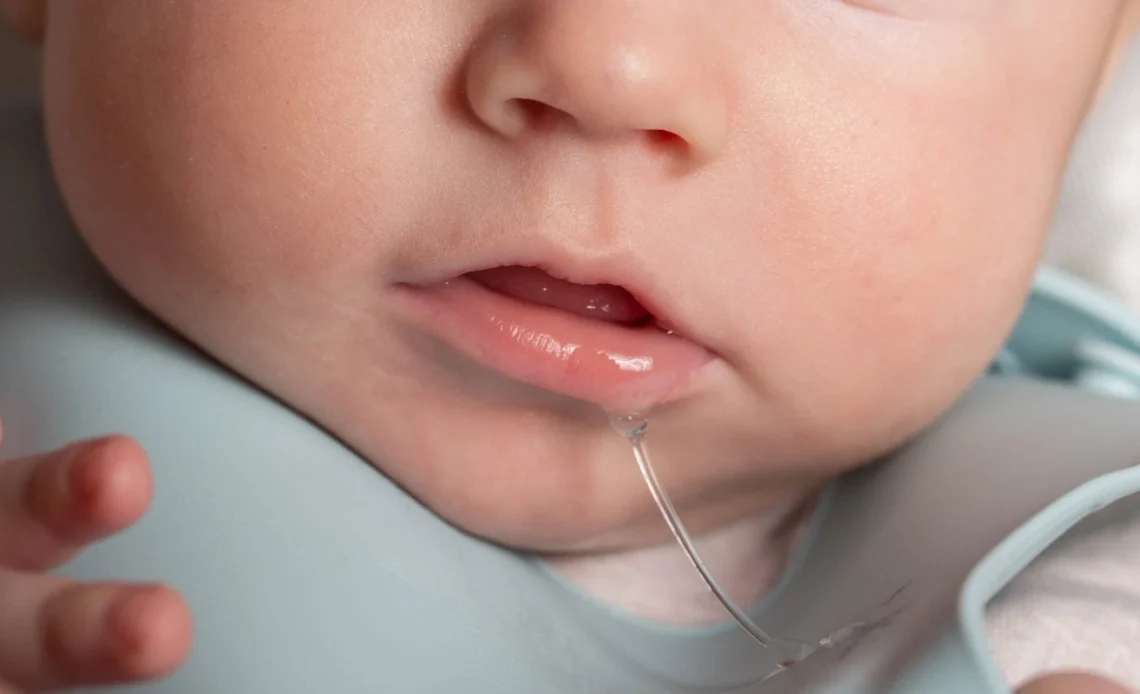
Why is my mouth watering is a question most people ask at some point, whether it happens right before a meal, unexpectedly during the night, or constantly without any obvious reason.
Saliva is essential to your health, but when your mouth produces too much of it, the experience can feel uncomfortable, embarrassing, and sometimes alarming.
The medical term for this condition is hypersalivation, also called ptyalism or sialorrhea.
Causes range from something as harmless as smelling your favorite food to signs of acid reflux, pregnancy, or neurological conditions.
What Is Saliva and Why Does Your Mouth Produce It?

Saliva is a clear fluid produced by three pairs of major salivary glands: the parotid, submandibular, and sublingual glands. Dozens of smaller minor glands throughout your mouth also contribute.
A healthy adult produces between 0.75 and 1.5 liters of saliva every single day. Production peaks during eating and drops to its lowest level during sleep.
Saliva does far more than keep your mouth moist. It starts the digestion process with enzymes like amylase that break down starches, coats and lubricates food so you can swallow safely, neutralizes acids to protect tooth enamel, carries calcium and fluoride to strengthen teeth, and controls the bacterial population in your mouth to prevent infection and gum disease.
When production increases beyond what you need, the excess builds up and your mouth begins to feel like it is constantly watering.
Normal Mouth Watering vs. Hypersalivation
Not every burst of extra saliva is a medical problem. Your body is designed to produce more saliva in response to certain triggers, and this is completely normal.
Normal situations where your mouth waters:
Seeing or smelling food you find appealing triggers a conditioned reflex through your autonomic nervous system. This is the classic Pavlovian response and is entirely healthy.
Thinking about food, especially something you enjoy, can activate the same reflex without any food being present at all. Your brain anticipates eating and prepares the digestive system.
Tasting sour, salty, or acidic foods causes an immediate spike in saliva production because these flavors signal the need for extra buffering and lubrication.
When it becomes hypersalivation:
Hypersalivation is excess saliva that occurs persistently, outside of normal food-related contexts, or in amounts large enough to cause drooling, difficulty swallowing, or social embarrassment.
It can be temporary or chronic, constant or intermittent, mild or severe enough to require medical treatment.
| Type | What It Looks Like | Common Cause |
|---|---|---|
| Transient (short-term) | Comes and goes over hours or days | Food, nausea, new medication, infection |
| Situational | Only occurs around food or certain smells | Normal conditioned reflex |
| Persistent | Present most of the day for weeks | GERD, pregnancy, medications, dental issues |
| Chronic | Ongoing for months or years | Neurological conditions, swallowing disorders |
Why Is My Mouth Watering? The Most Common Causes
Food, Smell, and Conditioned Reflexes
The most common reason your mouth waters is also the most benign. Your nervous system has learned to associate certain sights, smells, and sounds with eating, and it prepares your digestive tract by triggering saliva production before you even take a bite.
This reflex operates through your autonomic nervous system and involves the vagus nerve connecting your brain to your digestive organs. Smell is the most powerful trigger because the olfactory system connects directly to the brain regions that regulate appetite and digestion.
This type of mouth watering is not a symptom of anything. It is evidence that your nervous system and salivary glands are working exactly as they should.
Nausea and the Pre-Vomiting Response
One of the most reliable signs that nausea is about to lead to vomiting is a sudden, intense surge of saliva. This happens because your body produces extra saliva as a protective mechanism.
Before vomiting, the stomach and esophagus brace for contact with acidic stomach contents. Extra saliva dilutes and neutralizes acid, protecting the soft tissues of the throat and mouth from chemical burns.
The vagus nerve coordinates this response. When the digestive system signals distress, the vagus nerve simultaneously triggers saliva production and the nausea sensation, which is why mouth watering and nausea so commonly appear together.
If your mouth waters persistently alongside nausea, the underlying cause of the nausea is what needs to be investigated.
Acid Reflux and GERD
Gastroesophageal reflux disease is one of the most common medical causes of excessive mouth watering, particularly at night.
When stomach acid backs up into the esophagus, it creates a burning sensation and threatens to damage the sensitive esophageal lining. Your body responds by flooding the mouth and throat with saliva to dilute and neutralize the acid. This protective response is called water brash, and it is a recognized symptom of GERD.
Water brash causes a sudden rush of watery, slightly bitter or sour fluid that fills the mouth rapidly. Many people experience it at night when lying flat, because gravity no longer helps keep stomach contents down.
Signs that GERD may be causing your mouth watering:
- Mouth watering that worsens when lying down or bending forward
- Accompanying heartburn or a burning sensation behind the chest
- A sour or acidic taste in the mouth alongside the saliva
- Symptoms worse after large meals, fatty foods, coffee, or alcohol
- More noticeable at night or shortly after eating before bed
Managing GERD-related mouth watering:
- Avoid eating within two to three hours of bedtime
- Elevate the head of your bed by four to six inches
- Cut back on fatty, spicy, and acidic foods
- Use over-the-counter antacids or proton pump inhibitors as directed
- See a doctor if symptoms persist beyond two weeks
Pregnancy and Ptyalism Gravidarum
Excessive mouth watering during pregnancy is so common it has its own name: ptyalism gravidarum. It affects a notable percentage of pregnant women, particularly during the first trimester, and can be one of the earliest signs of pregnancy for some.
Hormonal shifts during early pregnancy, especially rapidly rising levels of estrogen and human chorionic gonadotropin, are believed to stimulate the salivary glands directly. The problem is often compounded by nausea, because the nausea of morning sickness causes its own wave of saliva that makes the whole experience worse.
For women with hyperemesis gravidarum, the extreme form of pregnancy nausea, the mouth watering can be severe enough to cause spitting throughout the day and significant discomfort.
The good news is that ptyalism gravidarum almost always improves significantly after weeks 15 to 20 of pregnancy, as hormone levels stabilize and nausea decreases.
Managing mouth watering during pregnancy:
- Eat small, frequent meals rather than large ones to reduce nausea
- Sip water regularly throughout the day
- Chew sugar-free gum to encourage swallowing
- Suck on ice chips if the taste or texture of saliva is bothersome
- Talk to your doctor about safe antihistamines or scopolamine patches if the condition is severe
Medications That Cause Hypersalivation
Certain medications directly stimulate the salivary glands as a known side effect. If your mouth watering started shortly after beginning a new prescription, the medication is the likely cause.
Medications commonly linked to hypersalivation:
| Medication Type | Examples | Notes |
|---|---|---|
| Antipsychotics | Clozapine, Risperidone | Clozapine is a leading pharmaceutical cause |
| Cholinergic agents | Pilocarpine, Bethanechol | Designed to increase secretions |
| Mood stabilizers | Lithium | Affects autonomic nerve function |
| Antibiotics | Some classes | Usually temporary |
| Anticonvulsants | Certain seizure medications | Varies by drug |
| Heavy metals (toxicity) | Lead, mercury | Toxicity, not therapeutic use |
Never stop a prescribed medication without speaking to your doctor first. In most cases, the dose can be adjusted, the timing can be changed, or an alternative medication can be prescribed to resolve the problem without interrupting your treatment.
Oral Health Problems and Dental Issues
Problems inside your mouth and jaw are a common driver of excess saliva. The mouth responds to pain, irritation, and inflammation by increasing saliva flow as a protective and healing mechanism.
Dental causes of mouth watering:

New dentures, especially ill-fitting ones, are a very common cause. The mouth treats the foreign object as a food source and triggers reflexive saliva production. This usually decreases significantly within a few weeks as the mouth adjusts.
Mouth ulcers, canker sores, and gum inflammation signal the salivary glands to produce more protective saliva. Cavities with exposed nerve endings can have the same effect.
Tooth abscesses and gum infections create ongoing irritation and inflammation that keeps saliva production elevated until the infection is treated.
Jaw fractures or dislocations affect the normal mechanics of swallowing, meaning saliva accumulates and the mouth feels full even if production is not dramatically increased.
Maintaining good oral hygiene, seeing a dentist for infections or ill-fitting dental work, and treating ulcers promptly are the primary solutions here.
Sinus Infections and Throat Conditions
Infections and inflammation in the sinuses, throat, and tonsils can cause excess saliva through two pathways: direct irritation of the oral and pharyngeal mucosa, and post-nasal drip that creates a persistent dripping sensation at the back of the throat.
Tonsillitis, strep throat, and pharyngitis all inflame tissues in close proximity to the salivary glands and can trigger increased saliva production. Swallowing becomes painful during these infections, so saliva accumulates because swallowing is avoided.
Allergies cause post-nasal drip, which irritates the back of the throat continuously and can keep salivation elevated for as long as the allergy is active.
Treating the underlying infection or allergy typically resolves the excess saliva within days.
Neurological Conditions
Several neurological conditions cause chronic hypersalivation, not always by increasing saliva production directly, but by impairing the muscle coordination needed to swallow saliva naturally and continuously.
Healthy adults swallow saliva unconsciously hundreds of times per day. When the muscles controlling swallowing are weakened or poorly coordinated, saliva accumulates faster than it can be cleared, creating the sensation of constant mouth watering.
Neurological conditions commonly linked to hypersalivation:
Parkinson’s disease affects the muscles of swallowing. People with Parkinson’s may produce normal amounts of saliva but cannot manage it effectively, leading to significant drooling.
Cerebral palsy involves reduced muscle tone and coordination throughout the body, including the muscles of the face, jaw, and throat needed for efficient swallowing.
Amyotrophic lateral sclerosis (ALS) causes progressive loss of voluntary muscle control, including the swallowing mechanism. Hypersalivation is a distressing symptom for many people with ALS.
Stroke survivors may experience damage to the brain regions controlling swallowing or salivary gland activity, resulting in sudden-onset hypersalivation in one direction or permanent change in saliva management.
Multiple sclerosis can disrupt the nerve signals that coordinate swallowing and can cause episodic or chronic excess saliva depending on which nerve pathways are affected.
If hypersalivation is new and appears alongside facial weakness, tremor, difficulty speaking or swallowing, or changes in movement, see a doctor promptly.
Anxiety and Stress
The autonomic nervous system, which controls both saliva production and the stress response, connects these two systems directly.
Anxiety activates the parasympathetic branch of the autonomic nervous system. The parasympathetic system is the one responsible for stimulating salivary glands. In some people, anxiety or heightened stress leads to noticeable increases in saliva.
Additionally, stress worsens many conditions that independently cause mouth watering, including acid reflux and nausea. This creates a cycle where anxiety triggers GERD, and GERD triggers water brash, which creates more anxiety.
Managing the underlying anxiety through therapy, breathing techniques, regular exercise, and when appropriate medication, can indirectly reduce hypersalivation in these cases.
Toxins and Poisoning
Exposure to certain toxins and poisons can cause sudden, extreme hypersalivation as a direct pharmacological effect. Heavy metal poisoning, particularly from mercury or lead, is a known cause.
Bites from certain venomous animals, including some snake species and funnel web spiders, and stings from scorpions can trigger rapid hypersalivation as part of the toxic response.
Certain poisonous mushrooms, particularly those containing muscarine, directly activate salivary glands through their cholinergic mechanism.
Sudden, severe hypersalivation alongside other symptoms such as confusion, difficulty breathing, vomiting, or muscle weakness after potential toxin exposure requires emergency medical care.
Why Is My Mouth Watering at Night?
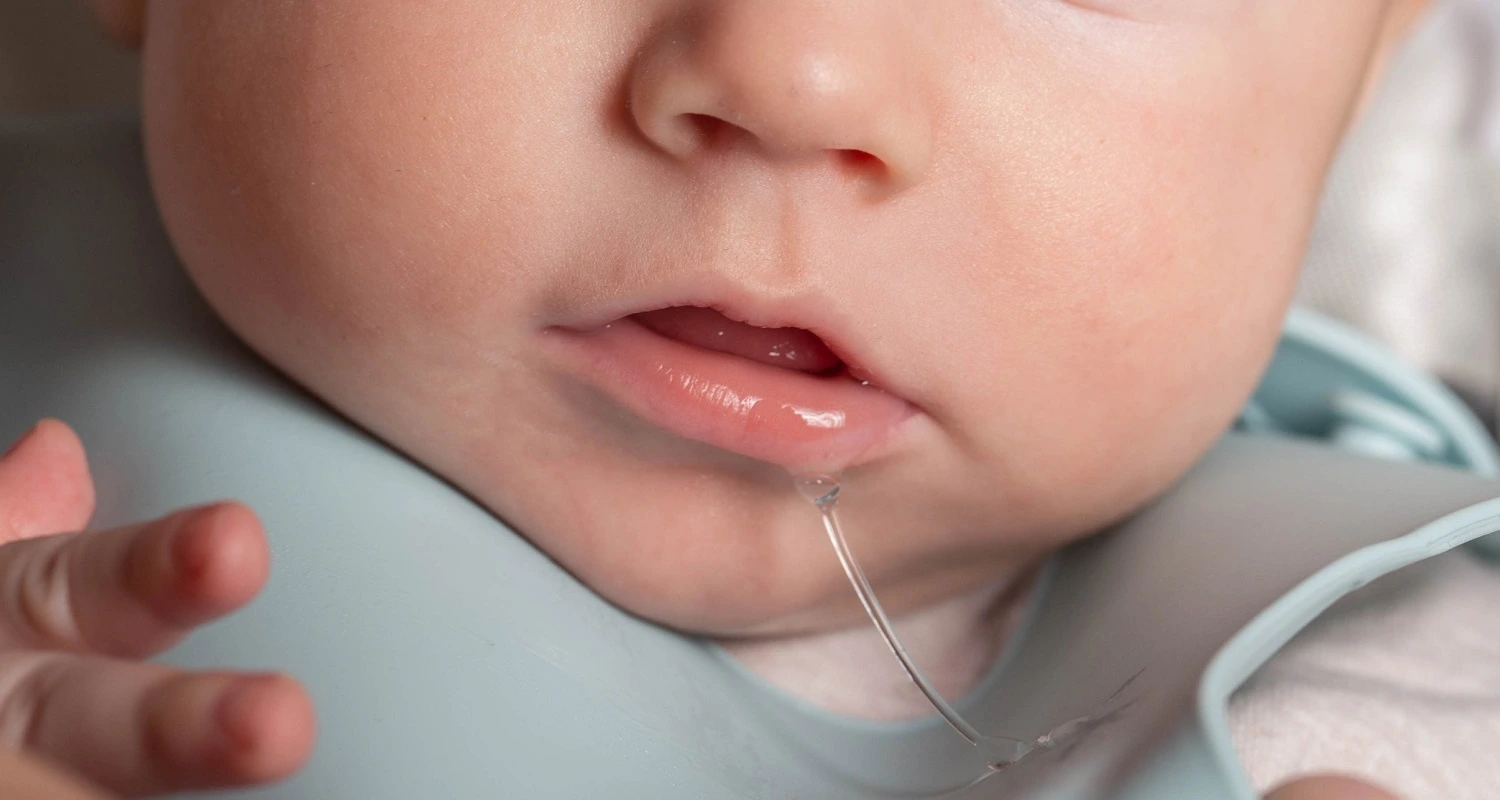
Nighttime mouth watering has several specific causes that differ from daytime hypersalivation.
Acid reflux is the most common nighttime cause. When lying flat, stomach acid flows more easily into the esophagus, triggering the water brash response repeatedly through the night.
Mouth breathing, caused by nasal congestion from allergies or a deviated septum, dries out the nasal passage and throat. The body compensates by increasing saliva, and the combination of dry throat and saliva pooling can create an uncomfortable sensation overnight.
Sleep apnea, a condition where breathing repeatedly stops during sleep, causes many people to sleep with their mouths open. This changes the normal pattern of saliva management and can lead to a wet sensation in the mouth and drooling overnight.
Body position matters too. Sleeping on your side or stomach allows gravity to carry saliva toward the front of the mouth where it exits rather than being swallowed. Sleeping on your back helps saliva naturally flow toward the throat for swallowing.
Why Is My Mouth Watering Suddenly with No Obvious Reason?
A sudden onset of mouth watering without a clear trigger is worth paying attention to. Common explanations include the start of a new medication, an early sign of pregnancy, the beginning of a GI upset like gastritis or food poisoning, a minor oral infection developing, or an early anxiety or panic response.
If sudden-onset mouth watering persists for more than a few days without resolving, or if it comes with any additional symptoms, a medical evaluation is the right next step.
Symptoms That Come with Mouth Watering
Identifying what comes alongside mouth watering helps narrow down the cause.
| Associated Symptom | What It Suggests |
|---|---|
| Nausea or vomiting | Digestive disturbance, GERD, pregnancy, food poisoning |
| Heartburn or chest burning | GERD or acid reflux (water brash) |
| Difficulty swallowing | Neurological issue, throat infection, swallowing disorder |
| Sore throat or swollen tonsils | Tonsillitis, strep, pharyngitis |
| Drooling during sleep | Sleep apnea, GERD, mouth breathing |
| Tremor, stiffness, or slow movement | Parkinson’s disease or similar neurological condition |
| Facial weakness or speech change | Stroke or neurological event, seek emergency care |
| Started with a new medication | Drug-induced hypersalivation |
| Only around food or after fasting | Normal conditioned reflex |
| Sour or bitter taste with saliva rush | GERD water brash |
How Doctors Diagnose Hypersalivation
Diagnosing the cause of persistent mouth watering begins with a thorough medical history. Your doctor will ask when the symptoms started, whether they are constant or intermittent, what other symptoms accompany them, and what medications you are currently taking.
A physical examination of the mouth, throat, and lymph nodes helps rule out infections, oral problems, and structural issues.
For suspected GERD, an endoscopy or pH monitoring study may be recommended to measure the frequency and severity of acid reflux episodes.
If neurological causes are suspected, referral to a neurologist for a full assessment including imaging and nerve conduction studies may be needed.
Speech and language therapists are specialists in swallowing function and can assess whether hypersalivation is related to a swallowing disorder rather than excess production.
Treatment Options for Excessive Mouth Watering
Treatment depends entirely on the underlying cause. There is no single fix that works for every type of hypersalivation.
Treating the root cause first
For GERD: dietary modifications, proton pump inhibitors, or H2 blockers. For dental issues: treating infections, replacing ill-fitting dentures, managing ulcers. For infections: appropriate antibiotics or antiviral medication. For pregnancy: time, plus supportive strategies. For medication-induced: dose adjustment or switching medications with your doctor’s guidance.
Medications to reduce saliva production
Anticholinergic medications reduce saliva production by blocking the nerve signals that stimulate the glands. Options include glycopyrrolate, scopolamine patches worn behind the ear, and hyoscine.
These medications require a prescription and carry side effects including dry mouth in other areas, blurred vision, urinary retention, and constipation. They are used carefully and at the lowest effective dose.
Botulinum toxin injections
Botox injections into the parotid and submandibular salivary glands are an effective treatment for chronic hypersalivation, particularly in neurological conditions. The injections temporarily reduce the glands’ ability to produce saliva.
The effect typically lasts three to six months and can be repeated. It is increasingly used for people with Parkinson’s disease, ALS, and cerebral palsy.
Speech and swallowing therapy
For hypersalivation caused by difficulty swallowing rather than overproduction, a speech therapist can teach specific exercises to strengthen the muscles used in swallowing. Improving swallowing function reduces the accumulation of saliva even when production is normal.
Oral prosthetic devices
Specialized oral devices improve lip closure and tongue position to help manage saliva more effectively. These are particularly useful in children and adults with cerebral palsy or other conditions affecting oral muscle tone.
Surgical options
In severe chronic cases, surgery to reroute or remove salivary gland ducts may be considered. This is a last resort after other treatments have failed.
Home Remedies and Daily Management Tips
For mild or temporary mouth watering, several practical strategies can provide relief while you address the underlying cause.
Swallowing exercises: Make a conscious effort to swallow regularly. Setting a reminder to swallow every minute during waking hours trains the habit and clears accumulated saliva before it becomes noticeable.
Diet adjustments: Avoid foods and drinks that trigger GERD or cause strong saliva reflexes in your particular situation. Common triggers include spicy foods, very acidic foods, caffeine, carbonated drinks, and fatty meals.
Sleeping position: If nighttime mouth watering is a problem, try sleeping on your back with the head slightly elevated. This uses gravity to help direct saliva toward the throat for swallowing instead of pooling at the front of the mouth.
Hydration: Drinking water regularly helps maintain normal saliva consistency and encourages frequent swallowing. It also helps dilute saliva that feels thick or uncomfortable.
Tart drinks: Small amounts of diluted lemon or cranberry juice, or plain seltzer water, can temporarily thin saliva and reduce the sensation of fullness in the mouth. Use sparingly if you have acid reflux.
Sugar-free gum: Chewing gum stimulates more frequent swallowing, which clears saliva more regularly. Use sugar-free varieties to protect tooth enamel.
Good oral hygiene: Brush twice a day, floss daily, and use an antimicrobial mouthwash to reduce oral bacteria. Fewer bacterial irritants mean less ongoing stimulation of saliva production.
When to See a Doctor About Mouth Watering
Most short-term mouth watering resolves on its own. But certain situations require professional evaluation.
See a doctor promptly if:
- Excessive mouth watering has persisted for more than a week without an obvious cause
- It is accompanied by difficulty swallowing or a feeling that food or liquid is getting stuck
- You have a sour or bitter taste suggesting acid reflux that is not improving
- It started after beginning a new medication and is not improving
- You notice tremor, facial weakness, slurred speech, or changes in movement
- There is swelling, pain, or signs of infection in the mouth or throat
- You are pregnant and the excess saliva is severe enough to affect eating or sleeping
Seek emergency care immediately if:
- Mouth watering followed exposure to a potential toxin, venom, or poisonous substance
- It is accompanied by sudden facial drooping, arm weakness, confusion, or severe headache
- There is swelling of the throat or difficulty breathing alongside excess saliva
Why Is My Mouth Watering But I Am Not Hungry?
Hunger is not required for the mouth watering reflex. The salivary response is triggered by the nervous system through multiple pathways that do not all require hunger.
Conditioned reflexes activate when you see or smell food even when you are full. Sensory triggers like the smell of coffee, bread baking, or a restaurant kitchen can fire the reflex independently of appetite.
Nausea, anxiety, GERD, and many medications trigger saliva through direct nerve stimulation that bypasses the hunger-appetite system entirely. So your mouth watering when you are not hungry is entirely explainable and common.
Saliva Production: What Is Normal vs. Too Much?
| Measure | Normal Range | Hypersalivation Range |
|---|---|---|
| Daily saliva volume | 0.75 to 1.5 liters | Above 1.5 liters consistently |
| Resting flow rate | 0.3 to 0.5 mL per minute | Above 1.0 mL per minute at rest |
| Stimulated flow rate | 1.0 to 3.0 mL per minute | Disproportionately high with mild stimulation |
| Drooling at rest | None in healthy adults | Present consistently |
| Frequency of swallowing | Every 1–2 minutes | Needed more frequently, still unable to clear |
Frequently Asked Questions (FAQs)
Why does my mouth water when I feel nauseous?
Your body produces extra saliva just before vomiting to protect the throat and mouth from stomach acid. The vagus nerve triggers both the nausea sensation and the saliva response simultaneously as a protective mechanism.
Is mouth watering a sign of pregnancy?
Yes. Ptyalism gravidarum is a well-known symptom in early pregnancy caused by hormonal changes, especially in the first trimester. It usually improves significantly after weeks 15 to 20 as hormone levels stabilize.
Why does my mouth water at night when I sleep?
The most common causes of nighttime mouth watering are acid reflux lying flat, mouth breathing from nasal congestion, and sleeping on your side rather than your back, which allows saliva to pool and exit the mouth rather than being swallowed.
Can anxiety cause excessive mouth watering?
Yes. Anxiety activates the parasympathetic nervous system, which directly stimulates the salivary glands. Anxiety also worsens acid reflux and nausea, both of which independently increase saliva production.
What is water brash and how is it different from regular mouth watering?
Water brash is a specific symptom of GERD where stomach acid reflux triggers a sudden rush of watery saliva that floods the mouth rapidly. It often has a slightly bitter or sour taste and is a recognized warning sign of untreated acid reflux.
Can a medication cause my mouth to water excessively?
Yes. Several medications cause hypersalivation as a side effect, most notably clozapine and other antipsychotics, cholinergic drugs, and certain mood stabilizers. Talk to your doctor about adjusting the dose or switching medications if this is the cause.
Why does my mouth water when I think about food?
This is a completely normal conditioned reflex. Your brain has learned to associate food-related thoughts with eating, and it prepares the digestive system by triggering saliva production even before any food is present.
When is excessive mouth watering a medical emergency?
Seek emergency care if excess mouth watering follows exposure to a toxin, venom, or poison, or if it is accompanied by facial drooping, sudden weakness, confusion, difficulty breathing, or severe throat swelling.
How do doctors treat chronic hypersalivation?
Treatment depends on the cause. Options include treating the underlying condition, anticholinergic medications to reduce gland activity, Botox injections into the salivary glands, speech therapy to improve swallowing, and in severe cases, surgical intervention.
Can poor oral hygiene cause my mouth to water more?
Yes. Bacterial infections, gum inflammation, mouth ulcers, and tooth abscesses all irritate the mouth and stimulate increased saliva production as a protective response. Regular brushing, flossing, and dental checkups help prevent these triggers.
Conclusion
Why is my mouth watering is a question with dozens of possible answers, ranging from the entirely normal to the medically significant.
For most people, mouth watering is simply the body responding to food, smell, or a moment of nausea, and it resolves on its own.
But when it is persistent, excessive, or accompanied by other symptoms like heartburn, difficulty swallowing, tremors, or facial weakness, it deserves proper attention.
GERD, pregnancy, medications, oral infections, and neurological conditions are the most common clinical causes, and all of them are treatable once identified.
If your mouth has been watering constantly for more than a week, speak to your doctor or dentist.
Identifying the cause quickly makes treatment easier, faster, and more effective, so you can get back to simply enjoying the smell of good food without the inconvenience that comes with it.


