


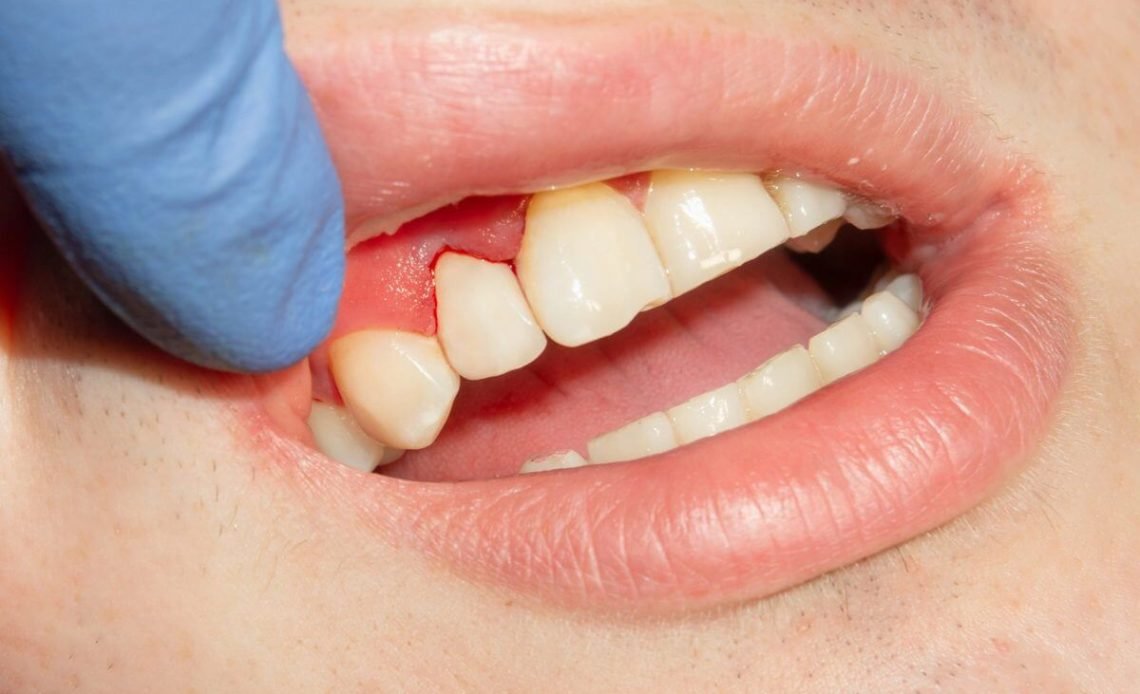
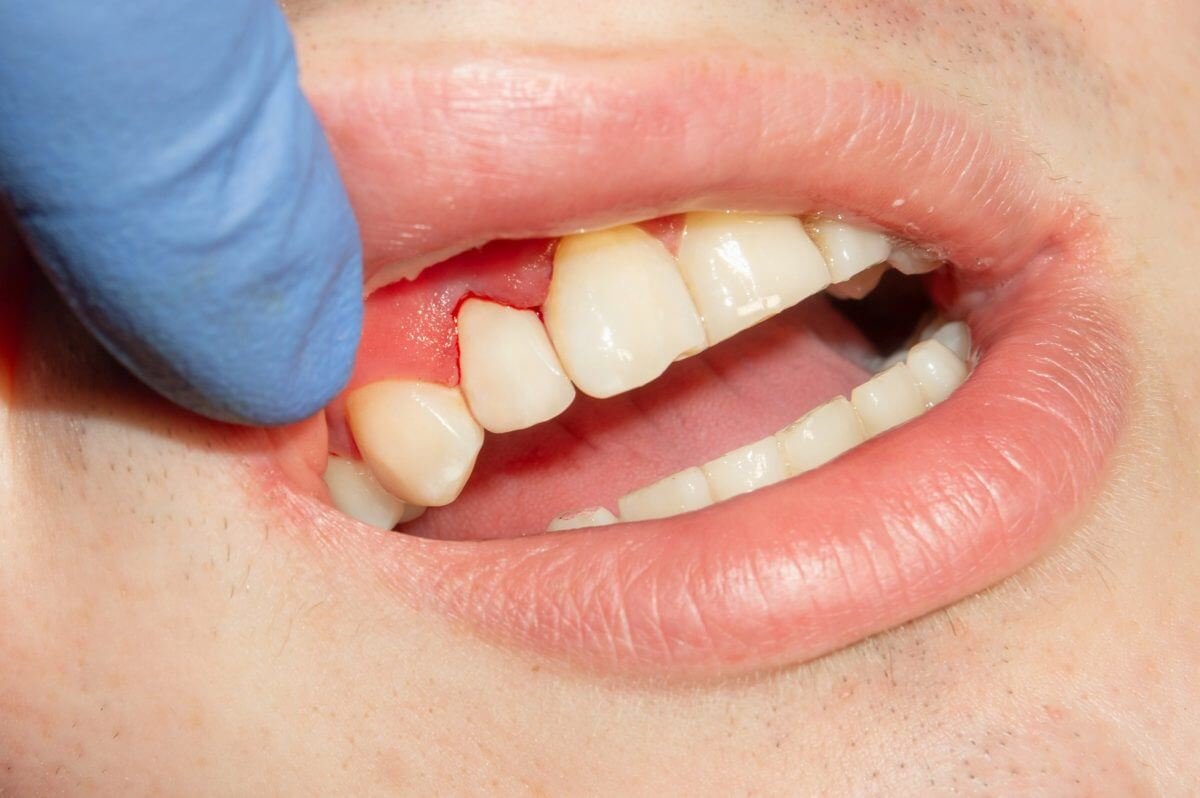
Why is my gum swollen around one tooth in the back? This is one of the most common dental worries people search for, especially when the swelling seems to affect only one spot instead of the whole mouth.
That single sore, puffy area near a back molar can make chewing painful and sleeping difficult. In most cases, it points to something local, like trapped food, plaque buildup, or a wisdom tooth issue, rather than a mouth-wide gum problem.
Sometimes it clears up with simple home care, but other times it signals an infection that needs a dentist’s attention.
What Does It Mean When Only One Tooth’s Gum Is Swollen
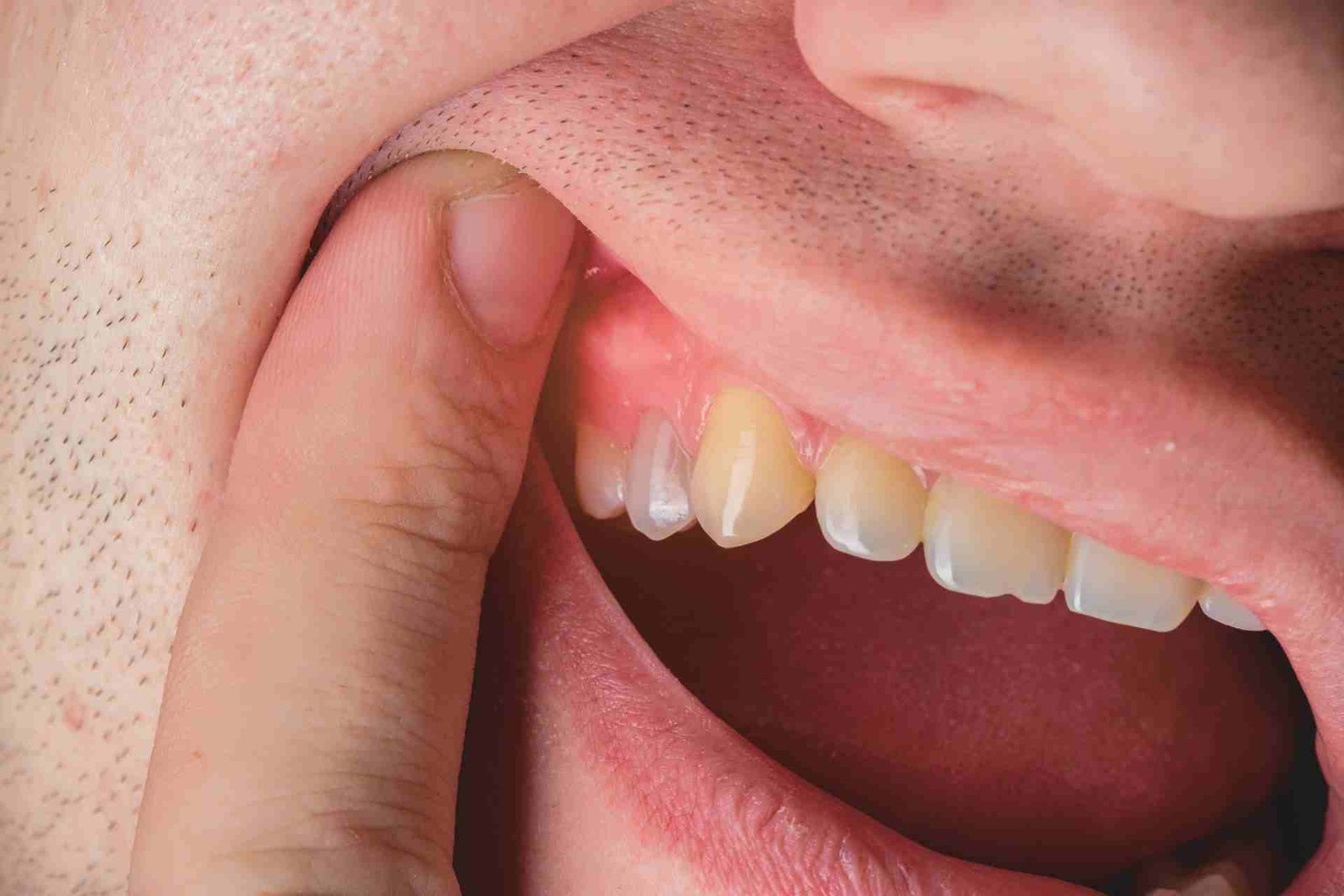
When swelling is limited to one tooth, it usually means the irritation is coming from that exact spot. This could be food, bacteria, or pressure from a tooth trying to erupt.
A gum swollen around one tooth in the back is different from generalized gum disease, which usually affects several teeth at once. Localized swelling almost always has a specific trigger nearby.
Common Causes of Gum Swelling Around One Back Tooth
Back teeth are harder to reach with a toothbrush or floss, which makes them more prone to trapped debris and bacterial buildup. Below is a quick overview of the most frequent causes dentists see.
| Cause | How It Starts | Typical Symptoms |
|---|---|---|
| Trapped food/plaque | Debris lodges under the gumline | Puffy, tender gum, mild redness |
| Gingivitis | Plaque irritates gum tissue | Redness, slight bleeding when brushing |
| Dental abscess | Bacterial infection at the root or gum pocket | Throbbing pain, pus, bad taste |
| Pericoronitis (wisdom tooth) | Gum flap traps bacteria over erupting molar | Swelling, jaw stiffness, trouble opening mouth |
| Cracked tooth or decay | Bacteria enter through a crack or cavity | Sharp pain when biting, localized swelling |
| Trauma or injury | Hard food or accidental blow to the gum | Bruised, tender, swollen tissue |
| Sinus infection | Pressure from sinuses affects upper molars | Swelling near upper back teeth, facial pressure |
Trapped Food and Plaque Buildup
Small seeds, popcorn husks, and fibrous food can wedge beneath the gum near a back tooth. The tissue reacts by swelling to protect itself.
If the debris isn’t removed quickly, bacteria multiply in that spot. This can turn mild irritation into a more painful, localized infection within a day or two.
Gum Disease: Gingivitis and Periodontitis
Gingivitis is the earliest stage of gum disease and often starts in one area before spreading. Plaque along the gumline near a back molar can cause that single tooth to look swollen and red first.
Left untreated, gingivitis can progress into periodontitis. This more advanced stage can cause gum recession, loosening teeth, and even bone loss around the affected tooth.
Nearly half of adults over the age of 30 in the US have some form of gum disease, according to the CDC. Back teeth, being harder to clean, are frequently where it begins.
Dental Abscess Around a Back Tooth
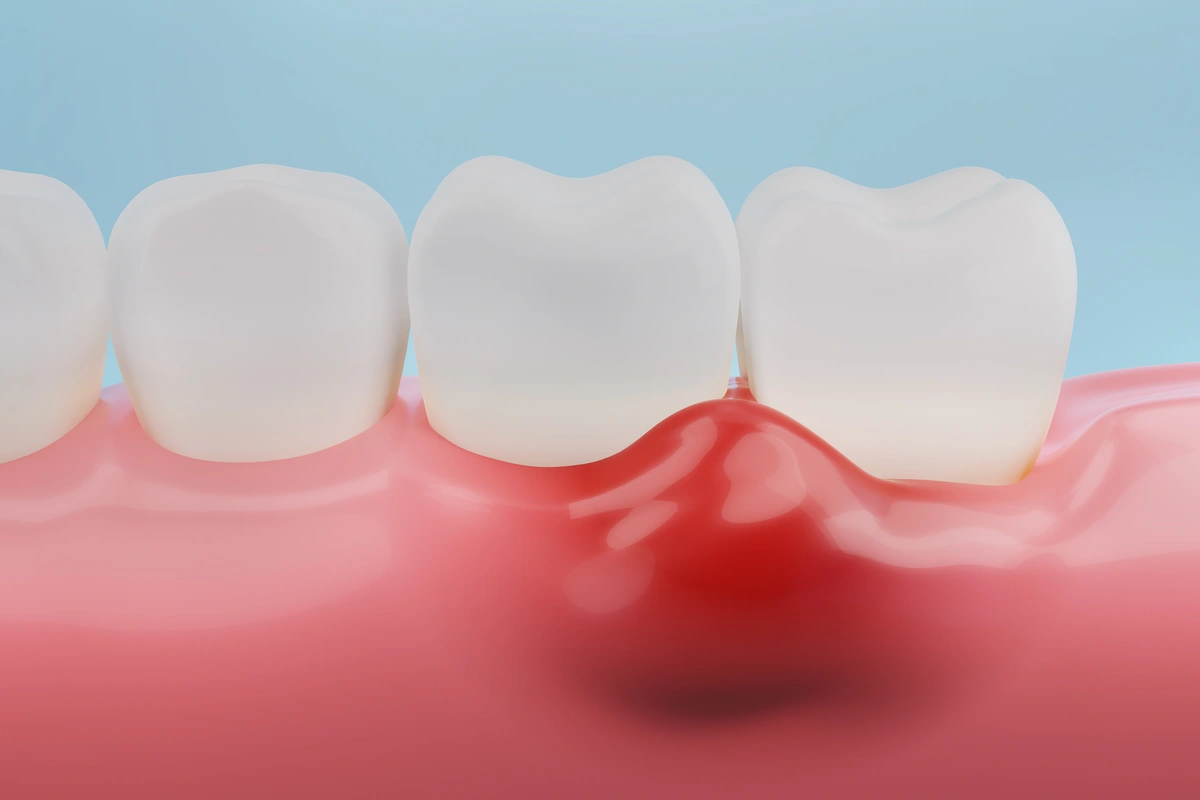
A dental abscess is a pocket of pus caused by a bacterial infection. It can form inside the gum tissue itself or at the root of the tooth.
Symptoms usually include throbbing pain, a swollen face or jaw, a bad taste in the mouth, and sometimes fever. An abscess needs prompt dental treatment and does not resolve with home care alone.
Wisdom Tooth and Pericoronitis
When a wisdom tooth partially erupts, a flap of gum tissue can remain over part of the crown. This flap is called an operculum.
Food and bacteria collect underneath this flap, causing a condition called pericoronitis. It leads to swelling, tenderness, and sometimes difficulty opening the mouth fully.
Pericoronitis is more common around lower wisdom teeth, though it can happen on upper molars too. Chronic cases may need the gum flap or the tooth removed.
Cracked Tooth or Tooth Decay
A cracked back tooth can let bacteria travel down toward the root, irritating the gum around it. This often causes swelling focused on just that one tooth.
Untreated cavities near the gumline work the same way. Decay allows infection to spread into the surrounding tissue, triggering localized puffiness and tenderness.
Injury or Trauma to the Gum
Biting down on something hard, brushing too aggressively, or an accidental knock to the mouth can bruise the gum tissue. This shows up as swelling around just the affected tooth.
This type of swelling is usually temporary. It tends to improve within a few days as the tissue heals on its own.
Sinus Infection and Referred Gum Pain
Sinus pressure can sometimes be felt in the upper back teeth. When sinuses are inflamed, that pressure can extend down into the jaw and gums.
This can cause swelling or tenderness that feels exactly like a dental problem. Nasal congestion, facial pressure, and headaches alongside the gum swelling are clues it may be sinus-related.
Symptoms That Signal a Serious Problem
Not every case of gum swelling is urgent, but some signs mean you shouldn’t wait for a routine visit. Recognizing these early can prevent bigger complications later.
| Warning Sign | What It May Mean |
|---|---|
| Pus or bad taste near the tooth | Possible abscess or infection |
| Fever or facial swelling | Infection spreading beyond the gum |
| Pain that worsens over 24–48 hours | Active infection needing urgent care |
| Difficulty opening the mouth | Possible pericoronitis or deep infection |
| Swelling lasting more than a few days | Needs professional evaluation |
When Swelling Is Just Minor Irritation
If the swelling is mild, appeared suddenly, and there’s no pain when chewing, it’s often just trapped food or minor plaque irritation. This type usually responds well to better brushing and flossing within a day or two.
Mild cases rarely come with pus, fever, or facial swelling. If those symptoms appear, it’s no longer a minor issue.
When to See a Dentist Urgently
You should book a dental visit if the swelling lasts more than two or three days despite home care. Persistent or worsening symptoms usually mean the cause is more than surface-level irritation.
Seek care sooner if you notice pus, a fever, facial swelling, or pain that keeps you up at night. These are signs of an abscess or spreading infection that needs prompt treatment.
During the visit, the dentist typically checks the gum tissue closely and may take an X-ray. This helps confirm whether the cause is decay, an abscess, a cracked tooth, or a wisdom tooth issue.
Home Remedies for Swollen Gum Relief
While home care can’t fix an infection or deep decay, it can ease discomfort while you arrange a dental appointment. These simple steps are commonly recommended by dentists for mild, early-stage swelling.
Saltwater Rinse
Stir about half a teaspoon of salt into a cup of warm water. Swish it gently around the swollen area for 30 seconds, then spit it out.
This rinse helps lower bacteria in the mouth and can reduce mild inflammation. It’s one of the most recommended first steps for gum swollen around one tooth in the back.
Gentle Brushing and Flossing Technique
Angle your toothbrush at about 45 degrees toward the gumline and use small, gentle strokes. Spend a little extra time around the back teeth, where plaque tends to hide.
Floss in a gentle C-shape around the affected tooth, slipping just under the gum edge. This can dislodge trapped food that’s causing the swelling.
Cold Compress for Swelling
Holding a cold compress against the outside of the cheek, near the swollen area, can help numb discomfort. Keep sessions to about 10–15 minutes at a time.
This won’t treat the underlying cause, but it can make the waiting period before your dental visit more comfortable.
Antimicrobial Mouthwash
An antimicrobial or antibacterial mouth rinse can lower bacterial load around hard-to-reach back teeth. Use it in addition to brushing and flossing, not as a replacement.
Look for rinses specifically labeled to reduce plaque and gingivitis for the best results.
Over-the-Counter Pain Relief
A standard over-the-counter anti-inflammatory can help manage pain and reduce swelling temporarily. Always follow the dosage instructions on the packaging.
This is meant to bridge the gap until you can see a dentist, not as a long-term fix for the underlying cause.
Foods to Avoid While Gums Are Swollen
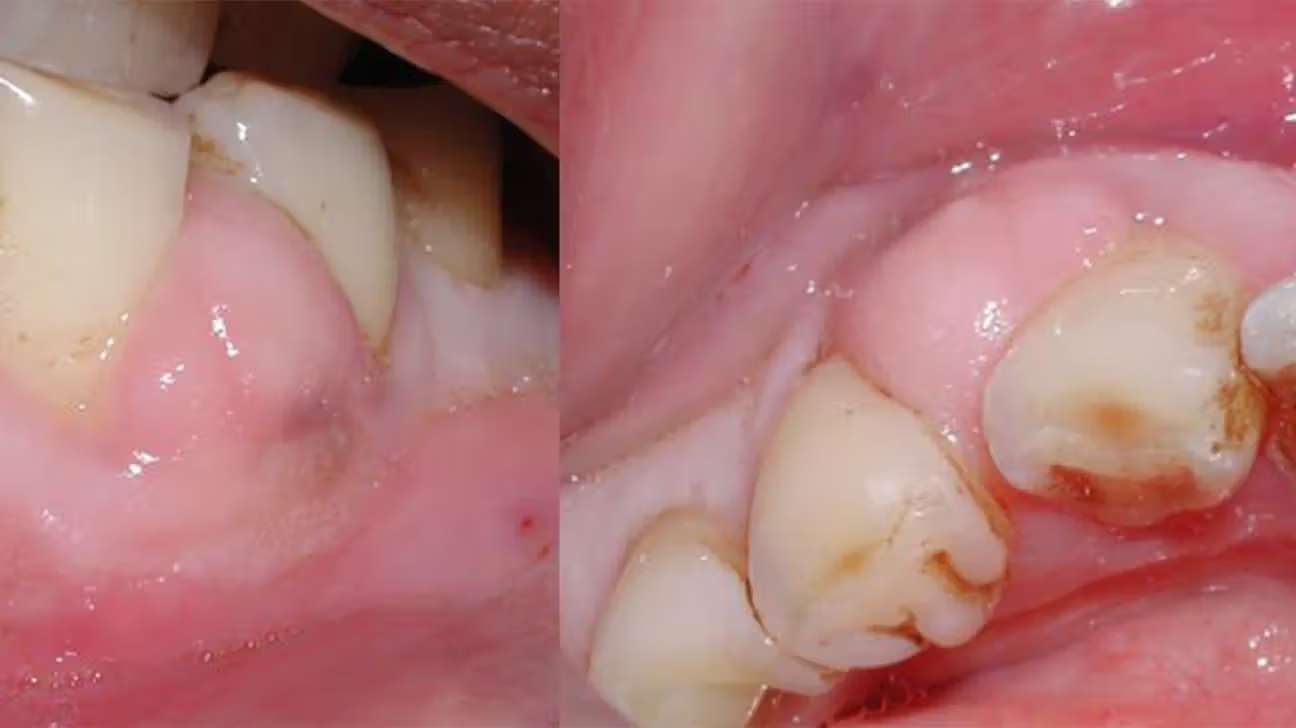
Certain foods can make an already irritated gum feel worse and slow down healing. Avoiding them for a few days often makes a noticeable difference.
| Avoid | Why |
|---|---|
| Hard or crunchy foods | Can further irritate or injure the swollen area |
| Very hot or cold foods | Can trigger sensitivity near the affected tooth |
| Sugary snacks and drinks | Feed bacteria that worsen plaque buildup |
| Sticky or chewy foods | Can get trapped in the same spot again |
Professional Treatment Options
Once a dentist identifies the cause, treatment depends heavily on what’s driving the swelling. Some options are simple, while others require more involved dental work.
| Cause | Likely Treatment |
|---|---|
| Plaque/tartar buildup | Professional deep cleaning |
| Gingivitis | Improved hygiene routine plus cleaning |
| Dental abscess | Drainage, antibiotics, or root canal |
| Pericoronitis | Cleaning under the gum flap or wisdom tooth removal |
| Cracked tooth/decay | Filling, crown, or root canal |
| Advanced periodontitis | Scaling and root planing, possible surgery |
How to Prevent Future Gum Swelling
Preventing a repeat episode mostly comes down to consistent oral care habits, especially around back teeth. Small daily habits make a bigger difference than occasional deep cleans.
Brush twice daily with the correct 45-degree angle, and don’t rush through the back molars. Floss once a day, using a gentle C-shape motion around each tooth.
Add an antimicrobial mouthwash to your routine and visit your dentist every six months. Regular checkups catch small issues, like a cracked tooth or early gum disease, before they cause swelling.
Frequently Asked Questions (FAQs)
1. Why is my gum swollen around one tooth in the back?
It’s usually trapped food, plaque buildup, gum disease, a wisdom tooth issue, or a dental abscess. The exact cause depends on your other symptoms.
2. Can trapped food alone cause a swollen gum?
Yes, food particles wedged near a back molar can irritate the gum and cause visible swelling. Brushing and flossing often resolve it within a day or two.
3. How long should I wait before seeing a dentist?
If swelling doesn’t improve within two to three days, or gets worse, book a dental visit. Don’t wait if you notice pus, fever, or facial swelling.
4. Does saltwater rinsing really help swollen gums?
Yes, warm saltwater rinses can reduce bacteria and calm mild inflammation. It works best for minor irritation, not for infections or abscesses.
5. Is a swollen gum around a wisdom tooth serious?
It can be pericoronitis, which needs dental attention if it causes pain or difficulty opening your mouth. Mild cases may only need monitoring and cleaning.
6. Can a swollen gum around one tooth mean an abscess?
Yes, especially if there’s throbbing pain, pus, or a bad taste. An abscess requires prompt treatment and won’t go away with home care alone.
7. What if the swelling comes with a fever?
A fever alongside gum swelling suggests a spreading infection. This needs urgent dental or medical care, not home remedies.
8. Can sinus problems cause a swollen gum near a back tooth?
Yes, sinus pressure can affect the upper back teeth and mimic a dental problem. Treating the sinus issue usually resolves the gum discomfort too.
9. Is it normal for gum swelling to happen after a filling or extraction?
Some mild swelling after dental work is normal and usually settles within a few days. If it worsens instead of improving, contact your dentist.
10. Can I prevent this from happening again?
Yes, consistent brushing, flossing, mouthwash use, and regular dental visits significantly lower your risk. Paying extra attention to back teeth makes the biggest difference.
Conclusion
A gum swollen around one tooth in the back is a common concern, and it’s almost always your body signaling a localized problem rather than a mouth-wide issue. Trapped food and mild plaque irritation are the most frequent, least serious causes, while gum disease, an abscess, a cracked tooth, or a wisdom tooth flap can point to something needing professional care.
Home remedies like saltwater rinses, gentle brushing, and cold compresses can ease discomfort while you wait for an appointment, but they aren’t a substitute for a dental exam. Watch closely for pus, fever, facial swelling, or pain that worsens over a couple of days, since these are signs you shouldn’t ignore.
Acting early, whether that means improving your hygiene routine or booking a same-week dental visit, almost always leads to a simpler, more comfortable fix than waiting until the swelling becomes severe.


