


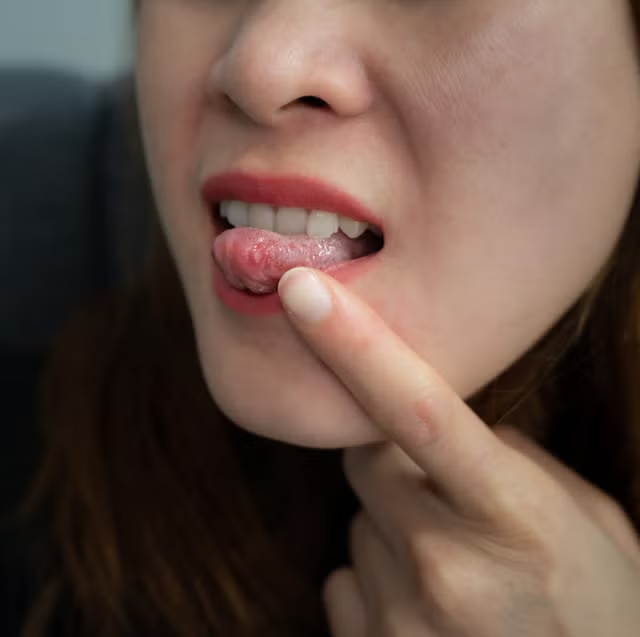
Why does my tongue hurt is one of the most common questions people search when they wake up with sudden soreness, burning, or tenderness on their tongue. Tongue pain can affect the tip, sides, or back of the tongue, and it ranges from mild irritation to a deep, throbbing ache.
In most cases, tongue pain comes from something simple like an accidental bite, a canker sore, or spicy food. But sometimes it signals an infection, nutrient deficiency, or a nerve-related condition that needs medical attention.
What Does It Mean When Your Tongue Hurts

Tongue pain, medically called glossodynia, refers to any discomfort felt on the surface, tip, sides, or base of the tongue.
The pain can feel sharp, burning, tingling, or achy. It may come and go, or it may stay constant for days.
Your tongue is packed with nerve endings, which is why even small injuries or infections can feel intensely painful.
Common Causes of Tongue Pain
There are dozens of reasons your tongue might hurt. Below are the most frequent causes doctors and dentists identify.
1. Accidental Bites or Trauma
Biting your tongue while eating, talking, or sleeping is one of the most common causes of sudden tongue pain.
Grinding your teeth at night (bruxism) can also cause repeated tongue trauma without you realizing it.
Minor bites usually heal within a few days with basic care.
2. Canker Sores
Canker sores, also called aphthous ulcers, are small, painful lesions that appear on the tongue or inside the mouth.
They are not contagious and often triggered by stress, acidic foods, or minor injury.
Canker sores typically heal on their own within one to two weeks.
3. Oral Thrush (Candidiasis)
Oral thrush is a fungal infection caused by an overgrowth of Candida yeast in the mouth.
It appears as white patches on the tongue that can be scraped off, often leaving a red, tender surface underneath.
This condition is more common in babies, older adults, and people with weakened immune systems.
4. Burning Mouth Syndrome
Burning mouth syndrome causes a persistent burning or scalding sensation on the tongue without any visible cause.
It is more common in postmenopausal women and may be linked to nerve damage or hormonal changes.
Doctors often need to rule out other conditions before diagnosing burning mouth syndrome.
5. Nutritional Deficiencies
Low levels of vitamin B12, iron, folate, or zinc can cause a sore, swollen, or smooth-looking tongue.
This condition, known as glossitis, often improves once the underlying deficiency is corrected.
Blood tests can confirm whether a deficiency is causing your tongue pain.
6. Allergic Reactions
Certain foods, toothpaste ingredients, or mouthwashes can trigger irritation or allergic reactions on the tongue.
Oral allergy syndrome, linked to pollen allergies, can also cause tongue tingling after eating raw fruits or vegetables.
Identifying and avoiding the trigger usually resolves the discomfort.
7. Dental Appliances and Sharp Teeth
Braces, retainers, dentures, or a chipped tooth can rub against the tongue and cause ongoing soreness.
The pain typically persists until the dental issue is corrected or adjusted.
A dentist can smooth rough edges or refit appliances to stop the irritation.
8. Oral Lichen Planus
Oral lichen planus is an inflammatory condition that creates white, lacy patches or painful red areas on the tongue.
It is believed to be linked to immune system activity, though the exact cause is unclear.
Treatment usually involves prescription mouth rinses or topical medications.
9. Infections
Bacterial, viral, or fungal infections can all cause tongue pain, swelling, and redness.
Group A streptococcus infection can cause a bright red “strawberry tongue” alongside a sore throat.
Cold sores caused by the herpes simplex virus can also appear on or near the tongue.
10. Nerve-Related Conditions
Glossopharyngeal neuralgia and other nerve disorders can cause sharp, shooting pain in the tongue and throat area.
These conditions are less common but require evaluation by a neurologist.
Nerve-related tongue pain often comes in sudden, short episodes rather than constant discomfort.
Symptoms That Often Accompany Tongue Pain
Tongue pain rarely occurs alone. It is usually paired with other symptoms that help identify the underlying cause.
| Symptom | Possible Cause |
|---|---|
| White patches that scrape off | Oral thrush |
| Burning sensation without visible sores | Burning mouth syndrome |
| Smooth, swollen, red tongue | Vitamin B12 or iron deficiency |
| Small white or yellow ulcers | Canker sores |
| Bright red, bumpy tongue | Strawberry tongue infection |
| Lacy white patches | Oral lichen planus |
| Tingling after eating fruit | Oral allergy syndrome |
| Sharp pain near dental work | Appliance or tooth irritation |
Recognizing which symptoms accompany your pain can help you and your doctor narrow down the cause faster.
How Long Does Tongue Pain Usually Last

Most tongue pain from minor causes like bites or canker sores resolves within 7 to 14 days.
Pain from infections may last longer if untreated, while nerve-related pain can be chronic and recurring.
If your tongue pain lasts more than two weeks without improvement, it’s time to see a healthcare provider.
When Should You See a Doctor
Not every case of tongue pain needs medical attention, but some warning signs should never be ignored.
- Pain lasting more than 14 days without improvement
- A lump, sore, or patch that doesn’t heal
- Difficulty swallowing, speaking, or breathing
- Sudden numbness or loss of taste
- Fever alongside tongue swelling
- Unexplained bleeding from the tongue
If you notice any of these signs, schedule an appointment with a dentist or doctor promptly.
How Tongue Pain Is Diagnosed
A doctor or dentist will typically begin with a visual exam and a review of your medical history.
They may ask about your diet, oral hygiene routine, medications, and stress levels.
Common Diagnostic Tests
| Test | Purpose |
|---|---|
| Oral swab | Detects fungal or viral infections |
| Blood test | Checks for vitamin or mineral deficiencies |
| Biopsy | Rules out serious or malignant conditions |
| Allergy test | Identifies food or product triggers |
These tests help doctors confirm the exact cause before recommending treatment.
Treatment Options for a Sore Tongue
Treatment depends entirely on what’s causing your tongue pain. Below is a breakdown of common treatments by cause.
| Cause | Recommended Treatment |
|---|---|
| Canker sores | Over-the-counter gels, saltwater rinses |
| Oral thrush | Antifungal medication like nystatin |
| Bacterial infection | Prescribed antibiotics |
| Nutrient deficiency | Supplements or dietary changes |
| Dental irritation | Appliance adjustment or filing sharp teeth |
| Burning mouth syndrome | Nerve medication, stress management |
| Allergic reaction | Avoiding the trigger food or product |
Medications Commonly Used
Doctors may prescribe topical corticosteroids for inflammatory conditions like oral lichen planus.
Antifungal or antibiotic medications are used specifically for infections, not general soreness.
Pain relievers such as ibuprofen can help manage discomfort while the underlying issue heals.
Home Remedies to Relieve Tongue Pain
Many mild cases of tongue pain can be managed at home without a prescription.
1. Saltwater Rinse
Rinsing with warm salt water several times a day helps reduce inflammation and kill bacteria.
This is one of the most effective and simplest home remedies for canker sores and minor cuts.
2. Cold Compress
Applying a cold compress or sucking on ice chips can numb pain and reduce swelling quickly.
This works especially well right after a tongue injury or bite.
3. Avoid Irritating Foods
Spicy, acidic, salty, or crunchy foods can worsen tongue pain and delay healing.
Stick to soft, cool foods like yogurt, smoothies, and mashed vegetables until the pain subsides.
4. Over-the-Counter Gels
Topical oral gels containing benzocaine can numb the area and provide temporary relief.
These are widely available at pharmacies without a prescription.
5. Good Oral Hygiene
Brushing gently and using an alcohol-free mouthwash helps prevent infection and irritation.
Avoid harsh toothpaste ingredients like sodium lauryl sulfate if your tongue is sensitive.
Foods and Habits That Trigger Tongue Pain
Certain foods and habits are known to make tongue soreness worse or trigger new flare-ups.
- Citrus fruits like lemons and oranges
- Spicy dishes with chili or hot sauce
- Very hot beverages that can burn the tongue
- Alcohol-based mouthwashes
- Smoking or chewing tobacco
- Excessive stress, which increases teeth grinding
Reducing exposure to these triggers can lower the frequency of tongue pain episodes.
Preventing Tongue Pain in the Future
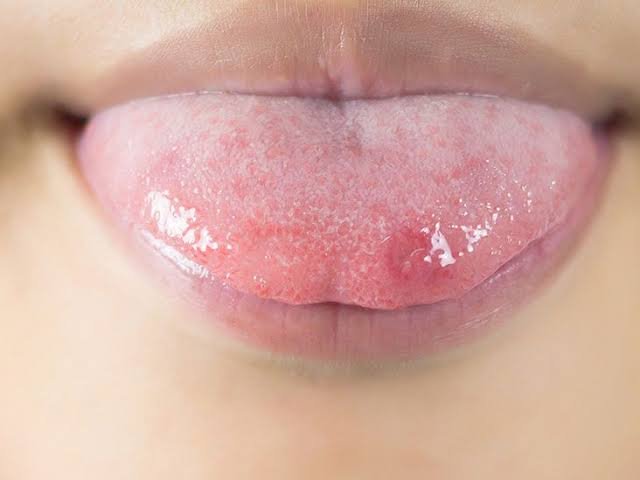
Prevention focuses on protecting your tongue from injury, irritation, and infection.
Daily Habits for a Healthy Tongue
Practice gentle brushing and flossing daily to reduce bacteria buildup in the mouth.
Stay hydrated, since a dry mouth increases the risk of irritation and infection.
Visit your dentist regularly to catch sharp teeth or ill-fitting appliances early.
Dietary Tips
Eat a balanced diet rich in vitamin B12, iron, and zinc to prevent deficiency-related tongue issues.
Limit acidic and spicy foods if you’re prone to recurring soreness or ulcers.
Tongue Pain in Children vs Adults
Children often experience tongue pain from accidental bites, thrush, or hand-foot-mouth disease.
Adults are more likely to experience tongue pain from dental issues, nutrient deficiencies, or chronic conditions like burning mouth syndrome.
Older adults face a higher risk of oral thrush due to weakened immune systems or dentures.
Is Tongue Pain a Sign of Cancer
Persistent tongue pain alone is rarely a sign of cancer, but certain warning signs should not be ignored.
A sore, lump, or red or white patch that doesn’t heal within two to three weeks needs prompt evaluation.
Risk factors for oral cancer include tobacco use, heavy alcohol consumption, and HPV infection.
Early diagnosis significantly improves treatment outcomes, so don’t delay a checkup for persistent symptoms.
Tongue Pain by Location: What It Means
Where the pain is located on your tongue can offer strong clues about the underlying cause.
Pain at the Tip of the Tongue
Tip pain is usually linked to accidental biting, hot food burns, or small canker sores near the front.
This area heals quickly since it has excellent blood flow and constant exposure to saliva.
Pain on the Sides of the Tongue
Side pain often comes from teeth grinding, sharp teeth, or rubbing against braces and dentures.
Oral lichen planus and allergic reactions also commonly appear along the lateral edges of the tongue.
Pain at the Back of the Tongue
Back-of-tongue pain can be linked to throat infections, acid reflux, or swollen tonsils pressing against the area.
This location is harder to inspect visually, so a doctor’s exam is often needed for an accurate diagnosis.
Pain Underneath the Tongue
Pain under the tongue may point to salivary gland issues, such as a blocked duct or sialadenitis.
Swelling in this area combined with pain while eating should be evaluated promptly.
Tongue Pain and Acid Reflux
Gastroesophageal reflux disease (GERD) can cause a burning sensation on the tongue and back of the throat.
Stomach acid rising into the mouth irritates the delicate tissue, leading to soreness that worsens after eating or lying down.
Managing reflux with dietary changes or medication often reduces this type of tongue discomfort significantly.
Tongue Pain and Hormonal Changes
Hormonal shifts during menopause, pregnancy, or thyroid disorders can contribute to tongue soreness or a burning sensation.
Postmenopausal women are particularly prone to burning mouth syndrome due to changing estrogen levels.
Tracking symptoms alongside hormonal changes can help doctors identify the right treatment approach.
Common Myths About Tongue Pain
There are several misconceptions about sore tongues that can lead to unnecessary worry or delayed treatment.
Myth 1: Tongue Pain Always Means Cancer
Most tongue pain is caused by minor, treatable issues, not cancer. Persistent unexplained sores are the real warning sign to watch for.
Myth 2: Only Poor Hygiene Causes Tongue Problems
While hygiene plays a role, tongue pain can also stem from allergies, deficiencies, stress, and nerve conditions unrelated to hygiene.
Myth 3: Canker Sores Are Contagious
Canker sores are not contagious, unlike cold sores caused by the herpes simplex virus, which can spread through contact.
Myth 4: Tongue Pain Always Needs Antibiotics
Antibiotics only help with bacterial infections. Fungal, viral, or irritation-based tongue pain requires different treatments entirely.
Natural Remedies and Supplements for Tongue Health
Alongside standard home care, several natural approaches may support faster healing and reduce recurring soreness.
| Natural Remedy | Benefit |
|---|---|
| Aloe vera gel | Soothes inflammation and promotes healing |
| Coconut oil pulling | Reduces bacteria and supports oral hygiene |
| Chamomile tea rinse | Calms irritation and mild swelling |
| Honey application | Has natural antibacterial properties |
| Vitamin B complex | Supports nerve health and prevents deficiency-related soreness |
These remedies work best as a supplement to medical treatment, not a replacement for it.
Lifestyle Factors That Affect Tongue Health
Daily habits play a bigger role in tongue health than most people realize.
Hydration Levels
A dry mouth reduces saliva’s natural protective effect, making the tongue more prone to irritation and infection.
Drinking enough water throughout the day helps maintain a healthy oral environment.
Smoking and Tobacco Use
Tobacco use increases the risk of oral thrush, gum disease, and even oral cancer, all of which can cause tongue pain.
Quitting smoking significantly lowers the risk of chronic tongue and mouth issues over time.
Stress Management
Chronic stress contributes to teeth grinding, canker sores, and burning mouth syndrome.
Simple techniques like deep breathing, exercise, and adequate sleep can reduce stress-related tongue pain.
Tongue Pain in Specific Health Conditions
Certain chronic health conditions are closely linked to ongoing tongue discomfort.
Diabetes
Poorly controlled blood sugar increases the risk of oral thrush and dry mouth, both of which cause tongue soreness.
Managing blood sugar levels effectively can reduce the frequency of these symptoms.
Autoimmune Disorders
Conditions like Sjögren’s syndrome and lupus can cause dry mouth and tongue inflammation.
These conditions require coordinated care between a rheumatologist and dentist.
Anemia
Iron-deficiency anemia commonly causes a smooth, pale, and sore tongue, known as atrophic glossitis.
Correcting the underlying deficiency typically resolves the tongue symptoms within weeks.
Quick Comparison: Serious vs Non-Serious Tongue Pain
| Sign | Non-Serious | Needs Medical Attention |
|---|---|---|
| Duration | Under 2 weeks | Over 2 weeks |
| Appearance | Small, uniform sore | Irregular, growing patch |
| Healing | Improves daily | Stays the same or worsens |
| Associated symptoms | None or mild | Numbness, bleeding, lumps |
This quick comparison can help you decide whether home care is enough or a checkup is necessary.
Frequently Asked Questions (FAQs)
Why does my tongue hurt for no reason?
Unexplained tongue pain is often linked to burning mouth syndrome, stress, or a mild vitamin deficiency. A doctor can run tests to find the exact cause.
Why does the tip of my tongue hurt?
Tip pain usually comes from accidental biting, canker sores, or eating very hot or acidic food. It typically heals within a week.
Why does my tongue hurt on one side only?
One-sided pain is often caused by irritation from teeth, dental appliances, or a localized sore. Persistent one-sided pain should be checked by a dentist.
Can stress cause tongue pain?
Yes, stress can trigger teeth grinding, canker sores, and burning mouth syndrome, all of which cause tongue discomfort. Managing stress often reduces flare-ups.
Why does my tongue burn after eating certain foods?
This is usually oral allergy syndrome or simple irritation from spicy, acidic, or hot foods. Avoiding the trigger food usually stops the burning.
How do I know if my tongue pain is serious?
See a doctor if pain lasts over two weeks, or if you notice lumps, bleeding, or difficulty swallowing. These signs need prompt medical evaluation.
Can a vitamin deficiency cause tongue pain?
Yes, low vitamin B12, iron, or folate can cause a sore, smooth, or swollen tongue. A blood test can confirm this cause.
Is tongue pain a symptom of COVID-19 or viral infection?
Some viral infections, including COVID-19, have been linked to tongue soreness, ulcers, or altered taste. It usually resolves once the infection clears.
What home remedy works fastest for tongue pain?
A warm saltwater rinse combined with a cold compress offers quick, effective relief for most minor tongue injuries. Avoid irritating foods while healing.
When should I see a dentist instead of a doctor?
See a dentist if the pain is linked to teeth, braces, dentures, or oral hygiene issues. See a doctor for infections, deficiencies, or nerve-related pain.
Conclusion
Tongue pain is usually harmless and linked to everyday causes like accidental bites, canker sores, or spicy food. However, persistent, unexplained, or worsening pain can signal infections, deficiencies, or nerve-related conditions that need professional care.
Paying attention to accompanying symptoms, such as white patches, swelling, or numbness, helps identify the right treatment path faster. Simple home remedies like saltwater rinses and avoiding irritating foods work well for mild cases.
If your tongue hurts for more than two weeks, or you notice unusual lumps, bleeding, or difficulty swallowing, don’t wait to consult a dentist or doctor. Early diagnosis leads to faster relief and better long-term oral health outcomes in 2026 and beyond.


