


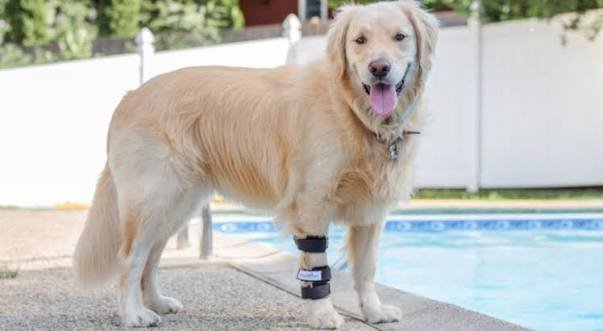
Why is my dog limping is one of the most common questions pet owners search the moment they notice their dog favoring a leg. Limping, also called lameness, means your dog is avoiding full weight on one or more limbs, and it always signals some level of pain or discomfort.
The cause can range from something as minor as a small cut on the paw pad to something more serious like a torn ligament or joint disease. Knowing what to look for helps you decide whether to monitor at home or head straight to the vet.
Sudden vs Gradual Limping: What’s the Difference?
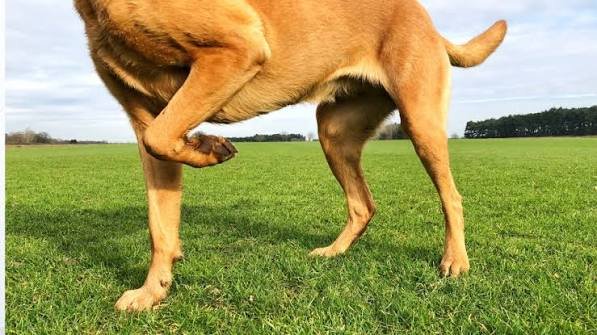
Veterinarians generally divide limping into two categories: sudden onset and gradual onset. Understanding which type your dog is showing helps narrow down the likely cause quickly.
Sudden limping usually points to an injury or trauma that just happened. This might include a bad landing, a step on something sharp, or a collision during play.
Gradual limping tends to develop slowly over weeks or months. This pattern is more often linked to chronic conditions like arthritis, hip dysplasia, or age-related joint wear.
Top Causes of Dog Limping
Many different issues can cause a dog to limp, and the right treatment depends heavily on identifying the correct one. Here is a quick overview before we explore each cause in detail.
| Cause | Onset Type | Common In |
|---|---|---|
| Paw pad injury | Sudden | Any dog, especially active ones |
| Torn or broken nail | Sudden | Any dog |
| Foreign object in paw | Sudden | Dogs walking outdoors frequently |
| Sprain or strain | Sudden | Active or playful dogs |
| Fracture or dislocation | Sudden | Any dog after trauma |
| Ligament tear (CCL) | Sudden or gradual | Larger, active breeds |
| Luxating patella | Gradual | Small and toy breeds |
| Hip or elbow dysplasia | Gradual | Large breed dogs |
| Arthritis | Gradual | Senior dogs |
| Growth-related bone pain | Gradual | Large breed puppies |
| Infections (Lyme disease) | Gradual | Dogs in tick-prone areas |
| Spinal or nerve issues | Gradual | Long-backed breeds, older dogs |
Paw Pad Injuries and Cuts
Cuts, scrapes, and burns from hot pavement are among the most common causes of sudden limping. Dogs walking on glass, gravel, or rough terrain are especially at risk.
Signs include licking the paw repeatedly, visible redness, or minor bleeding. Most surface injuries heal quickly with basic cleaning and rest.
Torn or Broken Nails
A nail torn too short or snagged during play can cause sudden, sharp pain. Dogs often hold the paw up entirely and refuse to place weight on it.
This injury is usually obvious upon close inspection of the paw. Bleeding nails may need to be wrapped and monitored for infection.
Foreign Object Stuck in the Paw
Thorns, splinters, or small stones can become lodged between the toes or in the pad. Dogs will often lick or chew at the area repeatedly trying to remove it.
Careful inspection between the toes usually reveals the object. If it cannot be removed safely at home, a vet visit is recommended.
Sprains and Strains
Overexertion during play, running, or jumping can strain muscles or ligaments without causing a full tear. These injuries typically cause mild to moderate limping that improves with rest.
Swelling may be present but is often less severe than with a fracture. Limiting activity for several days usually supports recovery.
Fractures and Dislocations
Falls, collisions, or hard landings can cause bone fractures or joint dislocations. These injuries typically cause severe pain and an inability to bear weight at all.
Visible swelling, an unusual leg angle, or crying out when touched are common signs. This type of injury requires immediate veterinary attention.
Ligament Tears (CCL/ACL)
A torn cranial cruciate ligament is one of the most common orthopedic injuries in dogs, similar to an ACL tear in humans. It often happens during vigorous activity like running or an awkward jump landing.
Larger, more active breeds are especially prone to this injury. Surgery is frequently needed for a full recovery depending on severity.
Luxating Patella
This condition occurs when the kneecap slips out of its normal position, most often in small and toy breeds. Dogs may skip a step while walking or briefly hold the leg up before returning to normal gait.
Mild cases may not require surgery, while more severe cases often do. This condition can worsen over time without proper management.
Hip or Elbow Dysplasia
These are inherited conditions where the joint does not develop properly, causing pain and instability. Large breed dogs are particularly prone to developing dysplasia as they grow.
Limping from dysplasia often becomes more noticeable after exercise or long periods of activity. Management may include weight control, medication, or surgery in severe cases.
Arthritis
Arthritis is a degenerative joint condition that causes cartilage breakdown over time. It is extremely common in senior dogs and often worsens in cold or damp weather.
Stiffness after rest, followed by improvement once moving, is a classic sign. Long-term management usually includes weight control, joint supplements, and pain relief medication.
Growth-Related Bone Pain in Puppies
Large breed puppies can experience conditions like panosteitis or hypertrophic osteodystrophy during growth spurts. These cause temporary bone inflammation and pain that shifts between limbs.
This type of limping is usually not permanent and resolves as the puppy matures. Veterinary monitoring helps manage discomfort during this growth phase.
Infections Like Lyme Disease
Tick-borne illnesses such as Lyme disease can cause joint inflammation and limping that shifts between legs. This is more common in dogs living in or visiting tick-prone areas.
Fever and lethargy often accompany infection-related limping. Prompt antibiotic treatment usually resolves the lameness once diagnosed.
Spinal or Neurological Issues
Conditions like intervertebral disc disease or degenerative myelopathy affect nerve function rather than the joint or bone directly. Dogs may drag a paw, appear weak, or show uncoordinated movement.
Long-backed breeds like Dachshunds are especially prone to spinal disc issues. These conditions require prompt veterinary evaluation since some can progress quickly.
Front Leg vs Back Leg Limping: Key Differences
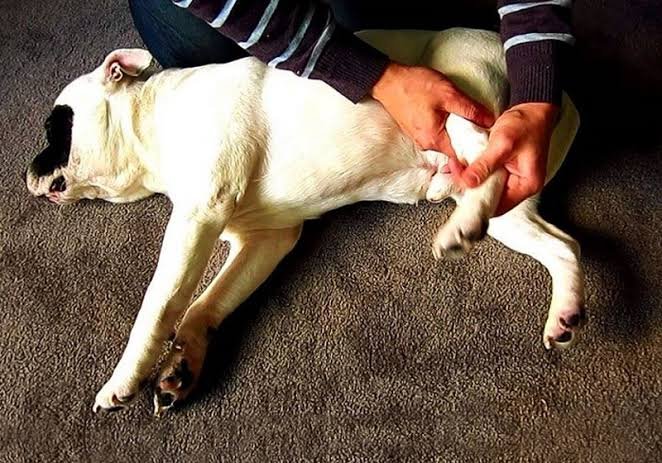
The affected leg can offer clues about the likely cause, since front and back legs bear weight differently.
| Factor | Front Leg Limping | Back Leg Limping |
|---|---|---|
| Weight distribution | Carries about 60% of body weight | Carries less overall weight |
| Common causes | Paw injuries, sprains, fractures | Hip dysplasia, CCL tears, arthritis |
| Common in | Any age or breed | Often older or larger breed dogs |
| Neurological involvement | Less common | More common with spinal issues |
Because front legs bear more weight, injuries there often cause more immediate, noticeable limping. Back leg limping is more frequently linked to chronic joint or spinal conditions.
Breed-Specific Risk Factors
Certain breeds are more prone to specific causes of limping due to body structure or genetics.
| Breed Type | Common Risk |
|---|---|
| Large breeds (Labradors, Shepherds) | Hip and elbow dysplasia, CCL tears |
| Small and toy breeds | Luxating patella |
| Long-backed breeds (Dachshunds) | Intervertebral disc disease |
| Senior dogs of any breed | Arthritis |
| Large breed puppies | Growth-related bone pain |
Knowing your dog’s breed-related risks helps you watch for early warning signs before a limp becomes severe.
Emergency Warning Signs: When to Go to the Vet Immediately
Some signs alongside limping indicate a true emergency rather than a wait-and-see situation.
Refusal to Bear Any Weight
A dog that completely avoids putting weight on a leg, or cannot stand at all, needs urgent evaluation. This often signals a fracture, severe sprain, or dislocation.
Visible Bone, Severe Swelling, or Bleeding
Any visible injury this serious requires immediate veterinary care to prevent infection or further damage. Do not attempt to treat these injuries at home beyond basic first aid.
Crying Out or Extreme Sensitivity
A dog that yelps or reacts strongly when the leg is touched is likely in significant pain. This level of pain response should not be ignored or managed with rest alone.
Signs of Shock
Pale gums, rapid breathing, or noticeable weakness alongside limping can indicate a more serious internal injury. This combination requires emergency evaluation right away.
What to Do at Home Before Your Vet Visit
While waiting for or traveling to a vet appointment, a few steps can help keep your dog comfortable and safe.
| Step | Action |
|---|---|
| 1 | Stay calm and keep your dog as still as possible |
| 2 | Check the paw pad and between toes for visible injury |
| 3 | Restrict activity, especially jumping or running |
| 4 | Use a secure carrier or support the dog gently when moving |
| 5 | Note when the limping started and any possible cause |
| 6 | Call your vet to describe symptoms before arriving |
Providing clear details about when the limp started helps your veterinarian narrow down the cause faster during the exam.
What Not to Do When Your Dog Is Limping
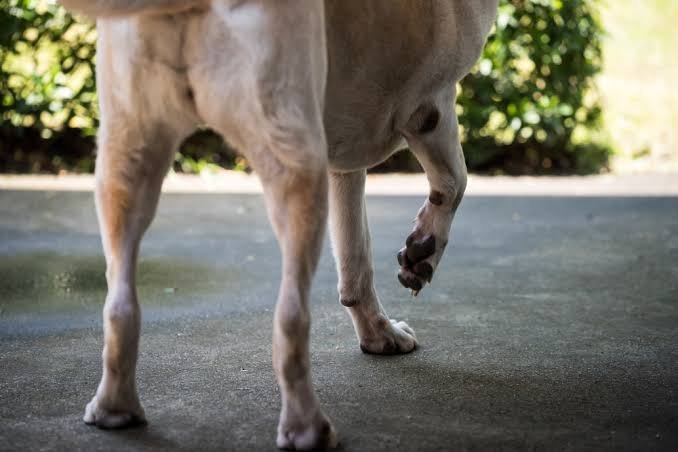
A few common mistakes can make the situation worse or delay proper treatment.
Do Not Give Human Pain Medications
Many over-the-counter pain relievers made for humans are toxic to dogs. Always use only medication specifically prescribed by your veterinarian.
Do Not Force Your Dog to Walk on the Leg
Forcing movement on an injured leg can worsen a sprain, fracture, or ligament tear. Limiting activity protects the injury from becoming more severe.
Do Not Assume Mild Limping Means No Pain
Dogs often mask pain even when limping, since it is a natural survival instinct. Any limping should be taken seriously, even if your dog seems otherwise active.
How Vets Diagnose the Cause of Limping
A veterinarian typically follows a structured process to determine why a dog is limping.
Physical and Gait Examination
The vet checks for swelling, heat, or tenderness across the limb while observing how your dog stands and walks. This helps determine whether the issue involves bones, joints, muscles, or nerves.
Diagnostic Imaging
X-rays, ultrasound, or advanced imaging may be used if the cause is not obvious from the physical exam. These tools help detect fractures, ligament tears, or joint abnormalities.
Bloodwork or Joint Fluid Analysis
When infection or immune-related disease is suspected, bloodwork or joint fluid testing provides additional insight. This is especially useful for diagnosing tick-borne illnesses like Lyme disease.
Treatment Options Based on Cause
Treatment varies significantly depending on what is causing the limping.
| Cause | Typical Treatment |
|---|---|
| Minor paw injury | Cleaning, rest, protective bandage |
| Sprain or strain | Rest, limited activity, anti-inflammatory medication |
| Fracture or dislocation | Splinting or surgical repair |
| Ligament tear | Surgery, followed by rehabilitation |
| Luxating patella | Monitoring or surgical correction |
| Hip or elbow dysplasia | Weight management, medication, possible surgery |
| Arthritis | Joint supplements, pain management, weight control |
| Infection | Antibiotic treatment |
Getting an accurate diagnosis early often leads to a faster, less complicated recovery regardless of the underlying cause.
How to Prevent Limping in the Future
While not every cause is preventable, several habits reduce the overall risk of injury and joint problems.
Maintain a Healthy Weight
Extra weight puts additional strain on joints, increasing the risk of arthritis and ligament injuries. Keeping your dog at an ideal weight reduces long-term joint stress significantly.
Provide Appropriate Exercise
Exercise tailored to your dog’s age, breed, and health status builds supportive muscle without overexertion. Sudden bursts of intense activity increase the risk of sprains and ligament tears.
Check Paws Regularly
Routine paw checks help catch cuts, foreign objects, or nail issues before they worsen. This is especially important after walks on rough or hot terrain.
Consider Protective Booties
Protective footwear can help prevent paw pad injuries during walks on rough terrain or extreme weather. This is a simple, low-cost way to reduce injury risk for active dogs.
Quick Reference: Match Symptoms to Likely Cause
This table helps you quickly match observed symptoms to the most likely underlying cause.
| Symptom Pattern | Likely Cause |
|---|---|
| Sudden limp after play or a jump | Sprain, strain, or ligament tear |
| Limp with visible cut or object in paw | Paw pad injury |
| Skipping steps, especially small breeds | Luxating patella |
| Stiffness after rest, better with movement | Arthritis |
| Limping that shifts between legs | Growth pain or tick-borne infection |
| Dragging a paw or weakness | Spinal or neurological issue |
How Age Affects the Likely Cause of Limping
A dog’s age often narrows down the most probable explanation for a limp before any exam even happens. Puppies, adult dogs, and seniors tend to develop different types of limping-related issues.
| Age Group | Most Likely Causes |
|---|---|
| Puppies (under 1 year) | Growth-related bone pain, minor injuries |
| Young adults (1 to 5 years) | Sprains, ligament tears, active injuries |
| Middle-aged dogs (5 to 8 years) | Early arthritis, joint strain |
| Senior dogs (8+ years) | Arthritis, chronic joint disease, cancer |
Knowing your dog’s age bracket helps set realistic expectations before your vet visit. It also helps you decide how urgently to seek care based on typical patterns for that age group.
Limping in Puppies
Puppies are naturally clumsy and prone to minor injuries during play. However, persistent limping in a growing puppy should still be checked, since growth-related bone conditions need monitoring.
Limping in Young, Active Dogs
Young dogs involved in running, jumping, or rough play are more prone to acute injuries like sprains and ligament tears. These injuries often happen suddenly during or right after activity.
Limping in Senior Dogs
Older dogs are more likely to develop gradual limping tied to arthritis or chronic joint conditions. Sudden limping in a senior dog should still be evaluated, since it could indicate a new injury or, less commonly, a tumor.
Supporting Recovery After a Diagnosis
Once the cause of limping has been identified, recovery often depends as much on home care as on the treatment itself.
Following Rest Restrictions Closely
Many injuries require strict activity limits for several weeks to heal properly. Allowing too much movement too soon is one of the most common reasons recovery is delayed.
Using Prescribed Physical Therapy
For injuries like ligament tears or post-surgical recovery, guided physical therapy exercises help rebuild strength safely. Skipping these exercises can lead to weaker muscles and a higher risk of re-injury.
Adjusting the Home Environment
Non-slip mats, ramps instead of stairs, and a comfortable resting area all reduce strain during recovery. These small adjustments make daily movement safer while healing takes place.
Monitoring for Improvement or Setbacks
Keeping a simple log of your dog’s activity level and comfort helps track whether recovery is progressing as expected. Any sudden worsening during recovery should be reported to your veterinarian promptly.
Frequently Asked Questions (FAQs)
Why is my dog limping but not crying in pain?
Dogs often mask pain even while limping, since showing weakness is a natural survival instinct. Limping without vocalizing does not mean your dog is pain-free.
Should I take my dog to the vet for a mild limp?
If the limp does not improve within 24 hours, a vet visit is recommended. Severe pain or refusal to bear weight requires immediate attention instead.
Can a dog limp from stepping on something without a visible wound?
Yes, bruising or minor trauma can cause limping without an open cut. A thorough paw check often reveals swelling or tenderness even without visible injury.
Is it safe to give my dog ibuprofen for limping?
No, human pain medications like ibuprofen are toxic to dogs and should never be given. Only use medication specifically prescribed by your veterinarian.
Why does my puppy limp but seem fine afterward?
This can be a sign of growth-related bone pain common in large breed puppies. It is usually temporary but should still be monitored by a vet.
What does it mean if my dog’s limp comes and goes?
Intermittent limping often points to a partial ligament tear, luxating patella, or early arthritis. A vet exam can help confirm the specific cause.
Can arthritis in dogs be prevented?
While genetics play a role, maintaining a healthy weight and providing appropriate exercise can reduce arthritis risk. Early joint support supplements may also help in at-risk breeds.
How long does a sprain take to heal in dogs?
Mild sprains often improve within one to two weeks with rest and limited activity. Persistent limping beyond this timeframe should be evaluated by a vet.
Why is my dog limping on a back leg specifically?
Back leg limping is often linked to hip dysplasia, ligament tears, or arthritis rather than simple paw injuries. A veterinary exam helps distinguish between these possible causes.
When is dog limping considered an emergency?
Refusal to bear any weight, visible bone, severe swelling, or signs of shock all indicate an emergency. These situations require immediate veterinary care rather than home monitoring.
Conclusion
Why is my dog limping usually comes down to either a sudden injury, like a cut or sprain, or a gradual condition, like arthritis or joint dysplasia. Paying attention to how quickly the limp started, which leg is affected, and any accompanying symptoms helps narrow down the likely cause.
Mild limping that improves with rest can often be monitored at home for a day, but severe pain, refusal to bear weight, or visible injury always warrants prompt veterinary care. Getting an accurate diagnosis early leads to faster, less complicated treatment regardless of the underlying condition.
Heading into 2026, regular paw checks, a healthy weight, and appropriate exercise remain the best ways to reduce your dog’s risk of future limping. When in doubt, a quick call to your veterinarian brings peace of mind and gets your dog back on all four legs sooner.


