


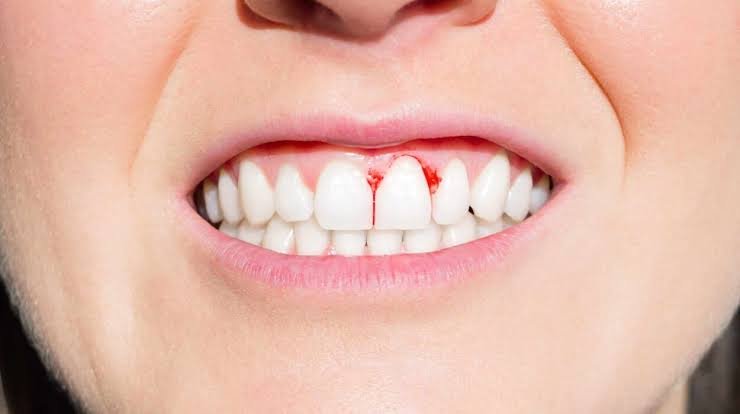
Why Are My Gums Bleeding? Gums bleeding is usually your body’s way of signaling inflammation, most often from plaque buildup irritating the tissue around your teeth. Seeing “pink in the sink” after brushing or flossing can be startling, but in most cases it’s a treatable, early-stage issue.
Healthy gums generally don’t bleed. Whether it happens only when you floss, every time you brush, or seemingly out of nowhere, the pattern itself offers useful clues about the cause.
Quick Overview: Bleeding Gums at a Glance
Here’s a fast snapshot before we go through each scenario and treatment option in detail.
| Question | Short Answer |
|---|---|
| Most common reason | Gingivitis from plaque buildup along the gumline |
| Is it normal | Occasional light bleeding is common; frequent bleeding isn’t |
| Fastest fix | Gentle brushing, daily flossing, saltwater rinse |
| Reversible | Yes, in the gingivitis stage with consistent care |
| See a dentist if | Bleeding lasts more than 1-2 weeks or happens without a trigger |
Is It Normal for Gums to Bleed?
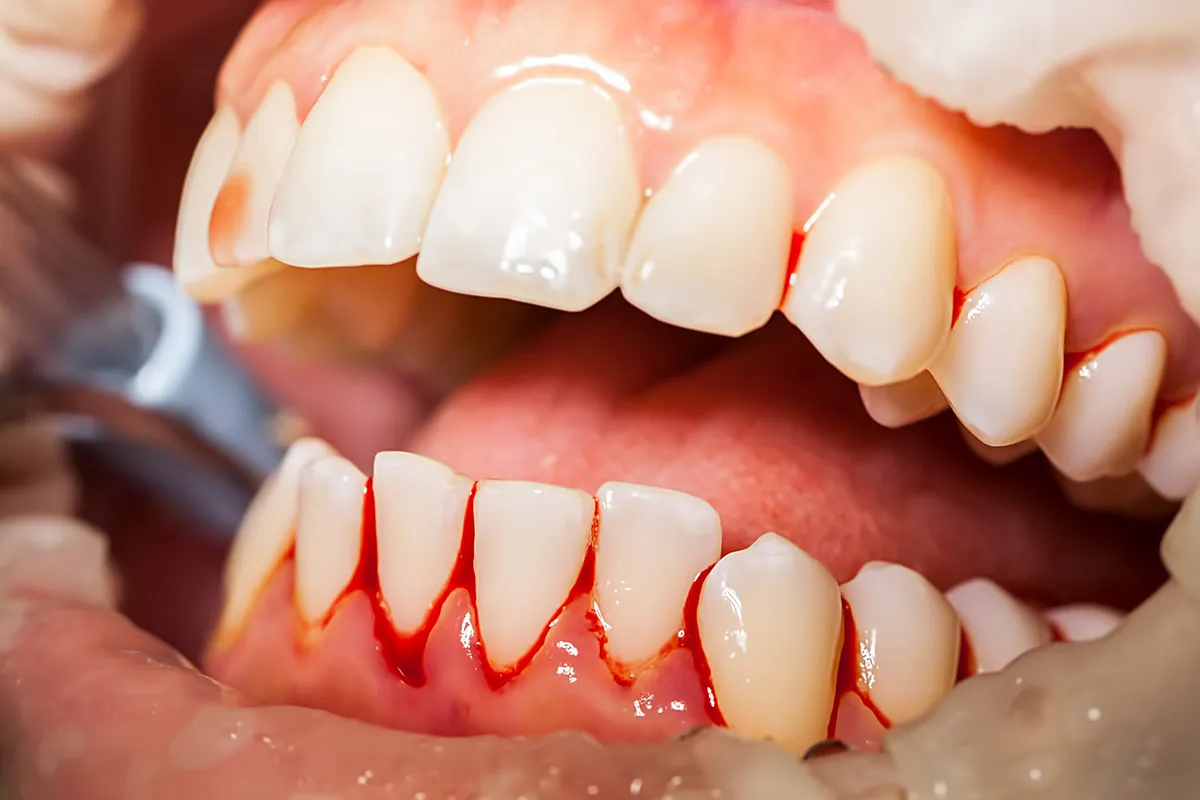
Healthy, well-cared-for gums typically don’t bleed during normal brushing or flossing. Occasional light bleeding, especially when you’re new to flossing, is common and not usually a concern.
The real issue is persistence. If bleeding continues for more than a week or two despite gentler technique, it usually points to inflammation that needs more attention.
Think of bleeding as feedback rather than a random glitch. Your gums are telling you something specific about their current condition.
Why Are My Gums Bleeding When I Brush?
Bleeding during brushing is one of the most commonly reported patterns, and it usually comes down to one of a few specific triggers.
| Reason | What’s Happening |
|---|---|
| Gingivitis | Plaque along the gumline causes inflammation and fragile tissue |
| Hard-bristled brush | Stiff bristles scrape and injure delicate gum tissue |
| Aggressive technique | Scrubbing back and forth instead of gentle circles causes trauma |
| Brushing too long | Extended or overly frequent brushing irritates the gumline |
| New brushing routine | Gums adjust over the first week of improved habits |
Switching to a soft-bristled brush and using short, gentle circular strokes resolves this pattern for most people within a week or two.
Why Are My Gums Bleeding When I Floss?
Flossing-related bleeding is extremely common, especially for people who don’t floss consistently. The reasons are slightly different from brushing-related bleeding.
Skipping regular flossing allows plaque and tartar to build up between teeth, right where a toothbrush can’t reach. When you finally floss, that irritated tissue reacts with bleeding.
Snapping floss too hard into the gumline, instead of gently curving it around each tooth, can also directly injure the tissue and cause bleeding on its own.
The encouraging part is that daily flossing typically reduces this bleeding significantly within about two weeks, even if it seems worse at first.
Why Are My Gums Bleeding for No Reason?
Spontaneous bleeding, without brushing, flossing, or any obvious trigger, is a different situation and generally deserves more attention than trigger-based bleeding.
This pattern can suggest more advanced gum disease, a vitamin deficiency, a blood-clotting issue, or a medication side effect rather than simple surface irritation.
If your gums bleed while eating, talking, or completely at rest, it’s worth scheduling a dental or medical evaluation sooner rather than later.
Main Underlying Reasons Gums Bleed
Beyond the specific trigger pattern, there’s usually a deeper underlying reason driving the inflammation. Here’s a broader overview.
| Reason | Details |
|---|---|
| Gingivitis | Early, reversible gum disease caused by plaque buildup |
| Periodontitis | Advanced gum disease with gum recession and bone loss |
| Hormonal changes | Puberty, pregnancy, menstruation, and menopause increase sensitivity |
| Vitamin deficiencies | Low vitamin C or K weakens gum tissue and clotting ability |
| Medications | Blood thinners, anticonvulsants, and some chemotherapy drugs |
| Smoking | Masks bleeding while worsening underlying gum disease |
| Blood disorders | Rare conditions like thrombocytopenia affect clotting |
Gingivitis: The Most Common Underlying Cause
Gingivitis is inflammation of the gums caused by plaque bacteria sitting along the gumline for too long. It’s the mildest and most reversible form of gum disease.
Symptoms include red, swollen, tender gums that bleed easily during brushing or flossing, without any pain in many cases.
Periodontitis: When Gingivitis Goes Untreated
If gingivitis isn’t addressed, it can progress into periodontitis, where the infection moves below the gumline and begins affecting bone and connective tissue.
This stage often involves more bleeding, gum recession, loose teeth, and requires professional periodontal treatment rather than home care alone.
Hormonal Changes and Bleeding Gums
Hormonal shifts during puberty, pregnancy, menstruation, and menopause all increase blood flow to gum tissue, making it more sensitive to plaque bacteria.
Pregnancy gingivitis is particularly common, affecting a large percentage of pregnant individuals, especially during the second trimester.
Vitamin and Nutrient Deficiencies
Vitamin C supports tissue repair and immune function, while vitamin K plays a direct role in blood clotting. Deficiencies in either can make bleeding more likely and healing slower.
Vitamin D deficiency has also been associated with a higher risk of gum inflammation and disease progression.
Medications That Affect Gum Bleeding
Certain medications directly increase the likelihood of gum bleeding, either by affecting clotting or by causing gum tissue changes.
| Medication Type | Effect on Gums |
|---|---|
| Blood thinners (e.g., warfarin, aspirin) | Reduce clotting, increasing bleeding tendency |
| Anticonvulsants | Can cause gum tissue overgrowth, trapping plaque |
| Chemotherapy drugs | Cause tissue sensitivity and sometimes mouth sores |
| Certain blood pressure medications | Linked to gum overgrowth in some cases |
If you’re on any of these medications and notice new or worsening gum bleeding, mention it at your next dental and medical visit.
Smoking and Gum Health
Smoking is uniquely tricky because it restricts blood flow to the gums, which can actually mask bleeding even while gum disease is progressing underneath.
This means smokers may not notice bleeding as an early warning sign, allowing gum disease to advance further before it’s caught.
Rare Blood-Related Causes
In rare cases, conditions like thrombocytopenia, hemophilia, or von Willebrand disease affect how well your blood clots, leading to unusual gum bleeding.
These conditions are typically suspected when gum bleeding is heavy, prolonged, or paired with easy bruising or bleeding elsewhere in the body.
How Bleeding Gums Progress If Left Untreated

Understanding the general progression can help you see why early treatment matters so much for long-term gum health.
| Stage | What Happens |
|---|---|
| Gingivitis | Red, swollen gums; bleeding during brushing or flossing; fully reversible |
| Early periodontitis | Bleeding continues; gums begin pulling away from teeth |
| Moderate periodontitis | Pockets form between teeth and gums; bone loss begins |
| Advanced periodontitis | Significant bone loss; teeth become loose or shift |
Catching bleeding gums at the gingivitis stage offers the best chance of full recovery without needing more invasive treatment later.
Proper Brushing Technique to Stop Bleeding
Technique matters just as much as frequency when it comes to reducing gum bleeding from brushing.
Hold your toothbrush at a 45-degree angle toward the gumline and use short, gentle, circular strokes rather than a back-and-forth scrubbing motion.
Brush for a full two minutes, twice daily, without pressing too hard. If your bristles are visibly splayed after a few weeks, you’re likely brushing too aggressively.
Replace your toothbrush every three months, or sooner if the bristles fray, since worn bristles are less effective and can irritate gums further.
Proper Flossing Technique to Stop Bleeding
Correct flossing technique can make a significant difference in how quickly gum bleeding improves.
Use about 18 to 24 inches of floss, wrapping most of it around your middle fingers and leaving a couple of inches to work with.
Gently guide the floss between teeth in a slight sawing motion, then curve it around the base of each tooth in a C-shape rather than snapping it into the gumline.
Repeat with a clean section of floss for each tooth, and be consistent daily rather than flossing hard only once in a while.
Fast Relief for Bleeding Gums
When you notice bleeding, a few simple steps can help calm irritation quickly while you work on the underlying cause.
Rinse gently with warm salt water, made by mixing about half a teaspoon of salt into a cup of warm water, to reduce bacteria and soothe tissue.
Apply light pressure to the area with a clean, damp piece of gauze for a minute or two if bleeding is more than minimal.
Avoid alcohol-based mouthwash temporarily if it stings or worsens irritation, and switch to a gentler antibacterial rinse instead.
At-Home Treatment Plan for the First Two Weeks
Most cases of gingivitis-related bleeding respond well to a consistent two-week home care plan before you need to consider professional treatment.
| Day Range | Focus |
|---|---|
| Days 1 to 3 | Switch to a soft-bristled brush; begin gentle daily flossing |
| Days 4 to 7 | Add a saltwater or antibacterial rinse twice daily |
| Days 8 to 14 | Maintain routine; monitor bleeding frequency and intensity |
| After Day 14 | Bleeding should be noticeably reduced or resolved |
If bleeding hasn’t improved by the end of this two-week window, that’s a clear signal to schedule a dental appointment.
Professional Dental Treatment Options
If home care alone isn’t enough, a dentist has several treatment options depending on how advanced the underlying issue is.
| Treatment | Purpose |
|---|---|
| Professional cleaning | Removes plaque and tartar above the gumline |
| Scaling and root planing | Deep cleaning below the gumline for gum disease |
| Antibacterial or prescription rinse | Reduces bacteria more aggressively than OTC options |
| Localized antibiotic treatment | Targets infection in specific gum pockets |
| Periodontal surgery | Reserved for advanced periodontitis with significant damage |
Most people who seek treatment early only need a professional cleaning, without requiring more advanced periodontal procedures.
Diet and Lifestyle Support for Healthier Gums
Alongside brushing and flossing, diet and lifestyle choices play a meaningful supporting role in reducing gum bleeding over time.
Eating vitamin C-rich foods like citrus fruits and bell peppers, along with vitamin K sources like leafy greens, supports gum tissue repair and healthy clotting.
Reducing sugary snacks limits fuel for plaque-forming bacteria, while quitting smoking removes one of the biggest risk factors for gum disease progression.
Bleeding Gums With Braces or Orthodontic Devices
Braces, wires, and retainers can trap plaque around brackets and wires, making gums more prone to inflammation and bleeding if hygiene isn’t adjusted.
Using floss threaders, interdental brushes, or a water flosser can help clean around orthodontic hardware more effectively than standard flossing alone.
Orthodontic patients often benefit from more frequent dental cleanings to manage this increased plaque risk throughout treatment.
When to See a Dentist or Doctor
Most bleeding gums improve with consistent home care within one to two weeks. Certain patterns, though, call for a professional evaluation.
See a dentist if bleeding continues beyond two weeks despite gentle brushing and daily flossing, since this suggests the cause goes deeper than simple irritation.
Seek prompt evaluation if bleeding is heavy, happens without any trigger, or is paired with loose teeth, persistent bad breath, or visible gum recession.
Talk to a doctor if gum bleeding comes with easy bruising, fatigue, or frequent nosebleeds, since this combination can point to an underlying blood-clotting condition that needs testing.
Bleeding Gums in Children
Kids can experience bleeding gums too, often linked to new tooth eruption, mild gingivitis, or brushing too hard with an adult-sized toothbrush.
Teaching gentle circular brushing early and using a child-sized soft brush can prevent much of this irritation before it becomes a habit.
If a child’s gums bleed heavily, frequently, or without an obvious cause like a new tooth coming in, it’s worth mentioning to their pediatric dentist.
Bleeding Gums and Diabetes
Diabetes and gum health are closely connected in both directions. High blood sugar can weaken the body’s ability to fight the bacteria that cause gum disease.
People with poorly controlled diabetes often experience more frequent and severe gum bleeding, along with slower healing after dental treatment.
Interestingly, treating gum disease can sometimes help improve blood sugar control, which is why dentists often recommend closer monitoring for diabetic patients.
Common Myths About Bleeding Gums
Misinformation about bleeding gums is widespread, and some of it can actually make the problem worse if followed.
| Myth | Reality |
|---|---|
| You should stop flossing if gums bleed | Continued gentle flossing usually helps gums heal faster |
| Bleeding gums always mean poor hygiene | Hormones, medications, and health conditions matter too |
| A hard toothbrush cleans better | Hard bristles often injure gums without cleaning more effectively |
| Bleeding gums are just cosmetic | Untreated bleeding can progress to serious gum disease |
| Mouthwash alone can cure bleeding gums | It helps, but brushing and flossing remain essential |
Building Long-Term Prevention Habits
Once bleeding has improved, the goal shifts to preventing it from returning through small, sustainable daily habits.
Set a consistent brushing and flossing schedule tied to existing routines, like right after breakfast and right before bed, so it becomes automatic rather than optional.
Schedule dental checkups every six months, even when your gums feel fine, since professional cleanings catch plaque buildup that home care alone can miss.
Pay attention to your gums in the mirror occasionally, checking for redness, swelling, or recession before bleeding becomes a regular occurrence again.
Tracking Your Symptoms for Your Dentist
If bleeding has been an ongoing issue, keeping a short log before your dental visit can help your dentist identify the cause more efficiently.
Note whether bleeding happens with brushing, flossing, both, or neither, along with how long it’s been going on and any recent changes in medication or diet.
This information often narrows down the likely cause significantly before your dentist even begins the physical exam.
Bleeding Gums vs. Other Mouth Problems
Bleeding gums are sometimes confused with other oral issues that can look or feel similar at first glance. Knowing the difference helps you seek the right kind of care.
Canker sores cause localized pain with a whitish center and red edges, but they don’t typically cause the widespread bleeding seen with gingivitis.
Tooth infections can cause gum swelling and tenderness near a specific tooth, but the bleeding pattern is usually more localized than the general gumline bleeding seen with plaque-related inflammation.
If you’re unsure whether you’re dealing with bleeding gums or a separate issue like an infection or sore, a dentist can quickly tell the difference during an exam.
What to Expect at a Dental Visit for Bleeding Gums
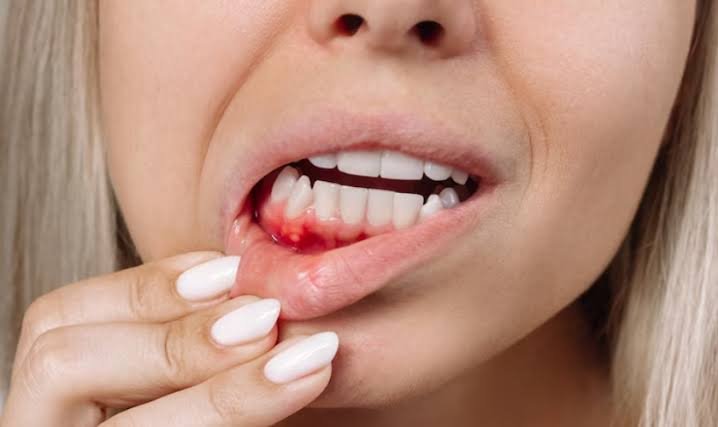
Knowing what happens during a dental visit for bleeding gums can make the appointment feel less intimidating and help you prepare useful information beforehand.
Your dentist will typically start with a visual exam, checking for redness, swelling, recession, and pocket depth around each tooth using a small measuring tool.
They may also ask about your medical history, current medications, and any recent changes in diet or stress, since all of these can influence gum health.
Based on what they find, treatment could range from simple hygiene coaching to a professional cleaning or a referral to a periodontist for more advanced care.
Frequently Asked Questions (FAQs)
Why do my gums bleed only when I floss, not when I brush?
This often means plaque has built up between teeth where a toothbrush can’t reach, irritating the gums specifically there.
Is it bad if my gums bleed every single time I brush?
Yes, daily bleeding usually signals gingivitis or more advanced gum disease that needs a closer look and consistent care.
Can new flossing habits cause temporary bleeding?
Yes, starting a flossing routine after a break often causes initial bleeding that improves within about two weeks.
Why are my gums bleeding even though I don’t smoke or have bad hygiene?
Hormones, medications, vitamin deficiencies, or a blood-clotting issue can all cause bleeding regardless of hygiene habits.
Should I brush harder to remove plaque causing bleeding?
No, brushing harder often worsens bleeding; gentle, consistent technique removes plaque more effectively without injury.
Can pregnancy really make gums bleed more than usual?
Yes, pregnancy hormones increase blood flow to gums, making pregnancy gingivitis a common and usually temporary issue.
How long should I try home care before seeing a dentist?
Give it about two weeks of consistent gentle brushing and flossing before scheduling an appointment if bleeding persists.
Can bleeding gums be a sign of something more serious?
Yes, especially if bleeding is heavy, spontaneous, or paired with bruising, fatigue, or symptoms elsewhere in the body.
Will a professional cleaning definitely stop my gums from bleeding?
In most gingivitis cases, yes, a professional cleaning combined with better home care resolves bleeding effectively.
Are electric toothbrushes better for bleeding gums than manual ones?
Either works well with proper technique, though electric brushes can help some people apply more consistent, gentle pressure.
Conclusion
Bleeding gums almost always come down to inflammation, whether triggered by plaque buildup, aggressive brushing, hormonal changes, or an underlying health condition. The specific pattern, whether it happens with brushing, flossing, or spontaneously, offers real clues about the likely cause.
Most cases respond well to a consistent two-week routine of gentle brushing, daily flossing, and saltwater rinses. Professional cleanings can address plaque and tartar that home care alone can’t fully remove.
Pay closer attention if bleeding persists beyond two weeks, happens without any clear trigger, or comes with loose teeth, gum recession, or unusual bruising elsewhere. With consistent care, most bleeding gums are fully reversible and a clear sign your gums are responding to better treatment.


