

Why Is My Car Making a Whining Noise? A whining noise from your car almost always points to a part that is worn, low on fluid, or under too much strain. It is your car’s way of telling you something needs attention before it turns into a bigger repair.
Why Is My Car Making a Whining Noise?


Most whining noises come from the power steering pump, a worn serpentine belt, a failing alternator, a bad wheel bearing, or low transmission fluid. The exact cause usually depends on when the noise happens — while turning, accelerating, idling, or braking.
Key Takeaways
- A whining noise almost never fixes itself and usually gets louder over time.
- The timing of the noise (turning, accelerating, idle) narrows down the cause fast.
- Power steering and serpentine belt issues are the cheapest and most common fixes.
- Wheel bearing and transmission whines are more serious and need prompt attention.
- Ignoring a whining noise can turn a $50 fix into a $2,000 repair.
Common Causes of a Car Whining Noise
Low or Failing Power Steering Fluid
A whining noise that gets louder when you turn the steering wheel usually means low power steering fluid or a worn pump. The fluid loses its lubricating properties over time and starts to squeal under pressure.
Check the power steering reservoir first. If the fluid is low, top it off and look for leaks near the pump, hoses, or rack.
Worn or Loose Serpentine Belt
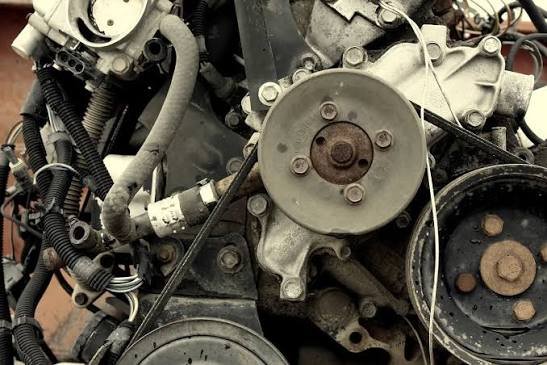
The serpentine belt drives your alternator, power steering pump, and AC compressor. When it wears out, cracks, or loses tension, it slips on the pulleys and produces a high-pitched whine or squeal.
This noise is most noticeable on cold starts or when you first accelerate. A slipping belt is one of the least expensive problems to fix if caught early.
Failing Alternator Bearings
If the whining noise changes pitch with engine speed and stays steady even with the wheel straight, worn alternator bearings could be the cause. A failing alternator often comes with dimming headlights or a battery warning light too.
Replacing the alternator is more expensive than a belt, so it helps to catch this early with a quick electrical system check.
Worn Wheel Bearing
A wheel bearing whine sounds more like a hum or growl that gets louder with speed and may shift side to side when you change lanes. It does not go away at idle and often gets worse over highway speeds.
This is a safety-related repair. A bearing that fails completely can cause a wheel to lock up or separate from the vehicle.
Low Transmission Fluid or Worn Components
Transmission whining usually shows up during acceleration or gear shifts, in both manual and automatic vehicles. Common causes include low fluid, worn gears, or a failing torque converter.
Check your transmission fluid level and condition first. Dark, burnt-smelling fluid is a warning sign that needs professional inspection.
Differential or Drivetrain Whine
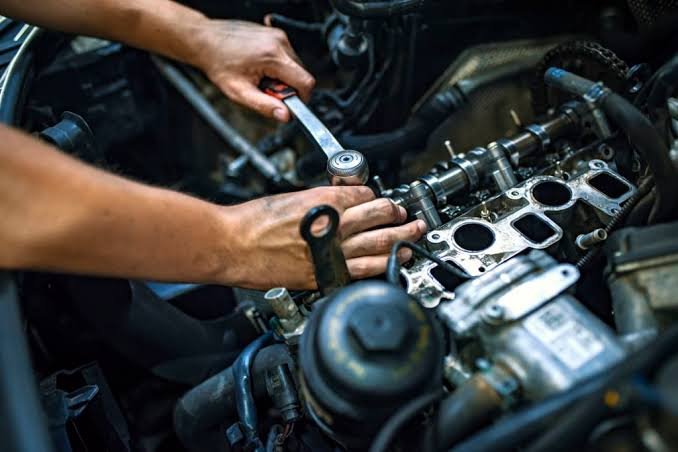

The differential sends power to your wheels, and its internal gears and bearings can wear out under heavy loads like towing. This produces a whining or howling sound during acceleration that seems to come from the front or rear of the car.
This is more common in trucks, SUVs, and all-wheel-drive vehicles that regularly carry heavy loads.
AC Compressor Issues
A whine that only appears when the air conditioning is running usually points to the AC compressor or its clutch bearing. Turn the AC off and see if the noise disappears to confirm this cause.
A failing compressor should be inspected before it damages other AC system components.
When Does the Whining Noise Happen?
While Turning the Steering Wheel
This almost always points to the power steering system — low fluid, a failing pump, or a worn rack.
While Accelerating
Acceleration whines usually come from the serpentine belt, transmission, differential, or a wheel bearing under load.
At Idle
A steady whine at idle often points to the alternator, power steering pump, or a vacuum leak.
On Cold Starts
Cold-start whining almost always means a loose or worn serpentine belt that needs more force to grip the pulleys before it warms up.
While Braking
A whine while braking is less common and may point to worn brake components or a wheel bearing rather than the engine.
Whining Noise Causes at a Glance

| Symptom Timing | Likely Cause | Repair Difficulty |
|---|---|---|
| Turning the wheel | Power steering pump or fluid | Easy |
| Cold start only | Serpentine belt | Easy |
| Constant, changes with RPM | Alternator bearings | Moderate |
| Gets louder with speed | Wheel bearing | Moderate to High |
| During acceleration or shifting | Transmission fluid or components | High |
| Under load, front or rear axle | Differential | High |
| Only with AC on | AC compressor | Moderate |
Estimated Repair Costs
| Issue | Typical Cost Range (USD) |
|---|---|
| Power steering fluid top-off | $10–$30 |
| Power steering pump replacement | $300–$750 |
| Serpentine belt replacement | $75–$200 |
| Alternator replacement | $350–$900 |
| Wheel bearing replacement | $250–$650 per wheel |
| Transmission fluid service | $100–$250 |
| Transmission repair | $1,000–$3,500 |
| AC compressor replacement | $500–$1,200 |
Prices vary by vehicle make, model, and labor rates in your area. These figures are general estimates, not quotes.
How to Diagnose a Whining Noise Yourself
Step 1: Note When It Happens
Pay attention to whether the noise happens while turning, accelerating, idling, or using the AC. This alone narrows down the cause significantly.
Step 2: Check Fluid Levels
Look at power steering fluid, transmission fluid, and engine oil. Low or dirty fluid is one of the most common and cheapest causes to fix.
Step 3: Inspect the Serpentine Belt
Look for cracks, glazing, or fraying on the belt. A loose or worn belt is easy to spot with the hood open and engine off.
Step 4: Listen with the AC On and Off
If the noise only happens with the AC running, the compressor or its clutch is the likely source.
Step 5: Get a Professional Diagnosis
If the noise persists after basic checks, have a mechanic inspect the bearings, alternator, and drivetrain components with proper tools.
Pros and Cons of DIY Diagnosis

| Approach | Pros | Cons |
|---|---|---|
| DIY inspection | Free, quick, builds car knowledge | Limited to visible or obvious issues |
| Professional diagnosis | Accurate, catches hidden problems | Costs a diagnostic fee |
Mistakes to Avoid
- Do not ignore a whining noise hoping it goes away on its own.
- Do not top off power steering fluid repeatedly without checking for leaks.
- Do not drive long distances with a suspected wheel bearing noise.
- Do not assume every whine is the same part — timing matters.
- Do not delay a transmission check if the noise appears during shifting.
Expert Tips
- Keep a simple log of when the noise happens; it saves diagnostic time and money.
- Replace a worn serpentine belt at the first sign of cracking, not after it snaps.
- Ask your mechanic to inspect belts and bearings during routine oil changes.
- A sudden change in noise pitch or volume is a sign to get it checked sooner rather than later.
When to See a Mechanic Immediately
Get your car inspected right away if the whining noise is accompanied by dashboard warning lights, a burning smell, difficulty steering, or shifting problems. These combinations usually mean a more urgent repair is needed.
Also Read:
- Modern Commercial Janitorial Practices for Healthier Workplaces
- 5 Easy Ways to Refresh Your Everyday Look Without Buying a Whole New Wardrobe
- 9 Best Equipment Management Tools for Recording Studios
- Direct vs Layover Flight: Best Option for the Bhubaneswar to Delhi Route
- Download Gayatri Mantra Best Ringtone Mp3/M4R
- Grand Theft Auto: San Andreas – Theme Song Download
- Download Mission Impossible – Original Theme Song
- Randy Orton – Voices WWE Theme Song Download
- 430+ Trendy Roblox Username Ideas for Boys & Girls
- 1000+ Trendy Instagram Usernames Ideas for Girls (2024)
- Letflix Review – Features, How it Works and Safe to Use?
- Creating Mood-Based Images for Social Posts
- Small Light, Big Output: Olight Baton 4 – The Pocket Powerhouse You Need
- Tired Of Cleaning After Work? Scheduled Services Ease Everyday Pressure
- 8 Best Wedding Photo QR Code Apps
- Cork Popping – Sound Effect
- Ikson – Last Summer (No Copyright Music)
- YG – Don’t Come To LA (Instrumental)
- Why Does One Side of My Throat Hurt When I Swallow? Signs (2026)
- Chris Brown – Love More (Instrumental)
- 10 AI Tools Every Small Business Should Use in 2026
- Upscale.pro Review: Elevating Image Quality with Advanced AI Image Upscaler
- Elvish Yadav Wiki, Age, Bio, Family, Net Worth & More
- Enjoy4Fun: Free Online Games
- Audio Tips for the Ultimate Entertainment Setup
Frequently Asked Questions (FAQs)
Why is my car making a whining noise when I turn?
This usually means low power steering fluid or a worn power steering pump. Check the fluid level first, then look for leaks near the pump and hoses.
Why is my car whining when I accelerate?
Acceleration whines commonly come from a worn serpentine belt, low transmission fluid, or a stressed wheel bearing. The pitch and location of the sound help narrow it down.
Is a car whining noise dangerous?
It can be. Power steering and belt noises are usually minor, but wheel bearing and transmission whines can lead to serious failures if ignored.
Can I drive with a whining noise?
Short trips are usually safe if the noise is mild and consistent, but you should get it checked soon. Stop driving immediately if the noise is paired with warning lights or steering problems.
Why does my car whine only when the AC is on?
This points to the AC compressor or its clutch bearing. Turning the AC off and confirming the noise stops helps verify this cause.
Why does my car whine on cold starts but not once warmed up?
This is a classic sign of a loose or worn serpentine belt. Belts often need more grip force before the engine reaches normal operating temperature.
What does a bad wheel bearing sound like?
A bad wheel bearing usually sounds like a low hum or growl that grows louder with speed and may change when you turn or change lanes.
How much does it cost to fix a whining power steering pump?
A simple fluid top-off costs $10 to $30, while a full pump replacement typically ranges from $300 to $750 depending on the vehicle.
Why is my car whining but the power steering fluid is full?
If fluid is full but the whine continues, the pump itself, a hose, or the steering rack may be worn and need inspection.
Can low engine oil cause a whining noise?
Low engine oil is less common but can cause whining from stressed components. It is worth checking oil level along with other fluids.
Why does my automatic transmission whine when shifting?
This can indicate low transmission fluid, worn internal components, or a failing torque converter. It should be inspected promptly to avoid bigger damage.
Is it normal for a car to whine when cold?
A brief noise on a cold start can be normal in some vehicles, but a loud or persistent whine usually signals a belt or pulley issue.
Why does my car whine at idle but stop when I accelerate?
This pattern often points to a failing alternator or power steering pump bearing rather than a belt issue.
Can a whining noise fix itself over time?
No. Whining noises are caused by wear, so they typically get louder and more frequent rather than resolving on their own.
How do I know if it’s the alternator or the belt?
An alternator whine usually changes pitch with engine RPM and may come with electrical issues, while a belt whine is often loudest on cold starts.
Why is my car whining when I brake?
Braking-related whines are less common and may point to worn brake hardware or a wheel bearing rather than the engine.
Does a whining differential mean I need a new one?
Not always. Sometimes a fluid change or bearing replacement resolves it, but advanced wear may require a rebuild or replacement.
Why do trucks and SUVs whine more often than sedans?
Heavier vehicles put more strain on differentials and drivetrain components, especially when towing or hauling, which increases whining noise risk.
Can a mechanic diagnose a whining noise without seeing the car?
A description of when the noise happens helps narrow the cause, but a hands-on inspection is needed for an accurate diagnosis.
How urgent is a wheel bearing whine?
It should be treated as a priority repair. A completely failed wheel bearing can affect vehicle control and safety.
What’s the cheapest cause of a car whining noise?
Low power steering fluid and a worn serpentine belt are usually the least expensive causes to diagnose and fix.
Why does my whining noise get louder over time?
Worn parts continue to degrade with use, so the noise typically worsens the longer it goes unaddressed.
Can weather affect a car’s whining noise?
Yes. Cold weather often makes belt-related whining more noticeable until the engine reaches operating temperature.
Should I check the noise myself before visiting a mechanic?
Basic checks like fluid levels and belt condition are safe and can save diagnostic time, but deeper issues need professional tools.
Conclusion
A whining noise in your car is a signal, not something to brush off. Paying attention to when it happens — while turning, accelerating, idling, or with the AC on — makes it much easier to identify the cause.
Most whining noises trace back to power steering fluid, a worn belt, the alternator, a wheel bearing, or the transmission. Addressing the issue early keeps repair costs lower and your car safer on the road.