


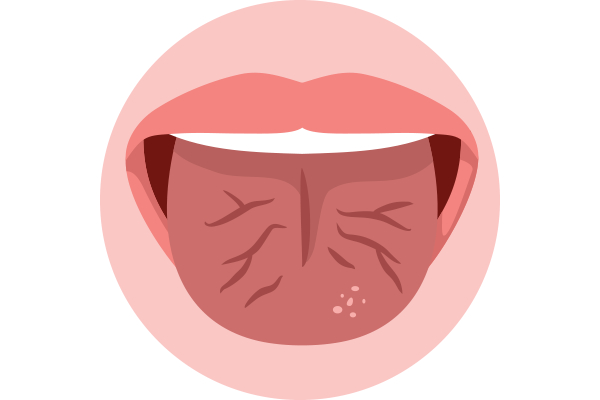
Why does the side of my tongue hurt — this is one of the most common oral health questions people search for online.
The side of the tongue is one of the most sensitive areas in the mouth, packed with nerve endings and constantly exposed to teeth, food, and bacteria.
Pain on the side of the tongue can range from a mild irritation to a sharp, persistent ache that makes eating and talking uncomfortable. In most cases, the cause is simple and temporary. However, some causes do require medical attention.
What Is Tongue Pain on the Side?

Tongue pain on the side refers to any soreness, burning, tenderness, or aching felt along the lateral edges of the tongue. The sides of the tongue are especially vulnerable because they constantly make contact with the teeth while chewing, talking, and even at rest.
The tongue is a muscle covered with a moist layer called the mucosa. When this tissue is irritated or damaged, it develops sores, swelling, or inflammation that causes pain. In many cases, the pain resolves on its own within a few days.
Understanding what is causing the pain helps you decide whether home care is enough or whether you need to see a dentist or doctor.
Common Causes: Why Does the Side of My Tongue Hurt?
The side of your tongue can hurt for a wide range of reasons — from something as simple as an accidental bite to more complex conditions like infections or nerve disorders. Here is a complete breakdown of every possible cause.
1. Accidental Biting and Trauma
One of the most frequent reasons the side of your tongue hurts is an accidental bite. It happens while chewing quickly, eating hard foods, talking during meals, or even during sleep.
The bite causes a small wound or bruise on the tongue’s mucosa. The area swells, becomes red, and stings — especially when touched by acidic or spicy foods.
Most bite injuries heal completely within 3 to 7 days. Avoiding irritating foods and keeping the area clean speeds up the recovery.
2. Canker Sores (Aphthous Ulcers)
Canker sores are small, round, painful ulcers that appear on the soft tissues inside the mouth, including the sides of the tongue. They look white or yellow with a red border around them.
The exact cause of canker sores is not always known. Common triggers include stress, hormonal changes, minor injuries, acidic foods, and vitamin deficiencies.
Canker sores are not contagious and usually heal on their own within 1 to 2 weeks. Frequent or unusually large canker sores may signal a nutritional deficiency or immune system issue.
3. Sharp Teeth, Dental Appliances, and Rough Fillings
A chipped tooth, broken filling, sharp crown edge, braces wire, retainer, or ill-fitting denture can constantly rub against the side of the tongue. This creates chronic irritation that does not heal because the source of the friction is still present.
The tongue tissue develops raw, sore patches wherever it is repeatedly scraped. The pain tends to appear on one specific side — whichever side the sharp edge is on.
A dentist can smooth rough edges, adjust appliances, or repair broken restorations to eliminate the irritation immediately.
4. Oral Thrush (Fungal Infection)
Oral thrush is a yeast infection caused by an overgrowth of Candida albicans. It produces white patches on the tongue and inner mouth lining, which can be sore and tender.
It is more common in people with weakened immune systems, those who use steroid inhalers, people on antibiotics, diabetics, and those with dry mouth. The patches may bleed slightly if you try to scrape them off.
Treatment involves antifungal medications like nystatin prescribed by a doctor or dentist. Good oral hygiene and managing underlying health conditions help prevent recurrence.
5. Canker Sore vs Cold Sore — Key Differences
Many people confuse canker sores with cold sores. They are two very different conditions. Knowing the difference helps you get the right treatment faster.
| Feature | Canker Sore | Cold Sore |
|---|---|---|
| Location | Inside the mouth (on tongue, cheeks, gums) | Outside the mouth (on or around the lips) |
| Cause | Stress, injury, vitamin deficiency | Herpes Simplex Virus (HSV-1) |
| Contagious | No | Yes |
| Appearance | White/yellow with red border | Fluid-filled blister |
| Healing Time | 1–2 weeks | 7–10 days |
| Treatment | OTC gels, salt rinse | Antiviral medication |
6. Burning Mouth Syndrome
Burning mouth syndrome (BMS) causes a persistent burning or scalding sensation on the tongue and other mouth tissues without any visible cause. It can feel like you have eaten something extremely hot even when you have not.
It is more common in middle-aged and older adults, especially women. Possible causes include nerve dysfunction, hormonal changes, dry mouth, nutritional deficiencies, and certain medications.
The condition can be frustrating because nothing looks wrong visually. A dentist or doctor can diagnose BMS and recommend treatment including medication, dietary changes, and stress management.
7. Geographic Tongue
Geographic tongue is a harmless condition where smooth, red patches appear on the tongue, replacing the normal bumpy surface (papillae). The patches have white or gray borders and shift position over time, giving the tongue a map-like appearance.
The condition can cause a burning or stinging sensation, especially when eating spicy, acidic, or salty foods. It is non-cancerous and does not spread or increase the risk of cancer.
There is no cure, but symptoms can be managed by avoiding trigger foods, using antihistamine mouthwash, and taking NSAIDs for pain relief. Geographic tongue tends to run in families.
8. Nutritional Deficiencies
Low levels of certain vitamins and minerals directly affect the health of oral tissues. The tongue is one of the first places where nutritional deficiencies show up as soreness, inflammation, or a burning feeling.
| Nutrient | Deficiency Symptom on Tongue |
|---|---|
| Vitamin B12 | Sore, inflamed, or smooth tongue (glossitis) |
| Iron | Painful, swollen tongue; pale mucosa |
| Folic Acid | Mouth ulcers and tongue soreness |
| Zinc | Tongue pain, altered taste |
| Vitamin B6 | Inflammation and cracking |
A blood test from your doctor can identify deficiencies. Supplements or dietary changes usually resolve the tongue pain within a few weeks.
9. Oral Lichen Planus
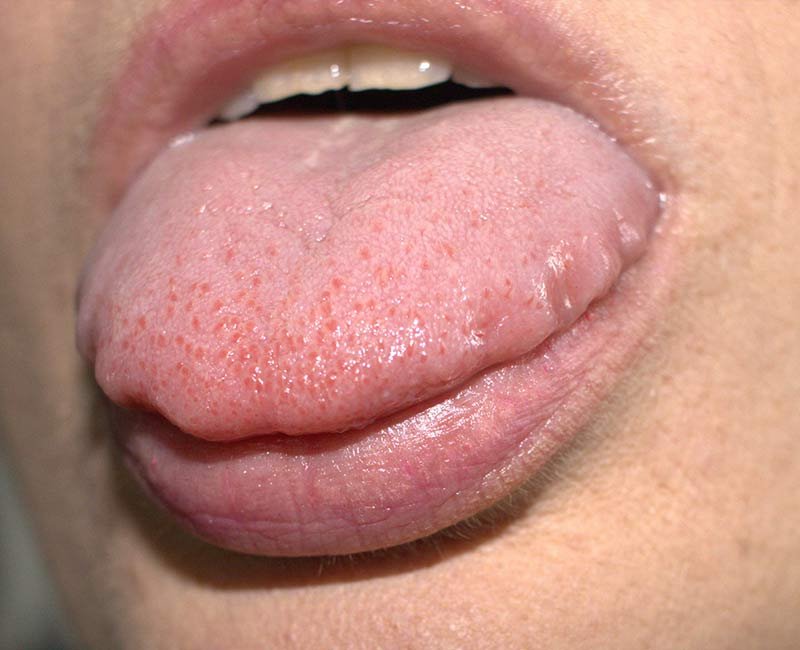
Oral lichen planus is a chronic inflammatory condition that affects the lining of the mouth. On the tongue, it appears as white, lacy patches or painful red, eroded areas — particularly on the sides.
The exact cause is unclear but is believed to involve an abnormal immune response. Stress, certain medications, and infections may trigger flare-ups.
Mild cases may not require treatment. Severe or painful cases are treated with prescription corticosteroid gels, antihistamine mouth rinses, or immunosuppressant medications.
10. Teeth Grinding (Bruxism)
Teeth grinding — called bruxism — happens mostly at night when you are unaware of it. The repetitive jaw movements cause the tongue to press hard against the teeth, resulting in soreness along the tongue’s edges.
Many people do not realize they grind their teeth until symptoms like jaw pain, morning headaches, or sore tongue sides appear. Stress is the most common cause of bruxism.
A dentist can fit you with a night guard to protect both your teeth and tongue while you sleep. Stress reduction techniques and muscle relaxants also help manage the condition.
11. Viral Infections
Several viral infections can cause tongue pain and ulcers. Herpes simplex virus (HSV-1) can occasionally spread inside the mouth and produce painful blisters on the tongue’s sides.
Hand-foot-mouth disease, a common childhood illness, produces small painful ulcers in the mouth including the tongue. These typically resolve within 7 to 10 days.
Antiviral medications can shorten the duration of herpes-related outbreaks. Good hygiene reduces the risk of spreading viral infections to others.
12. Food Irritation and Allergies
Spicy foods, highly acidic fruits like citrus and pineapple, salty snacks, and very hot beverages can inflame the delicate tissue on the sides of the tongue. If you already have a small cut or sore, these foods make the pain significantly worse.
Oral allergy syndrome (pollen-food syndrome) can also cause the tongue to tingle, itch, or hurt after eating raw fruits, vegetables, or certain nuts. It is linked to a sensitivity to substances in these foods.
Switching to soft, cool, bland foods while healing allows the tongue tissue to recover quickly. If allergy-related, identifying and avoiding trigger foods prevents recurring pain.
13. Dry Mouth (Xerostomia)
Saliva plays a crucial role in protecting oral tissues from friction and infection. When saliva production is reduced — due to medication, dehydration, or a medical condition — the tongue becomes dry, irritated, and more prone to soreness.
Many common medications including antihistamines, antidepressants, blood pressure drugs, and diuretics list dry mouth as a side effect. Conditions like Sjögren’s syndrome also directly attack the salivary glands.
Staying well hydrated, using saliva substitute sprays, chewing sugar-free gum, and reviewing your medications with a doctor can all help manage dry mouth.
14. Glossitis
Glossitis is a general term for inflammation of the tongue. The tongue becomes swollen, smooth, and painful. The surface may lose its normal bumpy texture and appear shiny or red.
Causes of glossitis include vitamin B deficiencies, anemia, infections, certain medications, and allergic reactions. In severe cases, swelling can make swallowing and speaking difficult.
Treatment focuses on addressing the underlying cause — whether that is supplementing deficient nutrients, treating an infection, or changing a medication.
15. Trigeminal Neuralgia and Nerve Disorders
Trigeminal neuralgia is a nerve condition that causes sudden, severe, electric shock-like pain in the face, jaw, and sometimes the tongue. It is triggered by everyday activities like eating, talking, or even a light touch.
Glossopharyngeal neuralgia can cause intense pain deep in the throat and tongue, especially when swallowing. These conditions require a medical diagnosis and are typically treated with nerve pain medications or surgical procedures.
16. Tongue Cancer Warning Signs
In rare but serious cases, pain on the side of the tongue may be an early sign of tongue cancer. Tongue cancer most commonly develops on the front two-thirds of the tongue, and the sides are a frequent location for early lesions.
The most common type is squamous cell carcinoma. It often appears as a persistent sore or lump on the side of the tongue that does not heal, bleeds easily, and may be accompanied by numbness or difficulty swallowing.
Key warning signs that require immediate dental or medical evaluation:
| Warning Sign | What It May Indicate |
|---|---|
| Sore lasting more than 2 weeks | Possible oral cancer or serious condition |
| Painless lump or thickening | Tumor growth |
| White or red patch that won’t go away | Leukoplakia or erythroplakia |
| Unexplained bleeding | Ulcer or malignancy |
| Difficulty swallowing or speaking | Advanced lesion |
| Numbness in the tongue | Nerve involvement |
Risk factors for tongue cancer include tobacco use, heavy alcohol consumption, HPV infection, and being over age 55. Early detection significantly improves treatment outcomes. See a dentist or oral cancer specialist if any of these symptoms are present.
Symptoms: What Does Tongue Pain on the Side Feel Like?
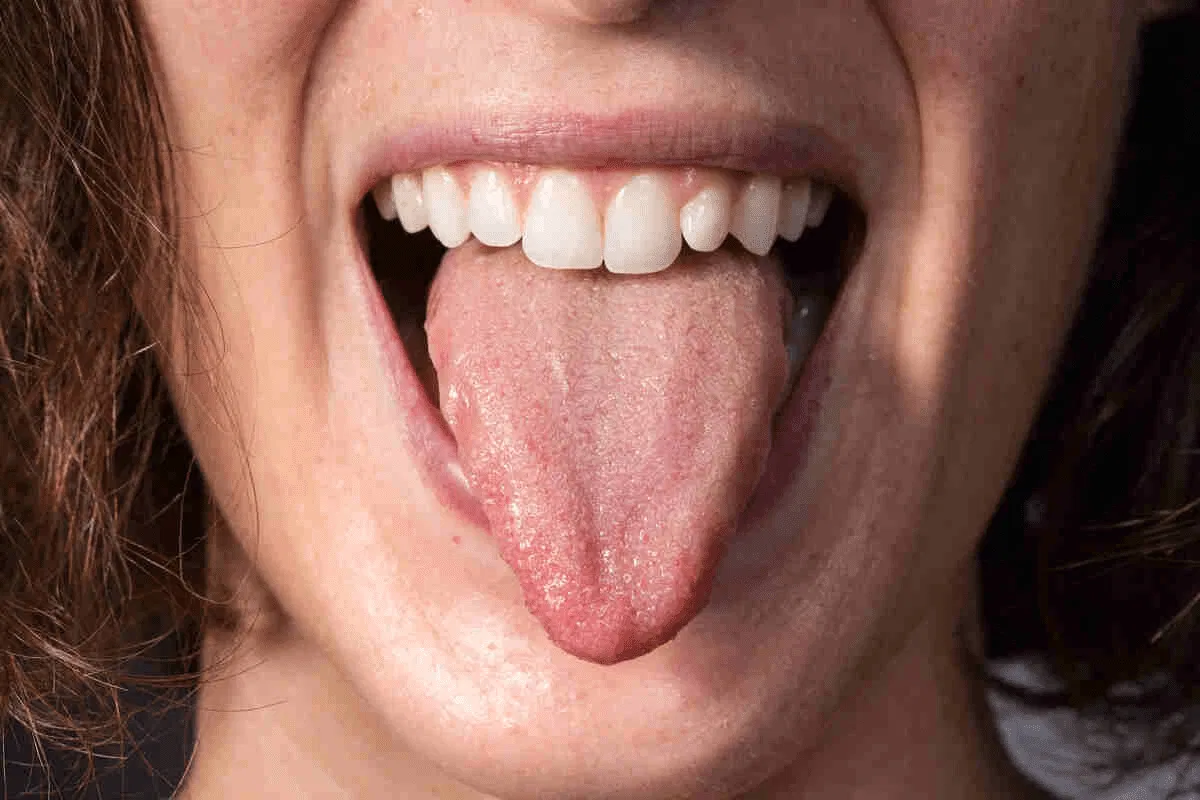
The sensation of pain on the side of the tongue varies depending on the cause. Understanding the specific type of pain can help narrow down the likely cause.
| Type of Pain | Likely Cause |
|---|---|
| Sharp, stinging pain | Bite injury, canker sore, sharp tooth edge |
| Burning sensation | Burning mouth syndrome, geographic tongue, acidic food |
| Throbbing pain with swelling | Infection (bacterial or fungal) |
| Persistent, dull ache | Bruxism, chronic irritation from dental appliance |
| Electric shock-like pain | Trigeminal neuralgia |
| Painless lump or lesion | Possible tumor — see a doctor immediately |
| White patches with soreness | Oral thrush or oral lichen planus |
How Long Does Tongue Pain on the Side Usually Last?
The healing time depends entirely on the cause. Minor injuries like bites or canker sores typically resolve within 1 to 2 weeks without treatment.
Infections may take longer if left untreated. Chronic conditions like geographic tongue, oral lichen planus, or burning mouth syndrome can cause recurring or long-term discomfort that requires ongoing management.
Any tongue pain that lasts more than 2 weeks, worsens over time, or is accompanied by a lump, bleeding, or difficulty swallowing should be evaluated by a dentist or doctor as soon as possible.
Home Remedies for Side of Tongue Pain
Many causes of tongue pain respond well to simple at-home treatments. These remedies help reduce inflammation, fight bacteria, and create a comfortable environment for healing.
Saltwater Rinse
Mix one teaspoon of salt in a glass of warm water and swish it around your mouth for 30 to 60 seconds. The salt reduces inflammation and kills bacteria around the sore.
Do this 2 to 3 times per day, especially after meals. It is one of the safest and most effective home treatments for tongue sores and minor injuries.
Honey Application
Raw honey has natural antimicrobial and anti-inflammatory properties. Apply a small amount of honey directly to the sore using a clean finger or cotton swab.
Honey helps reduce soreness and creates a protective coating over the wound. Use it 2 to 3 times daily for best results. Avoid giving honey to children under 1 year old.
Aloe Vera Gel
Pure aloe vera gel applied directly to the sore can soothe irritated tissue and promote healing. It has natural anti-inflammatory compounds and can reduce pain quickly.
Apply a small amount using a clean swab and leave it on for a few minutes. Repeat several times a day. Make sure you are using food-grade or oral-safe aloe vera gel.
Chamomile Tea Rinse
Brew a strong cup of chamomile tea, allow it to cool completely, and use it as a mouth rinse. Chamomile contains anti-inflammatory and mild antiseptic compounds that help soothe oral sores.
Rinse your mouth thoroughly for about 1 minute. This remedy is particularly gentle and can be used multiple times per day.
Cold or Ice Water
Holding cold water or sucking on ice chips can temporarily numb the painful area and reduce swelling. This provides quick short-term relief, especially when eating is painful.
Avoid very hot drinks and food while the tongue is sore. Cold, soft foods like yogurt, smoothies, and soup are better dietary choices during the healing period.
Over-the-Counter Treatments
Topical oral gels containing benzocaine (such as Orajel) can numb the sore area directly and provide fast relief. Antiseptic mouthwashes also help prevent secondary infections.
Over-the-counter pain relievers like ibuprofen or acetaminophen reduce both pain and inflammation. These are particularly useful for moderate to severe tongue soreness.
Medical Treatments for Tongue Pain
When home remedies are not enough, a dentist or doctor can provide more targeted treatments.
For infections: Antifungal medications (like nystatin) are prescribed for oral thrush. Antiviral medications are used for herpes-related tongue sores. Bacterial infections may require antibiotics.
For canker sores: Prescription-strength corticosteroid gels or rinses are used for severe or frequent canker sores that do not respond to OTC treatments.
For dental irritation: A dentist can smooth sharp tooth edges, repair broken fillings, adjust braces or retainers, and modify dentures to eliminate the source of chronic tongue rubbing.
Nutritional deficiencies: Vitamin B12 injections, iron supplements, or folic acid tablets prescribed after a blood test can resolve tongue pain caused by deficiency within weeks.
For nerve conditions: Trigeminal neuralgia is treated with anticonvulsant medications, nerve blocks, or surgical procedures. Burning mouth syndrome may require tricyclic antidepressants, anticonvulsants, or cognitive behavioral therapy.
For suspected oral cancer: A biopsy and diagnostic imaging are required. Treatment may include surgery, radiation therapy, chemotherapy, or a combination depending on stage and location.
Foods to Avoid When the Side of Your Tongue Hurts
Certain foods significantly worsen tongue pain and delay healing. Knowing what to avoid gives the tongue a chance to recover faster.
| Food/Drink to Avoid | Why It Makes It Worse |
|---|---|
| Spicy foods (chili, peppers) | Directly inflames sensitive tissue |
| Citrus fruits (lemon, orange, grapefruit) | Acidic — stings open sores |
| Salty snacks (chips, crackers) | Dries out tissue, causes burning in sores |
| Very hot beverages (tea, coffee) | Can scald and worsen irritation |
| Alcohol-based mouthwash | Drying and irritating to open sores |
| Crusty, hard bread or crackers | Can physically scrape sore tissue |
| Pineapple and tomatoes | High acid content irritates mucosa |
Best Foods to Eat When Your Tongue Hurts
Choosing soft, cool, and non-acidic foods minimizes contact pain and supports healing.
Good options include yogurt, cold smoothies, mashed potatoes, oatmeal (cooled), scrambled eggs, soup (at a mild temperature), banana, avocado, and plain rice. These foods are easy to eat without irritating the sore area.
Staying well hydrated is also important. Water keeps the mouth moist, reduces friction, and helps wash away bacteria and food particles from around the sore.
When to See a Dentist or Doctor
Not all tongue pain is serious, but certain symptoms should never be ignored. See a dental or medical professional if you notice any of the following:
The pain or sore has lasted more than 2 weeks without improvement. The sore is growing larger, bleeding, or becoming harder. You notice a lump or thickening anywhere on the tongue. There are white or red patches on the tongue that will not go away. You have difficulty swallowing, speaking, or moving your tongue. The pain is severe enough to prevent eating or drinking normally. You have a fever along with tongue pain and swelling.
These symptoms can indicate a serious infection, a systemic condition, or in rare cases, oral cancer. Early diagnosis leads to faster, more effective treatment.
How to Prevent Tongue Pain on the Side
Many cases of tongue soreness are preventable with consistent habits.
Practice good oral hygiene. Brush twice daily with a soft-bristled toothbrush, floss once a day, and scrape your tongue to remove bacteria buildup. Use an alcohol-free mouthwash to avoid drying out the mucosa.
Eat a balanced diet. Ensure adequate intake of vitamin B12, iron, folic acid, and zinc. These nutrients directly support the health of oral tissues and prevent deficiency-related soreness.
Manage stress. Stress is a well-known trigger for canker sores and teeth grinding, both of which cause tongue pain. Regular exercise, meditation, and adequate sleep reduce stress levels and lower the frequency of stress-related oral issues.
Visit your dentist regularly. Routine checkups allow your dentist to identify and smooth rough tooth edges, adjust dental appliances, and screen for early signs of oral cancer before symptoms become severe.
Avoid tobacco and excessive alcohol. Both are major risk factors for oral cancer and oral ulcers. Tobacco damages oral tissue directly, while alcohol dries out the mouth and weakens the mucosa’s natural defenses.
Frequently Asked Questions (FAQs)
Why does the side of my tongue hurt for no reason?
Even with no obvious injury, the tongue can hurt due to hidden causes like nutritional deficiencies, early-stage canker sores, or geographic tongue. If the pain persists beyond 2 weeks, see a dentist for evaluation.
Can stress cause tongue pain on the side?
Yes, stress is a known trigger for canker sores and bruxism (teeth grinding), both of which directly cause soreness on the sides of the tongue. Managing stress through relaxation and sleep can reduce flare-ups.
How long does a sore on the side of the tongue take to heal?
Most minor sores and bite injuries heal within 7 to 14 days on their own. If a sore lasts longer than 2 weeks, it should be examined by a dentist or doctor.
Is tongue pain on the side a sign of cancer?
Most tongue pain is not cancer. However, a persistent sore or lump on the side of the tongue that does not heal within 2 weeks, bleeds easily, or comes with numbness should be evaluated immediately by a professional.
What does a canker sore on the side of the tongue look like?
A canker sore appears as a small, round ulcer with a white or yellow center and a red border. It is painful to touch and can make eating and talking uncomfortable for several days.
Can a vitamin deficiency cause the side of my tongue to hurt?
Yes, deficiencies in vitamin B12, iron, folic acid, and zinc are common causes of tongue soreness and inflammation. A simple blood test can confirm if a deficiency is the cause.
How do I get quick relief when the side of my tongue hurts?
The fastest home relief options are a warm saltwater rinse, applying honey or aloe vera gel to the sore, using an OTC numbing gel containing benzocaine, and taking ibuprofen for pain and inflammation.
Why does only one side of my tongue hurt?
One-sided pain usually points to a localized cause — a bite injury, canker sore, a sharp tooth edge, or a dental appliance rubbing against that specific side. If one side consistently hurts, have a dentist check for a structural dental issue.
Can braces or dental appliances cause tongue pain on the side?
Yes, braces wires, retainers, and dentures that rub against the tongue are a very common cause of chronic soreness on one or both sides. A dentist or orthodontist can adjust the appliance to stop the irritation.
What foods should I avoid when the side of my tongue hurts?
Avoid spicy foods, acidic fruits (citrus, pineapple, tomatoes), very hot beverages, salty snacks, and hard or crusty foods. These inflame sensitive tongue tissue and slow down the healing of existing sores.
Conclusion
Why does the side of my tongue hurt is a question with many possible answers — and most of them are straightforward and treatable. The most common causes include accidental biting, canker sores, dental irritation from sharp teeth or braces, nutritional deficiencies, and infections like oral thrush.
Simple home remedies such as saltwater rinses, honey, aloe vera, and OTC numbing gels provide fast relief for mild cases. However, tongue pain that lasts more than two weeks, comes with a visible lump or bleeding, or is accompanied by difficulty swallowing should never be ignored.
These can be signs of a more serious underlying condition. The best approach is always to understand the cause, treat it appropriately, and visit a dental professional when in doubt. With the right care, most side tongue pain resolves quickly and completely. Take your oral health seriously — your tongue is telling you something important.


