


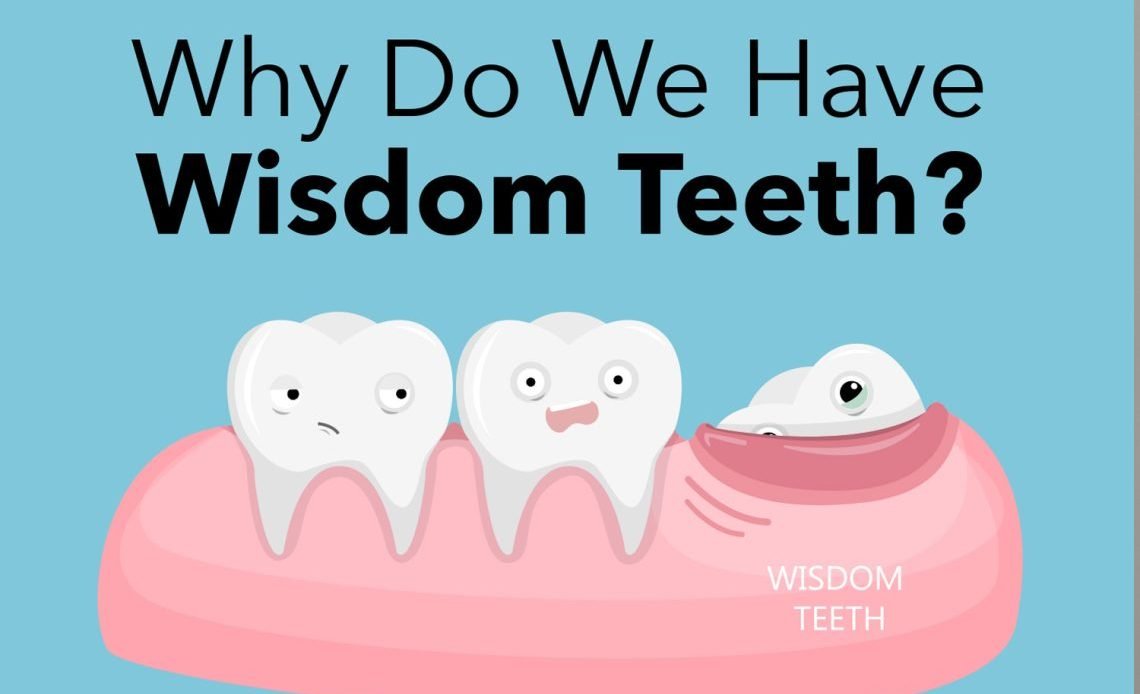
Why are wisdom teeth called wisdom teeth is one of the most searched dental questions online, and the answer is more fascinating than most people expect.
These notorious back molars carry a name rooted in ancient history, human evolution, and a timeless association between age and maturity.
What Are Wisdom Teeth?
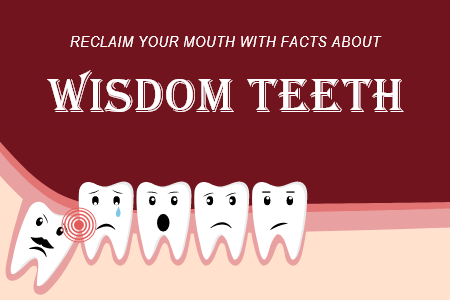
Wisdom teeth are your third and final set of molars. They sit at the very back of your mouth, two on top and two on the bottom.
They are the last permanent teeth to erupt in the human mouth. Every other adult tooth has already grown in long before them.
In dentistry, they are officially referred to as third molars or M3. The nickname “wisdom teeth” is the name almost everyone uses in everyday conversation.
The Real Reason They Are Called Wisdom Teeth
Wisdom teeth are called wisdom teeth because of when they appear, not because they make you smarter.
These teeth erupt between the ages of 17 and 25, a period of life historically associated with the transition from youth into adulthood. The idea was simple: by the time these teeth grew in, a person had become older and, presumably, wiser.
The name follows the old saying: with age comes wisdom.
The Ancient Origin of the Name
The term has deep historical roots. The Latin name dens sapientiae, meaning “teeth of wisdom,” is where the modern phrase likely originated.
The great philosopher Aristotle documented these teeth as far back as the 4th century BC. In his work History of Animals, he wrote that the last molars come in around the age of twenty in both men and women.
In the 17th century, the English phrase “teeth of wisdom” became widely used. Over time, this was shortened to the cleaner, more common term: wisdom teeth.
Other languages carry similar meanings. In Spanish, they are called las muelas del juicio, meaning “molars of judgement.” In German, they are Weisheitszähne, which also translates directly to “wisdom teeth.” The same concept exists across dozens of languages worldwide.
How Human Teeth Develop: A Timeline
Understanding wisdom teeth requires knowing how the full set of adult teeth develops over a lifetime.
| Tooth Type | Eruption Age |
|---|---|
| First molars | Around age 6–7 |
| Second molars | Around age 12–13 |
| Wisdom teeth (third molars) | Ages 17–25 |
| Baby teeth (deciduous) | Ages 6 months – 3 years |
Your first permanent molars arrive when you are still in elementary school. Your second molars come in during early adolescence. Wisdom teeth are the final arrival, completing the full set of 32 adult teeth.
Because they come in at an age when a person is considered a young adult, they picked up the name that has stuck for centuries.
What Were Wisdom Teeth Originally Used For?
Wisdom teeth were not always useless. For most of human history, they were essential tools for survival.
Around 500 million years ago, early human ancestors had a very different diet. They ate raw meats, hard nuts, fibrous roots, seeds, and tough plant material that required heavy grinding.
Early humans also had wider, larger jawbones than modern people. There was plenty of room for a full third row of molars to come in without causing any crowding or discomfort.
The third molars served as replacement grinders. Because ancient diets were so abrasive, the first and second molars wore down quickly. The wisdom teeth would erupt later in life to take over the heavy chewing work.
Why Wisdom Teeth Became Useless Over Time
As human civilization evolved, the need for wisdom teeth gradually disappeared. Two major changes led to this shift.
Diet became softer. Cooking, agriculture, and food processing eliminated the need to grind down raw, tough food. Modern diets require far less jaw force than the diets of ancient humans.
The human jaw shrank. As the brain grew larger over thousands of years of evolution, the jaw became narrower. There is simply no longer enough space in the modern human mouth for wisdom teeth to grow in properly.
The result is a mismatch: a large tooth trying to fit into a smaller jaw. This is why impaction is so common today.
| Era | Diet | Jaw Size | Wisdom Teeth Function |
|---|---|---|---|
| Ancient humans | Raw meat, nuts, roots | Large and wide | Essential grinding tools |
| Agricultural era | Cooked grain, softer foods | Gradually narrowing | Less critical |
| Modern humans | Processed, soft foods | Narrow | Vestigial, often problematic |
What Does “Vestigial” Mean for Wisdom Teeth?
Scientists and dentists classify wisdom teeth as vestigial structures, meaning they are remnants of a body part that once had a purpose but no longer serves a necessary function.
The appendix is the most famous example of a vestigial organ. Wisdom teeth fall into the same category.
They exist because evolution takes a very long time. Thousands of generations would need to pass before wisdom teeth disappeared from the human genome entirely. For now, most people still grow them even though modern mouths do not need them.
Interestingly, around 35% of people are born without any wisdom teeth at all. Scientists believe this is evolution in progress, with future humans potentially never developing third molars.
Wisdom Teeth Around the World: Different Names, Same Concept
The concept behind the name “wisdom teeth” is universal, but different cultures describe them differently.
| Language | Name | Translation |
|---|---|---|
| English | Wisdom teeth | Teeth of wisdom |
| Spanish | Muelas del juicio | Molars of judgement |
| German | Weisheitszähne | Wisdom teeth |
| French | Dents de sagesse | Teeth of wisdom |
| Japanese | Oyashirazu | Unknown to parents |
| Turkish | Yirmi yaş dişi | Age-twenty tooth |
| Korean | 사랑니 (Sarangni) | Love teeth |
The Japanese name is particularly interesting. Oyashirazu translates to “unknown to parents,” suggesting these teeth appeared after a child had already left home and their parents were unaware of them growing in.
When Do Wisdom Teeth Actually Come In?
Most people experience wisdom tooth eruption between ages 17 and 25, but there is significant variation.
Some individuals see their wisdom teeth as early as age 14. Others do not experience eruption until their late twenties or even thirties.
In rare cases, wisdom teeth have been documented erupting in people in their 50s, 60s, and even 80s. Aristotle himself documented elderly cases in his ancient writings.
It is also common for wisdom teeth to come in one at a time rather than all four simultaneously. They can emerge over a period of several years.
Some people never develop wisdom teeth at all, and this is completely normal. Agenesis of third molars is more common in certain populations, particularly among people of East Asian and indigenous Mexican heritage.
Why Do Wisdom Teeth Cause So Many Problems?
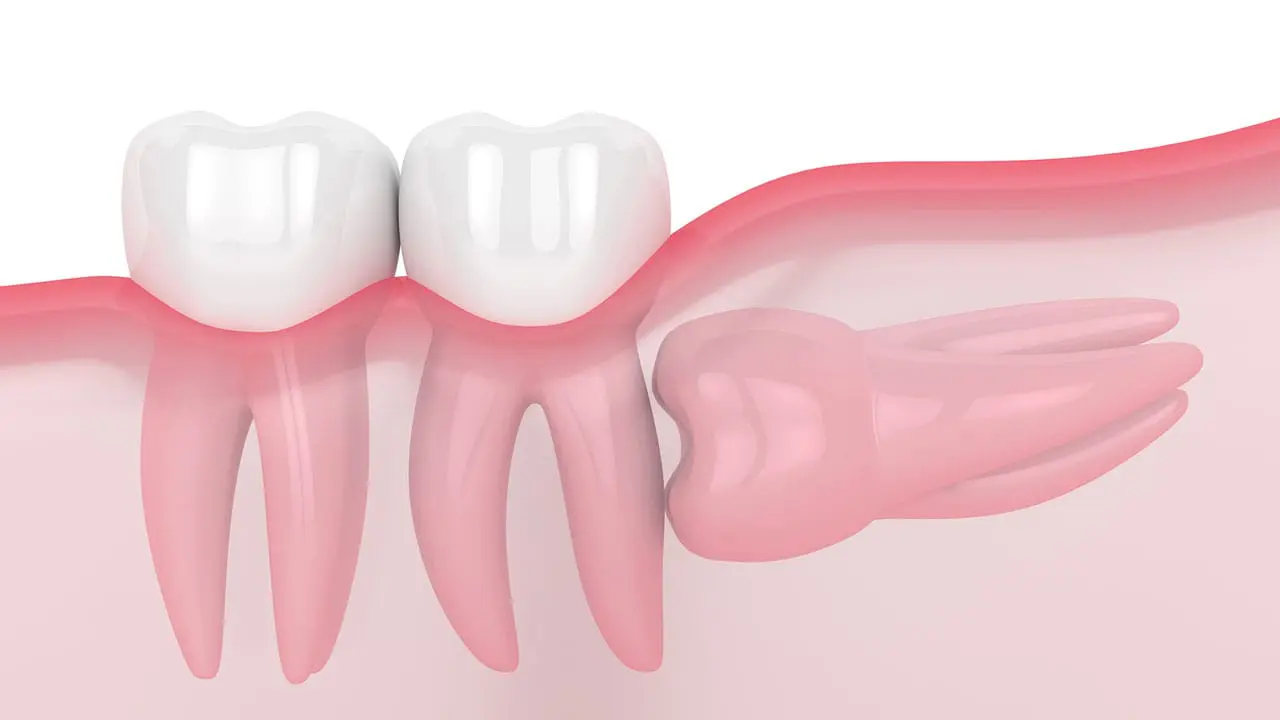
The modern human jaw is simply too small to accommodate a third set of molars comfortably. This leads to a very common condition called impaction.
An impacted wisdom tooth is one that cannot fully erupt through the gum because it is blocked by neighboring teeth, jawbone, or gum tissue.
According to the American Association of Oral and Maxillofacial Surgeons, approximately 9 out of 10 people have at least one impacted wisdom tooth in their lifetime.
Common problems caused by wisdom teeth include:
- Impaction — The tooth gets stuck beneath the gum line, partially or completely.
- Pericoronitis — Infection and inflammation in the gum tissue surrounding a partially erupted tooth.
- Dental caries — Decay in the wisdom tooth itself due to difficulty cleaning the back of the mouth.
- Crowding — The emerging tooth pushes against adjacent second molars, potentially shifting teeth out of alignment.
- Cysts and tumors — In rare cases, a sac of fluid (cyst) forms around an impacted wisdom tooth and can damage surrounding bone.
- Gum disease — Bacteria build up around partially erupted wisdom teeth, increasing the risk of gingivitis and periodontitis.
The Industrial Revolution Made Things Worse
Impacted wisdom teeth became ten times more common after the Industrial Revolution in the 19th century.
The introduction of mass-produced, processed foods dramatically softened the average human diet. As a result, jaws began developing even more narrowly in modern populations, reducing space for third molars even further.
War rations, canned goods, and highly processed foods that became staples in the 20th century accelerated this change. The softer the food, the less jaw development occurs during childhood, and the less space exists for wisdom teeth to erupt properly.
Should Wisdom Teeth Always Be Removed?
Not necessarily. The decision to remove wisdom teeth depends on several individual factors.
Many dentists and oral surgeons recommend early evaluation during the late teen years, before the roots of the wisdom teeth are fully developed. Early removal is generally safer and recovery is faster.
Reasons to remove wisdom teeth include:
Impaction causing pain or pressure on neighboring teeth. Signs of infection, swelling, or abscess. Difficulty cleaning the area, leading to recurring decay. Evidence of cyst formation. Preparation for orthodontic treatment.
Reasons to keep wisdom teeth include:
The teeth have erupted fully and are properly aligned. There is enough jaw space to maintain them comfortably. The patient can keep them clean with no signs of decay or disease. The patient has no pain, swelling, or complications.
The American Dental Association recommends regular monitoring of wisdom teeth through dental exams and X-rays, even if they are not currently causing symptoms.
What Happens During Wisdom Tooth Removal?
Wisdom tooth extraction is one of the most common dental procedures performed worldwide.
The process typically involves:
- Consultation and X-ray — Your dentist or oral surgeon reviews imaging to assess the position and depth of the wisdom teeth.
- Anesthesia — Local anesthesia is standard. Sedation options are available for patients with anxiety or complex cases.
- Incision and extraction — The surgeon makes a small incision in the gum if needed, removes any bone blocking access, and extracts the tooth.
- Closure — Stitches may be placed to protect the surgical site and promote healing.
- Recovery — Most patients recover within 3 to 7 days. Swelling and mild discomfort are common in the first 48 hours and are managed with ice packs and over-the-counter pain medication.
Patients are advised to eat soft foods like yogurt, mashed potatoes, and soup for several days following the procedure. Most people return to work or school within one or two days.
Dry Socket: The Most Common Complication
Dry socket (alveolar osteitis) is the most common complication following wisdom tooth removal. It occurs when the blood clot that forms in the empty socket becomes dislodged or dissolves before healing is complete.
Symptoms include severe pain at the extraction site, an unpleasant taste or smell, and visible bone in the socket.
To prevent dry socket, patients should avoid using straws, smoking, spitting forcefully, or disturbing the socket with their tongue for at least 72 hours after surgery.
Interesting Facts About Wisdom Teeth
The oldest recorded impacted wisdom tooth belonged to a European woman who lived between 13,000 and 11,000 BCE, during the Magdalenian period.
A 2024 survey found that 53% of Americans have had at least one wisdom tooth removed at some point in their lives.
Some populations have nearly zero agenesis of wisdom teeth, such as Aboriginal Tasmanians. Meanwhile, nearly 100% of indigenous Mexicans are born without wisdom teeth. This difference is linked to variations in the PAX9 and MSX1 genes.
In ancient cultures, the eruption of wisdom teeth was a social milestone. In some societies, it signaled a person was ready for marriage or eligible to take on community responsibilities.
Wisdom Teeth and Oral Hygiene
Even if wisdom teeth are not removed, they require extra attention during daily oral hygiene routines.
Their position at the very back of the mouth makes them difficult to brush and floss effectively. Food particles and bacteria accumulate easily around partially erupted wisdom teeth.
Dentists recommend using an angled toothbrush, water flossers, and interdental brushes to clean around third molars. Regular dental check-ups every six months allow your dentist to monitor any changes before they become serious problems.
If you choose to keep your wisdom teeth, consistent hygiene and monitoring are essential for long-term oral health.
Key Takeaways: Why Are Wisdom Teeth Called Wisdom Teeth?

Healthy teeth and wisdom tooth with mesial impaction . Medically accurate tooth 3D illustration
| Question | Answer |
|---|---|
| Why are they called wisdom teeth? | They erupt at age 17–25, the “age of wisdom” |
| What is the Latin origin? | Dens sapientiae – “teeth of wisdom” |
| Who first documented them? | Aristotle, 4th century BC |
| What were they used for? | Grinding tough, raw food in ancient diets |
| Why are they often removed today? | Modern jaws are too small; impaction is common |
| How many people lack wisdom teeth? | About 35% are born without them |
| When is the best time for removal? | Late teens to early twenties |
Frequently Asked Questions (FAQs)
Why are wisdom teeth called wisdom teeth?
Wisdom teeth are called wisdom teeth because they erupt between ages 17 and 25, a period historically associated with growing wisdom and maturity.
Do wisdom teeth actually make you wiser?
No, wisdom teeth have no connection to intelligence. The name only refers to the age at which they appear, not any cognitive effect.
What is the Latin name for wisdom teeth?
The Latin term is dens sapientiae, meaning “teeth of wisdom,” which is considered the historical origin of the English name.
When do wisdom teeth come in?
Wisdom teeth typically erupt between ages 17 and 25, though some people experience them earlier or later, and some never develop them at all.
Why do wisdom teeth hurt when they come in?
Pain occurs because the jaw often lacks space for them, causing the tooth to push against neighboring teeth, bone, or gum tissue as it tries to erupt.
What percentage of people have their wisdom teeth removed?
A 2024 survey found that about 53% of Americans have had at least one wisdom tooth removed, with the procedure being one of the most common in dentistry.
Can you keep your wisdom teeth?
Yes, if wisdom teeth have erupted properly, are fully aligned, cause no pain, and can be kept clean, they can be monitored and retained without removal.
What happens if you never remove impacted wisdom teeth?
Untreated impacted wisdom teeth can lead to infection, cysts, damage to adjacent teeth, gum disease, and chronic pain over time.
Why do some people not have wisdom teeth?
About 35% of people are born without wisdom teeth due to genetic variations, particularly in the PAX9 and MSX1 genes. This is considered a sign of ongoing human evolution.
What is the best age to have wisdom teeth removed?
Most oral surgeons recommend evaluation and removal during the late teens to early twenties, when roots are still developing and recovery is faster.
Conclusion
Why are wisdom teeth called wisdom teeth? The answer spans thousands of years of human history, ancient philosophy, evolutionary biology, and a universal idea that age brings wisdom.
These third molars earned their name because they arrive at the threshold of adulthood, a time when a young person is considered wiser than they were as a child. Once essential tools for grinding the raw, tough foods of our prehistoric ancestors, wisdom teeth are now largely vestigial relics that modern jawbones struggle to accommodate.
Whether you have already had yours removed, are currently dealing with eruption pain, or are simply curious about the name behind these infamous teeth, understanding their origin gives you a fascinating window into what it means to be human. Stay on top of your dental check-ups and consult your dentist about the best path forward for your wisdom teeth in 2026.


