


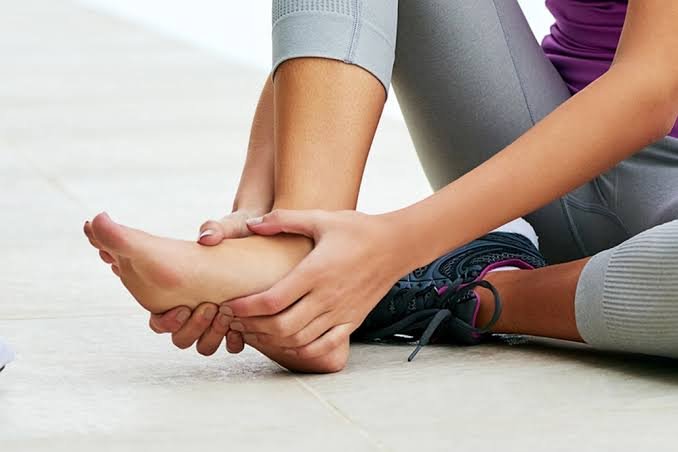
Why does the bottom of my foot hurt is one of the most common questions people search after a long day on their feet. This kind of pain can show up in the heel, arch, or ball of the foot, and each location often points to a different cause.
In most cases, the discomfort comes from overuse, unsupportive shoes, or a specific condition like plantar fasciitis. Other times, nerve issues, stress fractures, or a hidden foreign object are to blame.
Understanding Where the Pain Is Coming From
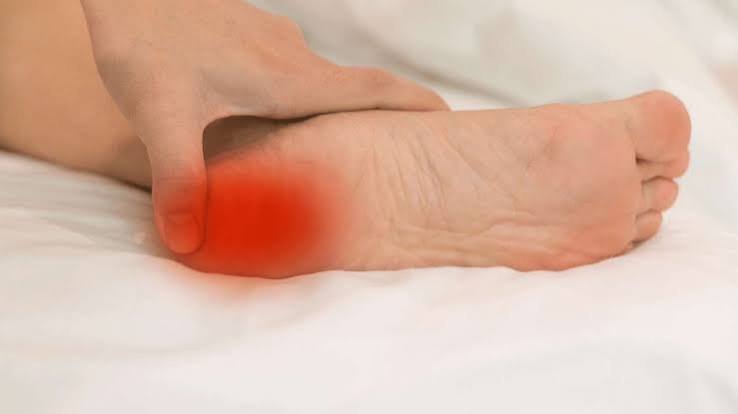
Bottom of foot pain is usually grouped by location, since the heel, arch, and ball of the foot each have different structures. Identifying the exact spot helps narrow down the likely cause quickly.
Doctors typically divide the sole into three zones: the hindfoot (heel), midfoot (arch), and forefoot (ball of the foot). Pinpointing which zone hurts most is often the fastest way to a diagnosis.
| Foot Zone | Common Conditions |
|---|---|
| Heel (hindfoot) | Plantar fasciitis, heel spurs, stress fracture |
| Arch (midfoot) | Flat feet, high arches, plantar fasciitis |
| Ball of foot (forefoot) | Metatarsalgia, Morton’s neuroma, sesamoiditis |
Common Causes of Bottom of Foot Pain
Foot pain rarely comes from just one source, and many conditions share overlapping symptoms. Below is a breakdown of the most frequent causes reported by podiatrists and orthopedic specialists.
Plantar Fasciitis
Plantar fasciitis is the most common cause of bottom of foot pain, especially near the heel. It happens when the band of tissue connecting the heel to the toes becomes inflamed from overuse.
The pain is often sharpest with the very first steps in the morning and tends to ease slightly as the day goes on.
Metatarsalgia
Metatarsalgia causes pain and inflammation in the ball of the foot, often described as feeling like a pebble stuck in the shoe. It commonly develops from running, jumping, or wearing poorly fitted shoes.
High-impact activities and standing for long periods on hard surfaces tend to make this condition worse over time.
Morton’s Neuroma
This condition involves a thickened, irritated nerve, usually located between the third and fourth toes. It creates a burning or tingling sensation in the ball of the foot that can radiate into the toes.
Tight, narrow shoes are one of the biggest contributing factors, which is why symptoms often improve with wider footwear.
Stress Fractures
A stress fracture is a small crack in one of the foot bones caused by repetitive impact rather than a single injury. The pain typically worsens with activity and improves noticeably with rest.
Runners and athletes who suddenly increase training intensity are especially prone to this type of injury.
Peripheral Neuropathy
Nerve damage, often linked to diabetes, can cause burning, tingling, or numbness on the bottom of the foot. Symptoms frequently feel worse at night and may affect balance over time.
Because neuropathy reduces sensation, it can also make it harder to notice cuts, blisters, or pressure sores.
Tarsal Tunnel Syndrome
This condition occurs when the tibial nerve becomes compressed as it passes through a narrow tunnel near the ankle. It leads to burning, tingling, or shooting pain along the sole of the foot.
Symptoms are often mistaken for plantar fasciitis but tend to involve more numbness and nerve-type sensations.
Flat Feet or High Arches
Both flat feet and unusually high arches change how weight distributes across the sole with every step. This uneven pressure can strain tissue and lead to chronic arch or heel discomfort.
Custom orthotics are frequently recommended to correct the imbalance and reduce ongoing strain.
Heel Spurs
A heel spur is a small calcium deposit that forms on the underside of the heel bone, often alongside plantar fasciitis. It does not always cause pain, but when it does, the discomfort is usually sharp and localized.
Sesamoiditis
Sesamoiditis involves inflammation of the two small bones located beneath the big toe joint. It causes a dull, aching pain in the ball of the foot that worsens with pushing off while walking or running.
Dancers and runners are particularly prone to this overuse-related condition.
Plantar Warts
Plantar warts are small growths caused by a virus that develops on the sole, often in weight-bearing areas. They can feel like a hard, tender lump and cause pain similar to standing on a small stone.
Corns and Calluses
Thickened patches of skin form in response to repeated friction or pressure, usually from tight or ill-fitting shoes. While often harmless, they can become painful if they grow too thick or press on deeper tissue.
A Foreign Object or Splinter
Small objects like splinters, glass, or thorns can become embedded in the sole without being noticed right away. Persistent, localized pain with no obvious cause is sometimes traced back to a foreign body under the skin.
Comparing the Most Common Causes
Because so many conditions share similar symptoms, comparing them side by side can help narrow down the likely culprit. This table highlights the key differences.
| Condition | Typical Location | Pain Type |
|---|---|---|
| Plantar fasciitis | Heel and arch | Sharp, worse in the morning |
| Metatarsalgia | Ball of foot | Aching, feels like a pebble |
| Morton’s neuroma | Between third and fourth toes | Burning, tingling |
| Stress fracture | Varies, often forefoot | Sharp, worsens with activity |
| Tarsal tunnel syndrome | Sole and ankle area | Burning, numbness |
| Peripheral neuropathy | Entire sole | Burning, tingling, worse at night |
| Sesamoiditis | Under big toe joint | Dull ache, worse pushing off |
Symptoms That Often Come With Foot Pain
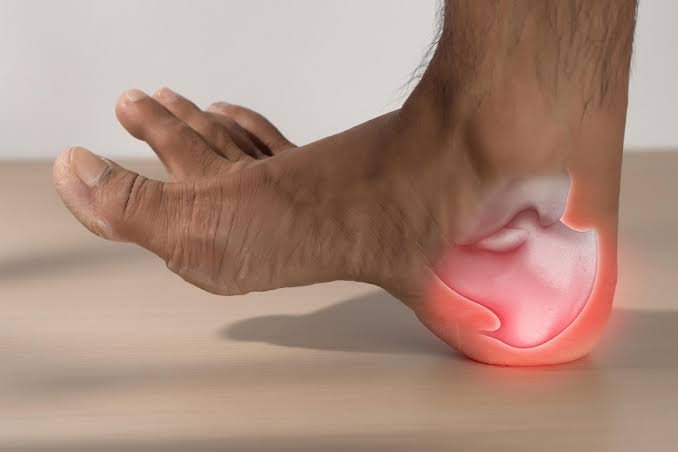
Bottom of foot pain is often accompanied by other signs that help clarify the underlying cause. Paying attention to these details can speed up an accurate diagnosis.
- Pain that is worst during the first few steps in the morning
- Swelling, redness, or warmth around a specific area
- A burning or tingling sensation that spreads into the toes
- Numbness or reduced sensation across part of the sole
- Pain that improves with rest but returns after activity
- A visible lump, wart, or thickened patch of skin
When to See a Doctor
Most bottom of foot pain improves with rest, better footwear, and simple home care within a few weeks. However, certain signs mean it is time to schedule a medical evaluation.
- Pain that persists for more than two to three weeks despite rest
- Sudden, severe pain after an injury or fall
- Visible swelling, bruising, or deformity in the foot
- Numbness, tingling, or weakness that affects walking
- Signs of infection such as redness, warmth, or fever
A podiatrist or orthopedic doctor can use physical exams, X-rays, or MRI scans to pinpoint the exact cause. Early diagnosis usually leads to faster, simpler treatment.
How Doctors Diagnose Bottom of Foot Pain
Diagnosis typically starts with a physical exam, where the doctor checks for tenderness, swelling, and range of motion. They will often ask about your activity level, footwear, and when the pain started.
Imaging tests like X-rays help rule out fractures, while MRI scans can reveal soft tissue damage such as ligament tears. Nerve function tests may be used if neuropathy or tarsal tunnel syndrome is suspected.
Your medical history, including conditions like diabetes or arthritis, is also considered during the evaluation. This helps the doctor build a complete picture before recommending treatment.
Home Remedies for Bottom of Foot Pain
Many cases of foot pain respond well to simple home care, especially when caught early. Consistency with these steps often makes the biggest difference.
| Remedy | How It Helps |
|---|---|
| Rest and reduced activity | Allows inflamed tissue to heal |
| Ice therapy | Reduces swelling and numbs pain |
| Stretching exercises | Improves flexibility and reduces strain |
| Supportive footwear | Distributes pressure evenly |
| Orthotic inserts | Corrects arch and alignment issues |
| Foot massage | Improves circulation and reduces tension |
| Epsom salt soak | Relaxes muscles and eases soreness |
Rest and Activity Modification
Reducing high-impact activities like running gives inflamed tissue time to recover properly. Switching temporarily to low-impact exercise, such as swimming, helps maintain fitness without worsening pain.
Ice Therapy
Applying ice for fifteen to twenty minutes several times a day helps reduce inflammation and numb sharp pain. Wrapping the ice pack in a thin cloth protects the skin from direct contact.
Stretching the Calf and Plantar Fascia
Gentle stretches targeting the calf muscles and the bottom of the foot can relieve tension significantly. A simple towel stretch before getting out of bed is especially helpful for morning heel pain.
Rolling the Foot Over a Ball
Rolling the sole over a tennis ball or frozen water bottle massages the tissue and improves circulation. This is a quick, low-cost remedy that many people do while sitting at a desk.
Wearing Supportive Shoes
Shoes with good arch support and cushioning reduce pressure on the plantar fascia and metatarsals. Avoiding flat, unsupportive footwear like flip-flops can prevent symptoms from returning.
Using Orthotic Inserts
Custom or over-the-counter orthotics help correct uneven pressure caused by flat feet or high arches. They are commonly recommended alongside other treatments for long-term relief.
Soaking in Epsom Salt
A warm Epsom salt soak for fifteen to twenty minutes can relax tight muscles and ease general soreness. This remedy works well after a long day of standing or walking.
Taking Anti-Inflammatory Medication
Over-the-counter anti-inflammatory medication can reduce pain and swelling during flare-ups. It should only be used short-term unless a doctor recommends otherwise.
Taping the Foot
Athletic or kinesiology taping provides extra support to the arch and reduces strain during activity. This technique is often used by athletes recovering from plantar fasciitis or metatarsalgia.
Losing Excess Weight
Extra body weight increases pressure on the feet with every step, which can worsen conditions like metatarsalgia. Gradual, sustainable weight loss often reduces the frequency and intensity of foot pain.
Footwear Choices That Affect Foot Pain
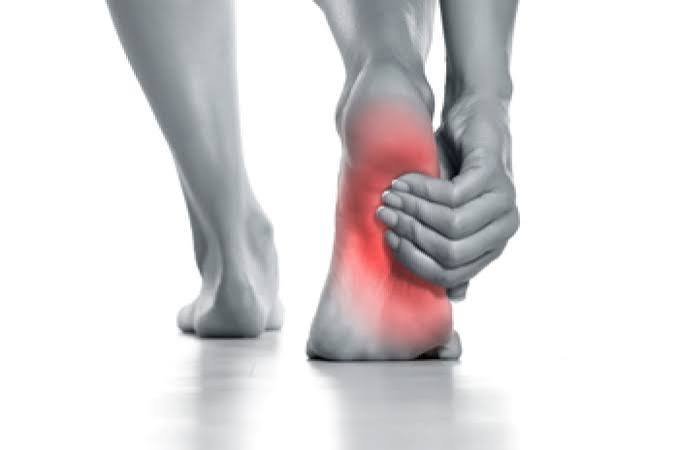
The shoes you wear every day play a bigger role in foot pain than most people realize. Certain styles are known to worsen pressure on specific areas of the sole.
| Shoe Type | Effect on Foot Pain |
|---|---|
| High heels | Increases pressure on the ball of the foot |
| Flip-flops | Offers little arch or heel support |
| Narrow toe box shoes | Can trigger or worsen Morton’s neuroma |
| Worn-out athletic shoes | Reduces shock absorption over time |
| Supportive sneakers | Distributes pressure evenly across the sole |
Exercises to Strengthen and Relieve the Foot
Targeted exercises can both relieve current pain and help prevent future flare-ups. These are commonly recommended by physical therapists for plantar fasciitis and related conditions.
- Towel stretch: pull a towel toward you while seated to stretch the arch
- Calf wall stretch: lean against a wall to loosen tight calf muscles
- Marble pickups: use your toes to pick up small objects and build strength
- Heel raises: rise onto your toes slowly to strengthen the arch and calf
- Toe flexion: curl and stretch the toes to improve flexibility
How to Prevent Bottom of Foot Pain
Preventing foot pain often comes down to consistent habits rather than one-time fixes. Small daily changes can significantly reduce the risk of recurring discomfort.
- Replace worn-out athletic shoes every 300 to 500 miles of use
- Warm up and stretch before high-impact exercise or long walks
- Avoid sudden increases in running distance or intensity
- Choose shoes with proper arch support and cushioning
- Maintain a healthy weight to reduce pressure on the feet
- Take breaks from standing on hard surfaces when possible
Who Is Most at Risk for Bottom of Foot Pain
Certain groups face a higher chance of developing bottom of foot pain due to lifestyle, body mechanics, or activity level. Recognizing these risk factors can help with early prevention.
Runners and Athletes
Repetitive impact from running, jumping, or quick direction changes puts constant stress on the plantar fascia and metatarsals. Sudden increases in training volume are one of the most common triggers for injury.
People Who Stand for Long Hours
Jobs that require standing on hard surfaces for most of the day, like retail or healthcare work, increase pressure on the sole. Supportive footwear and anti-fatigue mats can significantly reduce strain in these situations.
People With Diabetes
Diabetes raises the risk of nerve damage and poor circulation, both of which contribute to foot pain and reduced sensation. Regular foot checks are especially important for catching problems early.
People Who Are Overweight
Extra body weight increases the load placed on the feet with every step, accelerating wear on tissue and joints. Even modest weight loss has been shown to ease pressure-related foot pain.
Older Adults
Natural fat pad thinning under the heel and ball of the foot reduces cushioning as people age. This makes older adults more prone to pain from activities that once felt effortless.
Bottom of Foot Pain in Athletes vs Everyday Walkers
Athletes and everyday walkers often experience bottom of foot pain for different underlying reasons. Understanding the distinction can help guide more effective treatment.
Athletes are more likely to develop stress fractures, sesamoiditis, or metatarsalgia from repetitive high-impact movement. Recovery for these groups often involves a structured return-to-activity plan to avoid reinjury.
Everyday walkers more commonly experience plantar fasciitis or general arch strain linked to footwear and time spent standing. In these cases, addressing daily habits like shoe choice usually resolves symptoms faster.
Common Myths About Foot Pain
Misconceptions about foot pain can lead people to ignore symptoms or try ineffective treatments. Clearing up a few common myths helps set realistic expectations for recovery.
| Myth | Reality |
|---|---|
| Foot pain always means you need surgery | Most cases resolve with rest, stretching, and better footwear |
| Only athletes get plantar fasciitis | It is common in people who stand a lot or wear unsupportive shoes |
| Walking through the pain speeds up recovery | Pushing through sharp pain often delays healing |
| Expensive shoes always prevent foot pain | Proper fit and support matter more than price |
| Foot pain is just a normal part of aging | Persistent pain at any age deserves proper evaluation |
Frequently Asked Questions (FAQs)
Why does the bottom of my foot hurt when I wake up?
Morning pain is a classic sign of plantar fasciitis, caused by the fascia tightening overnight. The tissue stretches again once you start walking, which often eases the pain slightly.
Can shoes really cause bottom of foot pain?
Yes, unsupportive or ill-fitting shoes are a leading cause of arch, heel, and ball of foot pain. Switching to supportive footwear often brings noticeable relief within days.
Is it normal for the bottom of my foot to hurt after running?
Mild soreness after running can be normal, but sharp or persistent pain usually is not. It may signal metatarsalgia, a stress fracture, or plantar fasciitis depending on the location.
How long does plantar fasciitis pain usually last?
Most cases improve within six weeks to a few months with consistent home care. Severe or long-term cases sometimes need physical therapy or other medical treatment.
Can diabetes cause bottom of foot pain?
Yes, diabetes can lead to peripheral neuropathy, which causes burning, tingling, or numbness in the feet. Managing blood sugar levels closely can help slow or prevent nerve damage.
What does a stress fracture in the foot feel like?
A stress fracture typically causes sharp, localized pain that worsens with activity and eases with rest. Swelling or tenderness over one specific spot is also a common sign.
Should I keep walking if the bottom of my foot hurts?
Light walking is usually fine, but high-impact activity should be reduced until the pain improves. Continuing to push through sharp pain can delay healing or worsen the injury.
Can a splinter cause ongoing pain without me noticing it?
Yes, small foreign objects can become embedded in the skin and cause persistent, unexplained pain. A doctor can remove deeply embedded objects safely if home removal is not possible.
What is the fastest way to relieve bottom of foot pain at home?
Ice, rest, and gentle stretching together often bring the fastest relief for mild to moderate pain. Supportive shoes and reducing high-impact activity help prevent the pain from returning.
When should I see a podiatrist for foot pain?
See a podiatrist if pain lasts more than two to three weeks or affects your ability to walk. Sudden severe pain, swelling, or numbness also warrants a prompt evaluation.
Conclusion
Bottom of foot pain is extremely common and usually traces back to a handful of well-known causes like plantar fasciitis, metatarsalgia, or unsupportive footwear. Identifying where the pain occurs, whether in the heel, arch, or ball of the foot, is often the fastest way to understand what is going on.
Simple home remedies such as rest, ice, stretching, and supportive shoes resolve the majority of cases within a few weeks. Paying attention to accompanying symptoms like numbness, swelling, or pain that worsens with activity helps determine when professional care is needed.
If the pain does not improve with consistent home treatment, or if it comes with numbness, swelling, or sudden severe onset, it is worth seeing a podiatrist. In most situations, though, a few targeted changes are enough to get back to walking and moving comfortably again.


