


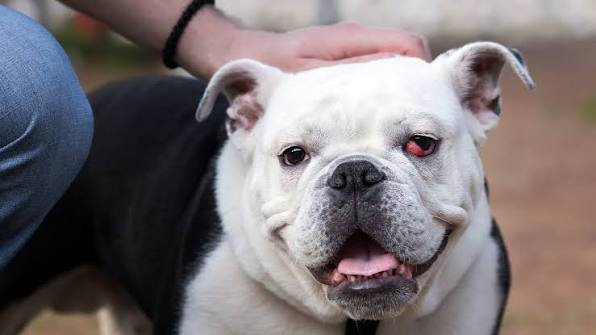
Why are my dogs eyes red is one of the most common questions dog owners search when they notice something off with their pet. Red eyes in dogs can look alarming, but the cause ranges from a minor irritant to a true emergency.
Dogs cannot tell you when something hurts, so their eyes often speak for them. A red, watery, or squinty eye is your dog’s way of signaling discomfort. Below you will find a breakdown of causes, symptoms, home care steps, and a full FAQ section to help you understand what is happening and what to do next.
Understanding Your Dog’s Eye Anatomy
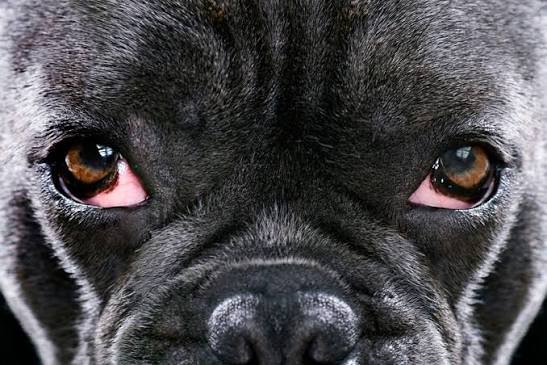
Dogs’ eyes work much like human eyes, constantly adjusting to light and movement to send signals to the brain.
One key difference is the nictitating membrane, also called the third eyelid, tucked into the inner corner of the eye.
This third eyelid protects the eye surface but can also become irritated or inflamed on its own.
Understanding this basic anatomy helps explain why redness can appear in different parts of the eye for different reasons.
What Does It Mean When a Dog’s Eyes Are Red?
Redness in a dog’s eye happens when blood vessels in the white part of the eye (sclera) or the tissue around it become swollen or irritated.
This swelling can be shallow, affecting only the surface tissue, or deep, pointing to a problem inside the eye itself.
The location and pattern of redness often gives vets an early clue about whether the issue is minor or serious.
Types of Red Eye Patterns and What They Suggest
Not all red eyes look the same, and the pattern of redness can guide a vet toward the likely cause.
Episcleral injection is when blood vessels on the white of the eye become straighter and more visible, often pointing to a deeper problem inside the eye.
Diffuse redness covers the entire white of the eye and can result from trauma, clotting issues, or excessive restraint.
Corneal neovascularization happens when new blood vessels grow across the clear cornea in response to injury or chronic inflammation.
Recognizing these patterns is mostly a job for your vet, but knowing they exist helps you describe symptoms accurately during a phone consultation.
Common Causes of Red Eyes in Dogs
There are many possible triggers behind red, irritated eyes in dogs. Some are harmless and clear up in a day or two, while others need immediate veterinary care.
The table below summarizes the most frequent causes so you can quickly compare them.
| Cause | Typical Trigger | Urgency Level |
|---|---|---|
| Allergies | Pollen, dust, food | Low to Moderate |
| Conjunctivitis | Bacteria, virus, irritants | Moderate |
| Dry Eye (KCS) | Low tear production | Moderate |
| Corneal Ulcer | Trauma, scratches | High |
| Glaucoma | Increased eye pressure | Emergency |
| Uveitis | Systemic disease | High |
| Cherry Eye | Gland prolapse | Moderate |
| Foreign Object | Grass, hair, dust | Low to Moderate |
Each of these causes is explained in more detail in the sections below.
Allergies
Just like people, dogs can develop allergies to pollen, mold, dust, or even certain foods.
Allergic reactions often cause both eyes to turn red and watery at the same time, along with itching.
Seasonal allergies tend to come and go, while food allergies can cause year-round symptoms.
Treatment usually includes antihistamines, medicated eye drops, or identifying and removing the allergy trigger.
Food allergies are trickier to spot since they do not follow a seasonal pattern and often appear alongside skin itching or ear infections.
If your dog’s red eyes show up alongside sneezing without any seasonal link, ask your vet about a possible food trial to rule out ingredients like chicken or grain.
Environmental allergies, on the other hand, tend to flare up during spring and fall when pollen counts rise.
Conjunctivitis (Pink Eye)
Conjunctivitis is inflammation of the pink membrane covering the eyeball and inner eyelids.
It is one of the most common causes of red or pink eyes in dogs and can affect one or both eyes.
Bacteria, viruses, and environmental irritants are the usual culprits behind this condition.
Most cases respond well to antibiotic or anti-inflammatory eye drops prescribed by a vet.
Viral conjunctivitis often clears up on its own but can leave the eye vulnerable to secondary bacterial infection if not monitored.
Bacterial conjunctivitis usually produces thicker, yellow or green discharge and responds quickly to prescribed antibiotic drops.
Because conjunctivitis can be contagious between pets in the same household, keeping affected dogs’ bedding and towels separate is a smart precaution.
Dry Eye (Keratoconjunctivitis Sicca)
Dry eye, medically known as KCS, happens when the tear glands fail to produce enough moisture.
Without enough tears, the eye surface becomes dry, irritated, and red, often with thick discharge.
This condition can be triggered by immune system issues, trauma, or certain medications.
Vets typically manage dry eye with lifelong tear-stimulating drops such as cyclosporine.
Without enough natural tears, the eye also loses some of its natural defense against bacteria, making infections more likely.
Dogs with dry eye need regular cleaning around the eyes to remove built-up discharge and debris.
While dry eye is usually a lifelong condition, most dogs live comfortably with consistent daily treatment.
Corneal Ulcers
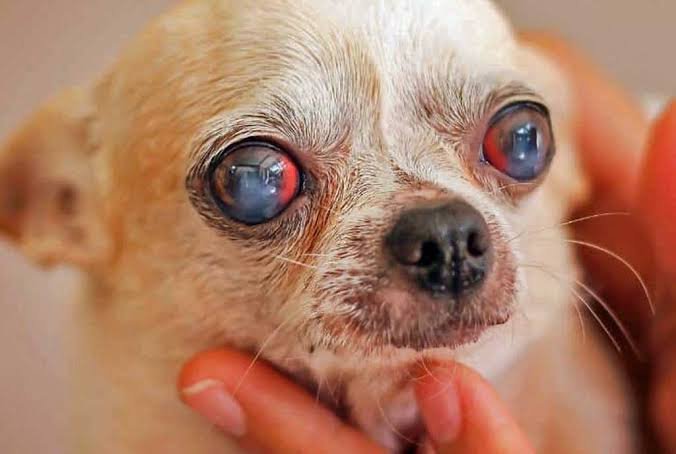
A corneal ulcer is an open sore on the clear surface of the eye, usually caused by scratches or trauma.
Dogs with a corneal ulcer often show a red, watery, and squinty eye along with visible pain.
Mild ulcers heal within days using antibiotic drops, but deeper ulcers may require surgery.
Left untreated, a corneal ulcer can rupture the eye and cause permanent vision loss.
Superficial ulcers generally heal within a week, while deeper ulcers may require a protective surgical graft to save the eye.
Dogs with a corneal ulcer often need a recovery cone to stop them from rubbing the injured eye and worsening the damage.
Follow-up vet visits are important to confirm the ulcer is healing rather than deepening.
Glaucoma
Glaucoma occurs when fluid inside the eye cannot drain properly, causing pressure to build up.
This pressure damages the optic nerve and is extremely painful for the dog.
Glaucoma is considered a true eye emergency and can lead to blindness within hours if untreated.
Treatment involves emergency medication to lower pressure, and in many cases, surgery.
Primary glaucoma is often inherited and tends to affect one eye first before progressing to the other over time.
Secondary glaucoma develops as a result of another eye condition, such as uveitis or a dislocated lens.
Because vision loss from glaucoma can happen within hours, any sudden red, painful, or cloudy eye should be treated as an emergency until proven otherwise.
Uveitis
Uveitis is inflammation of the middle layer of the eye and often signals an underlying systemic illness.
Common signs include redness, cloudiness, excessive blinking, and sensitivity to light.
It can be linked to infections, cancer, diabetes, or high blood pressure.
Treatment focuses on reducing inflammation while identifying and treating the root cause.
Blood tests and urine tests are commonly used to search for infections or organ issues linked to uveitis.
If left untreated, uveitis can lead to glaucoma or permanent scarring inside the eye.
Steroid medications are often used once infection and cancer have been ruled out as the underlying trigger.
Cherry Eye
Cherry eye happens when a small gland in the dog’s third eyelid becomes inflamed and pops out of place.
It appears as a reddish, fleshy lump in the inner corner of the eye.
Mild cases can be managed with anti-inflammatory drops, but most require corrective surgery.
This condition is more common in certain breeds with looser eyelid tissue.
Bulldogs, Cocker Spaniels, and Beagles are frequently diagnosed with cherry eye due to their eyelid structure.
While the swelling itself is not usually painful, ignoring it can lead to dryness and chronic irritation over time.
Surgical repositioning of the gland is the most reliable long-term fix for cherry eye.
Foreign Objects and Trauma
Grass seeds, dust, hair, or small debris can easily get trapped in a dog’s eye during outdoor activity.
This usually causes sudden redness, squinting, and pawing at the eye.
Most of the time, removing the object resolves the redness within a day.
However, scratches caused by the object may need antibiotic treatment to prevent infection.
Dogs that spend a lot of time in tall grass, wooded trails, or dusty yards are especially prone to this type of injury.
If you cannot safely see or remove the object yourself, a vet has the tools to do so without hurting the eye.
Never use tweezers or sharp objects near your dog’s eye, as this risks permanent damage.
Other Health Conditions Linked to Red Eyes
Sometimes red eyes are not about the eye itself but a symptom of a broader illness affecting the whole body.
Distemper, a serious viral disease, can cause eye discharge and redness alongside respiratory symptoms.
Diabetes and hyperthyroidism are also linked to chronic eye changes, including redness and cloudiness.
In rare cases, red eyes can even signal a tumor or certain types of cancer, making a full veterinary workup important for unexplained or persistent redness.
Breeds Prone to Red Eyes
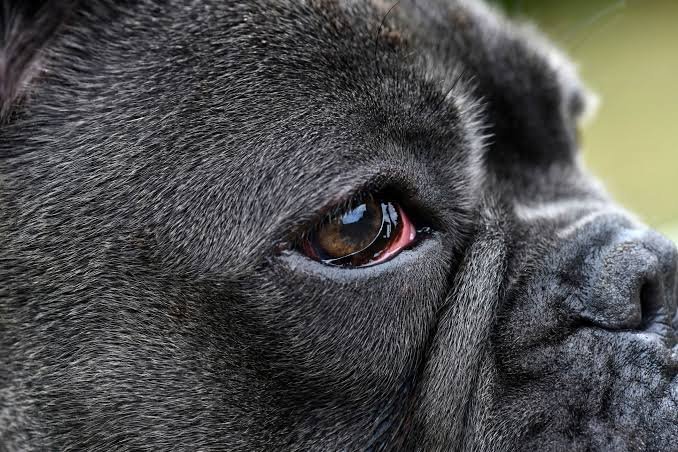
Some dog breeds are simply more likely to develop red or irritated eyes due to their facial structure or coat type.
Flat-faced breeds and long-haired breeds face a higher risk because of shallow eye sockets or hair rubbing against the eye.
| Breed Type | Examples | Common Risk |
|---|---|---|
| Flat-Faced | Pugs, Bulldogs, Shih Tzus | Shallow eye sockets, dryness |
| Long-Haired | Poodles, Maltese, Sheepdogs | Hair irritation |
| Senior Dogs | Any breed | Age-related conditions |
Owners of these breeds should check their dog’s eyes regularly for early signs of irritation.
Senior dogs deserve extra attention since aging often brings pre-existing conditions like diabetes or high blood pressure into the picture.
Keeping the fur trimmed around a long-haired dog’s eyes can significantly reduce irritation caused by constant rubbing.
Flat-faced breeds often benefit from gentle daily wiping to remove debris that easily collects in their shallow eye sockets.
What Different Discharge Colors Can Tell You
The color and texture of any discharge accompanying red eyes offers useful clues about the underlying cause.
Clear, watery discharge usually points to allergies, irritants, or early conjunctivitis.
Thick white or yellow discharge often signals a bacterial infection that needs antibiotic treatment.
Green discharge, especially combined with pain or swelling, is a stronger signal of infection and should prompt an urgent vet visit.
Symptoms That Often Accompany Red Eyes
Red eyes rarely show up alone. Watching for additional symptoms helps you and your vet narrow down the cause faster.
- Watery or thick discharge from the eye
- Squinting or excessive blinking
- Pawing or rubbing at the face
- Cloudiness or color change in the eye
- Visible swelling around the eyelid
- Sensitivity to light
If you notice several of these signs together, a vet visit should not be delayed.
When Red Eyes Are a Medical Emergency
Some cases of red eyes require immediate emergency care rather than a routine vet visit.
Sudden severe redness with pain, cloudiness, or vision changes points to conditions like glaucoma or a deep corneal ulcer.
Green or yellow discharge combined with swelling is also a red flag for infection.
If your dog’s eye becomes painful at night, contact an emergency vet clinic right away instead of waiting until morning.
How Vets Diagnose the Cause
A veterinarian will usually start by asking about your dog’s recent activities, environment, and overall health history.
They will then perform a full eye exam, checking tear production, eye pressure, and looking for scratches or ulcers.
In some cases, blood work is needed to rule out systemic diseases like diabetes or infections.
This step-by-step approach helps the vet pinpoint the exact cause before recommending treatment.
A tear production test, known as the Schirmer tear test, is commonly used to check for dry eye.
Vets also use a special dye called fluorescein to detect corneal scratches or ulcers that are not visible to the naked eye.
Measuring intraocular pressure with a tonometer helps rule out or confirm glaucoma quickly and painlessly.
How Much Does Treating Red Eyes Cost?
Treatment costs vary widely depending on the underlying cause and whether surgery is needed.
Minor issues like allergies or mild conjunctivitis often cost less since they only require a short course of drops.
Serious conditions such as glaucoma, deep corneal ulcers, or cherry eye surgery can involve higher costs due to specialist care and follow-up visits.
Pet insurance or a wellness plan can help offset the cost of unexpected eye emergencies.
Treatment Options for Red Eyes in Dogs
Treatment depends entirely on the underlying cause, so a proper diagnosis always comes first.
The table below outlines general treatment approaches matched to common causes.
| Cause | Common Treatment |
|---|---|
| Allergies | Antihistamines, medicated drops |
| Conjunctivitis | Antibiotic or anti-inflammatory drops |
| Dry Eye | Tear-stimulating medication |
| Corneal Ulcer | Antibiotic drops, possible surgery |
| Glaucoma | Emergency pressure-reducing treatment, surgery |
| Cherry Eye | Anti-inflammatory drops or surgery |
Never attempt to self-diagnose and treat your dog’s red eyes without professional guidance.
Most treatable eye conditions can be managed at home once a proper diagnosis is made, without needing hospitalization.
Following the full course of prescribed medication is essential, even if the eye appears to improve after just a few days.
Skipping doses or stopping treatment early is one of the most common reasons red eyes come back or worsen.
Home Care Tips While You Wait for the Vet
While you arrange a vet appointment, there are a few safe steps you can take at home to ease discomfort.
A cool, damp washcloth held gently near the eye can reduce swelling and soothe irritation.
Keep your dog away from smoke, dust, and strong household chemicals until the cause is identified.
If your dog keeps scratching at the eye, a recovery cone can prevent further injury.
A pet-safe saline eye wash can gently clear away dust or pollen if your dog tolerates the process calmly.
Keep your dog in a quiet, dimly lit space to reduce eye strain until you can get proper veterinary care.
Avoid giving any human medication or eye drops, since many common ingredients are unsafe for dogs.
How to Prevent Red Eyes in Dogs
Prevention is not always possible, but a few habits lower the risk of eye irritation in dogs.
Trim hair around the eyes regularly, especially for long-haired breeds prone to irritation.
Avoid exposing your dog to tall grass, dusty trails, or smoky environments during walks.
Schedule routine vet checkups so early eye issues are caught before they become serious.
Wipe away discharge daily with a clean, damp cloth, especially for breeds prone to tear staining.
Keep your dog’s living space free of smoke, strong cleaning sprays, and excessive dust whenever possible.
Feeding a balanced diet and maintaining a healthy weight also supports overall eye and immune health.
A Quick Checklist Before You Call the Vet
Before contacting your vet, it helps to gather a few key details about your dog’s symptoms.
Note whether one or both eyes are affected, and how long the redness has been present.
Check for discharge color, swelling, squinting, or any changes in your dog’s behavior or appetite.
Having this information ready speeds up the diagnosis process and helps your vet prioritize urgent cases.
Frequently Asked Questions (FAQs)
Why are my dog’s eyes suddenly red?
Sudden redness is usually caused by allergies, irritants, or minor trauma. If it does not improve in a day, see a vet.
Is it normal for a dog’s eyes to be a little red?
Mild, occasional redness without other symptoms is usually harmless, but persistent redness needs veterinary attention.
Can allergies cause my dog’s eyes to turn red?
Yes, seasonal or food allergies are among the most common causes of red, itchy eyes in dogs.
What does it mean if only one of my dog’s eyes is red?
A single red eye often points to trauma, a foreign object, or a localized infection rather than allergies.
Should I use human eye drops on my dog?
No, human eye drops can contain ingredients unsafe for dogs. Always use vet-approved products only.
How do I know if my dog’s red eye is an emergency?
Pain, cloudiness, vision changes, or thick discharge alongside redness signal an emergency needing same-day care.
Can red eyes in dogs heal on their own?
Mild irritation from dust or hair may clear up alone, but most causes need proper diagnosis and treatment.
What breeds are most prone to red eyes?
Flat-faced breeds like Pugs and Bulldogs, plus long-haired breeds like Poodles, face higher risk.
Does cherry eye always need surgery?
Mild cherry eye cases can be managed with drops, but most cases eventually require corrective surgery.
How long does dog conjunctivitis take to heal?
With proper antibiotic or anti-inflammatory treatment, conjunctivitis typically clears up within one to two weeks.
Conclusion
Red eyes in dogs can mean many things, from a harmless speck of dust to a sight-threatening emergency like glaucoma. The safest approach is always to observe your dog closely, note any additional symptoms, and contact a veterinarian rather than guessing at home remedies.
Mild irritation may clear up with simple care, but conditions like corneal ulcers, uveitis, and glaucoma need urgent professional treatment to protect your dog’s vision. Breeds with flat faces or long hair around the eyes face a higher risk and benefit from regular eye checks.
By staying alert to changes in your dog’s eyes and acting quickly, you give your furry companion the best chance at a fast recovery and long-term eye health. When in doubt, always trust a vet over guesswork.


