



Why does my tongue have cracks is one of the most searched oral health questions in 2026, and the answer is less alarming than most people expect. Those grooves, furrows, or deep lines running across your tongue surface are medically known as fissured tongue or lingua plicata.
In most cases, the condition is completely harmless. However, understanding what causes it, when it becomes a problem, and what you can do about it helps you make smart decisions for your oral and overall health.
What Is a Fissured Tongue?
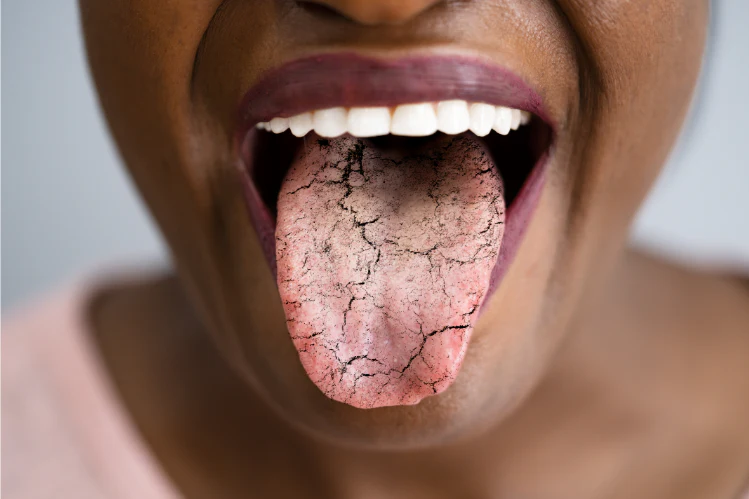
A fissured tongue is a benign condition where one or more grooves, cracks, or furrows appear on the top surface of the tongue.
These fissures can be shallow at around 2 millimeters or deep at up to 6 millimeters. They may run down the center of the tongue, branch outward, or form a network of crisscrossing grooves that give the tongue a wrinkled or segmented appearance.
The condition is also called lingua plicata, scrotal tongue, plicated tongue, or furrowed tongue. It affects an estimated 2 to 20 percent of people worldwide, with figures in the United States sitting closer to 5 percent according to the American Academy of Oral Medicine.
It is not contagious, not cancerous, and in the majority of cases causes no pain.
Why Does My Tongue Have Cracks? The 8 Main Causes
There is no single confirmed cause. Research points to a combination of genetic, nutritional, systemic, and lifestyle factors. Here is a detailed breakdown of every known cause.
1. Genetics and Hereditary Factors
The most widely accepted explanation for why the tongue develops cracks is genetics.
Fissured tongue tends to run in families, and researchers believe a genetic predisposition is the primary driver in most cases. If one of your parents has a fissured tongue, your chances of developing one are significantly higher.
The condition can be present from birth or become more visible during childhood and adolescence. It often becomes more pronounced as a person ages.
2. Aging
Tongue fissures become more common and more severe with age. Studies confirm that fissured tongue is more frequently diagnosed in adults over 50 than in younger age groups.
The exact reason is not fully understood, but the progressive deepening of grooves over time suggests the tongue undergoes structural changes as the body ages.
Men are slightly more likely to develop fissured tongue than women, though it affects all sexes and demographics.
3. Vitamin and Mineral Deficiencies
Nutritional deficiencies are among the most treatable causes of tongue cracks, particularly when the fissures are accompanied by pain, burning, or soreness.
The most commonly implicated nutrients include vitamin B12, vitamin B2 (riboflavin), vitamin B3 (niacin), folic acid, iron, and zinc. A 2016 study confirmed a specific link between cracked tongue and vitamin B12 deficiency.
When the body lacks these nutrients, the delicate mucous membranes of the mouth become vulnerable to thinning, inflammation, and cracking. If your tongue feels sore or burns alongside visible cracks, a nutritional deficiency is a likely contributing factor.
4. Dehydration and Dry Mouth (Xerostomia)
Dehydration is not a direct cause of fissured tongue, but it makes the condition significantly worse.
Saliva plays a critical role in keeping the tongue moist, washing away bacteria, and maintaining a healthy oral environment. When saliva production drops, whether from dehydration, mouth breathing, or medications, the tongue dries out and existing fissures can deepen or become irritated.
Chronic dry mouth, also called xerostomia, is a recognized risk factor for worsening tongue fissures. Many common medications, including antidepressants, antihistamines, and blood pressure drugs, reduce saliva production as a side effect.
5. Geographic Tongue (Benign Migratory Glossitis)
Geographic tongue frequently appears alongside fissured tongue. The two conditions often co-exist.
Geographic tongue causes smooth, red, irregular patches to form on the tongue surface where papillae (the tiny bumps) are absent. The patches shift location over time, giving them a migratory appearance.
On its own, geographic tongue is harmless. However, when combined with fissured tongue, it can increase sensitivity to spicy, acidic, or hot foods and beverages.
6. Systemic and Medical Conditions
Several underlying health conditions are associated with a higher rate of fissured tongue diagnosis.
Melkersson-Rosenthal syndrome is a rare neurological condition that presents as a trio of symptoms: fissured tongue, facial or lip swelling, and recurrent facial paralysis (Bell’s palsy).
Down syndrome (trisomy 21) is strongly linked to fissured tongue, with up to 80 percent of individuals with Down syndrome developing the condition.
Other associated conditions include psoriasis, Sjögren’s syndrome, chronic granulomatous disease, orofacial granulomatosis, and diabetes. Poor blood sugar control in diabetes is directly linked to dry mouth, which worsens fissuring.
7. Poor Oral Hygiene
Poor oral hygiene does not cause fissured tongue directly, but it plays a major role in whether the condition causes problems.
When the tongue is not cleaned regularly, food debris, dead cells, and bacteria accumulate inside the grooves. This creates an environment where harmful microorganisms, including Candida albicans (the fungus responsible for oral thrush), can grow rapidly.
The resulting infection causes additional irritation, bad breath (halitosis), inflammation, and a burning sensation in and around the fissures.
8. Lifestyle Factors and Irritants
Certain lifestyle habits can aggravate or worsen an existing fissured tongue.
Smoking irritates oral mucosa and dries out the mouth. Alcohol has a dehydrating effect that reduces saliva production. Regularly eating very spicy, acidic, or salty foods causes burning and discomfort in the fissures. Stress-induced teeth clenching and jaw tension can cause mechanical irritation to the tongue edges.
None of these are the root cause of tongue cracks, but they make living with them noticeably more uncomfortable.
Types of Tongue Cracks
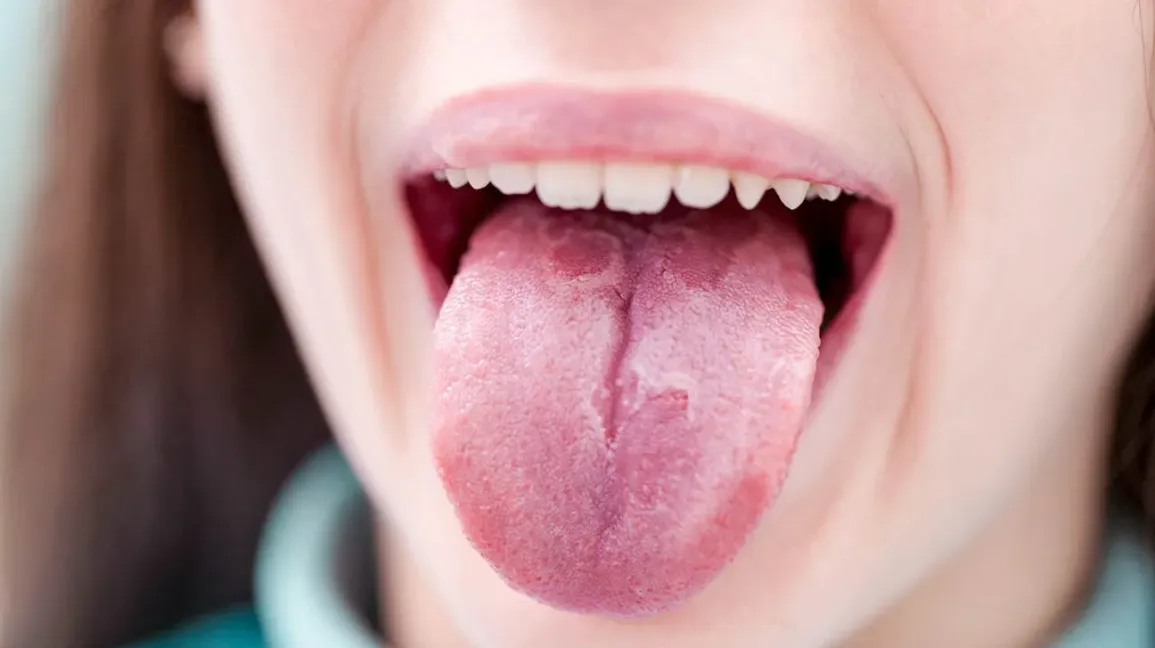
Not all tongue fissures look the same. Clinicians classify them based on their pattern, depth, and location.
| Type | Description | Common Cause |
|---|---|---|
| Median (Central) Groove | Single deep groove running down the middle of the tongue | Genetic, dehydration |
| Lateral (Edge) Cracks | Cracks along the sides or edges of the tongue | Mechanical irritation, teeth clenching |
| Transverse Grooves | Horizontal lines crossing the tongue surface | Genetic variation |
| Radial Fissures | Grooves radiating outward from a central point | Genetic, aging |
| Multiple Connected Fissures | Network of grooves dividing the tongue into segments | Genetic, advanced aging |
| Superficial Fissures | Shallow cracks under 2mm deep, usually painless | Normal variation |
| Deep Fissures | Grooves 4 to 6mm deep, prone to trapping debris | Genetic, systemic conditions |
What Are the Symptoms of a Fissured Tongue?
Most people with a fissured tongue have no symptoms at all beyond the visible appearance of the grooves.
When symptoms do appear, they are typically mild and tied to secondary complications rather than the fissures themselves.
Common symptoms include a burning or tingling sensation when eating acidic, spicy, or salty foods. Bad breath caused by food debris and bacteria trapped in the grooves. A sensation of dryness or roughness on the tongue surface. Mild soreness or discomfort, especially if the fissures become infected.
In rare cases, a white coating that cannot be wiped away may develop inside the fissures. This can indicate an oral thrush (Candida) infection and requires antifungal treatment from a healthcare provider.
Fissured Tongue vs. Geographic Tongue: Key Differences
These two conditions are commonly confused because they often appear together. However, they are distinct.
| Feature | Fissured Tongue | Geographic Tongue |
|---|---|---|
| Appearance | Grooves, cracks, furrows | Smooth red patches, absent papillae |
| Location on tongue | Top and sides | Top and sides, shifts over time |
| Movement/change | Stable appearance | Patches migrate and change shape |
| Pain | Usually none | Sensitivity to spicy or acidic foods |
| Treatment needed | Oral hygiene only | Usually none, avoid triggers |
| Often co-exist? | Yes | Yes |
How Is a Cracked Tongue Diagnosed?
Diagnosis is straightforward and requires no special tests in most cases.
A dentist or doctor identifies fissured tongue through a simple visual examination. You will be asked to extend your tongue so the fissures are clearly visible.
No biopsy is necessary for a standard fissured tongue diagnosis. However, if the fissures appear alongside other concerning symptoms such as pain, swelling, or unusual lesions, a blood test may be ordered to check for vitamin B12, iron, folate, or zinc deficiencies.
If an underlying condition like Sjögren’s syndrome or psoriasis is suspected, a referral to a specialist may follow.
Treatment for Cracked Tongue in 2026
There is currently no cure that eliminates tongue fissures permanently. The structural grooves are a long-term characteristic of the tongue. However, treatment focuses on preventing complications, managing discomfort, and addressing any underlying cause.
Tongue Cleaning and Oral Hygiene
The single most important treatment for a fissured tongue is keeping the grooves clean.
Use a soft-bristle toothbrush or a dedicated tongue scraper twice daily. Gently brush or scrape the top surface of the tongue, paying extra attention to the deeper fissures. This removes trapped food debris, dead cells, and bacteria before they can cause infection or bad breath.
A 2013 clinical study found that combining tongue brushing and scraping with regular tooth brushing significantly reduces oral plaque levels overall.
Saltwater Rinses
A warm saltwater rinse is one of the most effective and simple home treatments for managing fissured tongue symptoms.
Dissolve half a teaspoon of salt in eight ounces of warm water. Rinse and swish for 30 to 60 seconds, two to three times daily. Saltwater reduces bacterial load inside the fissures, soothes irritated tissue, and cleanses without the drying effects of alcohol-based mouthwashes.
This is especially helpful after meals when debris is most likely to become trapped.
Staying Hydrated
Drinking at least eight glasses of water daily keeps saliva production consistent and prevents the oral mucosa from drying out.
A moist tongue is a healthier tongue. Dryness causes the fissures to deepen and increases discomfort when eating. If dry mouth is caused by a medication, discuss alternatives or saliva substitutes with your doctor.
Correcting Nutritional Deficiencies
If blood tests reveal a deficiency in vitamin B12, iron, zinc, folate, or riboflavin, correcting that deficiency can reduce soreness, burning, and discomfort significantly.
Dietary adjustments and targeted supplementation (under medical guidance) are the most direct treatments. Results typically become noticeable within several weeks of consistent supplementation.
Antifungal Medication for Oral Thrush
If Candida albicans has colonized the fissures, a dentist or doctor will prescribe a topical antifungal medication such as nystatin or fluconazole.
This treats the fungal overgrowth directly and reduces inflammation, white coating, and burning. Antifungal treatment is only appropriate when an active infection is confirmed, not as a routine measure.
Avoiding Irritants
Reducing or eliminating foods and habits that irritate the tongue makes daily life more comfortable.
Spicy foods, citrus juices, vinegar-based products, alcohol, and tobacco are the main triggers that cause burning inside fissures. Switching to an alcohol-free mouthwash also helps reduce irritation without sacrificing antibacterial benefits.
Managing Underlying Conditions
When a fissured tongue is associated with Melkersson-Rosenthal syndrome, Down syndrome, psoriasis, or diabetes, managing the primary condition is the priority.
Controlling blood sugar in diabetes reduces dry mouth and associated fissure worsening. Treating psoriasis with appropriate dermatological care can reduce its oral manifestations.
Nutrient Deficiencies and Tongue Cracks: A Detailed Look
| Nutrient | Deficiency Symptoms in the Mouth | Food Sources |
|---|---|---|
| Vitamin B12 | Sore, cracked tongue; glossitis; burning | Meat, fish, eggs, dairy |
| Riboflavin (B2) | Magenta tongue, cracked corners of mouth | Milk, almonds, eggs, lean meats |
| Niacin (B3) | Swollen, red or cracked tongue | Chicken, tuna, peanuts, brown rice |
| Folic Acid | Glossitis, soreness, pale tongue | Leafy greens, legumes, fortified grains |
| Iron | Sore tongue, pale smooth appearance | Red meat, spinach, lentils, tofu |
| Zinc | Glossitis, dry mouth, taste changes | Beef, oysters, pumpkin seeds, cheese |
Home Care Routine for a Fissured Tongue
Building a consistent daily routine around tongue care makes the biggest difference in keeping fissures symptom-free.
Morning: Brush teeth, then gently brush the tongue with a soft-bristle toothbrush. Follow with a warm saltwater rinse. Drink a full glass of water to hydrate the oral mucosa for the day ahead.
Evening: Repeat the tongue brushing and rinsing process after the last meal of the day. This is the most important cleaning session because bacteria are most active during sleep when saliva production drops.
Weekly: Examine your tongue in good lighting. Note any changes in the depth, color, or appearance of the fissures. Report any new swelling, white patches, or pain to your dentist promptly.
Prevention Tips for Tongue Fissures
While genetically driven fissures cannot be fully prevented, you can significantly reduce the risk of complications and discomfort.
Clean your tongue every time you brush your teeth. Use an alcohol-free antibacterial mouthwash. Drink sufficient water throughout the day. Eat a balanced diet rich in B vitamins, iron, and zinc. Limit spicy, acidic, and very salty foods. Avoid tobacco and excessive alcohol consumption. Attend dental checkups every six months. Inform your dentist about any changes in your tongue’s appearance.
When to See a Dentist or Doctor

Fissured tongue is usually a monitor-and-manage condition rather than an emergency. However, certain signs warrant prompt professional evaluation.
See a dentist or doctor if the fissures are causing persistent pain or burning that does not improve with home care. You notice a white coating inside the fissures that cannot be brushed away. The tongue becomes swollen or visibly inflamed. You develop sores or lesions alongside the cracks. The cracks are deepening or spreading rapidly. You experience unexplained weight loss alongside tongue changes. Bleeding is present inside the fissures.
These symptoms could indicate an active infection, a nutritional deficiency requiring treatment, or in rare cases, an underlying systemic condition that needs diagnosis.
Frequently Asked Questions (FAQs)
Why does my tongue have cracks all of a sudden?
Sudden tongue cracks are most often triggered by dehydration, a new medication causing dry mouth, or a nutritional deficiency. If accompanied by pain or swelling, see a dentist.
Is a cracked tongue a sign of a serious health problem?
In most cases, no. Fissured tongue is a benign condition. It can occasionally signal a nutritional deficiency, diabetes, or an associated syndrome, so a checkup is wise if you have other symptoms.
Can a cracked tongue be cured permanently?
There is no permanent cure for genetically driven fissured tongue. However, proper oral hygiene, hydration, and addressing nutritional deficiencies can eliminate symptoms and prevent complications.
Does a cracked tongue mean I am vitamin deficient?
Not necessarily. Most fissured tongues are genetic. However, if your tongue cracks are painful, sore, or burning, a vitamin B12, iron, or zinc deficiency may be contributing and a blood test can confirm this.
Is a fissured tongue contagious?
No. Fissured tongue is not an infection and cannot be spread to other people through kissing, sharing utensils, or any other contact.
Why does my cracked tongue burn when I eat spicy food?
The fissures expose deeper tissue layers that are more sensitive to acidic and spicy stimuli. Reducing these foods and rinsing with saltwater after eating helps relieve the burning sensation.
Can dehydration cause tongue cracks?
Dehydration does not directly create fissured tongue, but it significantly worsens existing fissures by reducing saliva production and drying out the oral mucosa. Drinking more water consistently helps.
How do I clean the cracks in my tongue?
Use a soft-bristle toothbrush or a tongue scraper twice daily. Gently brush the entire top surface of the tongue, focusing on deeper grooves. Follow with a warm saltwater rinse to flush out remaining debris.
Can a cracked tongue lead to bad breath?
Yes. Food particles and bacteria trapped inside tongue fissures are a common source of halitosis. Consistent tongue cleaning eliminates this cause of bad breath effectively.
Should children with cracked tongues see a dentist?
Yes. If a child develops visible tongue fissures, a pediatric dentist should evaluate them to rule out nutritional deficiency, an associated syndrome, or early-onset geographic tongue.
Conclusion
Why does my tongue have cracks is a question with a reassuring answer for most people. Fissured tongue, also known as lingua plicata or furrowed tongue, is a common and overwhelmingly benign condition that affects millions of people worldwide.
Whether caused by genetics, aging, a vitamin deficiency, dry mouth, or an associated condition like geographic tongue, the management approach is consistent: keep the tongue clean, stay hydrated, eat a nutrient-rich diet, and visit your dentist regularly.
While the grooves themselves cannot be permanently erased in genetically driven cases, their impact on your daily life can be kept to nearly zero with the right habits.
If your tongue cracks are painful, burning, swollen, or accompanied by other symptoms, do not self-diagnose. Speak with a dentist or doctor to rule out an underlying cause and get a treatment plan tailored to your specific situation. Your tongue is telling you something, and in 2026, you have every tool you need to listen.


