


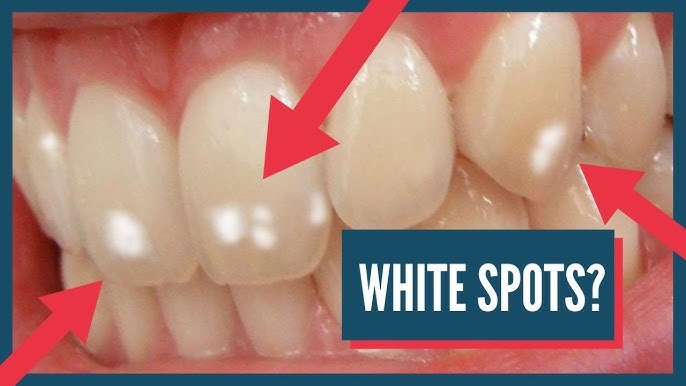
Why Do I Have White Spots on My Teeth? White spots on your teeth are more common than you think, and they can show up at any age. These chalky, opaque patches look different from your natural enamel and often signal something deeper going on beneath the surface.
Whether you noticed them after removing braces, saw them in your child’s smile, or woke up one morning to find them in the mirror, understanding why they appear is the first step to getting rid of them.
What Are White Spots on Teeth?
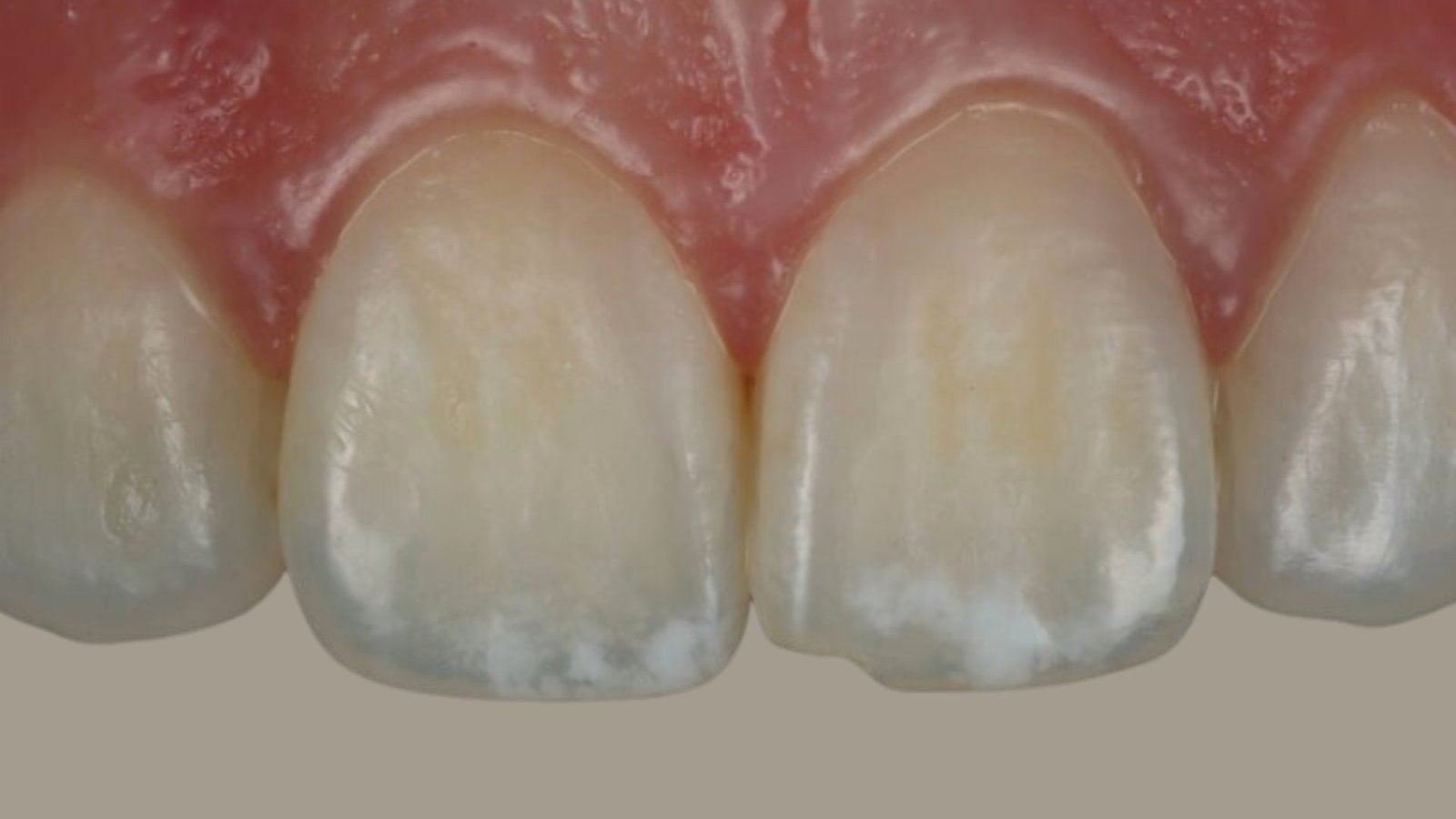
White spots on teeth are areas where the tooth enamel has become demineralized, porous, or structurally different from the surrounding surface. They appear lighter or chalkier than the rest of your tooth.
They are also called white spot lesions (WSLs) in dentistry. Some are harmless cosmetic issues. Others are early warning signs of tooth decay.
They are most commonly found on the front teeth, especially the central incisors, making them highly visible when you smile.
Why Do I Have White Spots on My Teeth? The 7 Main Causes
There is never just one reason. The causes range from childhood development to everyday diet habits. Here is a breakdown of every major cause.
1. Enamel Demineralization
Demineralization is the most common cause of white spots on teeth in adults and teenagers.
When plaque builds up on your enamel, bacteria inside it produce acids. These acids strip away calcium and phosphorus from the enamel, leaving behind soft, porous, chalky patches.
This is also called decalcification. These white spots are essentially early-stage cavities. If left untreated, they progress into full decay.
People who wear braces are especially at risk. Brackets and wires make it difficult to clean every surface of the tooth. Plaque accumulates around the brackets, and when braces are removed, white spots are often revealed underneath.
2. Dental Fluorosis
Dental fluorosis happens when children consume too much fluoride during the years when their adult teeth are developing, typically before age eight.
Sources of excess fluoride include swallowing fluoride toothpaste, drinking heavily fluoridated water, or taking fluoride supplements without proper guidance.
The result is chalky white streaks, spots, or mottled patches on the enamel. In mild cases, the spots are barely noticeable. In severe cases, they can appear brown or pitted.
Fluorosis is a developmental condition, meaning it cannot be reversed. However, it can be treated cosmetically.
3. Enamel Hypoplasia
Enamel hypoplasia is a developmental defect where the tooth enamel forms thinner than normal or does not develop fully.
It is caused by childhood illness, high fever, premature birth, nutritional deficiencies (especially calcium and vitamin D), certain antibiotics taken during pregnancy, and trauma to developing teeth.
This condition is also known as Turner’s Tooth in some cases. The affected teeth are more porous, more sensitive, and more prone to staining and decay.
4. Poor Oral Hygiene
Not brushing and flossing properly leads to long-term plaque buildup. Over time, this causes demineralization of the enamel surface.
This is especially common in people who wear orthodontic appliances, eat frequently without brushing afterward, or skip regular dental cleanings.
The white spots that appear due to poor oral hygiene are a direct sign that early decay is beginning.
5. Acidic and Sugary Diet
Eating too many acidic foods and beverages gradually erodes tooth enamel. The acid weakens the surface, making it appear lighter or chalky.
Common culprits include sodas, energy drinks, citrus juices, sports drinks, citrus fruits, vinegar-based snacks, and processed sugary foods.
A diet low in calcium also contributes to white spot formation. Calcium is essential for maintaining strong enamel, and a deficiency leaves teeth structurally weaker.
6. Dry Mouth and Mouth Breathing
Saliva is your mouth’s natural defense system. It neutralizes acids, washes away bacteria, and helps remineralize enamel.
When you sleep with your mouth open, your teeth become dehydrated overnight. You may notice white spots in the morning that fade within a few hours once your saliva rehydrates the enamel surface.
Chronic dry mouth (xerostomia), caused by medications or medical conditions, creates a more persistent problem.
7. Celiac Disease and Nutritional Deficiencies
Celiac disease causes the body to struggle with nutrient absorption. This leads to mineral deficiencies that affect enamel development.
Children with celiac disease often develop enamel hypoplasia, resulting in white, yellow, or brown spots. Other nutritional deficiencies, including low calcium and low vitamin D, have a similar effect on developing teeth.
Quick-Reference Cause and Risk Table
| Cause | Who It Affects Most | Reversible? |
|---|---|---|
| Enamel Demineralization | All ages, braces wearers | Yes, if caught early |
| Dental Fluorosis | Children under 8 | No, but treatable cosmetically |
| Enamel Hypoplasia | Children, premature births | No, but manageable |
| Poor Oral Hygiene | All ages | Yes, with early intervention |
| Acidic/Sugary Diet | Teens, adults | Yes, with dietary changes |
| Mouth Breathing | All ages | Temporary in many cases |
| Celiac Disease / Nutritional Deficiency | Children especially | Partially, with treatment |
White Spots on Teeth After Braces: What to Know
One of the most common questions dentists hear is about white spots appearing after braces are removed.
When orthodontic brackets are bonded to your teeth, the areas around them are hard to clean. Over months or years of treatment, plaque accumulates in those spots and begins demineralizing the enamel underneath and around each bracket.
When the braces come off, those areas are now exposed and often appear as white rectangular patches matching the shape of the bracket.
The good news is that these spots are among the most treatable forms of white spots because they are typically surface-level demineralization.
Preventing them requires using a water flosser or interdental brush during orthodontic treatment, rinsing with a fluoride mouthwash daily, and attending regular cleanings every three to four months throughout your treatment period.
White Spots on Children’s Teeth
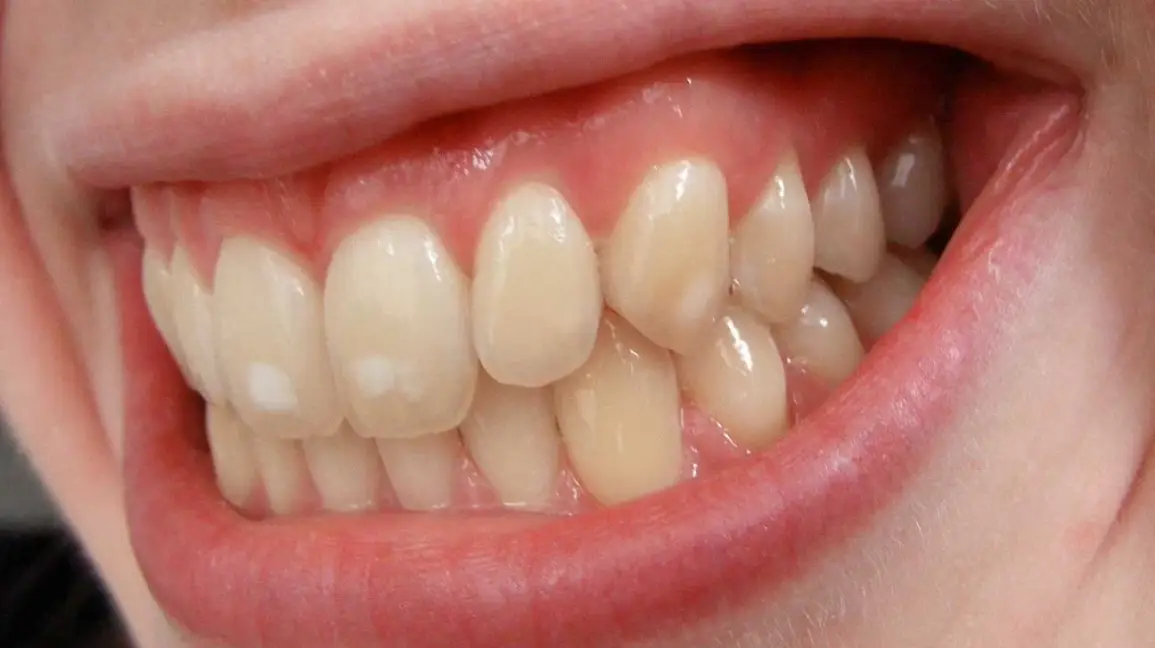
Seeing white spots on your child’s teeth can feel alarming. However, knowing the cause helps you respond appropriately.
In young children, white spots are often caused by fluorosis from swallowing toothpaste, enamel hypoplasia from developmental issues, or early decay from sugary drinks and poor brushing habits.
If the spots appear on baby teeth, they still deserve attention. Baby teeth hold space for adult teeth, and untreated decay can spread and affect the developing permanent teeth underneath.
If you notice white spots on your child’s teeth, visit a pediatric dentist as early as possible. Early intervention is always more effective and less invasive.
How to Know If White Spots Are Cavities
Not all white spots become cavities, but some do. Here is how to tell if your white spots may have progressed into early decay.
The spots feel rough or sticky when you run your tongue over them. You experience sensitivity to sweet, cold, or hot foods. The spot has turned slightly yellow or brown at the center. The area feels soft when pressure is applied.
If any of these signs are present, see a dentist promptly. Early-stage demineralization can still be reversed. Once the spot becomes a full cavity, it requires a filling.
Treatment Options for White Spots on Teeth
The right treatment depends on the cause, depth, and severity of your white spots. Here is a full breakdown of every option available in 2026.
Remineralization Therapy
This is the most conservative treatment and works best when white spots are caught early.
Your dentist may prescribe high-fluoride toothpaste, fluoride varnish applications, or CPP-ACP (Casein Phosphopeptide-Amorphous Calcium Phosphate) products like MI Paste. These products push calcium and phosphate back into the weakened enamel, rebuilding the mineral structure.
This is a slow process and works best on early-stage spots before the enamel has become deeply porous.
ICON Resin Infiltration
ICON is one of the most innovative and widely recommended treatments for white spots in modern dentistry.
It is a micro-invasive procedure that requires no drilling and no anesthesia. The tooth surface is gently etched, dried, and then a low-viscosity resin is applied. The resin infiltrates the porous enamel, filling the gaps and matching the light-reflecting properties of healthy enamel. The result is a uniform tooth color after a single visit of 30 to 60 minutes.
ICON is particularly effective for post-braces white spots and fluorosis-related spots. The results typically last between two and six years. Studies including a four-year follow-up published in BMJ Journals confirm it is an effective and lasting treatment.
Importantly, white spots treated with ICON respond to whitening treatments similarly to natural enamel, unlike untreated white spots which can look more prominent after bleaching.
Microabrasion
Microabrasion uses a mildly abrasive compound to remove an ultra-thin layer of the outer enamel surface. This smooths out color differences and reduces the appearance of surface-level white spots.
It is ideal when the spots are shallow and confined to the outermost enamel layer. The procedure is quick, minimally invasive, and can be combined with ICON or professional whitening for enhanced results.
Professional Teeth Whitening
Bleaching lightens the entire tooth, which can help the white spots blend in with the surrounding enamel.
However, whitening alone does not remove white spots caused by fluorosis. In fluorosis cases, bleaching can sometimes make the spots look brighter temporarily. It works best when used after or alongside ICON or microabrasion treatment.
Dental Bonding
Composite resin bonding is a cosmetic procedure where tooth-colored resin is sculpted directly over the white spot to mask it and blend it with the rest of the tooth.
It is a cost-effective option that delivers immediate results without significant enamel removal. Bonding typically needs to be maintained or replaced over time.
Porcelain Veneers
For severe or widespread white spots that do not respond to conservative treatments, porcelain veneers are the most comprehensive cosmetic solution.
Thin ceramic shells are custom-fabricated and bonded to the front surface of the teeth, completely covering discolorations. Veneers are durable, long-lasting, and deliver dramatic smile transformations.
They do require minimal enamel removal and are a more significant investment than other options.
Dental Crowns
In cases where white spots are a sign of advanced decay or enamel hypoplasia causing significant structural damage, a crown may be recommended to protect and restore the tooth.
Crowns are less common purely for cosmetic white spot treatment but are necessary when the structural integrity of the tooth is compromised.
Treatment Comparison Table
| Treatment | Invasiveness | Best For | Duration of Results |
|---|---|---|---|
| Remineralization Therapy | None | Early-stage spots | Ongoing maintenance |
| ICON Resin Infiltration | Minimal | Post-braces, fluorosis | 2 to 6 years |
| Microabrasion | Low | Shallow surface spots | Permanent |
| Professional Whitening | None | Blending mild spots | 1 to 3 years |
| Dental Bonding | Low-moderate | Moderate spots | 3 to 7 years |
| Porcelain Veneers | Moderate | Severe or widespread | 10 to 15 years |
| Dental Crowns | High | Structural damage | 15+ years |
At-Home Remedies: What Actually Works
Many people search for home remedies before visiting a dentist. Here is an honest look at what works and what does not.
Fluoride toothpaste used twice daily helps prevent demineralization from worsening. Look for brands with 1,000 to 1,500 ppm fluoride for adults.
Remineralizing toothpastes containing hydroxyapatite or nano-hydroxyapatite can gradually rebuild weakened enamel. These are widely available and show promising results in clinical studies.
Oil pulling and whitening toothpaste may reduce surface stains slightly but cannot eliminate white spots caused by enamel changes beneath the surface.
Whitening strips are not recommended for white spots. They lighten surrounding enamel but often make existing white spots more visible by contrast.
No home remedy can replace professional treatment. At-home care is best used to prevent new spots and support professional treatment outcomes.
How to Prevent White Spots on Teeth
Prevention is always easier than treatment. These daily habits dramatically reduce your risk.
Brush twice a day for at least two minutes using fluoride toothpaste. Floss every day to remove plaque between teeth where a toothbrush cannot reach. Use a fluoride mouthwash in the evening, especially if you wear braces.
Limit acidic and sugary foods and drinks. When you do consume them, drink water afterward to neutralize the acids in your mouth. Avoid sipping on beverages throughout the day.
If you have children, supervise their brushing until they are old enough to do it properly. Use only a pea-sized amount of toothpaste for children aged two to six. Check the fluoride level in your tap water and discuss supplementation with your dentist.
Schedule professional dental cleanings every six months, or every three to four months if you wear braces. Early detection during routine checkups can stop white spots from progressing into decay.
Prevention Habits Summary
| Habit | Why It Helps |
|---|---|
| Brush twice daily with fluoride toothpaste | Prevents demineralization |
| Floss every day | Removes interproximal plaque |
| Fluoride mouthwash at night | Strengthens enamel while sleeping |
| Limit acidic drinks | Protects enamel surface |
| Drink water after meals | Neutralizes mouth acids |
| Dental checkups every 6 months | Early detection and cleaning |
| Water flosser during braces | Cleans around brackets |
| Supervise children’s brushing | Prevents excess fluoride ingestion |
When to See a Dentist
Do not wait if you notice any of these signs alongside your white spots. The spot feels rough, sticky, or soft to the touch. The area is sensitive to temperature or pressure. The spot has changed color from white to yellow, brown, or grey. New spots are appearing rapidly. Your child has multiple white spots across several teeth.
White spots that appear and disappear in the morning are usually caused by dehydration from mouth breathing and are not a medical emergency. Persistent spots that do not change or resolve need professional evaluation.
Frequently Asked Questions (FAQs)
Why do I have white spots on my teeth all of a sudden?
Sudden white spots are often caused by mouth breathing overnight, which temporarily dehydrates enamel. If they persist beyond a few hours, the cause is likely demineralization, fluorosis, or early decay.
Are white spots on teeth a sign of cavities?
Not always, but they can be. White spots caused by demineralization are early-stage decay that can progress into cavities if left untreated. Spots from fluorosis or mouth breathing are not cavities.
Can white spots on teeth go away on their own?
Mild morning white spots from dehydration disappear once saliva rehydrates the enamel. Spots caused by demineralization, fluorosis, or enamel hypoplasia do not go away without professional treatment.
How do I get rid of white spots on my teeth fast?
The fastest professional treatment is ICON resin infiltration, which delivers visible results in a single 30 to 60-minute appointment without drilling or anesthesia.
Why do I have white spots on my teeth after braces?
Plaque accumulates around brackets during orthodontic treatment and demineralizes the enamel underneath. When braces are removed, these decalcified areas are revealed as white spots.
Can whitening toothpaste remove white spots?
No. Whitening toothpaste targets surface stains and cannot reverse enamel demineralization or structural changes causing white spots.
Are white spots on teeth permanent?
It depends on the cause. Fluorosis and enamel hypoplasia-related spots are permanent but can be treated cosmetically. Demineralization-related spots can sometimes be reversed with remineralization therapy if caught early.
What causes white spots on children’s teeth?
Common causes in children include fluorosis from swallowing toothpaste, enamel hypoplasia from illness or nutritional deficiency during development, and early decay from poor brushing habits and sugary drinks.
Can diet cause white spots on teeth?
Yes. A high-acid, high-sugar diet erodes enamel and causes demineralization, leading to white spots. A diet low in calcium also weakens enamel structure and increases susceptibility.
Is ICON resin infiltration worth it for white spots?
Yes, for most patients. ICON is minimally invasive, requires no drilling, delivers immediate results, and is supported by clinical research showing lasting outcomes. It is widely considered the gold standard for post-braces and fluorosis-related white spots.
Conclusion
White spots on your teeth are not just a cosmetic annoyance. They are your enamel sending a signal that something needs attention. Whether the cause is demineralization from plaque buildup, childhood fluorosis, enamel hypoplasia, or an acidic diet, there is a proven treatment available in 2026 to address it.
From early-stage remineralization therapy and ICON resin infiltration to microabrasion, dental bonding, and porcelain veneers, your dentist can tailor a solution to the exact cause and severity of your spots.
The most important thing you can do right now is stop waiting. Schedule a dental evaluation, identify the underlying cause, and take action before the spots progress. With the right care and consistent oral hygiene habits, you can restore a smooth, even, confident smile and keep it that way.


