



Why does my throat hurt when I yawn is a question that catches many people off guard.
Yawning is one of the most natural, involuntary actions the human body performs — yet for some people it triggers a sharp or aching pain deep in the throat.
The sensation can range from a mild scratch to a stabbing discomfort that radiates toward the ears or jaw.
In most cases, the pain occurs because yawning forces inflamed, dry, or injured throat tissues to stretch quickly and widely.
Understanding what is causing that stretch to hurt is the first step toward getting relief.
Why Yawning Can Trigger Throat Pain
Yawning involves opening the mouth as wide as possible while simultaneously stretching the muscles of the jaw, throat, and neck. This motion significantly expands the tissues at the back of the throat.
When those tissues are healthy, yawning feels completely neutral. But when they are inflamed, irritated, dry, or injured, the sudden stretching amplifies the discomfort and turns a routine reflex into a painful experience.
The key to understanding your throat pain when yawning is identifying what underlying condition is making those tissues sensitive in the first place.
Is Throat Pain When Yawning Serious?
In most cases, no. The majority of causes — including viral infections, dry throat, and muscle strain — are temporary and resolve on their own or with simple home treatment.
However, throat pain during yawning can occasionally point to more serious conditions such as a peritonsillar abscess, epiglottitis, or in rare cases, throat cancer.
Knowing which symptoms warrant medical attention versus which ones can be managed at home is an important part of handling this correctly.
The Top Causes of Throat Pain When Yawning
There are over a dozen known reasons why your throat might hurt when you yawn. Each has a distinct character, accompanying symptoms, and appropriate response.
Cause 1 — Throat Dryness and Dehydration
A dry throat is one of the most common and overlooked causes of pain when yawning. When the mucous membranes lining the throat do not produce enough moisture, tissues become dry and fragile.
Yawning forces a large volume of air through an already parched throat, stripping away what little moisture remains and causing a scratchy, burning sensation.
Dry throat is caused by dehydration, sleeping with the mouth open, breathing dry indoor air, smoking, and seasonal allergies. Using a humidifier, staying well hydrated, and breathing through the nose at night can all help significantly.
Cause 2 — Viral Infections (Cold, Flu, COVID-19)
Viral illnesses are among the most frequent reasons the throat hurts when yawning. Viruses including the common cold, influenza, and COVID-19 cause inflammation in the tissues lining the throat and pharynx.
When you yawn, air, food particles, and saliva make contact with those already-inflamed surfaces, triggering pain receptors and producing sharp or aching discomfort.
These infections are typically accompanied by other symptoms such as runny nose, fatigue, fever, body aches, and coughing. Most resolve within 7 to 10 days with rest, hydration, and supportive care.
Cause 3 — Strep Throat
Strep throat is a bacterial infection caused by Streptococcus pyogenes bacteria. It is highly contagious and one of the most common causes of severe throat pain, particularly when swallowing or yawning.
Strep throat accounts for approximately 5 to 15 percent of adult sore throat cases and 20 to 30 percent in children. The infection produces significant swelling and redness at the back of the throat, making the stretching motion of yawning acutely painful.
Unlike viral infections, strep throat requires antibiotic treatment. A rapid strep test or throat swab at a clinic can confirm the diagnosis, and symptoms typically improve within 24 to 48 hours of starting antibiotics.
Cause 4 — Tonsillitis
Tonsillitis is inflammation of the tonsils — the two lymph nodes located at the back of the throat on either side. When the tonsils become swollen and infected, they press against the surrounding tissues and narrow the throat.
The enlargement means that the wide-open stretch of a yawn creates direct pressure on already tender, swollen tissue. This produces significant pain that many people describe as sharp or stabbing.
Tonsillitis can be caused by both viral and bacterial organisms. Viral cases are managed with rest and hydration. Bacterial cases require antibiotics. Recurrent tonsillitis may eventually require a tonsillectomy.
Cause 5 — Pharyngitis
Pharyngitis is the medical term for inflammation of the pharynx — the tube at the back of the throat connecting the mouth and nasal passages to the esophagus and larynx.
It is one of the most common causes of sore throat overall and is particularly noticeable during yawning because yawning directly stretches the pharyngeal walls.
Viral pharyngitis makes up 50 to 80 percent of all sore throat cases. Bacterial pharyngitis — including strep — accounts for most of the rest. Treatment depends on whether the cause is viral or bacterial.
Cause 6 — GERD and Acid Reflux
Gastroesophageal reflux disease (GERD) occurs when stomach acid flows backward into the esophagus and sometimes reaches the throat and larynx. This acid causes chronic irritation of the mucosal lining.
GERD affects up to 20 percent of adults and can cause throat irritation that worsens significantly during yawning. The wide opening of the esophageal area during a yawn allows acid-irritated tissue to be stretched, producing a burning or aching sensation.
Associated symptoms include heartburn, a sour taste in the mouth, hoarseness, a chronic cough, and the feeling of a lump in the throat. Lifestyle changes, dietary adjustments, antacids, H2 blockers, and proton pump inhibitors are common treatments.
Cause 7 — Laryngopharyngeal Reflux (LPR)

So tired of trying
LPR is sometimes called silent reflux because it does not always produce the classic heartburn of GERD. Instead, stomach acid reaches the upper throat and larynx, causing inflammation without the person realizing acid is the culprit.
Chronic LPR produces a persistent sore throat, hoarseness, post-nasal drip, and discomfort that worsens during activities that stretch the throat — including yawning.
It is particularly common among singers, teachers, and others who use their voices frequently. Treatment mirrors GERD management, often with dietary changes and acid-reducing medications.
Cause 8 — Muscle Strain and Overuse
Just like any other muscle group, the muscles of the jaw, neck, and throat can become strained from overuse. Speaking loudly, singing, shouting, or extended periods of talking can leave these muscles fatigued and tender.
When tired and sore muscles are suddenly stretched by the wide-open motion of a yawn, the result is a cramping or aching pain. This kind of strain-related pain is usually felt more broadly across the throat and jaw rather than in one specific spot.
Rest, hydration, and avoiding vocal overuse for 24 to 48 hours typically resolves muscle-based throat pain from yawning.
Cause 9 — TMJ Disorder
Temporomandibular joint (TMJ) disorder affects the hinge joint connecting the jawbone to the skull. When there is dysfunction or inflammation in this joint, the act of opening the mouth wide — as in yawning — can generate significant pain.
TMJ-related pain often radiates from the jaw into the throat, ears, and sides of the face. People with TMJ disorders may also notice clicking or popping sounds when opening the mouth, limited jaw movement, and headaches.
TMJ disorders affect an estimated 5 to 12 percent of adults. Treatment options include physical therapy, dental splints, anti-inflammatory medications, and stress management techniques that reduce teeth grinding.
Cause 10 — Throat Injury or Scratch
Small injuries to the throat are more common than most people realize. Swallowing something sharp — a bone fragment, a chip, a hard cracker edge — can scratch the delicate tissue at the back of the throat.
When the injury site is irritated by the air flow, saliva, or food particles during a yawn, it produces localized sharp pain. This kind of pain is usually felt in one specific spot rather than across the whole throat.
Minor throat scratches typically heal within a few days with proper hydration and soft foods. If the pain is severe or worsening, evaluation by a doctor is recommended to rule out a deeper injury.
Cause 11 — Mononucleosis (Mono)
Mononucleosis, caused by the Epstein-Barr virus, produces one of the most severe sore throats of any common infection. It is most common in teenagers and young adults.
The throat pain from mono is intense and significantly worsened by activities that stretch the throat, including yawning and swallowing. Mono is typically accompanied by extreme fatigue, high fever, swollen lymph nodes in the neck, and sometimes an enlarged spleen.
There is no specific antiviral treatment for mono. Management focuses on rest, hydration, pain relief, and avoiding contact sports due to the risk of spleen rupture. Symptoms can persist for several weeks.
Cause 12 — Allergies and Post-Nasal Drip
Seasonal allergies and environmental sensitivities cause the throat tissues to become inflamed and hypersensitive. Pollen, dust mites, pet dander, and mold spores are common culprits.
Allergies often produce post-nasal drip — a continuous trickle of mucus down the back of the throat. This constant irritation leaves the throat raw and more vulnerable to pain during activities like yawning.
Antihistamines, nasal corticosteroid sprays, saline rinses, and allergen avoidance strategies are the primary treatments. A humidifier can also help keep throat tissues moist and less reactive.
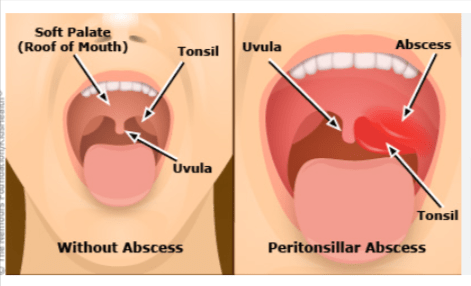
Cause 13 — Peritonsillar Abscess
A peritonsillar abscess is a severe complication of tonsillitis in which a pocket of pus forms beside the tonsil. It is the most common deep neck infection in the United States, with approximately 30,000 cases occurring annually.
The swelling and pressure from the abscess makes yawning extremely painful and can also cause difficulty opening the mouth fully, a muffled or “hot potato” voice, difficulty swallowing, and fever.
A peritonsillar abscess requires immediate medical attention. Treatment involves draining the abscess and intravenous antibiotics. This is not a condition that resolves with home care alone.
Cause 14 — Epiglottitis
Epiglottitis is an infection of the epiglottis — the flap of tissue that covers the airway when swallowing. It is caused by bacterial infection and can progress rapidly to airway obstruction.
Throat pain during yawning is just one of many symptoms. Epiglottitis also produces a very high fever, drooling, difficulty swallowing, a muffled voice, and a characteristic posture of leaning forward to breathe.
This is a medical emergency. Anyone suspected of having epiglottitis must be taken to an emergency room immediately. It can be life-threatening if the airway becomes blocked.
Cause 15 — Throat Tumors (Rare)
In rare cases, persistent throat pain including pain during yawning can be a symptom of cancerous tumors of the throat, tongue, or voice box. This is one of the least common causes but deserves mention.
Other symptoms associated with throat tumors include persistent hoarseness, difficulty swallowing, unexplained weight loss, a lump in the neck, noisy breathing, and bloody mucus.
If throat pain persists for more than three weeks without an obvious cause, a medical evaluation is warranted to rule out serious underlying conditions.
Causes Summary Table
| Cause | Type | Key Accompanying Symptoms | Urgency |
|---|---|---|---|
| Throat dryness | Environmental | Scratchy feeling, no fever | Low — hydrate and humidify |
| Viral infection (cold/flu/COVID) | Infectious | Runny nose, fever, fatigue | Low — rest and fluids |
| Strep throat | Bacterial | Severe pain, fever, no cough | Moderate — needs antibiotics |
| Tonsillitis | Infectious | Swollen tonsils, fever | Moderate — may need antibiotics |
| Pharyngitis | Infectious | Sore throat, redness | Low to moderate |
| GERD / acid reflux | Digestive | Heartburn, sour taste, cough | Moderate — manage with lifestyle/meds |
| LPR (silent reflux) | Digestive | Hoarseness, chronic throat clearing | Moderate — see doctor |
| Muscle strain | Mechanical | Broad aching, jaw soreness | Low — rest voice |
| TMJ disorder | Musculoskeletal | Jaw click, ear pain, headache | Moderate — see dentist or ENT |
| Throat injury / scratch | Physical | Sharp localized pain | Low — heals on its own |
| Mononucleosis (mono) | Viral | Extreme fatigue, swollen nodes | Moderate — needs rest, monitoring |
| Allergies / post-nasal drip | Allergic | Sneezing, runny nose, drip | Low — antihistamines |
| Peritonsillar abscess | Bacterial | Severe swelling, difficulty opening mouth | High — immediate medical care |
| Epiglottitis | Bacterial | Drooling, high fever, breathing difficulty | Emergency — go to ER |
| Throat tumor | Neoplastic | Persistent hoarseness, weight loss | High — see doctor promptly |
What Type of Pain Do You Feel?

The character of the pain when yawning can provide clues about the underlying cause. This is not a substitute for medical diagnosis but can help you assess the situation more clearly.
| Pain Character | Likely Cause |
|---|---|
| Sharp, localized pain in one spot | Throat injury or scratch |
| Broad aching across the whole throat | Viral infection or pharyngitis |
| Pain that radiates to the ear | TMJ disorder or peritonsillar abscess |
| Burning sensation deep in the throat | GERD or LPR |
| Severe pain with difficulty opening mouth | Peritonsillar abscess or epiglottitis |
| Scratchy, dry discomfort | Throat dryness, dehydration, or allergies |
| Intense pain with fatigue and swollen nodes | Mononucleosis |
Throat Pain When Yawning — Only on One Side?
If your throat only hurts on one side when you yawn, this can narrow down the possible causes considerably.
One-sided throat pain is particularly associated with peritonsillar abscess, where pus forms beside one tonsil. It is also seen with a single enlarged tonsil from tonsillitis, a TMJ disorder affecting one side of the jaw, and LPR where acid pools on one side during sleep.
If the one-sided pain is severe, rapidly worsening, or paired with swelling, seek medical evaluation without delay.
Throat Pain When Yawning and Swallowing Together
When both yawning and swallowing trigger throat pain, this typically points to inflammation or structural swelling in the throat rather than a mechanical or muscle-based issue.
Common causes when both actions hurt include strep throat, tonsillitis, pharyngitis, mono, and peritonsillar abscess.
If swallowing liquids is painful or feels obstructed, do not delay medical evaluation. Difficulty swallowing is a red flag for more serious conditions.
Home Remedies for Throat Pain When Yawning
Many causes of throat pain when yawning respond well to conservative home management, especially when the cause is a viral infection, dryness, muscle strain, or mild allergies.
Warm Salt Water Gargle
Dissolve half a teaspoon of salt in eight ounces of warm water. Gargle for 30 seconds, then spit. Repeat three to four times daily.
Salt water reduces inflammation, kills surface bacteria, and draws excess fluid out of swollen tissues. It is one of the most consistently recommended home treatments for sore throat of any cause.
Stay Hydrated
Drinking at least 8 cups of water per day keeps throat tissues moist and supports mucus production. Warm liquids — herbal tea, chicken broth, warm water with honey — are especially soothing.
Avoid alcohol and caffeine, which are dehydrating and can worsen throat dryness and irritation.
Use a Humidifier
Dry indoor air — especially during winter heating months — strips moisture from the throat. Running a humidifier in the bedroom overnight keeps mucous membranes moist and reduces early-morning throat pain when yawning.
Aim for indoor humidity between 40 and 60 percent for optimal throat comfort.
Throat Lozenges
Menthol, honey, or benzocaine-containing throat lozenges provide localized numbing and soothing effects. They stimulate saliva production, which coats the throat with natural lubrication.
These are not a cure but can make the short-term experience of yawning significantly less painful.
Rest Your Voice
If muscle strain from speaking or singing is the cause, the most effective remedy is vocal rest. Avoid shouting, whispering (which actually strains the vocal cords more than speaking), and extended talking for 24 to 48 hours.
Gentle neck and jaw stretches, warm compresses on the neck, and over-the-counter anti-inflammatory medications like ibuprofen can also help relieve muscle tension.
OTC Pain Relief
Ibuprofen (an anti-inflammatory) or acetaminophen (a pain reliever) can reduce throat pain during yawning, especially when caused by infections or inflammation.
Ibuprofen is often preferred because it also targets swelling, which is a direct cause of the pain. Always follow dosage instructions on the label.
Manage Allergies
If allergies are the trigger, addressing them directly is more effective than treating the throat pain alone. Oral antihistamines, nasal corticosteroid sprays, and saline nasal rinses reduce the post-nasal drip and throat inflammation that worsens yawn-related pain.
Identifying and minimizing exposure to specific allergens — pet dander, dust, pollen — provides longer-term relief.
Manage GERD
If acid reflux is causing chronic throat irritation that flares during yawning, dietary and lifestyle changes make a significant difference. Avoid eating within three hours of bedtime, limit spicy and acidic foods, eat smaller meals, and elevate the head of the bed.
OTC antacids and proton pump inhibitors can also help manage reflux-related throat pain effectively.
When to See a Doctor for Throat Pain When Yawning
Home management is appropriate for mild cases, but certain signs indicate you need professional evaluation.
See a doctor if any of the following apply:
Throat pain when yawning persists for more than 7 days without improvement, pain is accompanied by a fever above 101°F, you have difficulty swallowing liquids, you notice swollen lymph nodes in the neck, the pain is severe and localized to one side, or you experience symptoms of mono such as extreme fatigue and swollen glands.
Go to an emergency room immediately if you experience difficulty breathing, drooling you cannot control, a voice that sounds muffled or wet, severe swelling that prevents you from opening your mouth, or any signs that your airway may be narrowing.
How a Doctor Diagnoses the Cause
A doctor will begin with a physical examination of the throat, mouth, and neck. They will look for redness, swelling, white patches, and enlarged tonsils.
Additional diagnostic steps may include a rapid strep test or throat culture, blood tests for mono or other infections, allergy testing for chronic cases, a laryngoscopy to inspect the larynx and epiglottis, imaging with CT scan or ultrasound if an abscess is suspected, and endoscopy if GERD or structural issues are the concern.
The treatment approach is entirely determined by the underlying diagnosis.
Treatment Options Based on Cause
| Diagnosis | Primary Treatment |
|---|---|
| Viral pharyngitis | Rest, fluids, OTC pain relief |
| Strep throat | Antibiotics (penicillin or amoxicillin) |
| Tonsillitis (bacterial) | Antibiotics; tonsillectomy if recurrent |
| GERD / LPR | Lifestyle changes, PPIs, H2 blockers |
| TMJ disorder | Dental splint, physiotherapy, anti-inflammatories |
| Mono | Rest, fluids, pain management, activity restrictions |
| Peritonsillar abscess | Abscess drainage, IV antibiotics |
| Epiglottitis | Emergency airway management, IV antibiotics |
| Allergies | Antihistamines, nasal steroids, allergen avoidance |
| Dry throat | Hydration, humidifier, nasal breathing at night |
| Throat injury | Time, soft foods, hydration |
Prevention — Reducing the Chance of Throat Pain When Yawning
While you cannot stop yawning, you can address the underlying conditions that make it painful.
Stay consistently hydrated throughout the day. Manage allergies proactively rather than waiting for symptoms to escalate. Address GERD with dietary changes and appropriate medications before it causes chronic throat irritation.
Avoid smoking, which dries and irritates the throat lining chronically. Sleep with your mouth closed by addressing nasal congestion through a nasal strip, saline rinse, or decongestant if needed.
If you grind your teeth at night — a major cause of TMJ disorder and jaw muscle strain — speak to a dentist about a custom night guard.
Frequently Asked Questions (FAQs)
Why does my throat hurt when I yawn?
Yawning stretches the muscles and tissues at the back of the throat. If those tissues are inflamed, dry, infected, or injured, the sudden stretch triggers pain.
Is it normal for your throat to hurt when you yawn?
Occasional mild discomfort is common and usually harmless. Persistent or severe throat pain when yawning — especially with other symptoms — is not normal and warrants medical attention.
Can dehydration cause throat pain when yawning?
Yes. Dehydration dries out the mucous membranes lining the throat. The rush of air during a yawn irritates those dry tissues, producing a scratchy or burning sensation.
Why does only one side of my throat hurt when I yawn?
One-sided pain during yawning is often associated with a peritonsillar abscess, single-tonsil tonsillitis, or TMJ disorder affecting one side of the jaw. It deserves medical evaluation if severe.
Can GERD cause throat pain when yawning?
Yes. Stomach acid that reaches the throat creates chronic inflammation. The stretching motion of yawning aggravates that already irritated tissue, causing a burning or aching pain.
Can TMJ disorder cause throat pain when yawning?
Yes. TMJ disorder causes jaw joint dysfunction that produces pain when the mouth opens wide. This pain often radiates into the throat and ear area during yawning.
How do I relieve throat pain when yawning at home?
Gargle with warm salt water, stay well hydrated, use throat lozenges, take OTC anti-inflammatories like ibuprofen, run a humidifier, and rest your voice. Most mild causes improve within a few days.
When should I see a doctor for throat pain when yawning?
See a doctor if pain lasts more than 7 days, is accompanied by high fever or swollen glands, or makes swallowing liquids difficult. Seek emergency care for any breathing difficulty or severe swelling.
Can allergies cause my throat to hurt when I yawn?
Yes. Allergens like pollen and dust cause throat tissue inflammation and post-nasal drip. This leaves the throat raw and sensitive, making yawning painful.
Could throat pain when yawning be a sign of something serious?
Rarely, yes. Serious causes include peritonsillar abscess, epiglottitis, and throat tumors. These come with distinctive warning signs beyond just yawning pain and should not be ignored.
Conclusion
Why does my throat hurt when I yawn is a question that almost always has a straightforward, treatable answer.
The physical act of yawning demands a wide, fast stretch of the throat and jaw tissues — and when those tissues are already compromised in any way, that stretch becomes painful.
The most common culprits are simple: dryness, a viral infection, strep throat, tonsillitis, GERD, muscle strain, or allergies.
Each of these conditions responds well to targeted home remedies or straightforward medical treatment.
The rare but serious causes — peritonsillar abscess, epiglottitis, and tumors — come with clear warning signs that distinguish them from everyday throat soreness.
Stay hydrated, manage allergies and reflux proactively, rest your voice after heavy use, and do not ignore throat pain that persists beyond a week or comes with fever, swollen lymph nodes, or difficulty swallowing.
Early attention leads to faster, easier recovery.


