



Why do I keep getting ear infections is a question that affects millions of people every year — children and adults alike.
A single ear infection is frustrating enough, but when they come back again and again, it signals something deeper is going on.
Recurring ear infections are not just bad luck. They are almost always linked to a specific underlying cause — whether it is Eustachian tube dysfunction, chronic allergies, a weakened immune system, or structural differences in the ear.
Understanding Ear Infections: The Basics
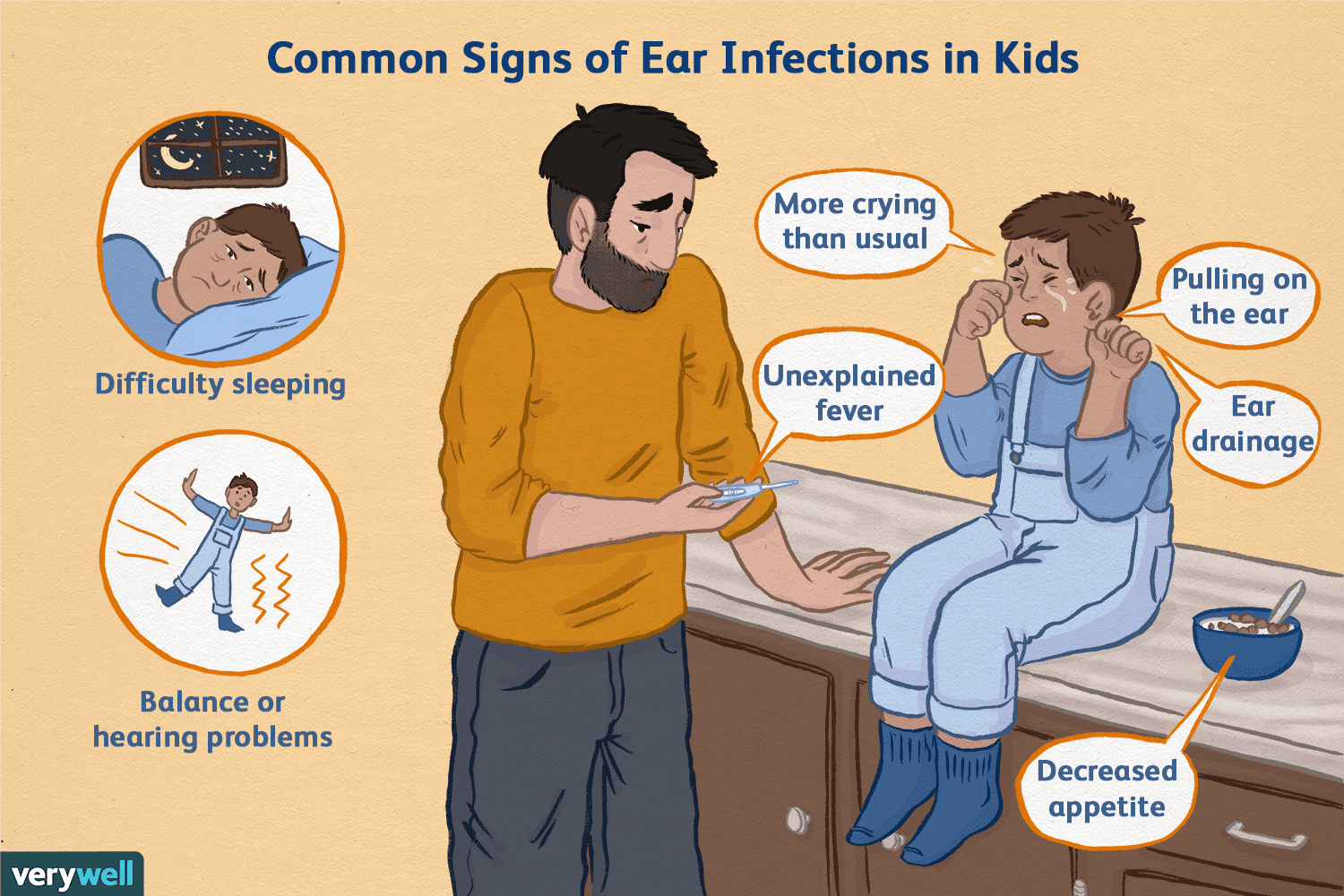
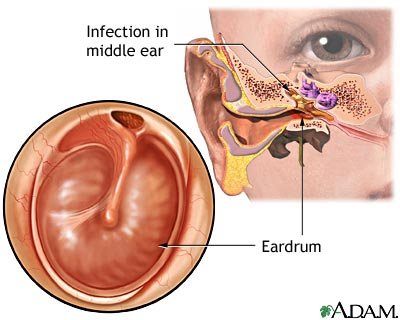
Before looking at why they keep coming back, it helps to understand what an ear infection actually is and where in the ear it occurs.
An ear infection happens when bacteria, viruses, or fungi invade one of the three main regions of the ear. The type of infection you have depends on which region is affected, and the treatment differs accordingly.
The Three Types of Ear Infections
| Type | Location | Common Name | Most Common Cause |
|---|---|---|---|
| Otitis Externa | Outer ear canal | Swimmer’s Ear | Bacteria or fungi from water exposure |
| Otitis Media | Middle ear (behind eardrum) | Middle Ear Infection | Bacteria or virus from cold or respiratory infection |
| Otitis Interna | Inner ear | Labyrinthitis | Viral infection, less common |
What Is Chronic or Recurring Ear Infection?
A recurring ear infection is medically called chronic otitis media or recurrent acute otitis media. It is defined as three or more infections within six months, or four or more within a year.
In chronic cases, an infection begins, appears to clear, and then returns within a short period — often within weeks. Symptoms may be milder than the first infection but are just as disruptive and can affect one or both ears.
Why Do I Keep Getting Ear Infections? The Real Causes
There is rarely just one reason. Most people who experience repeated ear infections have two or three underlying factors working together. Here is a breakdown of every major cause.
Eustachian Tube Dysfunction
The Eustachian tube is a small passage that connects your middle ear to the back of your throat and nose. Its job is to drain fluid from the middle ear and regulate air pressure.
When the Eustachian tube becomes blocked or inflamed — due to infection, allergies, or structural issues — fluid cannot drain properly. That trapped fluid becomes a breeding ground for bacteria and viruses, leading to repeated middle ear infections.
Eustachian tube dysfunction is the single most common reason why ear infections keep coming back. It is the root mechanism behind the majority of recurring cases in both children and adults.
Anatomy: Why Children Get More Ear Infections
Children get ear infections far more frequently than adults — roughly 80% of children will experience at least one acute otitis media before age three. The reason is anatomical.
In children, the Eustachian tubes are shorter, narrower, and more horizontal than in adults. This makes them much easier to block and much harder to drain. As children grow, the tubes lengthen and tilt at a steeper angle, which is why many children naturally outgrow recurring ear infections as they get older.
However, some children have structural differences that persist, making continued Eustachian tube problems more likely regardless of age.
Chronic Allergies and Nasal Inflammation
Allergies are one of the most overlooked and underdiagnosed causes of recurring ear infections. When you have an allergic reaction — whether to pollen, dust mites, pet dander, mold, or food — your nasal passages and throat become inflamed and congested.
That inflammation spreads directly to the Eustachian tubes. Swollen tubes cannot drain the middle ear effectively. Stagnant fluid accumulates and quickly becomes infected.
Seasonal allergies cause periodic flare-ups of ear infections that align with allergy seasons. Year-round allergies to dust mites or pet dander can trigger nearly constant Eustachian tube dysfunction, leading to continuous cycles of infection.
If your ear infections seem to correlate with allergy season or specific environments, unmanaged allergies are almost certainly a contributing factor.
Recurrent Upper Respiratory Infections
Colds, flu, sinus infections, and other upper respiratory illnesses are among the most frequent triggers for middle ear infections. The infection moves from the nose and throat into the middle ear through the Eustachian tubes.
Children are particularly vulnerable because their immune systems are still developing and they are frequently in close contact with other children in schools and daycare settings. Adults with weakened immune systems, high-stress lifestyles, or chronic sinus conditions face the same pattern.
If you notice that every cold you get eventually turns into an ear infection, the route of infection is through your Eustachian tubes. Treating the cold quickly and aggressively — especially nasal congestion — can help interrupt this cycle.
Weakened Immune System
Your immune system is your primary defense against the bacteria and viruses that cause ear infections. When it is not functioning at full capacity, infections become more frequent, harder to clear, and more likely to recur.
Factors that weaken immune function include chronic stress, poor nutrition, insufficient sleep, underlying autoimmune conditions, and certain medications like corticosteroids or immunosuppressants.
Adults who develop recurring ear infections without an obvious structural or allergic cause should discuss immune function with their doctor. Even moderate improvements in sleep quality, nutrition, and stress management can meaningfully reduce infection frequency.
Tobacco Smoke Exposure
Both smoking and exposure to secondhand smoke are well-documented risk factors for recurring ear infections. Tobacco smoke irritates and inflames the respiratory system, including the mucous membranes lining the Eustachian tubes.
This chronic inflammation impairs Eustachian tube function and makes the middle ear more susceptible to infection. Children exposed to secondhand smoke in the home are significantly more likely to develop recurring ear infections than children in smoke-free environments.
Reducing or eliminating smoke exposure — including secondhand smoke — is one of the most impactful changes a household can make to reduce ear infection frequency in both children and adults.
Daycare and Group Childcare Settings
Children in daycare or group childcare settings have much higher rates of recurring ear infections than children cared for at home. The close contact with other children increases exposure to the bacteria and viruses that trigger respiratory infections — which in turn lead to ear infections.
This is one of the most difficult risk factors to eliminate since childcare is a necessity for many families. However, ensuring children are up to date on vaccinations, practicing consistent handwashing, and managing allergy symptoms can reduce the impact of this exposure.
Cotton Swab Use and Ear Canal Damage
Using cotton swabs to clean the ear canal is one of the most common causes of recurring outer ear infections (swimmer’s ear). Cotton swabs push earwax deeper into the canal rather than removing it, creating a blockage that traps moisture.
They also scrape the delicate skin lining the ear canal, creating small abrasions where bacteria can enter and multiply. Earwax is not dirty — it is a natural antibacterial barrier that protects the ear canal from infection. Removing it with cotton swabs strips away that protection.
The ear canal is self-cleaning. The appropriate way to clean ears is to wipe the outer ear only with a cloth. Nothing should be inserted into the ear canal.
Water and Moisture in the Ear Canal
Moisture trapped in the outer ear canal disrupts the canal’s natural pH and creates ideal conditions for bacterial and fungal growth. Swimmer’s ear — otitis externa — is directly caused by this mechanism.
People who swim frequently, take long showers, or live in humid climates are at elevated risk. Even small amounts of water that remain in the canal for hours can trigger an infection, particularly if the ear canal skin is already irritated from previous infections, cotton swab use, or skin conditions like eczema or psoriasis.
Skin Conditions Affecting the Ear Canal
Eczema, psoriasis, and seborrheic dermatitis can affect the skin of the outer ear canal, compromising its natural barrier function. Cracked, inflamed, or broken skin in the canal provides easy entry points for bacteria and fungi.
People with these conditions are significantly more prone to recurring outer ear infections. Managing the underlying skin condition — through appropriate topical treatments prescribed by a dermatologist — often reduces the frequency of related ear infections.
Antibiotic Resistance
If you have been treated with antibiotics for multiple ear infections, there is a meaningful risk that the bacteria responsible have developed resistance to the antibiotics used.
Resistant bacteria are harder to eliminate, may require different or stronger antibiotics, and are more likely to cause infections that linger or recur. This is one reason why doctors increasingly take cultures from the ear to identify the exact bacteria before prescribing treatment.
If your infections keep returning despite antibiotic treatment, your doctor should consider culturing the discharge to identify whether antibiotic resistance is a factor.
Anatomical Abnormalities
Some people have structural differences in their ears, nose, or throat that make recurring ear infections more likely. A deviated nasal septum, enlarged adenoids, or narrower than average Eustachian tube openings can all impair fluid drainage from the middle ear.
Enlarged adenoids are a particularly common cause in children. The adenoids sit near the opening of the Eustachian tubes and can physically block them when swollen. An adenoidectomy — surgical removal of the adenoids — is sometimes recommended alongside ear tube surgery for children with severe recurring infections.
In adults, structural issues are less common as a primary cause but should be evaluated by an ENT specialist when other causes have been ruled out.
Otitis Media with Effusion (Glue Ear)
Otitis media with effusion, commonly called glue ear, occurs when fluid remains in the middle ear after an infection has cleared. The fluid is thick and sticky — hence the name — and can persist for weeks or months.
This condition does not always cause pain, but it does impair hearing and creates an environment where new infections develop easily. Children with glue ear often experience repeated infections because the middle ear never fully clears between episodes.
Glue ear can go undetected because the absence of pain means parents and even doctors may not realize the fluid is still there. Hearing tests and tympanometry (a test that measures eardrum movement) are used to confirm its presence.
Common Symptoms of Recurring Ear Infections
| Symptom | Middle Ear | Outer Ear | Inner Ear |
|---|---|---|---|
| Ear pain | Yes, often severe | Yes, especially when touching ear | Mild or absent |
| Feeling of fullness | Yes | Yes | Sometimes |
| Hearing loss | Temporary, common | Mild if canal blocked | Sometimes significant |
| Discharge from ear | Sometimes (if eardrum perforated) | Yes, often | Rare |
| Fever | Common in acute cases | Rare | Possible |
| Dizziness or vertigo | Rare | Rare | Yes, prominent |
| Itching | Rare | Yes, common | No |
| Nausea or vomiting | Rare | Rare | Yes |
Risk Factors That Make Recurring Ear Infections More Likely
| Risk Factor | Who Is Most Affected | What It Does |
|---|---|---|
| Age 6 months to 2 years | Infants and toddlers | Short, horizontal Eustachian tubes |
| Daycare attendance | Young children | High exposure to respiratory viruses |
| Chronic allergies | Children and adults | Persistent Eustachian tube inflammation |
| Secondhand smoke exposure | Children and adults | Chronic respiratory irritation |
| Frequent swimming | All ages | Moisture trapped in ear canal |
| Cotton swab use | All ages | Canal damage and wax impaction |
| Weakened immunity | Adults, elderly | Reduced ability to clear infection |
| Skin conditions (eczema, psoriasis) | All ages | Compromised ear canal barrier |
| Structural abnormalities | Children especially | Blocked drainage pathways |
| Bottle feeding while lying down | Infants | Milk can pool near Eustachian tube openings |
When to See a Doctor About Recurring Ear Infections
Not every ear infection requires an emergency visit, but some situations demand prompt medical attention. Seek same-day care or emergency care if you experience any of the following.
Severe ear pain that does not improve with over-the-counter pain relievers is a warning sign. High fever — above 39°C (102°F) — accompanying ear pain suggests a more serious infection.
Sudden hearing loss, especially if it is significant or in one ear only, should always be evaluated urgently. Fluid or pus draining from the ear may indicate a ruptured eardrum.
Dizziness, vertigo, or balance problems alongside ear pain can signal an inner ear infection or a serious complication. Stiff neck or severe headache with ear pain in children requires immediate emergency care to rule out meningitis.
Schedule a non-urgent appointment with your doctor if you have had three or more ear infections within six months, if infections are not clearing fully between episodes, or if you notice your hearing has not fully returned after an infection resolves.
Treatment Options for Recurring Ear Infections
Treatment depends on the type of infection, its severity, the age of the patient, and what is driving the recurrence.
Antibiotics for Bacterial Infections
Bacterial ear infections are treated with antibiotics. The most commonly prescribed are amoxicillin or amoxicillin-clavulanate. The course typically lasts seven to ten days in children and five to seven days in adults.
Not all ear infections are bacterial — viral infections do not respond to antibiotics. Overuse of antibiotics is a major driver of antibiotic resistance, which is why many doctors now adopt a watchful waiting approach for mild infections before prescribing.
Antibiotic Ear Drops for Outer Ear Infections
Outer ear infections (swimmer’s ear) are treated topically with antibiotic ear drops rather than oral antibiotics. The drops may also contain corticosteroids to reduce inflammation and antifungal agents if a fungal infection is suspected.
A doctor may first clean the ear canal to remove debris so the drops can reach the infected tissue effectively. During treatment, the ear must be kept dry — no swimming or submerging the ear in water.
Pain Management at Home
Over-the-counter pain relievers such as ibuprofen or acetaminophen are effective for managing ear pain while waiting for treatment to work or for a mild infection to resolve on its own.
Warm compresses applied to the outside of the ear can also reduce pain. For mild infections in older children and adults, this combination of pain management and watchful waiting is often sufficient.
Ear Tubes (Tympanostomy)
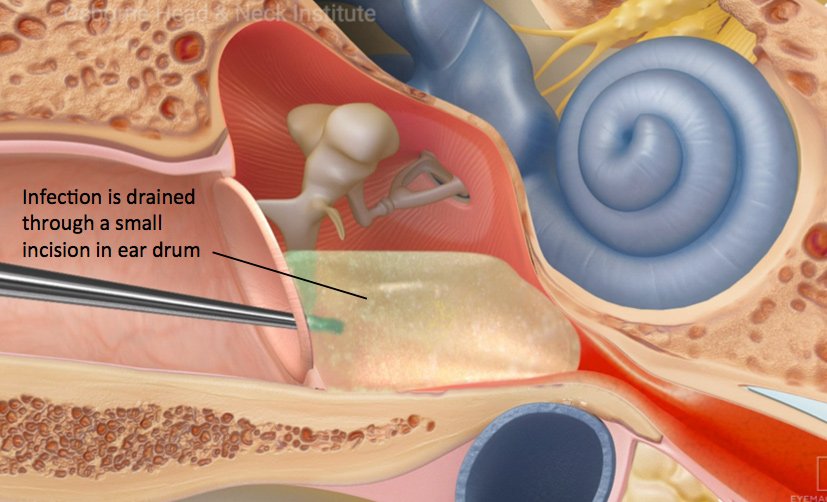
For children and adults with chronic recurring middle ear infections that have not responded to other treatments, ear tube surgery — called tympanostomy — is the most effective medical intervention.
Ear tubes are tiny hollow cylinders, usually made of plastic or metal, that are surgically inserted into the eardrum by an ENT specialist. The tubes allow air to flow into the middle ear and provide a drainage pathway for fluid, preventing it from building up and causing another infection.
The procedure is performed under general anesthesia and typically takes less than fifteen minutes. It is the most commonly performed childhood surgery in the United States. Complications are rare, and patients typically go home the same day.
Ear tubes are usually designed to fall out on their own within six to eighteen months as the eardrum heals around them. They are generally recommended when a child has had three or more infections within six months, four or more within a year, or persistent fluid in both ears for more than three months.
Adenoid Removal (Adenoidectomy)
In children, enlarged adenoids can physically block the Eustachian tube openings, making recurring ear infections much more likely. An adenoidectomy — surgical removal of the adenoid tissue — is sometimes performed alongside ear tube surgery.
Research shows that combining adenoidectomy with ear tubes is more effective at preventing future infections in children with enlarged adenoids than ear tubes alone.
Allergy Management
If allergies are identified as a contributing factor, treating them consistently is essential to breaking the cycle of recurring ear infections. Options include antihistamines, nasal corticosteroid sprays, nasal rinses, and allergen avoidance measures such as air purifiers and hypoallergenic bedding.
For people with severe or year-round allergies, allergen immunotherapy (allergy shots) can gradually desensitize the immune system to specific triggers, reducing the inflammatory response that causes Eustachian tube dysfunction.
How to Prevent Recurring Ear Infections
Many of the most effective prevention strategies are simple daily habits. Implementing these consistently can significantly reduce how often infections occur.
Practice Thorough Handwashing
Respiratory infections — the most common trigger for middle ear infections — spread through hand contact with contaminated surfaces. Regular and thorough handwashing, particularly before eating and after being in public spaces or contact with sick individuals, meaningfully reduces your exposure to the viruses and bacteria that start this chain of infection.
Keep Ears Dry After Swimming or Showering
After swimming or bathing, tilt your head to each side to allow water to drain from the ear canal naturally. Gently pat the outer ear dry with a soft towel — never rub or insert anything into the canal.
For frequent swimmers, over-the-counter drying drops — usually a mixture of diluted isopropyl alcohol and white vinegar — can help restore the ear canal’s normal pH and prevent bacterial growth. Do not use drying drops if you have ear tubes or a known eardrum perforation without consulting your doctor first.
Stop Using Cotton Swabs in the Ear Canal
This single habit change can dramatically reduce the frequency of outer ear infections for people who use cotton swabs regularly. Let the ear canal clean itself as it is designed to do.
If you have a genuine wax buildup problem, use over-the-counter ear irrigation drops or have a professional ear cleaning performed by your doctor or an audiologist.
Stay Up to Date on Vaccinations
Immunizations play a direct role in reducing ear infection frequency. The flu vaccine reduces the number of respiratory infections that lead to ear infections each year. The pneumococcal vaccine (PCV13 or PCV15) protects against Streptococcus pneumoniae, one of the most common bacteria responsible for middle ear infections in children.
Talk to your or your child’s doctor about ensuring all recommended vaccinations are current.
Manage Allergies Proactively
Do not wait for allergy symptoms to become severe before treating them. Consistent use of prescribed antihistamines and nasal corticosteroid sprays during allergy season reduces the Eustachian tube inflammation that triggers ear infections.
Using air purifiers with HEPA filters in bedrooms, washing bedding weekly in hot water, and minimizing exposure to known allergens creates an environment where allergy symptoms — and the ear infections that follow them — are less frequent.
Avoid Smoking and Secondhand Smoke
If you smoke, reducing or quitting smoking will improve both your own respiratory health and the ear health of children and other household members exposed to secondhand smoke. This is one of the most evidence-supported prevention steps for reducing recurring ear infections across all age groups.
Breastfeed Infants When Possible
Research consistently shows that breastfed infants have significantly lower rates of ear infections than formula-fed infants. Breast milk contains maternal antibodies that support the infant’s developing immune system.
If bottle feeding, always feed the infant in an upright or semi-upright position. Feeding while lying flat allows milk to pool near the Eustachian tube openings, where it can introduce bacteria into the middle ear.
Treat Sinus and Nasal Congestion Quickly
When you develop a cold or sinus infection, treating nasal congestion aggressively reduces the risk of the infection spreading to the middle ear. Saline nasal rinses help clear congestion and flush out bacteria and viruses from the nasal passages before they can travel up the Eustachian tubes.
Staying well hydrated during respiratory illness thins mucus and supports better drainage through both the sinuses and the Eustachian tubes.
Complications of Untreated Recurring Ear Infections
Recurring ear infections that are not properly treated can lead to serious long-term complications. Understanding these risks reinforces why addressing the root cause matters.
Temporary hearing loss is common during active infections. But repeated fluid buildup and chronic infection can cause permanent hearing damage over time, particularly in children whose hearing is critical for language development.
Speech and language delays are a documented consequence of chronic ear infections in young children. Extended periods of reduced hearing during the early years of language acquisition can impair vocabulary development and speech clarity.
Mastoiditis is a serious bacterial infection of the mastoid bone behind the ear that can develop when a middle ear infection spreads. It requires urgent treatment, often including intravenous antibiotics or surgery.
Cholesteatoma is an abnormal growth of skin cells in the middle ear that can develop as a result of chronic ear infections or eardrum damage. Left untreated, it can erode the bones of the middle ear and cause permanent hearing loss.
Ruptured or perforated eardrum can occur when fluid pressure in the middle ear becomes severe enough to tear the eardrum. While small perforations often heal on their own, repeated perforations can cause permanent scarring and hearing impairment.
When to See an ENT Specialist
Your regular doctor can treat most ear infections, but some situations call for a referral to an ENT (ear, nose, and throat) specialist.
See an ENT if you have had three or more middle ear infections within six months or four or more within a year. Also seek an ENT referral if infections are not clearing fully between episodes, if you have persistent hearing loss between infections, if you have fluid in the middle ear for more than three months, or if your child’s speech development seems delayed.
An ENT will evaluate the full picture — anatomy, allergy history, adenoid size, immune function, and hearing — to determine whether ear tubes, adenoid removal, or other interventions are appropriate.
Frequently Asked Questions (FAQs)
Why do I keep getting ear infections as an adult?
Recurring ear infections in adults are most commonly caused by Eustachian tube dysfunction, chronic allergies, frequent upper respiratory infections, or regular water exposure in the ear canal. See an ENT specialist if you have had three or more infections within six months.
Can allergies really cause recurring ear infections?
Yes. Allergies cause inflammation and congestion in the nasal passages and throat, which directly blocks the Eustachian tubes. When fluid cannot drain from the middle ear, repeated bacterial and viral infections develop in the trapped fluid.
Is it bad to use cotton swabs in your ears?
Yes. Cotton swabs push earwax deeper into the canal, remove the natural antibacterial barrier, and create tiny skin abrasions where bacteria can enter. They are a leading cause of recurring outer ear infections and should never be inserted into the ear canal.
What are ear tubes and do they stop recurring ear infections?
Ear tubes (tympanostomy tubes) are tiny hollow cylinders inserted into the eardrum to drain fluid and ventilate the middle ear. They are highly effective at reducing or eliminating recurring middle ear infections, particularly in children who have three or more infections within six months.
Can swimmer’s ear keep coming back?
Yes. Swimmer’s ear (otitis externa) recurs when moisture, canal damage from cotton swabs, or skin conditions like eczema are not addressed. Drying the ears thoroughly after swimming, using drying drops, and avoiding cotton swabs are the most effective preventive measures.
How many ear infections are too many?
Three or more middle ear infections within six months, or four or more within a year, is the threshold at which doctors typically evaluate for underlying causes and consider interventions such as ear tubes or allergy treatment.
Can recurring ear infections cause permanent hearing loss?
Yes, they can if left untreated over time. Repeated fluid buildup, chronic inflammation, and eardrum damage from recurring infections can cause permanent hearing impairment. In children, this can also delay speech and language development.
Do recurring ear infections go away on their own as children grow?
Many children naturally outgrow frequent ear infections as they grow because the Eustachian tubes lengthen and tilt at a more effective drainage angle. However, waiting without treatment risks hearing complications, speech delays, and unnecessary pain.
Can stress cause ear infections to keep coming back?
Chronic stress weakens the immune system, making it harder for your body to fight off the bacteria and viruses that cause ear infections. While stress is not a direct cause, it is a meaningful contributing factor, especially when combined with other risk factors.
What is the difference between a middle ear infection and swimmer’s ear?
Middle ear infections (otitis media) occur behind the eardrum and are typically caused by bacteria or viruses following a cold or respiratory illness. Swimmer’s ear (otitis externa) occurs in the outer ear canal and is caused by water exposure and bacterial or fungal growth. They require different treatments.
Conclusion
Why do I keep getting ear infections is a question with a real answer that is specific to each person.
The most common causes — Eustachian tube dysfunction, chronic allergies, recurring respiratory infections, smoke exposure, cotton swab use, and water trapped in the ear canal — are all addressable with the right combination of treatment and prevention habits.
Recurring ear infections are not simply bad luck, and they are not something you just have to live with.
Identifying your specific triggers, managing underlying conditions like allergies, protecting the ear canal from moisture and damage, and following up with an ENT when infections keep returning gives you the best chance of breaking the cycle permanently.
The earlier these causes are identified and addressed, the better the long-term outcome for both hearing health and quality of life.


