

Why Does My Power Keep Going Out? Losing power once is annoying, but when it keeps happening, something specific is usually driving it. The cause can sit inside your own home, or it can start miles away on the utility grid.
Why Does My Power Keep Going Out?


Power usually keeps going out due to overloaded circuits, faulty wiring, severe weather, tree limbs on power lines, or aging utility equipment. Frequent outages inside a single home often point to an electrical problem, while widespread outages usually trace back to the utility grid.
Home-Based Causes of Frequent Power Outages
1. Overloaded Circuits
Running too many high-wattage appliances on one circuit draws more current than it can safely handle. The breaker trips as a safety measure to prevent overheating and fire risk.
This is one of the most common and easiest issues to fix, usually by spreading appliances across different circuits.
2. Faulty or Aging Home Wiring
Old wiring can loosen, corrode, or degrade over time, causing intermittent power loss. This is more common in homes built several decades ago that have not been rewired.
3. Loose Connections
A loose wire at an outlet, breaker, or panel can cause power to cut in and out without warning. These connections can also create a fire hazard if left unaddressed.
4. A Failing Circuit Breaker or Panel
Breakers wear out over years of use and can trip even under normal loads. An aging electrical panel may struggle to handle a modern home’s power demands.
5. High-Demand Appliances Cycling On and Off
Large appliances like air conditioners or space heaters can pull a sudden surge of power when starting up. Repeated surges on an already strained circuit can trip breakers frequently.
Grid-Based and External Causes
6. Severe Weather
High winds, lightning, and ice are leading causes of outages nationwide. Storms can knock down branches or entire trees onto power lines, cutting service instantly.
7. Trees and Vegetation
Branches and vines growing too close to power lines are a frequent cause of outages, even without a storm. Utility companies regularly trim vegetation near lines to reduce this risk.
8. Animals on Power Equipment
Wildlife interference is more common than most people expect. Squirrels alone are linked to a notable share of outages nationwide, largely from chewing on line coatings or contacting equipment.
9. Aging Utility Infrastructure
Transformers, substation equipment, and circuit breakers on the grid have a limited lifespan. When older components fail, outages can affect an entire neighborhood at once.
10. Construction and Digging Accidents

Digging without locating underground lines first can sever cables unexpectedly. This is why utility companies strongly recommend calling before any digging project.
Home Electrical Issues vs Grid Issues: Quick Comparison
| Signal | Likely Home Issue | Likely Grid Issue |
|---|---|---|
| Only your house loses power | Yes | No |
| Entire street or neighborhood loses power | No | Yes |
| Outage follows using multiple appliances | Yes | No |
| Outage follows a storm or high wind | Rare | Yes |
| Power flickers before fully cutting out | Yes | Sometimes |
How to Tell If the Problem Is Inside Your Home
If only your home loses power while neighbors still have electricity, the cause is almost always internal. Check your breaker panel first to see if a specific circuit has tripped.
If the outage happens the moment you use a certain appliance, that circuit is likely overloaded or wired incorrectly for the appliance’s demand.
When to Call an Electrician vs Your Utility Company
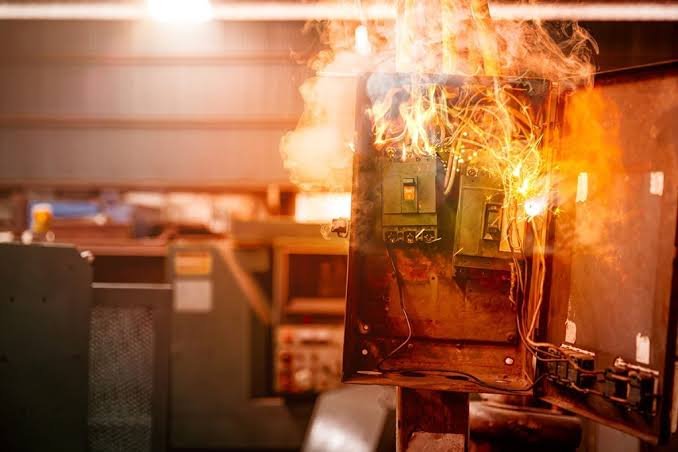
Call an electrician if outages are isolated to your home and breakers trip repeatedly. Call your utility provider if the outage affects your neighbors or follows a storm, since the issue is likely on the grid itself.
Mistakes to Avoid
- Repeatedly resetting a tripped breaker without investigating the cause
- Ignoring warm outlets, buzzing sounds, or burning smells near your panel
- Assuming every outage is the utility company’s fault without checking your own panel
- Overloading extension cords instead of upgrading circuit capacity
Expert Tips
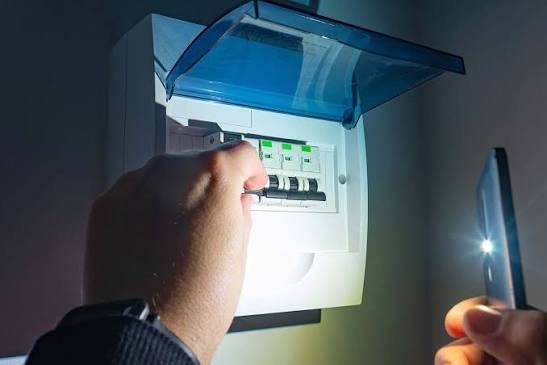
Electricians generally recommend labeling your breaker panel clearly so you can quickly identify which circuit is affected during an outage. Keeping a simple log of when outages happen can also help pinpoint whether the pattern points to a specific appliance, time of day, or weather event.

Also Read:
- Portable Space Heaters vs Fan Heaters: Pros and Cons
- Corrosion-Resistant Flexible Couplings: The Quiet Upgrade That Prevents Expensive Failures
- How Stack-Up Symmetry Affects Warpage and Assembly Yield in 12-Layer PCBs
- How Insurance Responses Can Affect a Houston, TX Auto Accident Claim
- The Investigation Steps a Premises Liability Lawyer May Take After an Injury
- Do You Need Legal Help After a Truck Accident? Here’s What to Know
- Does Being a Loan Guarantor Affect Your CIBIL Score
- What to Know Before Using a Currency Exchange Service in Hyderabad
- How Cashless Health Insurance Is Transforming Patient Experience
- How Care Patterns Help During Steps to Report Suspected Nursing Home Abuse
- Why Are MRIs So Expensive? The Real Cost Explained 2026
- Why Do My Feet Burn at Night? 9 Possible Causes 2026
- Why Is My Tongue Itchy? Common Causes & Treatments 2026
- How Playground Surfacing Improves Safety and Accessibility
- How Toronto Event Planners Are Choosing Photo Booths for Social Sharing
- First Class vs Business Class: A Cost-Benefit Breakdown for Finance and Travel Managers
- Do You Need a Curling Stabilizer? What to Know Before Buying
- From Hair Care Idea To Business: How Bo International Supports Startup Brands
- 430+ Trendy Roblox Username Ideas for Boys & Girls
- 1000+ Trendy Instagram Usernames Ideas for Girls (2024)
- Letflix Review – Features, How It Works and Safe to Use?
- Download Gayatri Mantra Best Ringtone Mp3/M4R
- Grand Theft Auto: San Andreas – Theme Song Download
- Download Mission Impossible – Original Theme Song
- Randy Orton – Voices WWE Theme Song Download
Frequently Asked Questions (FAQs)
Why does my power keep going out for no clear reason?
Frequent outages with no obvious trigger often point to a loose connection, aging wiring, or an overloaded circuit inside your home.
Why does my power flicker before it goes out completely?
Flickering often signals a loose wiring connection or a circuit nearing its capacity limit before it fully trips.
Is it normal for power to go out during a storm?
Yes. High winds, lightning, and ice are among the leading causes of power outages, often from falling branches or damaged lines.
Can squirrels really cause power outages?
Yes. Squirrels are linked to a meaningful share of outages nationwide, typically by chewing on line coatings or contacting equipment.
Why does my power only go out in one room?
This usually points to a single circuit issue, such as an overloaded outlet or a localized wiring problem on that circuit.
Why does my breaker keep tripping every day?
Daily tripping usually means a circuit is regularly overloaded or a breaker itself is wearing out and needs replacement.
How do I know if an outage is my fault or the utility company’s fault?
If only your home loses power while neighbors still have electricity, the issue is almost always inside your home’s system.
Can old wiring cause frequent power outages?
Yes. Aging or degraded wiring is a common cause of intermittent power loss, especially in older homes that have not been rewired.
Why does my power go out when I use my microwave or air conditioner?
Large appliances draw a heavy current on startup, and an overloaded or undersized circuit can trip under that sudden demand.
Should I call an electrician if my power keeps going out?
Yes, especially if outages are limited to your home and breakers trip repeatedly, since this usually points to an internal electrical issue.
Why does my neighborhood lose power more than others?
This can point to aging local infrastructure, more tree coverage near lines, or a substation serving that area nearing the end of its lifespan.
Can construction work cause power outages?
Yes. Digging without locating underground lines first can accidentally sever cables and cause sudden outages.
Why does my power go out during high winds even without a storm?
Wind alone can cause branches to sway into lines or loosen aging connections, even without rain or lightning present.
Is it dangerous if my power keeps going out repeatedly?
Repeated outages tied to warm outlets, buzzing sounds, or burning smells can indicate a fire risk and should be checked immediately.
How can I prevent frequent power outages at home?
Spreading high-wattage appliances across circuits, replacing aging wiring, and having a professional inspect your panel are the most effective preventive steps.
Conclusion
Why does my power keep going out usually comes down to either something inside your home, like an overloaded circuit or aging wiring, or something on the utility grid, like storms, wildlife, or failing equipment. Figuring out which category applies is the fastest way to fix it.
If the pattern points to your own home, an electrician can usually resolve it quickly. If it lines up with weather or affects your whole neighborhood, your utility provider is the right one to contact.