


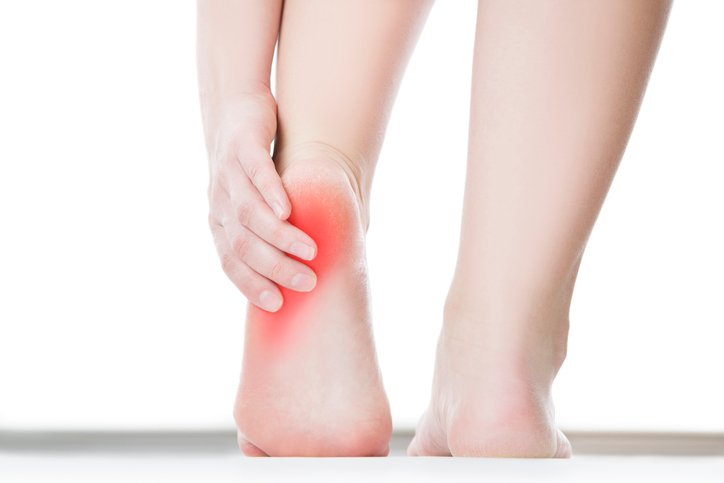
Why does my heel hurt so bad is one of the most common questions asked in podiatry and orthopedic clinics every year.
Heel pain accounts for over 2 million medical office visits annually in the United States alone.
The heel is the largest bone in your foot, and it absorbs an enormous amount of force with every single step.
When something goes wrong — whether it is inflammation, a structural problem, nerve irritation, or a stress injury — the pain can be sharp, stabbing, and severe enough to limit every daily activity.
Why Your Heel Hurts: The Basic Anatomy
Your heel is not just a bone. It is a complex structure made up of the calcaneus (heel bone), tendons, ligaments, nerves, fat pads, and bursae.
Each foot contains 26 bones, 33 joints, and more than 100 tendons. The calcaneus is the largest of those 26 bones, and it bears the full force of your body weight with every step.
The most important soft tissue attached to your heel is the plantar fascia — a thick band of connective tissue running from your heel to your toes along the bottom of your foot. Behind your heel, the Achilles tendon connects your calf muscles to the calcaneus. When either of these structures becomes inflamed, irritated, or damaged, severe heel pain follows.
The Most Common Causes of Heel Pain
There is rarely a single cause of bad heel pain. Most people have one primary condition, sometimes alongside contributing factors that make it worse.
| Condition | Location of Pain | Most Common Symptom |
|---|---|---|
| Plantar fasciitis | Bottom of heel | Stabbing pain with first steps in the morning |
| Achilles tendinitis | Back of heel | Stiffness and aching after activity |
| Heel spurs | Bottom of heel | Stabbing or sharp pain after rest |
| Retrocalcaneal bursitis | Back of heel above Achilles | Swelling and tenderness behind heel |
| Stress fracture | Deep inside heel | Persistent pain that worsens with activity |
| Tarsal tunnel syndrome | Inside of heel and arch | Burning, tingling, or numbness |
| Fat pad atrophy | Center of heel bottom | Aching and bruised feeling |
| Sever’s disease | Back of heel (children) | Pain during and after physical activity |
Plantar Fasciitis: The Number One Cause
Plantar fasciitis is the most common cause of heel pain. It affects approximately 10% of the population at some point in their lives.
It occurs when the plantar fascia — the thick band of tissue connecting your heel bone to your toes — develops small tears and becomes inflamed from too much pressure or repetitive stress.
The signature symptom is intense heel pain with the first steps of the morning or after sitting for a long period. Once the tissue warms up, the pain often eases, but it can return after prolonged standing, walking, or exercise.
What Plantar Fasciitis Feels Like
The pain from plantar fasciitis is typically described as sharp, stabbing, or like stepping on a stone.
It is almost always located at the bottom of the heel, close to where the arch begins. Many people describe it as worst right after getting out of bed, improving after a few minutes of walking, then returning after long periods on their feet.
If left untreated, plantar fasciitis can become chronic and lead to compensatory gait changes that cause secondary knee, hip, and lower back pain.
Achilles Tendinitis: Pain Behind the Heel
Achilles tendinitis is the second most common cause of heel pain and is specifically felt at the back of the heel.
The Achilles tendon connects your powerful calf muscles to the heel bone. Overuse, suddenly increasing exercise intensity, tight calf muscles, or wearing unsupportive footwear causes this tendon to become inflamed and painful.
Runners who ramp up their mileage too quickly are especially prone. The pain typically presents as stiffness and aching behind the heel, especially after rest and at the start of physical activity.
Heel Spurs: The Bony Growth Myth
Many people who suffer from bad heel pain are told they have a heel spur and assume that the spur itself is the problem. This is largely a misconception.
A heel spur is a calcium deposit and bony growth that forms on the underside of the calcaneus, usually as a reaction to long-term plantar fasciitis. The spur itself rarely causes pain — it is the surrounding soft-tissue inflammation that creates the discomfort.
Most patients with heel spurs do not need the spur surgically removed. Treating the underlying plantar fasciitis resolves the pain in the vast majority of cases.
Retrocalcaneal Bursitis
Bursae are small fluid-filled sacs that cushion the areas where tendons and bones meet. The retrocalcaneal bursa sits between the Achilles tendon and the heel bone.
When this bursa becomes inflamed — from overuse, ill-fitting shoes, or conditions like rheumatoid arthritis — it causes pain and swelling directly behind the heel, just above where the Achilles tendon inserts.
This condition is more common in women between 40 and 60 years of age, particularly those with a Haglund deformity (a bony enlargement at the back of the heel).
Stress Fractures of the Heel
A calcaneal stress fracture is a hairline crack in the heel bone caused by repetitive high-impact stress rather than a single traumatic injury.
Athletes, military recruits, and people who suddenly increase their physical activity are most at risk. The pain from a stress fracture is typically deep, persistent, and worsens progressively with activity — unlike plantar fasciitis, which often eases with movement.
A squeeze test (compressing both sides of the heel bone simultaneously) performed by a doctor causes significant pain if a stress fracture is present. X-ray or MRI is needed to confirm the diagnosis.
Tarsal Tunnel Syndrome
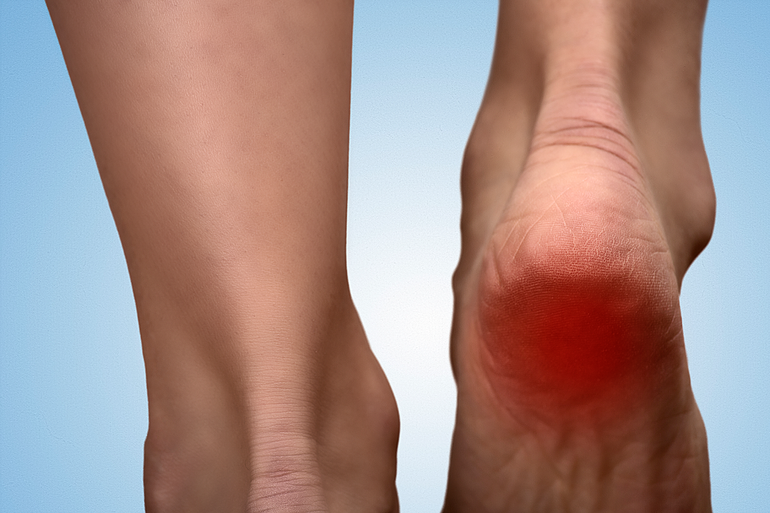
Tarsal tunnel syndrome occurs when the posterior tibial nerve — which runs along the inside of the ankle — becomes compressed or entrapped as it passes through the tarsal tunnel.
The symptoms are distinctly different from other types of heel pain. Instead of a sharp stabbing sensation, tarsal tunnel syndrome produces burning, tingling, numbness, or a “pins and needles” feeling along the inside of the heel, arch, and sometimes the toes.
It is often mistaken for plantar fasciitis because both conditions produce heel and arch discomfort. The nerve-related symptoms are the key differentiator.
Fat Pad Atrophy
The natural fat pad under the heel bone acts as a shock absorber for every step you take. Over time — particularly with aging, obesity, or high-impact activities — this fat pad can thin and degenerate.
When the fat pad thins, the heel bone is less cushioned, producing a deep aching pain described as feeling like a bruise directly in the center of the heel bottom.
Diabetic patients can experience accelerated fat pad thinning due to changes in collagen structure. Cushioned heel cups and orthotics are the primary treatment, as the fat pad cannot easily regenerate.
Sever’s Disease: Heel Pain in Children and Adolescents
If a child or teenager is asking “why does my heel hurt so bad,” the most likely answer is Sever’s disease (calcaneal apophysitis).
Sever’s disease is the most common cause of heel pain in active children and adolescents. It occurs when the growth plate at the back of the heel bone becomes irritated due to repetitive stress during periods of rapid bone growth.
It accounts for up to 16% of musculoskeletal conditions treated in children in outpatient settings. Rest, activity modification, stretching, and supportive footwear resolve most cases without lasting damage.
Risk Factors: Who Gets Bad Heel Pain?
Understanding who is most likely to develop heel pain helps identify whether you are at elevated risk.
| Risk Factor | How It Contributes |
|---|---|
| Obesity or overweight | Adds excess pressure to the heel with every step |
| Flat feet (overpronation) | Stretches the plantar fascia abnormally |
| High arches | Concentrates impact force on the heel |
| Tight calf muscles | Pulls on the Achilles and plantar fascia |
| Age 40–60 | Reduced tissue elasticity increases injury risk |
| Occupations requiring long hours standing | Repetitive stress accumulates over time |
| Running or high-impact sports | Repeated impact stresses heel structures |
| Sudden increase in activity | Tissue cannot adapt fast enough |
| Poor or worn-out footwear | Removes cushioning and support |
| Diabetes | Affects collagen and tissue health in the foot |
| Rheumatoid arthritis | Creates systemic inflammation affecting joints |
Where Exactly Is Your Heel Pain? Location Matters
The location of your heel pain is one of the most important clues to diagnosing the cause.
| Pain Location | Most Likely Cause |
|---|---|
| Bottom of heel, near arch | Plantar fasciitis |
| Bottom of heel, center | Fat pad atrophy or heel spur |
| Back of heel, above bone | Retrocalcaneal bursitis |
| Back of heel, lower Achilles area | Achilles tendinitis |
| Inside edge of heel | Tarsal tunnel syndrome |
| Deep inside heel, all around | Stress fracture |
| Back of heel, children/teens | Sever’s disease |
Identifying the exact location of your pain — before your doctor’s appointment — dramatically helps in reaching the correct diagnosis faster.
When Is Heel Pain Worst? Timing Tells a Story
The timing of your heel pain is equally important to its location.
First thing in the morning or after rest: Classic plantar fasciitis pattern. The plantar fascia tightens during periods of rest and tears slightly when weight is suddenly applied.
During and after exercise: Suggests Achilles tendinitis, stress fracture, or Sever’s disease in younger patients. The tissue or bone cannot handle the ongoing load.
After prolonged standing or walking: Common in plantar fasciitis but also seen in fat pad atrophy and bursitis.
Constantly, without relief: May indicate a stress fracture, nerve entrapment, or a systemic condition requiring medical evaluation. Constant pain that does not ease with rest is always worth investigating.
How Doctors Diagnose the Cause of Your Heel Pain
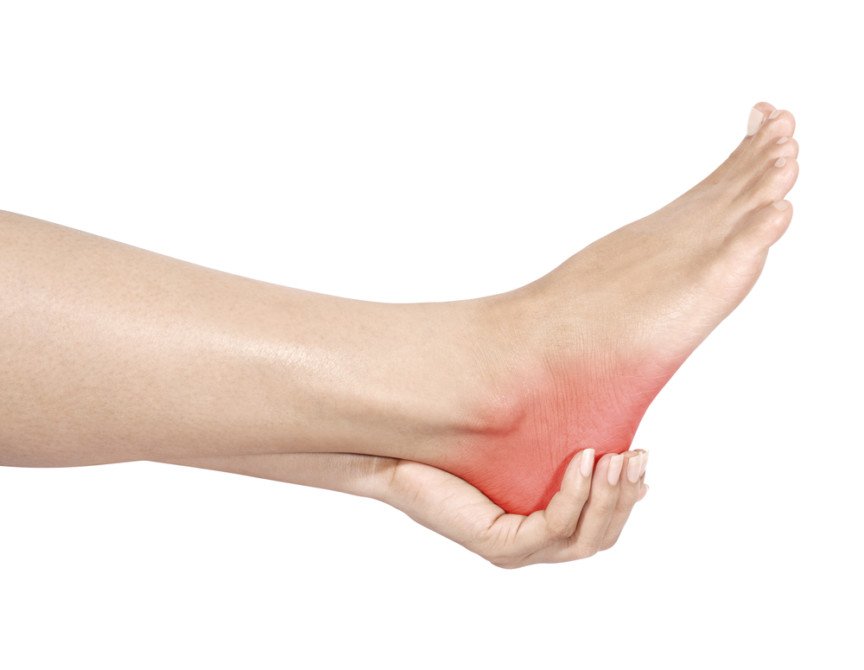
A proper diagnosis requires more than describing your symptoms. Your doctor will use a combination of physical examination and, where needed, imaging.
Physical examination includes:
- Palpation of the heel to locate tenderness
- Assessment of ankle range of motion
- Windlass test (passively extending the big toe to stress the plantar fascia)
- Lateral squeeze test (to rule out calcaneal stress fracture)
- Observation of gait and foot posture
Imaging tests used when needed:
| Test | What It Detects |
|---|---|
| X-ray | Heel spurs, calcaneal fractures, bone alignment |
| Ultrasound | Plantar fascia thickness, tendon tears, bursitis |
| MRI | Stress fractures, soft tissue damage, nerve compression |
MRI is rarely needed for straightforward plantar fasciitis but is valuable when the diagnosis is unclear or when treatment is not producing results.
Home Treatment for Heel Pain
The majority of heel pain conditions — including plantar fasciitis and mild Achilles tendinitis — respond well to consistent home treatment.
RICE method:
Rest from aggravating activities, Ice for 15–20 minutes three times daily, Compression if swelling is present, Elevation of the foot when resting.
Over-the-counter NSAIDs such as ibuprofen or naproxen reduce inflammation and provide pain relief. They work best when combined with physical rest rather than taken as a way to continue painful activity.
Night splints hold the foot at 90 degrees overnight, keeping the plantar fascia and Achilles tendon gently stretched during sleep. This dramatically reduces the painful “first step” sensation in the morning.
Heel cups and insoles cushion the fat pad and redistribute pressure away from the most painful areas.
Stretching Exercises That Relieve Heel Pain
Daily stretching is one of the most evidence-supported treatments for both plantar fasciitis and Achilles tendinitis.
Towel or strap stretch: Sit with your legs straight. Loop a towel around the ball of your foot and gently pull it toward you while keeping your knee straight. Hold 20–30 seconds and repeat 3–5 times per side. This stretches the plantar fascia and reduces morning heel pain.
Standing calf stretch: Stand facing a wall. Step one foot back, keeping the heel flat on the floor. Lean forward, bending the front knee until you feel a deep stretch in the back calf. Hold 30 seconds, repeat 3 times each side. This relieves tension in both the calf muscle and Achilles tendon.
Seated plantar fascia stretch: Sit in a chair and cross one foot over the opposite knee. Grab your toes and gently pull them back toward your shin. Hold 15–30 seconds. This directly stretches the plantar fascia at the heel.
Frozen bottle roll: Place a frozen water bottle on the floor and roll your foot back and forth over it for 5–10 minutes. This simultaneously stretches the plantar fascia and reduces localized inflammation with cold therapy.
Medical Treatments for Persistent Heel Pain
When home treatment alone is not resolving the pain after four to six weeks, a range of medical interventions are available.
| Treatment | When It Is Used |
|---|---|
| Corticosteroid injections | Moderate to severe plantar fasciitis or bursitis; not recommended for Achilles |
| Physical therapy | All conditions; improves flexibility, strength, and biomechanics |
| Custom orthotics | Structural foot abnormalities; persistent overpronation or high arches |
| Extracorporeal shock wave therapy (ESWT) | Chronic plantar fasciitis not responding to 6+ months of treatment |
| Platelet-rich plasma (PRP) injections | Tendon and fascia injuries; promotes tissue healing |
| Walking boot or casting | Stress fractures; severe cases of plantar fasciitis |
| Surgery | Rare; reserved for cases unresponsive to 6–12 months of conservative care |
Surgery is needed in fewer than 5% of heel pain cases. The vast majority of patients recover fully with conservative and intermediate treatments.
Footwear: Why Your Shoes May Be Causing the Pain
The shoes you wear have an enormous impact on heel health. Many cases of severe heel pain are triggered or significantly worsened by poor footwear choices.
Supportive, cushioned shoes with a slightly raised heel and firm arch support reduce strain on the plantar fascia and Achilles tendon. Shoes designed for your specific gait type — whether you overpronate, underpronate, or have neutral mechanics — provide the most benefit.
Flat shoes and bare feet stretch the plantar fascia maximally and can trigger or worsen plantar fasciitis in vulnerable individuals.
High heels shorten the Achilles tendon over time, making it tighter and more prone to tendinitis and plantar fascia problems.
Worn-out athletic shoes lose cushioning and support well before they look visibly damaged. Replace running and training shoes every 250–500 miles.
How Long Does Heel Pain Last?
Recovery time depends on the severity of the condition and how consistently treatment is followed.
| Condition | Typical Recovery Time |
|---|---|
| Mild plantar fasciitis | 2–6 weeks with consistent home care |
| Moderate plantar fasciitis | 3–6 months with physical therapy and orthotics |
| Chronic plantar fasciitis | 6–12 months; may require ESWT or injections |
| Achilles tendinitis | 6 weeks to 6 months depending on severity |
| Stress fracture | 6–8 weeks of rest and immobilization |
| Retrocalcaneal bursitis | 4–8 weeks with rest and anti-inflammatory treatment |
| Sever’s disease | Resolves with rest; typically weeks to months |
| Fat pad atrophy | Ongoing management; does not fully reverse |
Approximately 75% of people with plantar fasciitis recover significantly within one year with consistent conservative treatment.
When to See a Doctor About Your Heel Pain
Mild heel pain that lasts a few days and responds to rest is usually not urgent. However, certain signs demand prompt medical attention.
See a doctor if your heel pain:
- Has lasted more than two weeks without improvement
- Is severe enough to prevent walking or bearing weight
- Is accompanied by significant swelling, redness, or warmth
- Includes burning, tingling, or numbness (possible nerve involvement)
- Developed after a fall, jump, or impact injury
- Worsens progressively despite rest
- Is accompanied by fever (possible infection)
A podiatrist or orthopedic specialist can perform a thorough physical examination and order appropriate imaging to confirm your diagnosis and design a targeted treatment plan.
Prevention: How to Stop Heel Pain from Coming Back
Once heel pain resolves, preventing its return requires ongoing attention to footwear, stretching, and activity habits.
Stretch daily. Calf stretches and plantar fascia stretches performed every morning — before your first steps — dramatically reduce recurrence.
Wear supportive footwear. Never walk barefoot on hard surfaces if you have had plantar fasciitis. Wear shoes with cushioning and arch support immediately upon getting out of bed.
Maintain a healthy weight. Every extra pound adds measurable stress to the heel. Reducing body weight to a healthy range lowers heel loading with every step.
Increase activity gradually. Follow the 10% rule — never increase running distance or activity intensity by more than 10% per week. This gives tissues time to adapt.
Strengthen the foot and calf muscles. Towel scrunches, marble pickups with the toes, and calf raises improve the supporting musculature that reduces load on the plantar fascia.
Frequently Asked Questions (FAQs)
Why does my heel hurt so bad in the morning?
Morning heel pain is the hallmark symptom of plantar fasciitis. The plantar fascia tightens overnight during rest, then micro-tears when you suddenly put weight on it with your first steps out of bed.
What is the most common cause of severe heel pain?
Plantar fasciitis is the most common cause, accounting for the majority of heel pain cases worldwide. It involves inflammation of the plantar fascia ligament along the bottom of the foot.
Can heel pain go away on its own?
Mild heel pain often improves with rest, but plantar fasciitis and Achilles tendinitis rarely resolve permanently without targeted stretching, footwear changes, and activity modification. Ignoring it tends to make it worse.
Is walking good or bad for heel pain?
Gentle walking is generally acceptable, but prolonged standing or walking on hard surfaces aggravates most heel conditions. Reducing high-impact activity while maintaining gentle movement gives the best recovery outcome.
What is the difference between plantar fasciitis and a heel spur?
Plantar fasciitis is inflammation of the soft tissue ligament at the bottom of the heel. A heel spur is a bony growth that often develops alongside plantar fasciitis. The spur itself rarely causes pain — the soft tissue inflammation does.
How long does it take for heel pain to heal?
Mild cases can resolve in 2–6 weeks. Moderate plantar fasciitis typically takes 3–6 months. Chronic cases can take up to a year or more, especially without consistent treatment and lifestyle changes.
Should I see a podiatrist or orthopedic doctor for heel pain?
Either is appropriate. Podiatrists specialize specifically in foot and ankle conditions and are often the first-choice specialist for heel pain. Orthopedic surgeons are typically consulted for surgical cases or complex structural issues.
What shoes are best for heel pain?
Shoes with firm arch support, adequate heel cushioning, and a slightly elevated heel reduce strain on the plantar fascia and Achilles tendon. Avoid flat shoes, bare feet on hard surfaces, and worn-out athletic shoes.
Can stretching make heel pain worse?
Aggressive stretching performed incorrectly can irritate inflamed tissue. However, gentle, consistent plantar fascia and calf stretches performed correctly are one of the most effective treatments and do not worsen properly diagnosed plantar fasciitis or tendinitis.
When is heel pain serious enough to require surgery?
Surgery is rarely needed and is considered only after 6–12 months of consistent conservative treatment has failed. Fewer than 5% of heel pain patients ultimately require surgical intervention.
Conclusion
Why does my heel hurt so bad is a question with many possible answers, but the most important takeaway is this: heel pain is almost always treatable, and the earlier you address it, the faster you recover.
Plantar fasciitis, Achilles tendinitis, bursitis, stress fractures, and nerve entrapment all behave differently, respond to different treatments, and worsen at different rates if ignored.
Paying attention to where your pain is located, when it is worst, and what makes it better or worse gives you and your doctor a powerful head start toward the right diagnosis.
For most people, consistent home stretching, proper footwear, rest from aggravating activities, and targeted physical therapy produce full recovery.
Do not push through severe heel pain hoping it will disappear — untreated heel conditions frequently become chronic, harder to treat, and capable of creating secondary problems in the knee, hip, and lower back.
Act early, stretch consistently, wear the right shoes, and see a specialist if pain persists beyond two weeks.


