


Why is Lake of the Ozarks so dangerous? It is a question asked by millions of visitors every year, and the answer is more complex than most people expect.
But it also consistently ranks among the most dangerous lakes in the country.
From relentless boat traffic and drunk boating to blind-spot coves, no daytime speed limits, and periodic water quality issues, the lake carries real risks that every visitor must understand before stepping on a boat or into the water.
Lake of the Ozarks: A Quick Overview
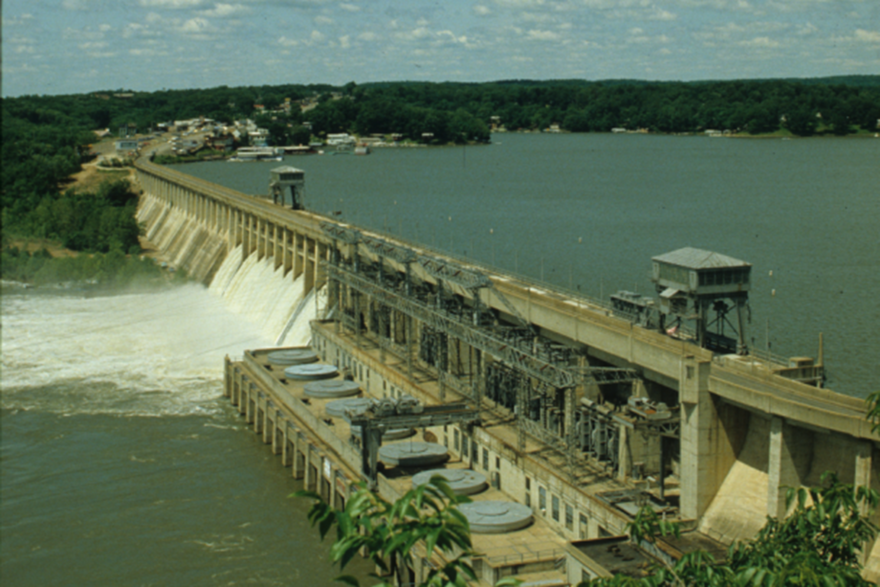
Lake of the Ozarks is a reservoir created in 1931 when the Bagnell Dam was built across the Osage River in central Missouri.
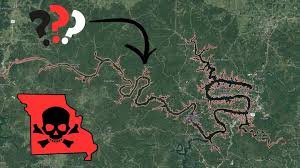
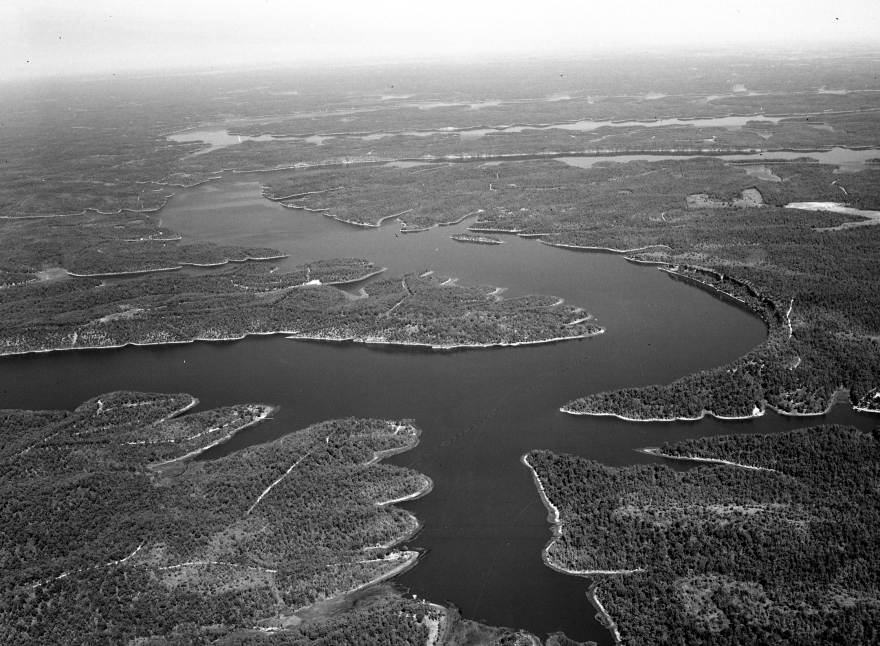
It stretches approximately 92 miles in length and features more than 1,150 miles of shoreline — more shoreline than the entire state of California’s coastline. Its serpentine shape, with dozens of coves, arms, and finger channels branching off the main body, is central to both its beauty and its danger.
The lake is a major economic engine for the region, with hundreds of marinas, lakeside restaurants, resorts, and rental operations drawing visitors from across the Midwest and beyond every summer.
How Dangerous Is It Compared to Other Lakes?
The numbers tell a striking story. Between 1993 and 2003 alone, 33 people were killed in boating accidents on Lake of the Ozarks.
For a body of water that is less than one-three-hundredth the size of Lake Michigan, that fatality rate is disproportionately high. Multiple national analyses — including rankings by Insider Monkey and Pond Informer — have placed Lake of the Ozarks at or near the top of lists of the most dangerous lakes in the United States.
In 2023, Missouri recorded 113 recreational boating accidents statewide, and Lake of the Ozarks accounted for a significant share of them. More than 20 boating incidents were reported between April 2024 and March 2025 by the Missouri State Highway Patrol, including collisions, watercraft impacts, and watersport mishaps.
The Main Reasons Lake of the Ozarks Is So Dangerous
Understanding why the lake is dangerous requires looking at several interconnected factors. No single cause explains the statistics — it is the combination of all of them that makes the lake uniquely hazardous.
Extreme Boat Traffic and Overcrowding
Lake of the Ozarks sees some of the most congested recreational waterways in the entire country, particularly on summer weekends and holidays.
With 12 million annual visitors and hundreds of rental operations offering boats, jet skis, pontoons, and wave runners to people with little or no experience, the volume of vessels on the water at any given time is enormous. On a peak summer Sunday, the main channel can resemble a water highway with no lanes and no traffic lights.
More traffic means a statistically higher chance of collision, especially when many of the operators are first-timers who have never navigated a high-traffic waterway before.
No Daytime Speed Limit on the Main Channel
One of the most significant structural safety issues at Lake of the Ozarks is the absence of any daytime speed limit on the main body of the lake.
Missouri law requires a maximum speed of 30 mph at night, but during daylight hours boats can legally travel at unlimited speeds on the main channel. This means high-performance powerboats capable of 80, 100, or even 150 mph share water with kayakers, paddleboarders, swimmers, and slow pontoon boats.
No horsepower restrictions exist either. The combination of unlimited speed and no horsepower cap on a lake crowded with inexperienced operators and pedestrian watercraft creates a uniquely dangerous environment.
Drunk Boating: The Number One Risk Factor
Alcohol is consistently identified by law enforcement, legal professionals, and safety organizations as the single biggest contributing factor to boating accidents and fatalities at Lake of the Ozarks.
The lake is famous for its party culture — lakeside bars, party coves, floating entertainment areas, and clubs that operate from morning to late evening throughout the summer. Boaters spend hours in the sun consuming alcohol before getting behind the wheel of a vessel. Extended sun exposure amplifies the effects of alcohol, impairing judgment and reaction time far more quickly than alcohol consumed indoors.
Missouri law prohibits operating a vessel with a blood alcohol concentration of 0.08% or higher — the same threshold as driving a car — and boating while intoxicated (BWI) carries serious legal penalties. However, enforcement on a 55,000-acre lake with limited water patrol staffing is inherently difficult, and many boaters operate as if the rules do not apply on the water.
The Serpentine Shape and Cove Blind Spots
The geography of Lake of the Ozarks is a major hidden danger that catches uninitiated visitors off guard.
Unlike a round or relatively open lake, Lake of the Ozarks has a winding, serpentine main channel with dozens of coves and finger arms branching off at angles. Boats exiting a cove to merge onto the main channel cannot see oncoming traffic until they are nearly in the lane. Boats traveling at speed on the main channel cannot see boats preparing to emerge from a cove until the last moment.
These structural blind spots have been directly linked to serious and fatal collisions over the years. Local experts consistently warn new visitors that the lake’s geography demands a fundamentally different level of situational awareness than most other lakes.
Inexperienced Operators on Rental Watercraft
A large percentage of people on the lake at any given time are operating rental boats, jet skis, or wave runners for the first or second time in their lives.
Missouri law requires boaters born after January 1, 1984 to complete a boating safety course and carry a Boater Education Card. However, enforcement varies and rental operators are not always thorough in verifying compliance before handing over the keys to a powerful vessel.
Inexperienced operators are more likely to make sudden, unpredictable maneuvers, fail to observe no-wake zones, misjudge their speed and stopping distance, and panic in emergency situations. Combined with heavy traffic and unlimited speeds, inexperience is a dangerous ingredient.
Dangerous Wakes From High-Speed Powerboats
High-speed powerboats generate massive wakes — waves that radiate outward from the vessel as it passes.
On a lake as heavily trafficked as Lake of the Ozarks, overlapping wakes from dozens of boats create chaotic, choppy water conditions that can destabilize smaller vessels. A wake large enough can capsize a paddleboard, swamp a small fishing boat, or knock passengers overboard from a slow-moving pontoon.
Small boats being broadsided by the wake of a large, fast-moving powerboat is a recurring cause of injury and falls overboard on the lake.
Underwater Hazards and Variable Water Depths
The lake’s bottom is not uniform. Shallow points, submerged stumps, old road beds, debris, and rocks lurk below the surface, particularly in coves, the upper arms of the lake near Truman Lake, and areas that have experienced water level fluctuations.
Boaters unfamiliar with local water conditions can run aground at speed, hit submerged objects, or damage propellers and hulls in areas that look perfectly navigable from the surface.
The Missouri State Highway Patrol and local safety organizations strongly recommend that boaters new to the area consult detailed depth charts before venturing into unfamiliar coves or upper channels.
The Lake of the Ozarks Shootout
Every August, the Lake of the Ozarks hosts the Shootout — the largest unsanctioned powerboat race in the United States. High-performance boats reach speeds exceeding 200 mph on a three-quarter-mile race course while an estimated 100,000 spectators watch, primarily from boats anchored near the race area.
The event creates an extraordinarily dangerous combination of extreme racing speeds, enormous spectator boat crowds, alcohol consumption, and minimal formal traffic management on the water.
Serious crashes happen during Shootout events almost every year. In 2022, a high-performance catamaran flipped during a trial run, hospitalizing both passengers. In 2023, a crash involving two boats near the spectator area left multiple people injured, with speed and alcohol cited as factors. First responders deal with collisions, injuries, and near-drownings every Shootout weekend without exception.
A Summary of the Key Danger Factors
| Danger Factor | Why It Is Dangerous |
|---|---|
| Extreme boat traffic | Overcrowded waterways increase collision risk |
| No daytime speed limit | High-speed boats share water with slow vessels and swimmers |
| Drunk boating | Alcohol impairs judgment; difficult to enforce on 55,000 acres |
| Cove blind spots | Serpentine shape creates collision-prone merge points |
| Inexperienced operators | Rental users with no training on high-traffic lake |
| Large dangerous wakes | Can capsize small boats and throw passengers overboard |
| Underwater hazards | Submerged objects, shallow areas, debris in unfamiliar coves |
| The Shootout event | 200+ mph racing + 100,000 spectators = extreme risk |
| Water quality issues | Periodic E. coli elevations at certain beach areas |
| Limited law enforcement | Insufficient water patrol for lake size during peak season |
Drowning: The Most Common Fatal Outcome
The vast majority of fatal incidents at Lake of the Ozarks involve drowning. This holds true nationally as well — the U.S. Coast Guard reports that 76% of boating-related deaths involve drowning, and 84% of those drowning victims were not wearing a life jacket at the time.
The link is direct: people fall overboard, are thrown from a boat in a collision, or capsize, and without a life jacket they cannot stay afloat. In murky, churning water on a busy summer day, even strong swimmers can drown quickly.
Missouri law requires all children under age 7 to wear a life jacket while on a vessel. There is no legal requirement for adults, but the statistics make a compelling case for wearing one regardless.
Carbon Monoxide: The Invisible Hazard
Monoxide poisoning from boat engines is a lesser-known but genuinely deadly risk at any lake, including Lake of the Ozarks.
Carbon monoxide is colorless and odorless, and it builds up near the back of a boat or in enclosed swim areas beneath swim platforms. People swimming near an idling boat’s transom can lose consciousness from CO exposure within minutes without any warning. Children are particularly vulnerable.
The U.S. Coast Guard warns that this hazard is responsible for multiple deaths and dozens of injuries on American lakes every year.
Water Quality Concerns at Lake of the Ozarks
While the lake’s boating dangers dominate the safety conversation, water quality is a secondary concern that visitors should be aware of.
E. Coli Contamination
Periodic E. coli elevations have been detected at some Lake of the Ozarks beaches, particularly at Public Beach Number 1 at Lake of the Ozarks State Park.
In June 2024, that beach was closed after samples found E. coli levels more than 12 times the safe threshold of 190 colonies per 100 milliliters of water. E. coli in lake water typically comes from failing or improperly maintained septic systems around the lake, agricultural runoff, and wildlife.
It is important to note that the broader lake generally passes regular testing. The problematic readings are typically localized to specific coves or beach areas and are temporary. The Missouri Department of Natural Resources monitors the lake regularly and posts advisories when warranted.
Agricultural Runoff and Algal Blooms
The lake is surrounded by significant agricultural land, and runoff carrying fertilizers, herbicides, and pesticides flows into the lake during rain events.
This nutrient load contributes to algal blooms — concentrations of algae that can be visible on the water surface and that in some cases produce toxins harmful to humans and pets. Avoiding contact with visibly discolored water or water with a strong smell is always advisable during bloom conditions.
Fuel and Oil Contamination
Heavy boating traffic means that fuel and oil are regularly discharged into the lake, either through bilge pumping or spills. While this represents more of a long-term environmental concern than an acute health hazard for recreational users, it adds to the overall water quality picture.
Notable Dangerous Spots on the Lake
Some areas of Lake of the Ozarks have an established track record of being particularly hazardous. Local experts and the Lake of the Ozarks Water Safety Council regularly highlight these zones.
Duckhead Point
Duckhead Point protrudes into the channel in a way that creates dangerous sight-line limitations for boats traveling at speed. A late-night 2023 crash at this location involved an intoxicated driver who hit the peninsula, sent the boat ashore into a residence, and ejected all eight passengers.
The Gravois Arm
The entrance to the Gravois Arm near the 1 Mile Marker features a protruding point that has caused multiple incidents. Further up the arm, Gibson Point at the 4 Mile Marker sits at the entrance to Mill Creek Cove — a high-traffic area where incoming and outgoing boats converge with limited visibility.
Cove Entrance Merge Points Throughout the Lake
Every cove entrance on the lake represents a potential blind-spot collision point. The problem is systemic, not isolated to a handful of specific locations. Boaters exiting coves must creep out slowly and wait for clearance before accelerating into the main channel.
Boating Laws and Regulations at Lake of the Ozarks
Understanding the legal framework for boating on the lake helps visitors avoid citations and, more importantly, avoid accidents.
| Rule | Requirement |
|---|---|
| Boating education | Required for anyone born after January 1, 1984 |
| BWI limit | BAC of 0.08% or higher is illegal |
| Nighttime speed limit | Maximum 30 mph after dark |
| Daytime speed limit | No specific limit on main channel — “safe speed” required |
| No-wake zones | Must be observed near marinas, docks, and marked areas |
| Life jackets (children) | All children under age 7 must wear a life jacket |
| Accident reporting | Must report to Missouri State Highway Patrol within 48 hours if injury, death, or significant damage occurs |
| Boater Education Card | Must be carried on the vessel when operating |
How to Stay Safe at Lake of the Ozarks
Knowing the dangers is only useful if you act on that knowledge. The following safety practices dramatically reduce your risk on the lake.
Always Wear a Life Jacket
This is the single most effective safety measure. Adults are not legally required to wear one but the drowning statistics make it clear — wearing a life jacket keeps you alive if you go overboard.
Choose a properly fitted, Coast Guard-approved life jacket and wear it when the boat is in motion, during water sports, and whenever you are on the water in rough or crowded conditions.
Never Operate a Boat After Drinking
Drunk boating is not a gray area. Alcohol impairs spatial judgment, slows reaction time, and creates overconfidence — three things that kill people on a high-traffic lake with no speed limits and dozens of blind spots.
Designate a sober boat operator just as you would designate a sober driver. If you plan to drink, tie up at a marina or a cove and stay put.
Know the Lake Before You Go Out
Study a nautical chart of Lake of the Ozarks before your first outing. Identify the coves, blind spots, and known shallow areas on your planned route.
Pick up the free “Let’s Go Boating” safety booklet distributed by the Lake of the Ozarks Water Safety Council. It is available at approximately 80 locations around the lake.
Slow Down at Cove Entrances
The single most important navigation habit on Lake of the Ozarks is slowing to near-idle speed when approaching or exiting a cove.
Treat every cove entrance as a blind intersection. Ease out slowly, look both ways, and wait for clearance before accelerating into the main channel. High-speed boats may be on you within seconds — you need time to see them and they need time to see you.
Check Water Quality Advisories Before Swimming
Before swimming at a beach, particularly at Public Beach Number 1 or any cove area, check current water quality advisories from the Missouri Department of Natural Resources.
Advisories are posted promptly when E. coli levels exceed safe thresholds. When in doubt, swim at the monitored state park beaches which have frequent testing.
Watch for Carbon Monoxide Near Boats
Never swim near the back of an idling boat or under a swim platform while a boat engine is running. Teach children this rule explicitly and enforce it without exception.
If anyone on or near the water complains of sudden headache, dizziness, nausea, or confusion near a running engine, move them immediately to fresh air and call emergency services.
Be Extra Cautious During Peak Times
The most dangerous times on Lake of the Ozarks are holiday weekends (Memorial Day, Fourth of July, Labor Day), Saturday and Sunday afternoons in July and August, and Shootout weekend in August.
If you are an inexperienced boater or have children on board, consider early-morning outings when traffic is significantly lighter and safer.
Frequently Asked Questions (FAQs)
Why is Lake of the Ozarks considered one of the most dangerous lakes in America?
It ranks among the most dangerous due to a disproportionately high number of boating fatalities relative to its size, heavy boat traffic, no daytime speed limit, widespread drunk boating, and structural blind spots created by its serpentine shape.
How many people have died at Lake of the Ozarks?
Between 1993 and 2003, at least 33 people died in lake accidents. Fatalities have continued in subsequent years, with drowning being the most common cause of death in boating-related incidents.
Is there a speed limit on Lake of the Ozarks?
There is no daytime speed limit on the main channel. Missouri law limits boating to 30 mph after dark, and no-wake zones apply near marinas, docks, and posted areas.
Is Lake of the Ozarks safe to swim in?
Swimming is generally safe in most areas, but water quality advisories are periodically issued — especially at Public Beach Number 1 — when E. coli levels exceed safe thresholds. Always check current Missouri DNR advisories before swimming.
What is the biggest cause of accidents at Lake of the Ozarks?
Drunk boating is consistently identified as the number one cause. Alcohol impairs judgment and reaction time while the lake’s heavy traffic, high speeds, and blind-spot geography demand maximum alertness.
What is the Lake of the Ozarks Shootout?
The Shootout is the largest unsanctioned powerboat race in the United States, held annually in August. Boats reach speeds over 200 mph, and around 100,000 spectators attend, creating extremely dangerous and congested conditions on the water.
Do you need a boating license to operate a boat on Lake of the Ozarks?
Anyone born after January 1, 1984 must complete a Missouri boating safety course and carry a Boater Education Card to legally operate a boat on the lake.
Is carbon monoxide a danger at Lake of the Ozarks?
Yes. Carbon monoxide from boat engines is a serious and invisible hazard. Never swim near the stern of an idling boat or under a swim platform while an engine is running.
What are the most dangerous spots on Lake of the Ozarks?
Cove entrance points throughout the lake are the most systematically dangerous due to blind-spot merge conditions. Duckhead Point and the Gravois Arm entrance near the 1 Mile Marker have been specifically identified by local safety experts as recurring accident locations.
Can you be arrested for drunk boating at Lake of the Ozarks?
Yes. Boating while intoxicated (BWI) is a criminal offense in Missouri, with the same 0.08% BAC threshold as driving a car. Operators must report accidents involving injury, death, or significant damage to the Missouri State Highway Patrol within 48 hours.
Conclusion
Why is Lake of the Ozarks so dangerous? Because it combines an unusual set of factors that individually would each increase risk — and together create a genuinely hazardous environment.
The lake’s sheer size, its 12 million annual visitors, the absence of a daytime speed limit, a powerful party culture, cove blind spots, inexperienced operators, and a history of impaired boating have collectively earned it a place at the top of national dangerous-lake rankings. None of this means you should avoid the lake.
Millions of people enjoy it safely every year. But they do so by understanding the risks, wearing life jackets, never drinking and boating, learning the geography before they go out, and respecting the no-wake zones and cove merge protocols that keep everyone alive.
Knowledge is the difference between a great summer memory and a tragedy.


