


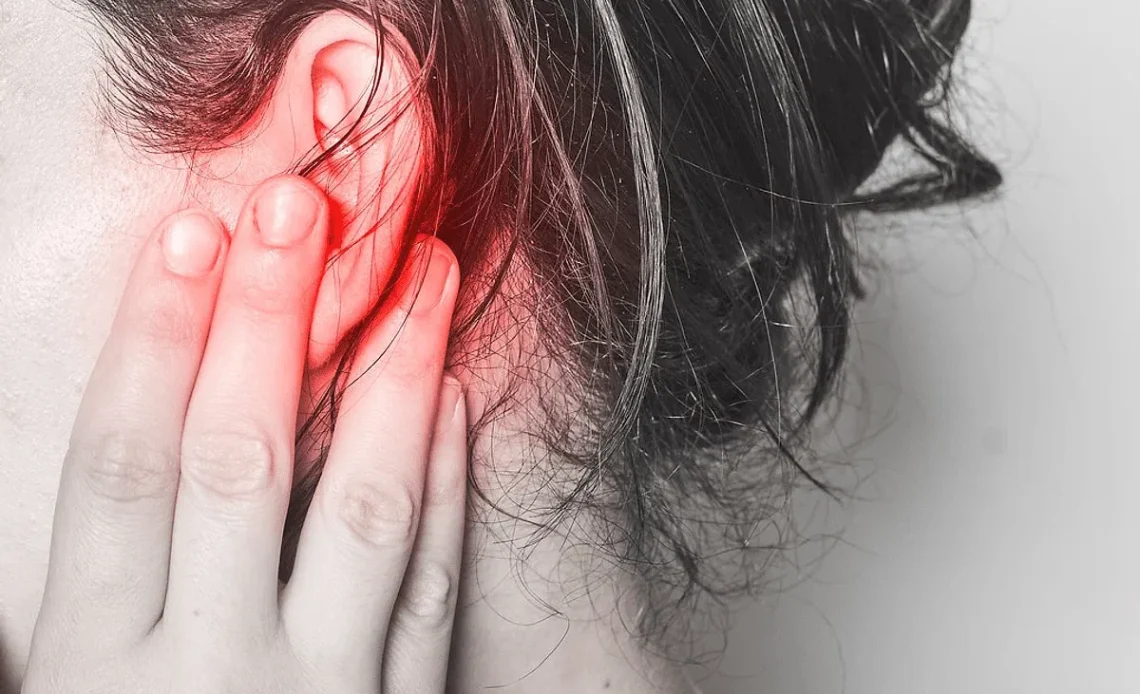
Why does my ear hurt when I chew? This is one of the most searched health questions in 2026, and for good reason. Ear pain during chewing is more common than most people realize. It affects millions of people every year across the world.
The discomfort can range from a mild ache to a sharp, stabbing pain. Most people assume it is an ear infection, but the real cause is often something else entirely. Understanding the connection between your jaw and your ear is the first step toward lasting relief.
The TMJ–Ear Connection: Why Your Ear Feels the Jaw’s Pain
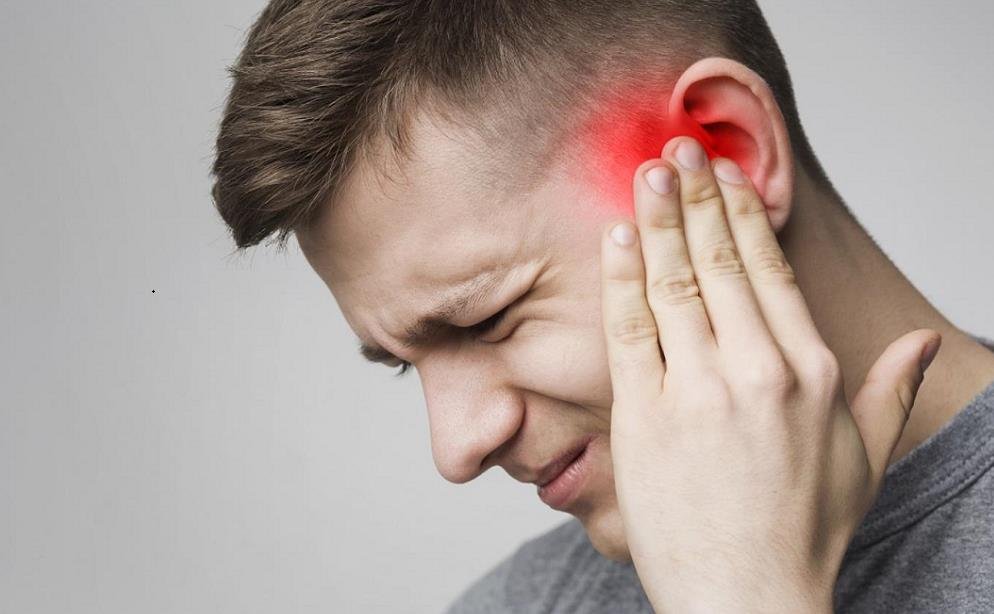
The temporomandibular joint (TMJ) sits just 2 to 3 millimeters from your ear canal. This tiny distance is the core reason why does my ear hurt when I chew is such a common complaint.
The TMJ and the ear share nerve pathways through the trigeminal nerve. When the jaw joint becomes inflamed or misaligned, that pain signal travels straight to the ear.
This is called referred pain. Your ear is perfectly healthy, but it feels the hurt coming from the jaw joint next door.
What Is the TMJ and Why Does It Matter?
The temporomandibular joint connects your lower jawbone (mandible) to your skull (temporal bone). You have one on each side of your face, right in front of each ear.
Every time you chew, talk, yawn, or swallow, this joint is working. It moves in a hinge-and-sliding motion to break down food.
When this joint is stressed, irritated, or damaged, pain spreads fast to the surrounding areas including the ear, temple, cheek, and neck.
Top Causes: Why Does My Ear Hurt When I Chew?
Here is a complete breakdown of every major cause, backed by medical research and competitor analysis.
1. TMJ Disorder (TMD)
TMJ disorder is the number one cause of ear pain when chewing. According to the National Institute of Dental and Craniofacial Research, TMD affects up to 12 million people in the United States alone.
Women are twice as likely to develop TMD as men. Most cases appear between ages 20 and 40.
When the TMJ becomes inflamed or the cartilage disc inside shifts out of place, the pain radiates directly into the ear canal. You may also hear clicking or popping sounds when you open your mouth.
2. Bruxism (Teeth Grinding)
Bruxism means grinding or clenching your teeth, usually during sleep. This puts extreme pressure on the TMJ and surrounding muscles.
Over time, this repeated stress inflames the joint and causes ear pain that shows up during the day when you chew. Many people with bruxism do not even know they grind their teeth until a dentist notices the wear.
A night guard or mouth splint is one of the most effective treatments for bruxism-related ear pain.
3. Ear Infections (Otitis Media and Otitis Externa)
Middle ear infections (otitis media) cause fluid buildup and pressure inside the ear. When you chew, jaw movement changes the pressure further and intensifies the pain.
Outer ear infections, known as swimmer’s ear or otitis externa, inflame the ear canal. Since the jaw sits right next to the canal, chewing stretches the inflamed tissue and causes sharp pain.
Both types of infections usually come with other symptoms like fever, discharge, or muffled hearing.
4. Dental Abscess
A dental abscess is a bacterial infection inside a tooth or in the gum tissue around it. Upper molar roots sit close to nerve pathways that connect directly to the ear.
When an abscess forms in this area, pain travels up through the trigeminal nerve and feels like an earache. You may also notice tooth sensitivity to hot or cold food, facial swelling, or a bad taste in your mouth.
A dentist needs to drain the abscess and treat the infection with antibiotics.
5. Eustachian Tube Dysfunction
The Eustachian tube connects the middle ear to the back of the throat. Its job is to equalize pressure and drain fluid.
When the tube becomes blocked due to allergies, sinus infections, or illness, pressure builds up inside the ear. Chewing movements can make this worse and cause pain or a feeling of fullness in the ear.
Decongestants and allergy medications often help resolve Eustachian tube problems.
6. Impacted Wisdom Teeth
Wisdom teeth that do not have enough room to erupt properly become impacted. They push against the surrounding bone and soft tissue.
This pressure can radiate to the jaw joint and up into the ear. If you feel ear pain along with jaw soreness and difficulty opening your mouth fully, an impacted wisdom tooth may be the culprit.
An oral surgeon or dentist can take an X-ray to confirm and recommend extraction if needed.
7. Sinusitis
Your sinuses sit close to the ear canal and the jaw. When the sinuses become infected or inflamed, the swelling can press on nearby structures and cause referred ear pain.
Chewing increases pressure in your head and face, which can make sinus-related ear pain worse. You will likely also notice nasal congestion, facial pressure, and a headache if sinusitis is the cause.
8. Arthritis in the TMJ
Both osteoarthritis and rheumatoid arthritis can affect the temporomandibular joint. Arthritis wears down the cartilage inside the joint, causing friction, inflammation, and pain.
Since the joint sits right next to the ear, arthritic pain during chewing often feels like it is coming from inside the ear itself. People with TMJ arthritis may also notice morning jaw stiffness that improves throughout the day.
9. Jaw Muscle Tension and Overuse
Excessive gum chewing, eating hard or tough foods regularly, or clenching your jaw under stress can overwork the chewing muscles.
These muscles run along the side of your head and face. When they become tight and fatigued, they can cause pain that spreads to the ear and temple.
Resting the jaw, eating soft foods, and stress management can bring quick relief in these cases.
10. Referred Pain from Other Sources
Sometimes the ear pain has nothing to do with the ear or jaw directly. The trigeminal nerve serves a wide area of your face, jaw, teeth, and ear.
Pain from a throat infection, tonsillitis, or even a sore throat can travel through these shared nerve pathways and feel like it is inside your ear. This is referred pain, and it often confuses patients who assume they have an ear infection.
Symptoms Comparison Table
| Cause | Main Symptom | Other Signs |
|---|---|---|
| TMJ Disorder | Jaw and ear ache when chewing | Clicking jaw, headache, facial pain |
| Bruxism | Dull ear pain in morning | Worn teeth, sore jaw on waking |
| Otitis Media | Deep throbbing ear pain | Fever, hearing loss, discharge |
| Swimmer’s Ear | Sharp pain on jaw movement | Itchy ear canal, discharge |
| Dental Abscess | Tooth and ear pain together | Swelling, bad taste, tooth sensitivity |
| Eustachian Tube Dysfunction | Ear fullness and pressure | Muffled hearing, popping sounds |
| Impacted Wisdom Teeth | Jaw and ear ache at back of mouth | Difficulty opening mouth wide |
| Sinusitis | Ear pressure with facial pain | Nasal congestion, headache |
| TMJ Arthritis | Stiff jaw and ear pain | Worse in morning, grinding feeling |
How Is Ear Pain When Chewing Diagnosed?
A doctor or dentist will begin with a physical exam. They will check how your jaw moves, feel for tenderness around the joint, and look inside your ear.
They may order imaging such as an X-ray, CT scan, or MRI to see the jaw joint, teeth, and surrounding structures clearly. An ENT specialist can examine the ear canal and eardrum to rule out infection.
Getting the right diagnosis early is important. Many people cycle through ear infection treatments for months before a dentist identifies the real cause as TMJ disorder.
Treatment Options Based on Cause
Home Remedies That Work
Warm compresses applied to the jaw for 15 to 20 minutes reduce inflammation in the TMJ. Cold packs can numb acute pain after a flare-up.
Eating soft foods like yogurt, mashed potatoes, and soups gives the jaw joint time to rest and recover. Avoiding hard, crunchy, or chewy foods during a flare makes a noticeable difference.
Over-the-counter NSAIDs like ibuprofen (400 to 600 mg every 6 to 8 hours) help control both pain and inflammation. Always follow dosage guidelines on the label.
Professional Medical Treatments
| Treatment | Best For |
|---|---|
| Night guard / mouth splint | Bruxism, TMJ disorder |
| Physical therapy (jaw exercises) | TMJ dysfunction, muscle tension |
| Antibiotics | Ear infection, dental abscess |
| Corticosteroid injections | Severe TMJ inflammation |
| Dental abscess drainage | Infected tooth |
| Wisdom tooth extraction | Impacted wisdom teeth |
| Decongestants / antihistamines | Eustachian tube dysfunction, sinusitis |
| Jaw surgery (rare) | Severe structural TMJ damage |
Jaw Exercises That Help
Two exercises are backed by physical therapy research for TMJ pain relief.
The relaxed jaw exercise involves letting your jaw hang loose, resting your tongue gently on the roof of your mouth, and allowing your teeth to part slightly. Hold for 30 seconds.
The resisted mouth opening exercise involves placing your thumb under your chin and gently pushing resistance while you slowly open your mouth. This strengthens the jaw muscles and improves joint stability.
When Should You See a Doctor?
Not all ear pain when chewing needs an emergency visit. But some warning signs demand prompt medical attention.
See a doctor right away if you notice fever above 38°C (101°F), sudden hearing loss, discharge or bleeding from the ear, severe swelling around the jaw or neck, or difficulty swallowing and breathing.
These symptoms could point to a serious infection or other condition that needs immediate care.
Lifestyle Changes to Prevent Ear Pain When Chewing
Small daily habits have a big impact on jaw and ear health over time. Reducing stress is one of the most powerful changes you can make, since stress leads to jaw clenching and muscle tension.
Practice good posture, especially if you work at a desk. Poor neck and shoulder posture puts extra strain on the jaw joint.
Avoid habits that overwork the jaw such as chewing gum for long periods, biting your nails, or holding a phone between your ear and shoulder. These all increase pressure on the TMJ.
Why Does My Ear Hurt When I Chew on One Side Only?
If the pain is only on the left or right side, it usually means the problem is localized to that specific TMJ, tooth, or ear. TMJ disorder often affects one joint more than the other.
A dental abscess or impacted wisdom tooth on one side of the mouth is another common reason for one-sided ear pain during chewing. An ear infection also typically starts in one ear.
Seeing a dentist with a full X-ray can quickly identify whether the issue is dental or structural.
Children and Ear Pain When Chewing
Children often cannot explain where their pain is coming from, so they may seem fussy during meals. Ear pain while chewing in children is most commonly caused by otitis media (middle ear infection).
Eustachian tube dysfunction is also very common in children because their tubes are shorter and more horizontal than in adults, making drainage harder.
If your child consistently seems uncomfortable while eating or pulls at their ear, a visit to a pediatrician is the right first step.
Frequently Asked Questions (FAQs)
Why does my ear hurt when I chew but I have no ear infection?
The most likely cause is TMJ disorder. The jaw joint sits millimeters from your ear, and inflammation there creates referred pain that feels like it is inside the ear even when the ear is completely healthy.
Can a cavity cause ear pain when chewing?
Yes. Cavities in upper molar teeth sit near nerve pathways connected to the ear. When a cavity becomes infected or forms an abscess, the pain travels through the trigeminal nerve and feels like an earache.
Does TMJ disorder go away on its own?
Mild TMJ symptoms can improve with rest, soft foods, and over-the-counter pain relief. However, moderate to severe cases need professional treatment such as a night guard, physical therapy, or medication.
Why does my ear feel full when I chew?
A feeling of fullness in the ear when chewing is often a sign of Eustachian tube dysfunction. The tube is blocked and cannot equalize pressure properly. Swallowing and jaw movement make the sensation more noticeable.
Is it safe to use heat on my jaw for TMJ ear pain?
Yes. Applying a warm compress to the jaw and ear area for 15 to 20 minutes at a time is safe and effective for reducing TMJ inflammation and muscle tension.
Can stress cause ear pain when chewing?
Yes, indirectly. Stress causes people to clench their jaw muscles and grind their teeth. Over time this overloads the TMJ and leads to ear pain when chewing, especially after stressful periods.
How long does TMJ ear pain last?
With proper treatment and jaw rest, mild TMJ ear pain often improves within a few days to two weeks. Chronic TMJ disorder may require longer treatment lasting several months under professional care.
Can chewing gum cause ear pain?
Yes. Excessive gum chewing repeatedly strains the TMJ and surrounding muscles. This is one of the most common lifestyle triggers for jaw-related ear pain. Stopping or limiting gum chewing often brings fast relief.
What type of doctor should I see for ear pain when chewing?
Start with your dentist, as most cases are jaw or dental in origin. You may also see an ENT (ear, nose, and throat specialist) if infection is suspected, or a physical therapist for TMJ rehabilitation.
Can ear pain when chewing be a sign of something serious?
Most cases are not serious. However, if pain is severe, accompanied by fever, hearing loss, neck swelling, or discharge from the ear, seek medical attention promptly as these can indicate a serious infection.
Conclusion
Why does my ear hurt when I chew? The answer is almost never as simple as an ear infection. In most cases, the real source of the pain is your jaw joint, your teeth, or your chewing muscles. The TMJ sits so close to the ear canal that pain from even mild inflammation travels instantly and feels like a deep earache.
The good news is that most causes are very treatable. Simple changes like resting your jaw, eating soft foods, applying warm compresses, and reducing stress can bring meaningful relief within days. For persistent or severe pain, a dentist or ENT specialist can quickly identify the exact cause and create a personalized treatment plan.
Do not ignore ear pain that keeps coming back during meals. Early diagnosis leads to faster recovery and prevents the condition from becoming chronic. If your ear hurts every time you chew, it is your body asking you to pay attention. Listen to it and take action today.


