


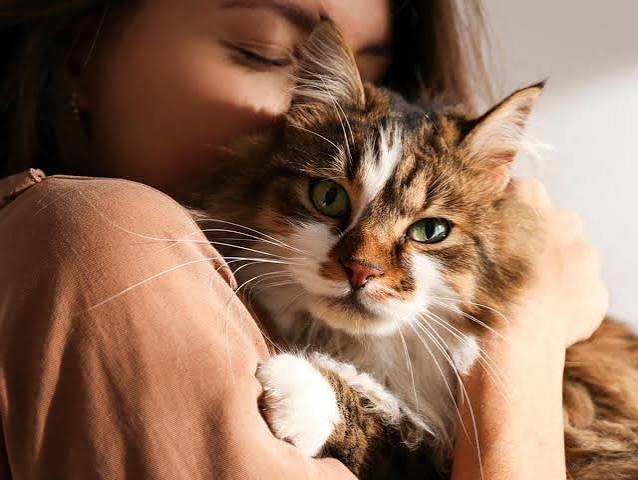
Why does my cat lay on my chest? In almost every case, it comes down to trust, warmth, and a genuine bond with you. Cats are cautious animals, and choosing a spot as vulnerable as your chest means they feel completely safe in your presence.
The steady rhythm of your heartbeat and breathing, combined with your body warmth and familiar scent, creates a sense of comfort that reminds them of nurturing moments from kittenhood.
Quick Overview: Common Reasons at a Glance
Here is a fast summary table of the most common reasons cats lay on their owner’s chest.
| Reason | What It Reflects |
|---|---|
| Trust and bonding | Deep emotional attachment to you |
| Warmth-seeking | Your chest is a reliable heat source |
| Heartbeat and breathing rhythm | Reminds them of comfort as kittens |
| Scent marking | Claiming you as part of their territory |
| Seeking attention | Wanting interaction or food |
| Self-soothing through purring | Reducing their own stress |
| Sensing your emotions | Responding to your mood or stress |
| Personality and imprinting | Some cats are simply more affectionate |
Trust Is the Foundation of This Behavior
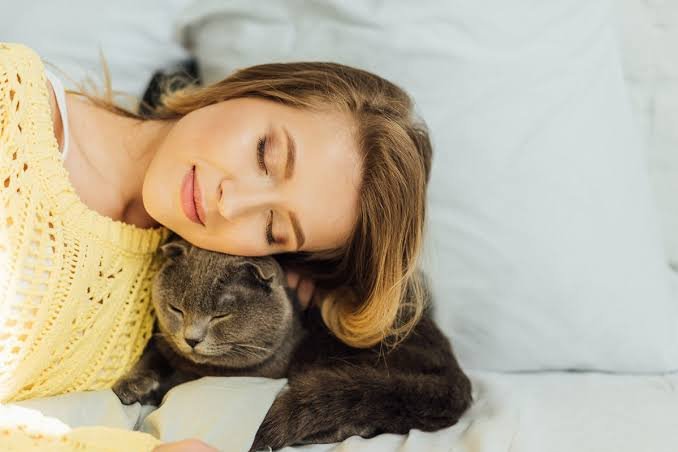
Cats are naturally cautious animals that carefully choose where they feel safe enough to rest. Laying on your chest is one of the most vulnerable positions a cat can choose.
When your cat settles directly on top of you, it means they’ve decided you pose no threat and that this spot feels secure enough to fully relax.
Why Your Chest Specifically Feels Safe
Your chest offers a unique combination of warmth, movement, and sound that few other spots in the house can replicate.
The rise and fall of your breathing, paired with your heartbeat, creates a rhythmic sensation that many cats find deeply calming.
The Heartbeat Connection
Kittens experience their mother’s heartbeat constantly while nursing and snuggling in the earliest weeks of life. This rhythmic sound becomes associated with safety and comfort.
As adult cats, many still seek out that same steady beat, which is part of why your chest can feel so appealing to them.
What this means for you: Your cat may be unconsciously recreating an early, comforting memory every time they curl up on you.
Cats Love Warmth, and Your Body Delivers It
Cats have a naturally higher body temperature than humans, typically around 101 to 102.5 degrees Fahrenheit, which makes them instinctively drawn to warm spots.
Your chest provides consistent, reliable heat, especially appealing during cooler months or for older cats and those with thinner fur.
What this means for you: If your cat seeks you out more in winter, warmth is likely playing a bigger role than usual.
Scent Marking and Bonding
Cats have scent glands located on their face, cheeks, and paws, which they use to mark people and objects they consider part of their territory.
When your cat rests or rubs against your chest, they’re often depositing their scent, a behavior rooted in social bonding rather than possessiveness in a negative sense.
What this means for you: This scent exchange is a sign your cat considers you a trusted, familiar part of their world.
Purring: More Than Just Contentment
Purring while laying on your chest usually signals happiness, but it can also serve as a self-soothing mechanism for your cat.
Some research suggests the frequency of a cat’s purr may even have mild physiological benefits, which is part of why this behavior feels so mutually calming.
What this means for you: Occasional purring during mild stress isn’t necessarily a bad sign, but a sudden increase paired with other changes is worth watching.
Seeking Attention or Anticipating Food
Sometimes a cat laying on your chest, especially in the morning, is a gentle way of waking you up for feeding time.
Cats are highly routine-oriented, and if chest-laying consistently happens before meals, your cat may simply be reminding you it’s time to eat.
What this means for you: Notice the timing. If it’s mostly tied to mealtimes, hunger may be the primary motivation.
Sensing Your Emotions
Cats are surprisingly perceptive animals, and some evidence suggests they can pick up on changes in human stress levels or emotional state.
Many owners notice their cat becomes more affectionate, including chest-laying, during periods of illness, sadness, or high stress.
What this means for you: Your cat may be responding to subtle cues from you, offering comfort in their own instinctive way.
Personality Differences Between Cats
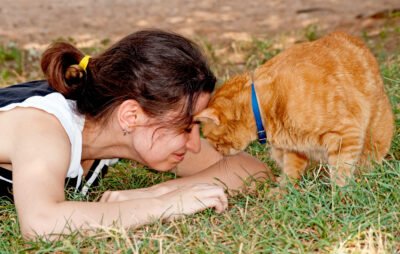
Not every cat is a natural “chest cat,” and that’s completely normal. Some cats prefer close contact, while others show affection differently.
According to cat behavior experts, personality plays a major role, with some cats loving physical closeness and others becoming easily overstimulated by too much contact.
Comparing Chest-Laying to Other Sleeping Spots
Where your cat chooses to rest offers useful clues about their comfort level and personality. This table compares common locations and what they typically indicate.
| Sleeping Location | What It Often Means |
|---|---|
| On your chest | Deep trust, warmth-seeking, strong bond |
| Beside you, not touching | Trust and companionship with independence |
| At your feet | Attachment while maintaining some distance |
| Hidden spots or boxes | Preference for privacy, not necessarily distrust |
| On your lap | Similar bonding, slightly less vulnerable position |
Cat Imprinting Explained
Cat imprinting happens when a cat forms an especially strong bond with a specific person, often during their early weeks of life.
Cats that have imprinted on their owner may be more likely to consistently seek out chest-laying and other close-contact behaviors as adults.
Signs Your Cat Is Relaxed and Happy While Chest-Laying
Body language offers helpful clues about whether your cat is truly comfortable during this behavior or simply passing through a phase of restlessness.
| Body Language Sign | What It Indicates |
|---|---|
| Closed or half-closed eyes | Relaxation and contentment |
| Kneading with paws | Comfort, often tied to nursing instincts |
| Slow blinking | Trust and affection toward you |
| Curled, loaf-like position | Feeling safe and settled |
| Tail twitching | Possible mild irritation or overstimulation |
Kneading: A Kitten Behavior That Sticks Around
Kneading is the paw-pressing motion many cats do while settling into a comfortable spot, often before or during chest-laying.
This behavior originates from nursing kittens stimulating milk flow from their mother, and many adult cats continue the habit purely out of comfort.
What this means for you: Kneading on your chest is generally a strong sign of contentment and trust, even if the claws occasionally catch you off guard.
When Chest-Laying Might Disrupt Your Sleep
While comforting, having a cat regularly sleep on your chest can sometimes interfere with your own sleep quality or breathing comfort.
If this becomes an issue, gently and consistently redirecting your cat to a nearby bed or blanket can help set a new routine over time.
What helps: Placing a warm blanket or heated cat bed close to where you sleep gives your cat a similarly cozy alternative.
Should You Ever Discourage This Behavior?
In most cases, there’s no medical or behavioral reason to stop your cat from laying on your chest if you both enjoy it.
Reasons to gently redirect include personal discomfort, allergies, hygiene concerns, or if the behavior becomes overwhelming during sleep.
When Chest-Laying Might Signal Something Else
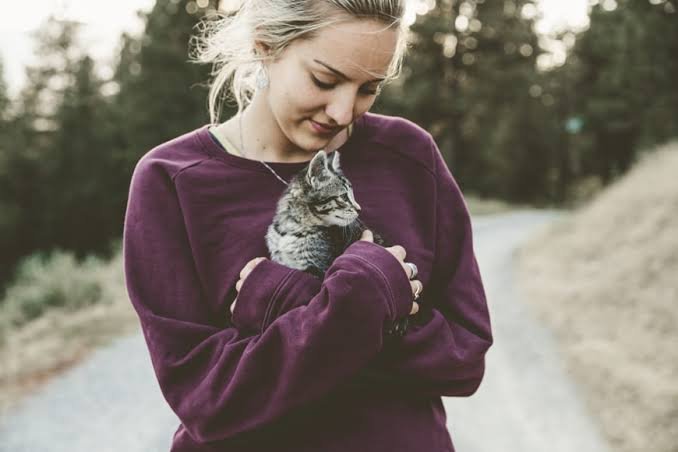
While this behavior is usually a wonderful sign of affection, sudden changes in frequency or intensity can occasionally point to something worth monitoring.
| Change in Behavior | Possible Meaning |
|---|---|
| Sudden increase in clinginess | Stress, anxiety, or illness |
| Cat stops chest-laying abruptly | Discomfort, pain, or environmental stress |
| Excessive kneading with distress sounds | Possible discomfort or anxiety |
| Chest-laying paired with lethargy | Warrants a veterinary check |
| Restlessness instead of settling | May indicate discomfort or pain |
The Health Benefits for You, Too
Interestingly, this bonding behavior isn’t one-sided. Interacting with your cat, including petting and listening to purring, has been associated with reduced stress and lower blood pressure in humans.
The rhythmic sound of purring paired with physical closeness can create a genuinely calming effect for both of you during moments of rest.
Cultural and Emotional Interpretations
Some cat owners find personal or symbolic meaning in this behavior, describing it as their cat offering comfort during difficult emotional moments.
While this interpretation isn’t scientifically proven, it reflects how deeply many people experience the emotional connection formed through this simple, quiet habit.
How to Encourage a Closer Bond With Your Cat
If you’d love to see more of this affectionate behavior, a few consistent habits can help strengthen trust and closeness over time.
Spend quiet, low-pressure time near your cat regularly. Use slow blinking to communicate calm affection. Maintain a predictable routine, since cats feel most secure when they know what to expect.
Bonding Tips Table
| Tip | Why It Helps |
|---|---|
| Consistent daily routine | Builds a sense of safety and predictability |
| Gentle, slow movements | Reduces perceived threat |
| Offering a warm lap or blanket | Encourages closeness without forcing it |
| Respecting their space when needed | Builds long-term trust |
| Positive reinforcement with treats | Associates closeness with good experiences |
Myths About Cats Laying on Your Chest
A few common misconceptions are worth clearing up, since believing them can lead to unnecessary worry or missed signals.
Myth: Only “lap cats” show real affection. Fact: Cats express love in many ways, and personality differences don’t reflect how much a cat cares about you.
Myth: A cat laying on your chest is always about warmth alone. Fact: Warmth plays a role, but trust and emotional bonding are usually the primary drivers.
Myth: Sudden chest-laying always means something is wrong. Fact: It’s often simply a sign of comfort, though sudden extreme changes alongside other symptoms deserve attention.
Key Takeaways Before You Go
Chest-laying is one of the clearest, most consistent signs of trust and affection a cat can show, rooted in warmth, heartbeat familiarity, and genuine bonding.
Paying attention to your cat’s body language and any sudden changes in this habit helps you enjoy the behavior while staying alert to their overall wellbeing.
Age and Chest-Laying Behavior
A cat’s age can influence how often and how intensely they seek out chest-laying, since comfort preferences often shift over a lifetime.
Kittens may not yet have developed a strong preference, while adult cats with an established bond often show consistent chest-seeking behavior once trust is fully formed.
Senior cats frequently increase this behavior as they age, partly due to a greater need for warmth and partly due to deepening attachment to their long-term owner.
Breed Tendencies and Affection Styles
While individual personality matters most, some cat breeds are commonly described as more likely to seek close physical contact than others.
| Breed Tendency | General Affection Style |
|---|---|
| Ragdoll | Often very affectionate, enjoys close contact |
| Siamese | Vocal, people-oriented, seeks closeness |
| Maine Coon | Friendly, but not always a lap or chest cat |
| Persian | Calm, enjoys gentle cuddling |
| Bengal | Energetic, affection varies by individual |
These tendencies are general patterns rather than guarantees, since individual upbringing and bonding experiences often matter more than breed alone.
The Difference Between Male and Female Cats
Some owners wonder whether gender influences affectionate behaviors like chest-laying, though the evidence here is mostly anecdotal rather than firmly established.
Personality, early socialization, and the strength of the individual bond with an owner tend to matter far more than whether a cat is male or female.
How Early Life Experiences Shape This Behavior
Cats that were handled gently and frequently as kittens often grow into adults more comfortable with close physical affection, including chest-laying.
Rescue cats or those with limited early socialization may take longer to develop this level of trust, but many still form deep bonds over time with patience.
What this means for you: If your cat doesn’t chest-lay yet, it doesn’t mean they don’t love you. Trust simply builds at different speeds for different cats.
Multi-Cat Households and Chest-Laying
In homes with multiple cats, you may notice one cat consistently claims your chest while others prefer different spots entirely.
This often reflects individual personality and bonding strength rather than competition, since cats generally settle into their own preferred routines and locations over time.
Comparing Cat and Dog Chest-Cuddling Behavior
Both cats and dogs can display chest-cuddling behavior, though the underlying motivations carry some interesting similarities and differences.
| Aspect | Cats | Dogs |
|---|---|---|
| Primary motivation | Trust, warmth, scent bonding | Pack bonding, security, warmth |
| Vulnerability signal | Strong, cats rarely expose themselves this way | Also strong, though more commonly displayed |
| Purring or vocalizing | Common while settling | Not applicable, dogs may sigh or groan |
| Frequency | Varies heavily by individual cat | Often more consistently displayed |
What Veterinarians Say About This Behavior
Veterinary professionals generally view chest-laying as a healthy, normal expression of feline affection rather than a behavior requiring concern.
Vets do recommend monitoring for sudden changes, since shifts in a cat’s typical resting habits can sometimes be an early indicator of pain or illness.
What this means for you: Enjoy the behavior as a genuine bonding moment, while staying attentive to any unusual shifts over time.
Creating the Ideal Environment for Bonding
A calm, predictable home environment tends to encourage more affectionate behaviors like chest-laying, since cats feel most comfortable when stress is minimized.
Reducing loud noises, maintaining consistent feeding times, and providing safe resting spots throughout the home all contribute to a cat’s overall sense of security.
What helps: A stable routine paired with gentle, low-pressure interaction tends to build trust more effectively than forced closeness.
A Quick Note on Allergies and Hygiene
If you love this bonding time but deal with mild allergies, a few small adjustments can help you enjoy chest-cuddling more comfortably.
Regular grooming, washing bedding frequently, and keeping your cat’s paws and coat clean can reduce allergen buildup without eliminating this special routine altogether.
What helps: Speak with your doctor about allergy management options if symptoms are more than mild, so you don’t have to give up this bonding time entirely.
Frequently Asked Questions (FAQs)
10 quick, focused answers to the most common questions cat owners ask about chest-laying behavior.
1. Why does my cat lay on my chest and purr?
Purring while chest-laying usually signals contentment and comfort, though it can also serve as a self-soothing behavior during mild stress.
2. Is it bad for my cat to sleep on my chest?
No, it’s generally a healthy sign of trust and bonding, though you can redirect them if it disrupts your sleep or comfort.
3. Why does my cat only lay on my chest at night?
Nighttime is often when cats seek warmth and closeness most, especially since you’re stationary and relaxed, making it an ideal bonding moment.
4. Does my cat lay on my chest because it’s cold?
Warmth is a real factor, especially in cooler months, but it’s usually combined with trust and bonding rather than temperature alone.
5. Why did my cat suddenly stop laying on my chest?
Sudden changes can reflect stress, discomfort, or a shift in the environment, and persistent changes are worth mentioning to your vet.
6. Is my cat marking me as territory when it lays on my chest?
Yes, cats have scent glands and often leave their scent through this contact, which reflects bonding rather than negative possessiveness.
7. Why does my cat knead my chest before laying down?
Kneading is a leftover kitten nursing behavior that many adult cats continue as a sign of comfort and contentment.
8. Can cats sense when I’m stressed or sad?
Many cats appear to pick up on human emotional cues and may increase affectionate behaviors like chest-laying during these times.
9. Why does my cat lay on my chest but not my partner’s?
This often reflects a stronger bond or more consistent positive interactions with you specifically, rather than dislike toward your partner.
10. Should I be concerned if my cat becomes overly clingy?
Occasional increased affection is normal, but sudden, extreme clinginess paired with other symptoms should be evaluated by a veterinarian.
Conclusion
When your cat lays on your chest, it’s almost always a heartwarming sign that they trust you completely, feel safe in your presence, and are drawn to your warmth, heartbeat, and familiar scent.
This gentle habit connects back to kittenhood comfort, social bonding through scent marking, and each cat’s unique personality, with some felines naturally more prone to close physical contact than others.
While the behavior is typically nothing to worry about, sudden changes such as increased clinginess, restlessness, or your cat abruptly stopping the habit can sometimes signal stress or a health issue worth mentioning to your veterinarian.
If the nightly cuddles ever become uncomfortable for you, gently and consistently redirecting your cat to a nearby warm bed can help without damaging your bond.
In most cases, though, this behavior is simply your cat’s way of saying you’re their favorite, safest place to be, and it’s a habit worth cherishing rather than second-guessing, since so few animals choose to make themselves this vulnerable with anyone they don’t fully trust.


