


Why are my feet hot at night? For most people, it’s a normal part of falling asleep, caused by a process called distal vasodilation, where blood flow increases to your hands and feet to help lower your core body temperature.
In most cases, this warmth is harmless and even helps you fall asleep faster. But for others, it turns into an uncomfortable burning sensation linked to nerve damage, poor circulation, hormonal shifts, or vitamin deficiencies.
What Does It Mean When Your Feet Feel Hot at Night?

Hot feet at night can range from mild, comfortable warmth to an intense burning sensation that disrupts sleep.
The Normal Explanation: Distal Vasodilation
As your body prepares for sleep, it increases blood flow to your feet and hands to release core body heat.
This process, called distal vasodilation, is completely normal and usually helps you fall asleep faster.
When Warmth Becomes a Problem
For some people, this natural warmth turns into burning, tingling, or a “walking on hot sand” sensation.
This is often referred to as burning feet syndrome, and it can point to an underlying medical condition.
Common Causes of Hot Feet at Night
Several factors, ranging from harmless to medical, can explain why your feet feel hot after you lie down.
Peripheral Neuropathy
Nerve damage is the most common cause of hot or burning feet, often linked to diabetes, alcohol use, or infections.
Because nerves are affected first in the longest parts of the body, symptoms often start in the toes and feet.
Diabetic Neuropathy
High blood sugar over time can damage the small nerves in the feet, leading to burning sensations at night.
Left untreated, diabetic neuropathy can worsen and lead to more serious complications over time.
Poor Circulation
Reduced blood flow to the feet can cause discomfort, especially when lying down changes how blood moves through the legs.
Hormonal Changes
Pregnancy, menopause, and thyroid conditions like hypothyroidism can all trigger episodes of hot feet at night.
Vitamin Deficiencies
Low levels of B vitamins, especially B12, B6, and folate, can directly affect nerve health and cause burning feet.
Athlete’s Foot
This fungal infection, also called tinea pedis, can cause burning, tingling, and itchiness, especially in warm, enclosed shoes.
Erythromelalgia
This rare condition causes redness, burning, and pain in the feet and hands, often triggered by rising body heat.
Kidney Disease
Impaired kidney function can lead to a buildup of toxins in the blood, which may contribute to burning sensations in the feet.
Table: Common Causes and Key Signs
| Cause | Key Sign | Common Trigger |
|---|---|---|
| Peripheral neuropathy | Burning, tingling, numbness | Diabetes, alcohol, infections |
| Diabetic neuropathy | Burning starting in toes | Long-term high blood sugar |
| Poor circulation | Heaviness, mild burning | Sitting or standing for long periods |
| Hormonal changes | Warmth with hot flashes | Pregnancy, menopause, thyroid issues |
| Vitamin deficiency | Tingling, weakness | Low B12, B6, or folate |
| Athlete’s foot | Itching, burning between toes | Fungal infection |
| Erythromelalgia | Redness, intense heat | Rising body temperature |
| Kidney disease | Burning with swelling | Toxin buildup in blood |
Why Hot Feet Feel Worse at Night
Many people notice their feet feel hotter or more uncomfortable specifically after lying down to sleep.
Fewer Daytime Distractions
During the day, your attention is pulled elsewhere, making mild discomfort easier to ignore.
Increased Blood Flow While Lying Down
Lying flat changes blood flow patterns, sending more circulation to already irritated or damaged nerve endings.
Body Temperature Regulation
As your core temperature drops for sleep, the resulting heat release to your feet can intensify existing burning sensations.
What Hot or Burning Feet Actually Feel Like
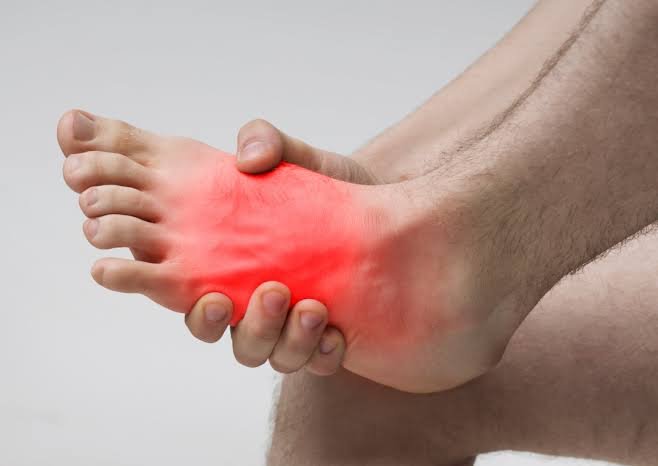
The sensation of hot feet at night can vary significantly from person to person.
Table: How People Describe Hot Feet
| Description | Common Cause |
|---|---|
| Walking on hot sand or coals | Nerve irritation or neuropathy |
| Sharp, stabbing pins and needles | Nerve damage |
| Constant tingling | Peripheral neuropathy |
| Numbness mixed with burning | Advanced nerve damage |
| Shooting pain up the ankles | Nerve or circulation issues |
| Sensitivity to light touch, like sheets | Hypersensitivity from nerve dysfunction |
Lifestyle Factors That Contribute to Hot Feet
Not all causes of hot feet are medical; everyday habits can play a role too.
Ill-Fitting or Tight Shoes
Shoes that are too tight can restrict circulation and trap heat throughout the day, leading to discomfort at night.
Standing for Long Hours
People who stand on hard floors for extended periods often notice more foot heat and discomfort later at night.
Excessive Alcohol Consumption
Long-term heavy alcohol use can damage peripheral nerves, contributing to burning sensations in the feet.
Synthetic Socks and Poor Airflow
Non-breathable materials can trap heat and moisture, creating a warm environment that worsens discomfort.
Table: Lifestyle Triggers and Simple Fixes
| Trigger | Simple Fix |
|---|---|
| Tight shoes | Switch to properly fitted, breathable footwear |
| Standing for long hours | Take breaks, use supportive insoles |
| Heavy alcohol use | Reduce intake, consult a doctor if needed |
| Synthetic socks | Switch to breathable cotton or wool socks |
| Heavy bedding | Use lighter sheets and blankets |
Medical Conditions Linked to Hot Feet at Night
While many cases are mild, some underlying conditions require proper diagnosis and long-term management.
Diabetes
One of the leading causes of nerve-related hot feet, diabetes requires blood sugar management to prevent worsening symptoms.
Thyroid Disorders
An underactive thyroid can affect circulation and nerve function, contributing to warmth or burning in the feet.
Chronic Kidney Disease
As kidney function declines, toxin buildup can irritate nerves and contribute to burning sensations.
Alcohol-Related Neuropathy
Long-term alcohol misuse can directly damage peripheral nerves, leading to chronic burning feet symptoms.
Home Remedies to Cool Down Hot Feet at Night
Several simple strategies can help reduce discomfort and improve sleep quality.
Soak Feet in Cool Water
A brief cool water soak before bed can lower foot temperature and ease mild burning sensations.
Elevate Your Feet
Raising your feet slightly can improve circulation and reduce the intensity of nighttime warmth.
Choose Breathable Bedding
Lightweight, breathable sheets and blankets help prevent excess heat buildup around your feet.
Apply a Cooling Foot Cream
Menthol-based or cooling foot creams can offer temporary relief from burning sensations.
Maintain a Cool Bedroom Temperature
Keeping your room slightly cooler can help regulate your body’s natural heat release process at night.
Table: Home Remedies at a Glance
| Remedy | How It Helps | Time to Relief |
|---|---|---|
| Cool water soak | Lowers foot temperature | Immediate, short-term |
| Elevating feet | Improves circulation | Same night |
| Breathable bedding | Reduces heat buildup | Ongoing |
| Cooling foot cream | Numbs and cools skin | Minutes |
| Cooler room temperature | Supports natural cooling process | Ongoing |
Dietary and Lifestyle Changes That May Help
Long-term relief often comes from addressing root causes through diet and daily habits.
Increase Vitamin B Intake
Foods rich in B vitamins, like leafy greens, eggs, and lean meats, support healthy nerve function.
Manage Blood Sugar Levels
For those with diabetes, consistent blood sugar control can significantly reduce nerve-related burning symptoms.
Reduce Alcohol Consumption
Cutting back on alcohol can help prevent further nerve damage and may improve existing symptoms over time.
Stay Physically Active
Regular movement supports healthy circulation, which can reduce the severity of hot or burning feet.
When to See a Doctor About Hot Feet
While occasional warmth is normal, certain signs mean it’s time to seek a professional evaluation.
Symptoms that persist for several weeks without improvement should be discussed with a healthcare provider.
Burning that spreads to your lower legs or comes with numbness needs prompt medical attention.
If hot feet develop suddenly after an infected wound or exposure to a toxin, seek emergency care immediately.
Table: When to Seek Care
| Symptom | Recommended Action |
|---|---|
| Mild, occasional warmth | Monitor, try home remedies |
| Persistent burning for weeks | Schedule a doctor’s appointment |
| Burning spreading to lower legs | See a doctor promptly |
| Numbness alongside burning | Medical evaluation needed |
| Sudden onset after infection or toxin exposure | Seek emergency care |
How Doctors Diagnose the Cause of Hot Feet
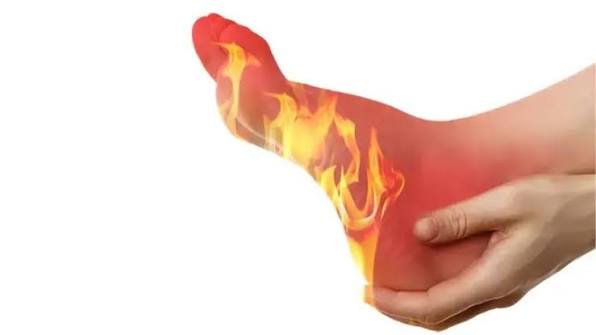
Diagnosing burning feet syndrome typically involves a combination of physical exams and medical history review.
Physical Examination
A doctor will check for signs of nerve damage, circulation issues, or skin infections in the feet.
Blood Tests
Tests can reveal vitamin deficiencies, blood sugar levels, thyroid function, and kidney health.
Nerve Function Tests
In some cases, specialized tests measure how well nerves in the feet are functioning.
Treatment Options for Burning Feet Syndrome
Treatment depends entirely on the underlying cause identified during diagnosis.
Managing Diabetes
Blood sugar control through diet, medication, or insulin can significantly reduce diabetic neuropathy symptoms.
Vitamin Supplementation
If a deficiency is identified, supplements can help restore nerve health over time.
Topical and Oral Medications
Doctors may prescribe creams, oral medications, or nerve pain relievers depending on symptom severity.
Treating Underlying Infections
Antifungal treatment can resolve athlete’s foot, while other infections may require targeted antibiotics.
Table: Treatment Options by Cause
| Cause | Treatment Approach |
|---|---|
| Diabetic neuropathy | Blood sugar management, medication |
| Vitamin deficiency | Supplementation, dietary changes |
| Athlete’s foot | Antifungal treatment |
| Hormonal imbalance | Hormone therapy or thyroid medication |
| Kidney disease | Ongoing medical management |
Hot Feet at Night: Men vs Women
While hot feet affect both men and women, certain causes are more common depending on gender and life stage.
Table: Common Causes by Group
| Group | Common Cause |
|---|---|
| Pregnant women | Hormonal changes, increased blood volume |
| Women in menopause | Hot flashes, hormonal shifts |
| Men with heavy alcohol use | Alcohol-related neuropathy |
| Older adults | Vitamin deficiencies, diabetes |
Preventing Hot Feet at Night Long Term
A few consistent habits can help reduce how often you experience hot or burning feet.
Wear Properly Fitted Shoes
Choosing shoes with adequate room and breathable material helps prevent heat buildup during the day.
Monitor Blood Sugar Regularly
For those at risk of diabetes, regular monitoring helps catch nerve-related issues early.
Prioritize a Balanced Diet
Ensuring adequate vitamin and mineral intake supports long-term nerve and circulation health.
Limit Alcohol Intake
Reducing alcohol consumption helps protect peripheral nerves from long-term damage.
The Science Behind Nighttime Body Temperature Regulation
Understanding how your body naturally regulates temperature helps explain why feet play such a key role at night.
Core Temperature Drop Before Sleep
Your body’s core temperature naturally drops in the evening as part of the sleep-wake cycle regulated by circadian rhythm.
Why Feet and Hands Are Involved
Feet and hands have a high concentration of blood vessels close to the skin, making them efficient at releasing heat.
The Sleep-Temperature Connection
Research shows that warmer feet and hands are linked to faster sleep onset, showing this process is generally beneficial.
Hot Feet vs Cold Feet: Understanding the Difference
Some people experience the opposite problem, and understanding both helps clarify what’s happening in your body.
Table: Hot Feet vs Cold Feet Causes
| Symptom | Possible Cause |
|---|---|
| Hot, burning feet | Nerve damage, hormonal changes, infection |
| Cold feet | Poor circulation, low thyroid function, anemia |
| Alternating hot and cold | Nerve dysfunction or circulatory imbalance |
| Hot feet with swelling | Kidney issues or venous insufficiency |
Interestingly, some nerve conditions can cause both sensations at different times, which can be confusing without proper diagnosis.
Sleep Disorders Linked to Hot or Restless Feet
Hot feet at night can sometimes overlap with other sleep-related conditions that affect the legs and feet.
Restless Legs Syndrome
This condition causes an uncontrollable urge to move the legs, often accompanied by uncomfortable sensations including warmth.
Periodic Limb Movement Disorder
Repetitive leg movements during sleep can sometimes be associated with sensations of heat or discomfort in the feet.
Sleep Apnea and Circulation
Poor oxygen circulation from untreated sleep apnea can contribute to nerve irritation and discomfort in the extremities.
The Role of Footwear and Socks in Nighttime Foot Temperature
What you wear, or don’t wear, to bed can significantly affect how hot your feet feel.
Should You Wear Socks to Bed?
For some people, socks help regulate temperature, while for others, they trap heat and worsen discomfort.
Best Sock Materials for Temperature Control
Breathable materials like cotton or moisture-wicking fabrics tend to work better than synthetic materials for temperature regulation.
Table: Sock Materials Compared
| Material | Breathability | Best For |
|---|---|---|
| Cotton | High | General comfort |
| Wool | Moderate to high | Cooler climates |
| Synthetic blends | Low | Moisture-wicking during activity |
| Bamboo fabric | High | Sensitive skin, breathability |
Mental and Emotional Impact of Chronic Hot Feet
Persistent discomfort at night doesn’t just affect physical comfort; it can also impact overall wellbeing.
Sleep Disruption and Fatigue
Ongoing discomfort that interrupts sleep can lead to daytime fatigue, irritability, and reduced concentration.
Anxiety Around Bedtime
Some people develop anxiety about going to bed when they anticipate uncomfortable symptoms each night.
The Importance of Addressing Root Causes
Treating the underlying cause, rather than just the symptom, often provides the most lasting relief and peace of mind.
Natural Supplements That May Support Nerve Health
Certain natural supplements are sometimes used to support nerve function, though a doctor should guide their use.
Table: Supplements Linked to Nerve Health
| Supplement | Potential Benefit |
|---|---|
| Vitamin B12 | Supports nerve repair and function |
| Alpha-lipoic acid | May reduce nerve pain in some studies |
| Magnesium | Supports nerve and muscle function |
| Vitamin D | Linked to overall nerve and bone health |
Always consult a healthcare provider before starting any supplement, especially if you take other medications.
Quick Checklist Before Your Doctor Visit
Bringing clear details to your appointment helps your doctor identify the cause of hot feet faster.
Note when the sensation started, how often it happens, and whether it affects one or both feet.
Mention any existing conditions like diabetes, thyroid issues, or recent changes in medication or alcohol use.
Track whether the sensation has worsened, stayed the same, or improved over the past several weeks.
Final Thoughts on Managing Hot Feet Long Term
Consistency matters more than any single remedy when it comes to managing hot feet over time.
Combining good footwear habits, a balanced diet, and regular checkups gives you the best chance at lasting comfort.
Tracking your symptoms over several weeks can also help you and your doctor spot patterns more easily.
Frequently Asked Questions (FAQs)
Why are my feet hot at night but not during the day?
Lying down increases blood flow to your feet, and fewer distractions make the sensation more noticeable at night.
Is it normal for feet to feel warm before falling asleep?
Yes, this is called distal vasodilation and is a normal part of your body preparing for sleep.
Can diabetes cause hot feet at night?
Yes, diabetic neuropathy is one of the leading causes of burning or hot feet, especially at night.
What vitamin deficiency causes hot feet?
Low levels of vitamin B12, B6, or folate can directly affect nerve health and cause burning sensations.
Can menopause cause hot feet at night?
Yes, hormonal changes during menopause can trigger hot flashes that include warmth in the feet.
How can I cool my feet down quickly at night?
Try a cool water soak, elevate your feet, or apply a cooling foot cream for fast relief.
When should I see a doctor about hot feet?
See a doctor if symptoms persist for weeks, spread to your legs, or come with numbness.
Can alcohol cause burning feet at night?
Yes, long-term heavy alcohol use can damage peripheral nerves and lead to burning sensations.
Is burning feet syndrome dangerous?
It’s not always dangerous, but persistent symptoms can signal an underlying condition needing treatment.
Can poor circulation cause hot feet at night?
Yes, reduced blood flow can contribute to discomfort, especially when lying down changes circulation patterns.
Conclusion
Hot feet at night are often a completely normal part of your body’s natural cooling process as you prepare for sleep, thanks to increased blood flow to your extremities.
However, when that warmth turns into a persistent burning sensation, it may point to nerve damage, poor circulation, hormonal changes, or a vitamin deficiency that deserves attention.
Simple home remedies like cool water soaks, breathable bedding, and proper footwear can offer quick relief for mild cases.
But if the burning persists for weeks, spreads to your legs, or comes with numbness, it’s important to consult a doctor to identify the underlying cause.
With the right diagnosis and treatment plan, most people find lasting relief and can finally get the comfortable, uninterrupted sleep they deserve.


