



Why am I so sensitive is a question millions of people quietly ask themselves after being told they cry too easily, take things too personally, or feel overwhelmed in situations others seem to shrug off.
Sensitivity is often framed as a flaw, something to apologize for or fix. In reality, research shows it is frequently a natural trait tied to how your nervous system is wired, not a character weakness.
What Does It Mean to Be Highly Sensitive
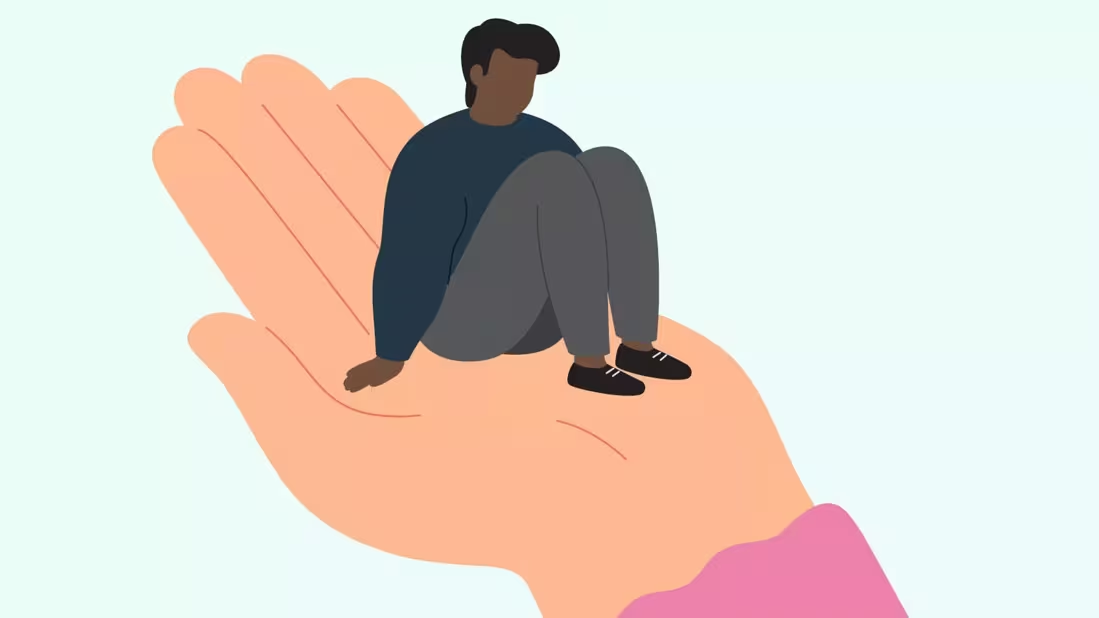
High sensitivity refers to acute physical, mental, and emotional responses to stimuli in your environment or inner world.
This can include sensitivity to sound, light, emotions, criticism, or the moods of the people around you.
Researchers estimate that around 15 to 20 percent of people fall into this highly sensitive category, making it far more common than most assume.
Is Being Sensitive a Bad Thing
Sensitivity itself is not a disorder, weakness, or flaw; it is simply one way a nervous system can be built.
Many highly sensitive people also experience deeper joy, richer creativity, and stronger empathy than those around them.
The challenge usually comes from living in environments that were not designed with sensitive nervous systems in mind.
Common Signs You May Be a Highly Sensitive Person
Recognizing the signs of high sensitivity can help you understand your reactions instead of feeling confused by them.
The table below summarizes traits frequently reported among highly sensitive individuals.
| Sign | How It Shows Up |
|---|---|
| Emotional intensity | Crying easily at movies, music, or personal moments |
| Sensory overload | Feeling overwhelmed by bright lights, loud noise, or crowds |
| Deep processing | Replaying conversations or decisions long after they happen |
| Strong empathy | Absorbing the emotions of people nearby |
| Sensitivity to criticism | Feeling hurt by feedback others might brush off |
| Need for downtime | Requiring extra rest after socializing or stimulation |
| Noticing subtle details | Picking up on things others miss entirely |
Why Genetics Play a Role in Sensitivity
Genetic research suggests certain gene variants influence how strongly the nervous system reacts to stimuli.
Genes linked to serotonin, dopamine, and norepinephrine, chemicals involved in mood and stress response, appear to play a meaningful role.
This helps explain why sensitivity often runs in families and can be present from very early childhood.
The Role of Brain Structure and Function
Highly sensitive people often show more active mirror neuron systems, the brain networks responsible for empathy and emotional resonance.
This means sensitive individuals do not just observe someone else’s emotions; they often feel a version of that emotion themselves.
This heightened neural response can make both positive and negative experiences feel significantly more intense.
Why Life Transitions Can Increase Sensitivity
Major life changes, even positive ones like a new job or a move, can temporarily heighten emotional sensitivity.
These transitions demand extra mental and emotional energy, often disrupting sleep and daily routines in the process.
This combination can leave anyone, sensitive or not, feeling more reactive and easily overwhelmed for a period of time.
Grief and Loss as a Trigger for Sensitivity
Losing someone close, whether through death, divorce, or the end of a relationship, often heightens emotional sensitivity significantly.
During grief, everyday experiences that once felt manageable can suddenly feel overwhelming or emotionally raw.
This kind of situational sensitivity typically eases gradually as the grieving process continues over time.
Sleep, Exhaustion, and Emotional Reactivity
Poor or insufficient sleep is one of the most common everyday triggers for feeling more emotionally reactive than usual.
When the body is exhausted, its ability to regulate emotional responses becomes noticeably weaker throughout the day.
Prioritizing consistent, quality sleep is one of the simplest ways to reduce day-to-day emotional intensity.
Sensitivity Linked to Health Conditions
Sensitivity is not always simply a personality trait; it can also be connected to certain health conditions.
The table below outlines conditions sometimes associated with heightened sensory or emotional sensitivity.
| Condition | How It May Relate to Sensitivity |
|---|---|
| Anxiety disorders | Heightened alertness to potential threats or judgment |
| Depression | Increased emotional reactivity and lower coping capacity |
| Autism spectrum differences | Sensory sensitivities to light, sound, and touch |
| ADHD | Difficulty filtering out stimuli and regulating reactions |
| PTSD | Hyperawareness stemming from past traumatic experiences |
| Hormonal changes | Fluctuations affecting mood and emotional intensity |
How Trauma Can Shape Sensitivity Over Time
A traumatic or highly stressful experience can put the nervous system on heightened alert, sometimes for years afterward.
This can lead to a learned form of sensitivity, distinct from an innate trait present since childhood.
Working through past experiences with a mental health professional can often help reduce this trauma-driven reactivity over time.
Sensitivity to Criticism and Why It Feels So Personal
Highly sensitive individuals often process feedback more deeply, making criticism feel personal rather than simply constructive.
This can lead to hours or even days spent replaying a single comment or perceived slight.
Learning to separate feedback about a specific action from feedback about your overall worth can help soften this response over time.
Sensory Sensitivity and Everyday Overwhelm
Sensory sensitivity involves stronger reactions to physical stimuli like bright lights, loud noises, strong smells, or scratchy fabric.
What feels mildly annoying to one person can feel genuinely overwhelming or even painful to someone with heightened sensory processing.
Recognizing this pattern helps explain why certain environments, like crowded restaurants or busy offices, feel exhausting rather than simply lively.
The Difference Between Emotional and Sensory Sensitivity
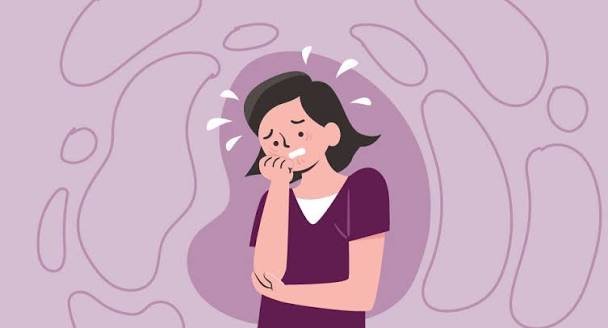
Emotional sensitivity involves intense reactions to feelings, whether your own or someone else’s, while sensory sensitivity involves physical stimuli.
Many highly sensitive people experience both types simultaneously, which can compound feelings of overwhelm in stimulating environments.
Understanding which type is affecting you in a given moment can help you choose the most effective coping strategy.
How Sensitivity Affects Relationships
Sensitive individuals often make attentive, empathetic partners and friends who notice subtle emotional shifts in the people they care about.
At the same time, this same sensitivity can make conflict or perceived rejection feel disproportionately painful.
Open communication about your sensitivity can help partners and friends understand your reactions rather than misreading them as overreacting.
Sensitivity in the Workplace
Highly sensitive employees often excel at noticing details, understanding client needs, and creating thoughtful work.
Open-plan offices, constant interruptions, and high-pressure environments can be particularly draining for sensitive nervous systems.
Requesting quiet workspace time or noise-canceling headphones is a practical accommodation many sensitive professionals find genuinely helpful.
Practical Ways to Manage Emotional Sensitivity
Building small, intentional habits can meaningfully reduce the overwhelm that often comes with heightened sensitivity.
| Strategy | How It Helps |
|---|---|
| Setting boundaries | Reduces exposure to draining people or situations |
| Scheduling downtime | Allows the nervous system time to reset |
| Practicing mindfulness | Builds awareness between a trigger and your reaction |
| Limiting sensory input | Reduces overstimulation in busy environments |
| Journaling | Processes emotions before they become overwhelming |
| Seeking therapy | Provides tools to manage reactivity and past experiences |
Creating a Calming Environment
Having a designated quiet space at home gives your nervous system somewhere to reset after a stimulating day.
Soft lighting, calming scents, and minimal noise can all help lower sensory input during moments of overwhelm.
Even a small corner with comfortable seating and few distractions can make a meaningful difference for a sensitive nervous system.
The Power of Saying No
Many sensitive people struggle with overcommitting, which leaves little room for the recovery time their nervous system needs.
Learning to decline extra plans, responsibilities, or requests protects your emotional bandwidth for what matters most.
Saying no does not require an elaborate explanation; a brief, honest response is usually more than enough.
Mindfulness and Emotional Regulation Techniques
Mindfulness practices help create a small pause between an emotional trigger and your reaction to it.
Simple techniques like slow breathing, grounding exercises, or short meditation sessions can reduce the intensity of an emotional spike.
Practicing these tools regularly, rather than only during moments of distress, tends to build the most lasting benefit.
When to Consider Talking to a Professional
If sensitivity feels like it has escalated suddenly or is significantly interfering with daily functioning, speaking with a professional is a wise step.
A therapist can help determine whether sensitivity is a lifelong trait, a response to recent stress, or connected to another underlying condition.
There is no contradiction between being naturally sensitive and seeking support for challenges that feel harder to manage alone.
Reframing Sensitivity as a Strength
Many of the qualities associated with sensitivity, such as empathy, creativity, and attentiveness, are highly valued in relationships and careers.
Sensitive individuals are often the first to notice subtle shifts in mood, environment, or unspoken tension within a group.
Shifting the internal narrative from “something is wrong with me” to “this is simply how I am wired” can be genuinely freeing.
Supporting a Sensitive Child
Children who show early signs of high sensitivity often benefit from calm, predictable routines and gentle transitions between activities.
Validating their emotional reactions, rather than dismissing them as overreactions, helps build long-term emotional resilience.
Teaching simple self-regulation tools early can give sensitive children a head start in managing overwhelm as they grow.
Sensitivity Across Different Personality Types
High sensitivity can appear in introverts and extroverts alike, even though it is often mistakenly assumed to only affect quieter personalities.
An extroverted sensitive person may enjoy socializing but still need significant recovery time afterward to reset their nervous system.
Understanding that sensitivity exists on a spectrum, rather than a single fixed personality type, helps explain why sensitive people can look very different from one another.
Cultural Attitudes Toward Sensitivity

In many cultures, sensitivity has historically been framed as a weakness, particularly for men who are often told to “toughen up.”
This cultural messaging can lead sensitive individuals to suppress natural reactions, which often increases internal stress rather than reducing it.
Growing awareness around high sensitivity as a legitimate trait has slowly begun shifting these attitudes in more recent years.
How Diet and Physical Health Influence Sensitivity
Blood sugar fluctuations, dehydration, and inconsistent eating patterns can all contribute to feeling more emotionally reactive throughout the day.
Caffeine and alcohol, in particular, can heighten anxiety and emotional intensity for people who already have a sensitive nervous system.
Maintaining stable meals, adequate hydration, and mindful use of stimulants can noticeably support more balanced emotional responses.
Exercise and Its Effect on Emotional Regulation
Regular physical activity helps regulate stress hormones like cortisol, which can otherwise amplify feelings of overwhelm.
Even light movement, such as a daily walk, has been shown to support more stable mood and emotional resilience over time.
For highly sensitive individuals, gentler forms of exercise like yoga or walking may feel more sustainable than high-intensity workouts.
Technology, Social Media, and Sensory Overload
Constant notifications, fast-paced content, and comparison-driven social media use can be especially overwhelming for a sensitive nervous system.
Highly sensitive people often report feeling mentally exhausted after extended screen time, even without realizing why.
Setting specific boundaries around screen use, such as notification-free hours, can meaningfully reduce this source of daily overstimulation.
Building a Personalized Sensitivity Toolkit
Not every coping strategy works equally well for every sensitive person, since triggers and preferences vary widely.
Keeping a simple list of what genuinely helps you recover, whether it is music, nature, journaling, or quiet time, creates a reliable go-to resource.
Revisiting and adjusting this toolkit over time ensures it continues to reflect what actually supports you as your circumstances change.
Sensitivity and Decision Fatigue
Highly sensitive people often process more information per decision, weighing subtle details others might overlook entirely.
This deeper processing can lead to decision fatigue more quickly, especially during busy or high-stakes days.
Simplifying low-stakes daily decisions, like meal planning or clothing choices, can help preserve mental energy for more important choices.
Sensitivity in Friendships and Social Circles
Sensitive individuals often gravitate toward smaller, deeper friendships rather than large social circles that feel draining over time.
Quality conversation and genuine connection tend to matter far more to sensitive people than the number of people they socialize with.
Communicating your need for meaningful, lower-key interactions can help friends understand why large group gatherings sometimes feel less appealing.
Recognizing the Difference Between Sensitivity and Overreacting
It can be difficult to distinguish between a proportionate emotional response and what others might label as overreacting.
Sensitivity often means feeling things more intensely, not necessarily feeling things that are unjustified or disconnected from reality.
Reflecting on whether a reaction matches the situation, with self-compassion rather than judgment, can help clarify this distinction over time.
It can also help to ask a trusted friend for honest, gentle feedback if you are unsure whether a pattern of reactions needs closer attention.
How Parenting Style Can Shape Adult Sensitivity
Growing up in an environment with inconsistent emotional support can heighten sensitivity later in life, even for those without a strong genetic predisposition.
Conversely, a supportive, validating childhood environment can help naturally sensitive individuals build stronger emotional regulation skills over time.
Understanding this connection can offer helpful context, without assigning blame, when reflecting on the roots of your own sensitivity.
Sensitivity During Hormonal Changes
Hormonal shifts, such as those during puberty, pregnancy, postpartum periods, or menopause, can temporarily heighten emotional sensitivity.
These fluctuations affect neurotransmitters directly tied to mood regulation, which can make everyday stressors feel more intense than usual.
Tracking patterns alongside a healthcare provider can help clarify whether hormonal changes are contributing to shifts in emotional sensitivity.
The Connection Between Sensitivity and Intuition
Many highly sensitive people report a strong sense of intuition, often picking up on subtle social or environmental cues quickly.
This heightened awareness can feel like “just knowing” something is off before there is any concrete evidence.
While intuition can be a valuable strength, learning to balance it with factual information helps prevent unnecessary worry or overthinking.
Long-Term Outlook for Highly Sensitive People
With greater self-understanding and supportive coping tools, many sensitive individuals find their trait becomes easier to manage over time.
Building a lifestyle that honors your need for rest, boundaries, and meaningful connection tends to reduce daily overwhelm significantly.
Rather than something to overcome, sensitivity often becomes a well-understood part of identity that supports rather than hinders daily life.
Many sensitive adults look back and describe their sensitivity as one of the reasons they built deeper relationships, more thoughtful careers, and a richer inner life overall.
Common Misconceptions About Sensitive People

A common myth is that sensitive people are simply weak or unable to handle everyday challenges as well as others.
In reality, many sensitive people manage significant emotional and sensory input every day, often without others realizing the effort involved.
Another misconception is that sensitivity always means shyness, when in fact sensitive people can be confident, outgoing, and socially skilled.
Some also assume sensitivity fades with age, but for many people it remains a stable trait throughout life, even as coping skills continue to improve.
Frequently Asked Questions (FAQs)
Why am I so sensitive to everything?
Heightened sensitivity often stems from a naturally reactive nervous system, though stress, exhaustion, or health conditions can also play a role.
Is being highly sensitive a mental health disorder?
No, high sensitivity is considered a personality trait, not a disorder, though it can coexist with certain mental health conditions.
Can sensitivity be genetic?
Yes, research links certain gene variants involved in mood and stress regulation to a more reactive, sensitive nervous system.
Why do I cry so easily at movies or music?
Highly sensitive people often process emotional stimuli more deeply, which can trigger stronger reactions like crying more easily.
Can trauma make someone more sensitive?
Yes, past traumatic experiences can put the nervous system on heightened alert, increasing emotional reactivity over time.
Is high sensitivity more common in certain conditions like ADHD or autism?
Sensory sensitivity is commonly reported in ADHD and autism, though many highly sensitive people do not have either condition.
How can I stop feeling so overwhelmed by criticism?
Practicing mindfulness and separating feedback from self-worth can gradually reduce how personal criticism feels over time.
Should I see a therapist if I feel too sensitive?
If sensitivity significantly interferes with daily life or feels sudden, a therapist can help identify causes and coping strategies.
Can lack of sleep make sensitivity worse?
Yes, poor sleep weakens emotional regulation, making reactions feel more intense than they would with adequate rest.
Is being sensitive actually a strength?
Yes, sensitivity is often linked to stronger empathy, creativity, and awareness, which many people find valuable in relationships and work.
Conclusion
Why am I so sensitive is a question with roots in genetics, brain wiring, life experiences, and sometimes underlying health conditions, rather than a simple character flaw.
Understanding where your sensitivity comes from can shift the narrative from something to fix into something to understand and work with.
Practical strategies like setting boundaries, protecting downtime, and practicing mindfulness can meaningfully reduce everyday overwhelm.
When sensitivity feels sudden or overwhelming, speaking with a professional can offer clarity and support tailored to your situation.
Most importantly, sensitivity often comes paired with empathy, depth, and creativity that many people spend years trying to cultivate. Learning to work with your nervous system, rather than against it, can turn something that once felt like a burden into a genuine source of strength.


